Determined according to the botanical keys provided by Tutin (1968 in Tutin at al.) and Micevski (2005 in Matevski).
Lifeform: Biennial plant.
Distribution: Native to the Balkan Peninsula according to The Euro+Med PlanBase (source: Hand, 2011+) and the Plants of the World Online portal (Royal Botanic Gardens, Kew). Balkan endemic.
Habitat: Hill pastures in the lowland. Recorded in the hilly region near village of Beli and between the villages of Tursko rudari and Shtalkovica.
Flowering period: Spring: APR, MAY.
Locality: region between the villages of Tursko Rudari and Shtalkovica.
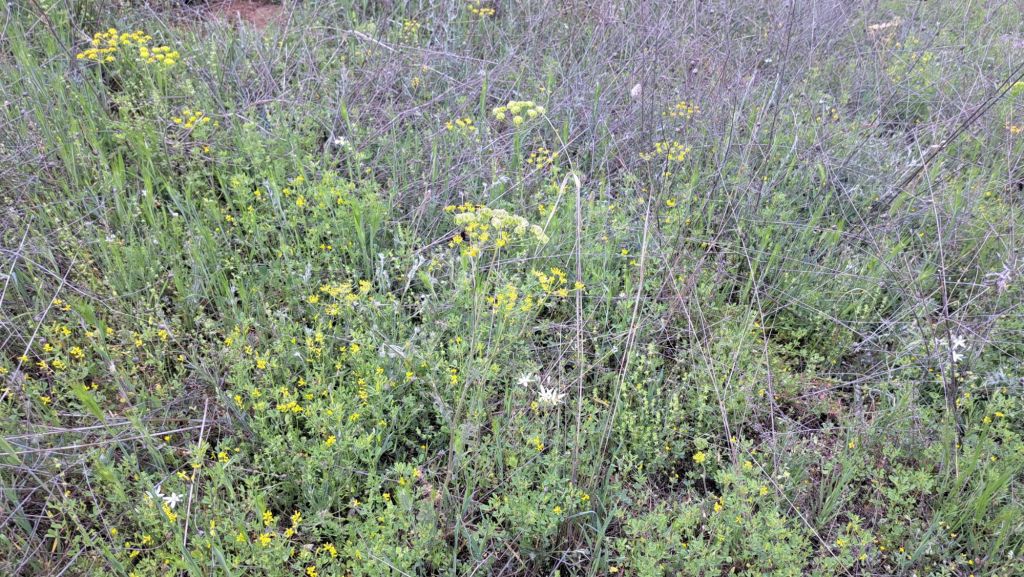
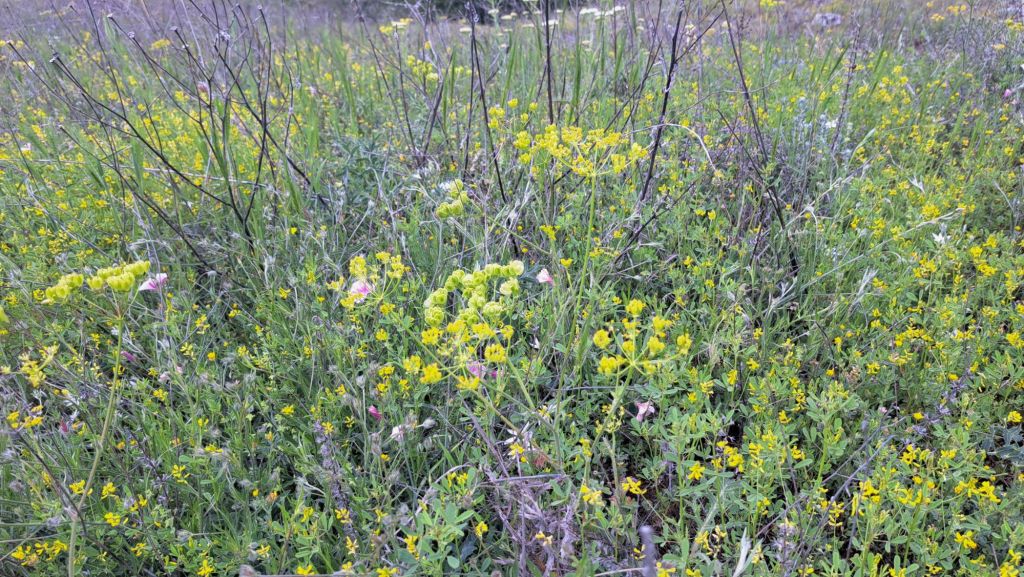
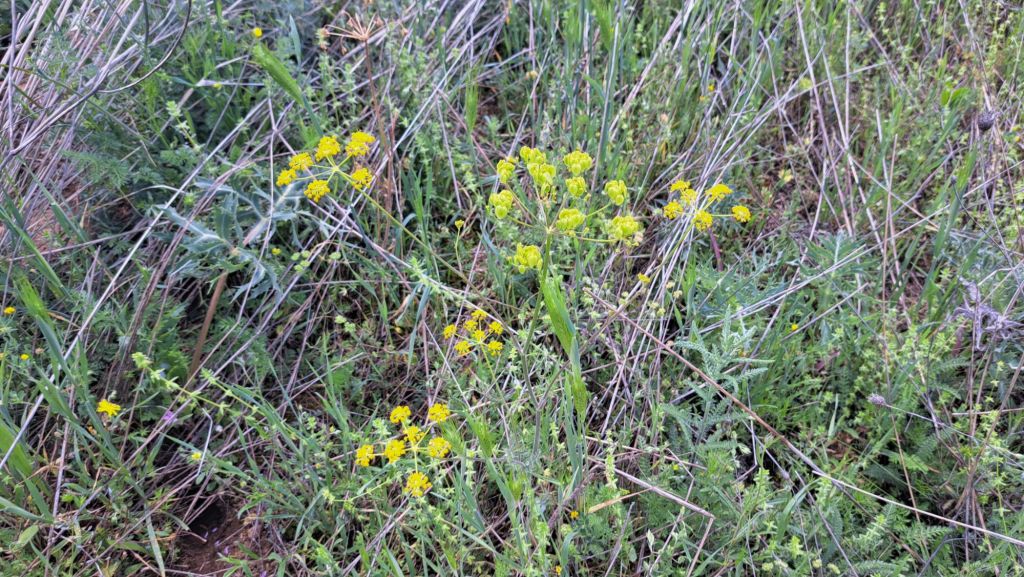
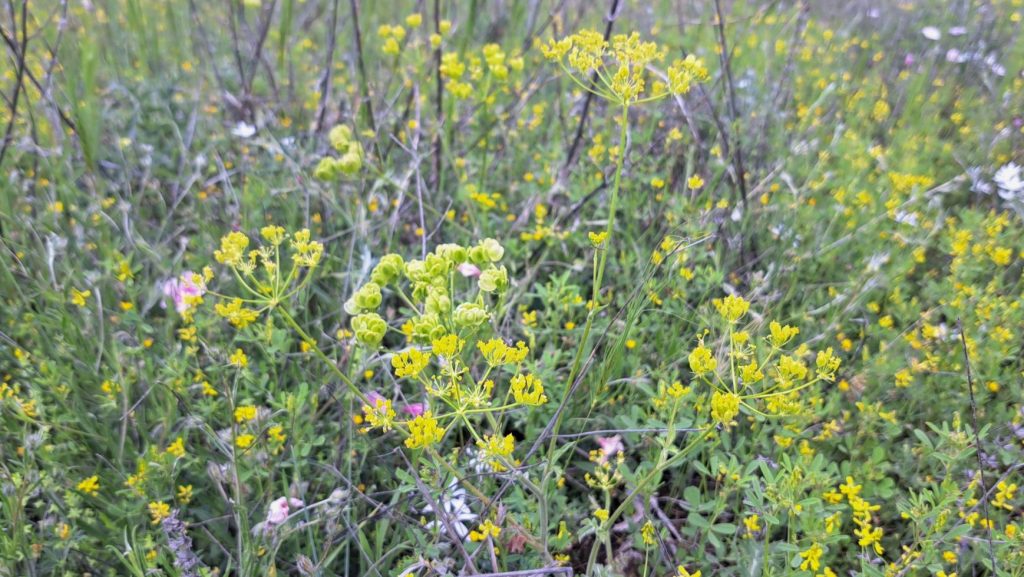
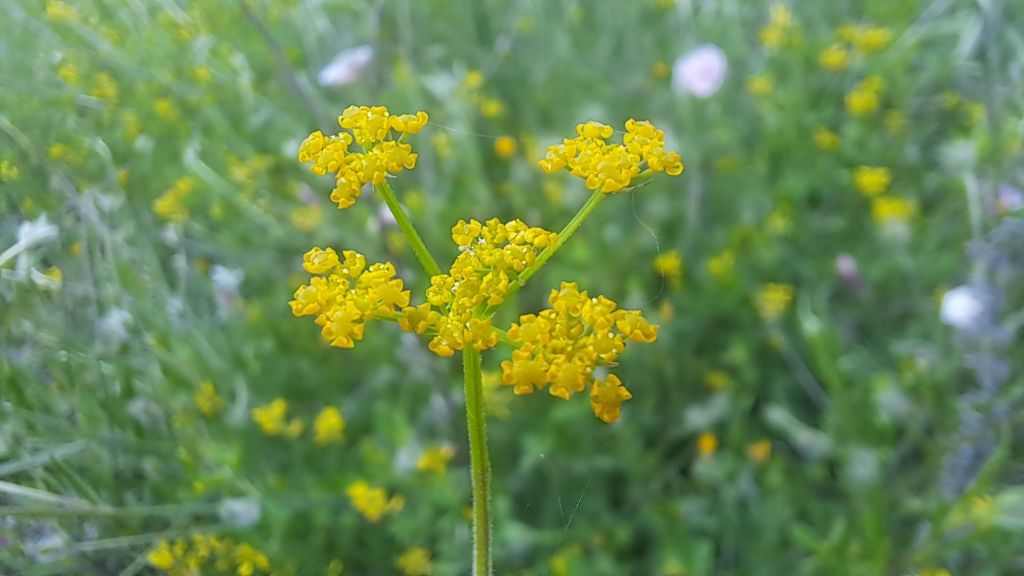
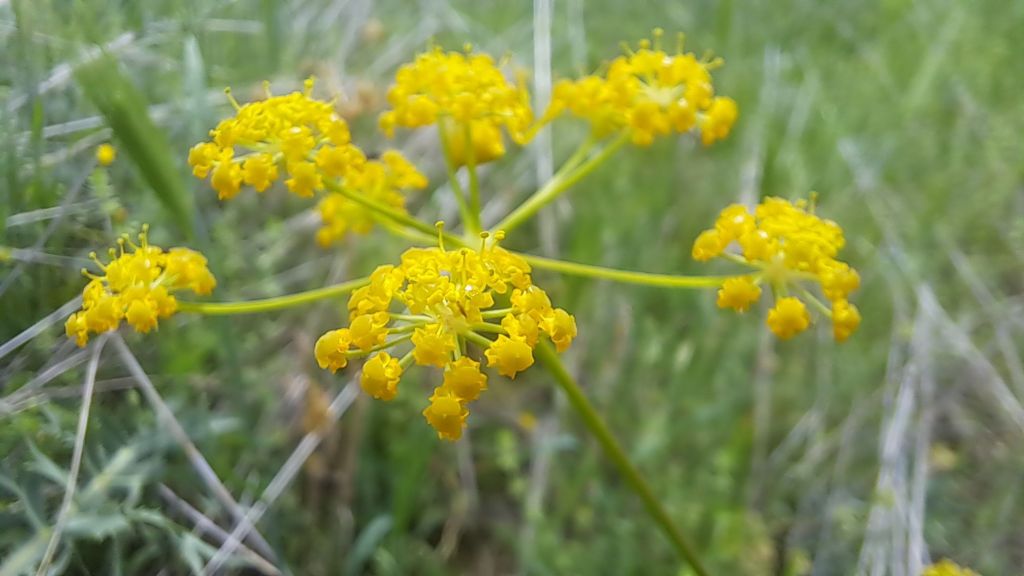
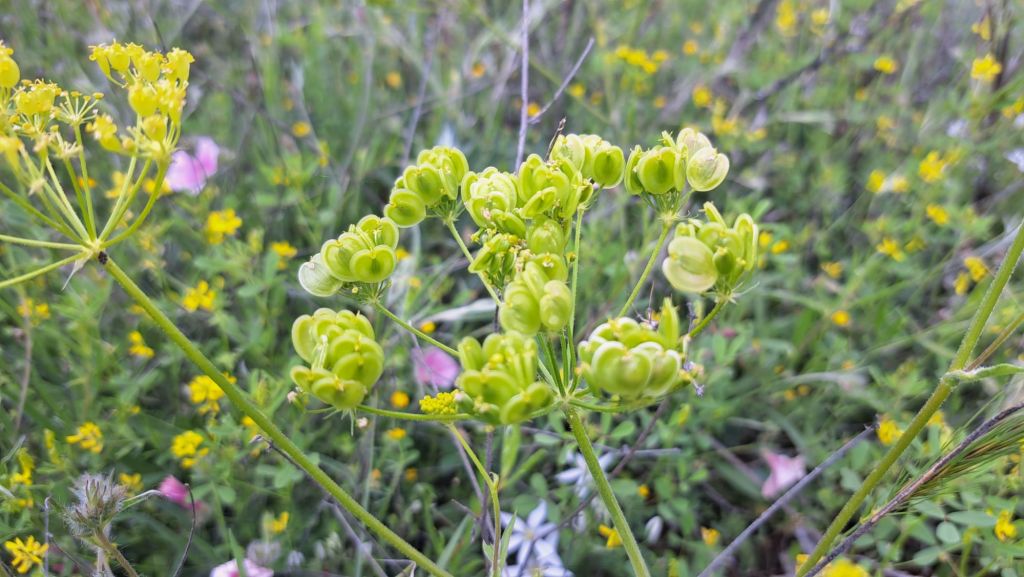
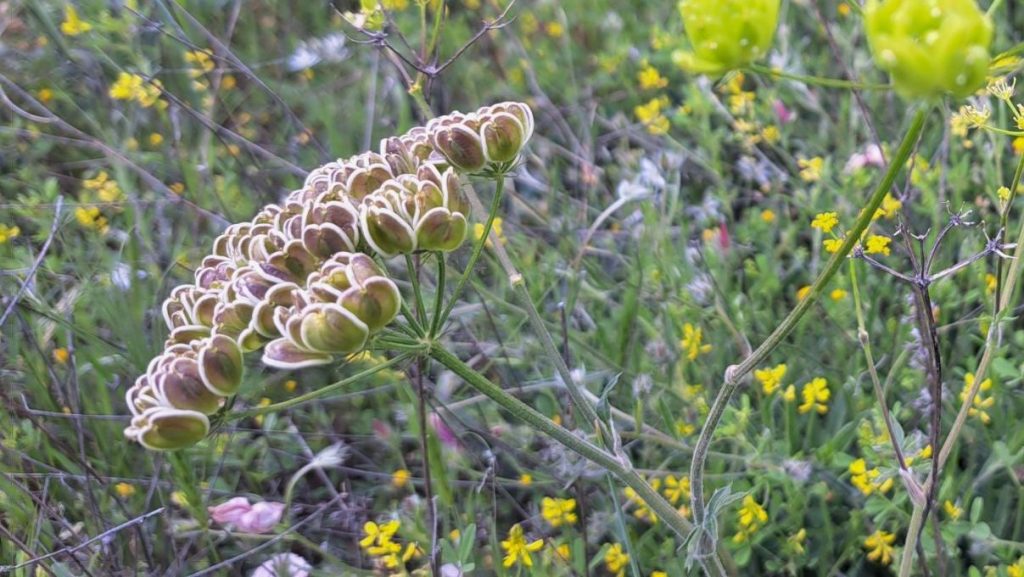
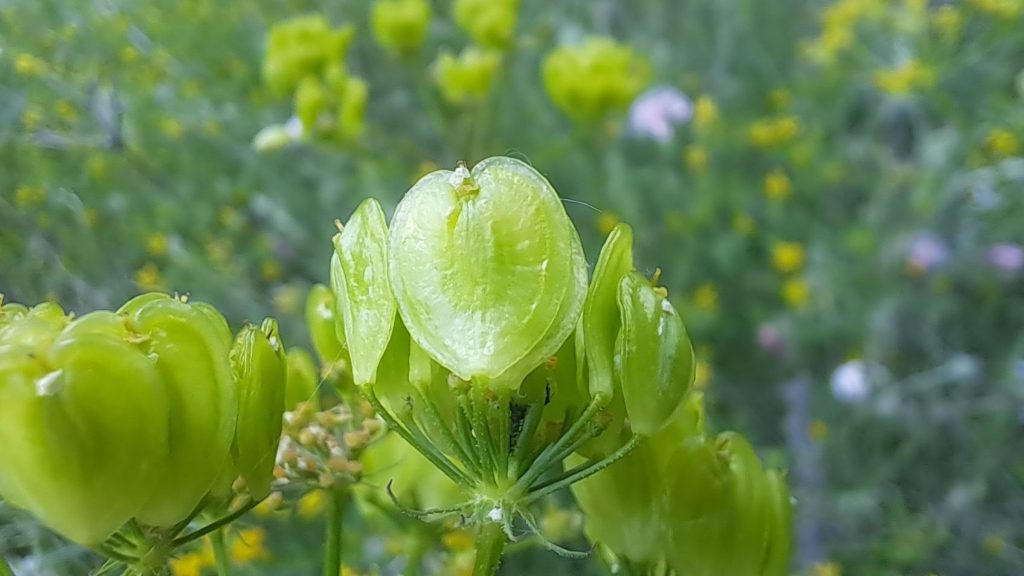
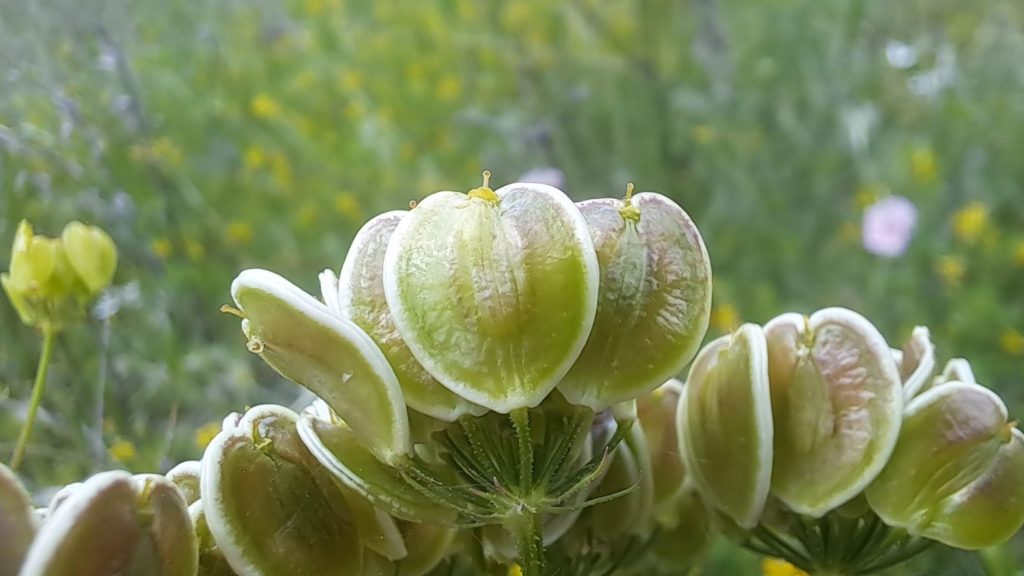
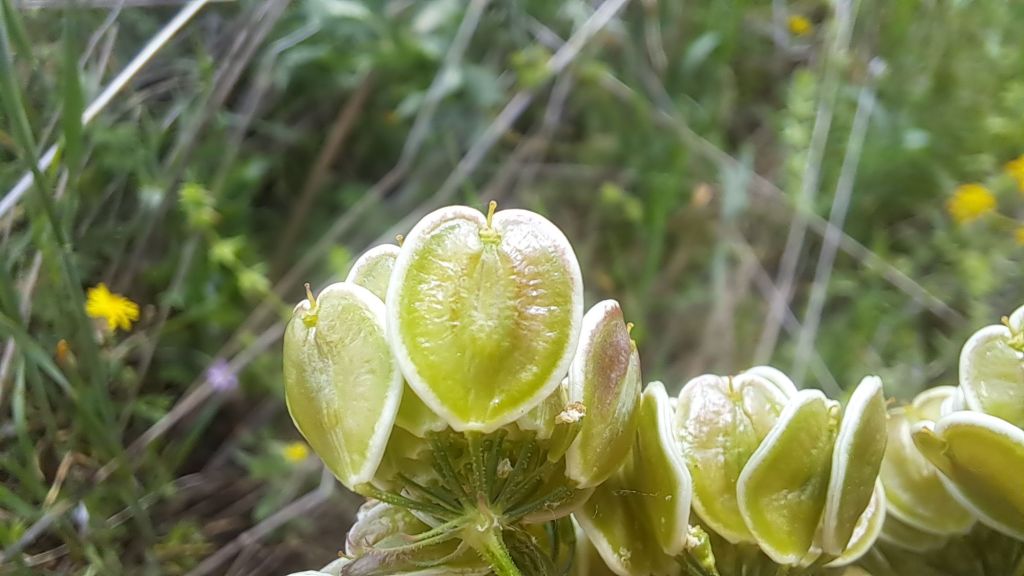
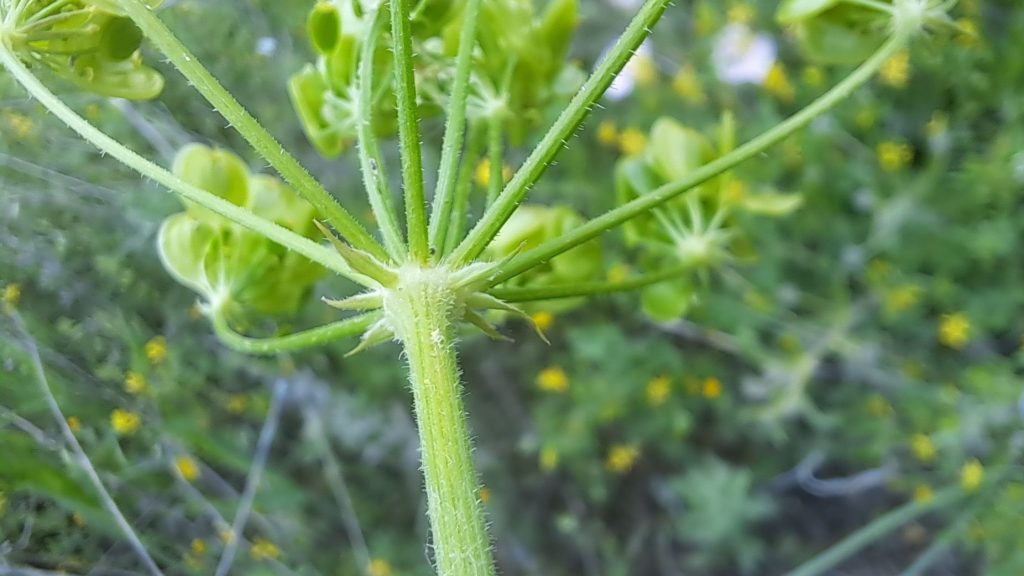
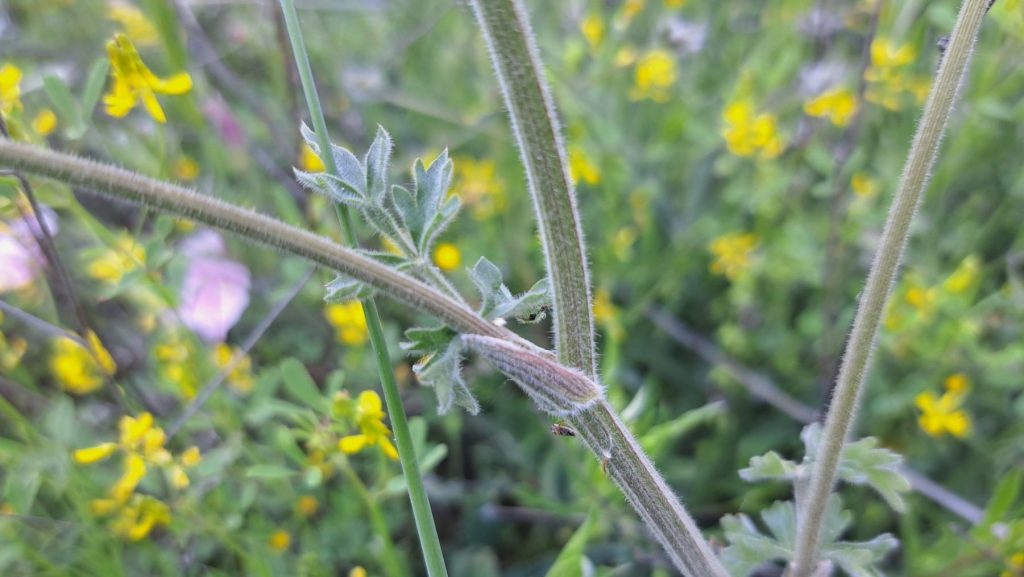
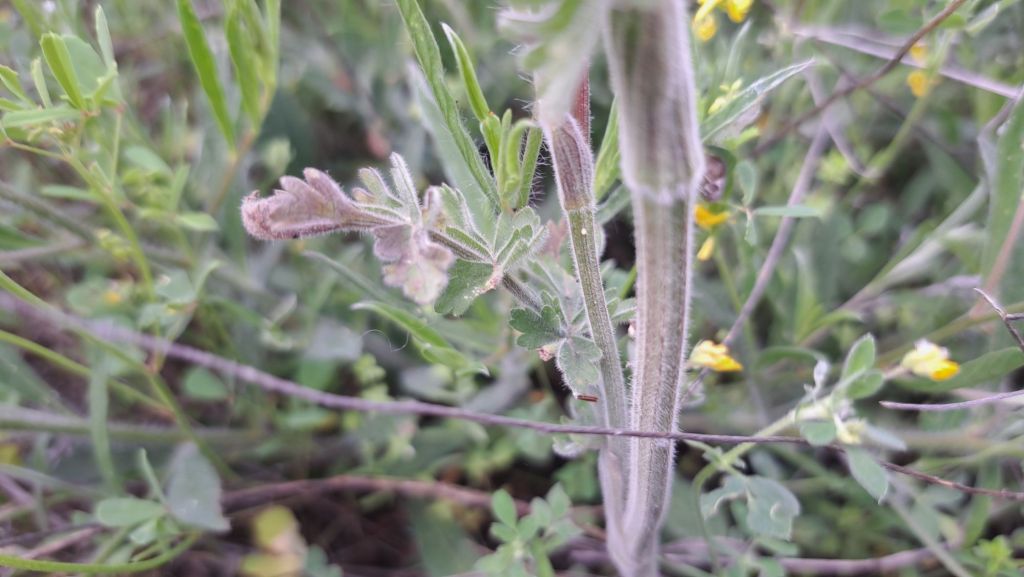
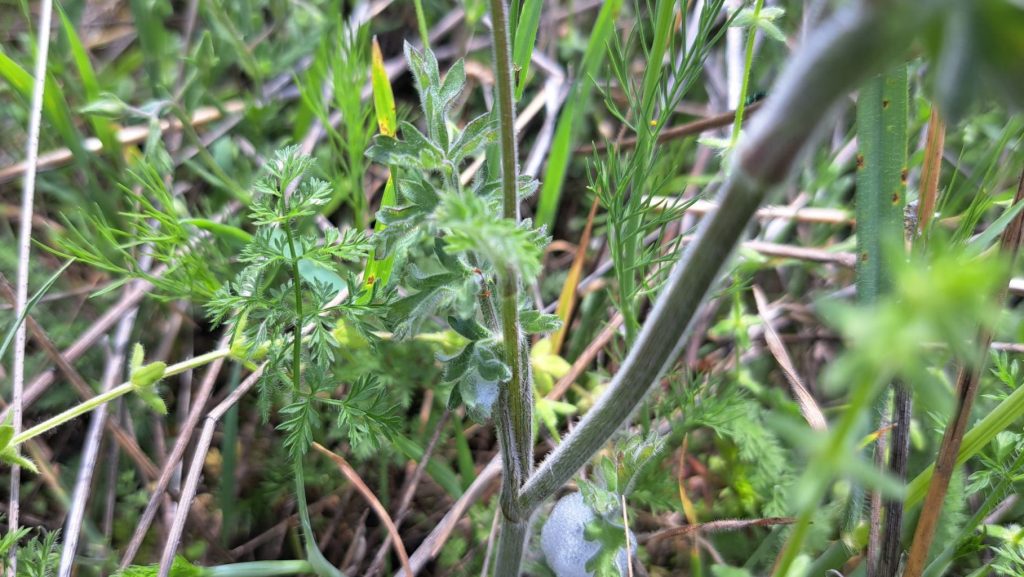
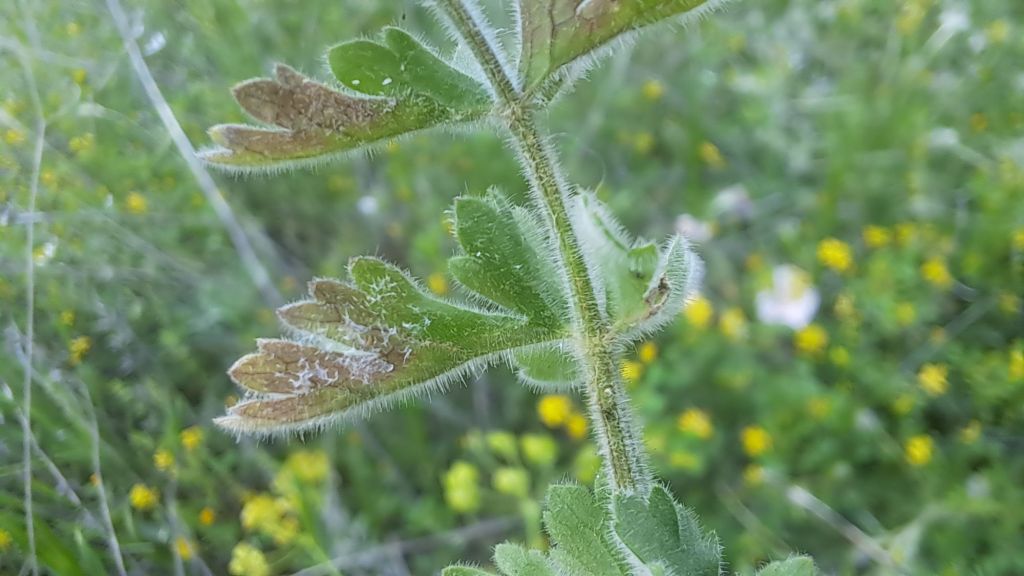
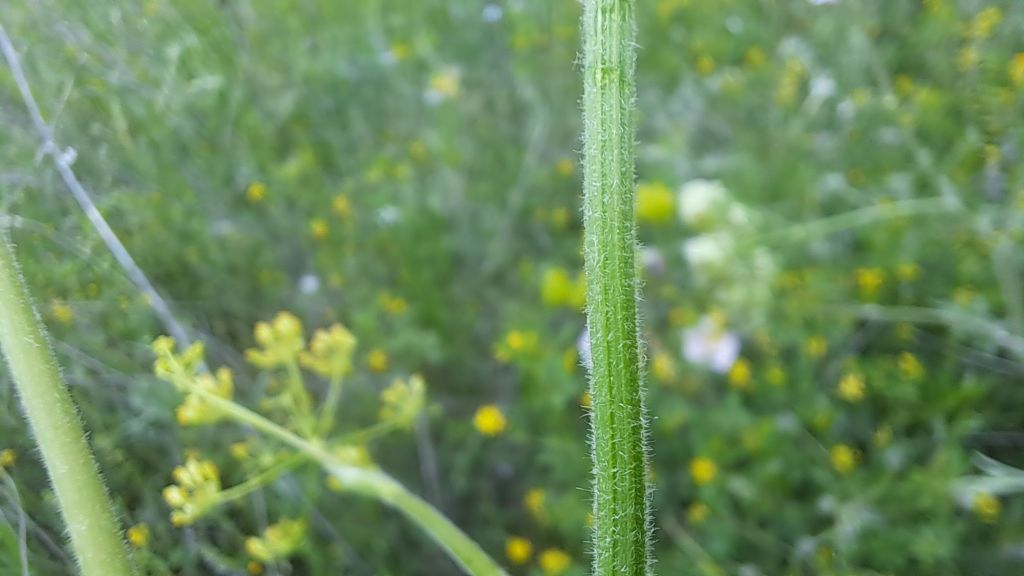
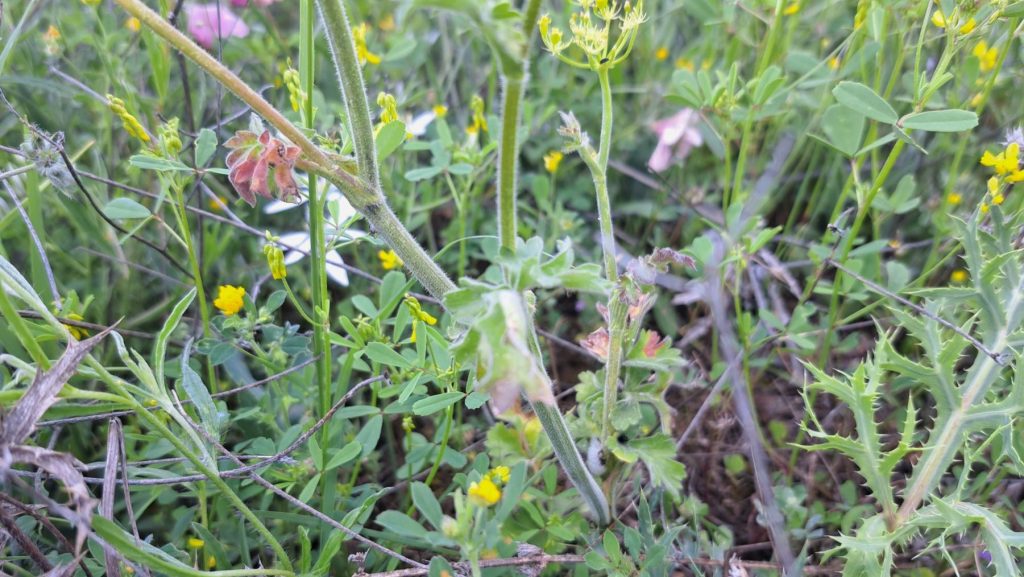
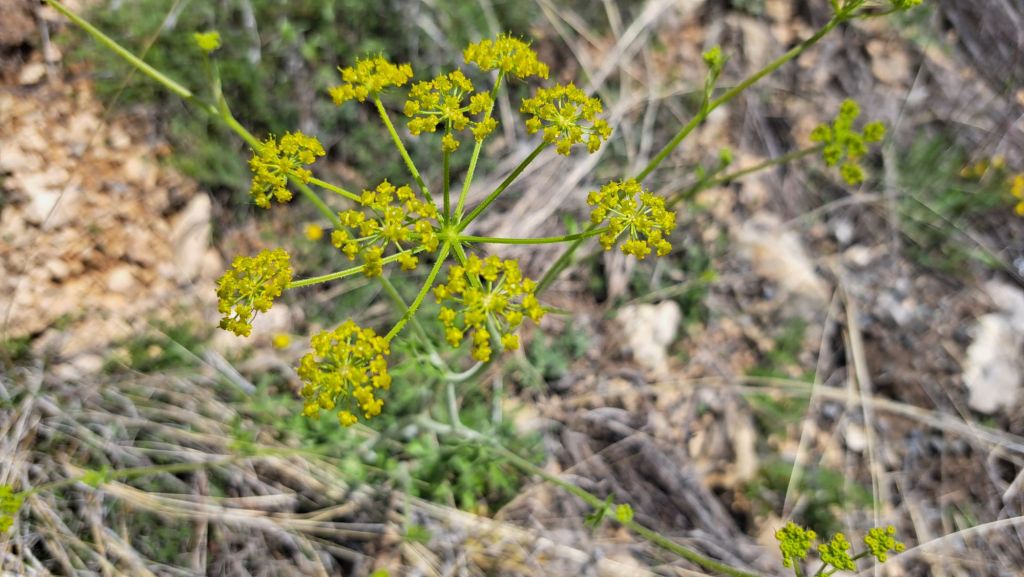
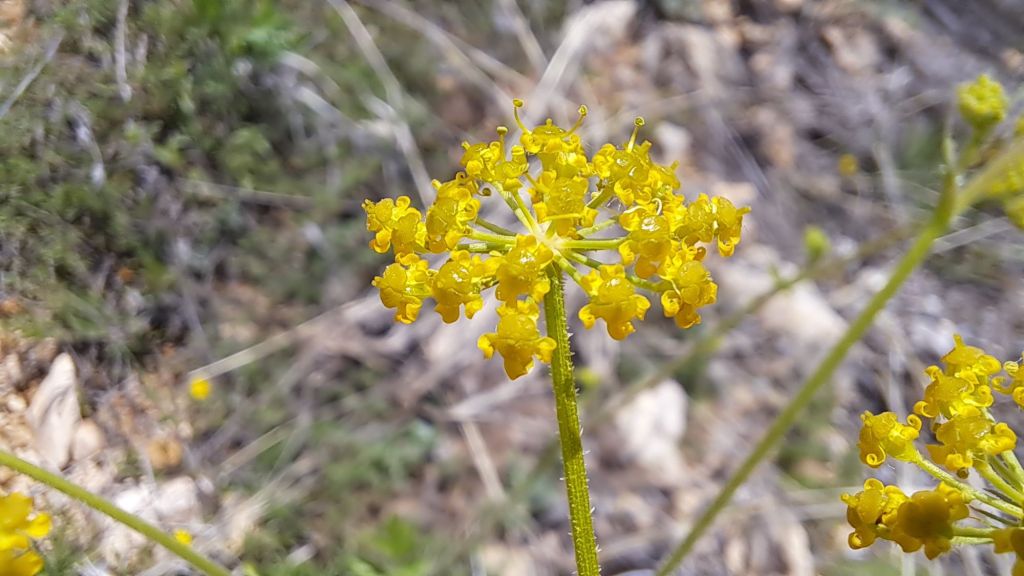
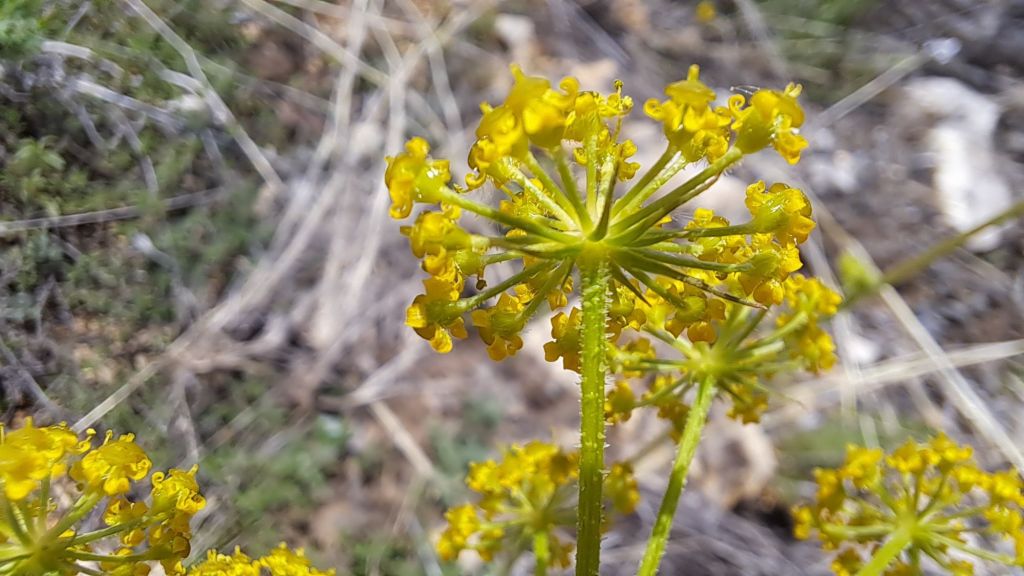
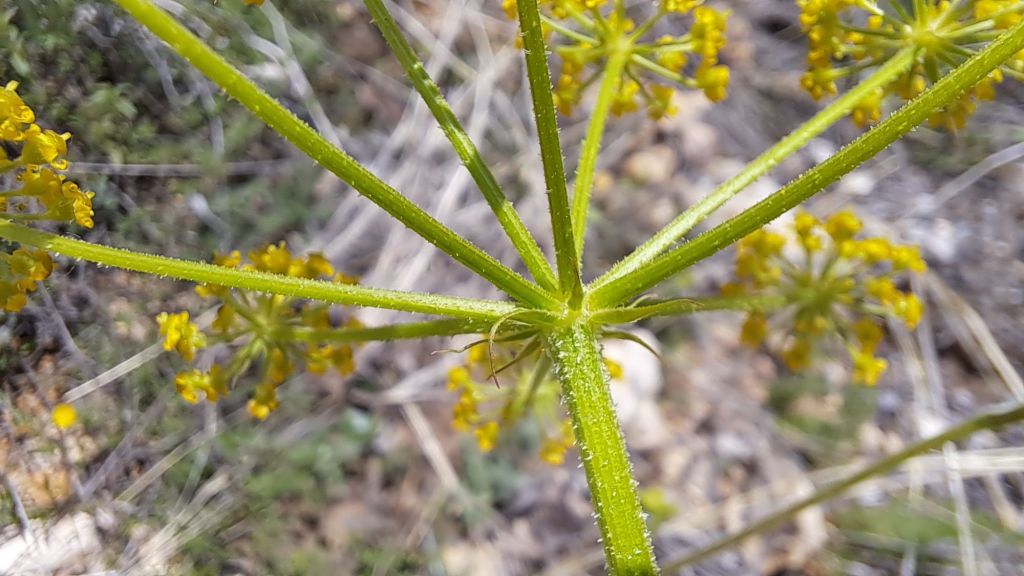
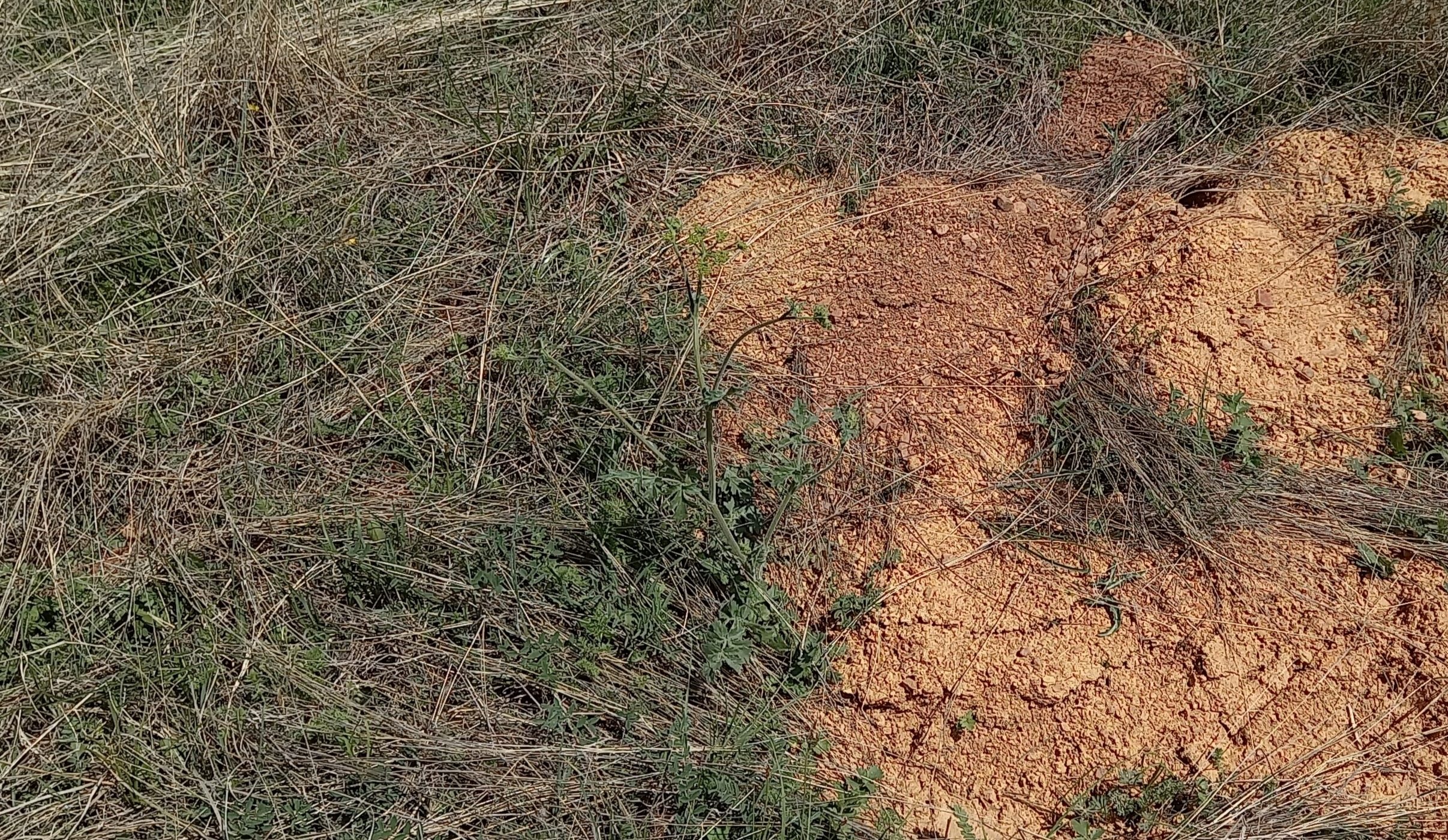
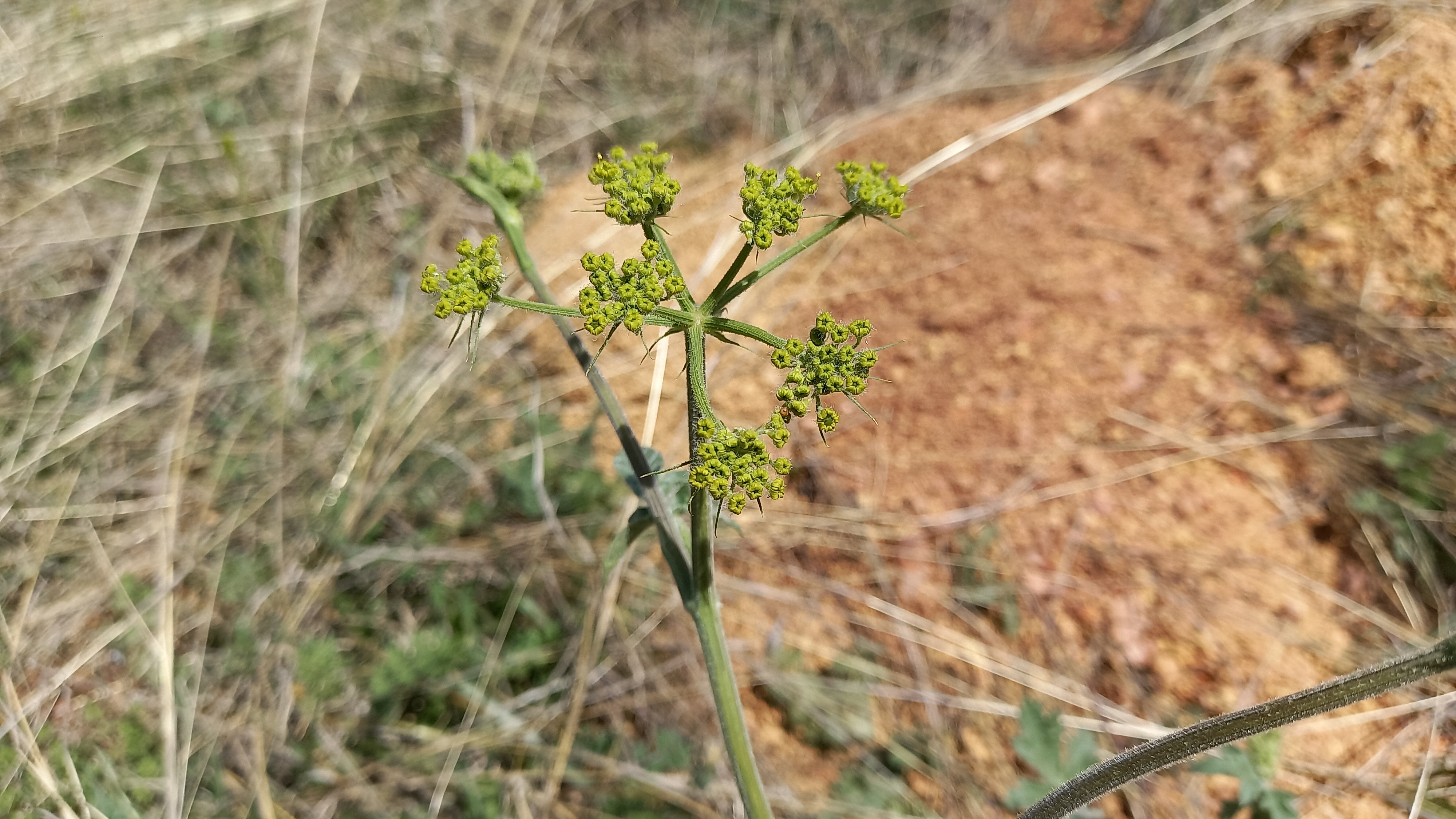
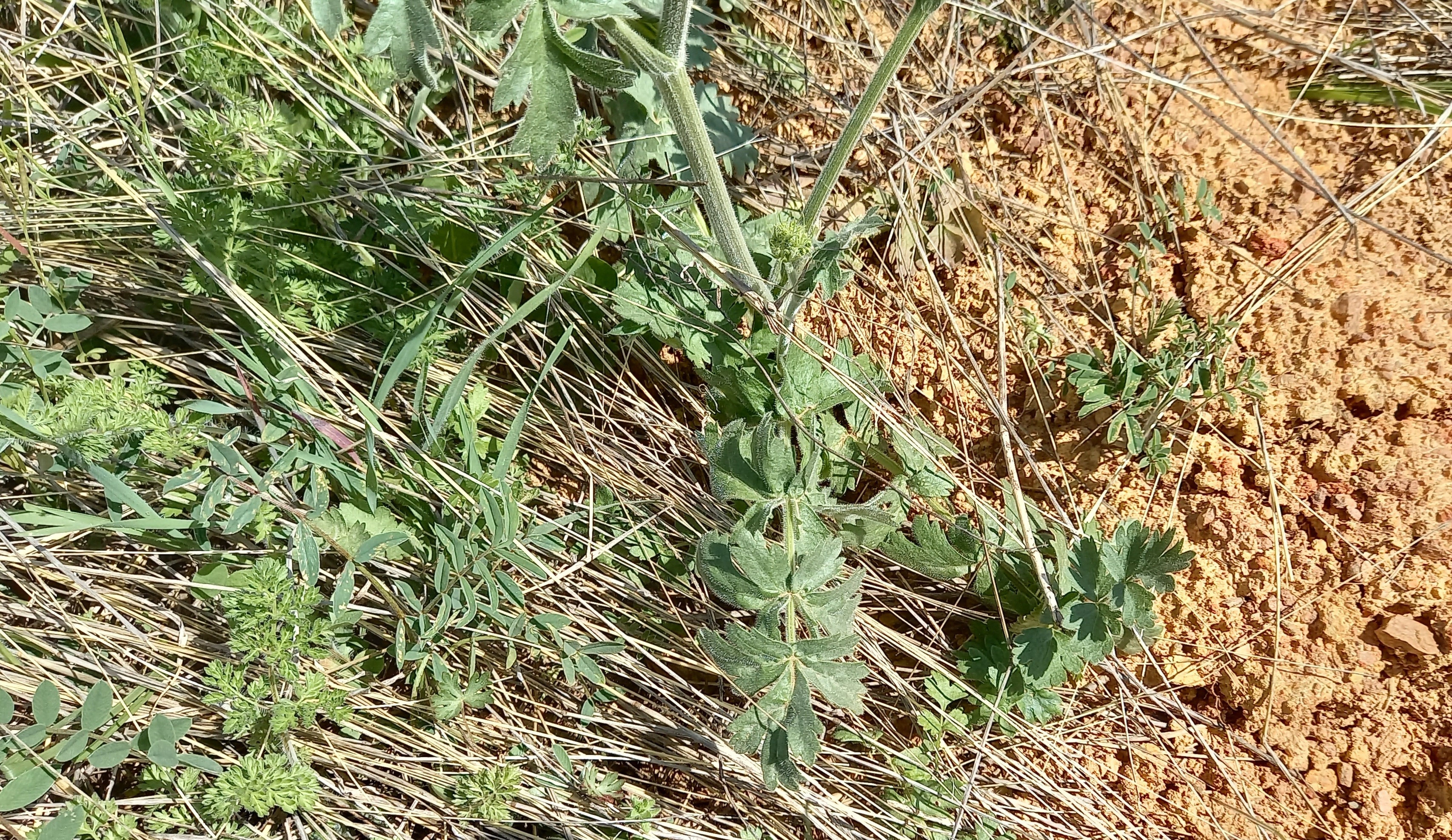
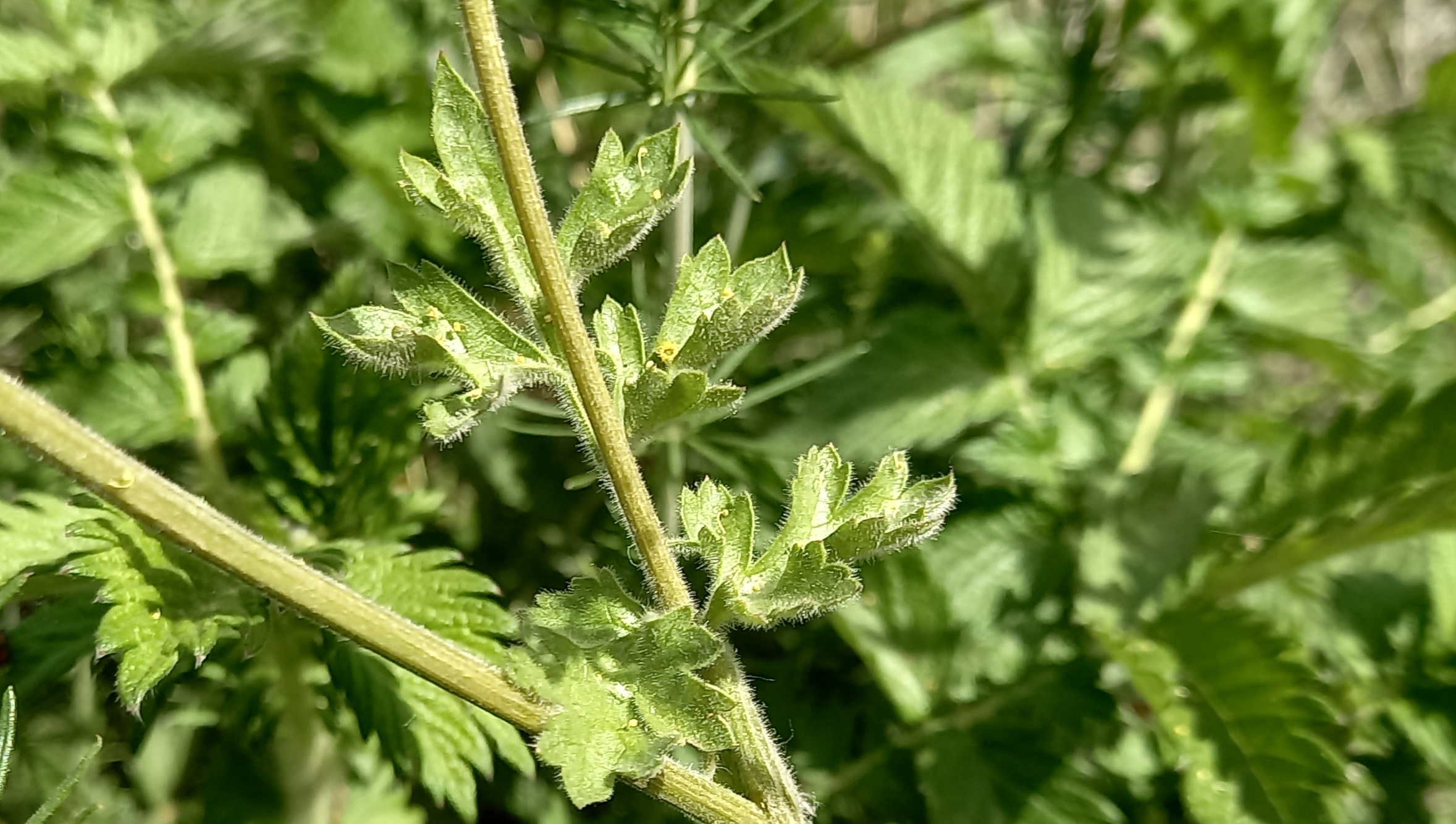
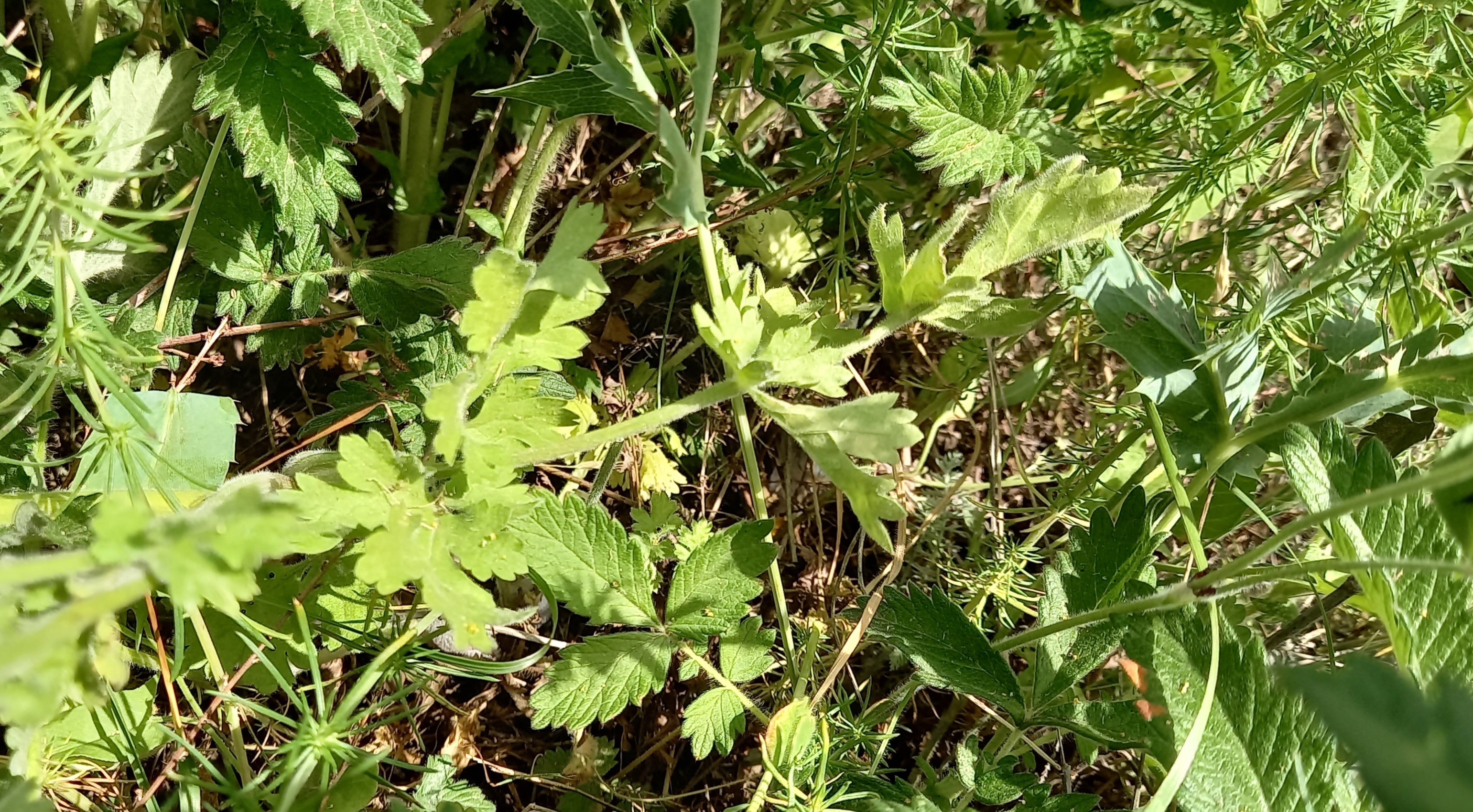
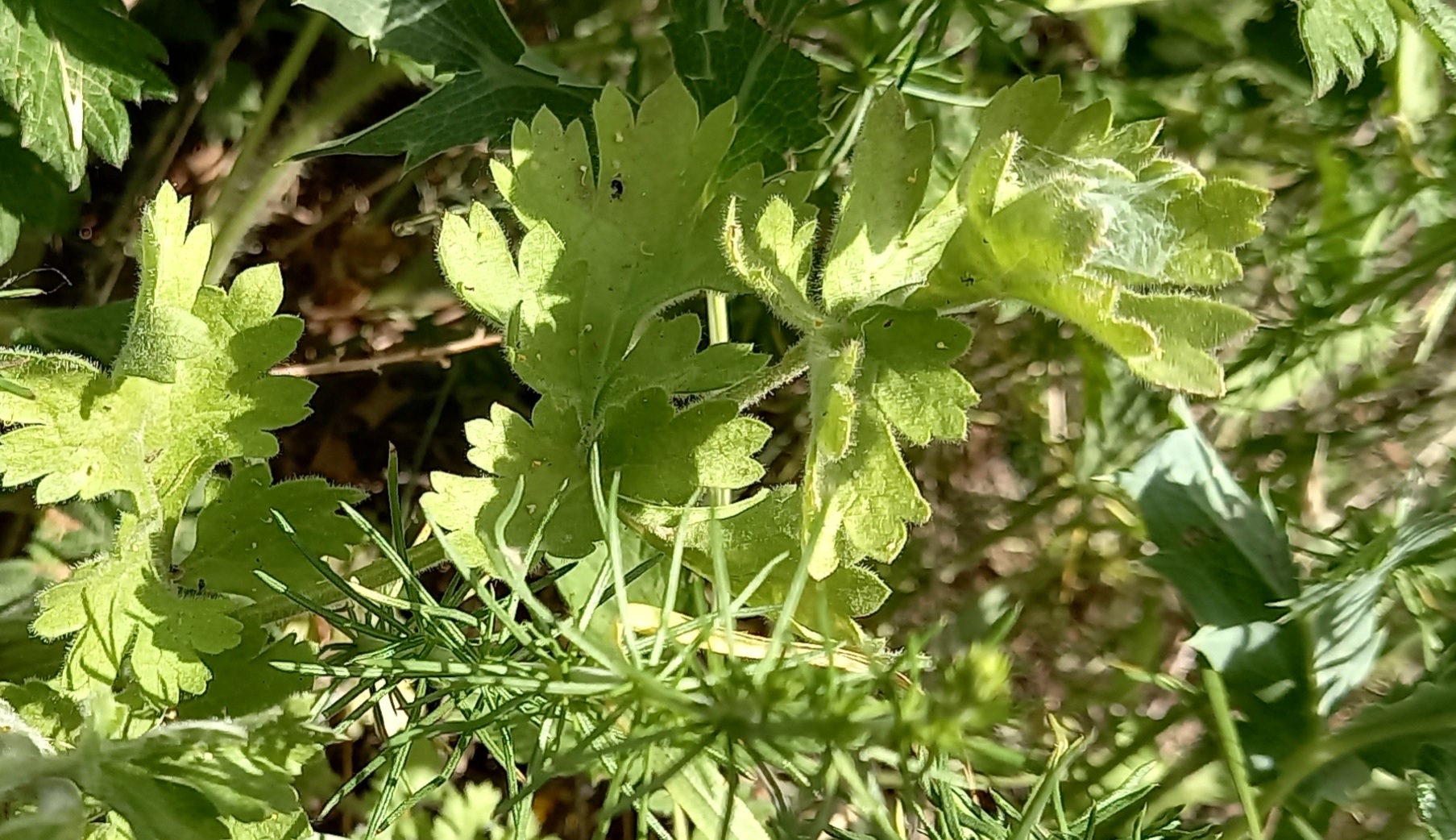
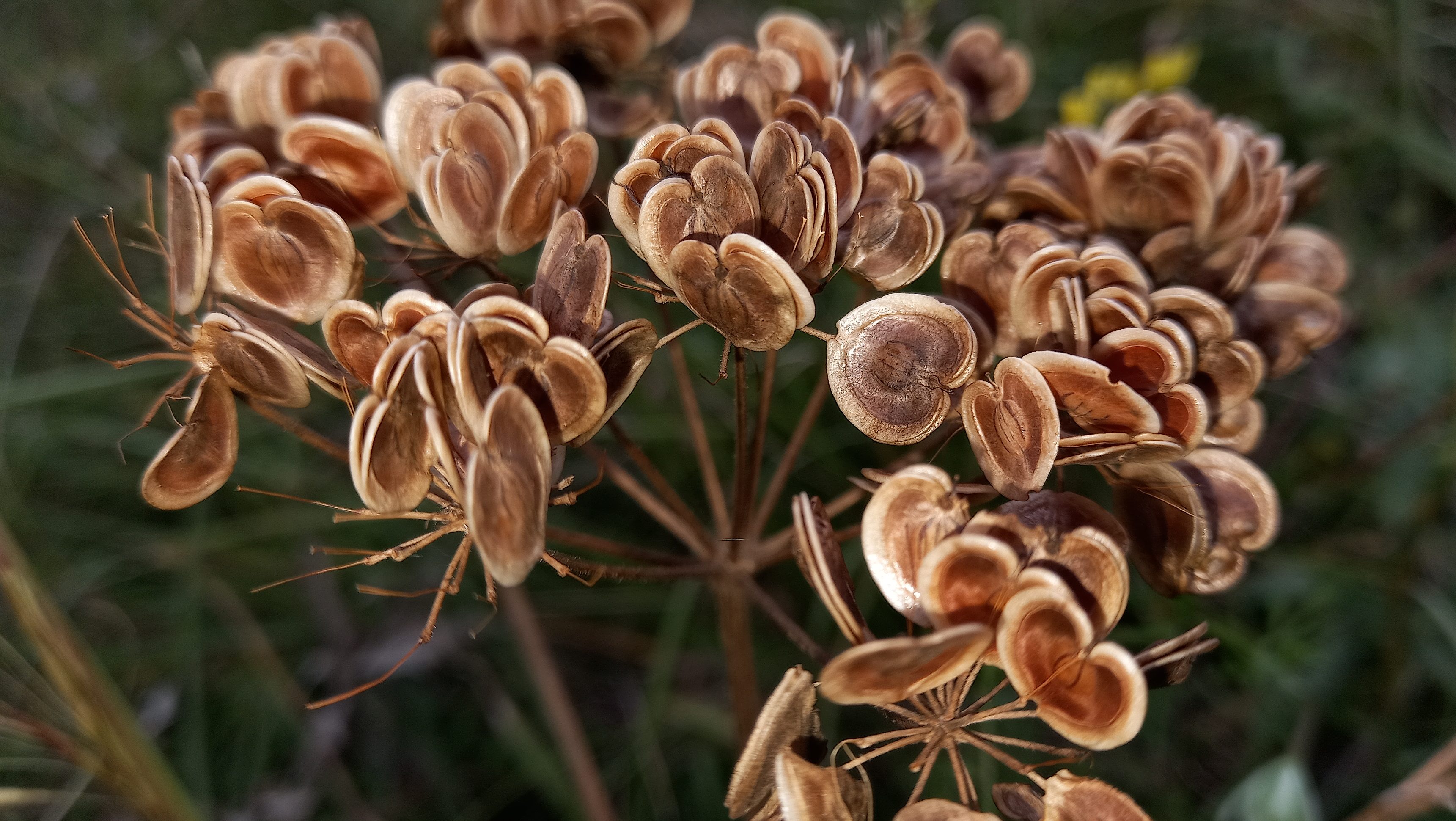
Malabaila involucrata – habit. Osogovo, between the villages of Tursko Rudari and Shtalkovica, 11.05.2024. Photo by Trajche Dimitrovski.Malabaila involucrata – habit. Osogovo, between the villages of Tursko Rudari and Shtalkovica, 11.05.2024. Photo by Trajche Dimitrovski.Malabaila involucrata – habit. Osogovo, between the villages of Tursko Rudari and Shtalkovica, 11.05.2024. Photo by Trajche Dimitrovski.Malabaila involucrata – upper part of plant with umbels. Osogovo, between the villages of Tursko Rudari and Shtalkovica, 11.05.2024. Photo by Trajche Dimitrovski.Malabaila involucrata – upper part of plant with umbels. Osogovo, between the villages of Tursko Rudari and Shtalkovica, 11.05.2024. Photo by Trajche Dimitrovski.Malabaila involucrata – flowering umbel. Osogovo, between the villages of Tursko Rudari and Shtalkovica, 11.05.2024. Photo by Trajche Dimitrovski.Malabaila involucrata – partial umbel with flowers. Osogovo, between the villages of Tursko Rudari and Shtalkovica, 11.05.2024. Photo by Trajche Dimitrovski.Malabaila involucrata – partial umbel with spent flowers and bracteoles. Osogovo, between the villages of Tursko Rudari and Shtalkovica, 11.05.2024. Photo by Trajche Dimitrovski.Malabaila involucrata – fruiting umbel. Osogovo, between the villages of Tursko Rudari and Shtalkovica, 11.05.2024. Photo by Trajche Dimitrovski.Malabaila involucrata – fruiting umbel. Osogovo, between the villages of Tursko Rudari and Shtalkovica, 11.05.2024. Photo by Trajche Dimitrovski.Malabaila involucrata – partial umbel with fructs and bractoles. Osogovo, between the villages of Tursko Rudari and Shtalkovica, 11.05.2024. Photo by Trajche Dimitrovski..Malabaila involucrata – fruits. Osogovo, between the villages of Tursko Rudari and Shtalkovica, 11.05.2024. Photo by Trajche Dimitrovski.Malabaila involucrata – fruits. Osogovo, between the villages of Tursko Rudari and Shtalkovica, 11.05.2024. Photo by Trajche Dimitrovski.Malabaila involucrata – bracts and rays of umbel. Osogovo, between the villages of Tursko Rudari and Shtalkovica, 11.05.2024. Photo by Trajche Dimitrovski.Malabaila involucrata – bracts and rays of umbel. Osogovo, between the villages of Tursko Rudari and Shtalkovica, 11.05.2024. Photo by Trajche Dimitrovski.Malabaila involucrata – stem and leaf. Osogovo, between the villages of Tursko Rudari and Shtalkovica, 11.05.2024. Photo by Trajche Dimitrovski.Malabaila involucrata – stem and leaf. Osogovo, between the villages of Tursko Rudari and Shtalkovica, 11.05.2024. Photo by Trajche Dimitrovski.Malabaila involucrata – stem and leaf. Osogovo, between the villages of Tursko Rudari and Shtalkovica, 11.05.2024. Photo by Trajche Dimitrovski.Malabaila involucrata – stem and leaf. Osogovo, between the villages of Tursko Rudari and Shtalkovica, 11.05.2024. Photo by Trajche Dimitrovski.Malabaila involucrata – segments of leaf. Osogovo, between the villages of Tursko Rudari and Shtalkovica, 11.05.2024. Photo by Trajche Dimitrovski.Malabaila involucrata – segments of leaf. Osogovo, between the villages of Tursko Rudari and Shtalkovica, 11.05.2024. Photo by Trajche Dimitrovski.Malabaila involucrata – leaf petiole. Osogovo, between the villages of Tursko Rudari and Shtalkovica, 11.05.2024. Photo by Trajche Dimitrovski.Malabaila involucrata – stem. Osogovo, between the villages of Tursko Rudari and Shtalkovica, 11.05.2024. Photo by Trajche Dimitrovski.Malabaila involucrata – lower part of plant. Osogovo, between the villages of Tursko Rudari and Shtalkovica, 11.05.2024. Photo by Trajche Dimitrovski.
Locality: village of Beli.
Malabaila involucrata – umbel. Osogovo – hilly region near village of Beli, 01.05.2023. Photo by Trajche Dimitrovski.Malabaila involucrata – partial umbel with flowers. Osogovo – hilly region near village of Beli, 01.05.2023. Photo by Trajche Dimitrovski.Malabaila involucrata – partial umbel with flowers. Osogovo – hilly region near village of Beli, 01.05.2023. Photo by Trajche Dimitrovski.Malabaila involucrata – bracts of partial umbel. Osogovo – hilly region near village of Beli, 01.05.2023. Photo by Trajche Dimitrovski.Malabaila involucrata – peduncle of umbel, bracts and rays. Osogovo – hilly region near village of Beli, 01.05.2023. Photo by Trajche Dimitrovski.Malabaila involucrata – habit during development of main umbel. Osogovo – hilly region near village of Beli, 03.05.2021. Photo by Trajche Dimitrovski.Malabaila involucrata – developing umbel with bracts and bracteoles. Osogovo – hilly region near village of Beli, 03.05.2021. Photo by Trajche Dimitrovski.Malabaila involucrata – plant base. Osogovo – hilly region near village of Beli, 03.05.2021. Photo by Trajche Dimitrovski.Malabaila involucrata – habit. Osogovo – hilly region near village of Beli, 24.05.2021. Photo by Trajche Dimitrovski.Malabaila involucrata – umbel with bracts, bracteoles and developing fruits. Osogovo Mountains, hilly region near village of Beli, 24.05.2021. Photo by Trajche Dimitrovski.Malabaila involucrata – fruits. Osogovo Mountains, hilly region near village of Beli, 24.05.2021. Photo by Trajche Dimitrovski.Malabaila involucrata – cauline leaf. Osogovo Mountains, hilly region near village of Beli, 24.05.2021. Photo by Trajche Dimitrovski.Malabaila involucrata – basal leaf. Osogovo Mountains, hilly region near village of Beli, 24.05.2021. Photo by Trajche Dimitrovski.Malabaila involucrata – leaf lobes. Osogovo Mountains, hilly region near village of Beli, 24.05.2021. Photo by Trajche Dimitrovski.Malabaila involucrata – fruits. Osogovo – hilly region near village of Beli, 30.05.2021. Photo by Trajche Dimitrovski.Malabaila involucrata – fruits. Osogovo – hilly region near village of Beli, 03.05.2021. Photo by Trajche Dimitrovski.Malabaila involucrata – fruits. Osogovo – hilly region near village of Beli, 30.05.2021. Photo by Trajche Dimitrovski.Malabaila involucrata – ripe fruits. Osogovo Mountains, hilly region near village of Beli, 13.06.2021. Photo by Trajche Dimitrovski. Malabaila involucrata – habit (left), umbels (center) and stem with cauline leaves (right). Osogovo – hilly region near village of Beli, 31.05.2020. Photo by Trajche Dimitrovski.
Micevski, K. 2005. Malabaila Hoffm. In Matevski, V. (ed.), The Flora of the Republic of Macedonia. Vol. I, Book 6. Macedonian Academy of Sciences and Arts, pp. 1640–1643.
Tutin, T. G. 1968. Malabaila Hoffm. In Tutin, T. G., Heywood, V. H., Burges, N. A., Moore, D. M., Valentine, D. H., Walters, S. M. & Webb, D. A. (eds.), Flora Europaea. Volume 2. Rosaceae to Umbelliferae. Cambridge: Cambridge University Press, pp. 366–367.