Consulted literature: by Dambolt (1978 in Davis), Damboldt (1976 in Tutin et al.), Dambolt (1970), Stoyanov, Raycheva & Cheschmedzhiev (2021).
Note: A. limonifolium is a polymorphic species with many local forms historically described as separate species, now treated as synonyms with no significant taxonomic rank (Dambolt, 1970). Two subspecies have been accepted so far: Asyneuma limonifolium (L.) Janch. subsp. limonifolium and Asyneuma limonifolium subsp. pestalozzae (Boiss.) Damboldt (Dambolt, 1970; Castroviejo et al., 2010+).
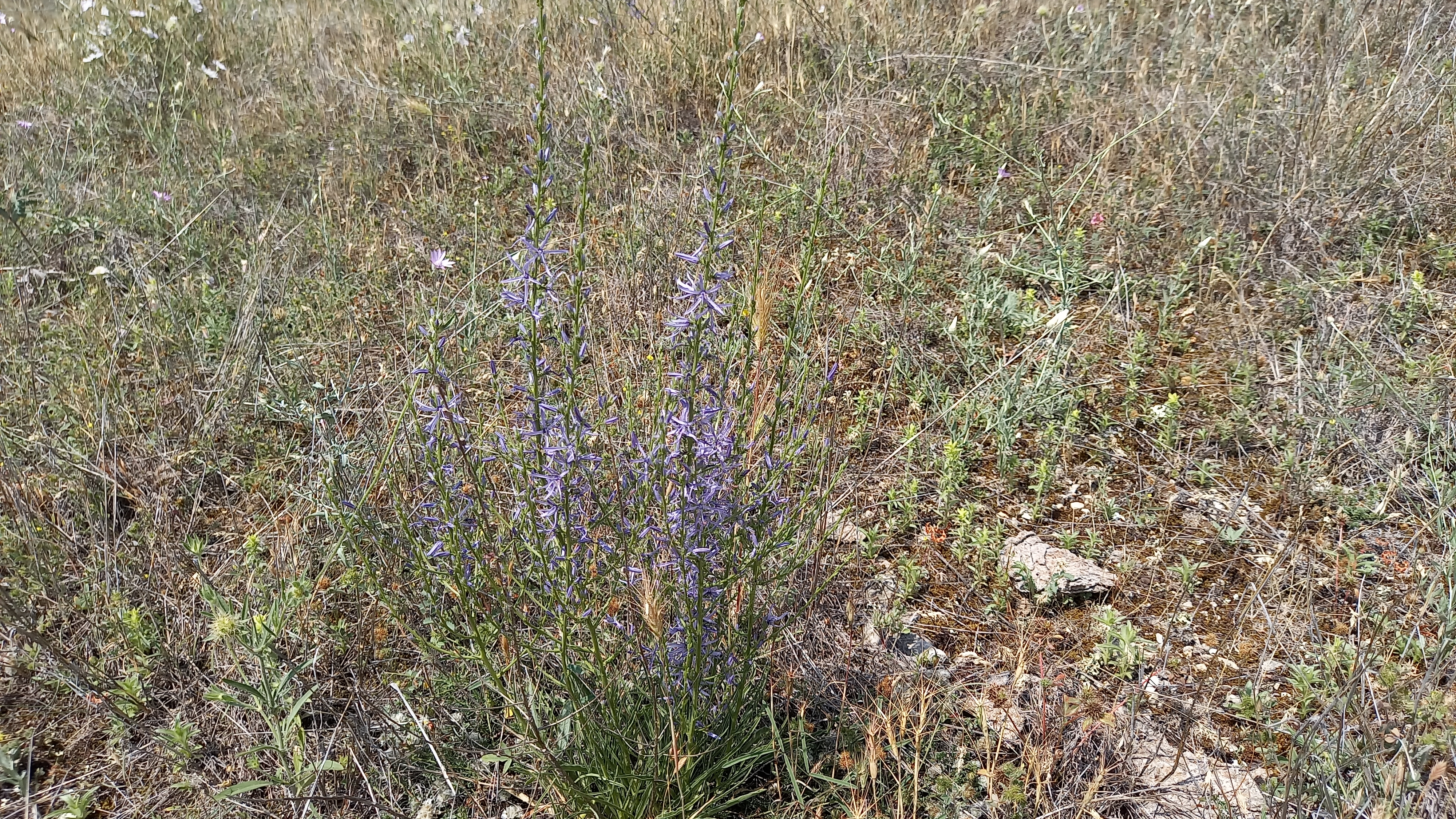
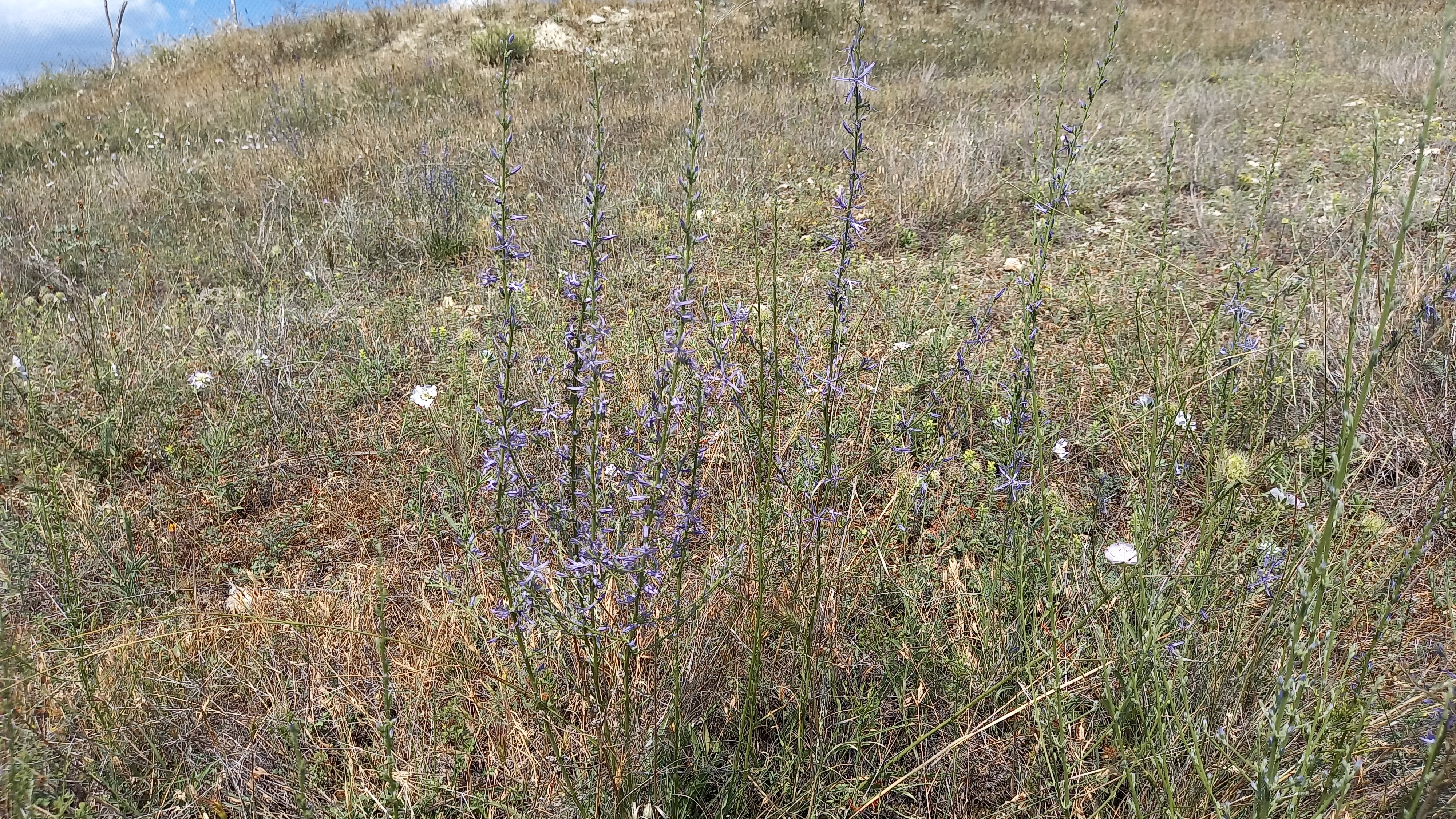
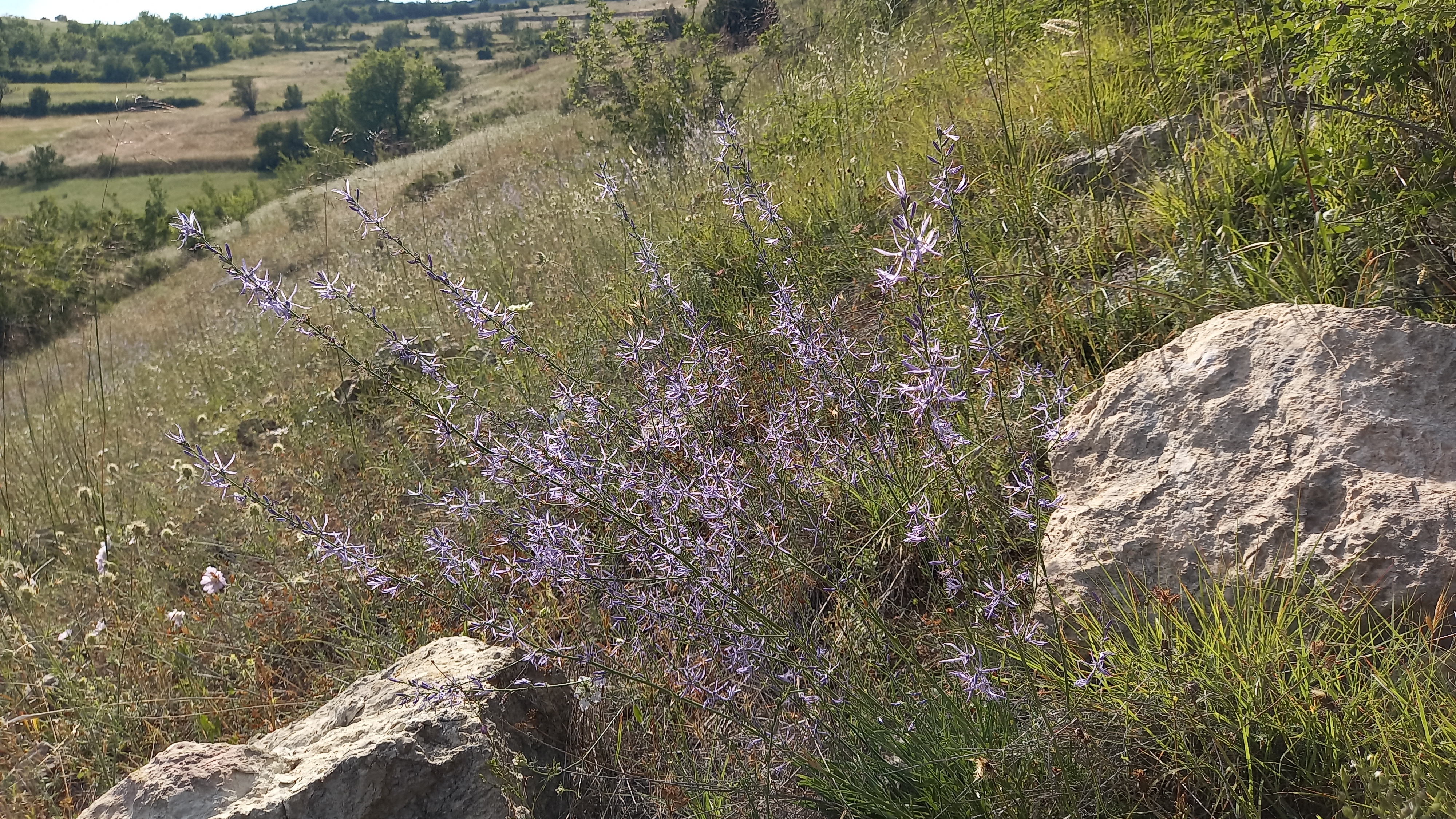
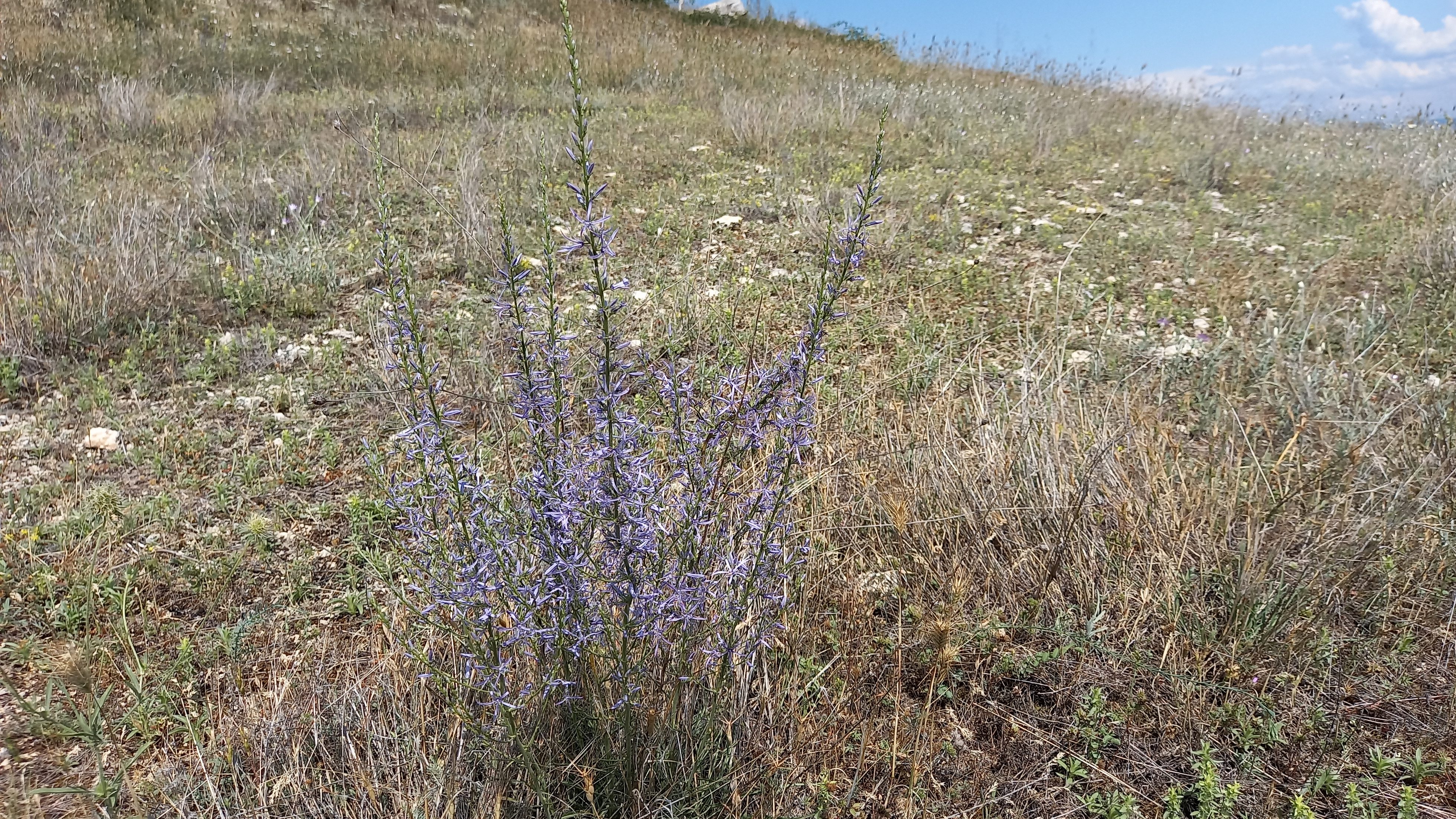
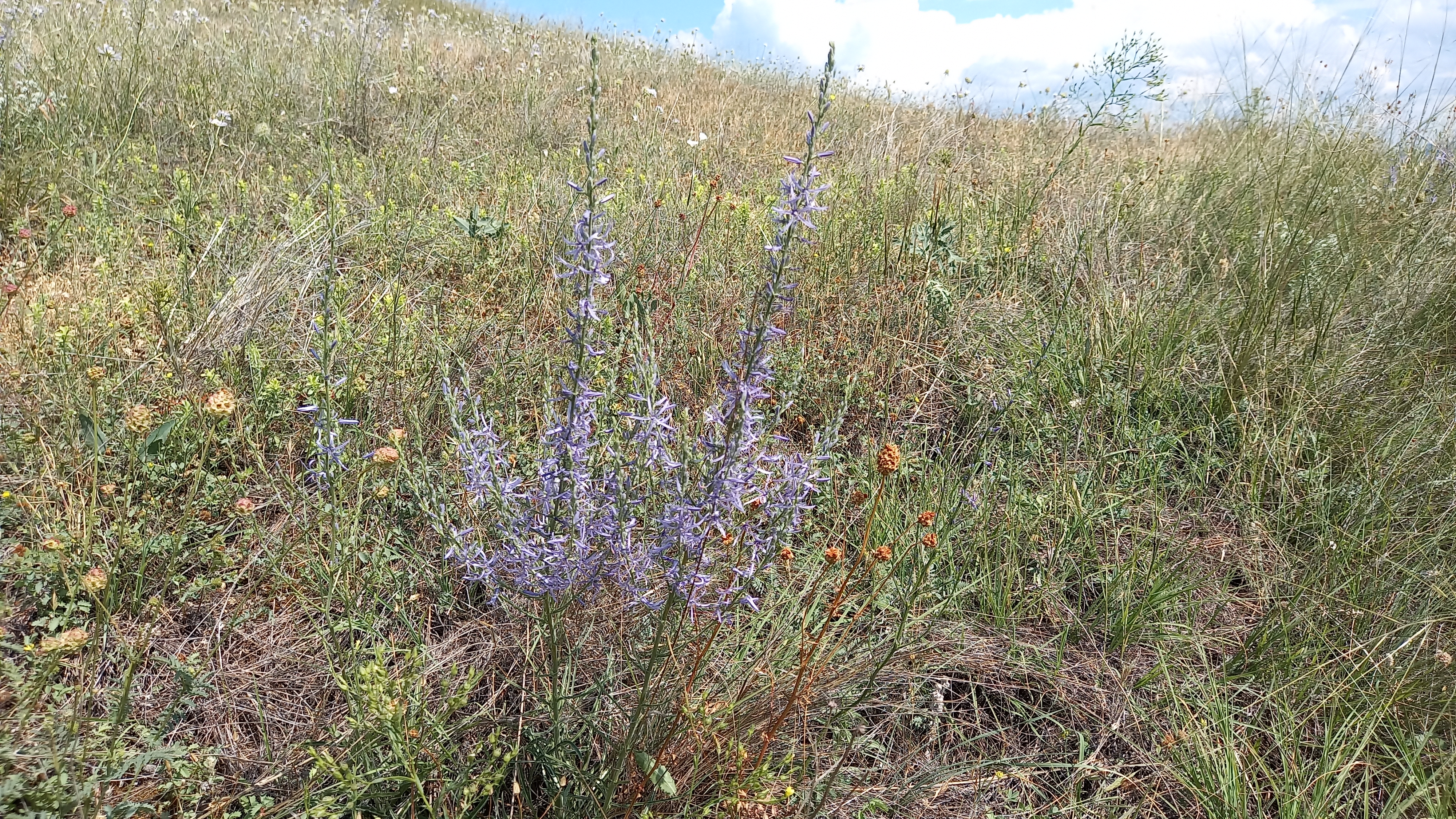
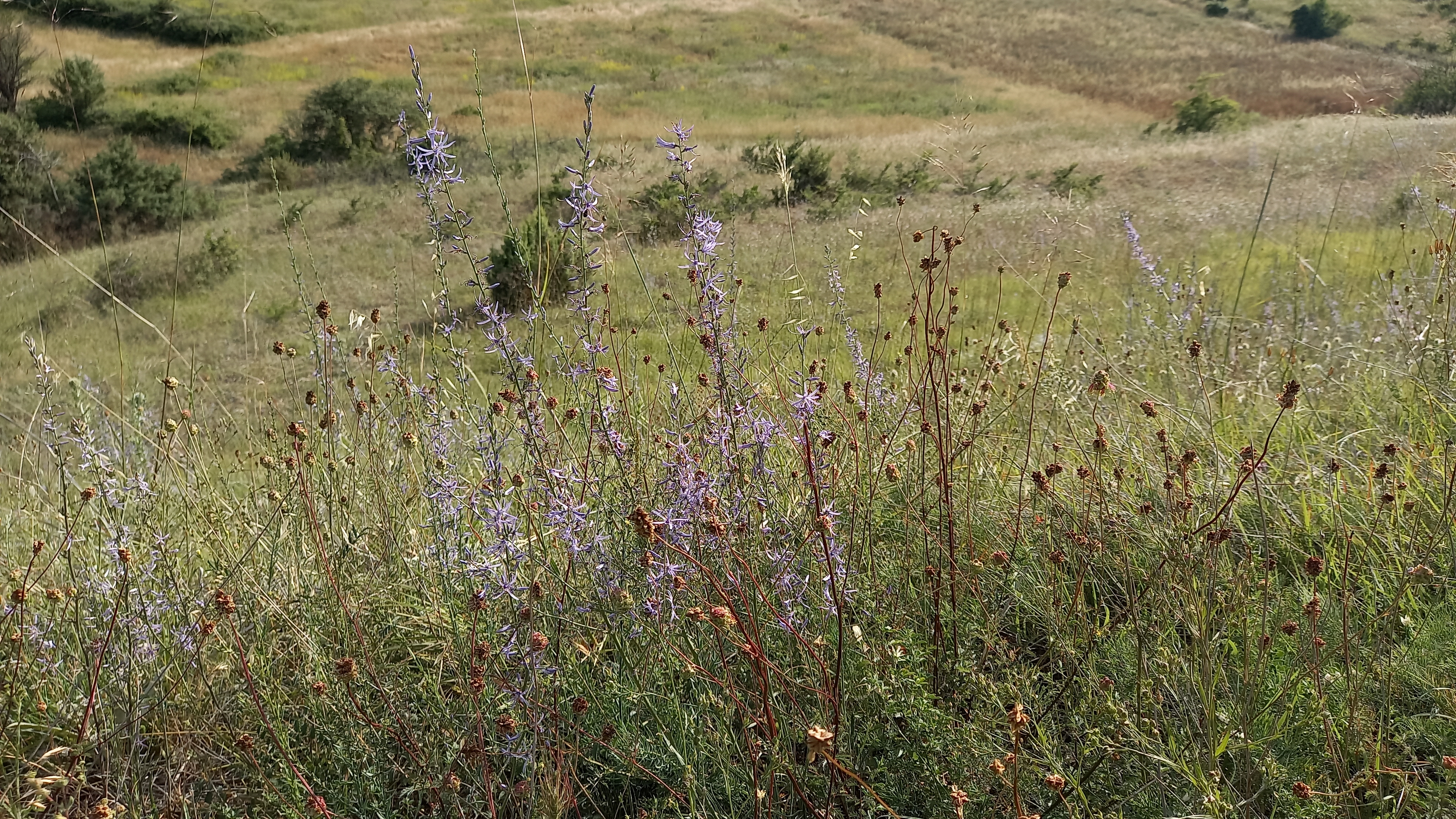
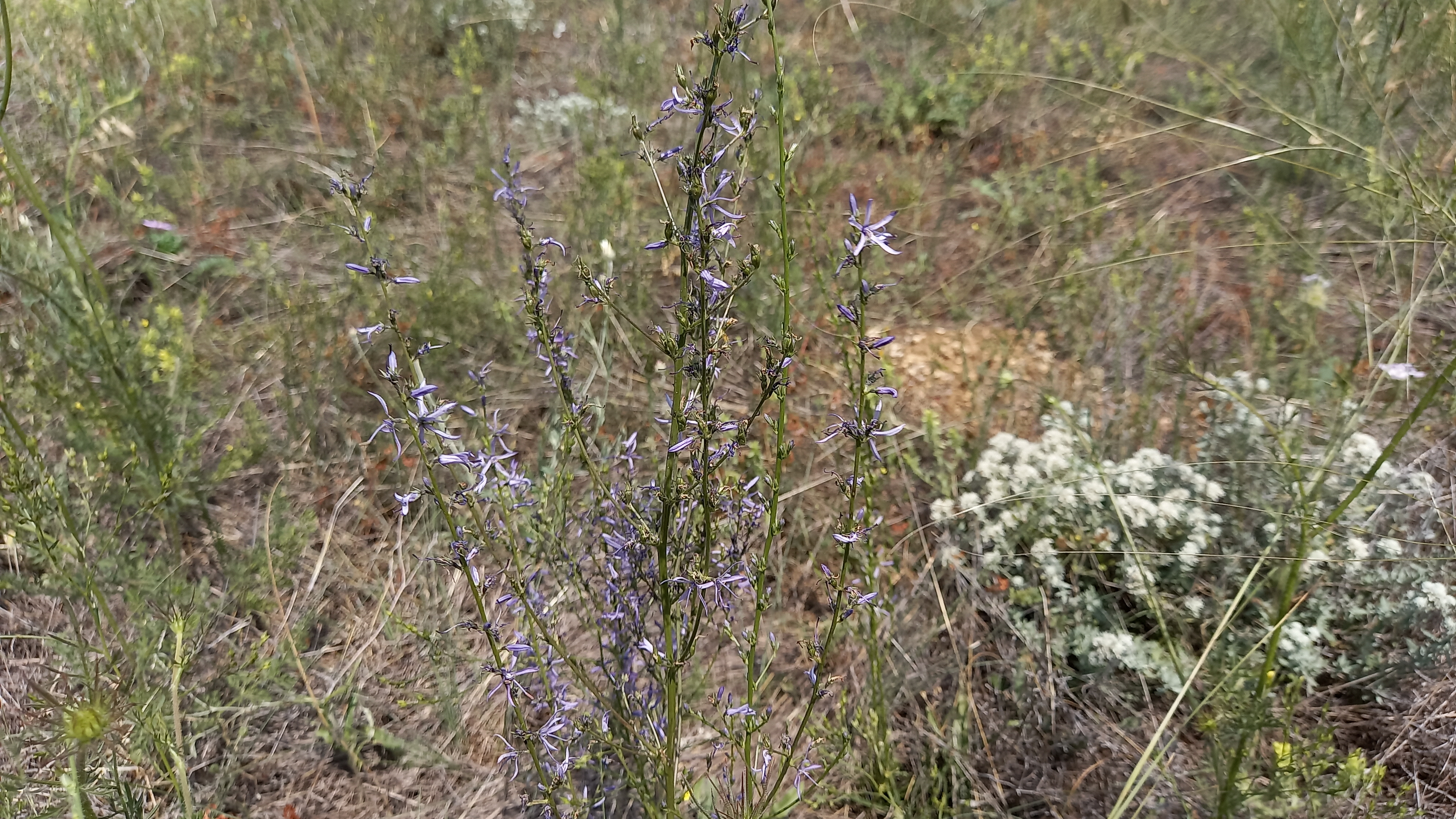
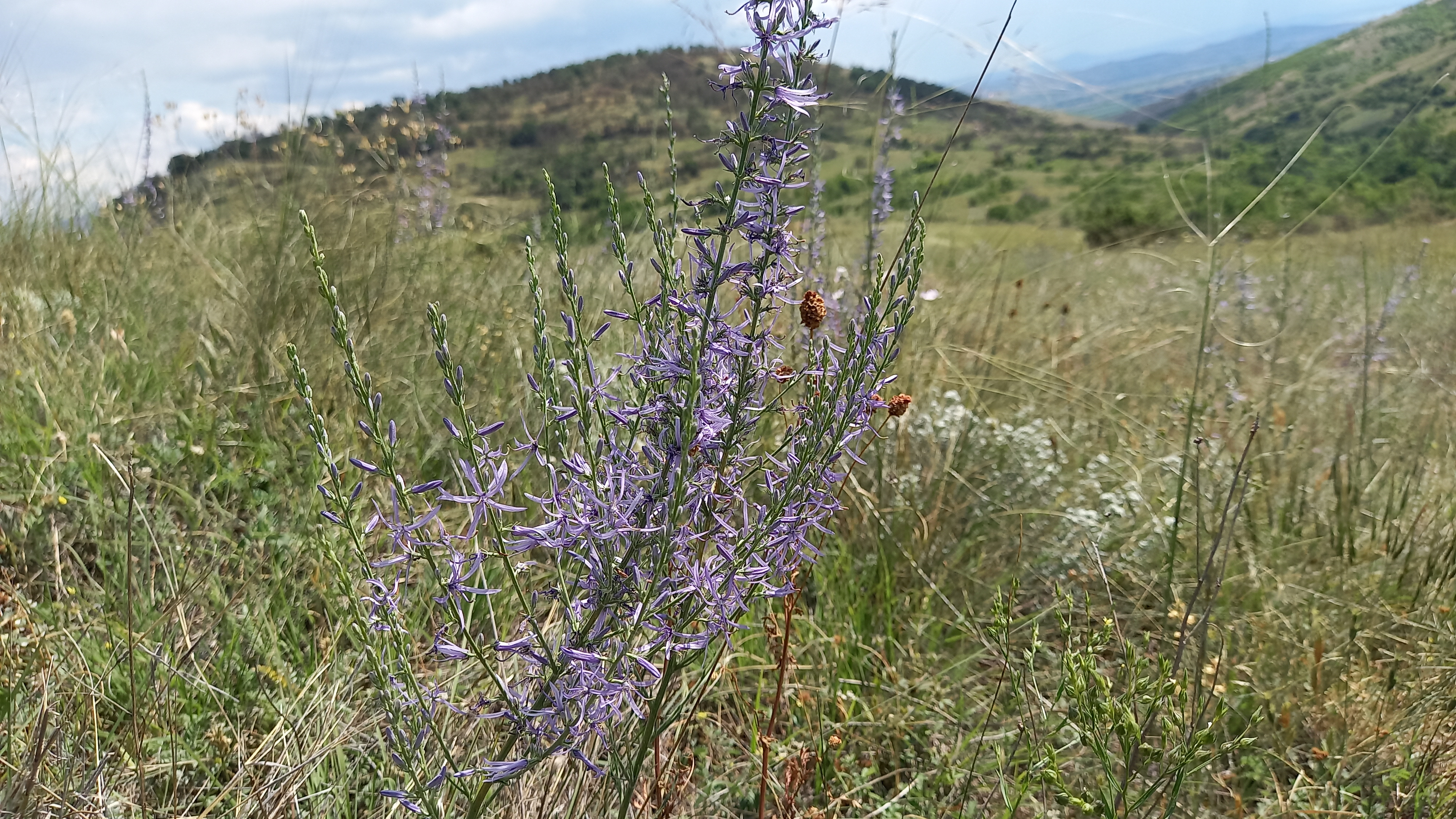
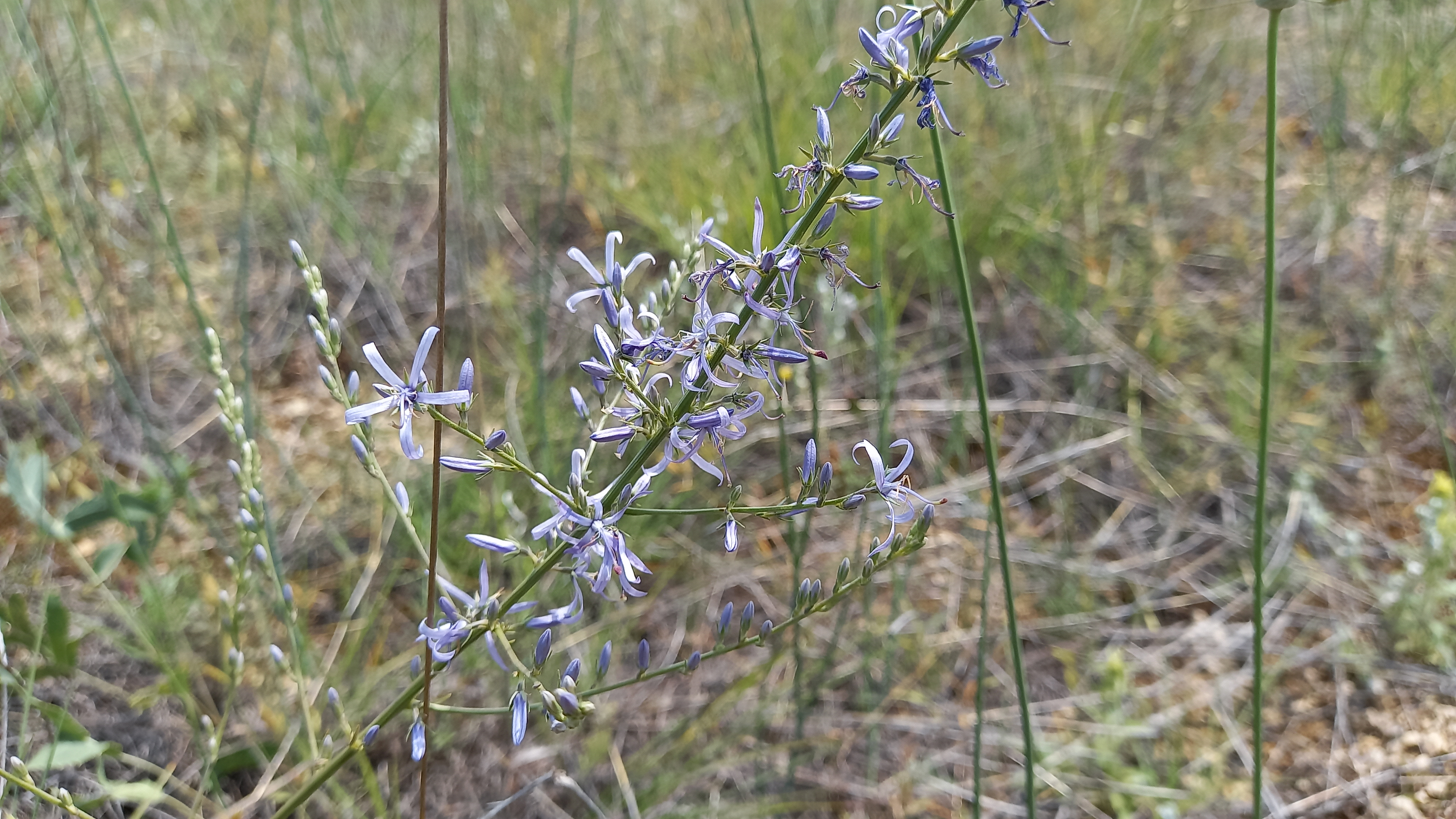
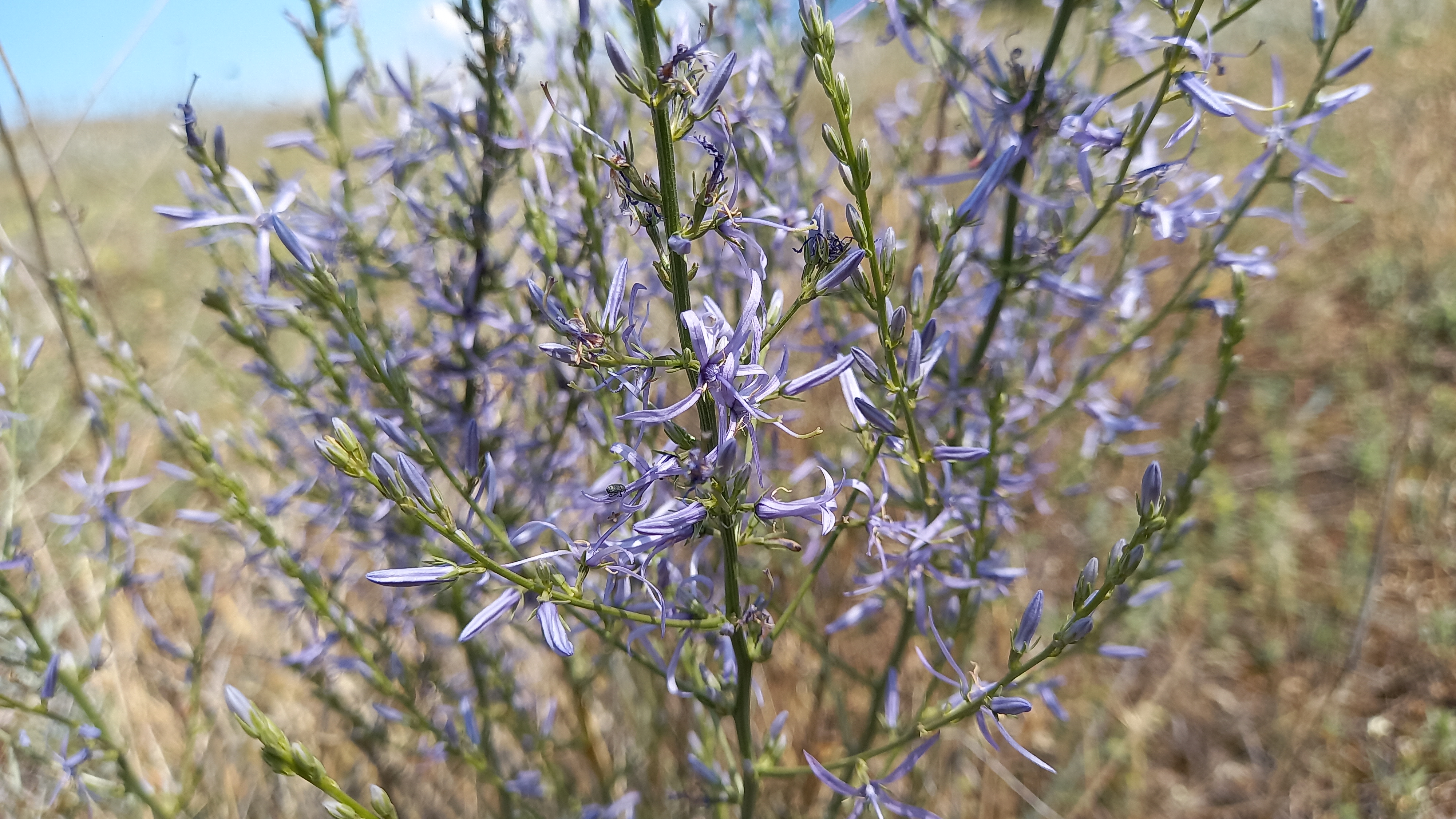
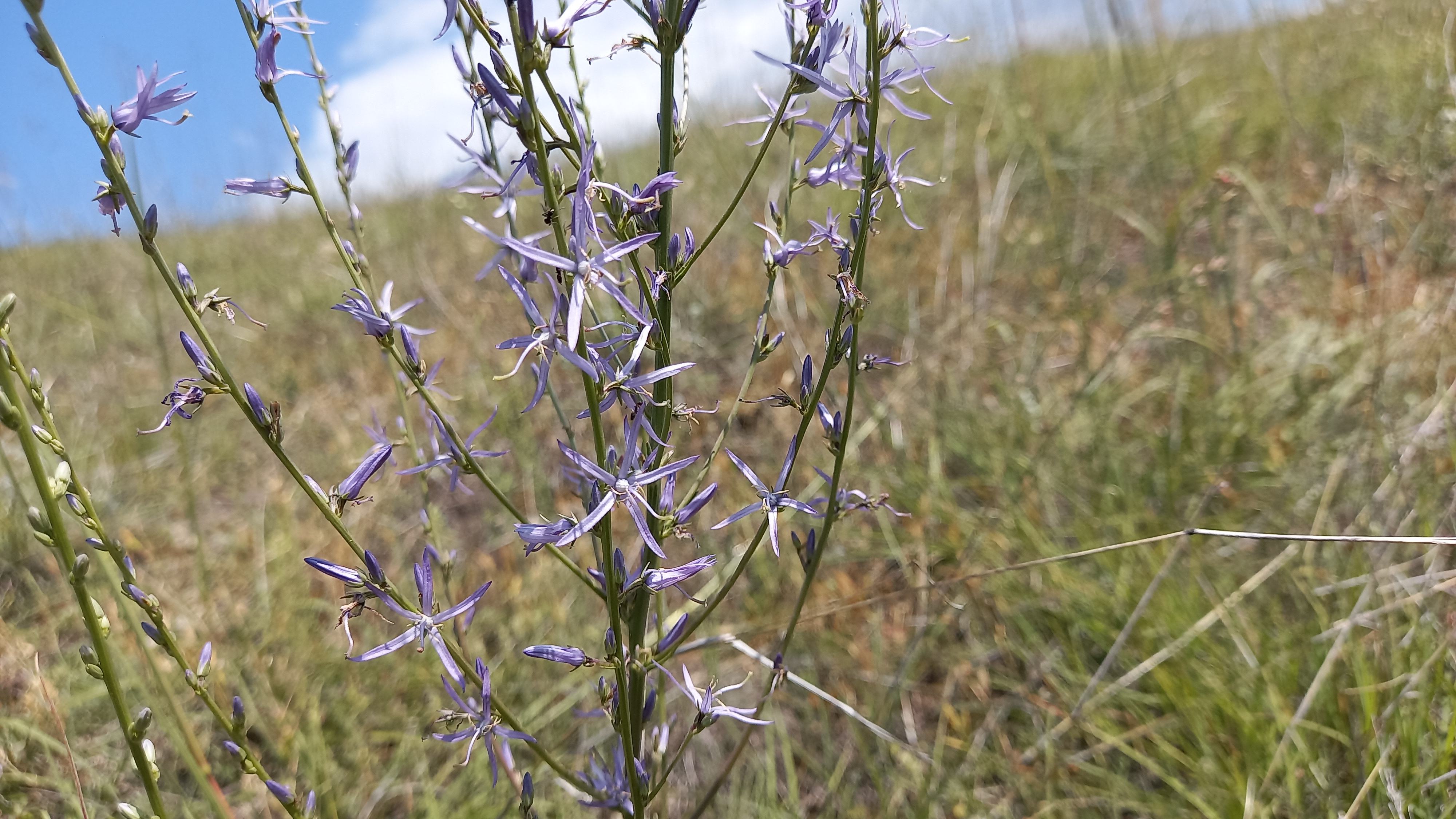
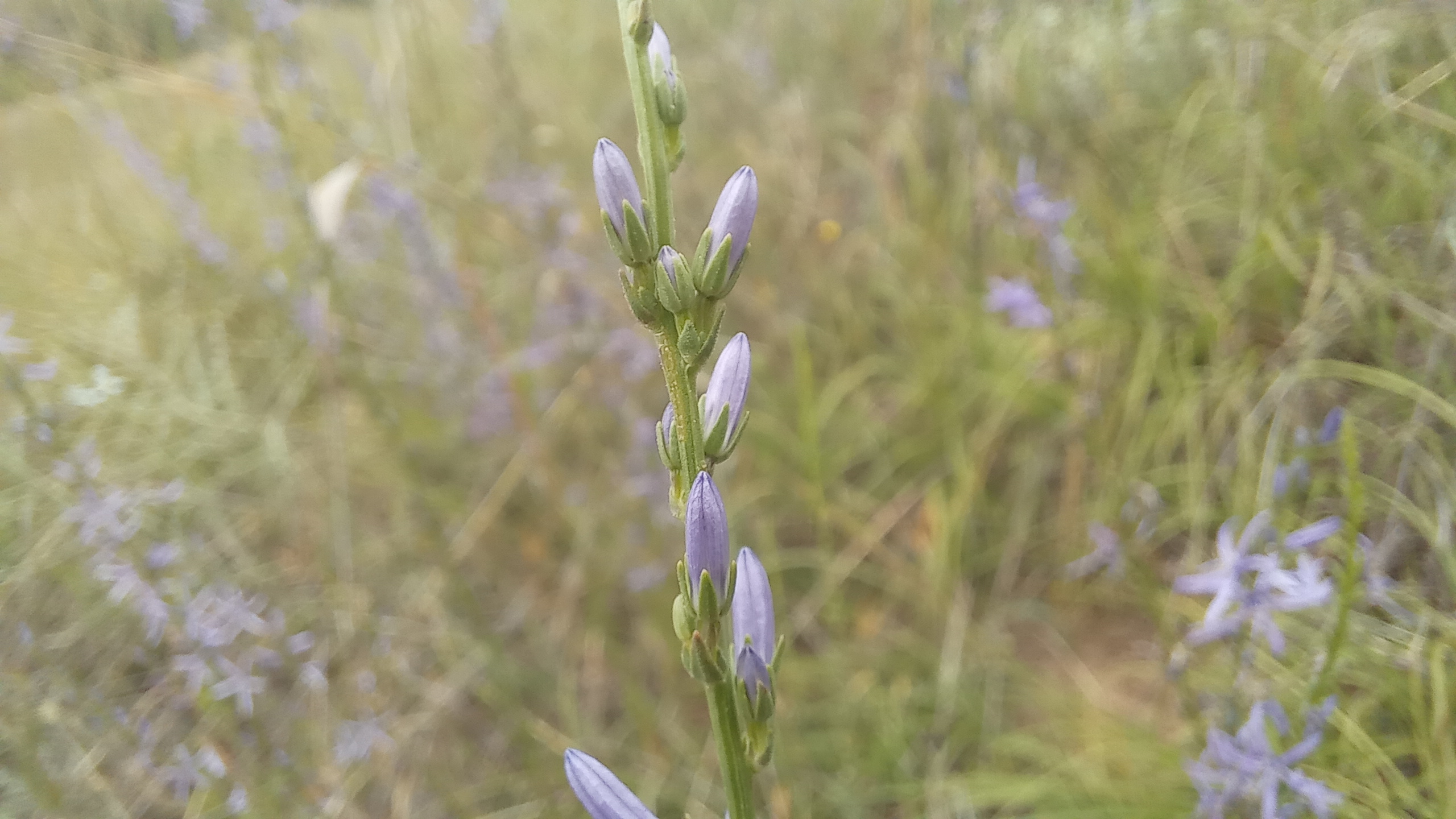
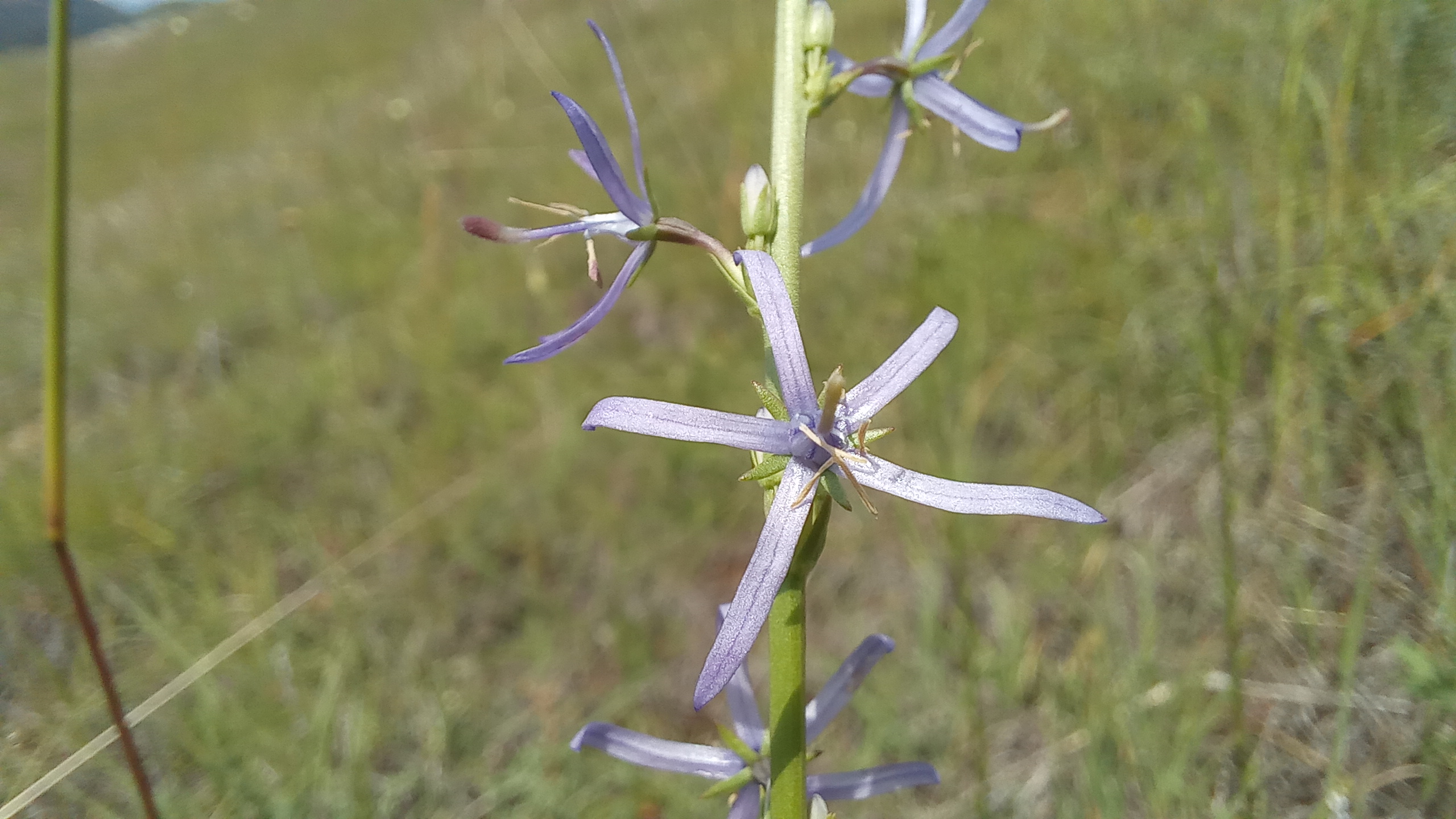
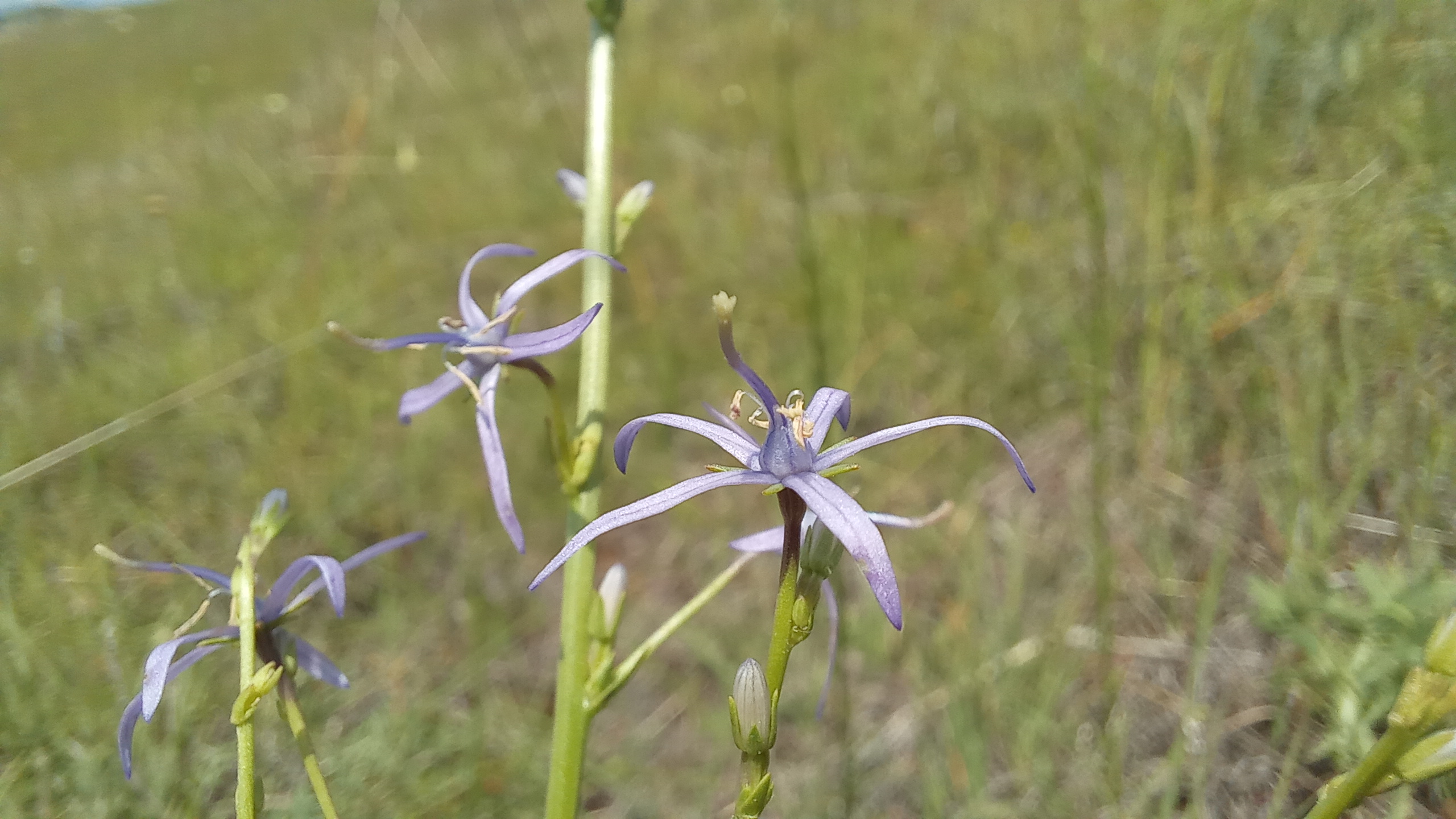
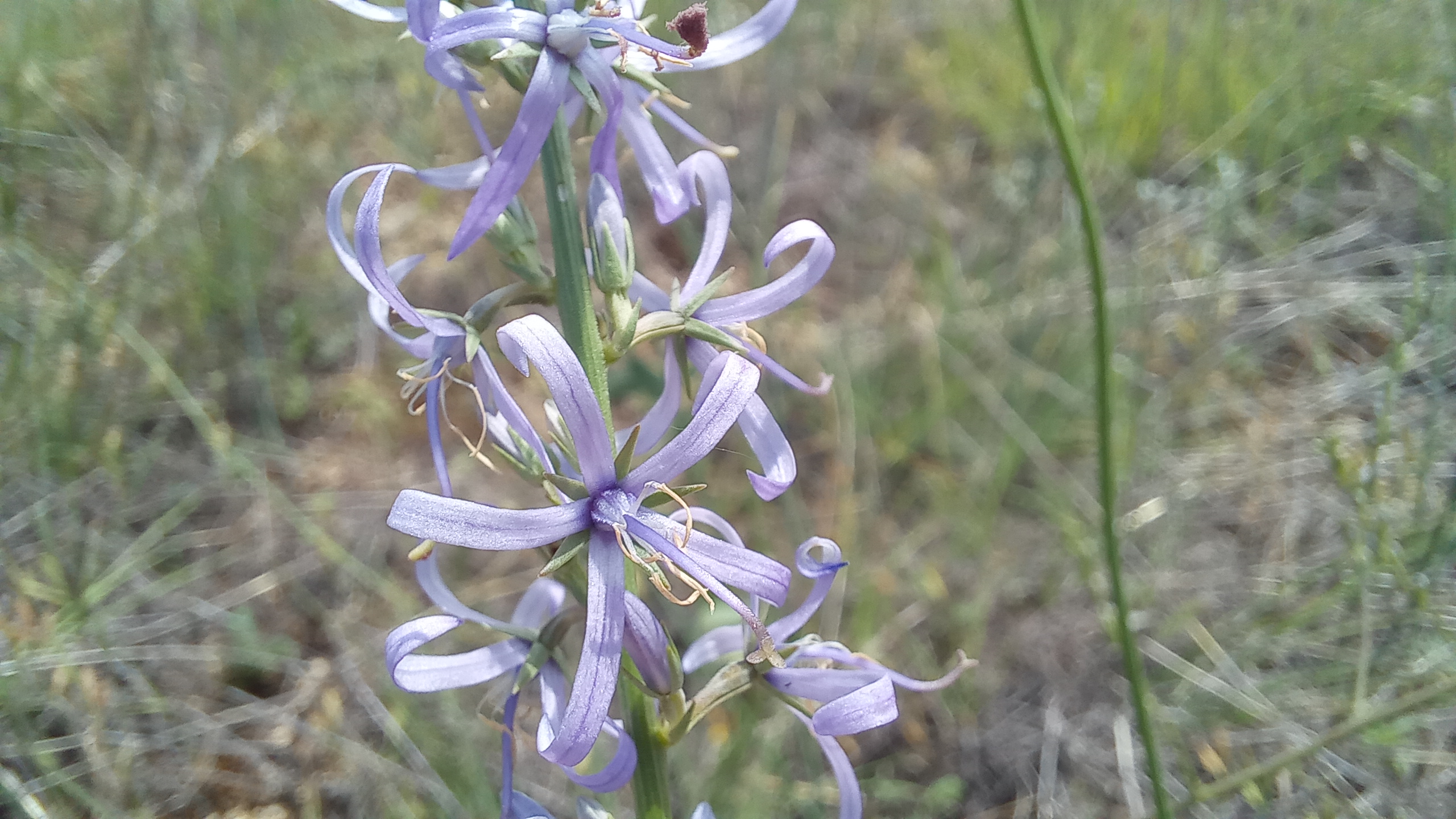
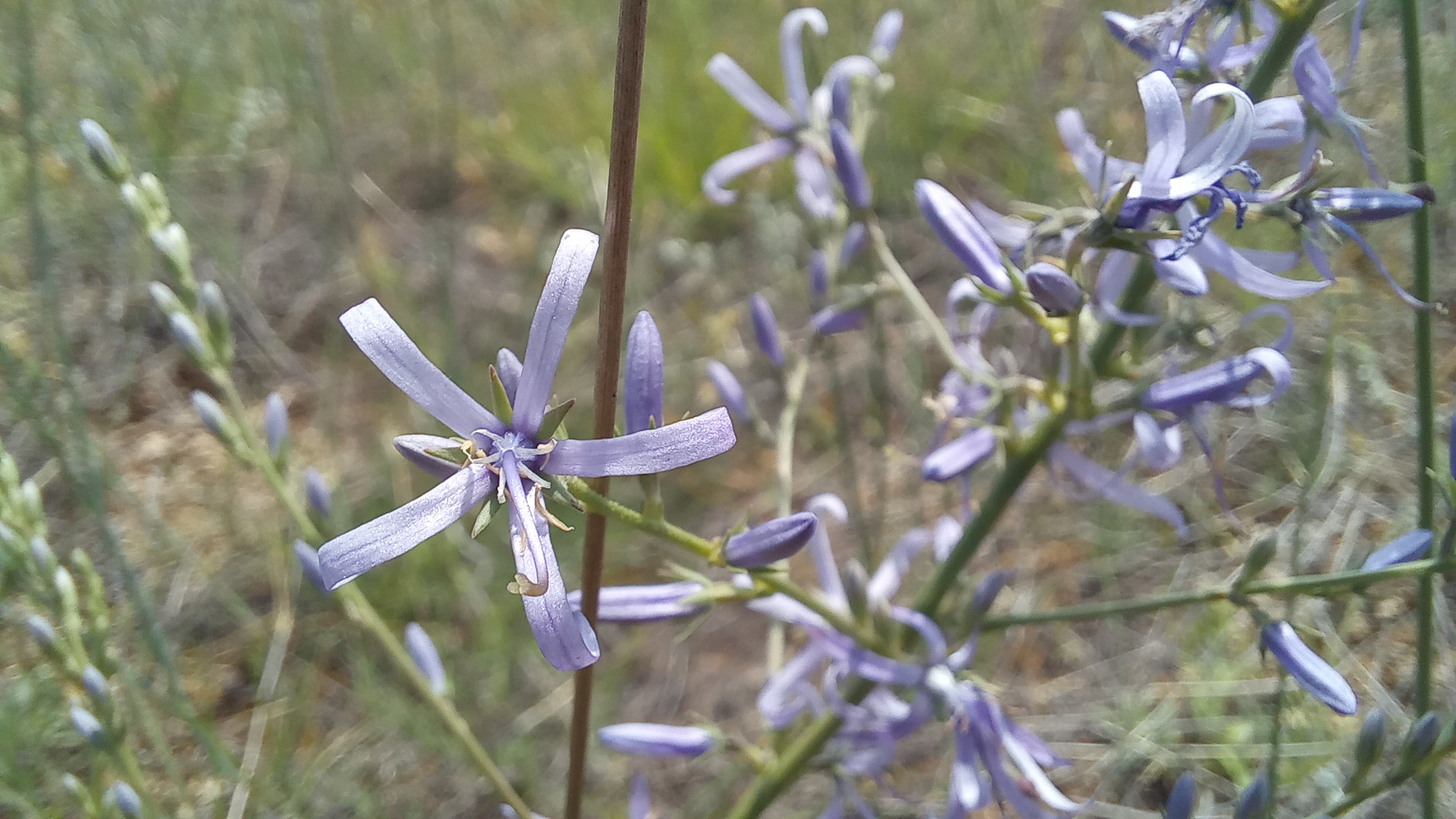
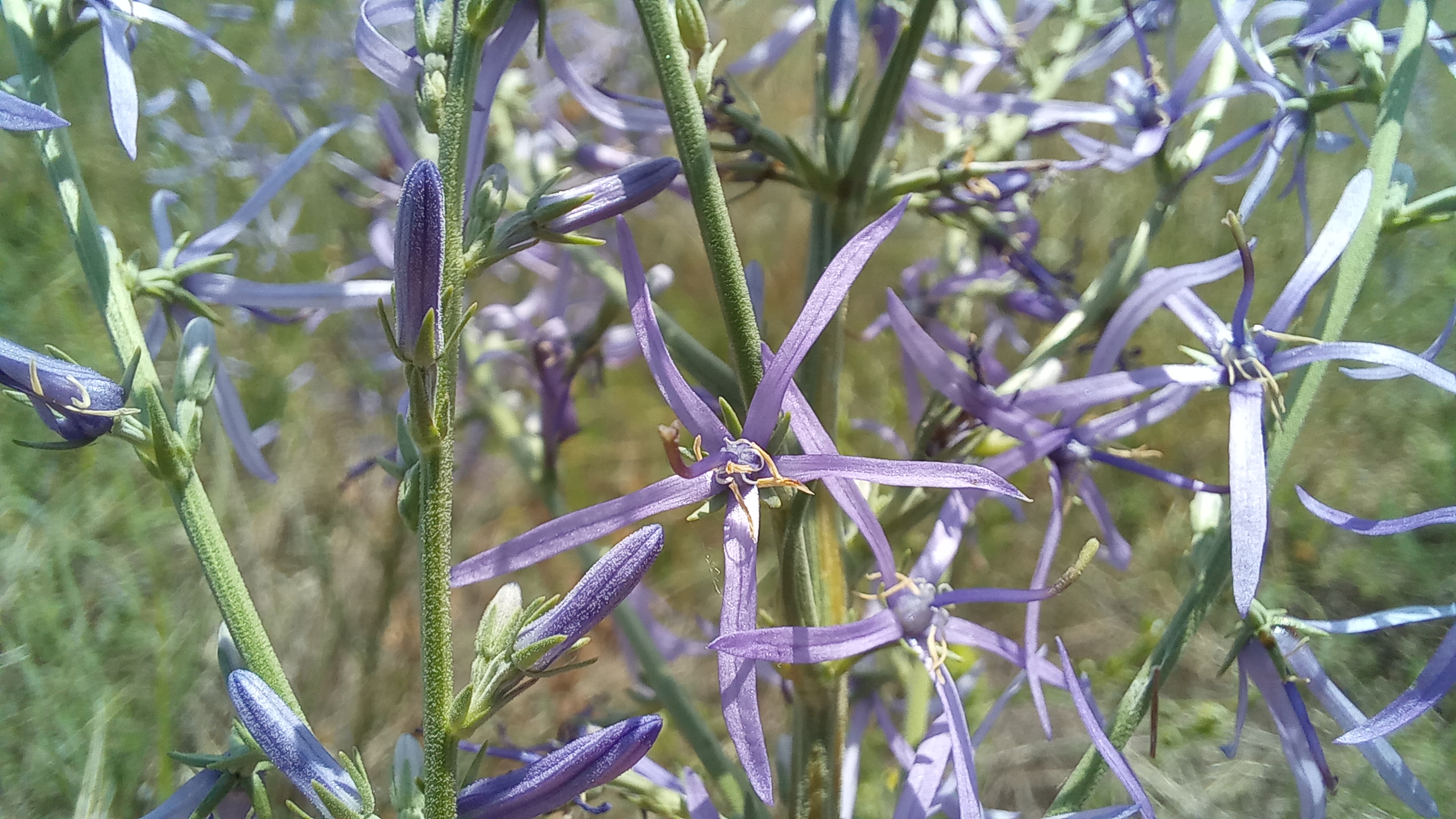
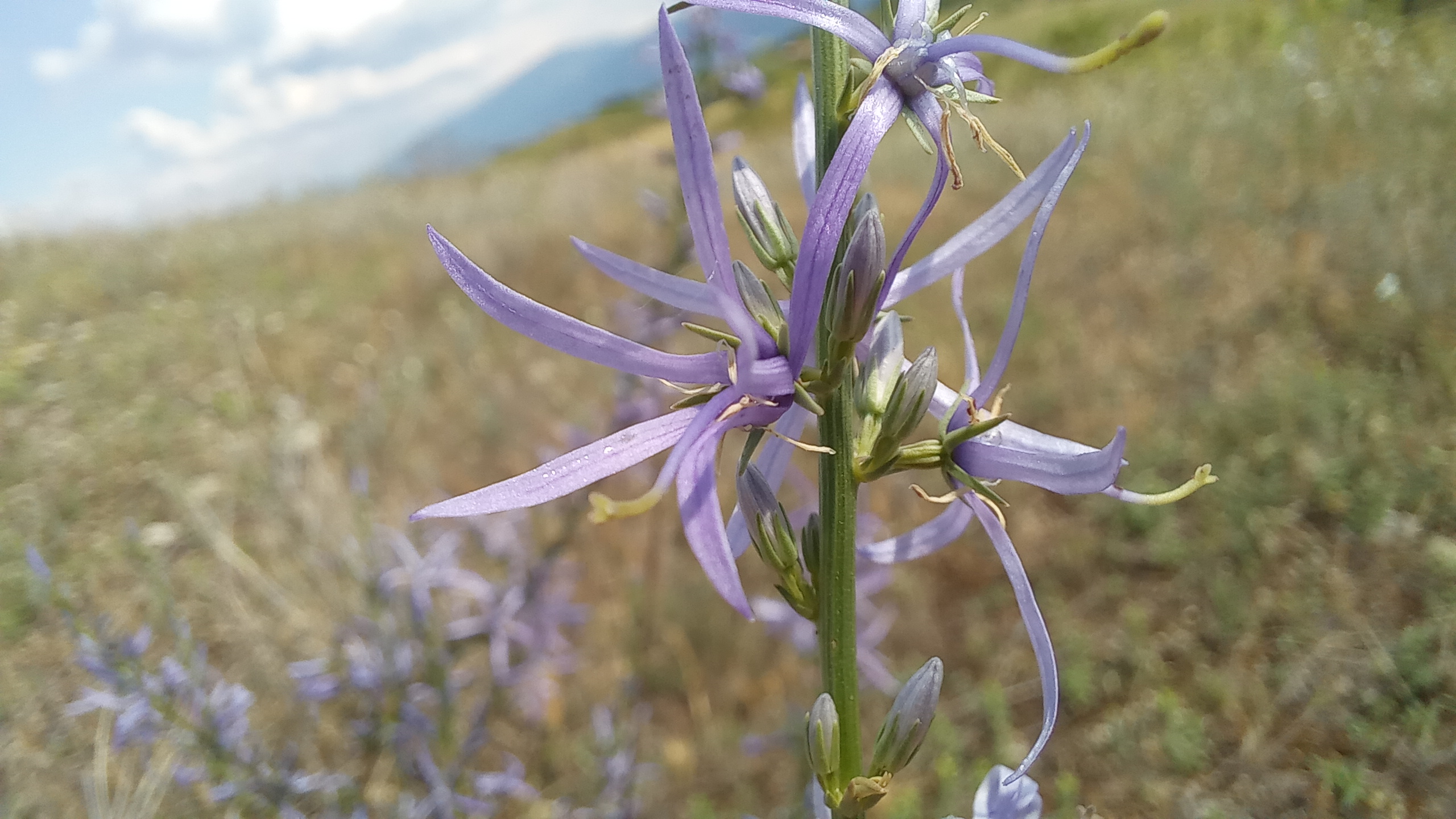
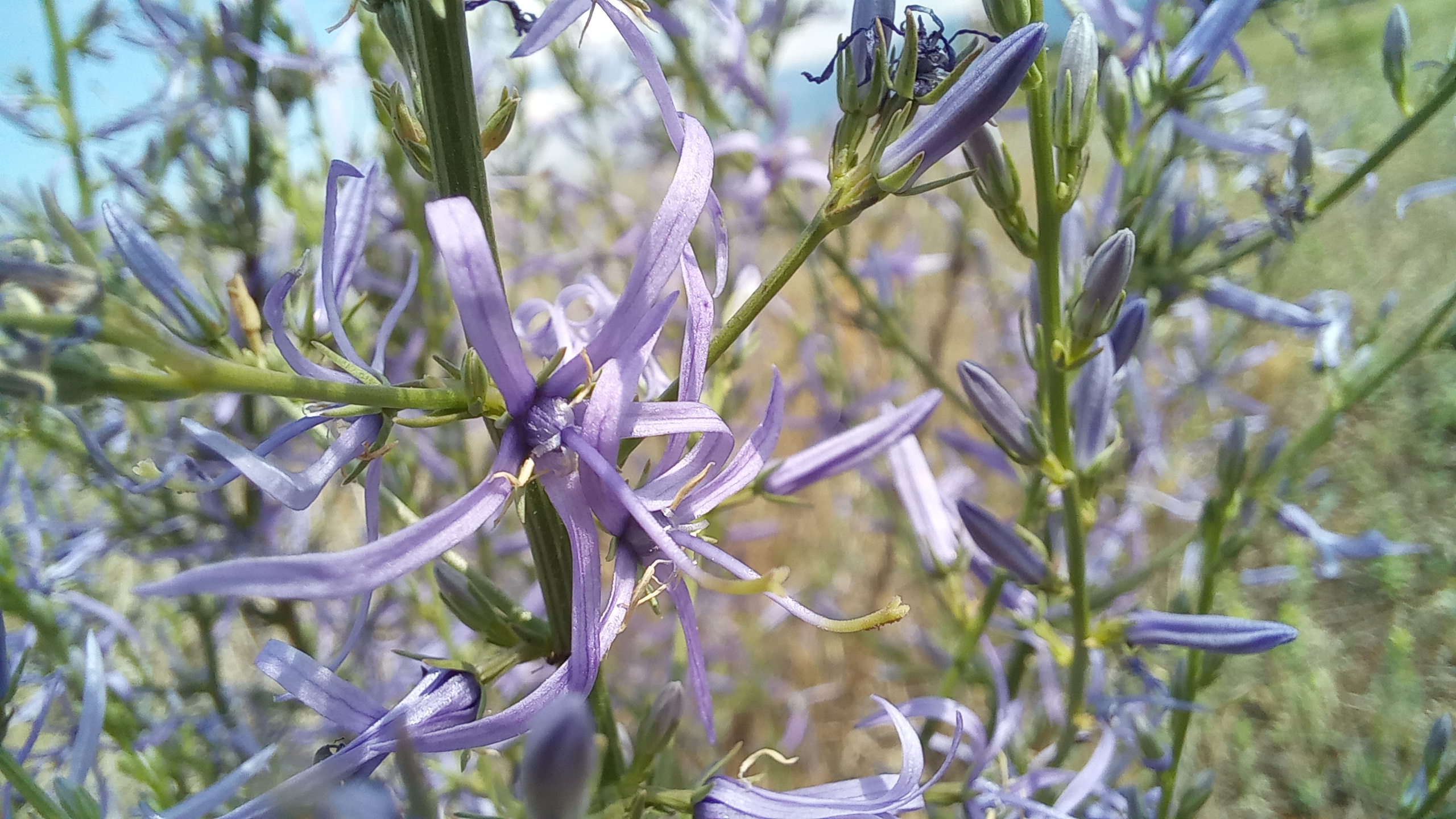
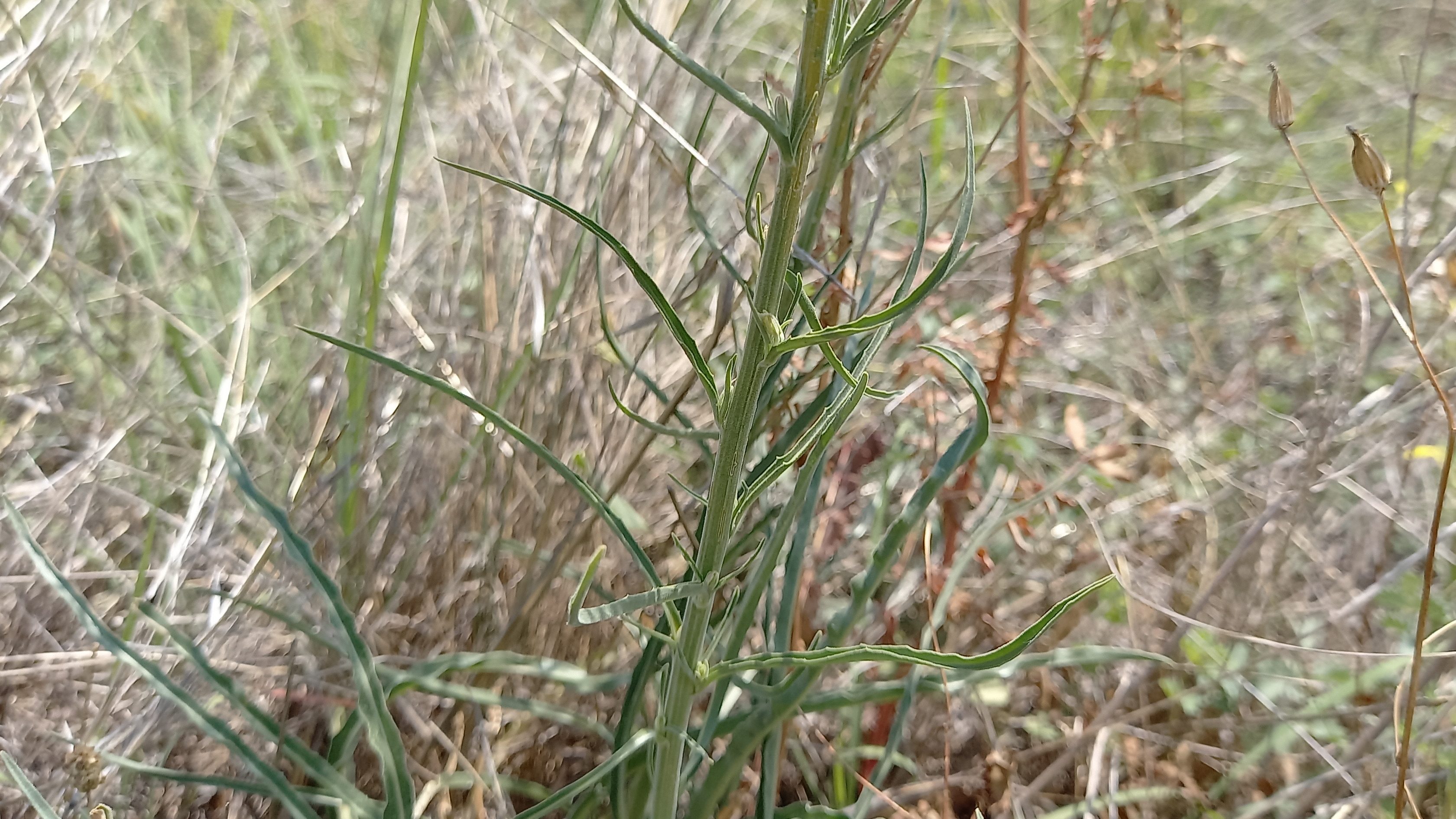
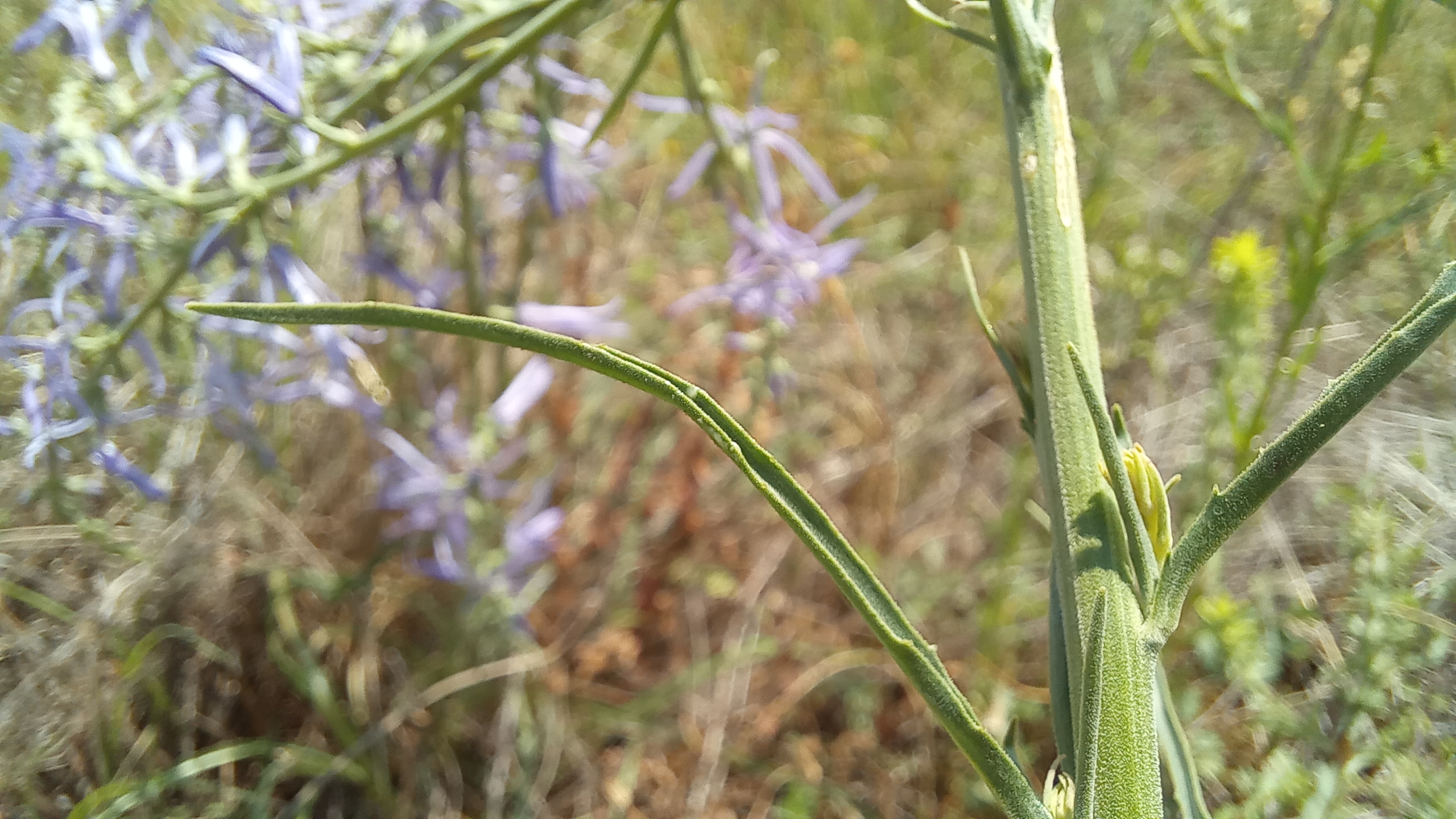
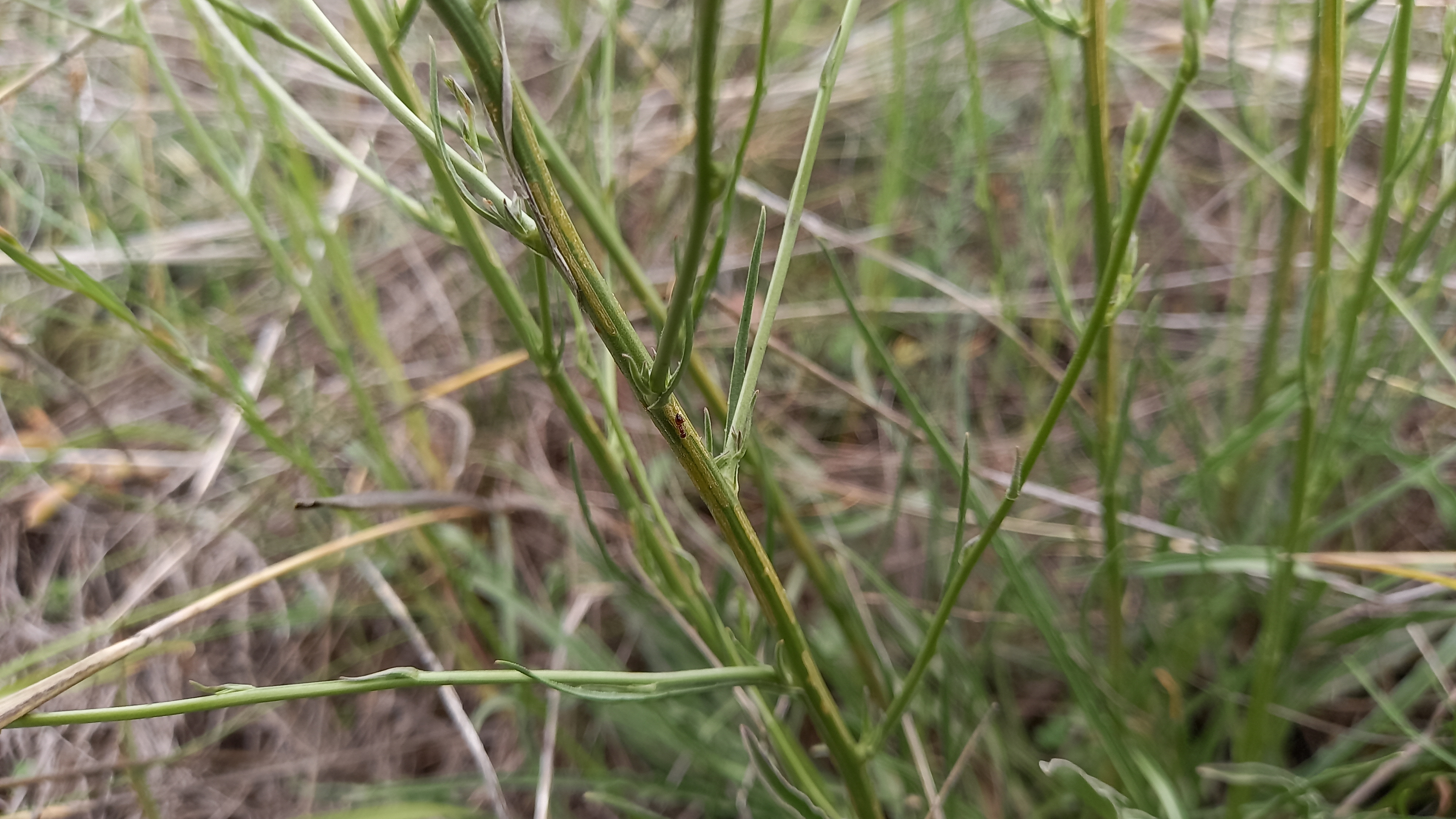
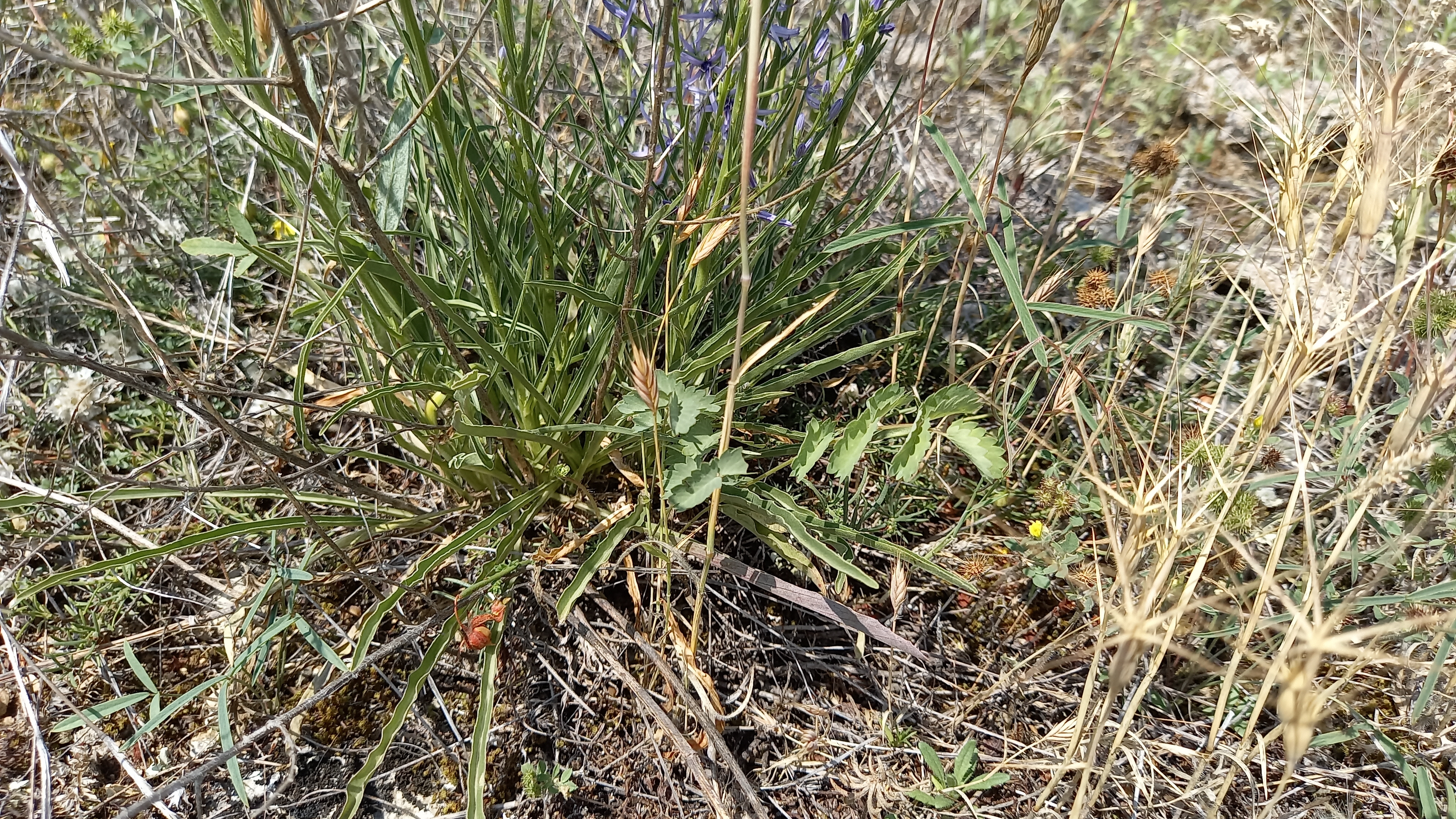
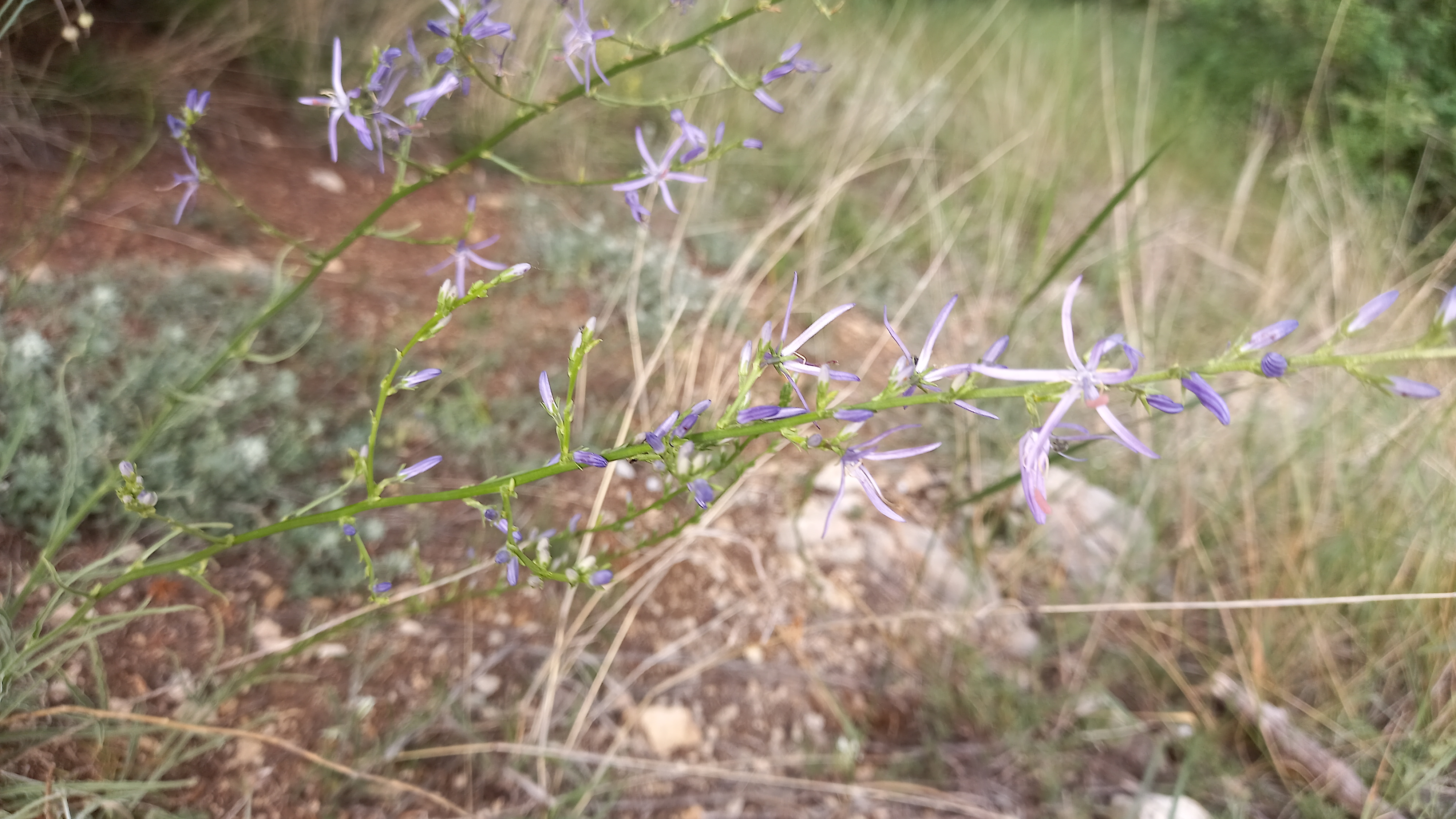
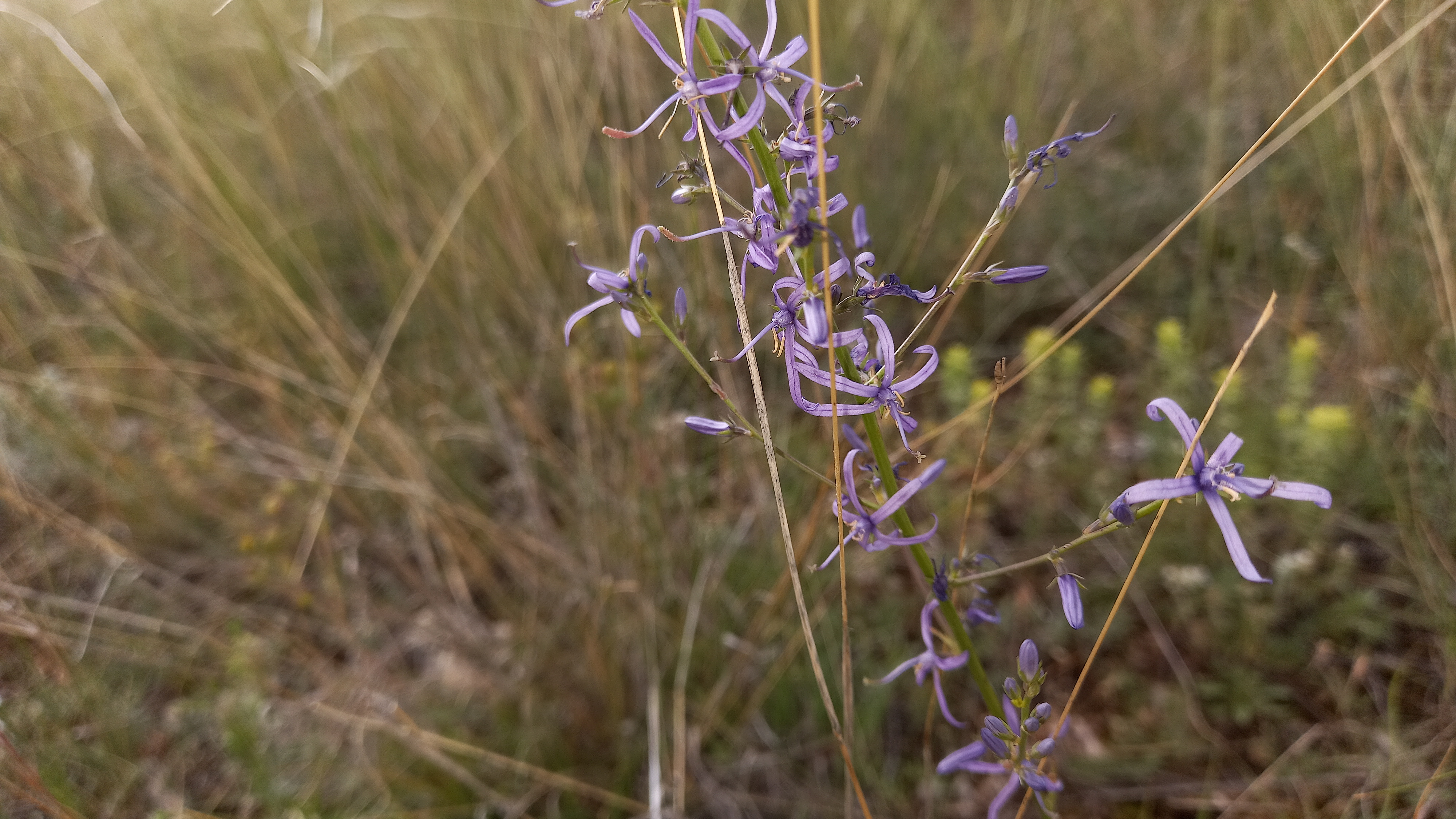
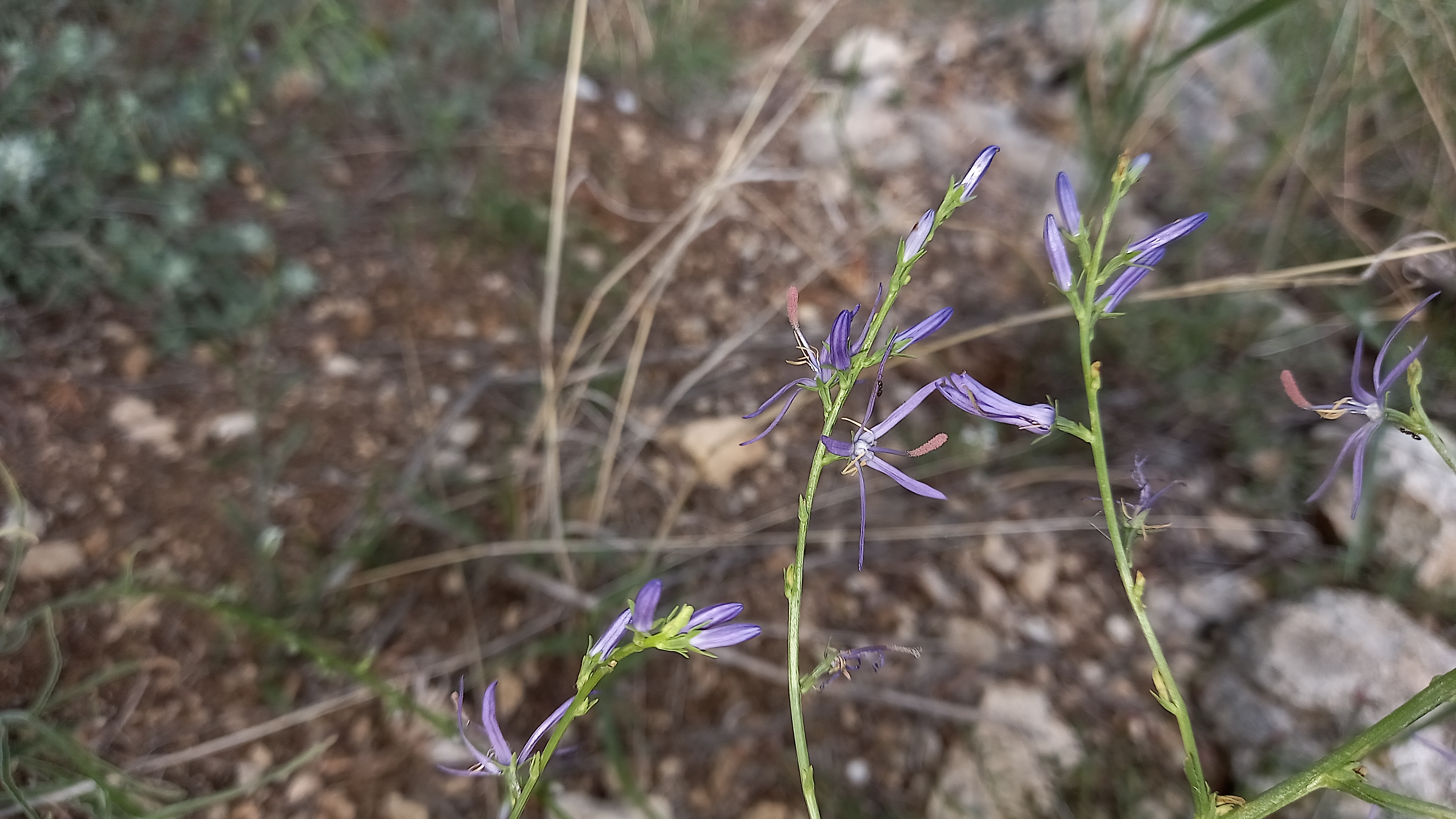
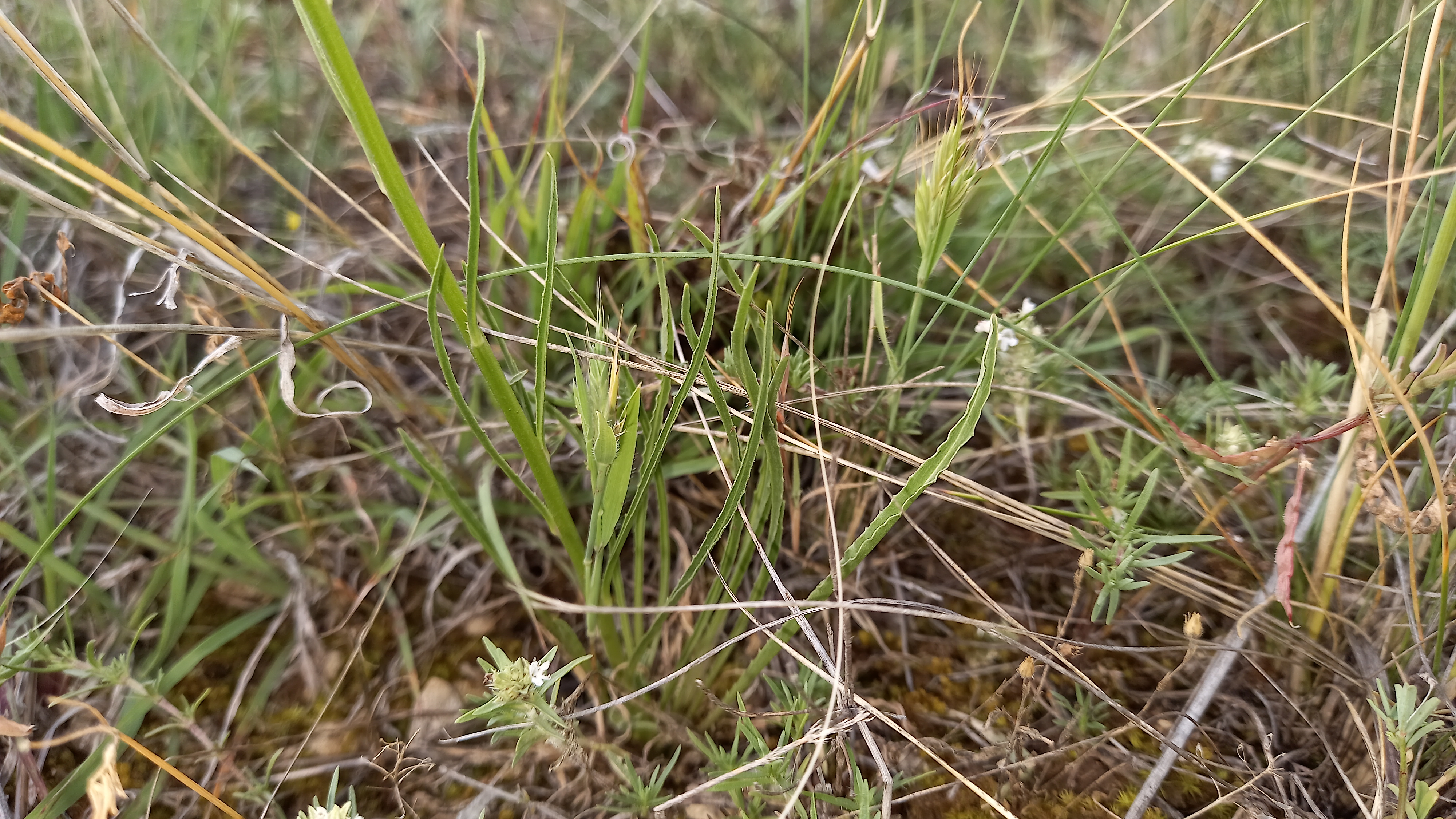
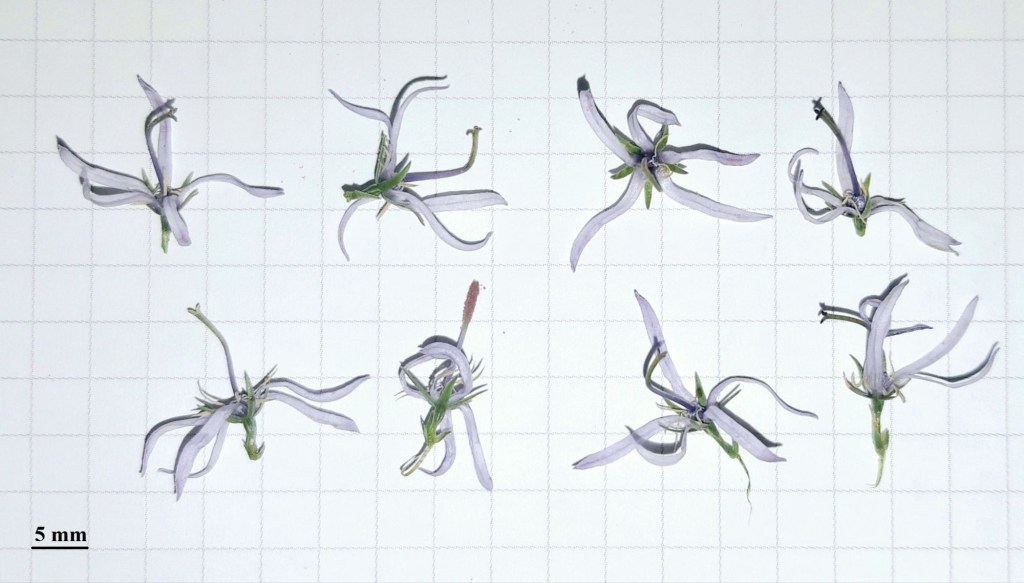
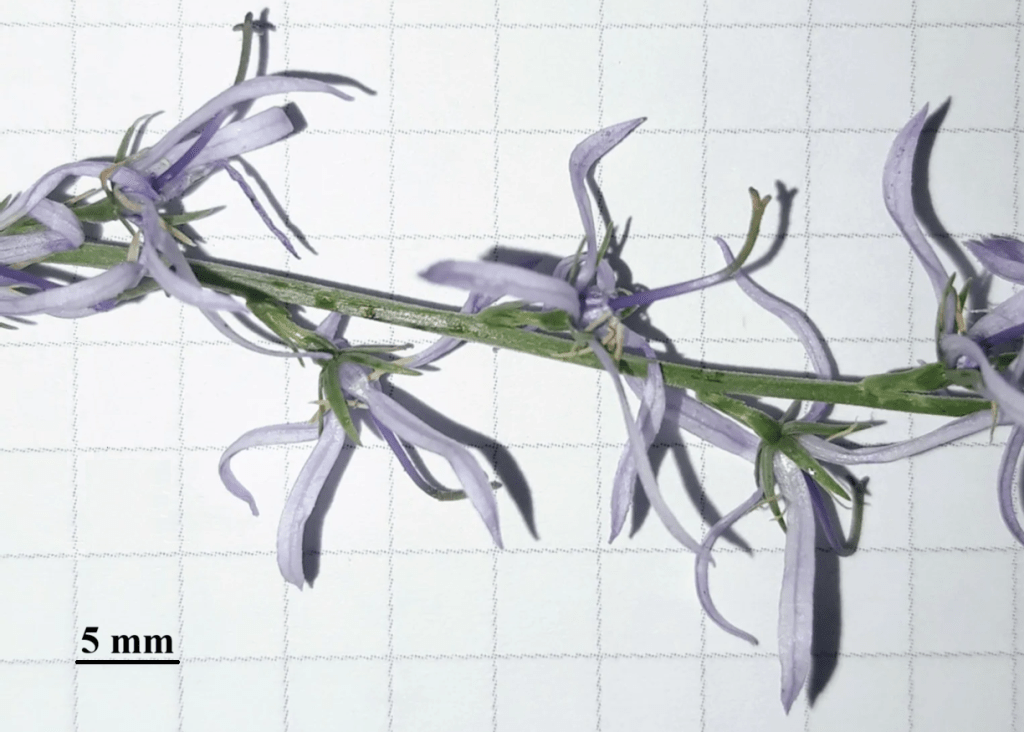
The Osogovo population has a robust and large habit, with plant height 70 to 115 cm, reaching the upper limit reported for the complex. Basal leaves are 11 to 28 cm long (lamina+petiole), which exceeds the maximum reported length for the complex. The Osogovo population is distinguished from the typical form in a number of vegetative and floral characteristics. The plants have a prominent branching, reaching up to 20–25 branches per stem. The flowers are stalked on 1.5-2.5 m long pedicels. Seeds are generally smaller (1 mm long x 0.7 mm wide). With these characteristics, the Osogovo population is morphologically closer to A. limonifolium ssp. pestalozzae, reported from Türkiye. Most notably, the population differs from both subspecies in having larger flowers- (9) 10-11 mm long petals compared to 7-8 mm in subsp. pestalozzae and 8-9 mm in subsp. limonifolium. However, the historically described Podanthum floribundum Stapf, contemporary treated as a synonym of subsp. pestalozzae, was also described with larger, 10-12 mm long petals.
Lifeform: Perennial; hemicryptophyte according to the Raunkiær system.
Distribution: Native to Italy, Balkan Peninsula to Türkiye according to the distribution information provided by the Plants of the World Online portal (Royal Botanic Gardens Kew) and The Euro+Med PlantBase (Castroviejo et al., 2010+). A. limonifolium subsp. limonifolium is found trhruout the range of the species, while A. limonifolium subsp. pestalozzae is localized in Türkiye.
Habitat: Hill pastures on calcareous soil. Calcicole.
Flowering period: Late spring to summer (MAY, JUN, JUL, AUG).
Locality: village of Beli. Date: 18.06.2022.
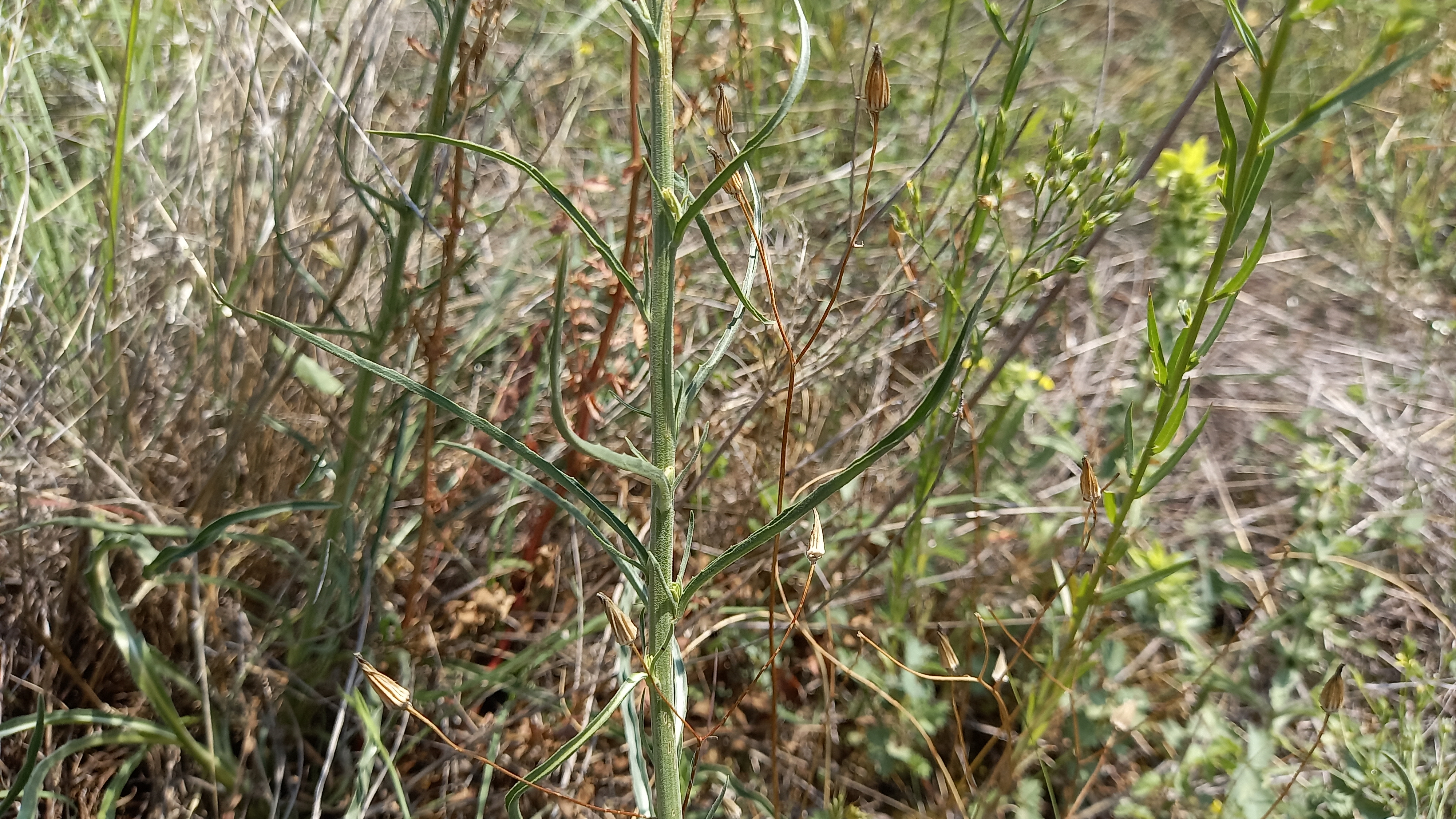
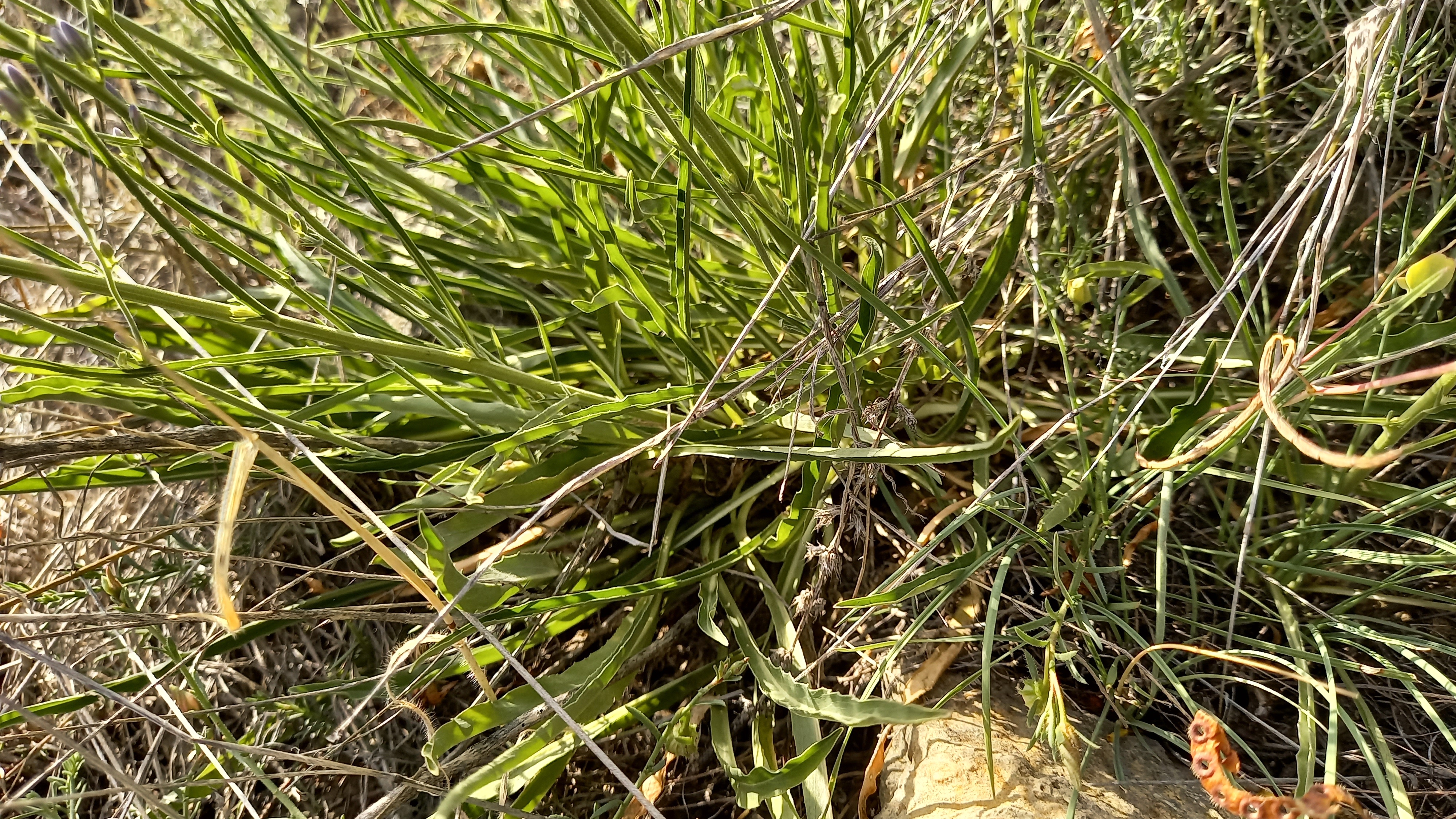
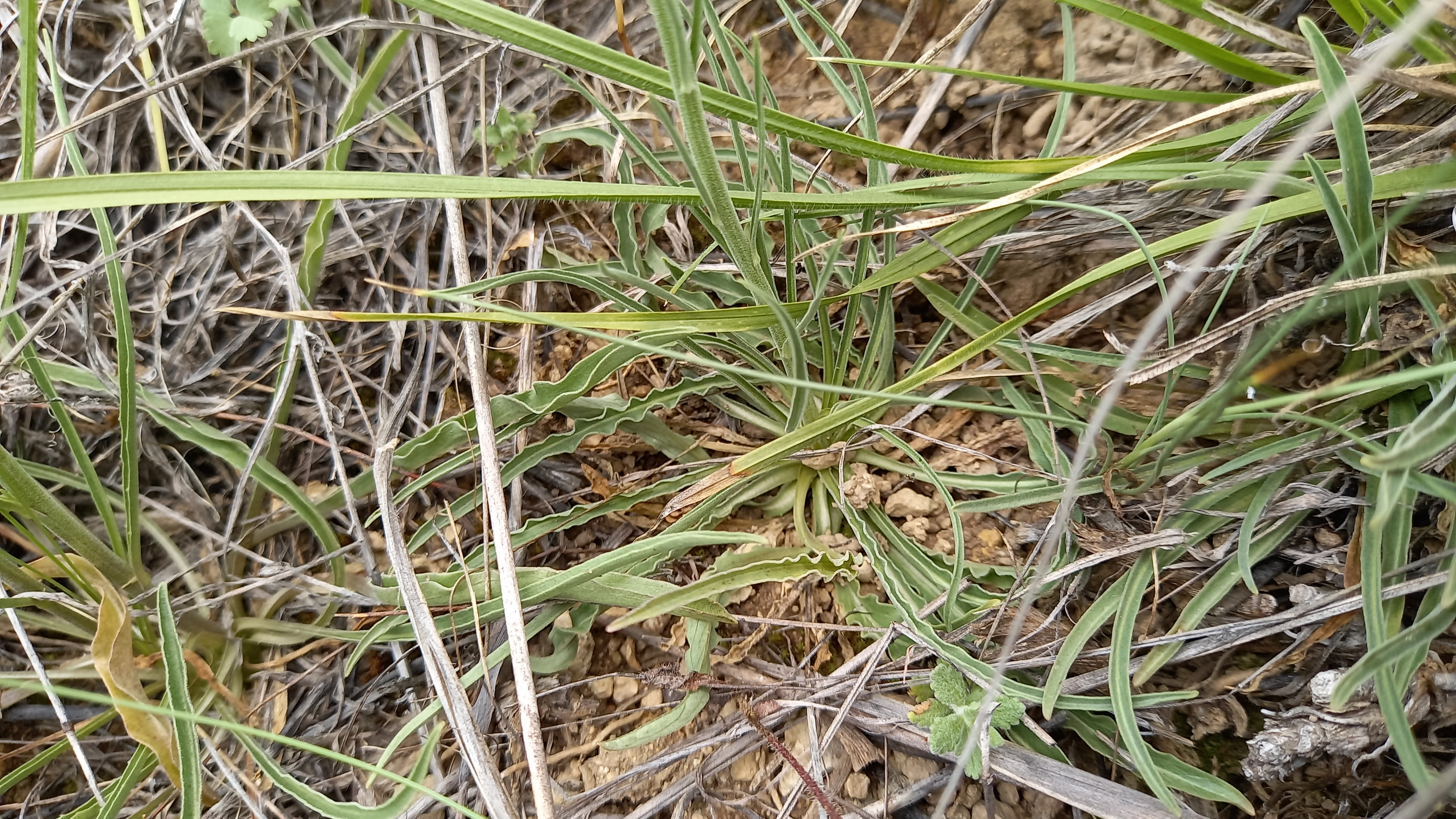
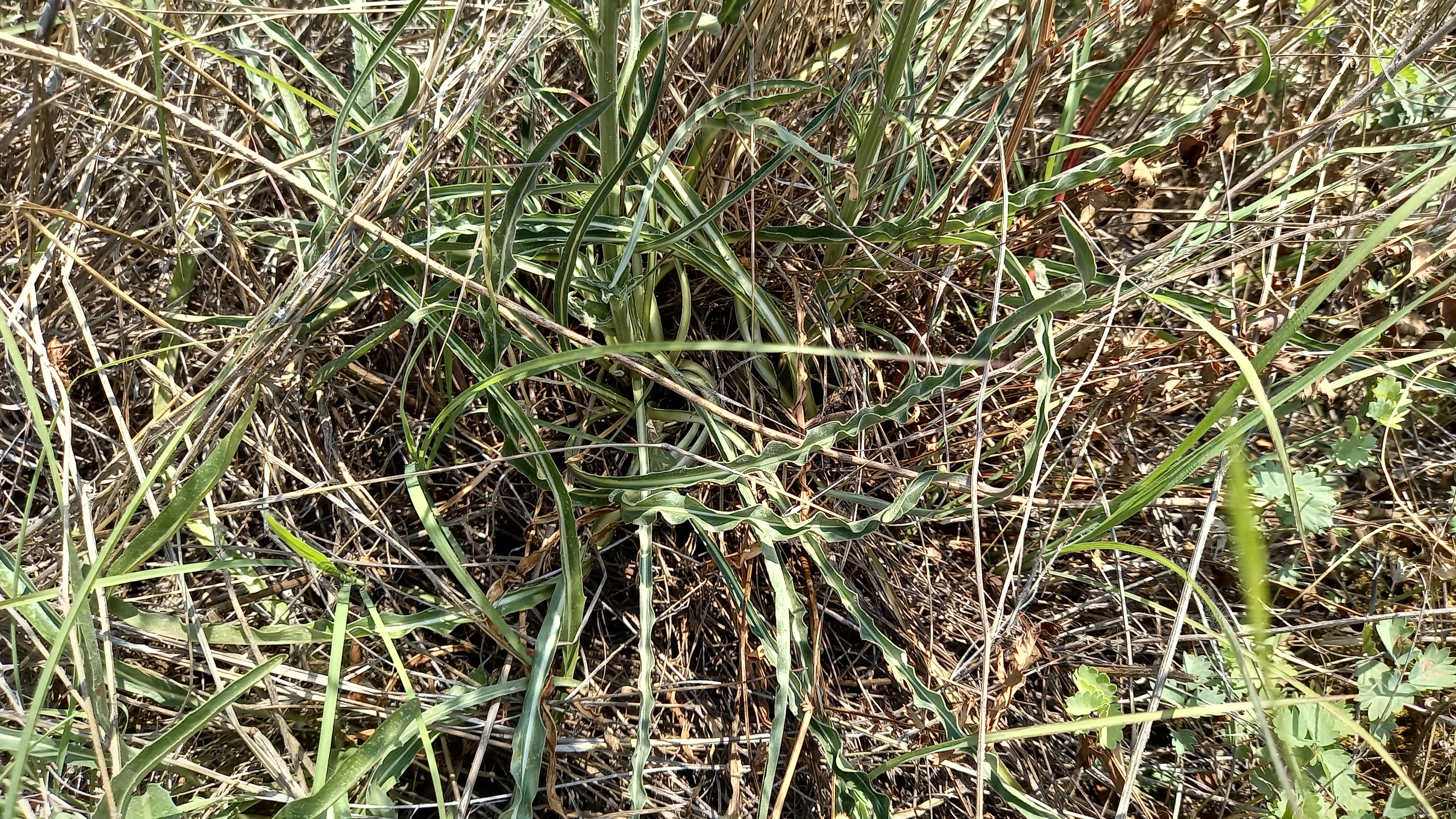
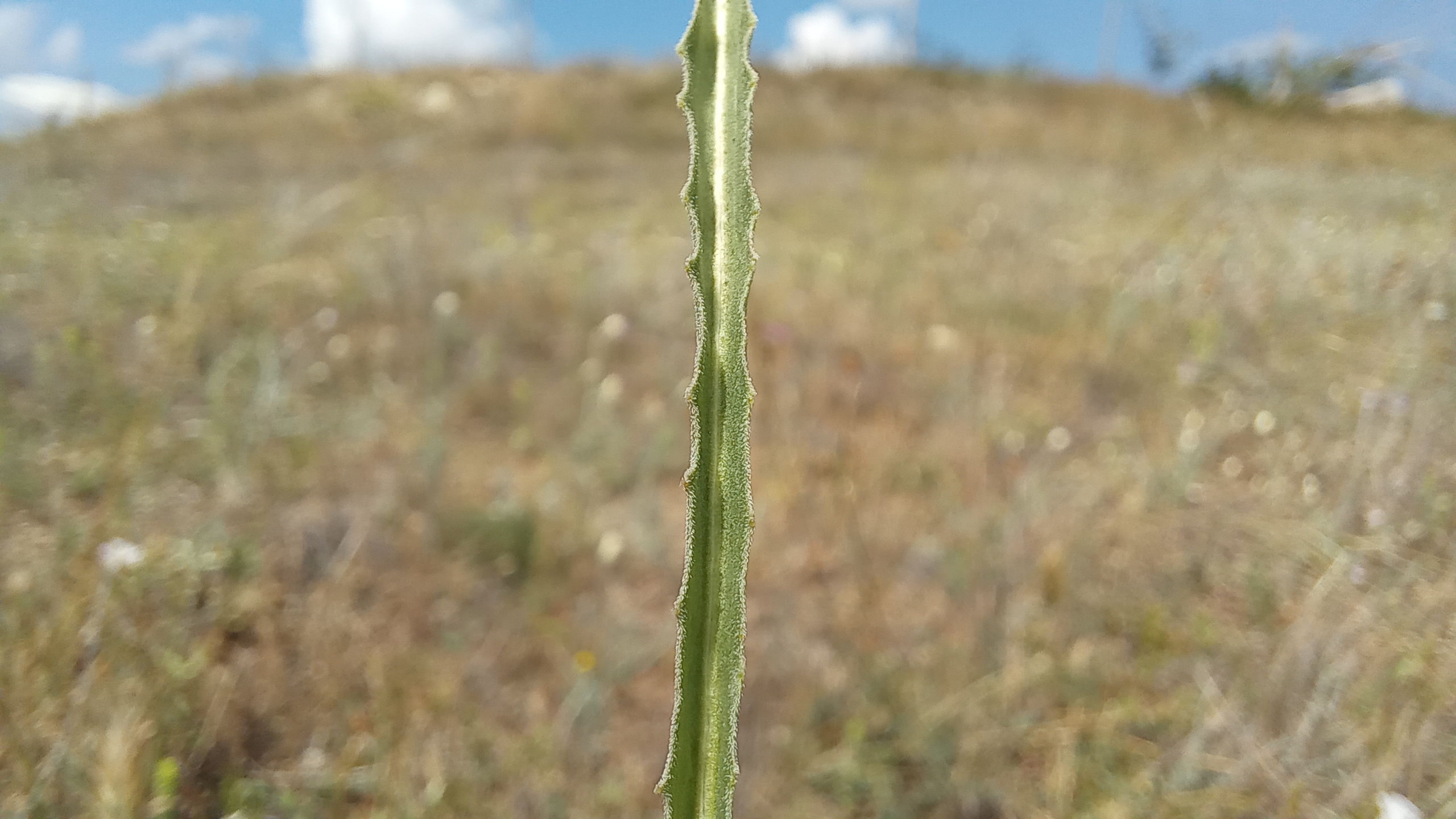
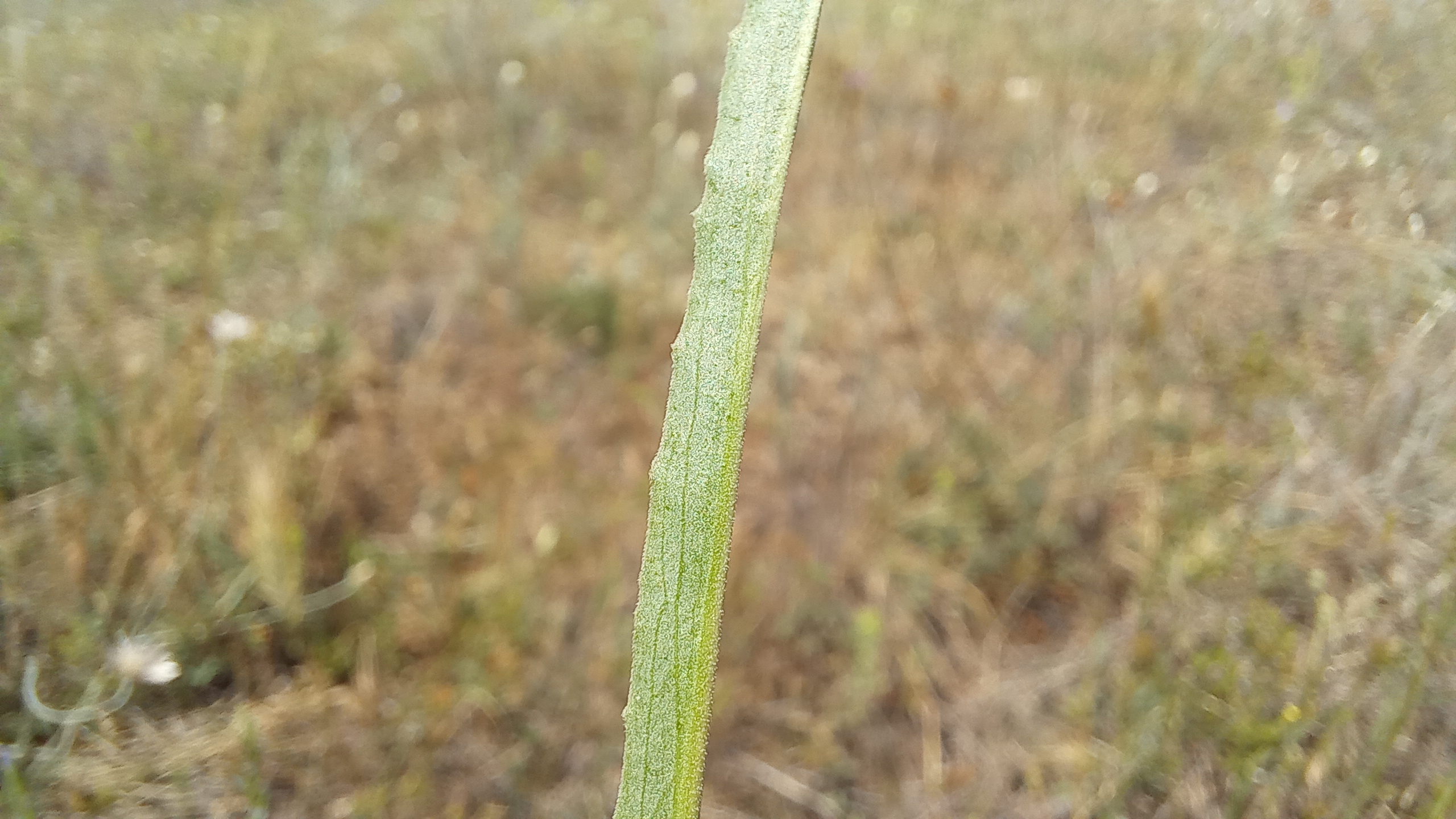
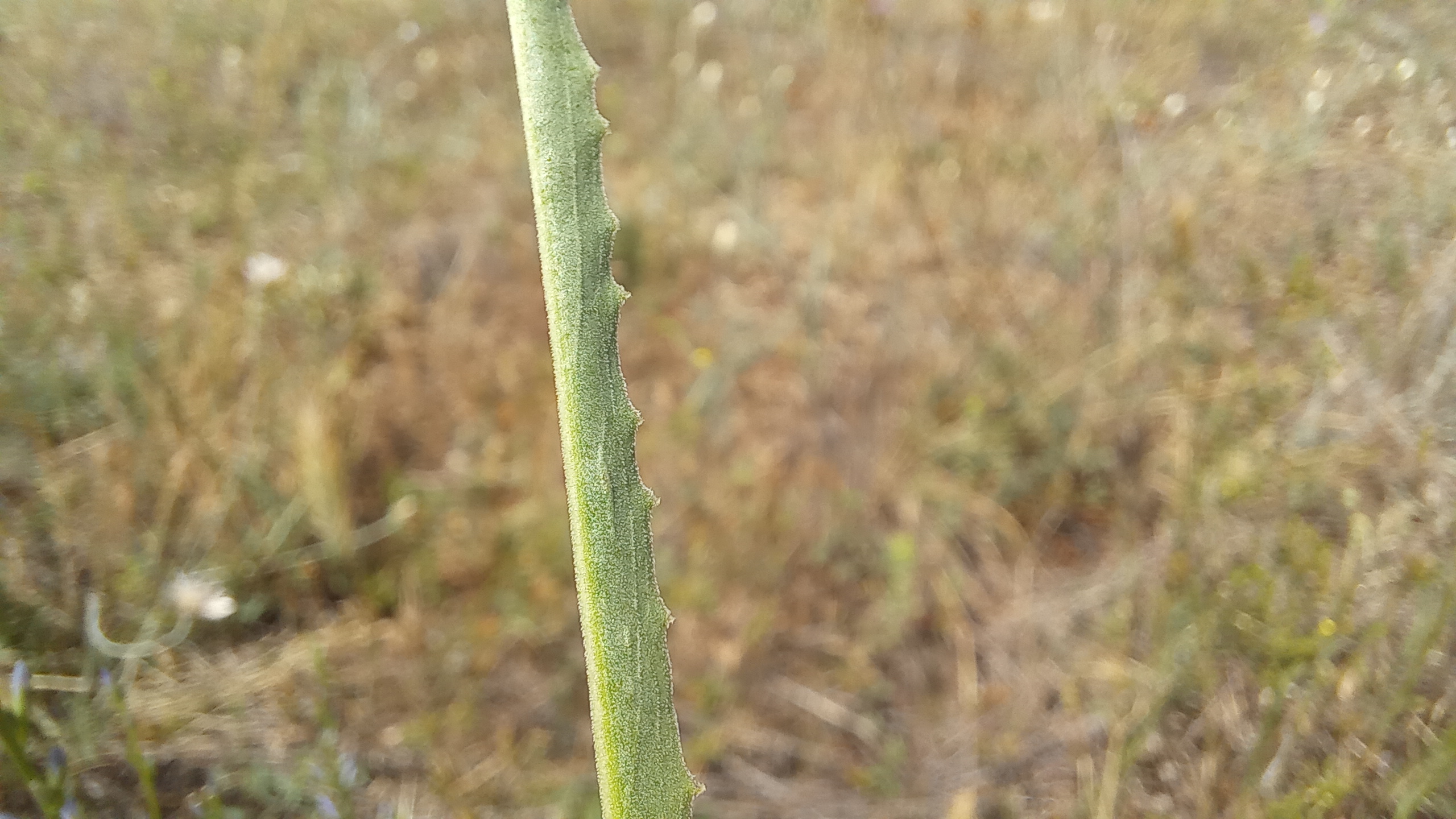
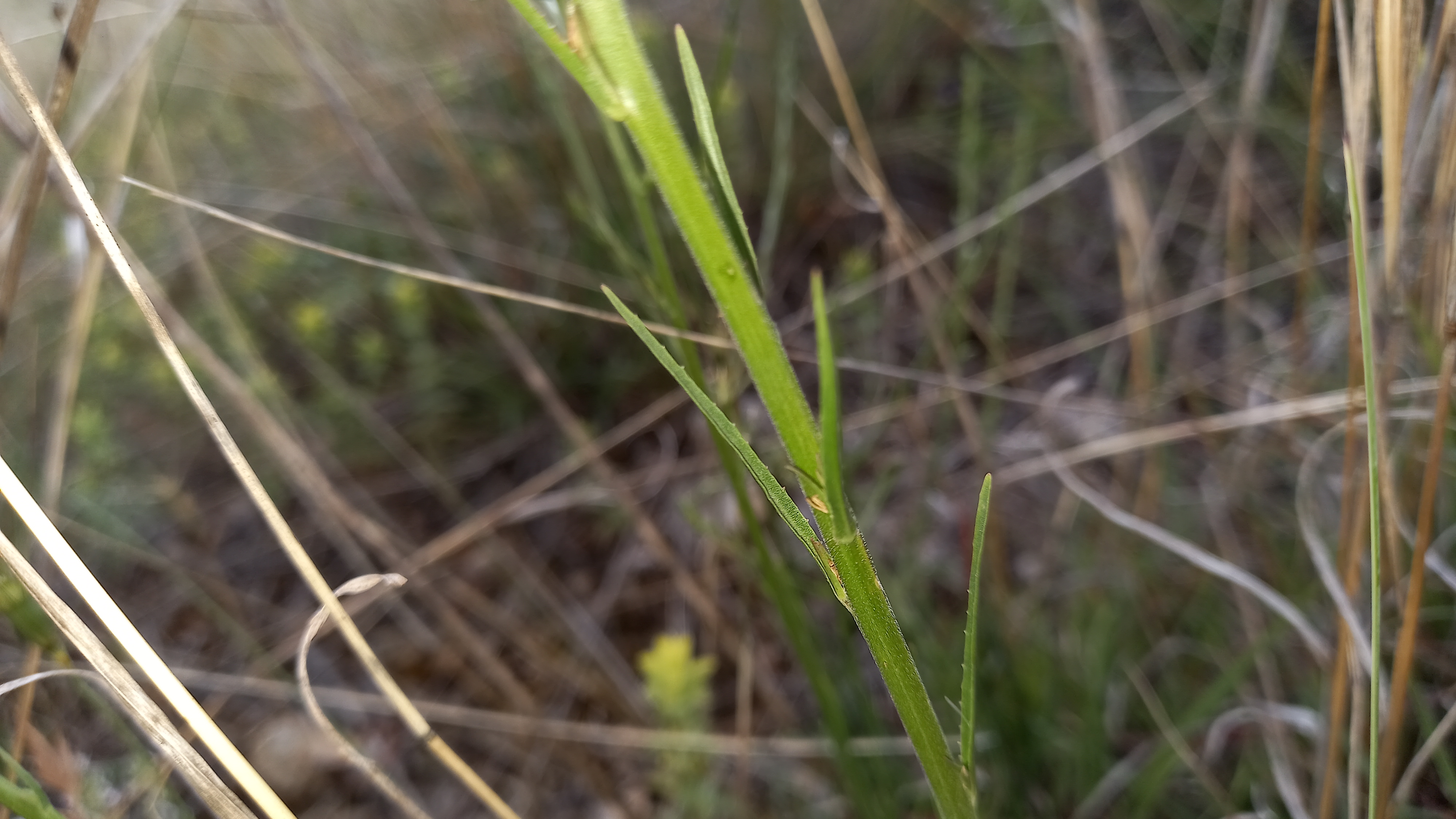
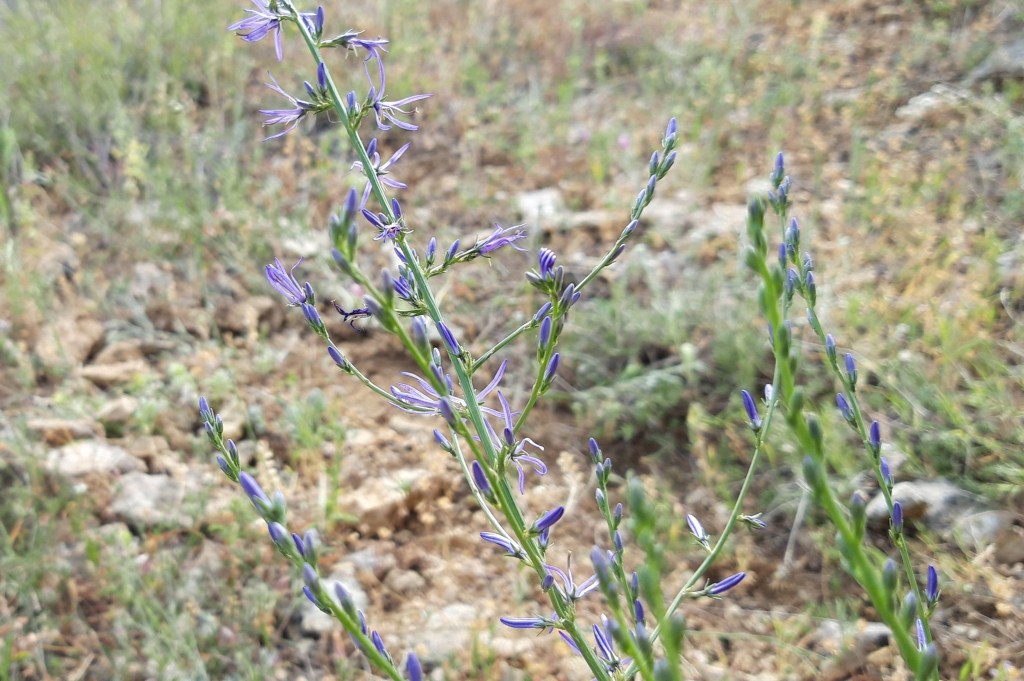
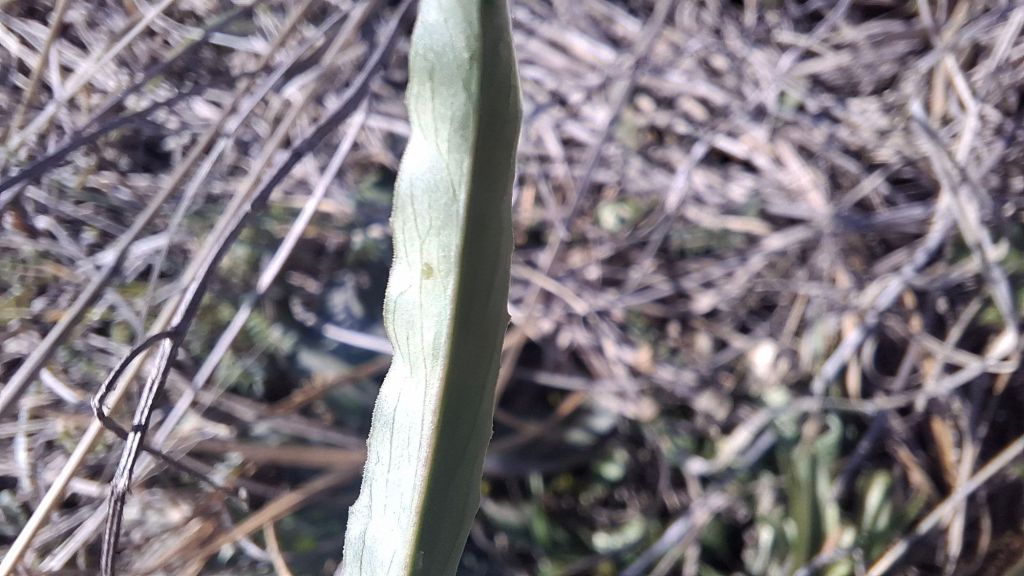
Asyneuma limonifolium – habit in habitat. Osogovo, hilly region near village of Beli, 18.06.2022. Photo by Trajche Dimitrovski.Asyneuma limonifolium – habit. Osogovo, hilly region near village of Beli, 18.06.2022. Photo by Trajche Dimitrovski.Asyneuma limonifolium – habit. Osogovo, hilly region near village of Beli, 18.06.2022. Photo by Trajche Dimitrovski.Asyneuma limonifolium – habit. Osogovo, hilly region near village of Beli, 18.06.2022. Photo by Trajche Dimitrovski.Asyneuma limonifolium – habit. Osogovo, hilly region near village of Beli, 18.06.2022. Photo by Trajche Dimitrovski.Asyneuma limonifolium – habit. Osogovo, hilly region near village of Beli, 18.06.2022. Photo by Trajche Dimitrovski.Asyneuma limonifolium – habit. Osogovo, hilly region near village of Beli, 18.06.2022. Photo by Trajche Dimitrovski.Asyneuma limonifolium – inflorescence. Osogovo, hilly region near village of Beli, 18.06.2022. Photo by Trajche Dimitrovski.Asyneuma limonifolium – inflorescence. Osogovo, hilly region near village of Beli, 18.06.2022. Photo by Trajche Dimitrovski.Asyneuma limonifolium – inflorescence. Osogovo, hilly region near village of Beli, 18.06.2022. Photo by Trajche Dimitrovski.Asyneuma limonifolium – inflorescence. Osogovo, hilly region near village of Beli, 18.06.2022. Photo by Trajche Dimitrovski.Asyneuma limonifolium – inflorescence. Osogovo, hilly region near village of Beli, 18.06.2022. Photo by Trajche Dimitrovski.Asyneuma limonifolium – inflorescence. Osogovo, hilly region near village of Beli, 18.06.2022. Photo by Trajche Dimitrovski.Asyneuma limonifolium – inflorescence. Osogovo, hilly region near village of Beli, 18.06.2022. Photo by Trajche Dimitrovski.Asyneuma limonifolium – flower buds. Osogovo, hilly region near village of Beli, 18.06.2022. Photo by Trajche Dimitrovski.Asyneuma limonifolium – flowers. Osogovo, hilly region near village of Beli, 18.06.2022. Photo by Trajche Dimitrovski.Asyneuma limonifolium – flowers. Osogovo, hilly region near village of Beli, 18.06.2022. Photo by Trajche Dimitrovski.Asyneuma limonifolium – flowers. Osogovo, hilly region near village of Beli, 18.06.2022. Photo by Trajche Dimitrovski.Asyneuma limonifolium – flowers. Osogovo, hilly region near village of Beli, 18.06.2022. Photo by Trajche Dimitrovski.Asyneuma limonifolium – flowers. Osogovo, hilly region near village of Beli, 18.06.2022. Photo by Trajche Dimitrovski.Asyneuma limonifolium – flowers. Osogovo, hilly region near village of Beli, 18.06.2022. Photo by Trajche Dimitrovski.Asyneuma limonifolium – flowers. Osogovo, hilly region near village of Beli, 18.06.2022. Photo by Trajche Dimitrovski.Asyneuma limonifolium – flowers. Osogovo, hilly region near village of Beli, 18.06.2022. Photo by Trajche Dimitrovski.Asyneuma limonifolium – flowers. Osogovo, hilly region near village of Beli, 18.06.2022. Photo by Trajche Dimitrovski.Asyneuma limonifolium – stems with cauline leaves. Osogovo, hilly region near village of Beli, 18.06.2022. Photo by Trajche Dimitrovski.Asyneuma limonifolium – stem with cauline leaves. Osogovo, hilly region near village of Beli, 18.06.2022. Photo by Trajche Dimitrovski.Asyneuma limonifolium – stem with cauline leaves. Osogovo, hilly region near village of Beli, 18.06.2022. Photo by Trajche Dimitrovski.Asyneuma limonifolium – stem with cauline leaf. Osogovo, hilly region near village of Beli, 18.06.2022. Photo by Trajche Dimitrovski.Asyneuma limonifolium – stems with branches. Osogovo, hilly region near village of Beli, 18.06.2022. Photo by Trajche Dimitrovski.Asyneuma limonifolium – basal leaves and stems with lower cauline leaves. Osogovo, hilly region near village of Beli, 18.06.2022. Photo by Trajche Dimitrovski.Asyneuma limonifolium – basal leaves and stems with lower cauline leaves. Osogovo, hilly region near village of Beli, 18.06.2022. Photo by Trajche Dimitrovski.Asyneuma limonifolium – basal leaves. Osogovo, hilly region near village of Beli, 18.06.2022. Photo by Trajche Dimitrovski.Asyneuma limonifolium – basal leaves. Osogovo, hilly region near village of Beli, 18.06.2022. Photo by Trajche Dimitrovski.Asyneuma limonifolium – basal leaves. Osogovo, hilly region near village of Beli, 18.06.2022. Photo by Trajche Dimitrovski.Asyneuma limonifolium – basal leaves. Osogovo, hilly region near village of Beli, 18.06.2022. Photo by Trajche Dimitrovski.Asyneuma limonifolium – basal leaf. Osogovo, hilly region near village of Beli, 18.06.2022. Photo by Trajche Dimitrovski.Asyneuma limonifolium – abaxial side of basal leaf. Osogovo, hilly region near village of Beli, 18.06.2022. Photo by Trajche Dimitrovski.Asyneuma limonifolium – abaxial side of basal leaf. Osogovo, hilly region near village of Beli, 18.06.2022. Photo by Trajche Dimitrovski.
Locality: village of Beli. Date: 13.06.2021.
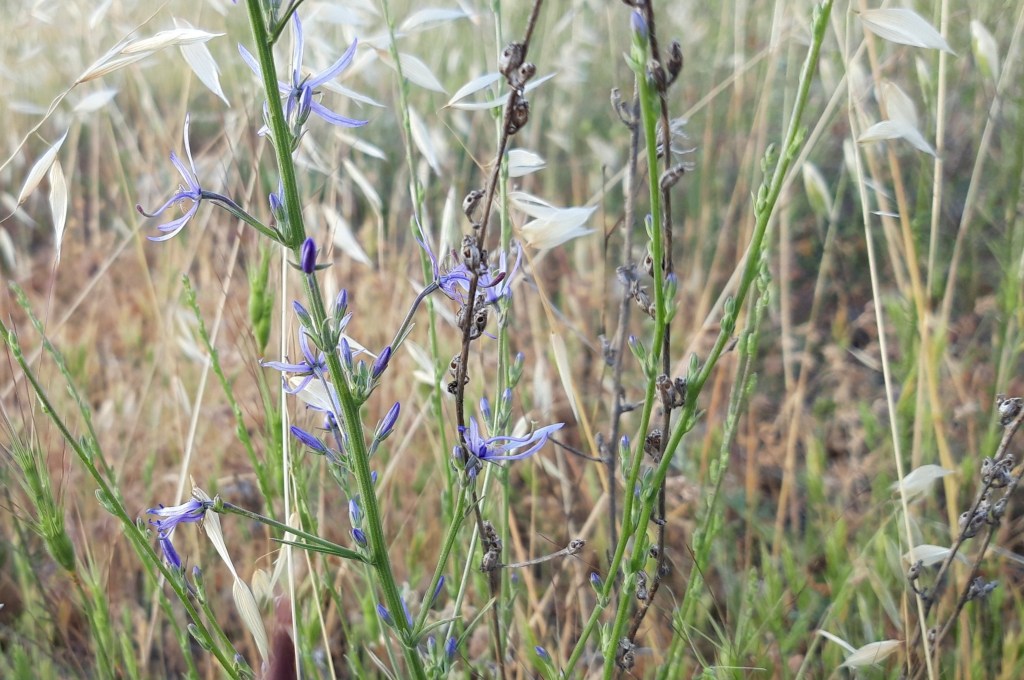
Asyneuma limonifolium– habit. Osogovo, hilly region near village of Beli, 13.06.2021. Photo by Trajche Dimitrovski.Asyneuma limonifolium– inflorescence. Osogovo, hilly region near village of Beli, 13.06.2021. Photo by Trajche Dimitrovski.Asyneuma limonifolium– inflorescence. Osogovo, hilly region near village of Beli, 13.06.2021. Photo by Trajche Dimitrovski.Asyneuma limonifolium– inflorescence. Osogovo, hilly region near village of Beli, 13.06.2021. Photo by Trajche Dimitrovski.Asyneuma limonifolium– capsules. Osogovo, hilly region near village of Beli, 13.06.2021. Photo by Trajche Dimitrovski.Asyneuma limonifolium– cauline leaves. Osogovo, hilly region near village of Beli, 13.06.2021. Photo by Trajche Dimitrovski.Asyneuma limonifolium– basal and lower cauline leaves. Osogovo, hilly region near village of Beli, 13.06.2021. Photo by Trajche Dimitrovski.Asyneuma limonifolium– basal and lower cauline leaves. Osogovo, hilly region near village of Beli, 13.06.2021. Photo by Trajche Dimitrovski.Asyneuma limonifolium– basal leaves. Osogovo, hilly region near village of Beli, 13.06.2021. Photo by Trajche Dimitrovski.
Locality: village of Beli. Date: 06.06.2020.
Asyneuma limonifolium– habit. Osogovo, hilly region near village of Beli, 06.06.2020. Photo by Trajche Dimitrovski.Asyneuma limonifolium– inflorescence. Osogovo, hilly region near village of Beli, 06.06.2020. Photo by Trajche Dimitrovski.Asyneuma limonifolium– inflorescence. Osogovo, hilly region near village of Beli, 06.06.2020. Photo by Trajche Dimitrovski.Asyneuma limonifolium– stems with cauline leaves. Osogovo, hilly region near village of Beli, 06.06.2020. Photo by Trajche Dimitrovski.Asyneuma limonifolium– lowe part of stems a nd basal leaves. Osogovo, hilly region near village of Beli, 06.06.2020. Photo by Trajche Dimitrovski.Asyneuma limonifolium– flowers. Photo by Trajche Dimitrovski.Asyneuma limonifolium– flowers. Photo by Trajche Dimitrovski.
Locality: village of Beli. Date: 18.01.2026.
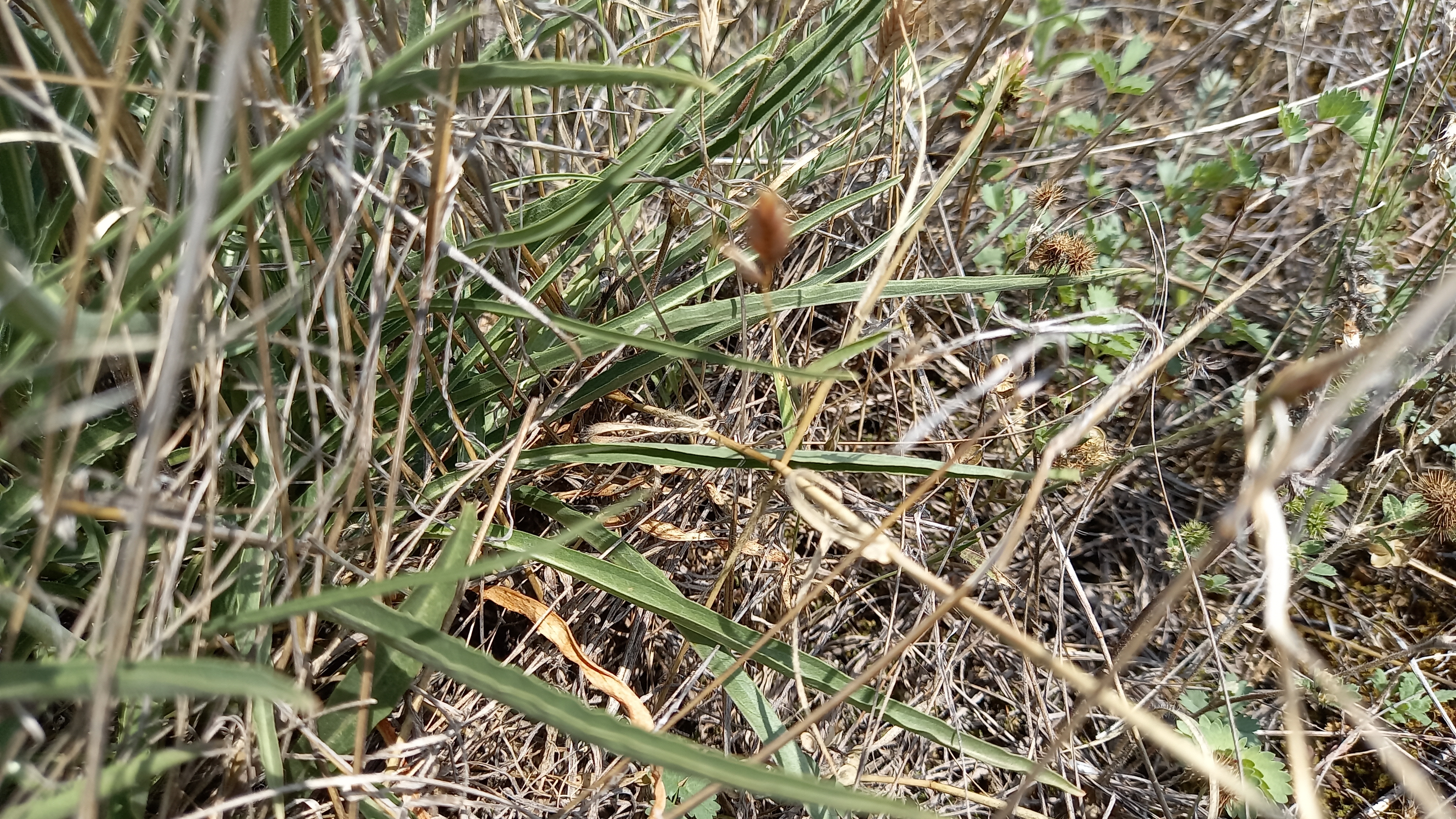
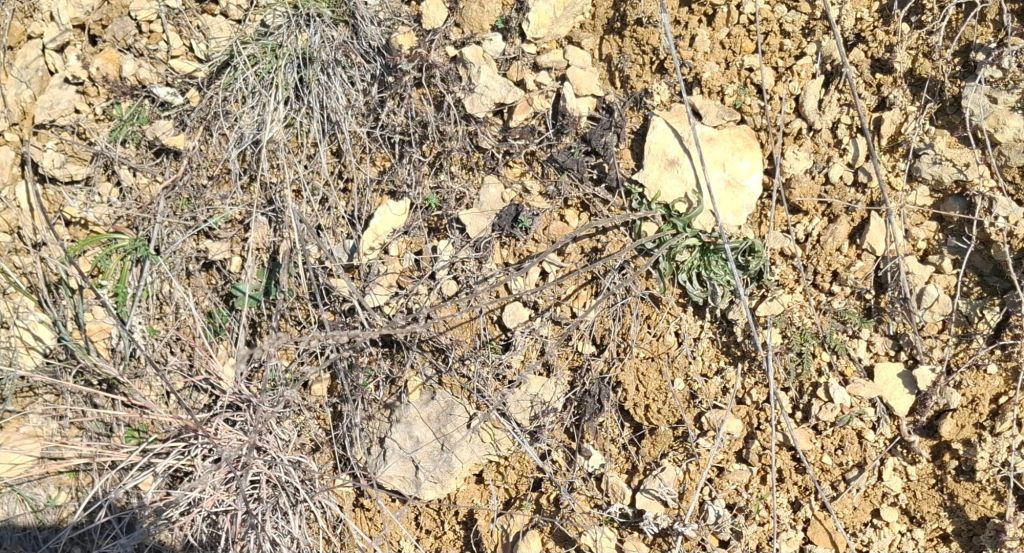
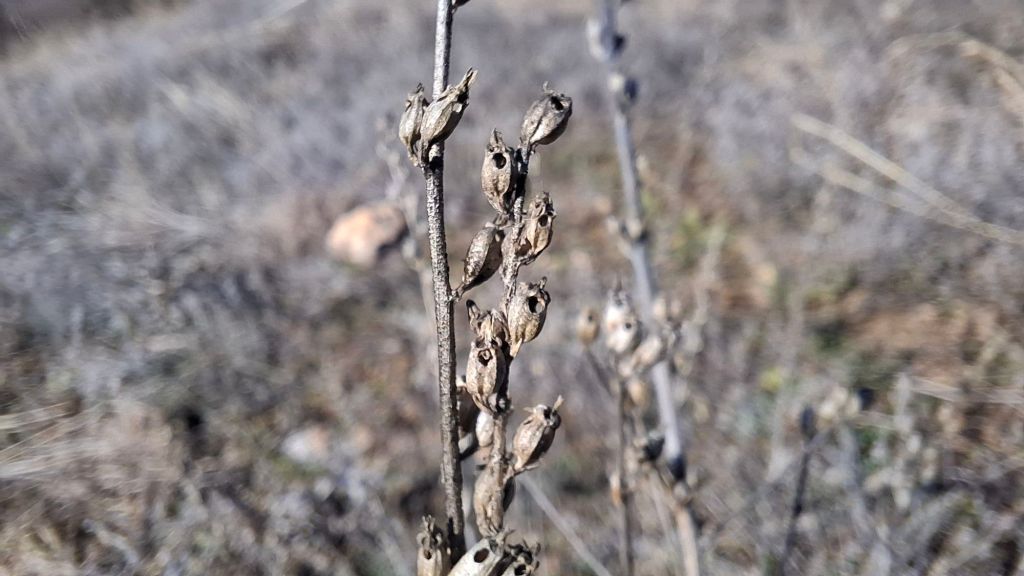
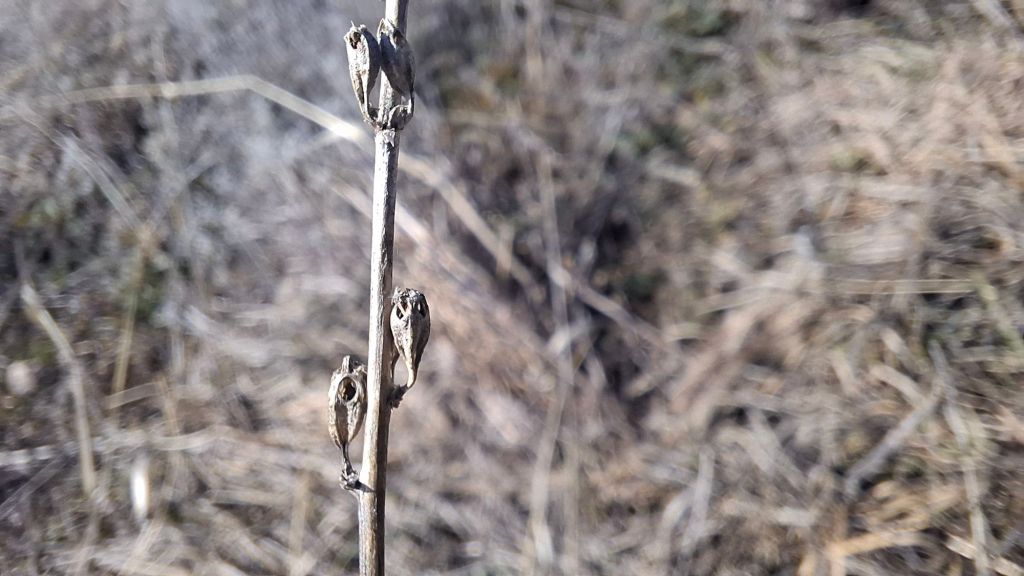
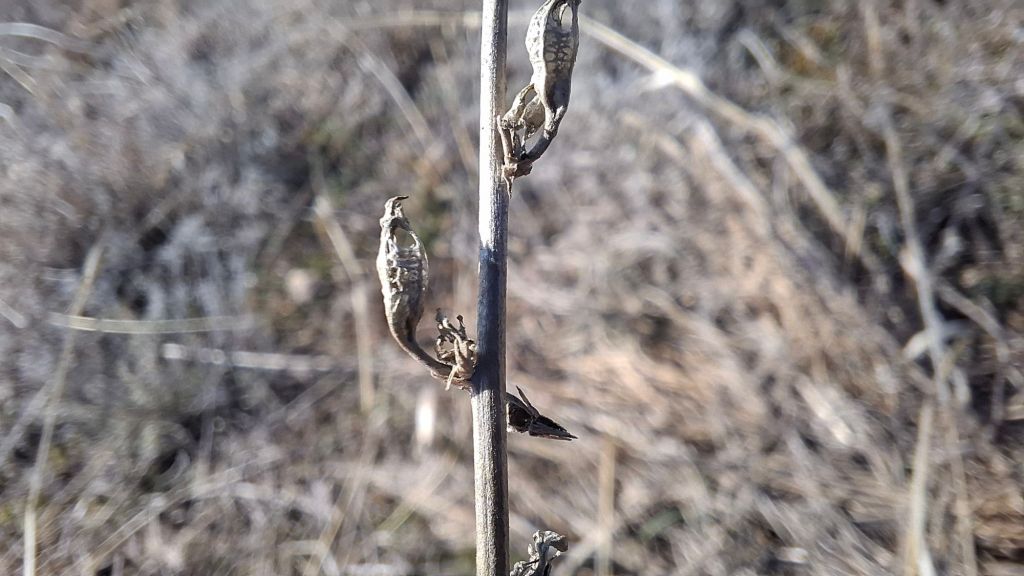
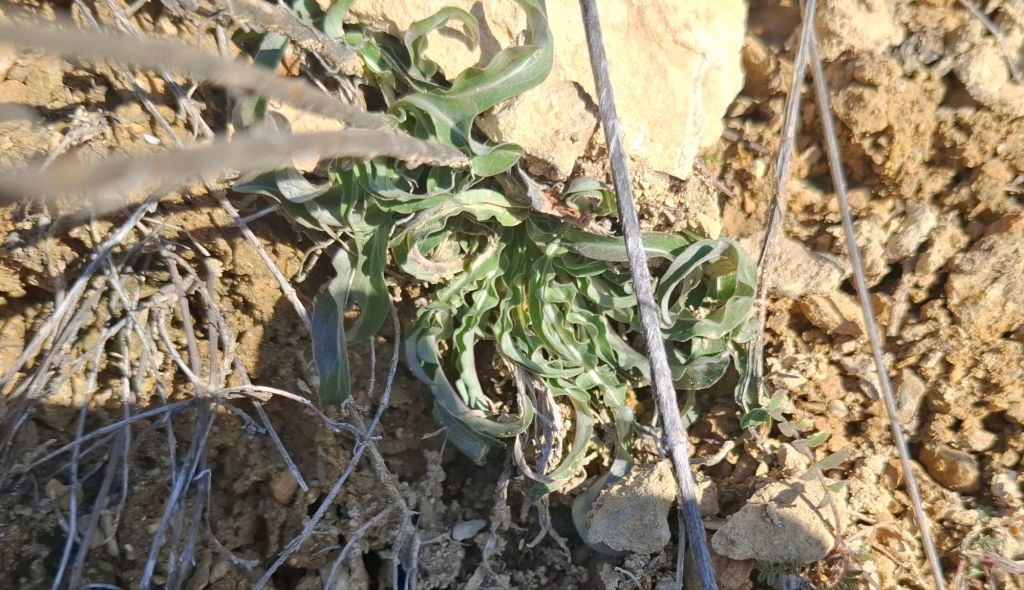
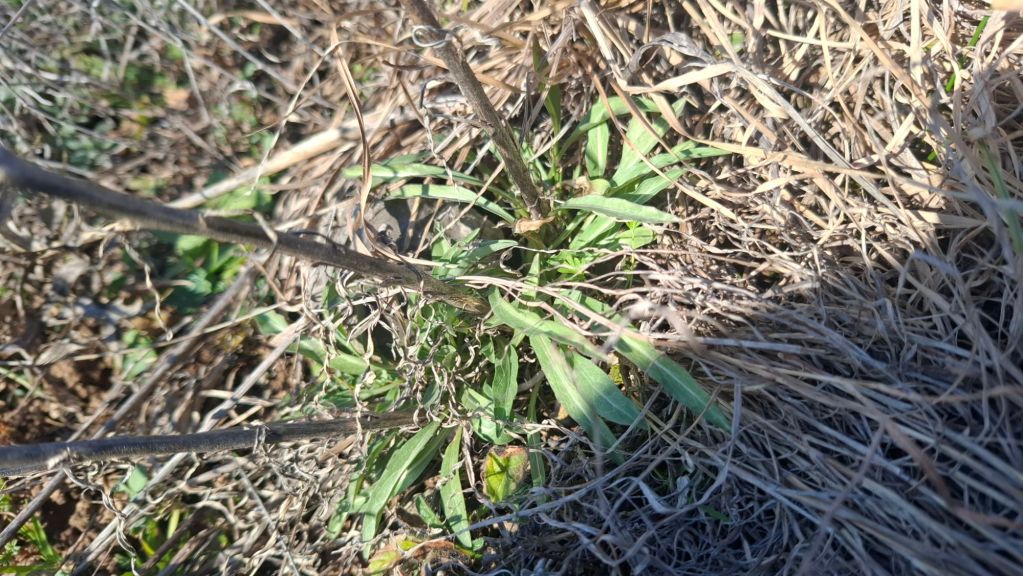
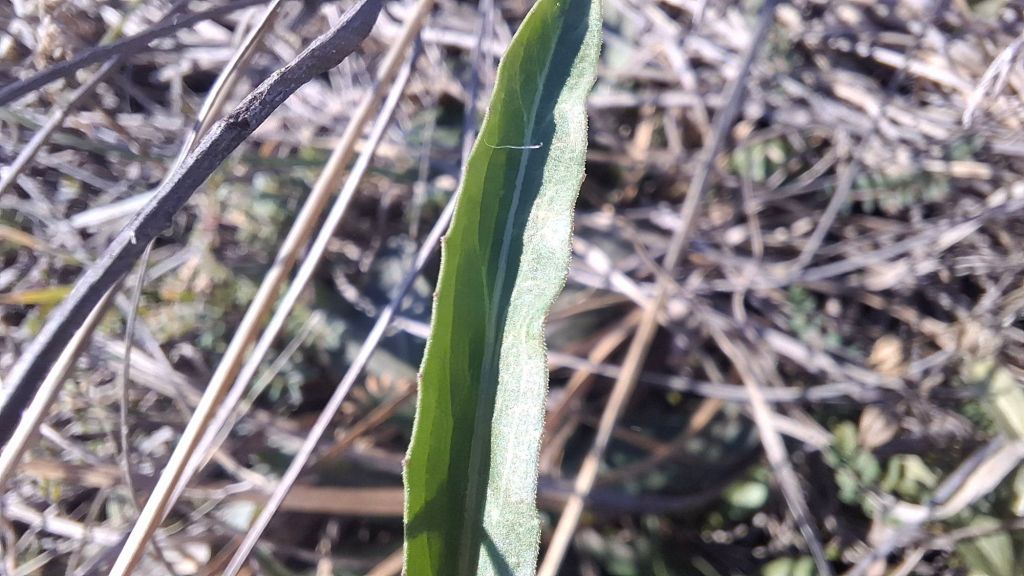
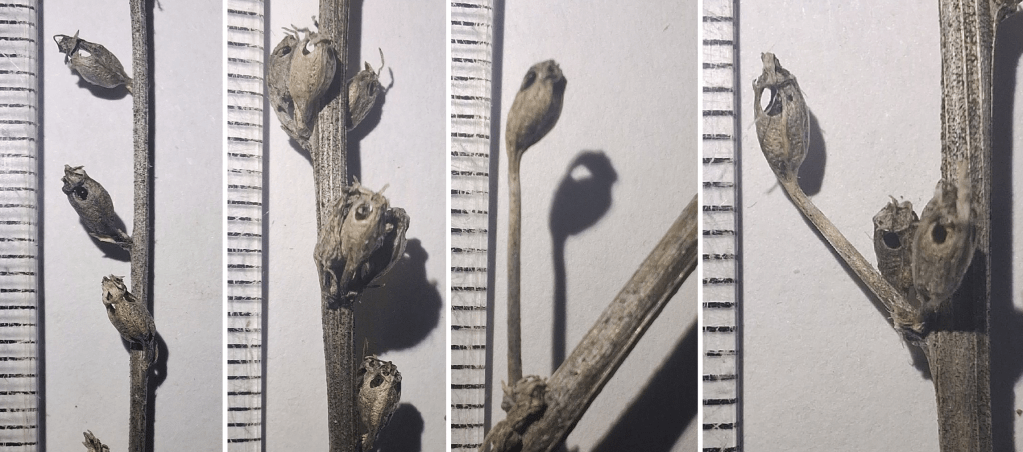
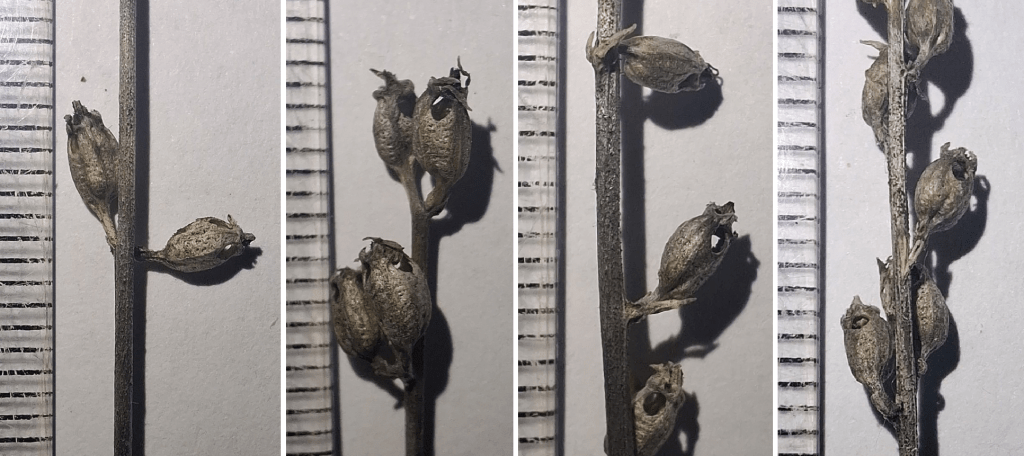
Asyneuma limonifolium – habit in winter. Osogovo, hilly region near village of Beli, 18.01.2026. Photo by Trajche Dimitrovski.Asyneuma limonifolium – capsules. Osogovo, hilly region near village of Beli, 18.01.2026. Photo by Trajche Dimitrovski.Asyneuma limonifolium – capsules. Osogovo, hilly region near village of Beli, 18.01.2026. Photo by Trajche Dimitrovski.Asyneuma limonifolium – capsules. Osogovo, hilly region near village of Beli, 18.01.2026. Photo by Trajche Dimitrovski.Asyneuma limonifolium – capsules. Osogovo, hilly region near village of Beli, 18.01.2026. Photo by Trajche Dimitrovski.Asyneuma limonifolium – basal leaves. Osogovo, hilly region near village of Beli, 18.01.2026. Photo by Trajche Dimitrovski.Asyneuma limonifolium – basal leaves. Osogovo, hilly region near village of Beli, 18.01.2026. Photo by Trajche Dimitrovski.Asyneuma limonifolium – basal leaves. Osogovo, hilly region near village of Beli, 18.01.2026. Photo by Trajche Dimitrovski.Asyneuma limonifolium – adaxial side of basal leaf. Osogovo, hilly region near village of Beli, 18.01.2026. Photo by Trajche Dimitrovski.Asyneuma limonifolium – adaxial side of basal leaf. Osogovo, hilly region near village of Beli, 18.01.2026. Photo by Trajche Dimitrovski.Asyneuma limonifolium– capsules and pedicels. Scale in mm. Photo by Trajche Dimitrovski.Asyneuma limonifolium– capsules and pedicels. Scale in mm. Photo by Trajche Dimitrovski.
References:
Asyneuma limonifolium subsp. limonifolium. Castroviejo, S., Aldasoro, J. J. & Alarcón, M.; with contributions from Hand, R. (2010+): Campanulaceae. – In: Euro+Med Plantbase – the information resource for Euro-Mediterranean plant diversity. https://europlusmed.org/cdm_dataportal/taxon/e61067a4-0bcb-496c-9341-1cb4ace14e9e [Accessed 28.08.2026].
Asyneuma limonifolium subsp. pestalozzae. Castroviejo, S., Aldasoro, J. J. & Alarcón, M.; with contributions from Hand, R. (2010+): Campanulaceae. – In: Euro+Med Plantbase – the information resource for Euro-Mediterranean plant diversity. https://europlusmed.org/cdm_dataportal/taxon/cb241470-68fb-4775-9d1b-7194f1088dd8 [Accessed 28.08.2026].
Asyneuma limonifolium. Castroviejo, S., Aldasoro, J. J. & Alarcón, M.; with contributions from Hand, R. (2010+): Campanulaceae. – In: Euro+Med Plantbase – the information resource for Euro-Mediterranean plant diversity. https://europlusmed.org/cdm_dataportal/taxon/eab916e8-0220-46fc-896b-aeb1f95cd262 [Accessed 28.08.2026].
Damboldt, J. 1976. Asyneuma Griseb. & Schenk. In Tutin, T. G., Heywood, V. H., Burges, N. A., Moore, D. M., Valentine, D. H., Walters, S. M. & Webb, D. A. (eds.), Flora Europaea. Volume 4: Plantaginaceae to Compositae (and Rubiaceae). Cambridge: Cambridge University Press, p. 95. [Accessed 28.08.2026].
Damboldt, J. (1978). Asyneuma Griseb. & Schenk. In: Davis, P.H. (ed.), Flora of Turkey and the East Aegean Islands, Vol. 6. Edinburgh University Press, Edinburgh, pp. 65–85.
Stoyanov K., Raycheva Ts. & Cheschmedzhiev I. 2021. Key to the native and foreign vascular plants in Bulgaria. Agricultural University Plovdiv Academic Press (in Bulgarian).