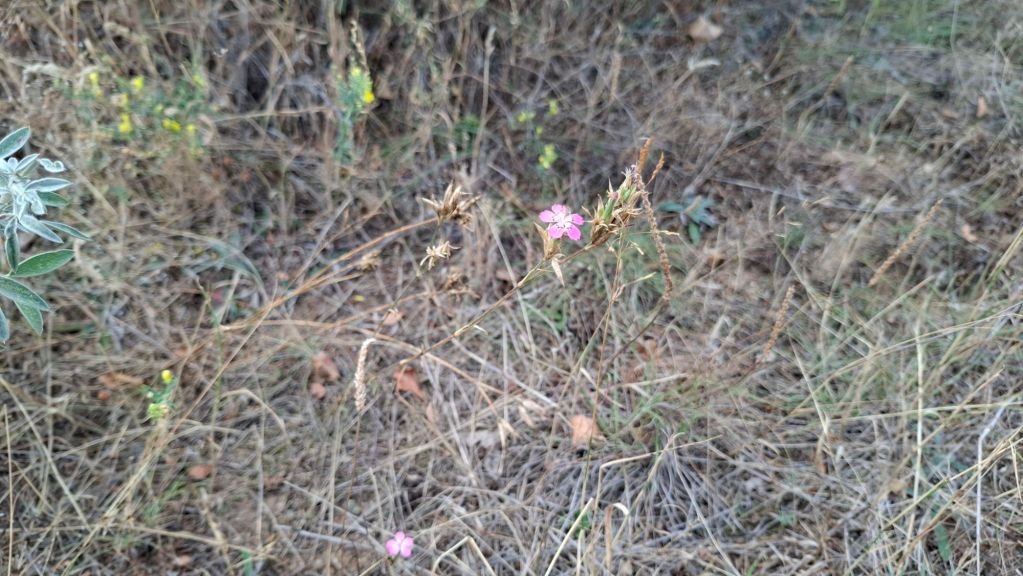
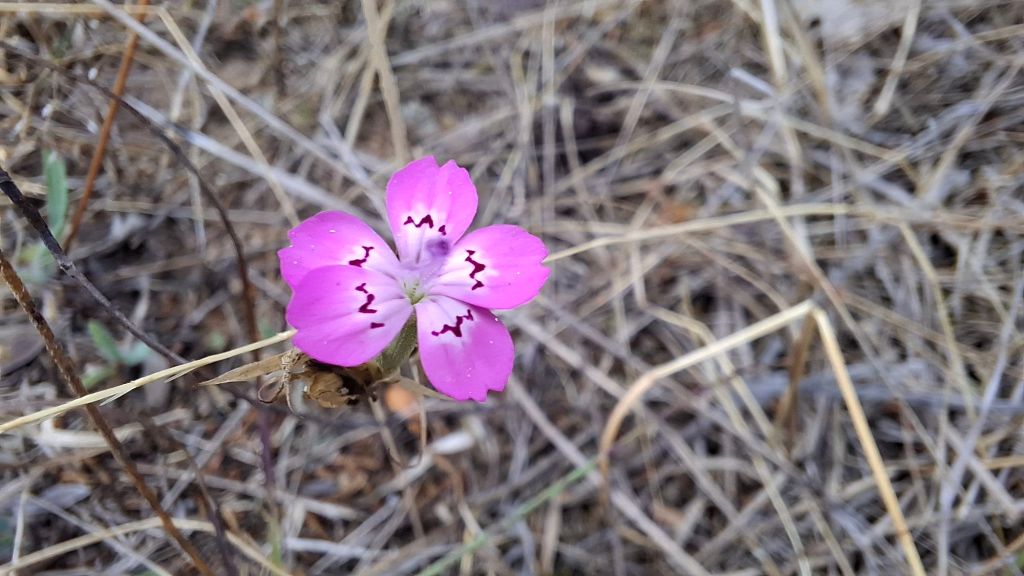
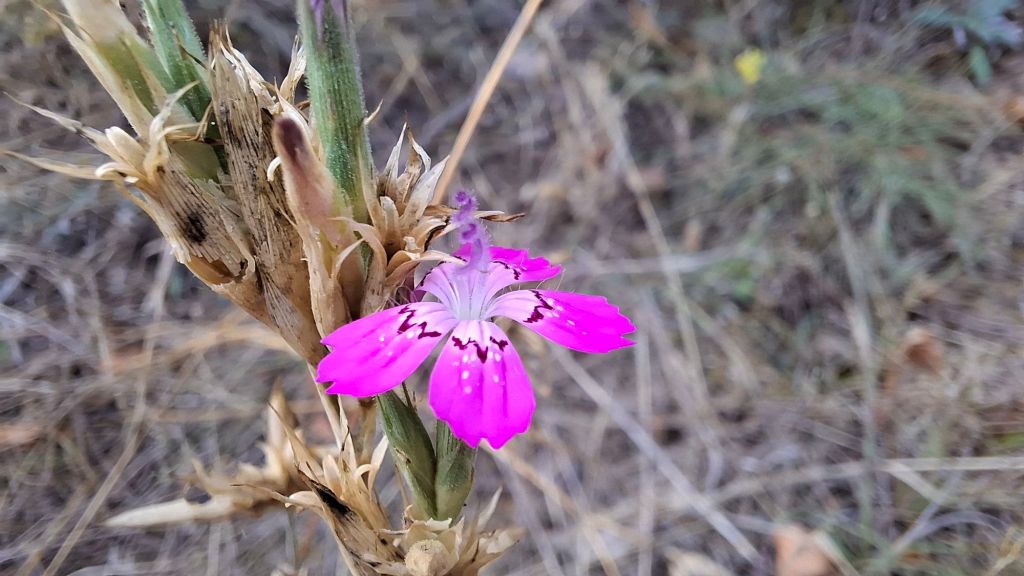
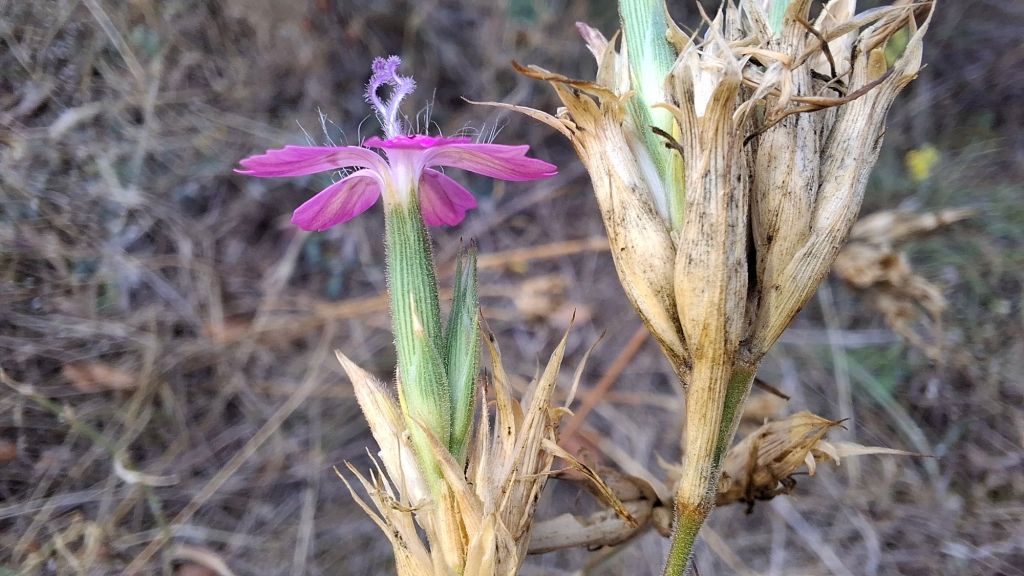
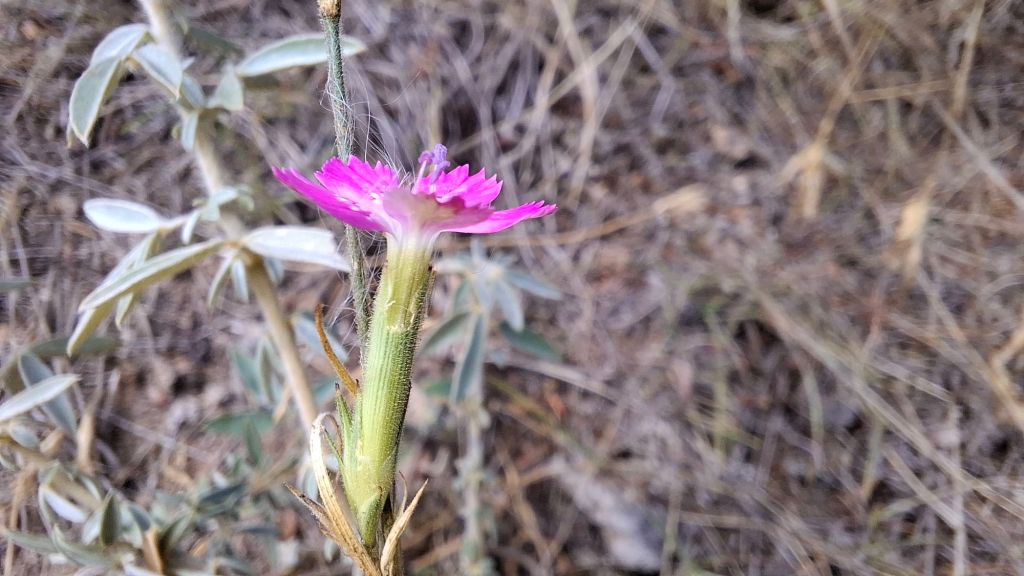
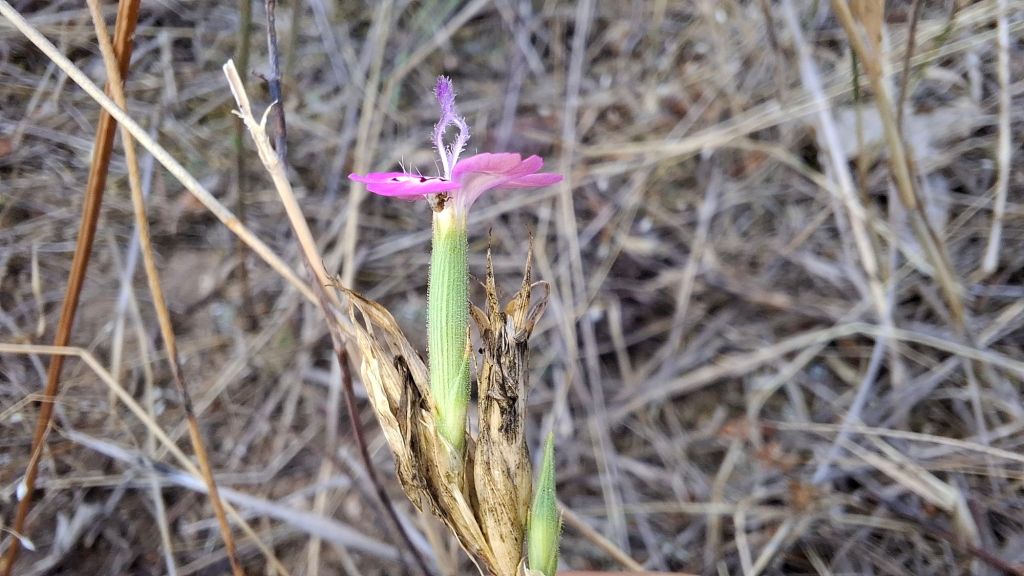
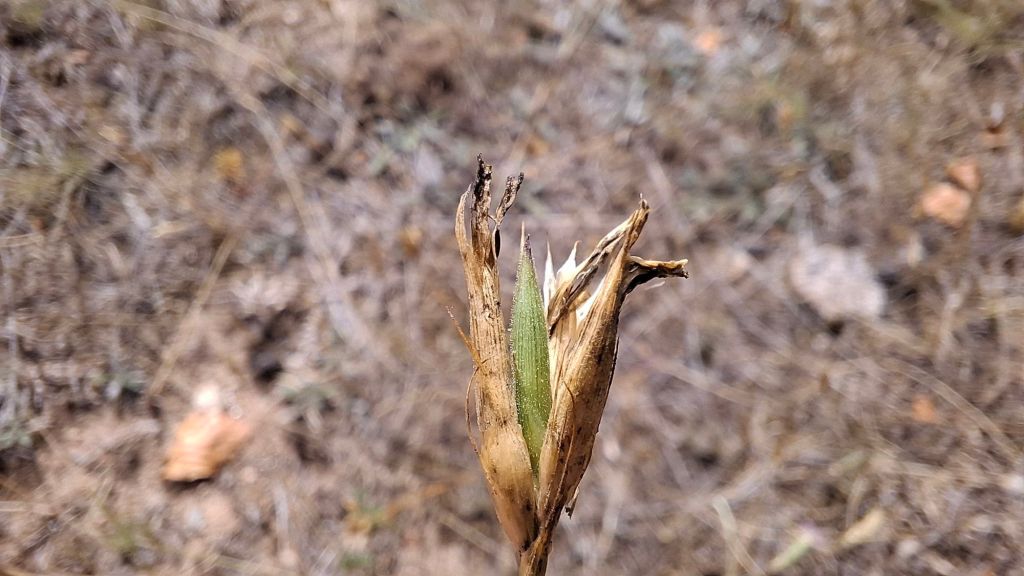
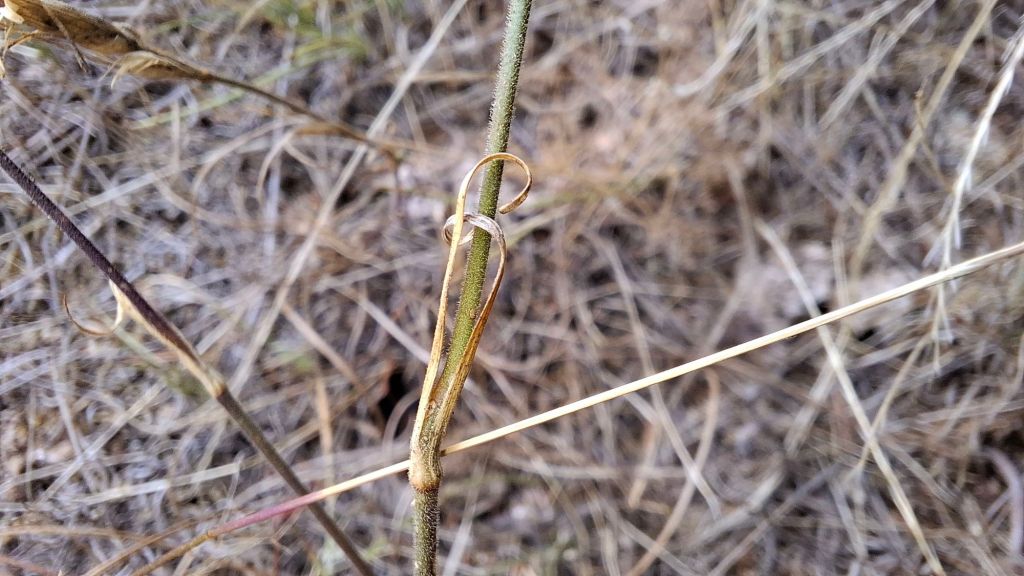
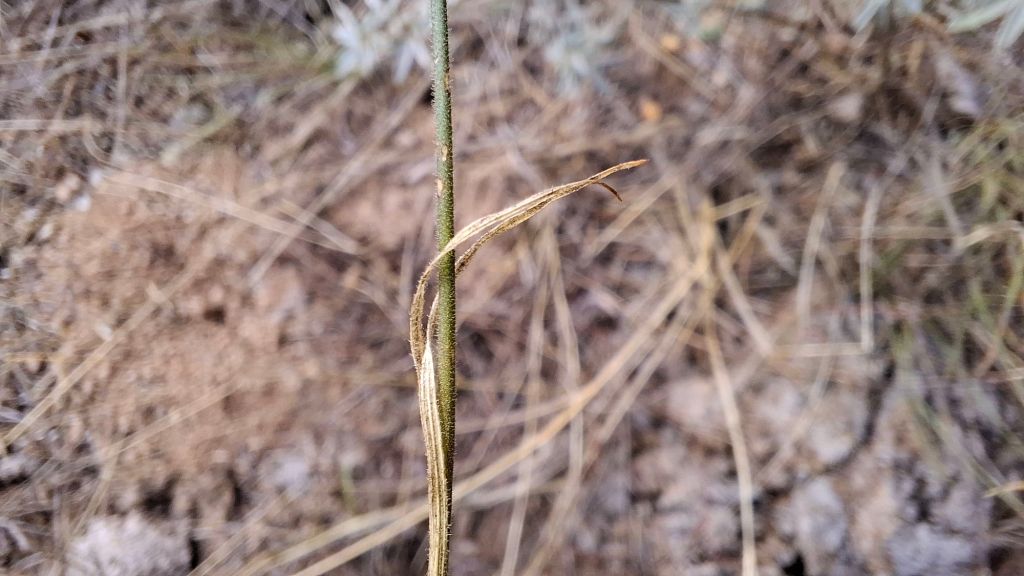
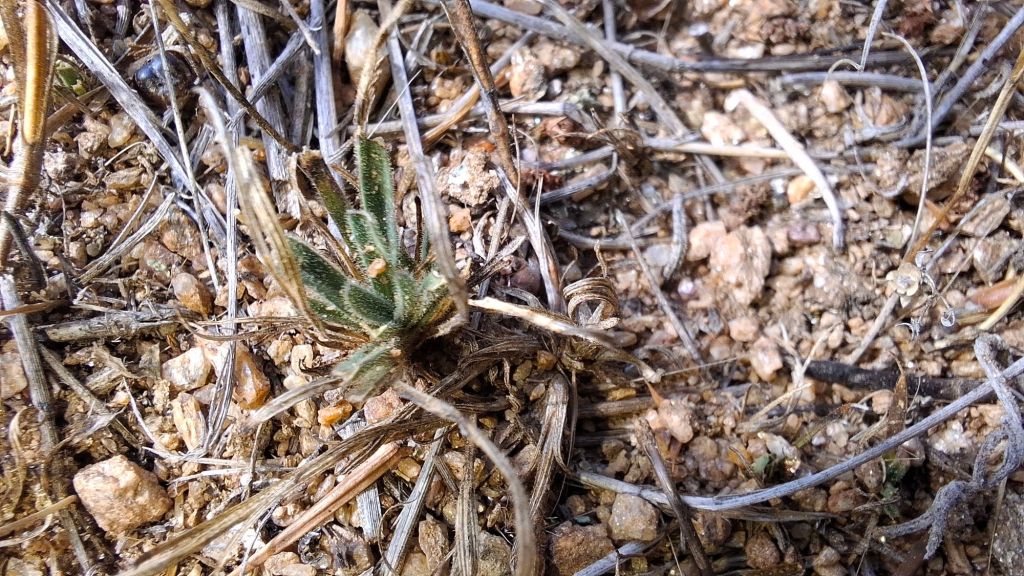
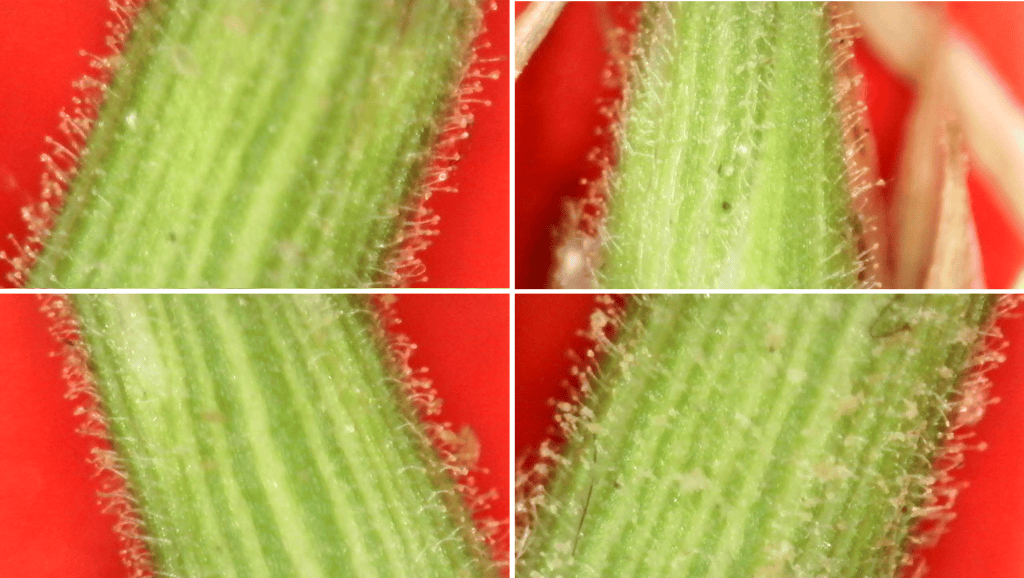
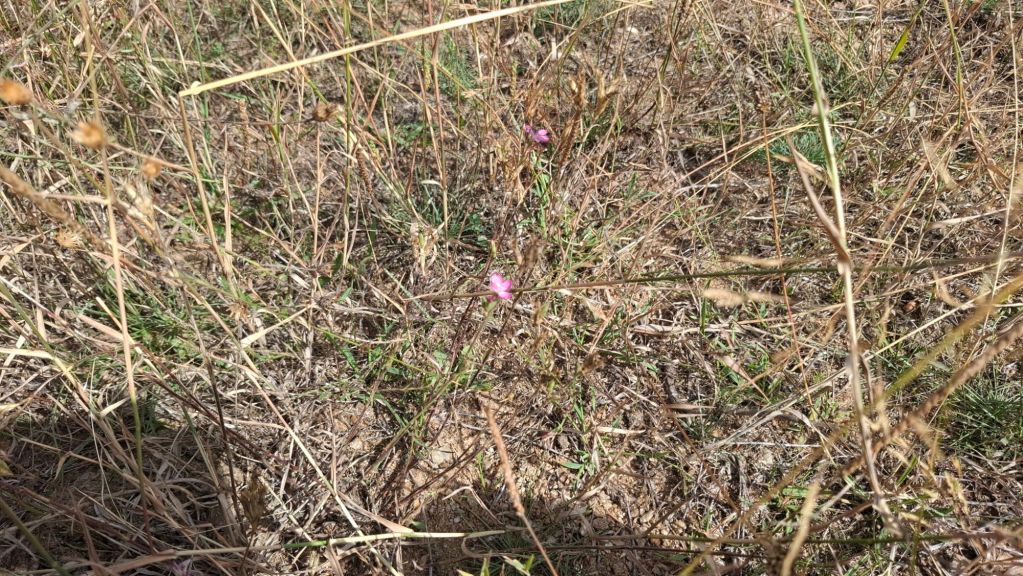
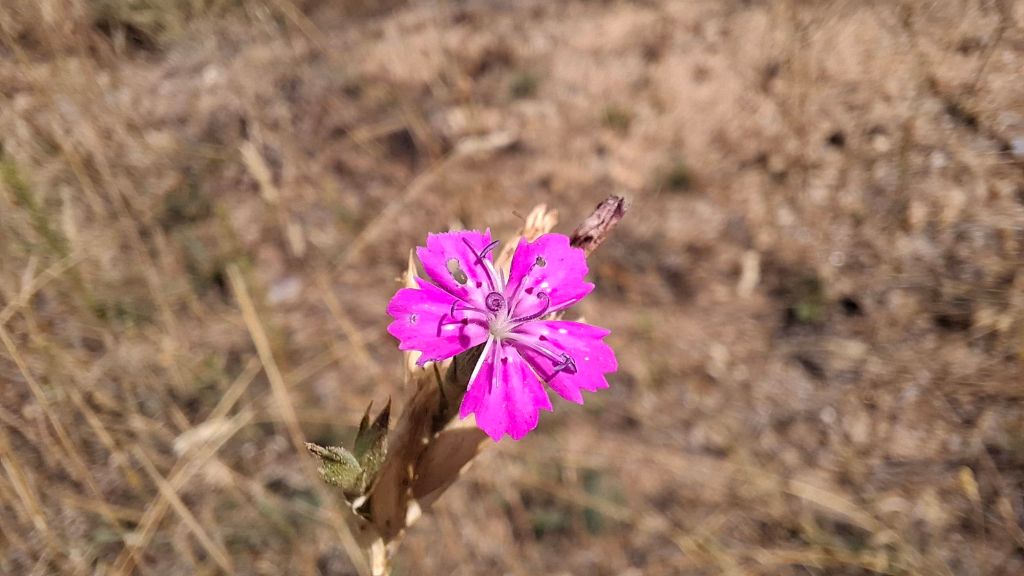
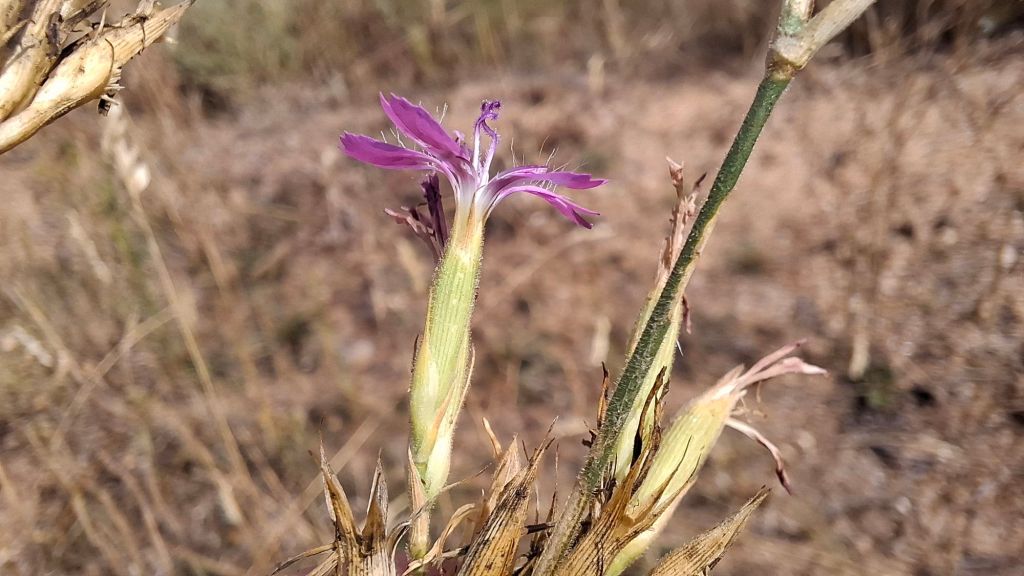
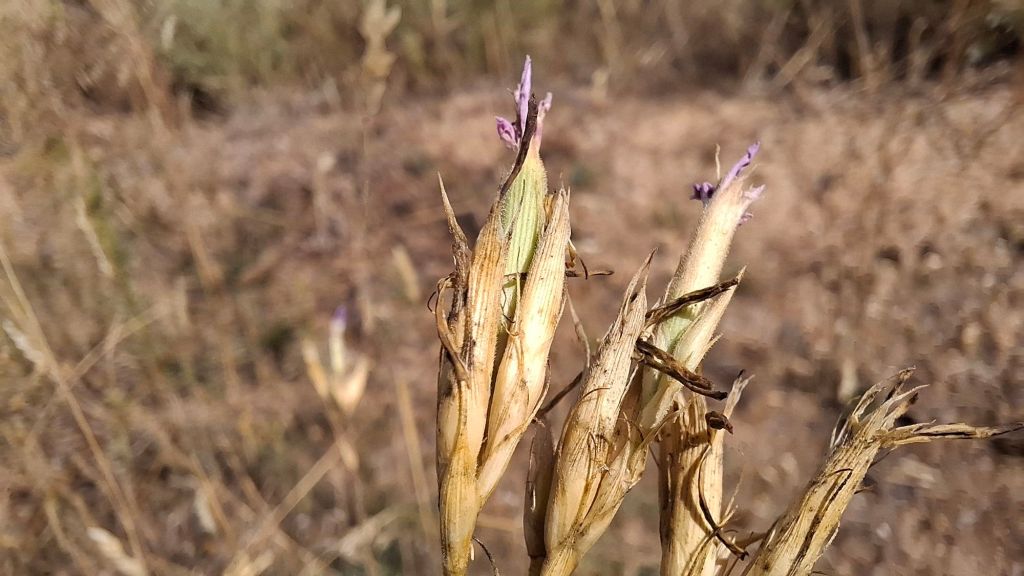
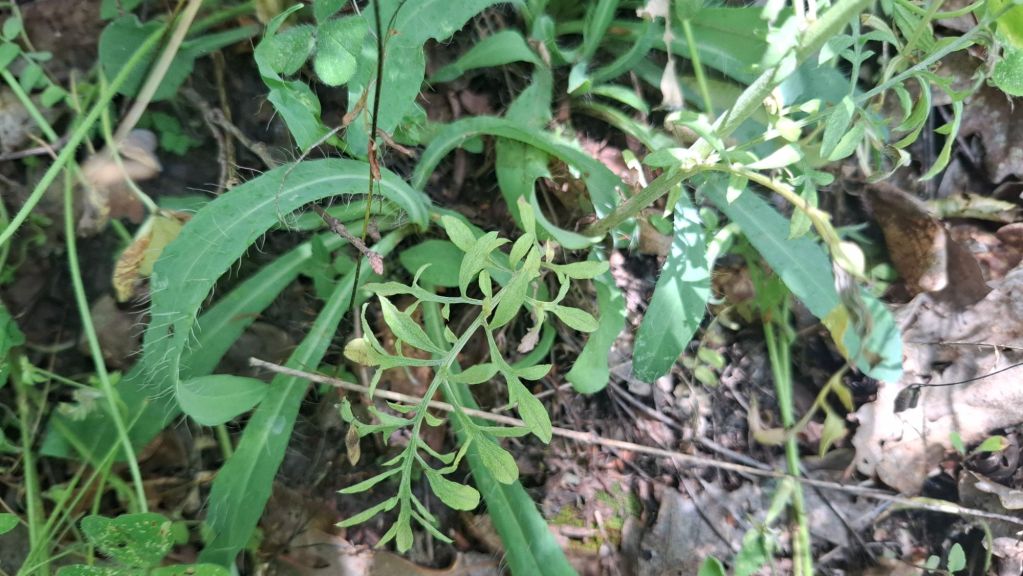
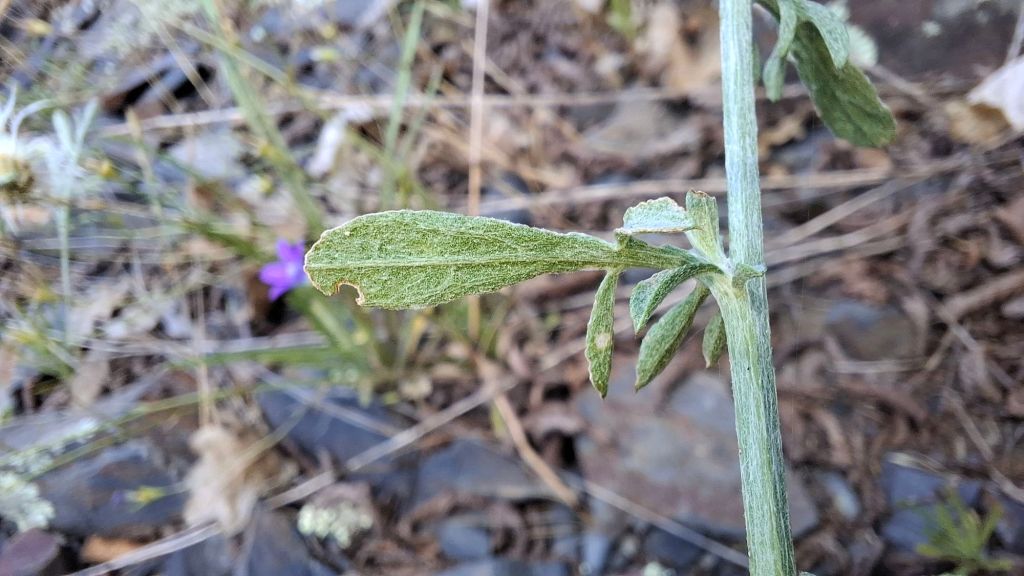
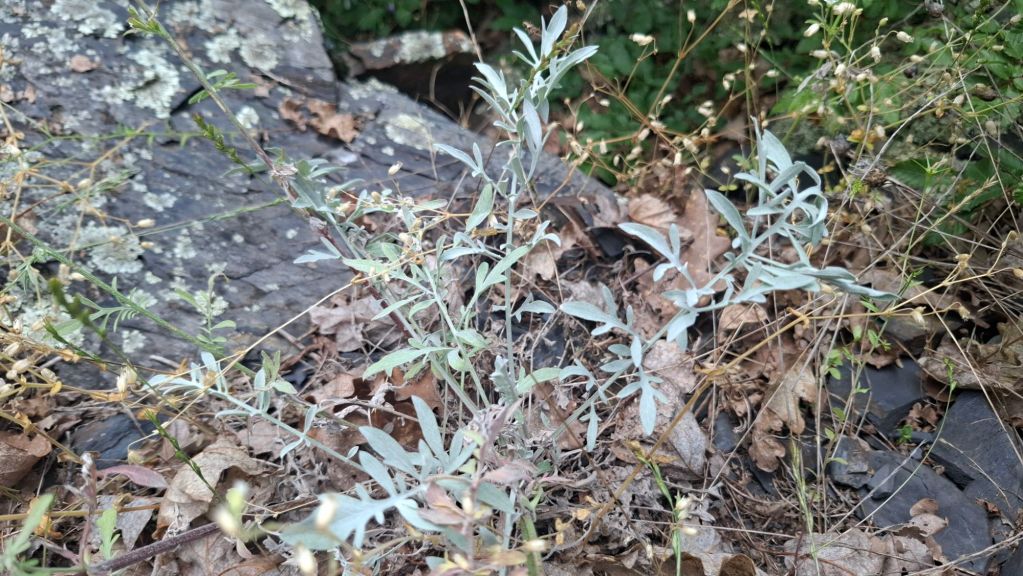
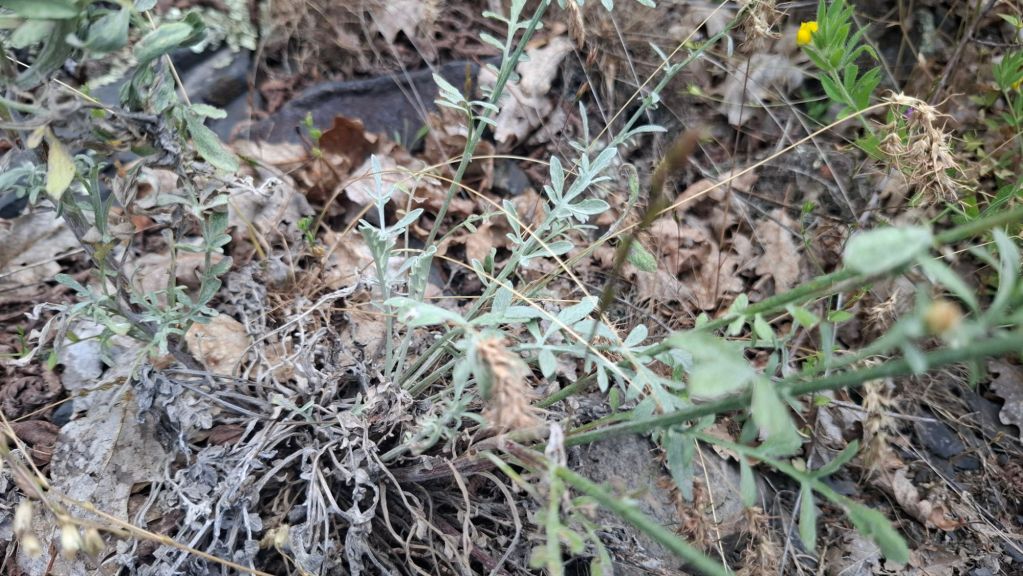
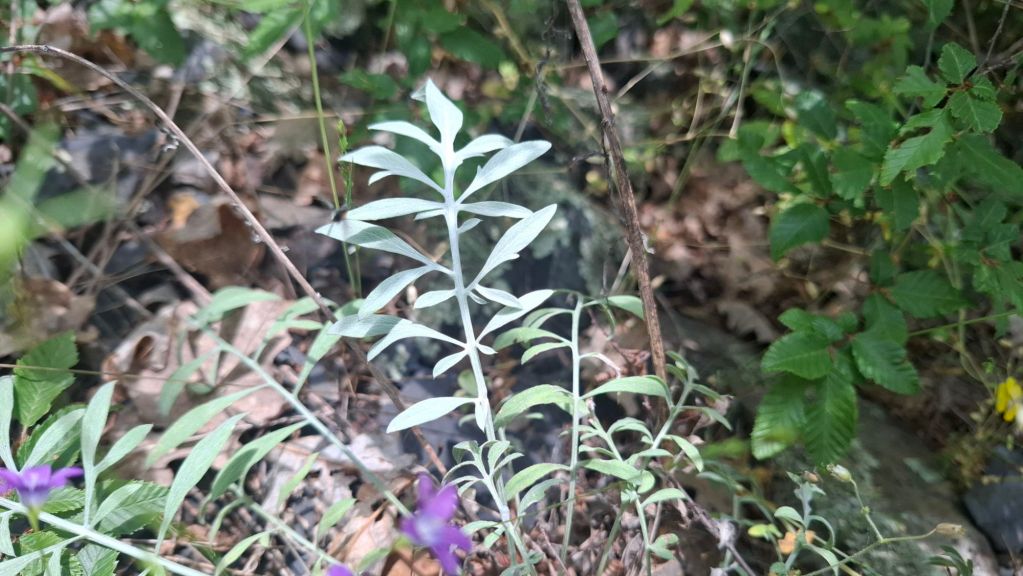
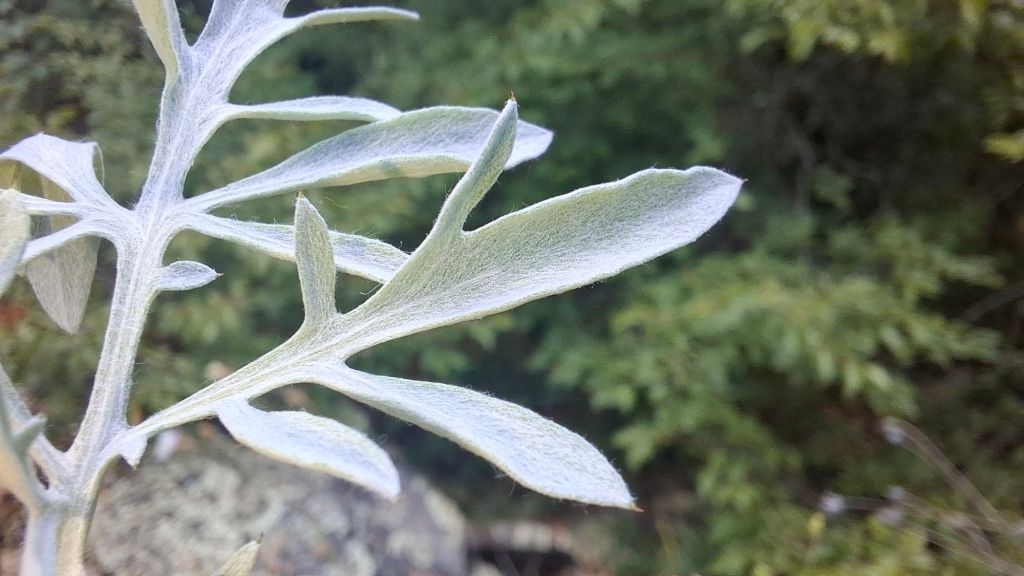
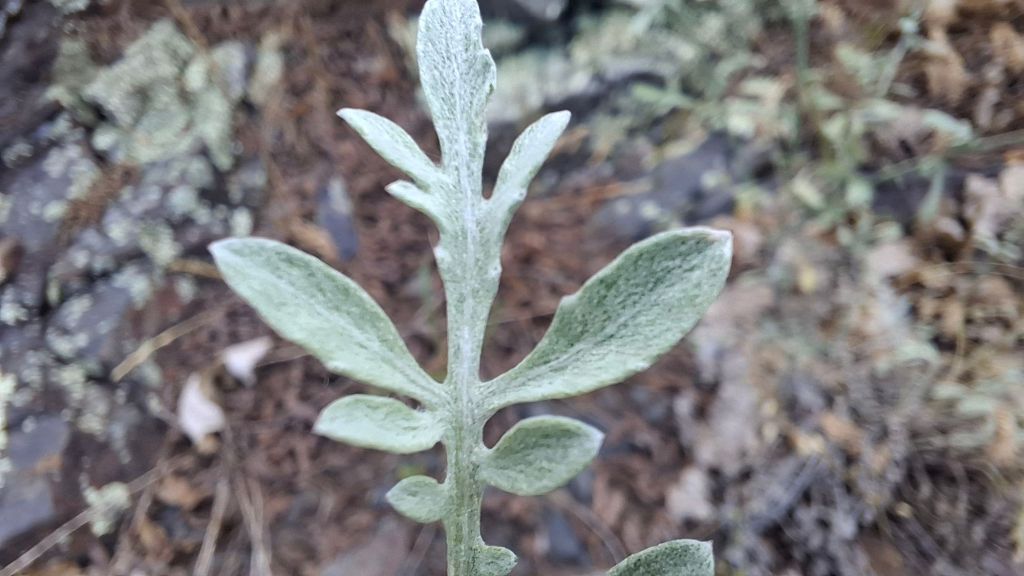
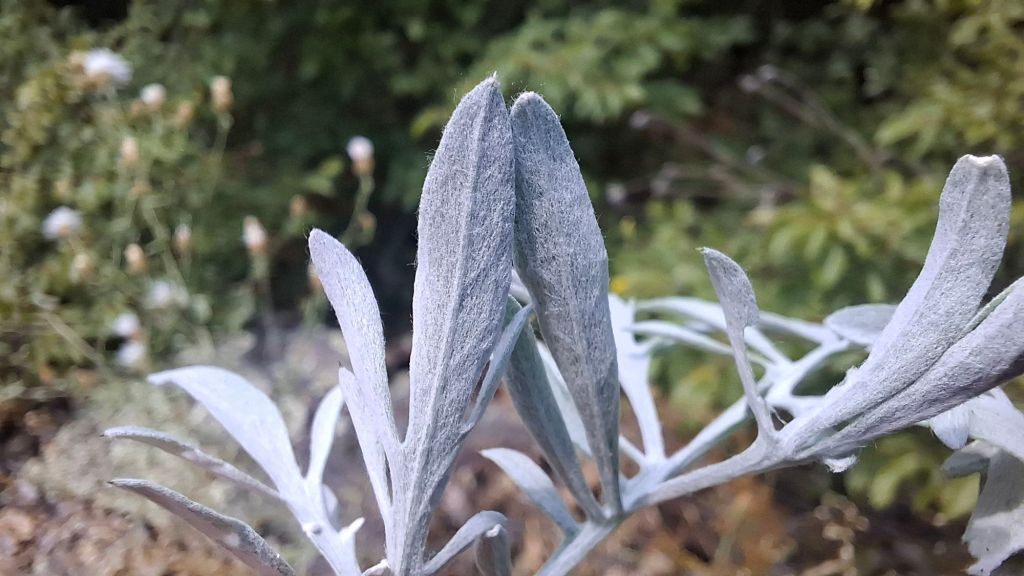
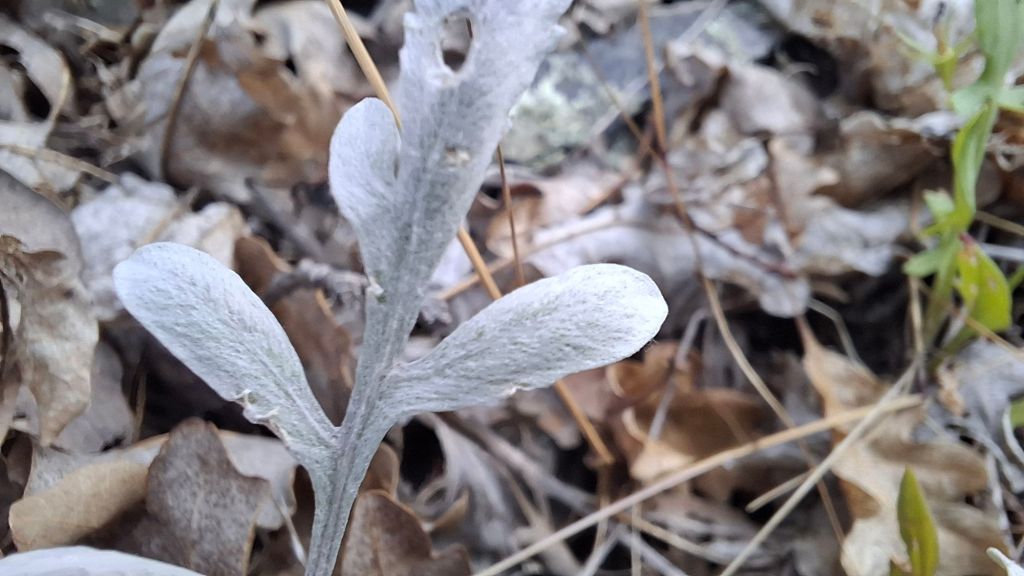
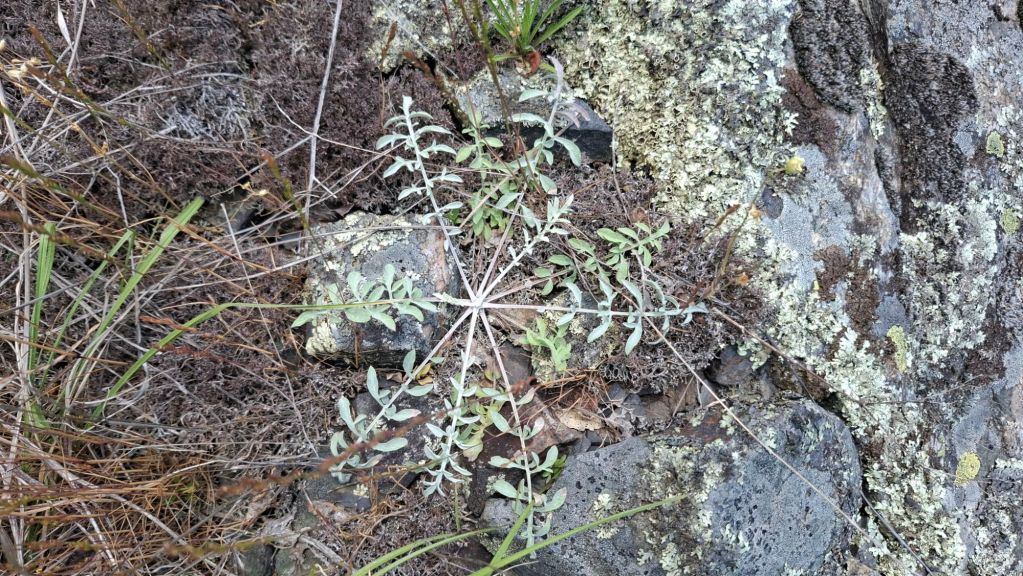
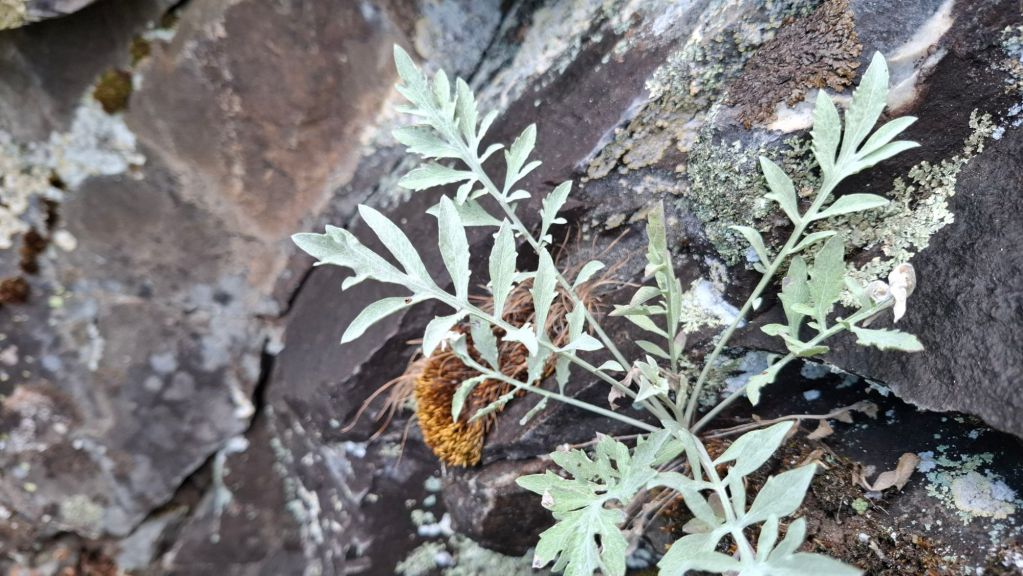
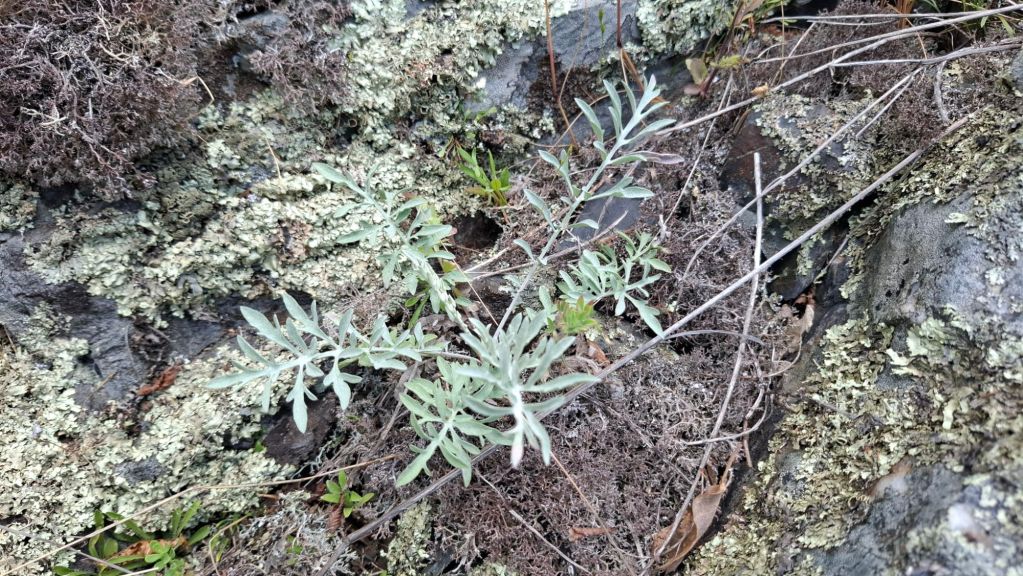
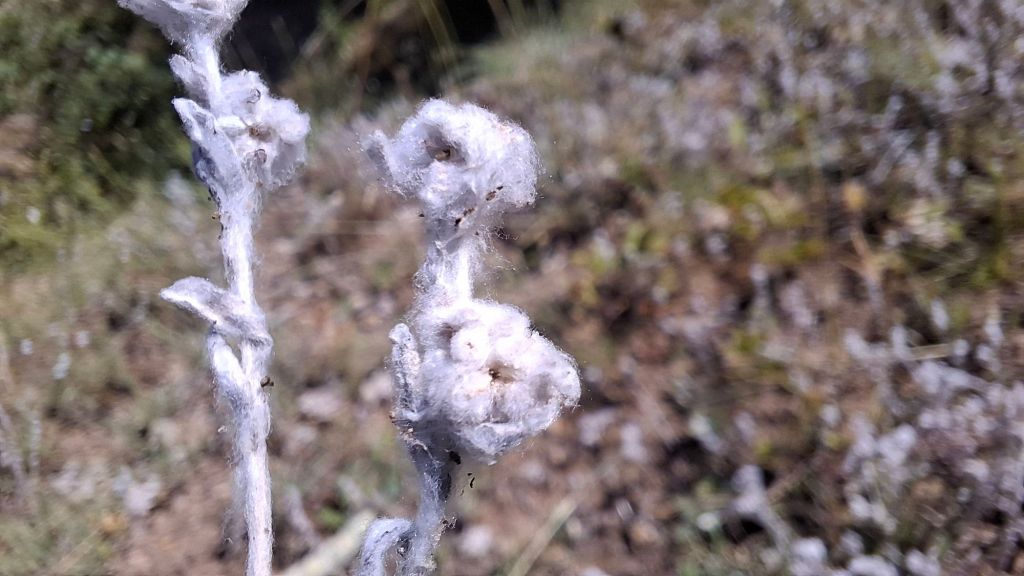
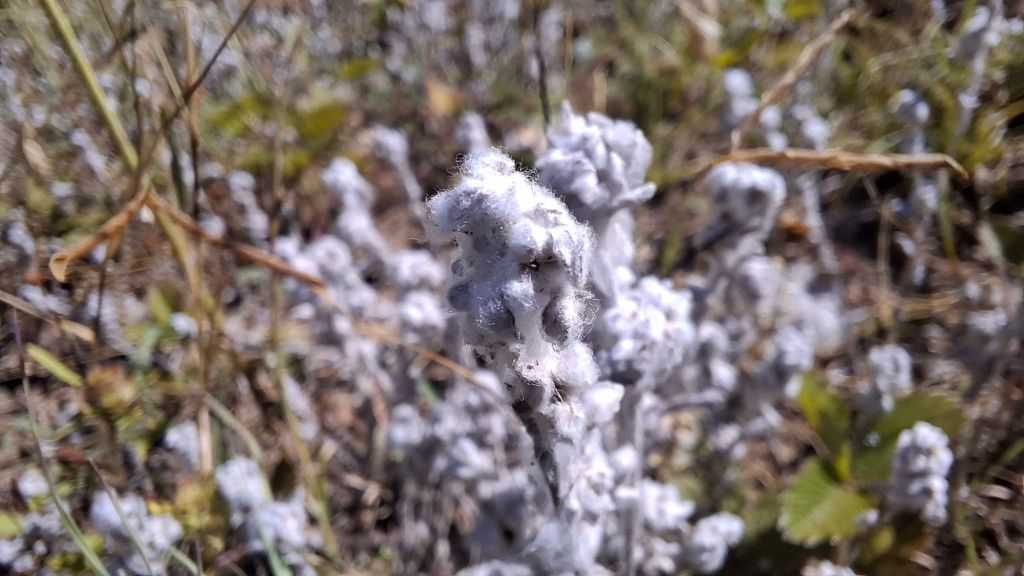
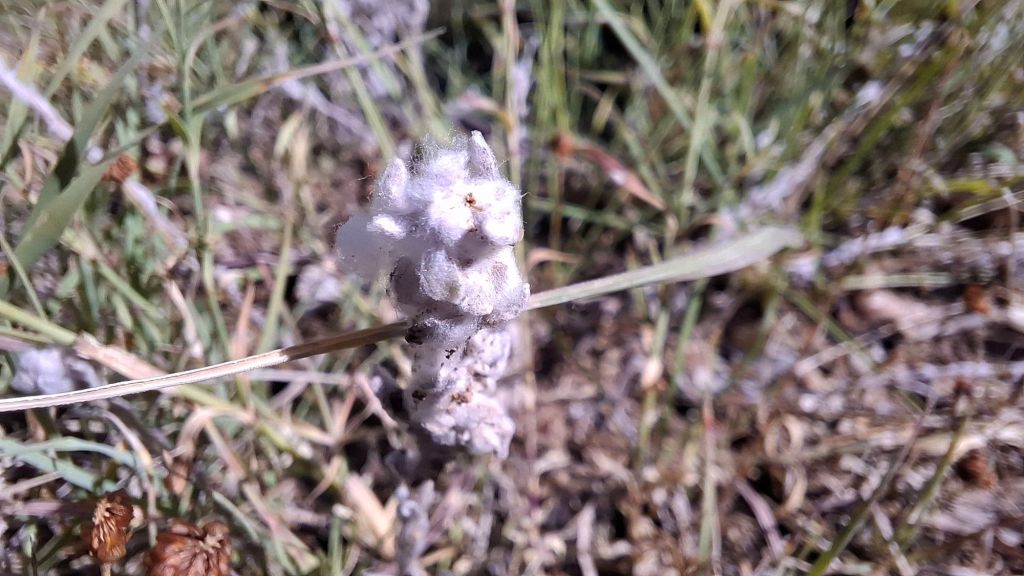
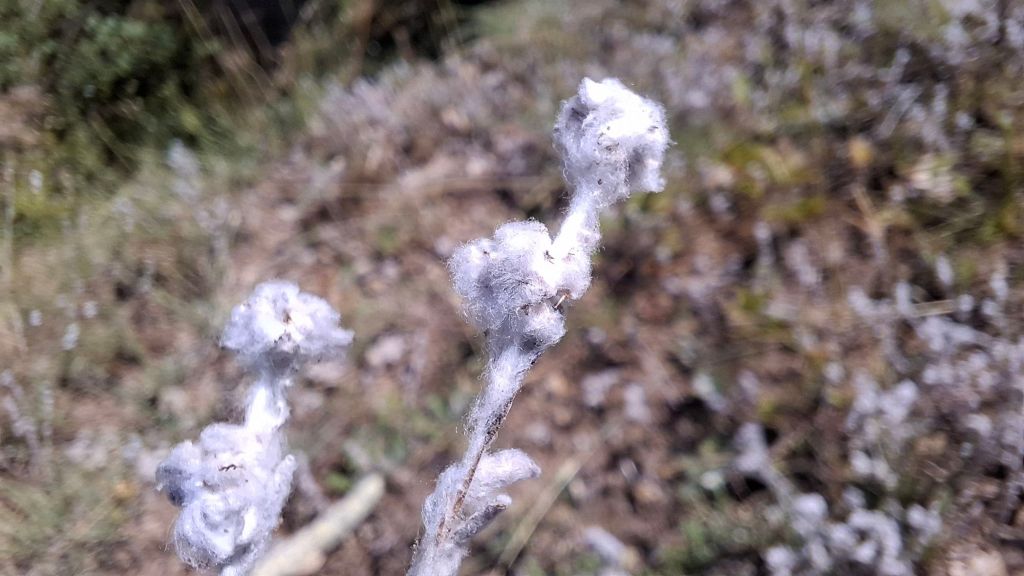
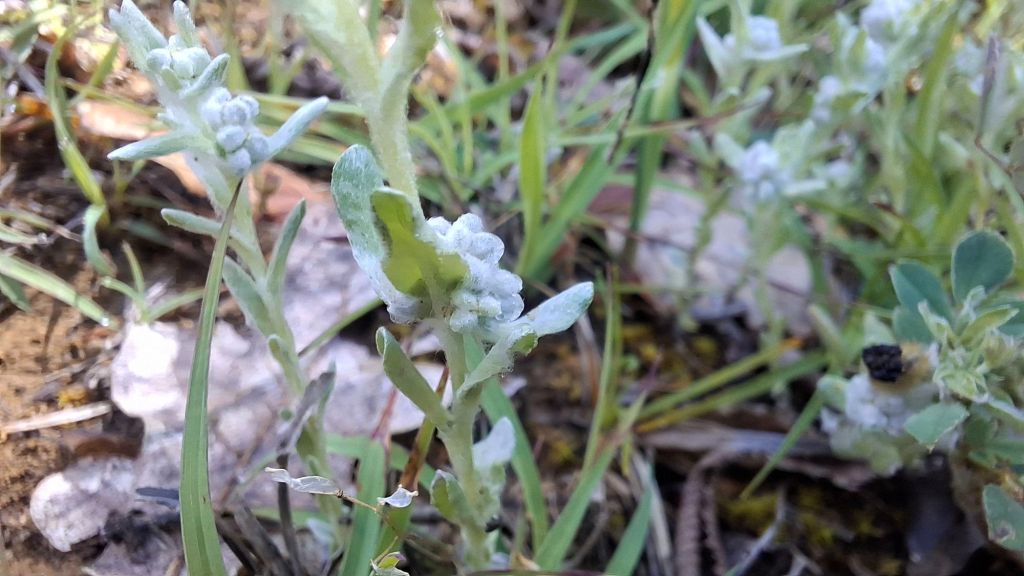
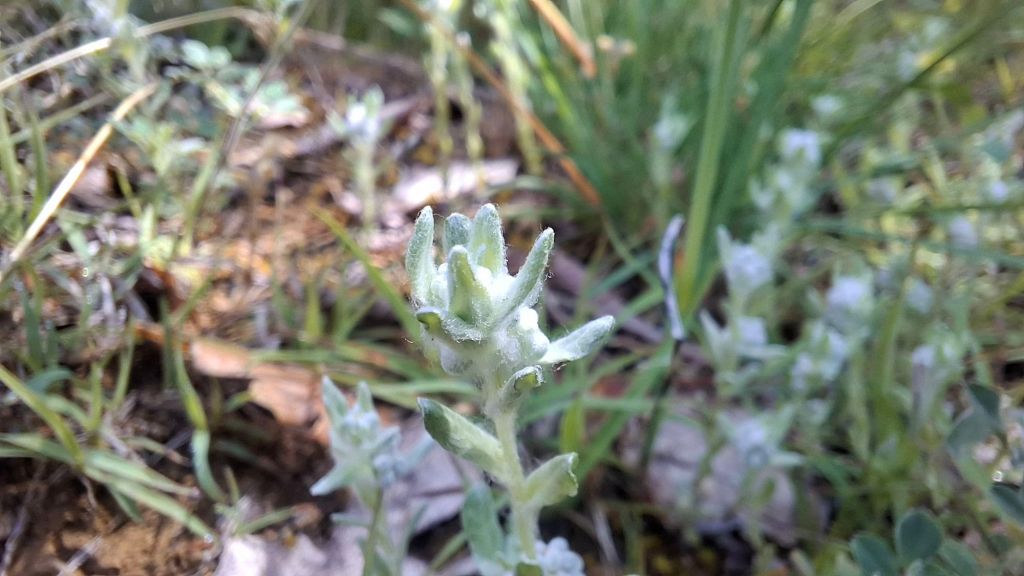
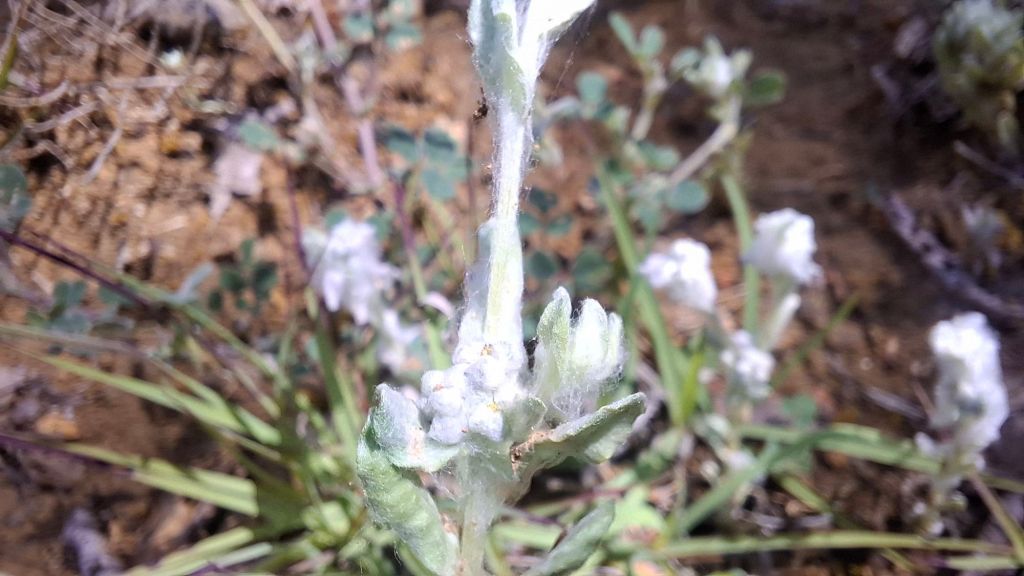
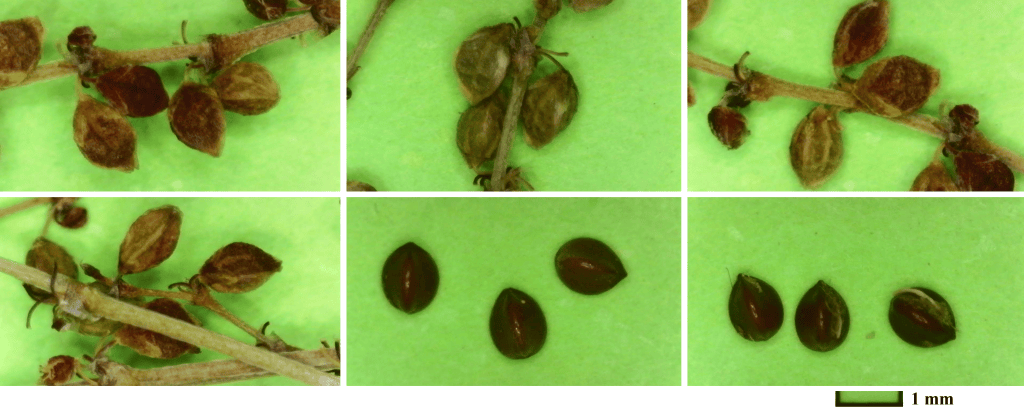
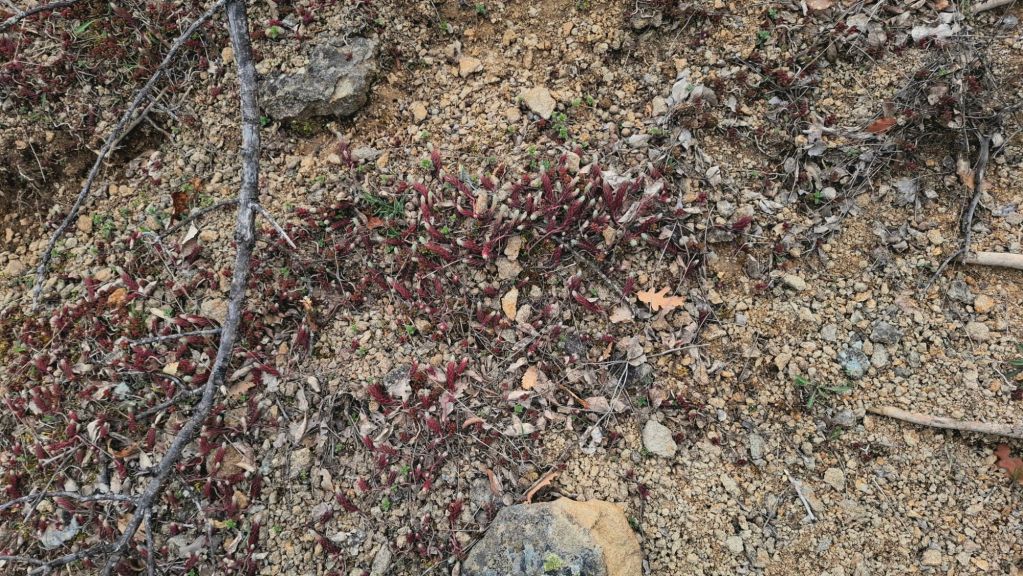
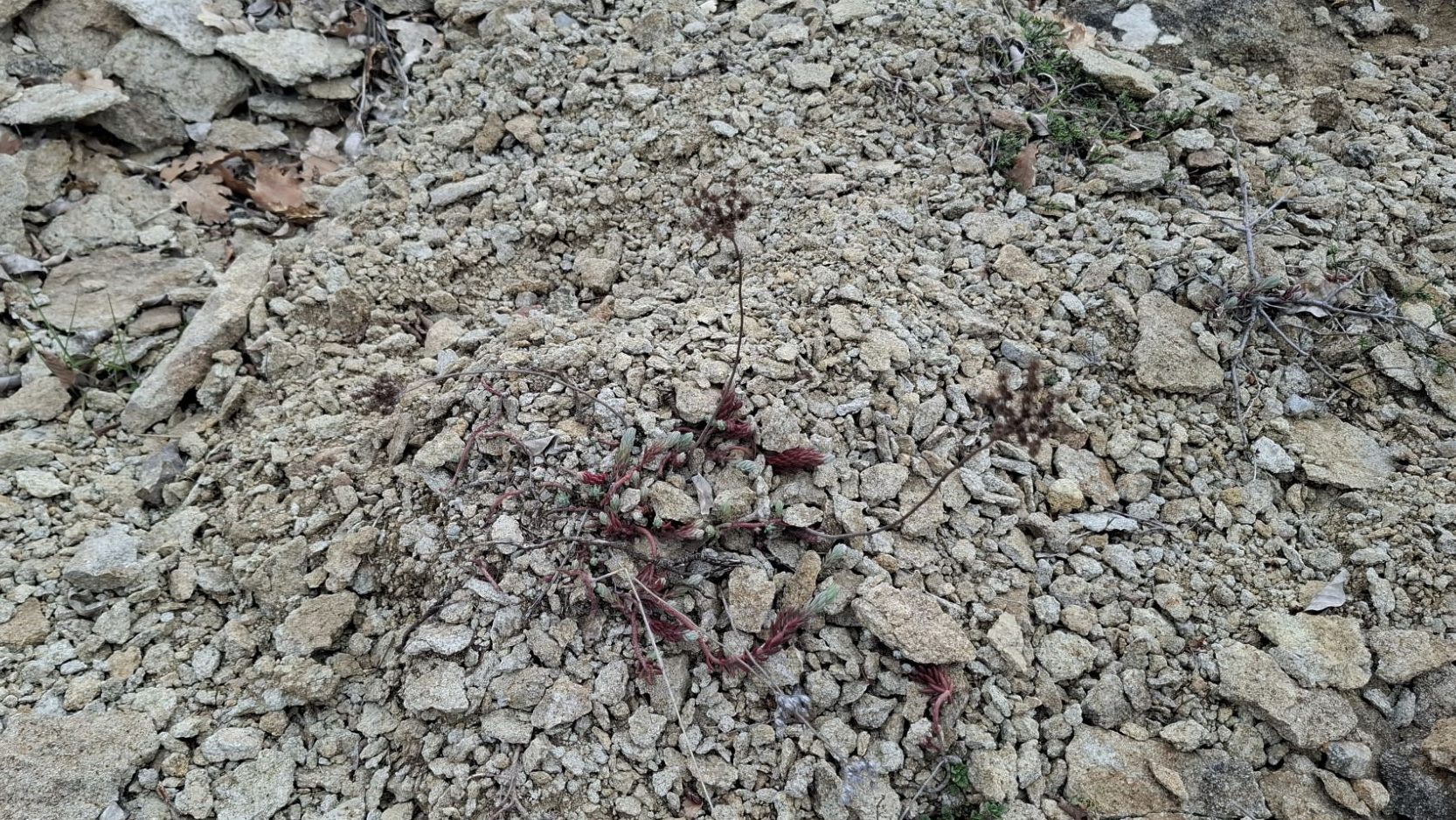
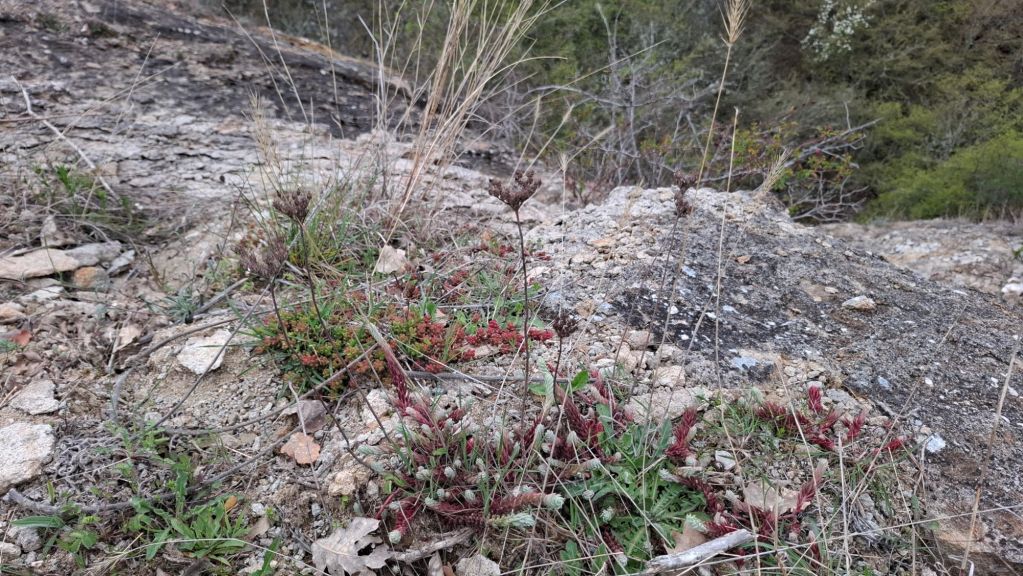
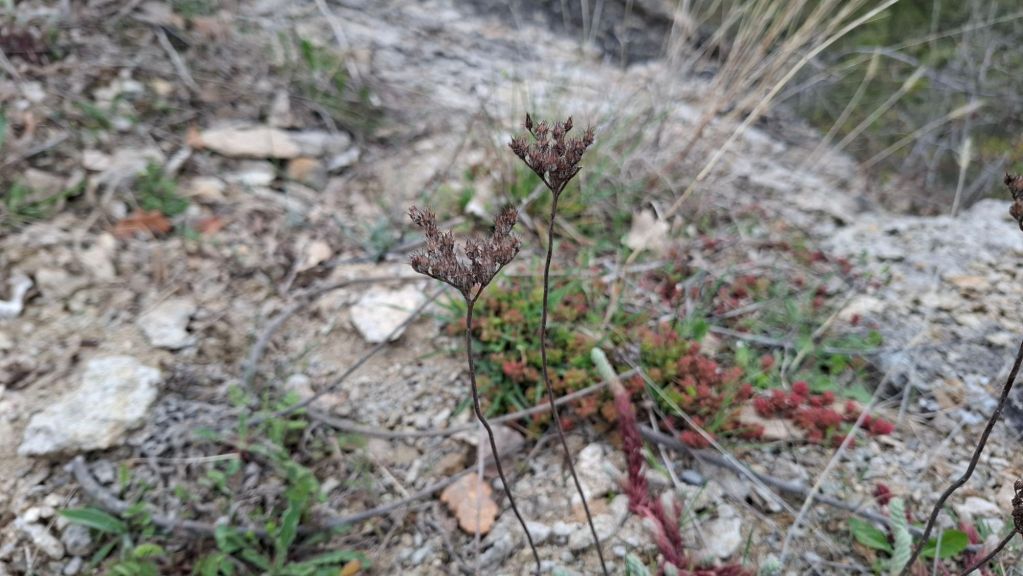
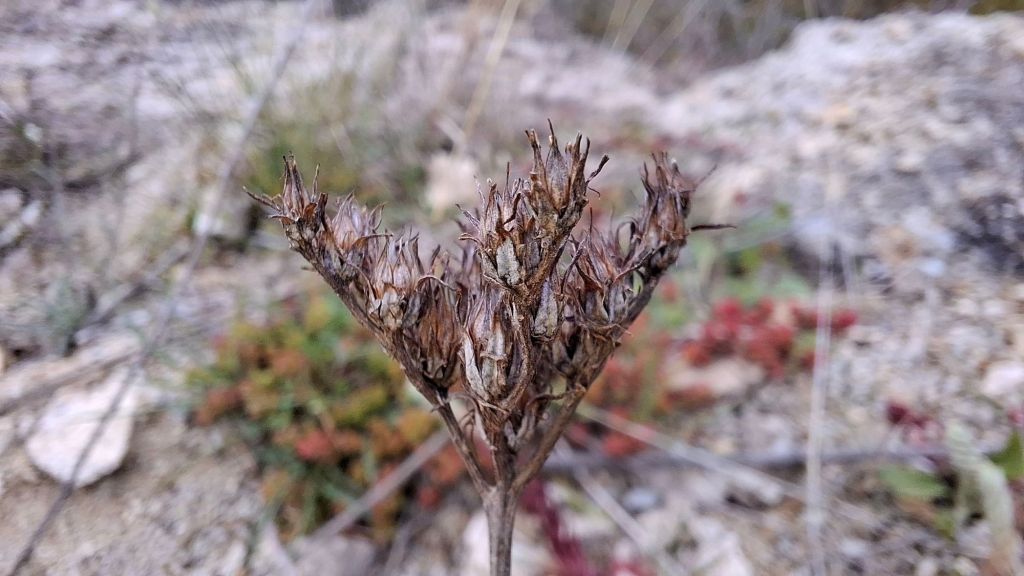
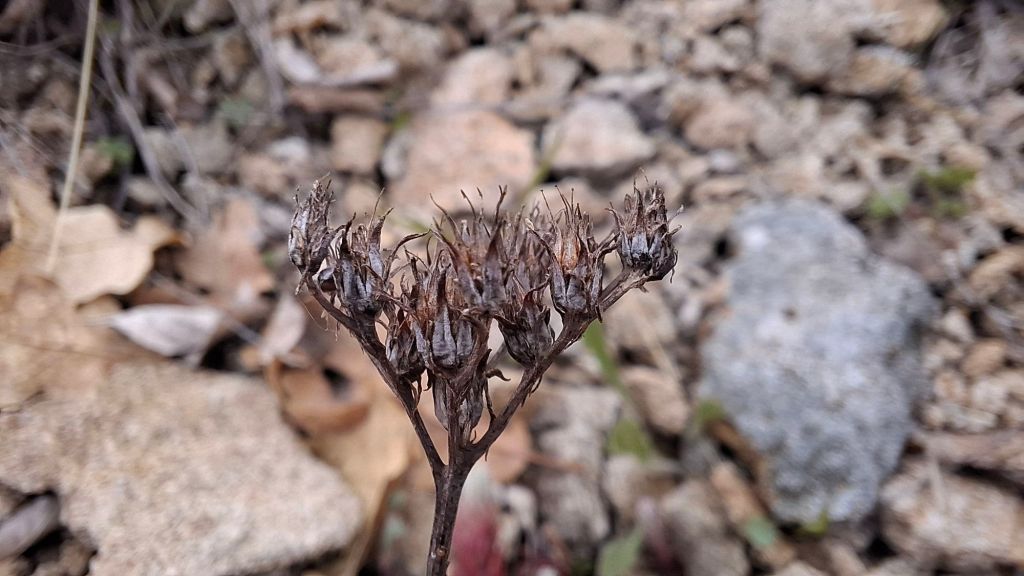
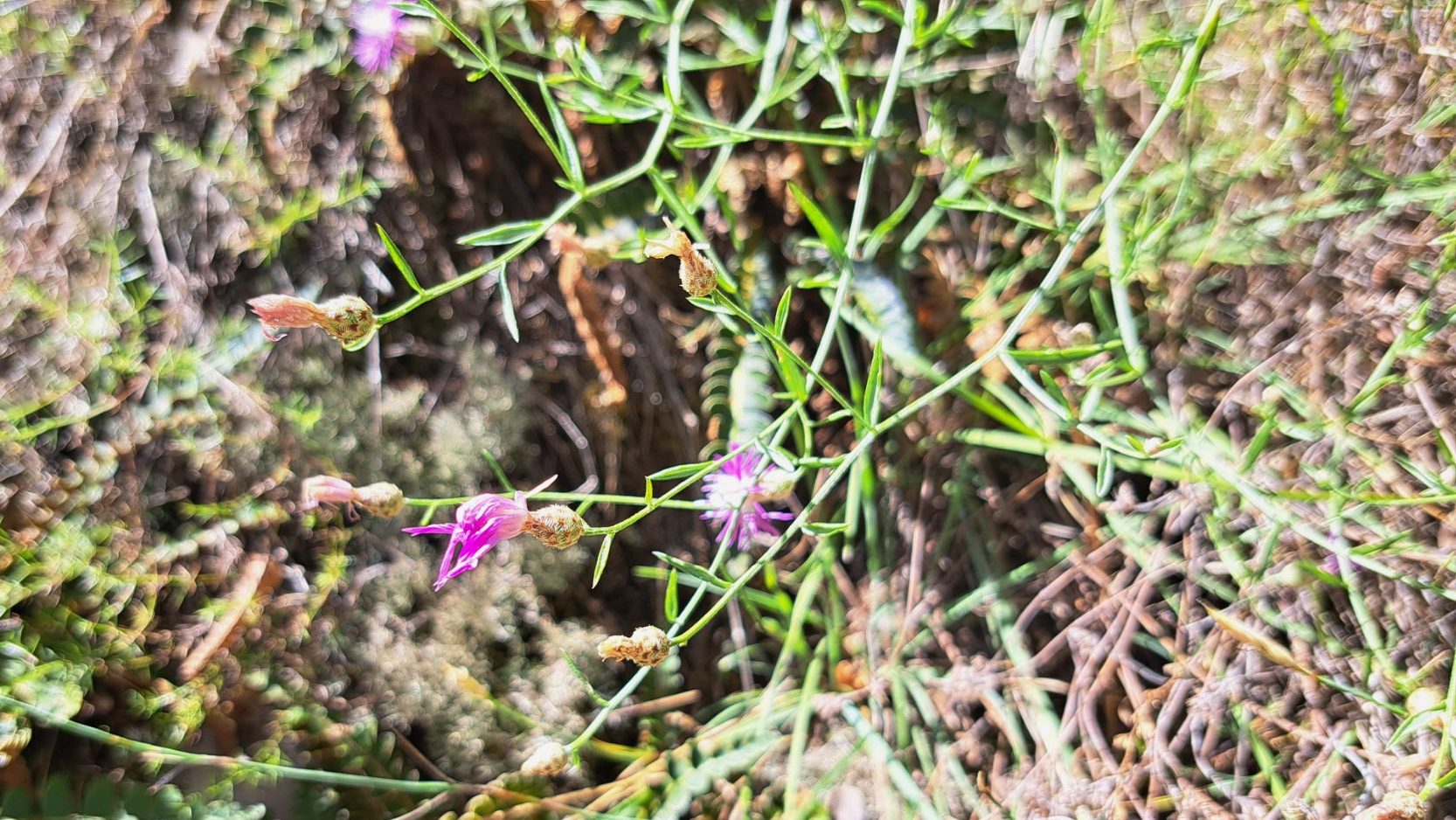
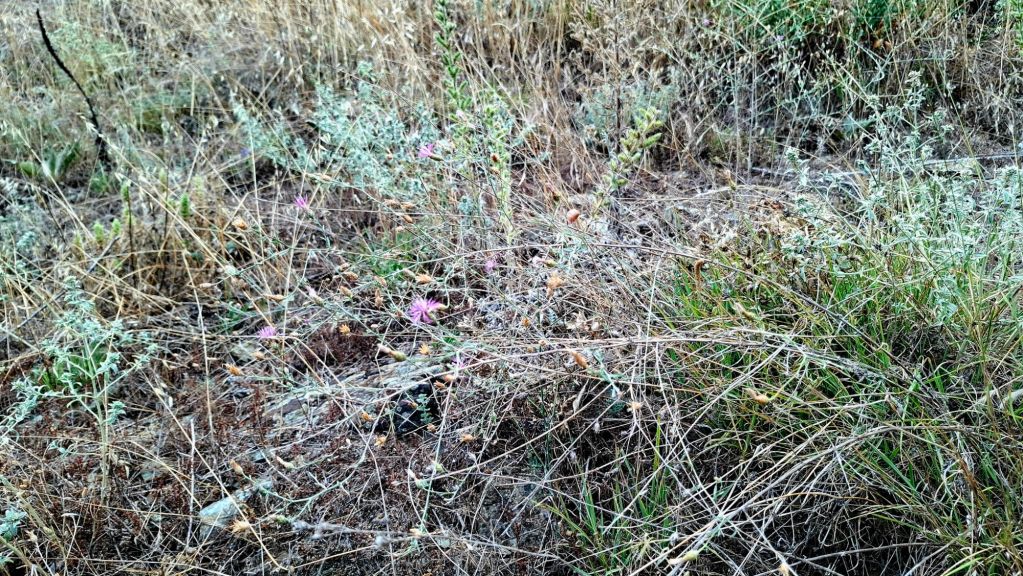
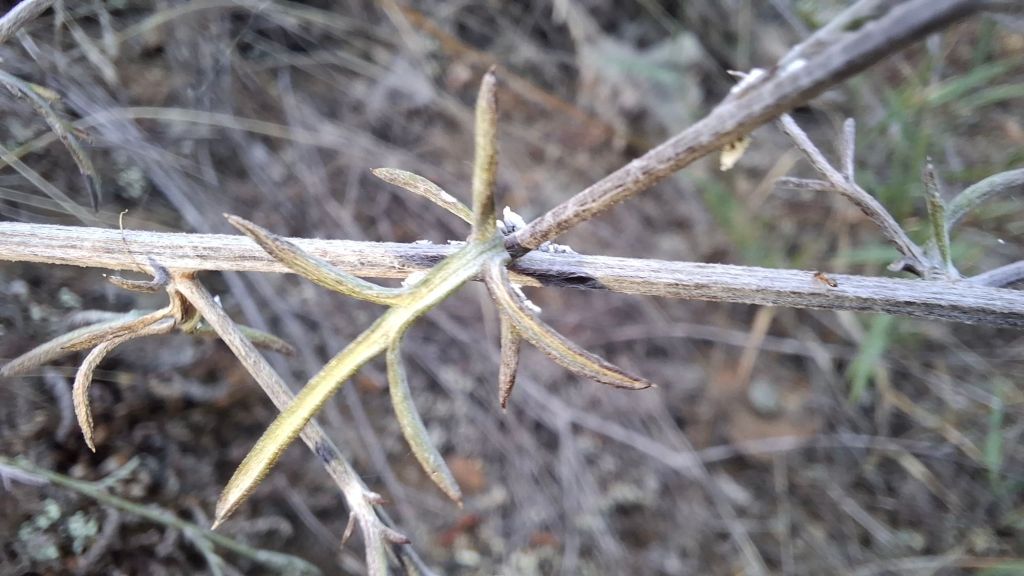
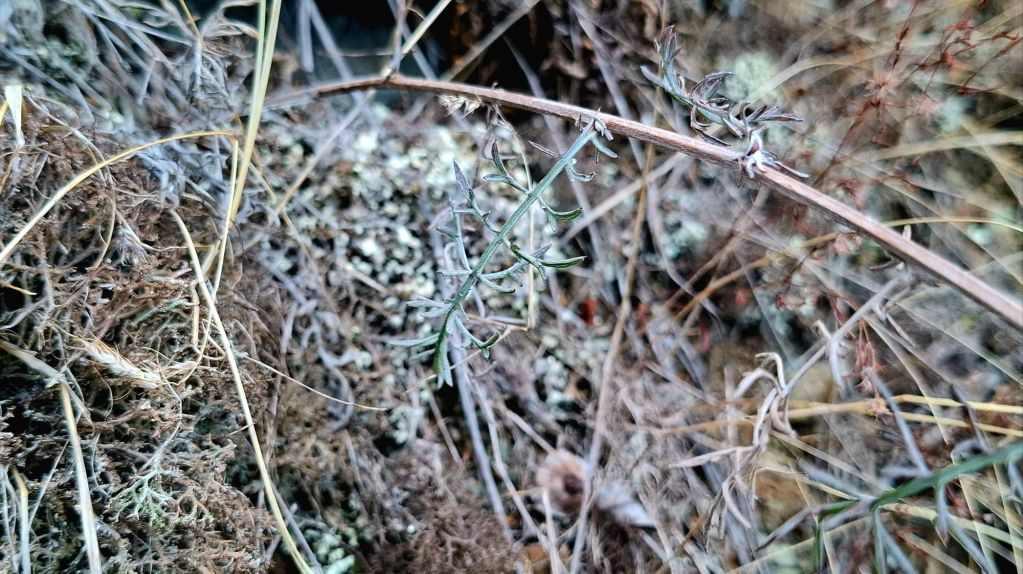
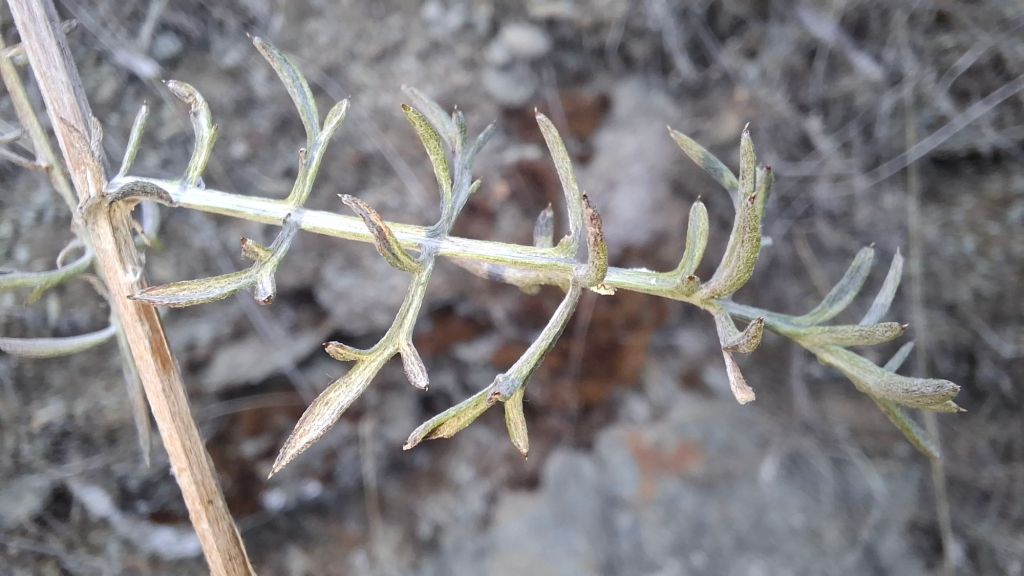
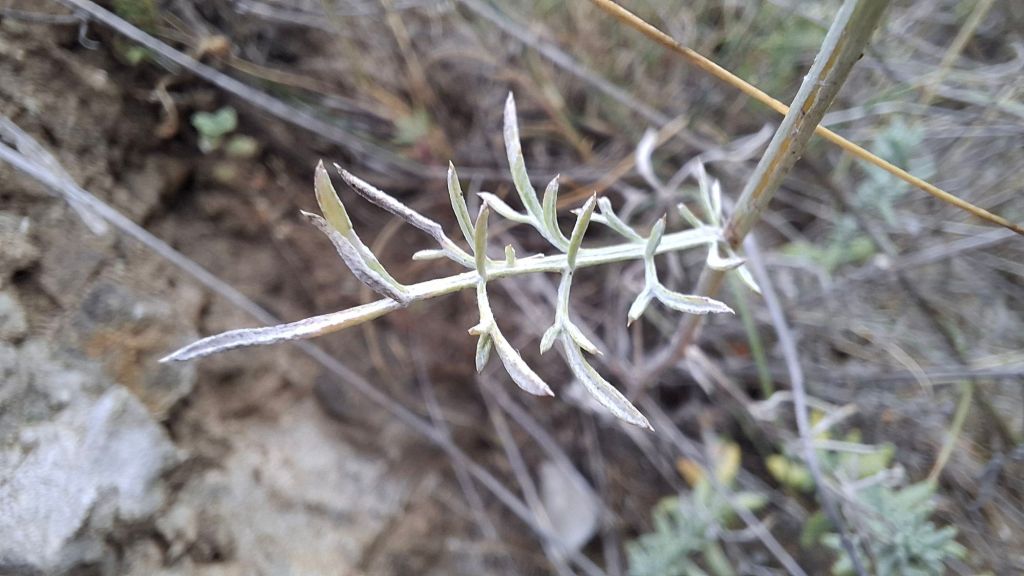
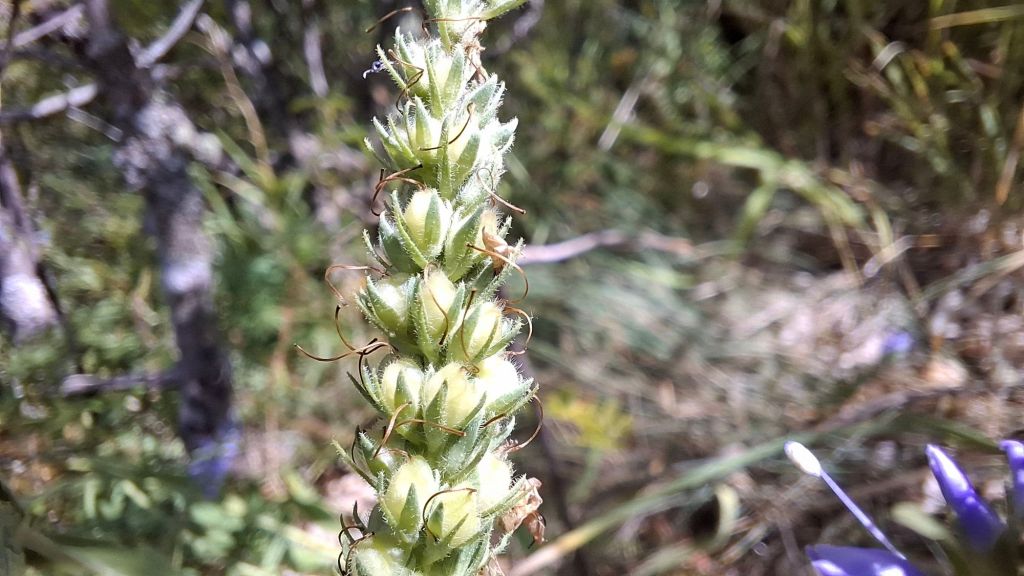
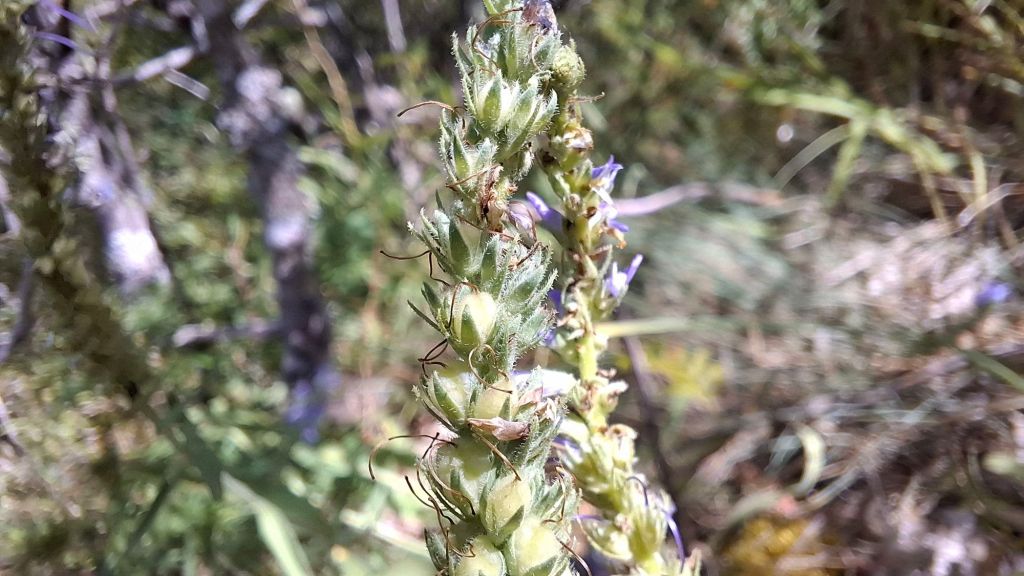
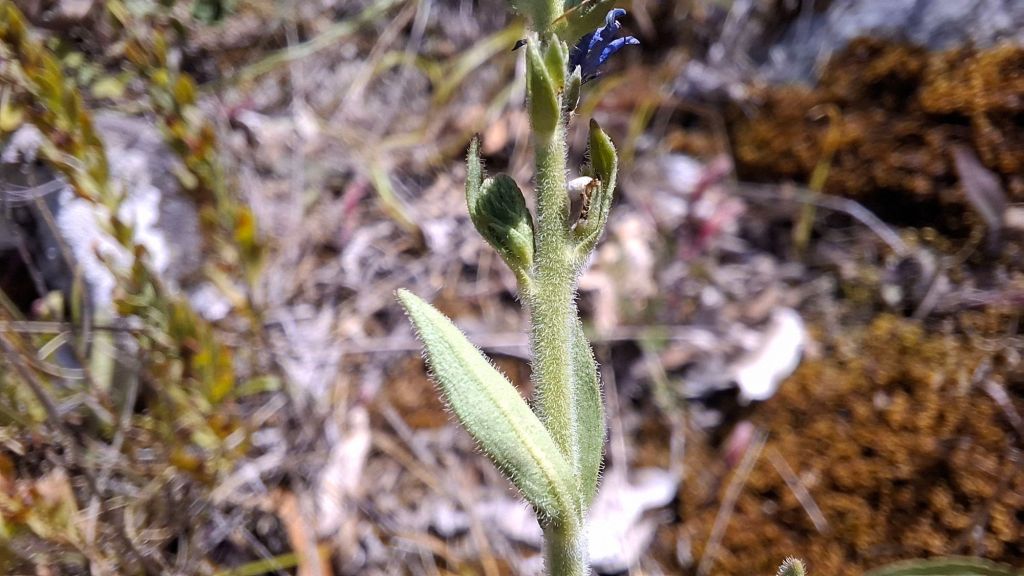
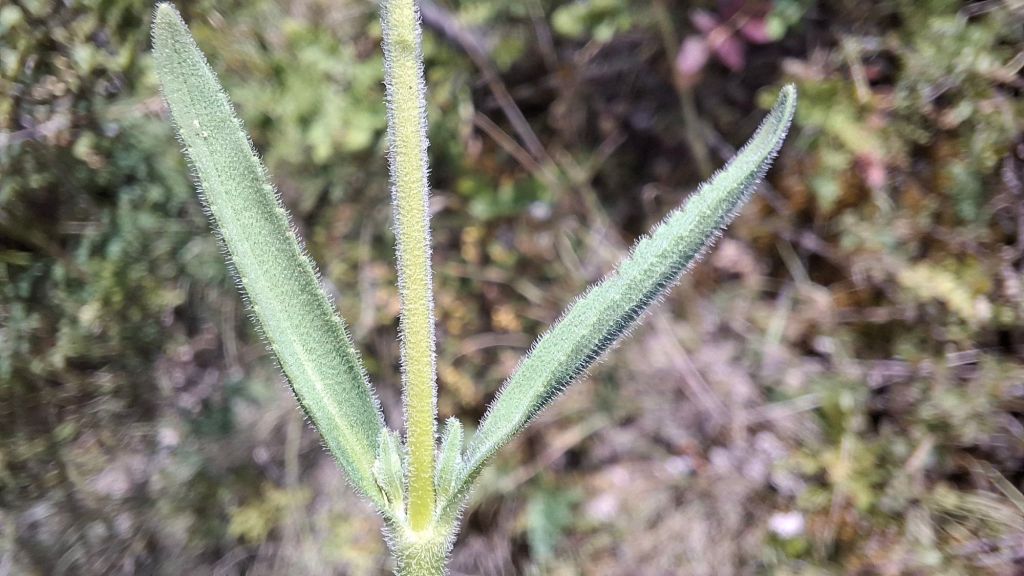
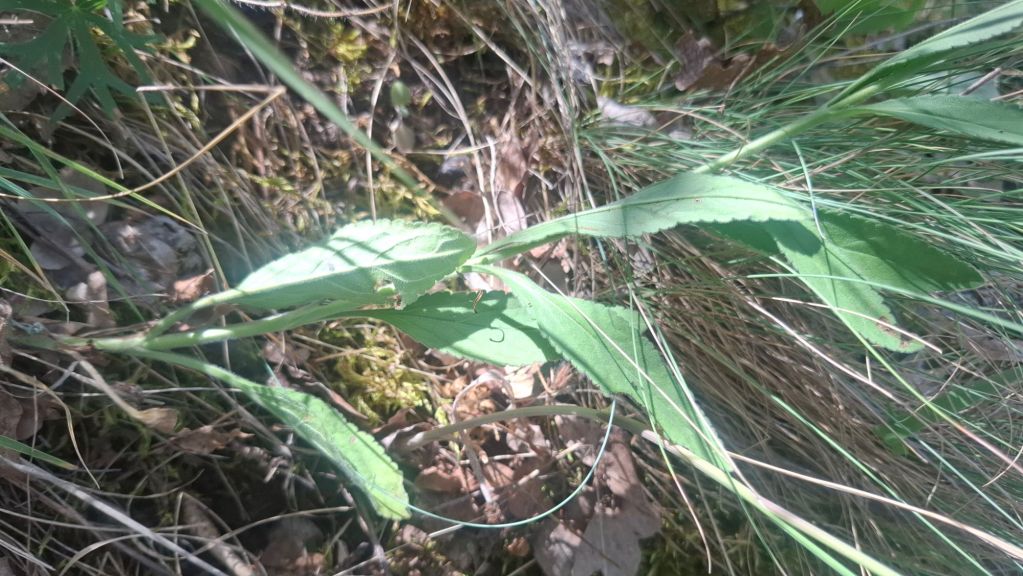
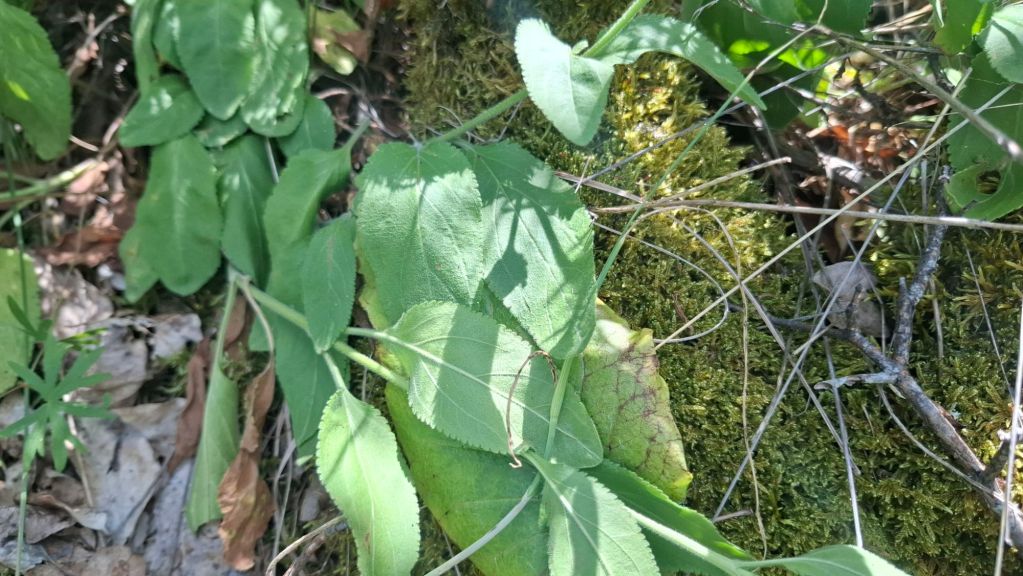
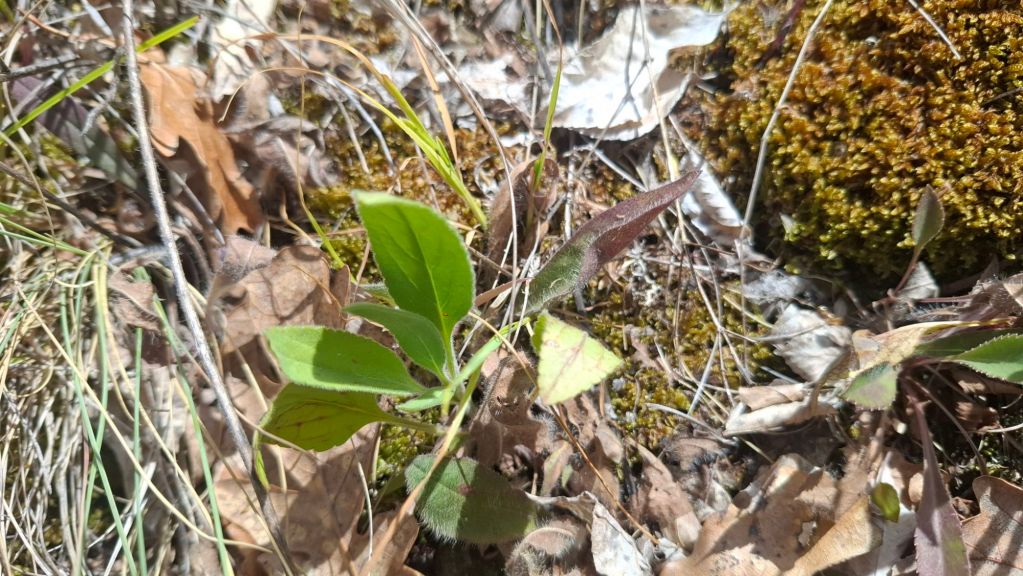
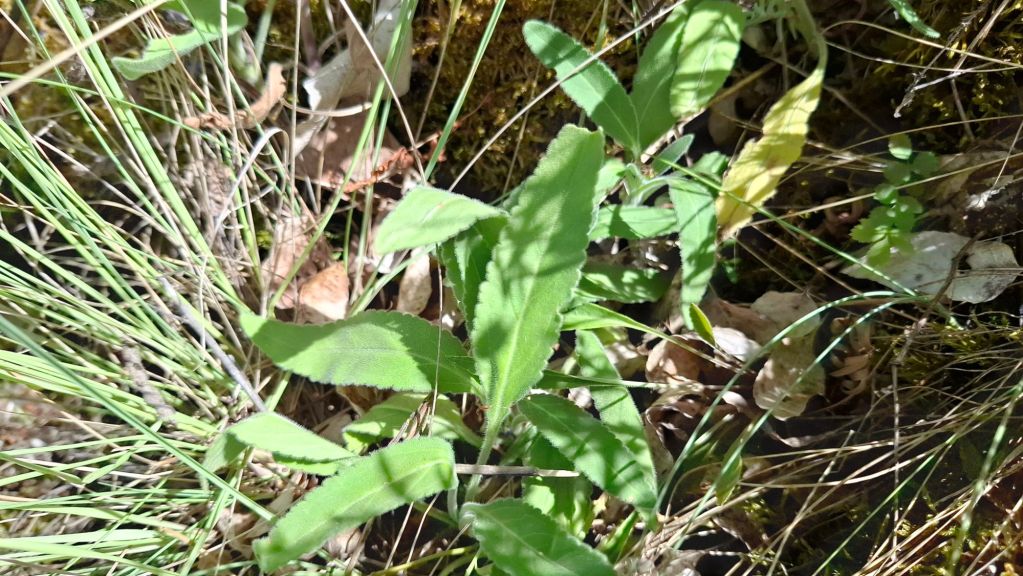
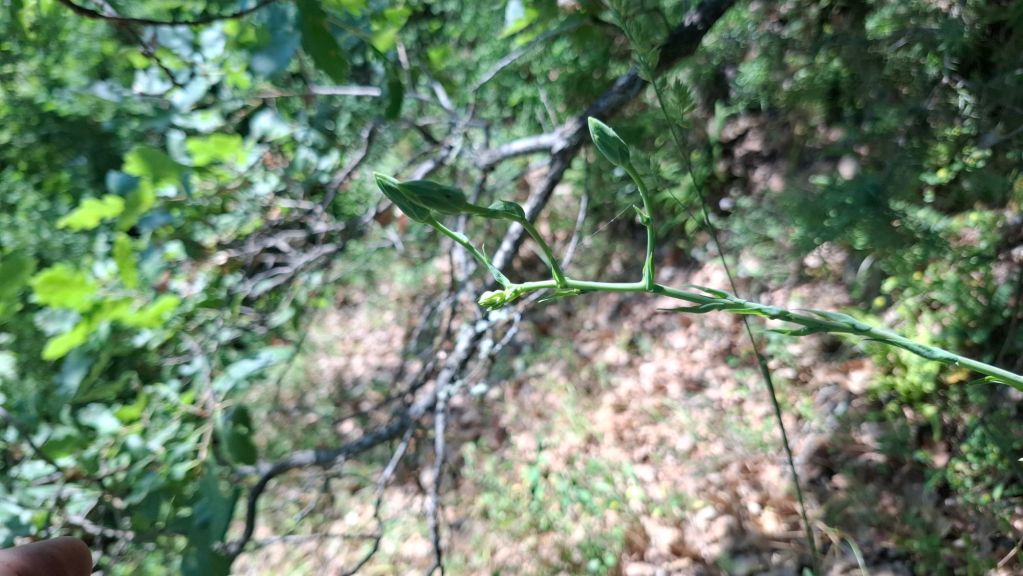
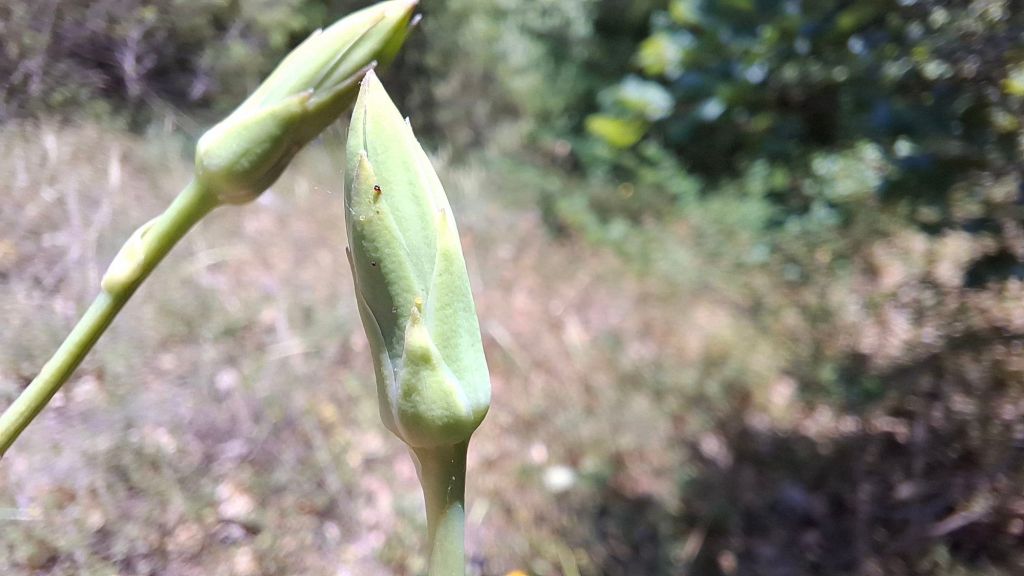
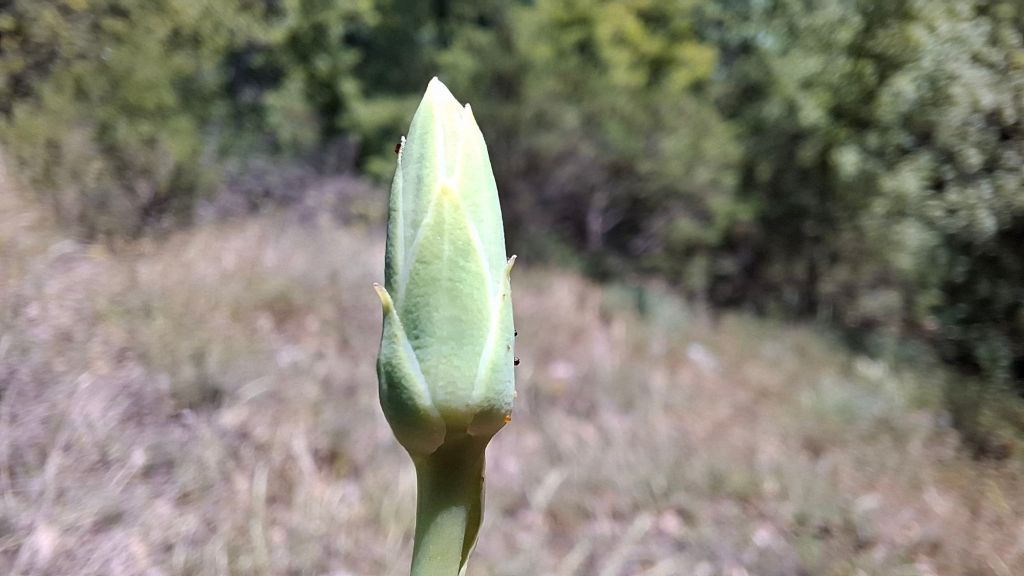
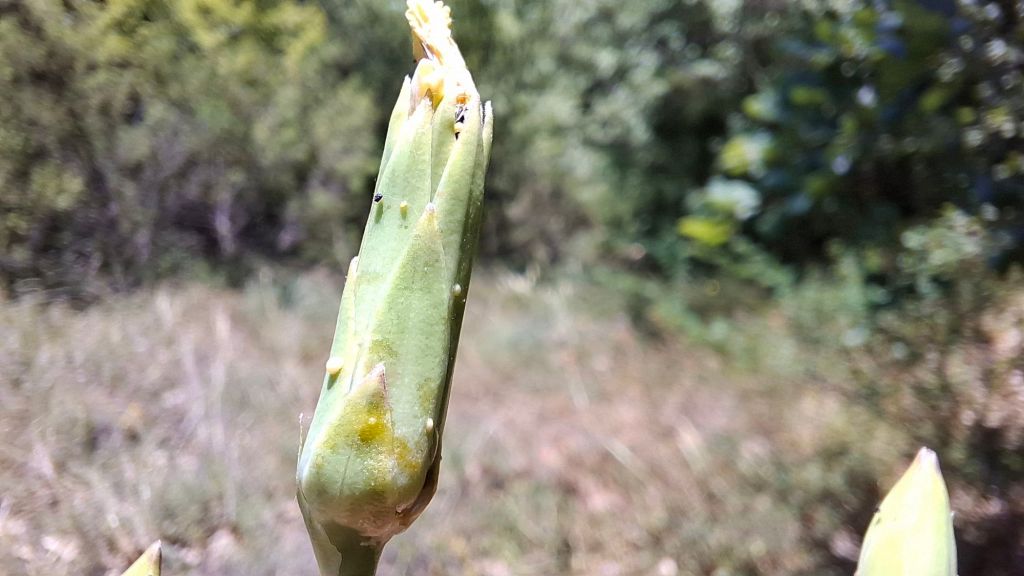
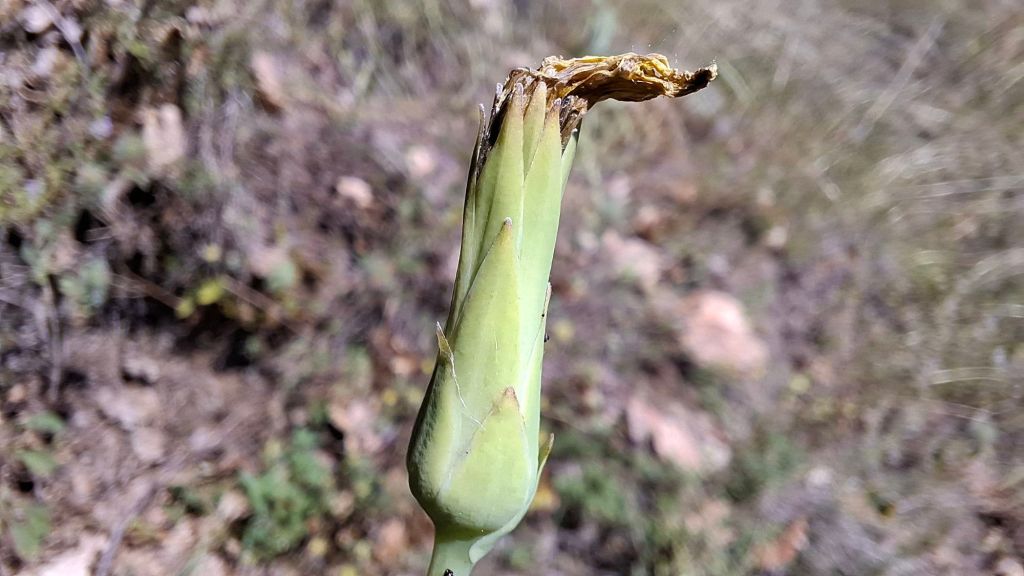
Determined according to Micevski (1993) as Dianthus viscidus subsp. grisebachii (Boiss.) Hayek. In The Euro+Med PlantBase (Marhold, & Dillenberger, 2026+) this taxon is not accepted at the subspecies level and it is considered a synonym of Dianthus viscidus Bory & Chaub. It differs from the typical form (subsp. viscidus) in having calyx with dense glandular hairs.
In Flora Europaea (Tutin 1964 in Tutin et al.) D. grisebachii was included within D. corymbosus Sibth. & Sm.
Distribution: Dianthus viscidus Bory & Chaub. is native to the Balkan Peninsula – Albania, Bulgaria, Greece, North Macedonia and European Türkiye according to the distribution information provided by The Euro+Med PlantBase (Marhold, 2011+). Also native to the Asiatic part of Türkiye according to the Plants of the World Online portal (Royal Botanic Gardens, Kew).
Lifeform: Perennial plant. Hemicryptophyte according to the Raunkiær system.
Micevski, K. 1993. Dianthus L., The Flora of the Republic of Macedonia. Vol. 1, Book 2. Skopje: Macedonian Academy of Sciences and Arts, pp. 360–390.
Tutin, T.G. 1964. Dianthus L. In Tutin, T. G., Heywood, V. H., Burges, N. A., Moore, D. M., Valentine, D. H., Walters, S. M., & Webb, D. A. (eds.), Flora Europaea. Volume 1. Lycopodiaceae to Platanaceae. Cambridge: Cambridge University Press, pp. 188–204.
Taxonomy: Fam. Compositae// Genus: Centaurea// Species: Centaurea stoebe L.
Synonyms: Centaurea maculosa Lam., Encycl. 1: 669. 1785; Centaurea rhenana Boreau, Fl. Centre France, ed. 3, 2: 355 (1857).
Literature used for determination: Hayek (1928-1931), Dostál (1976 in Tutin et al.), Gajić (1975 in Josifović), Stoyanov, Raycheva & Cheschmedzhiev (2021).
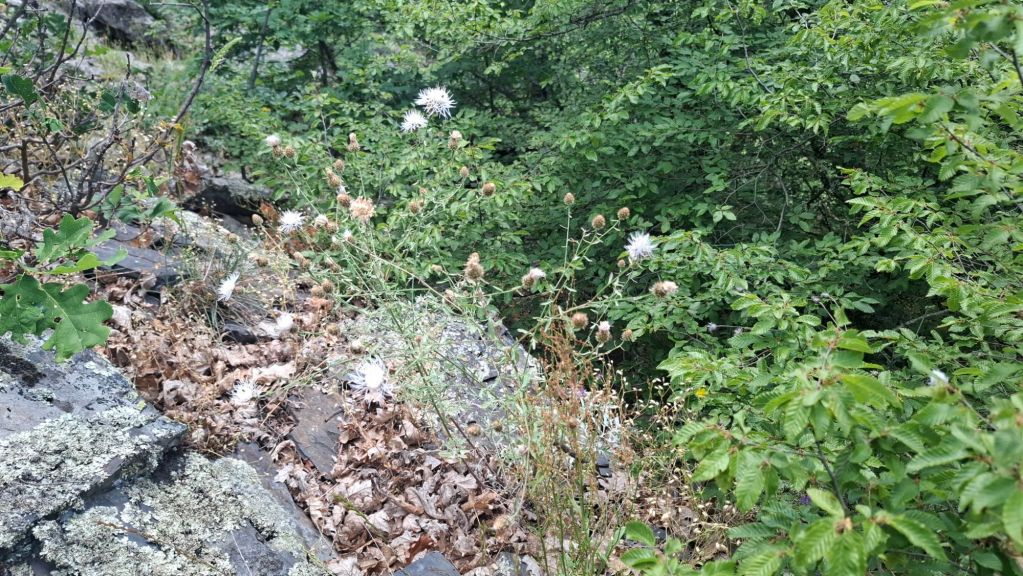
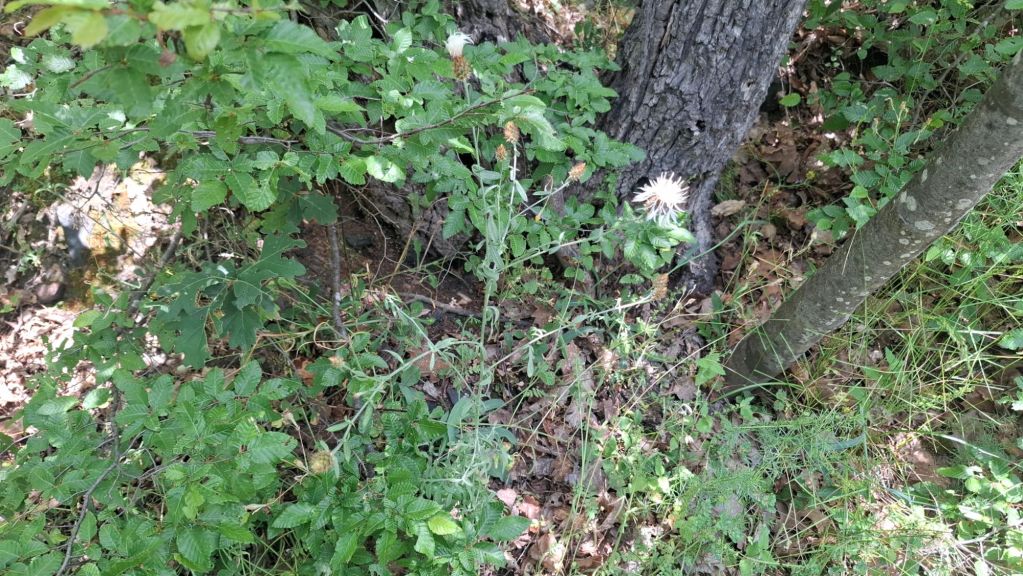
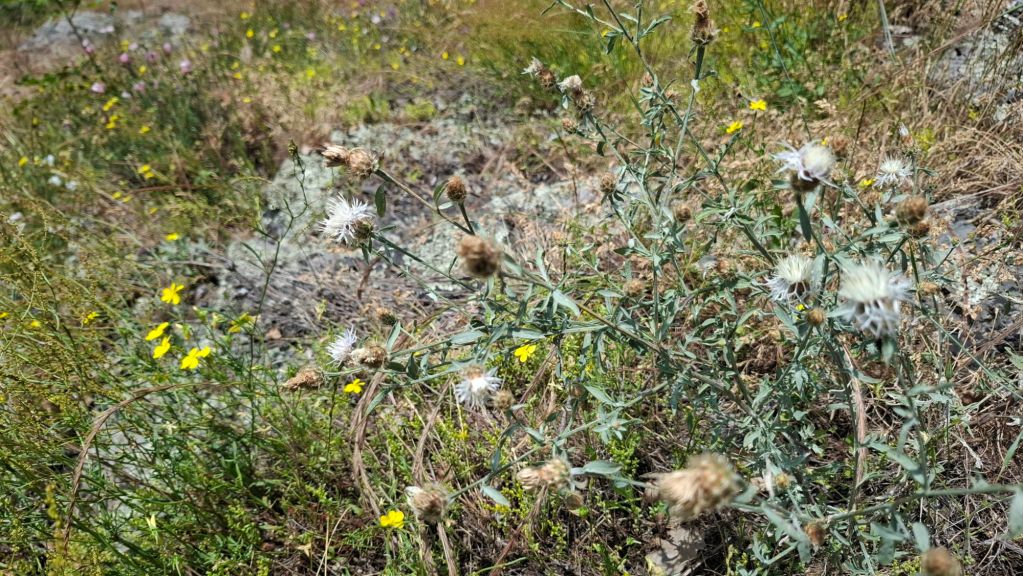
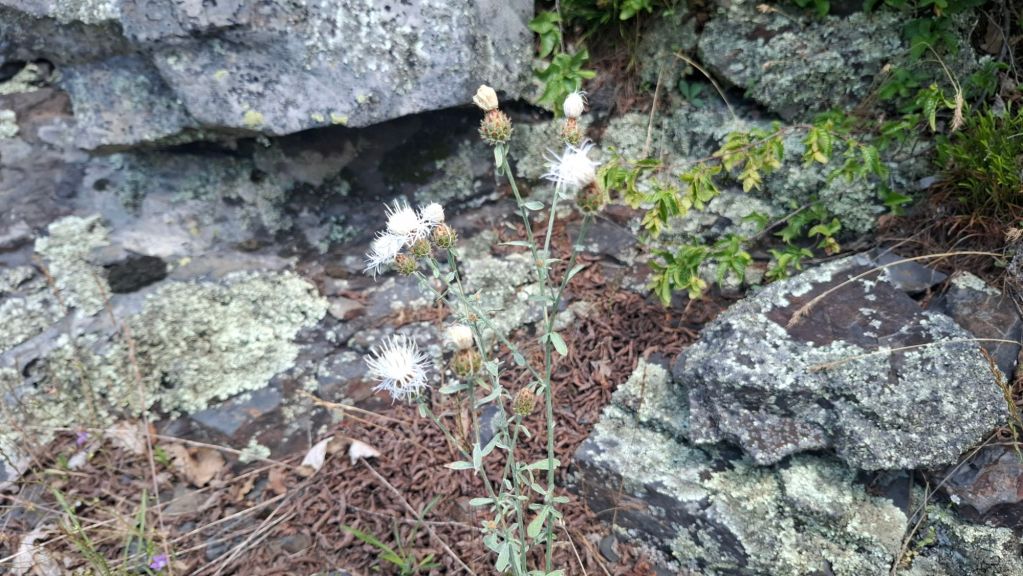
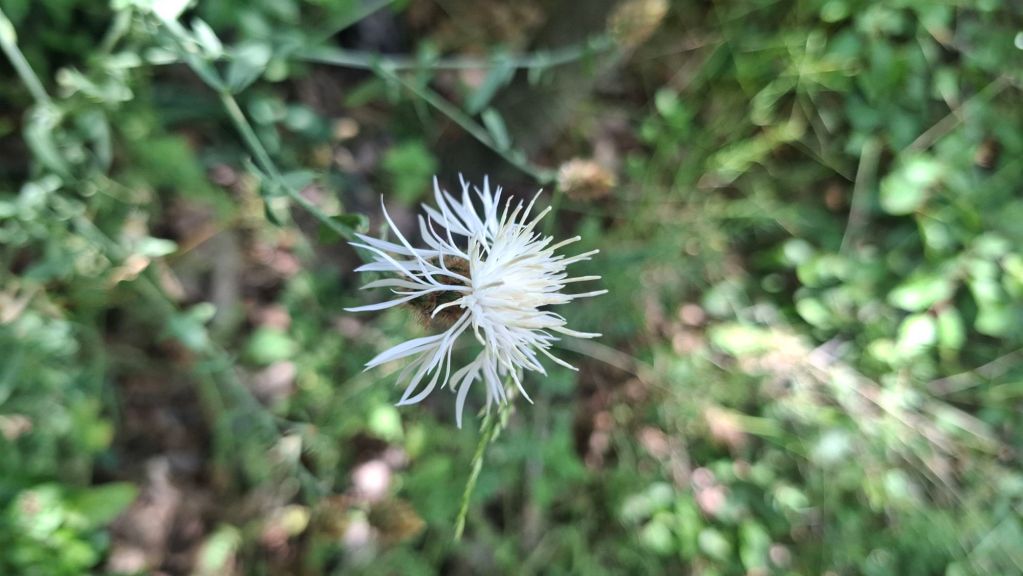
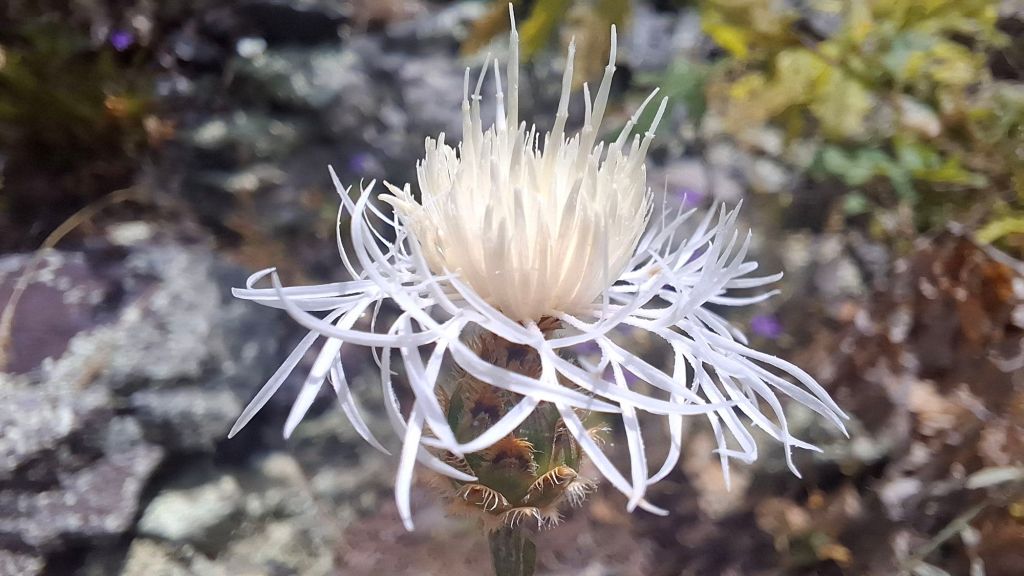
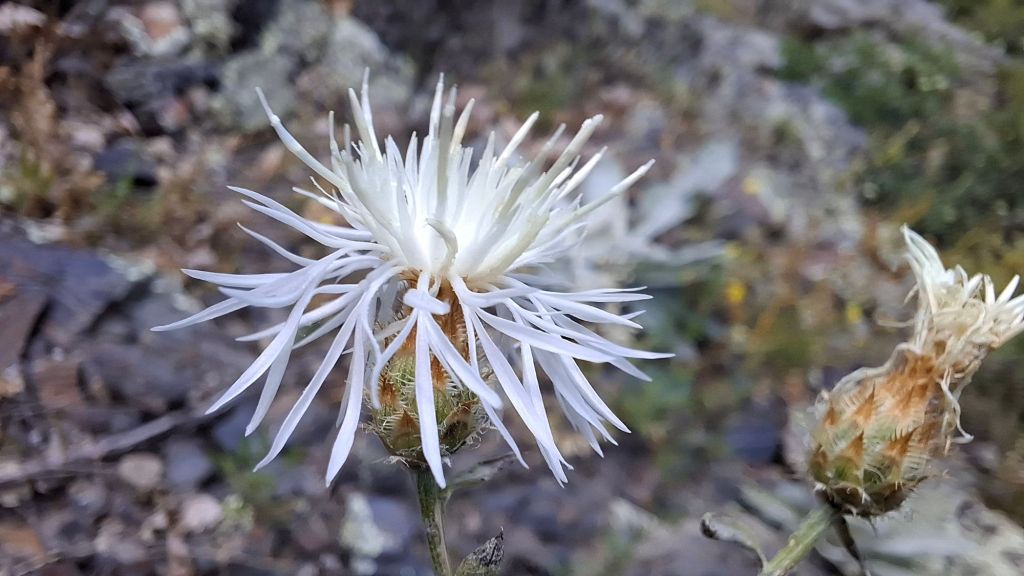
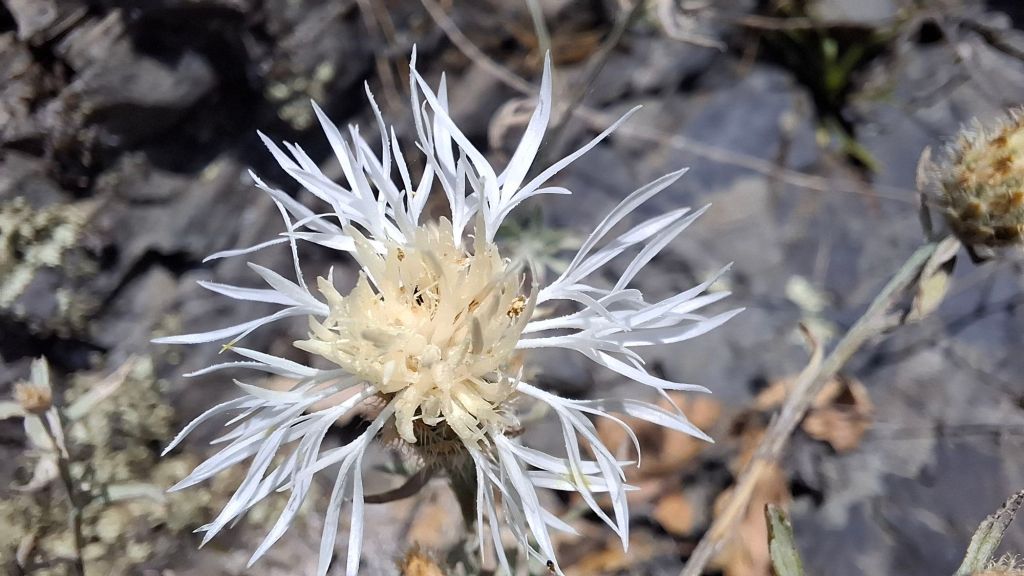
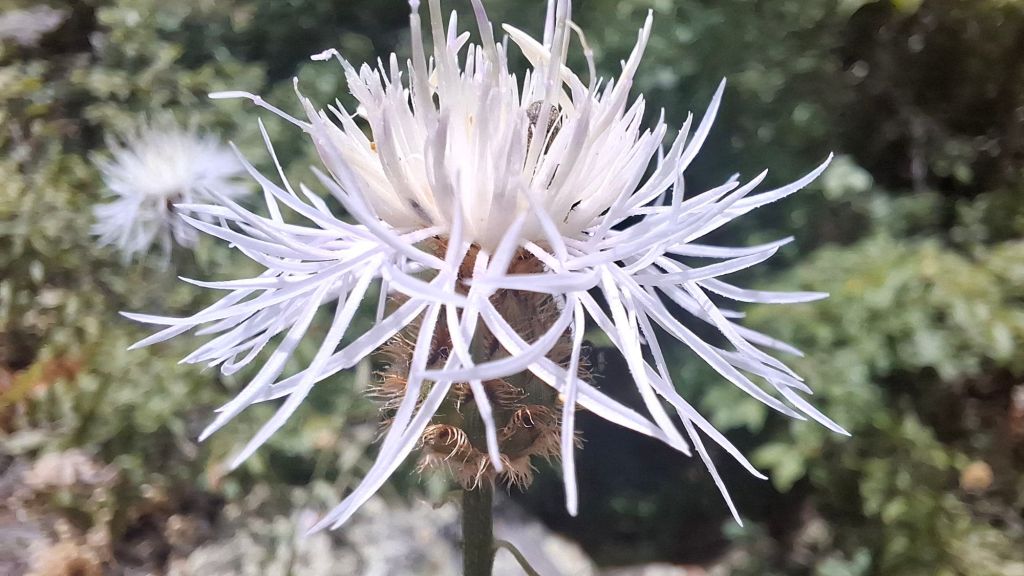
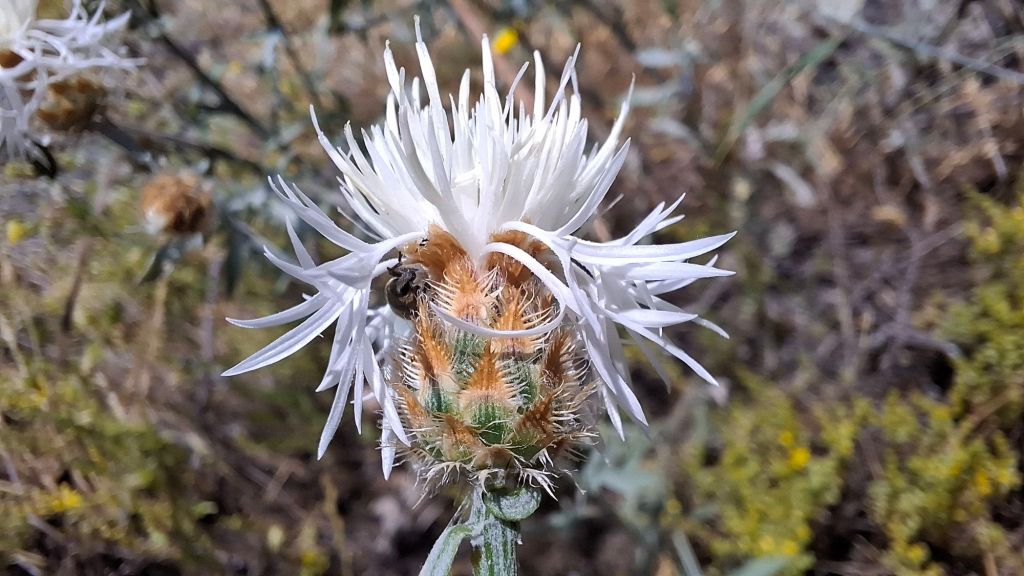
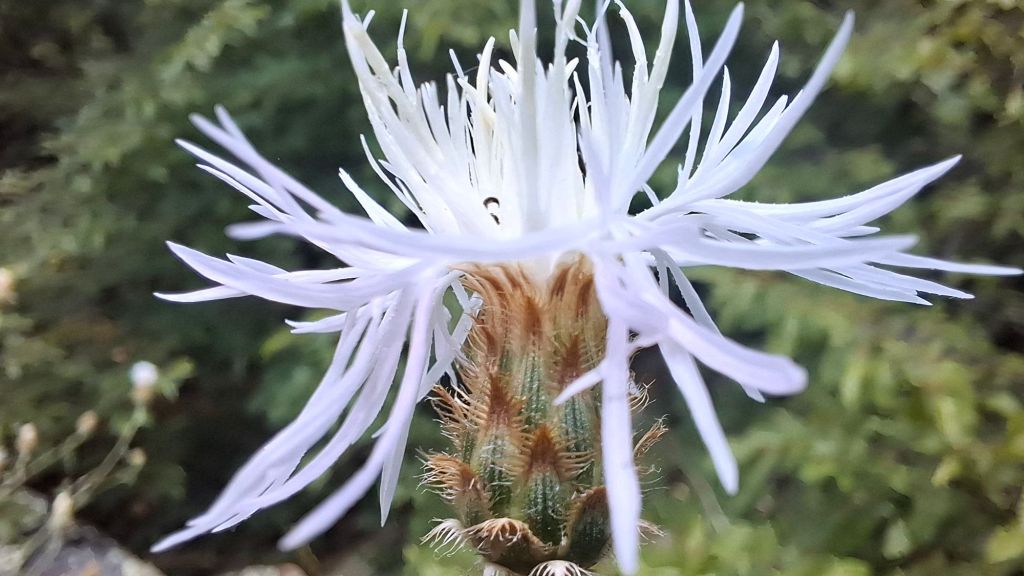
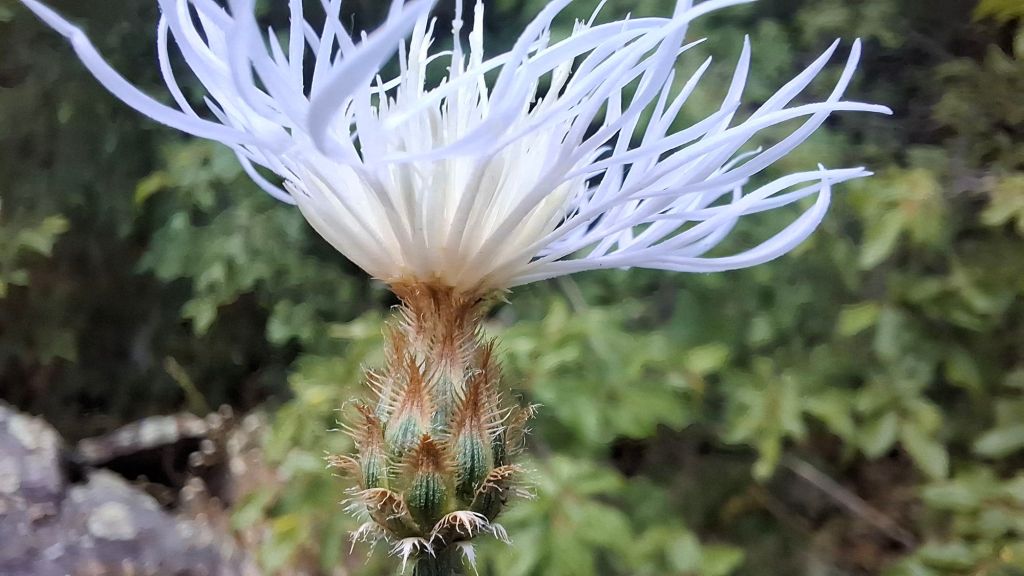
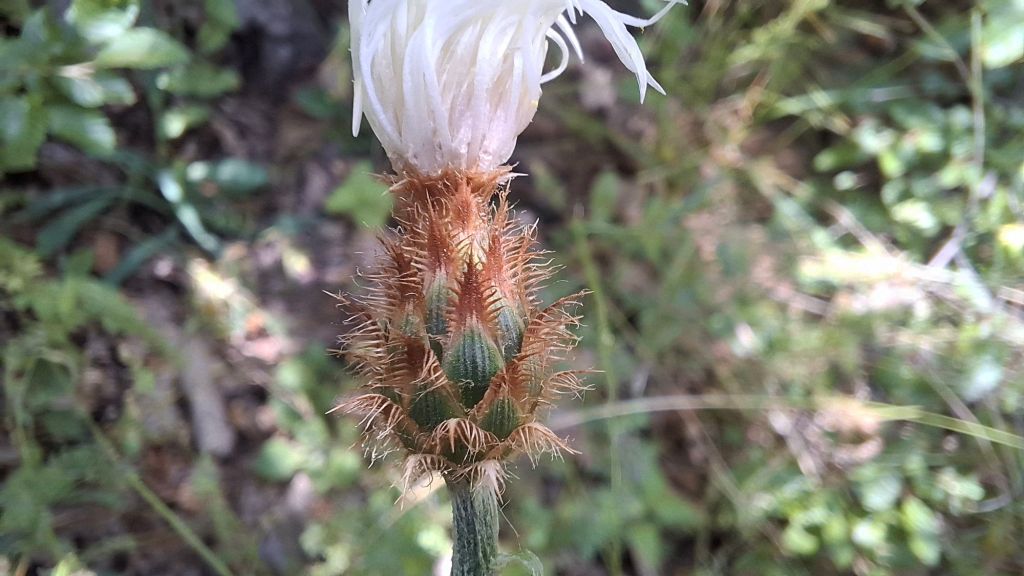
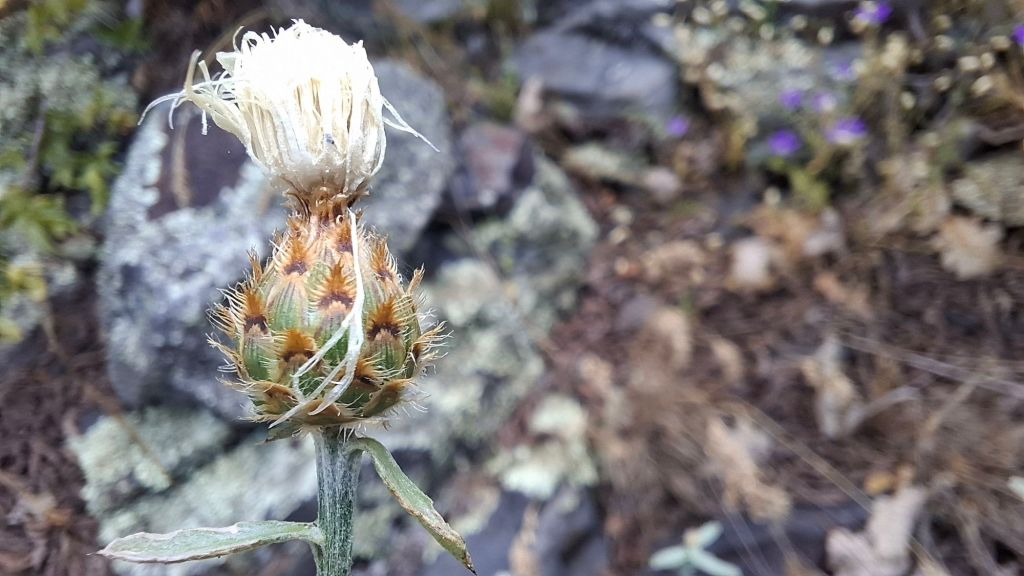
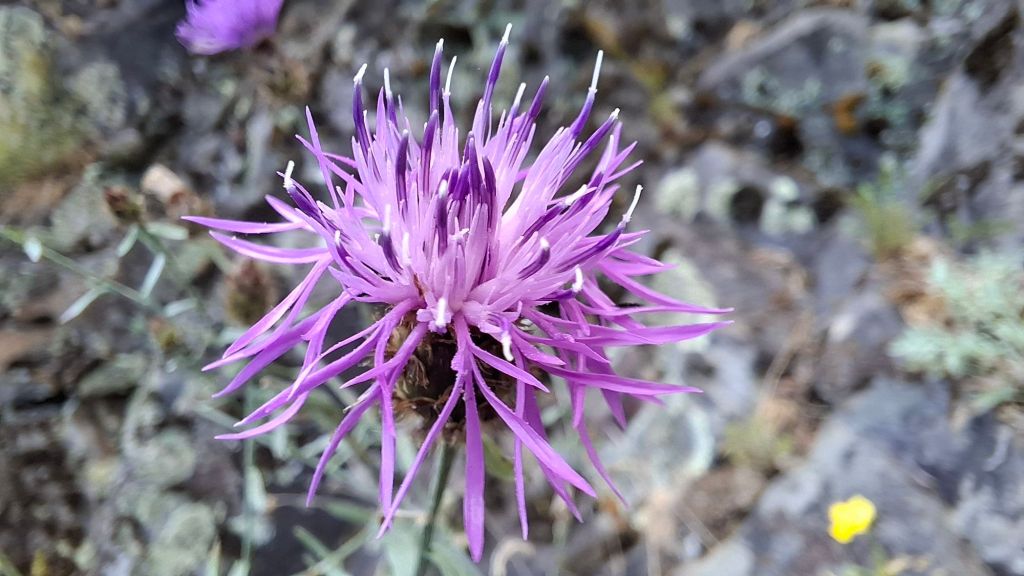
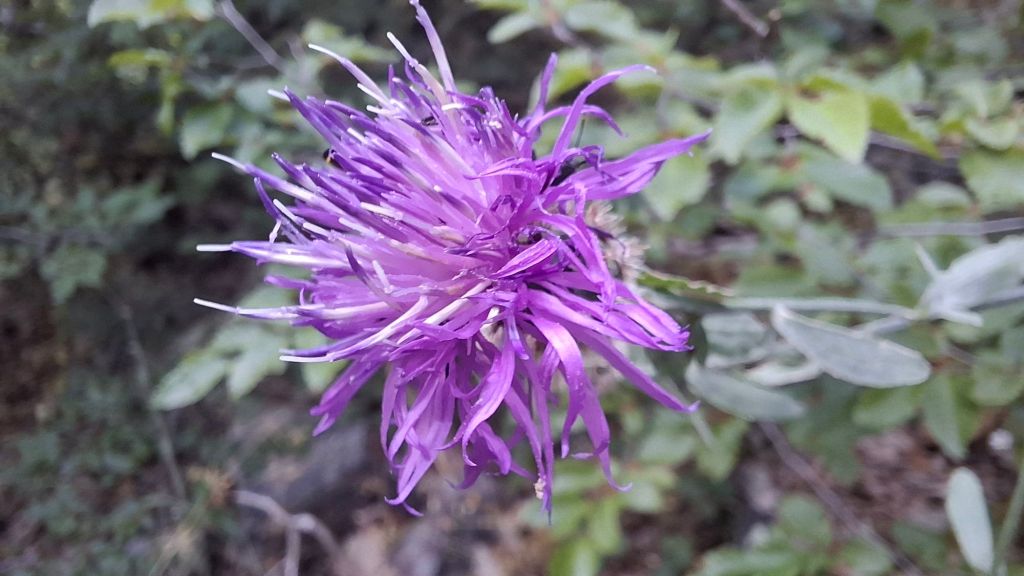
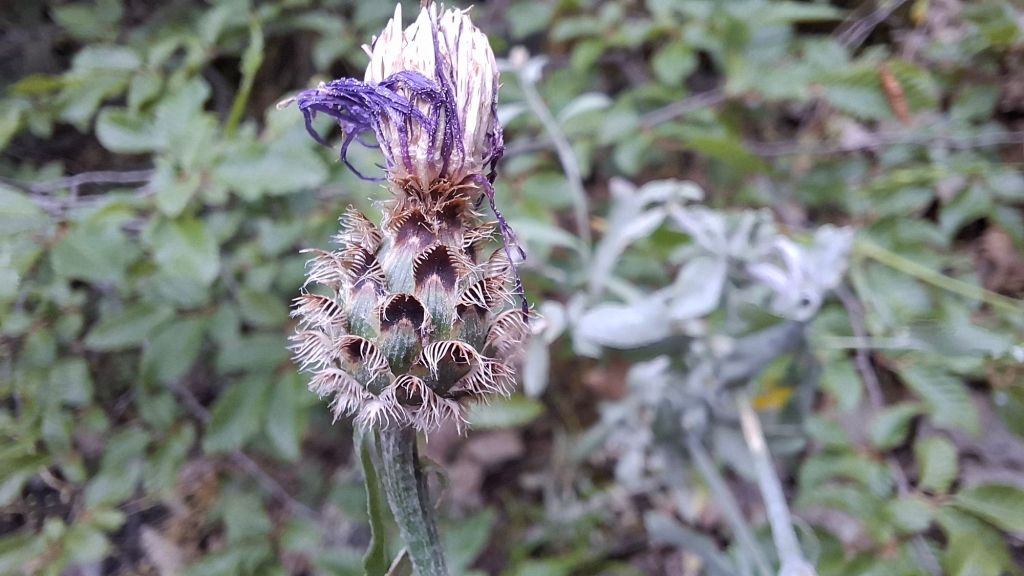
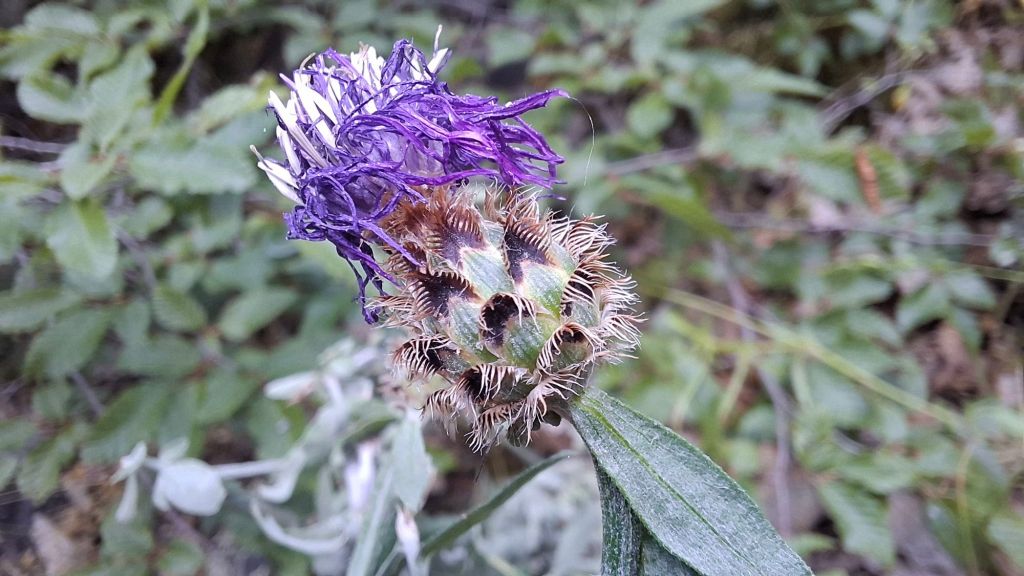
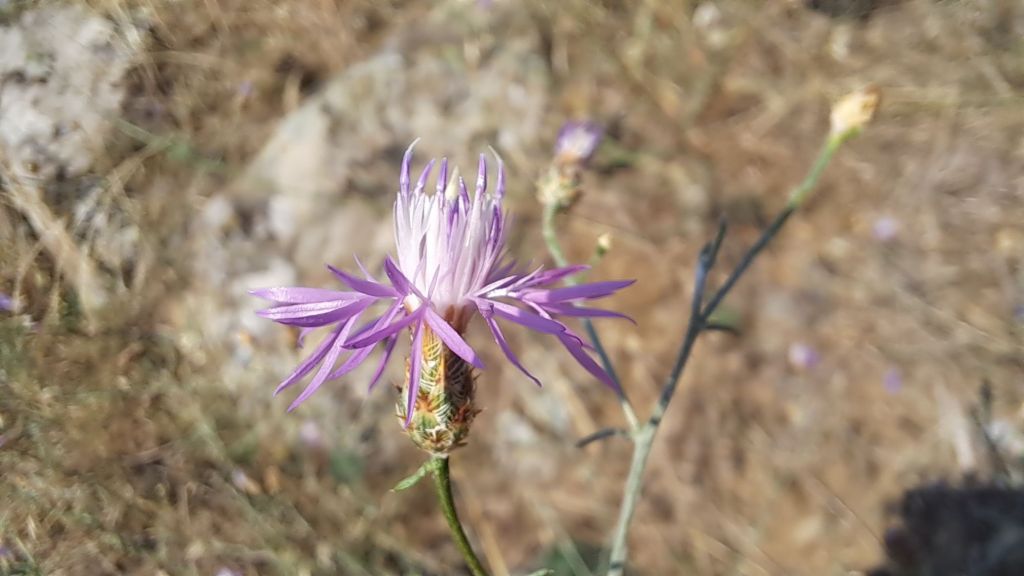
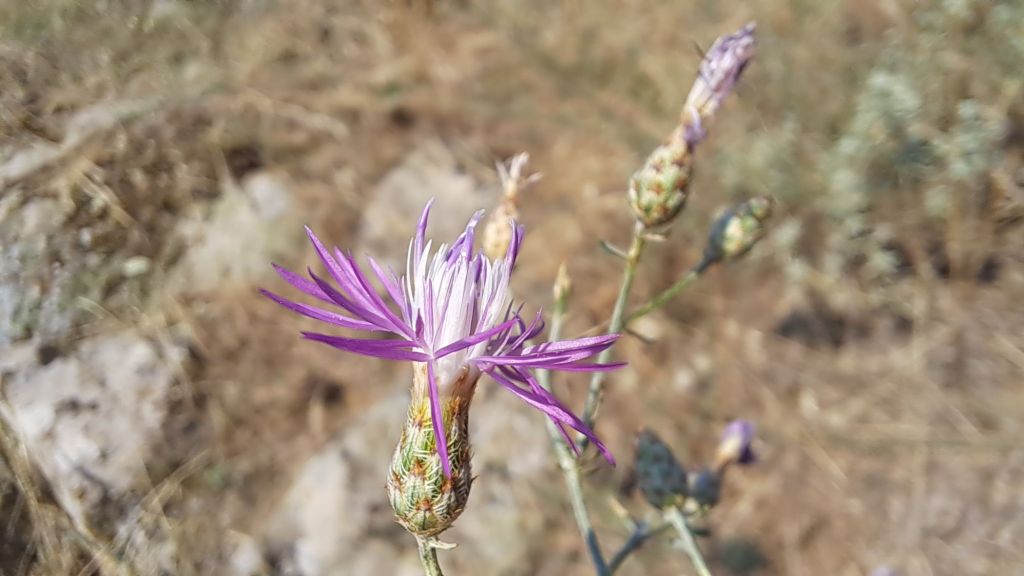
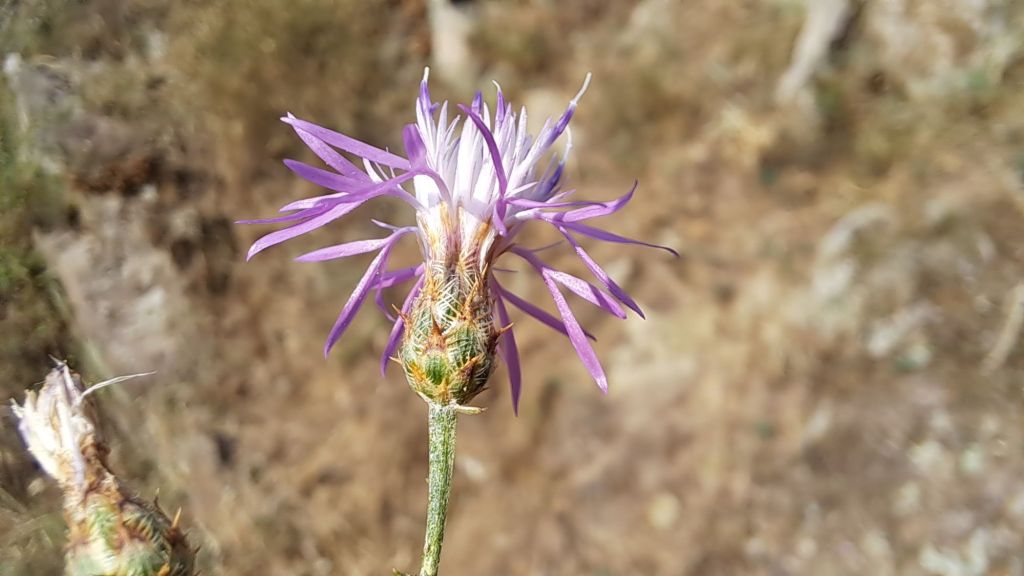
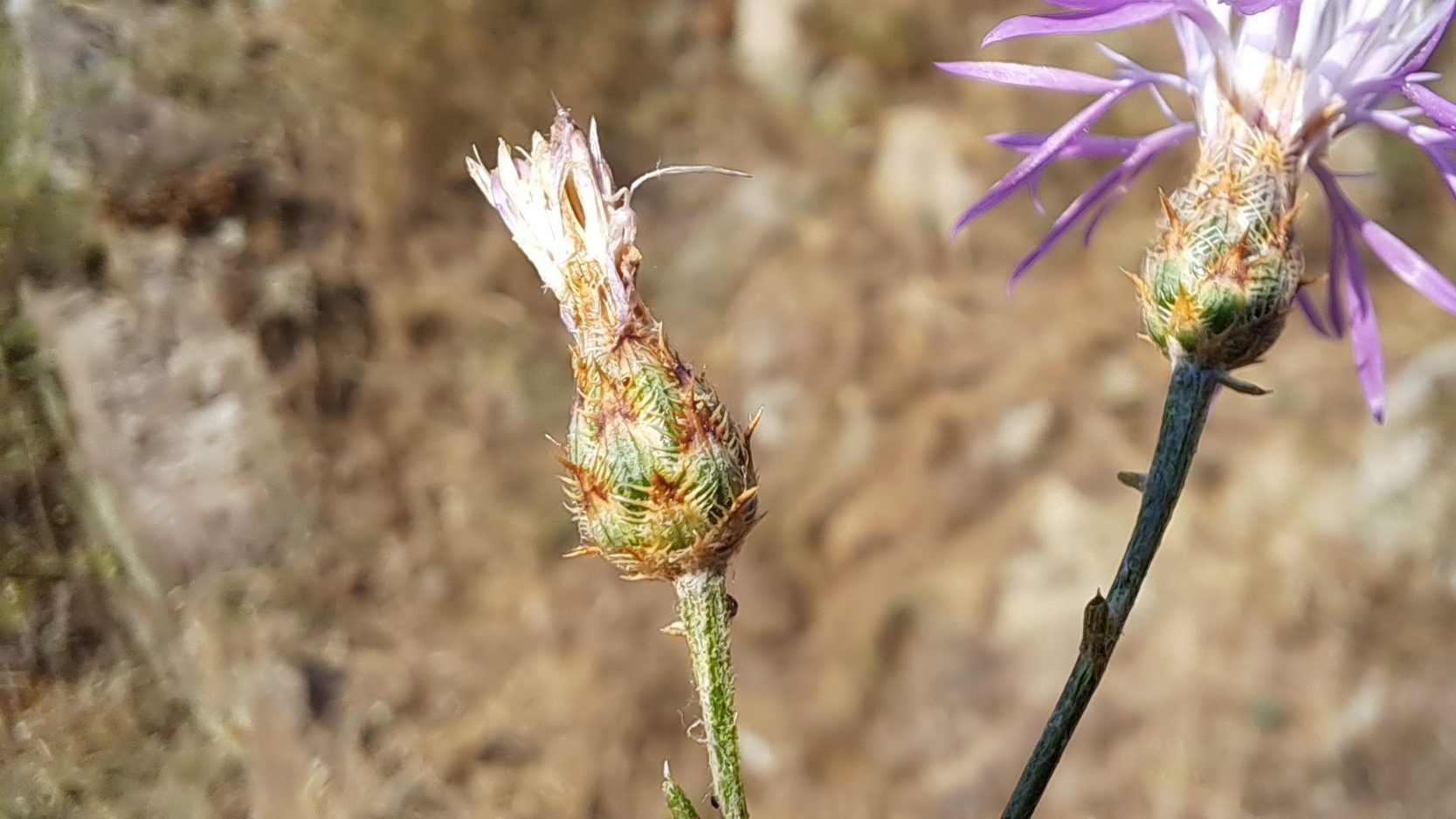
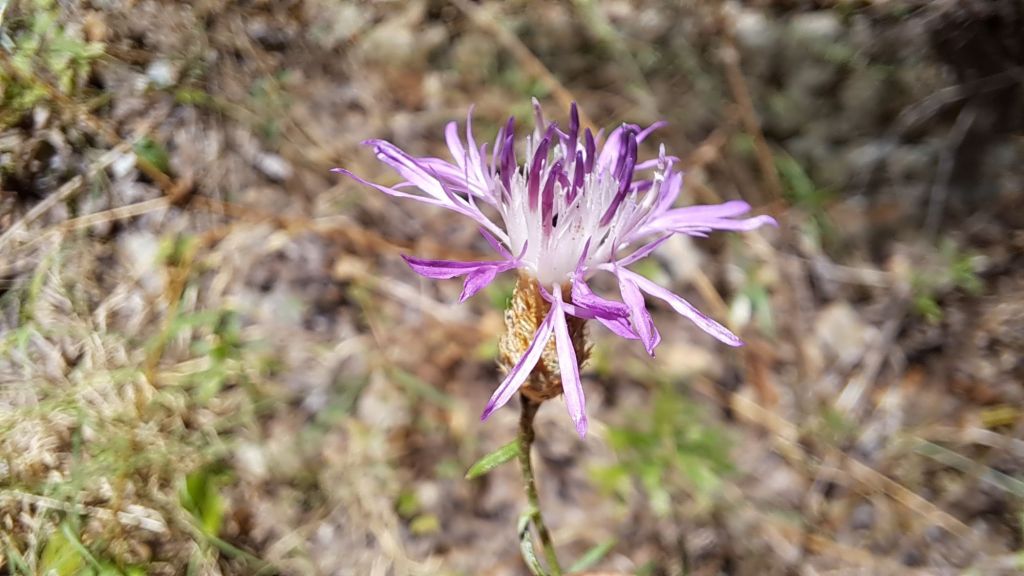
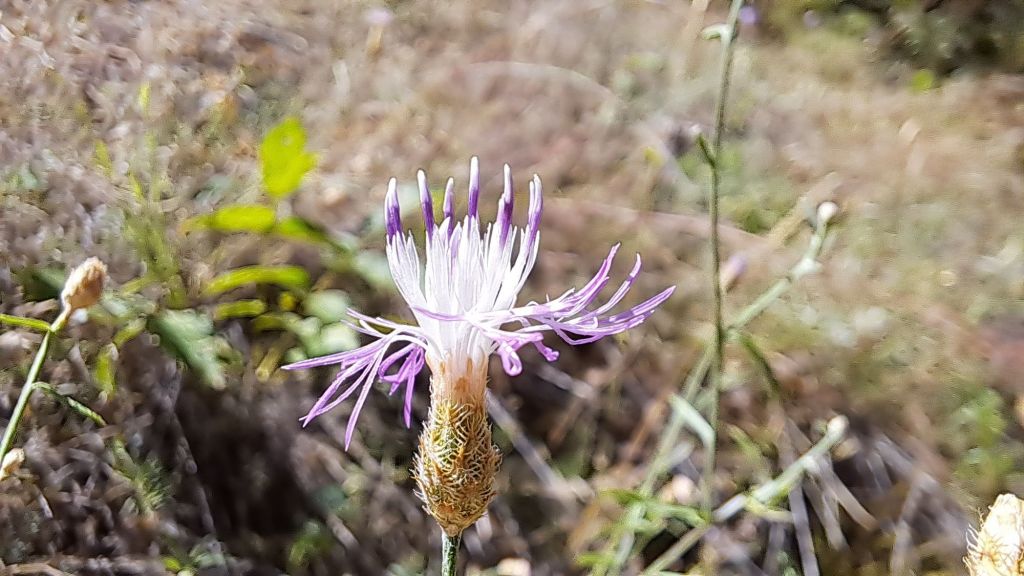
Two forms were recorded in the same locality in the Probishtip region- white-flowered form with yellow to yellow-brown appendages, which was predominant, and the standard purple flowered form with dark brown to blackish appendages.
Lifeform: Perennial plant; hemicryptophyte according to the Raunkiær system.
Distribution: Native from Europe to Central Asia and Caucasus according to the Plants of the World Online portal (Royal Botanic Gardens, Kew).
Habitat: Rocky terrains.
Flowering period: Summer (JUN, JUL).
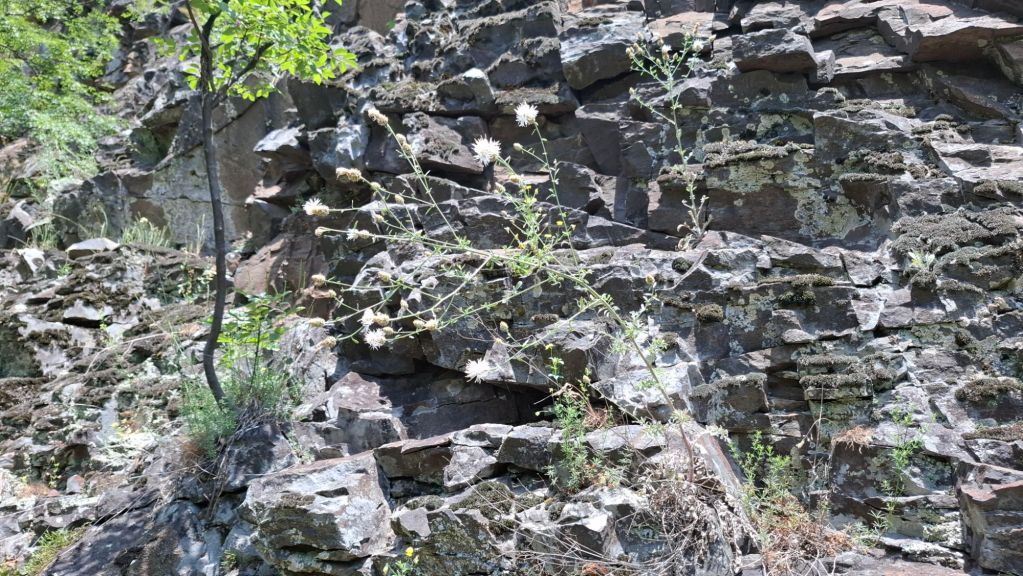
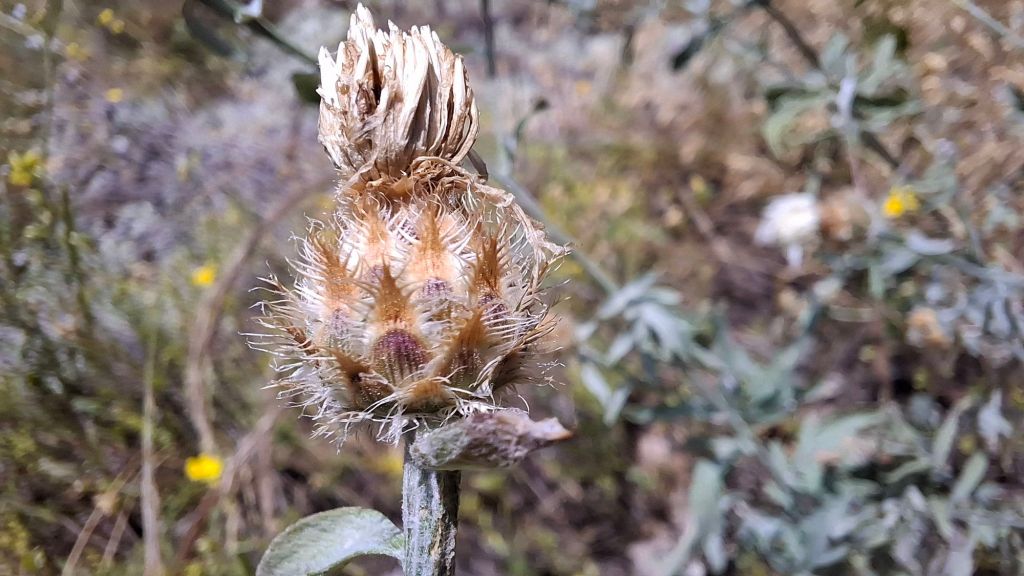
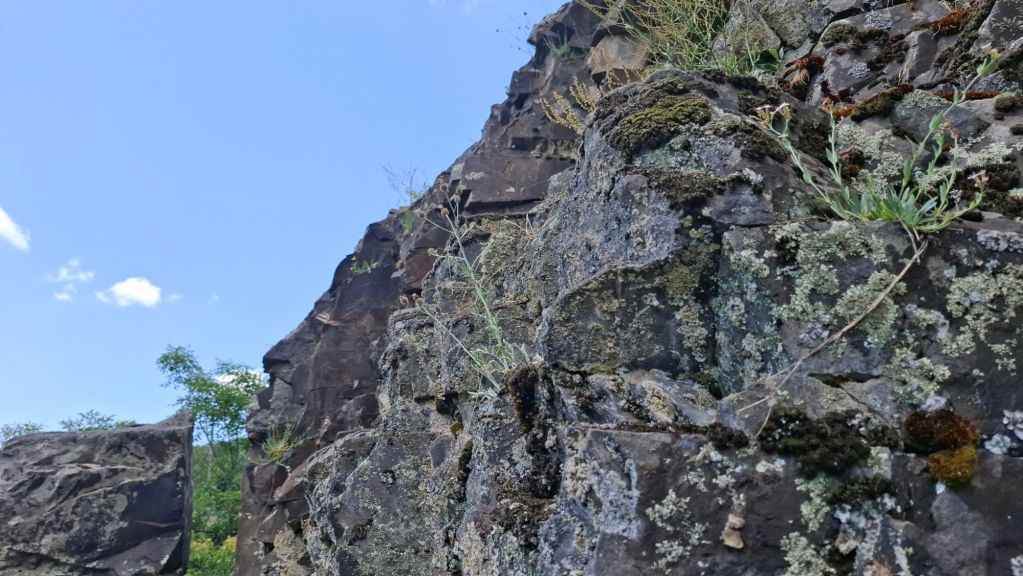
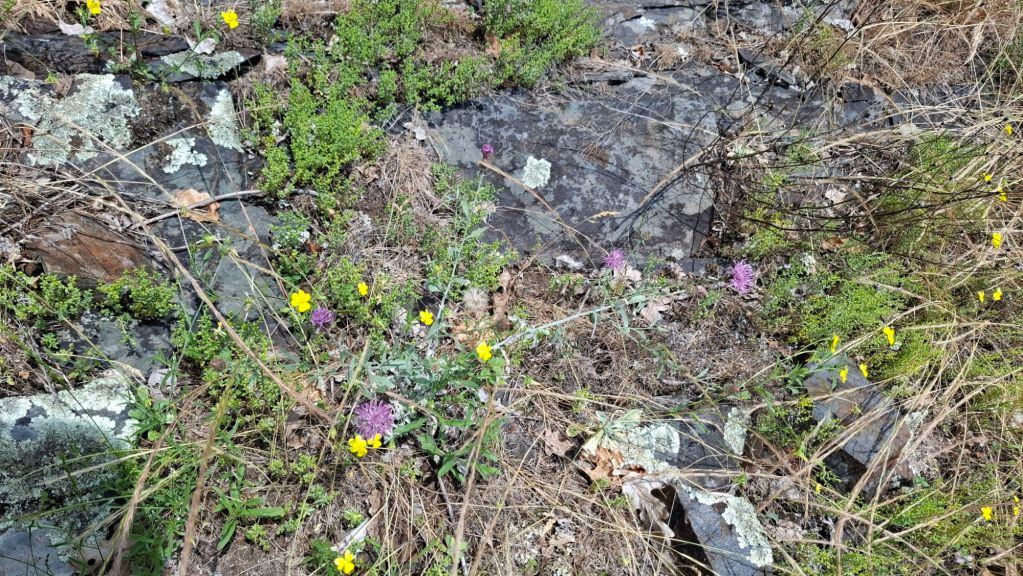
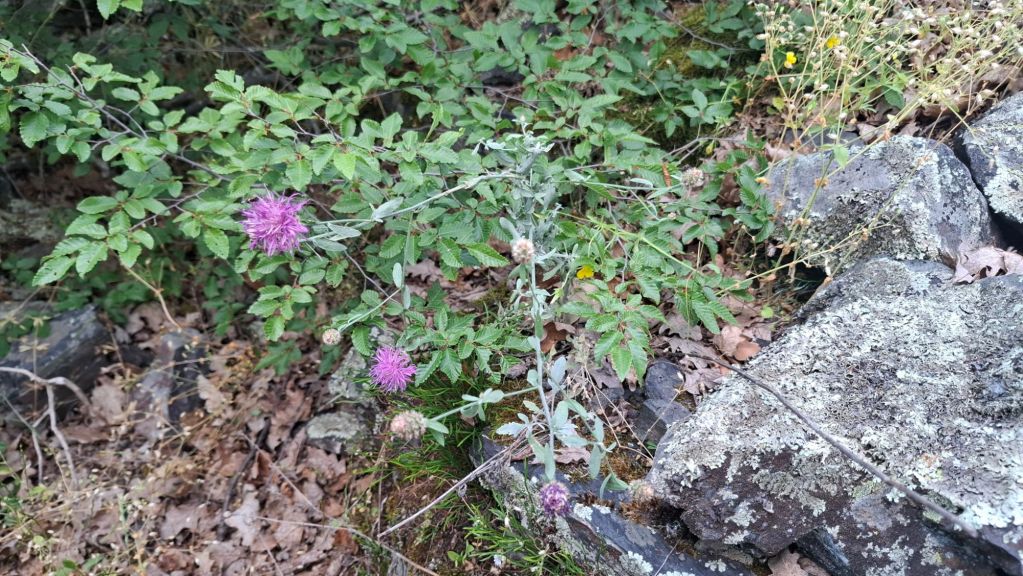
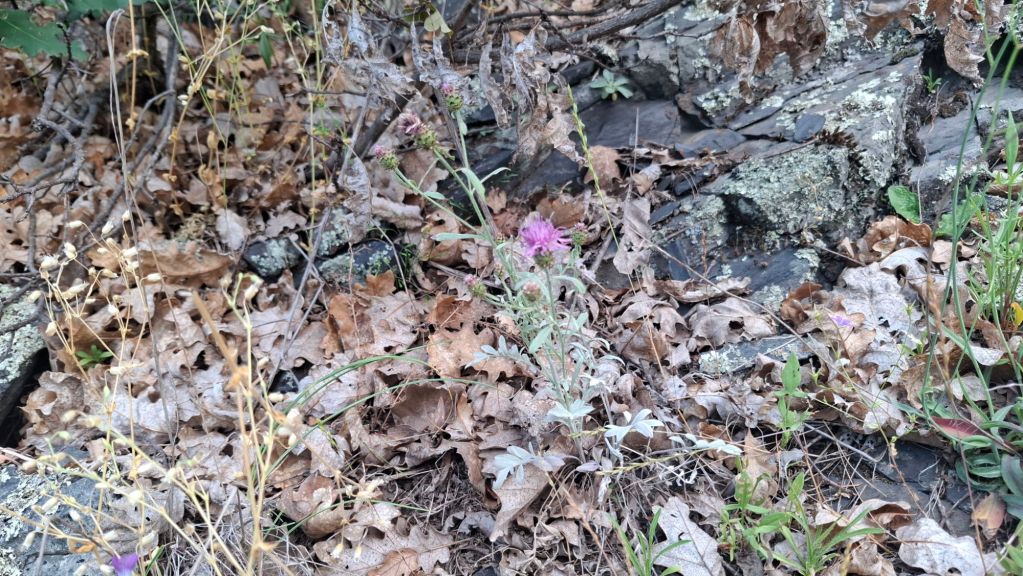
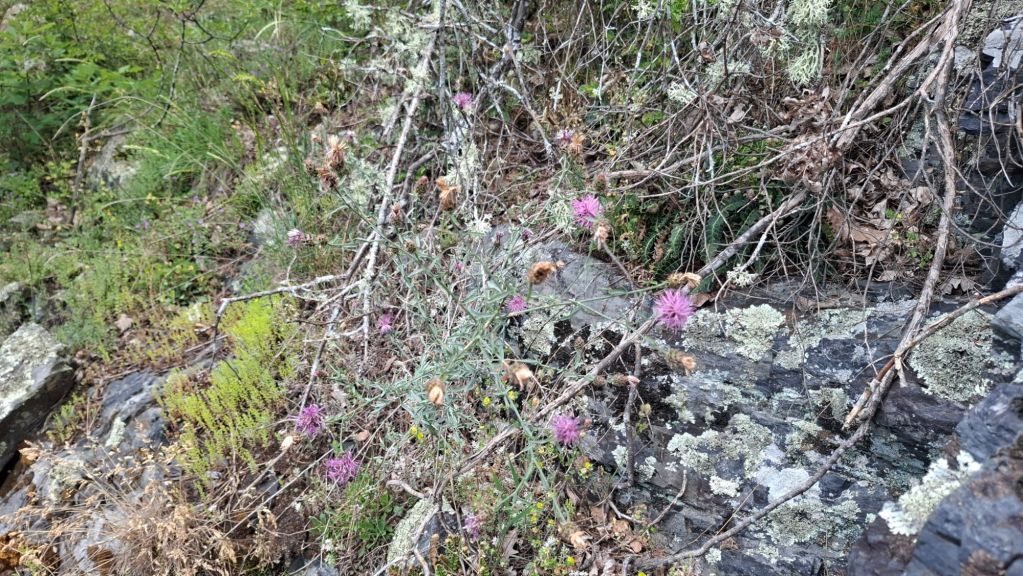
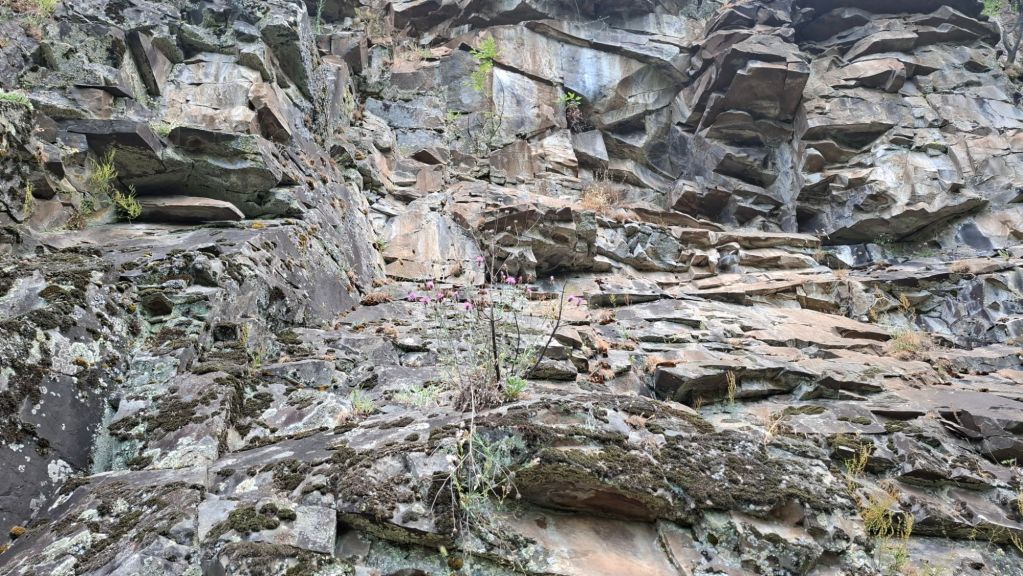
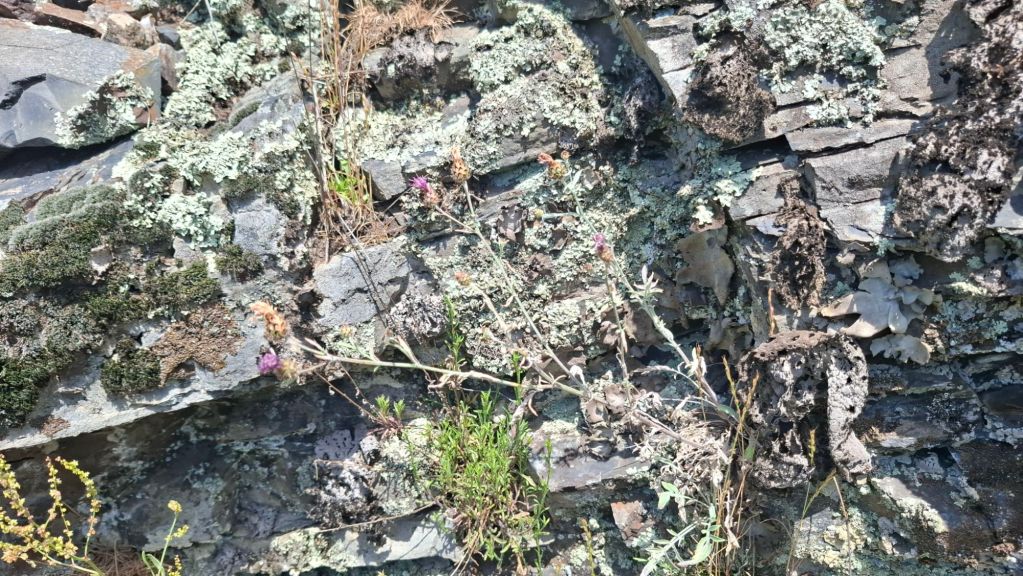
Locality: Probishtip, rock cliffs between the village of Ratkovica and the Shtalkovichka River, above Mangov kamen. Date: 07.06.2026. White-flowered form.
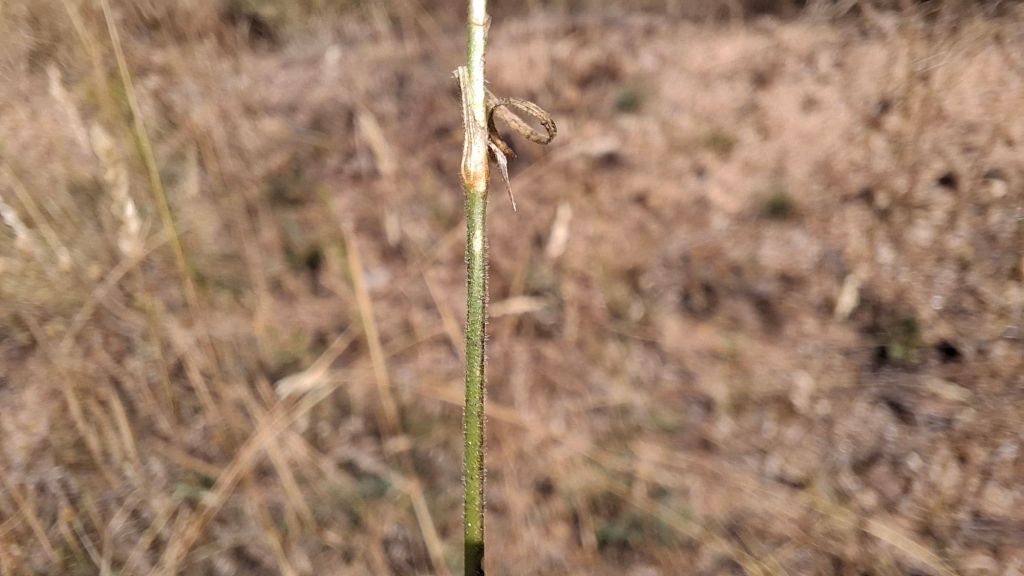
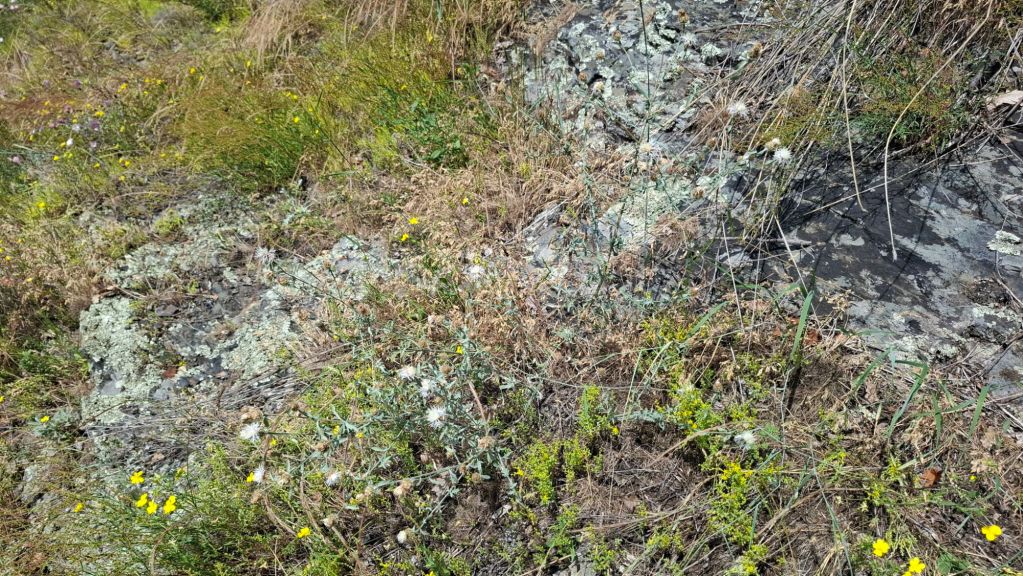
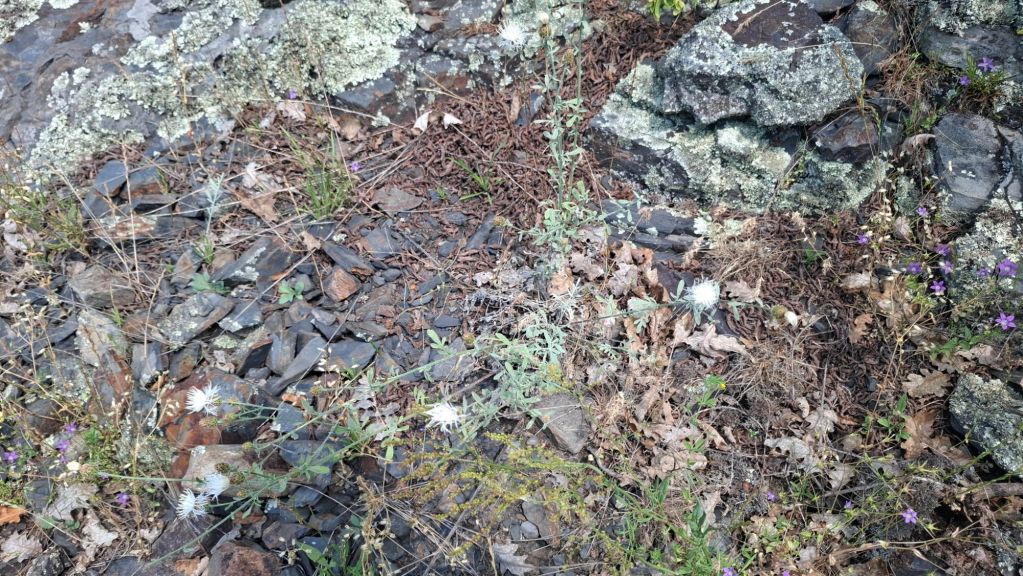
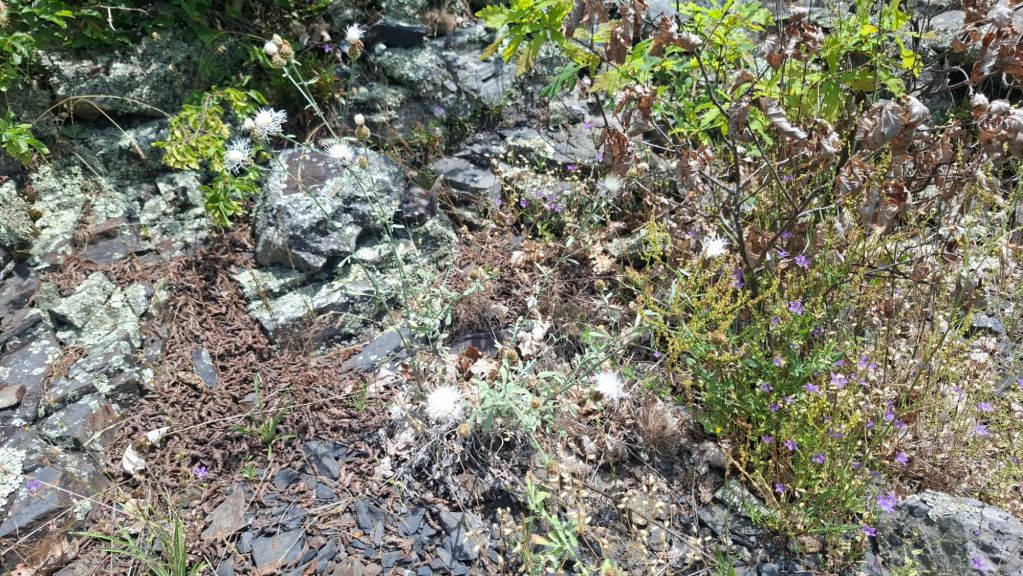
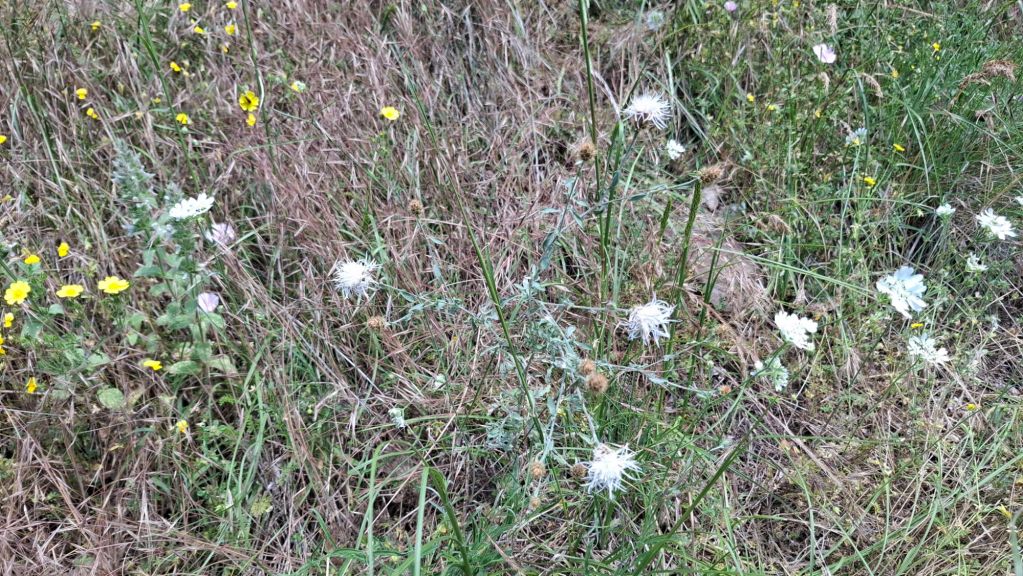
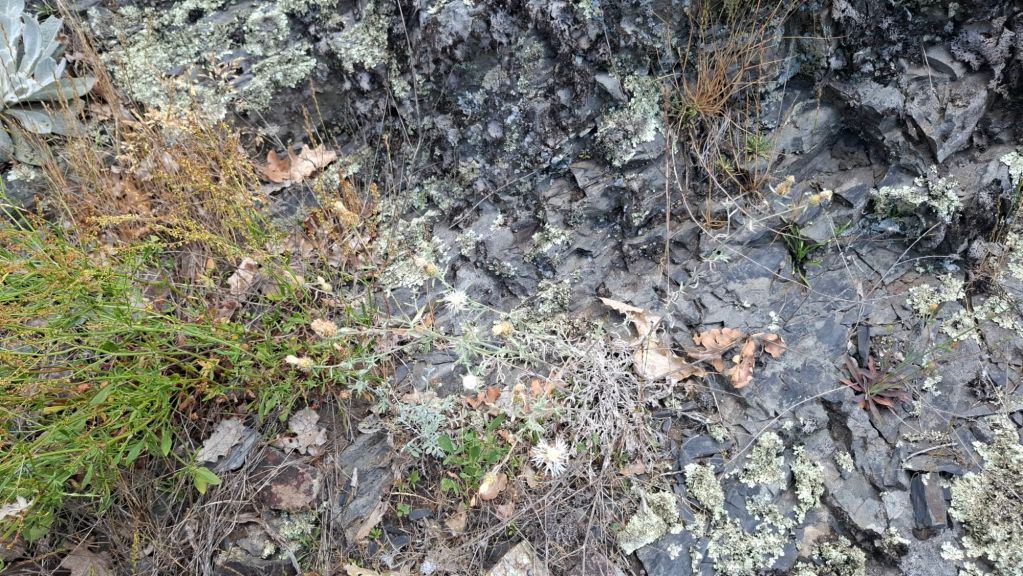
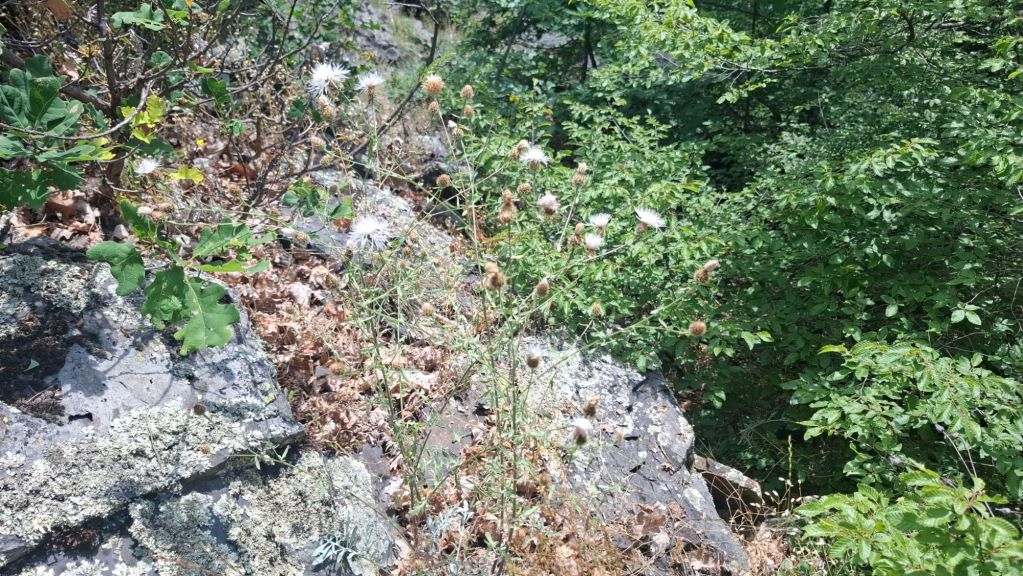
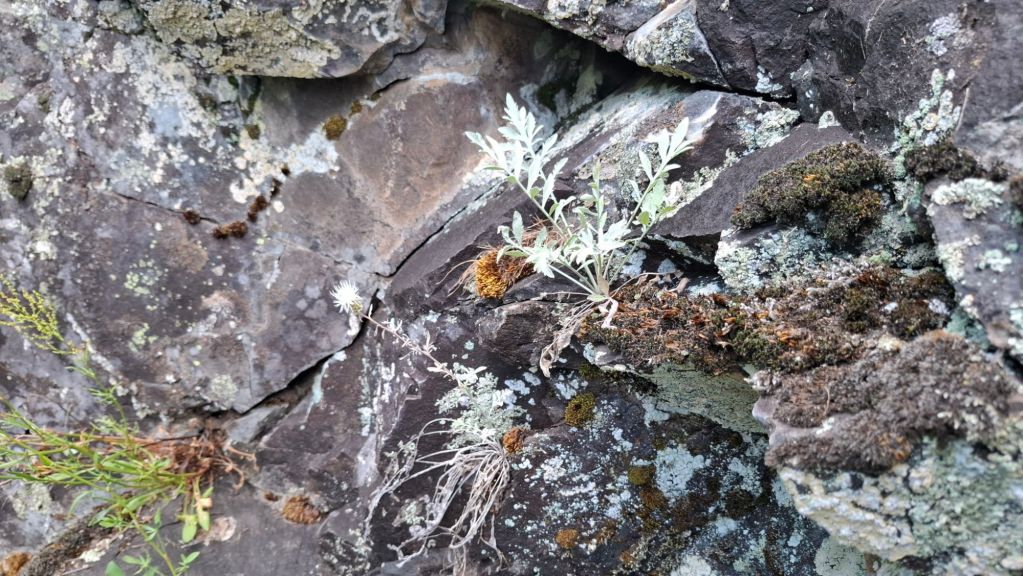
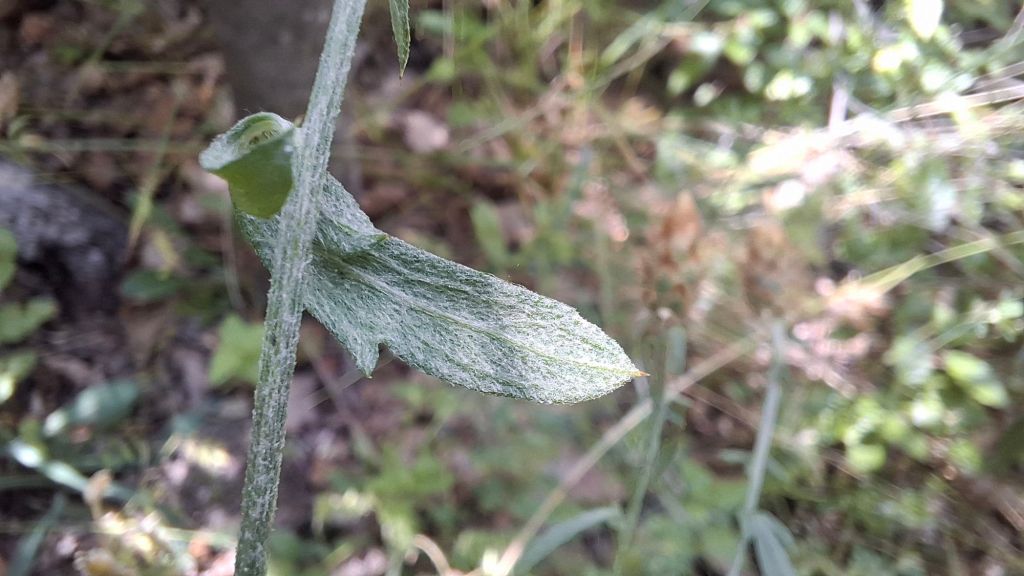
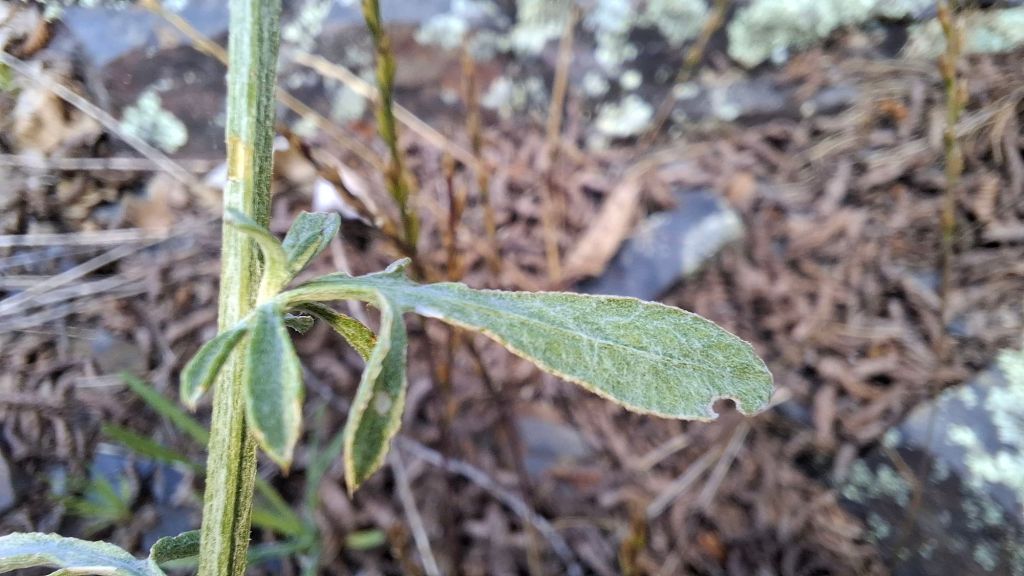
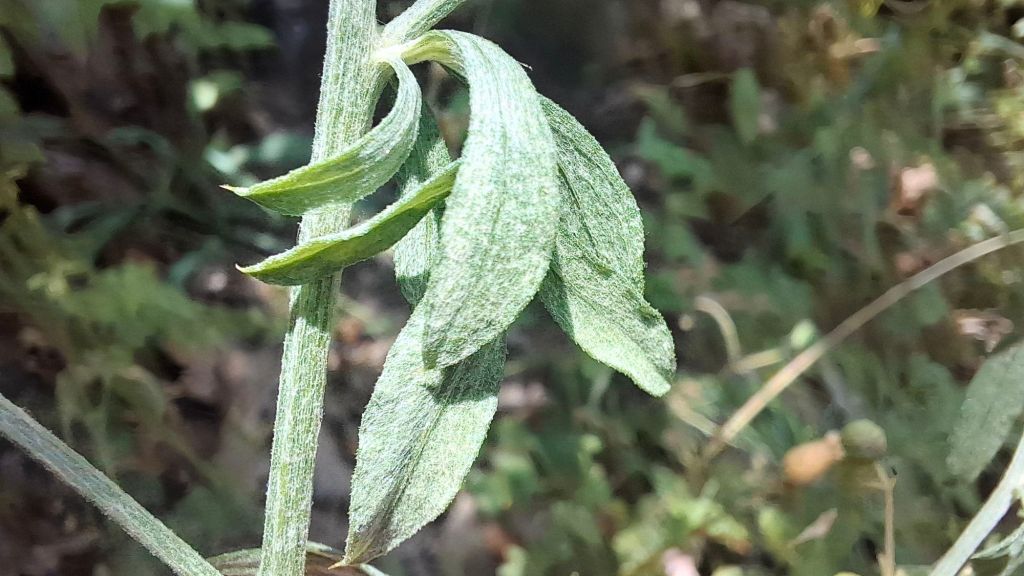
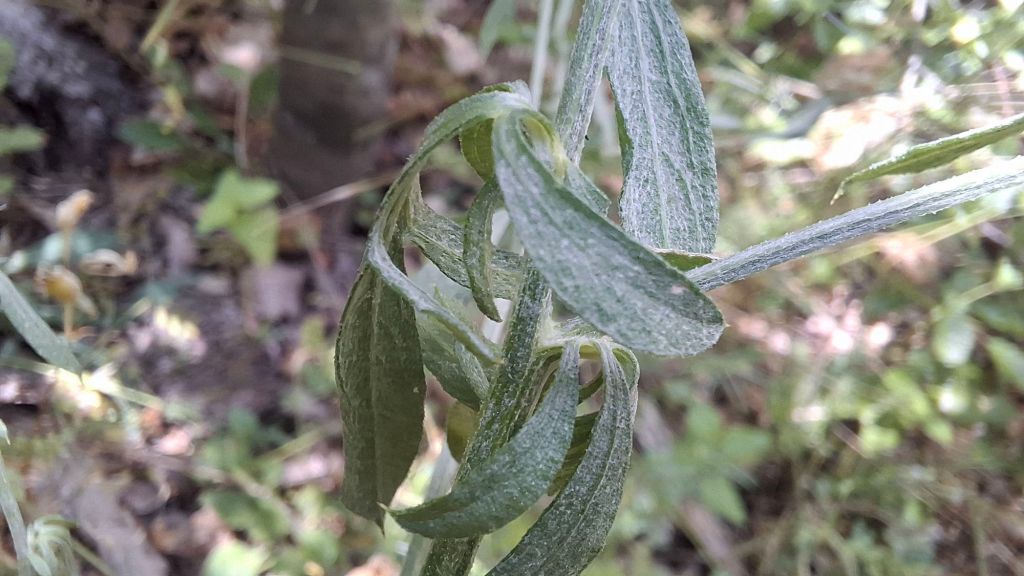
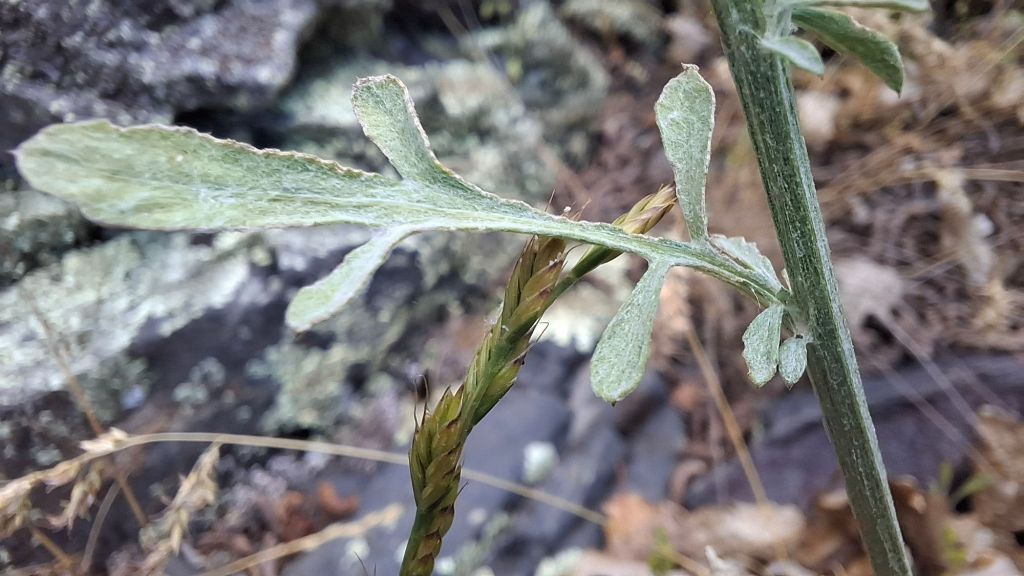
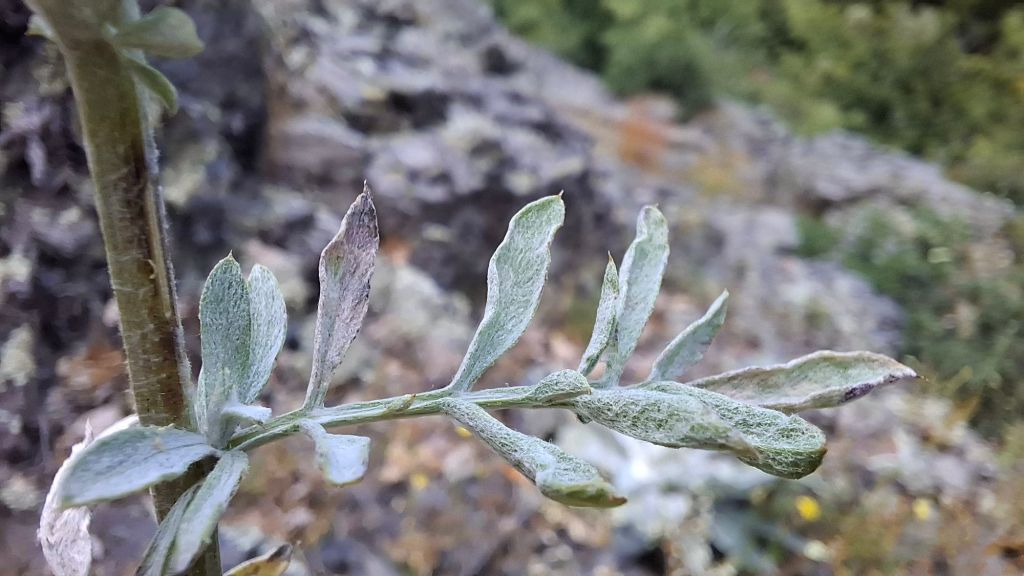
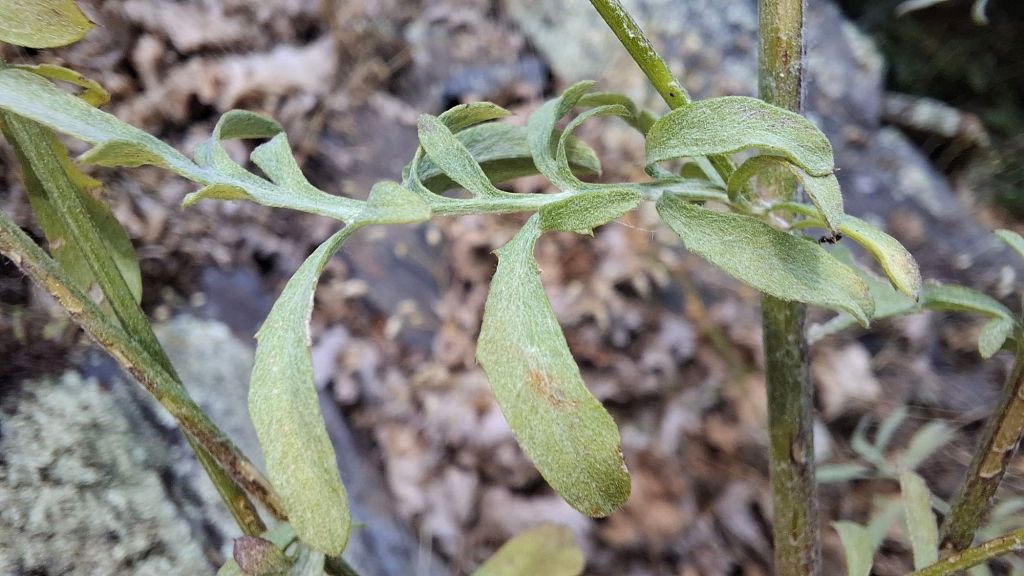
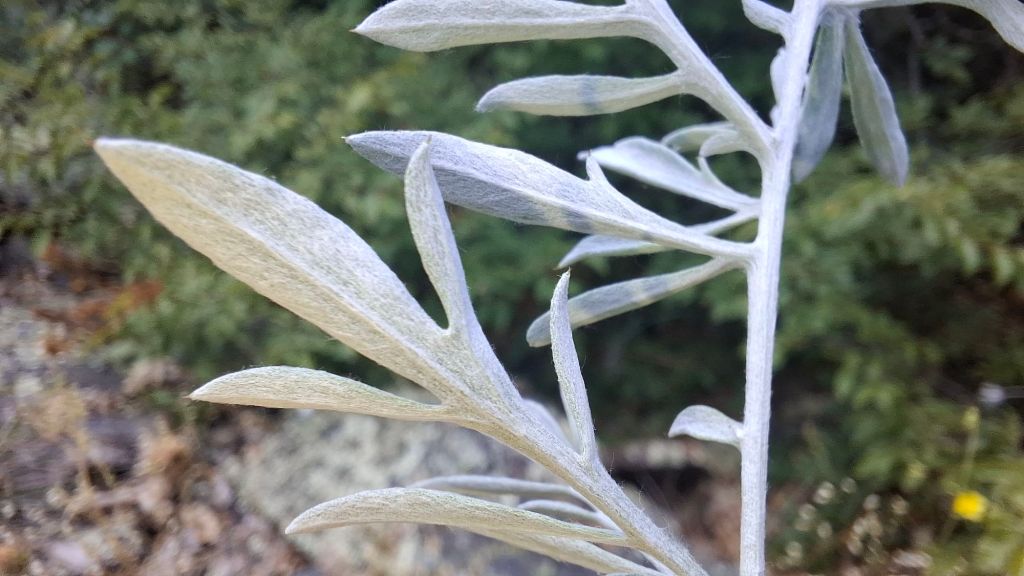
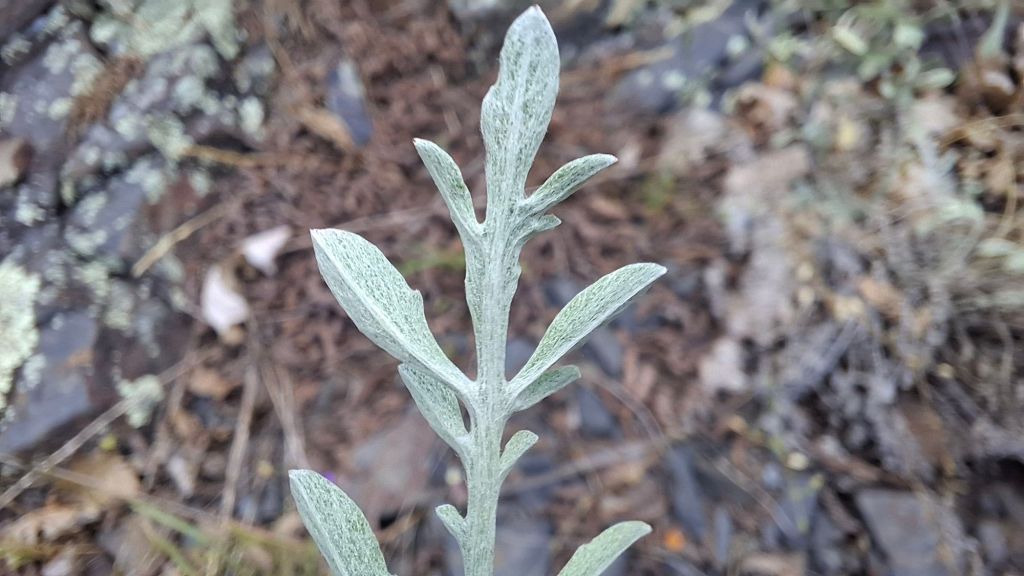
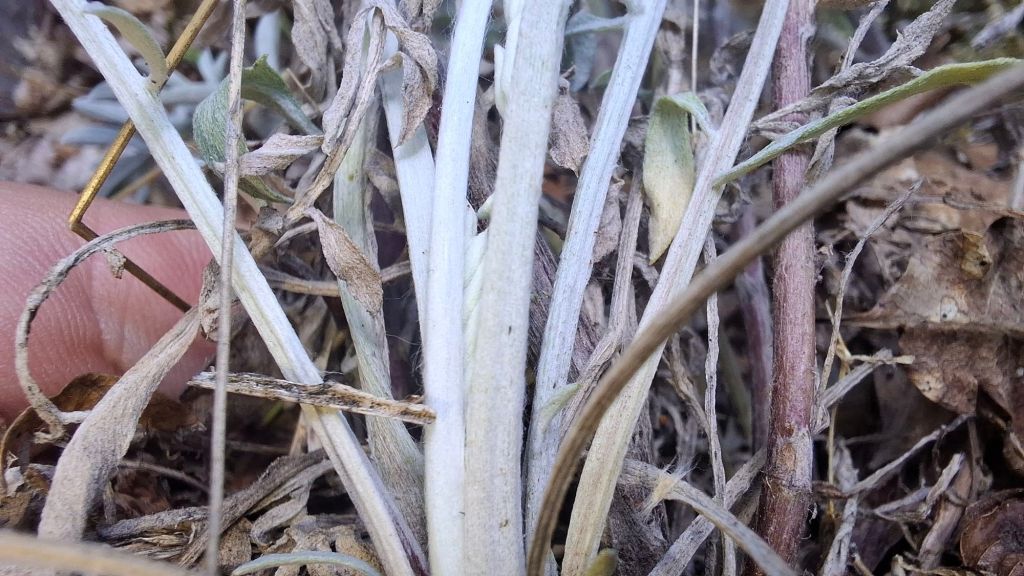
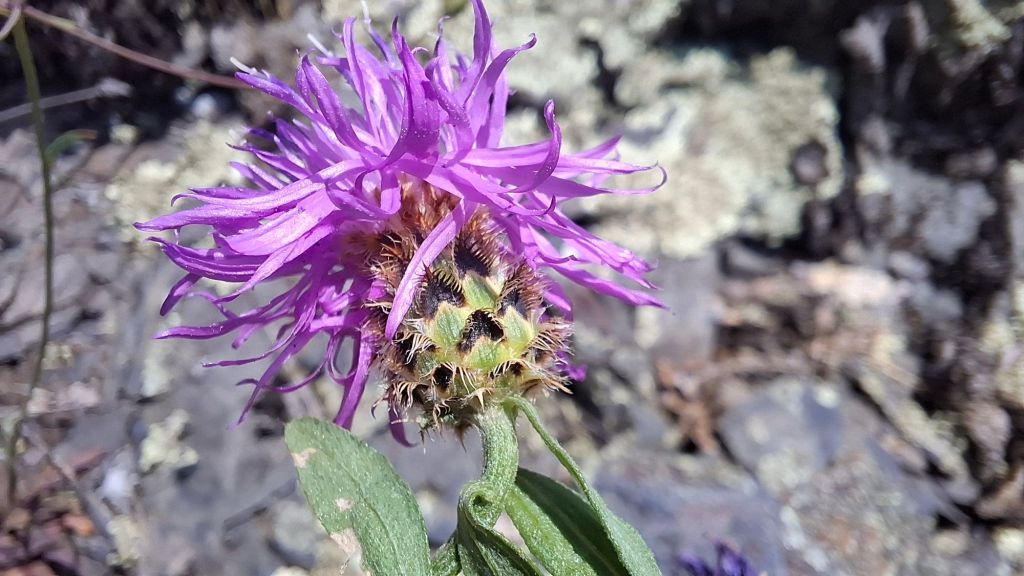
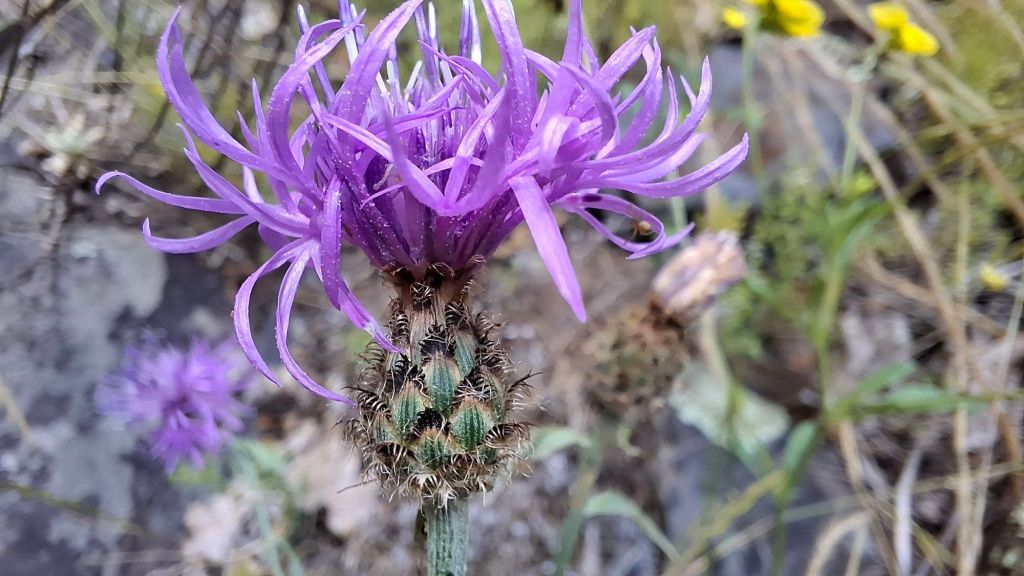
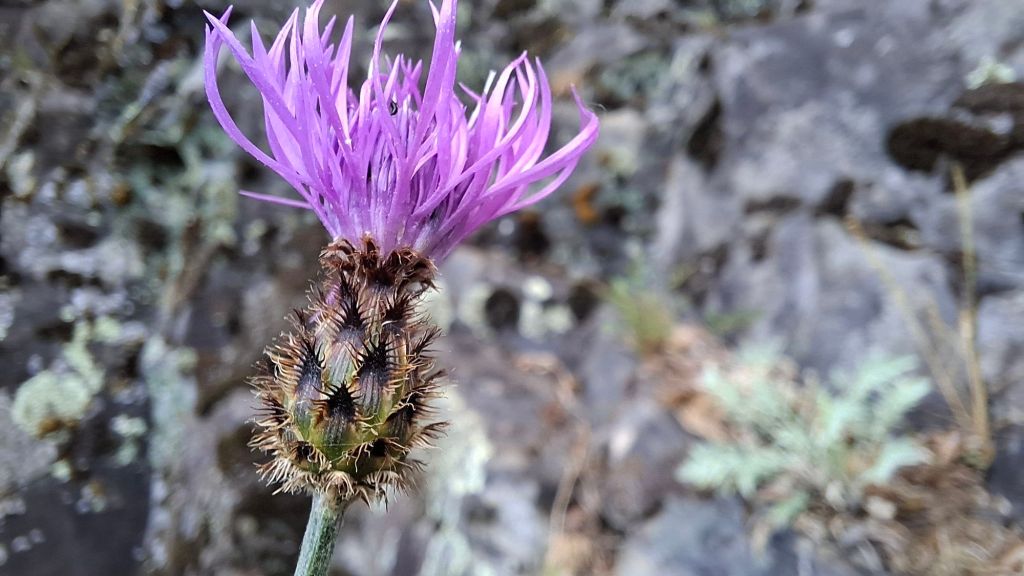
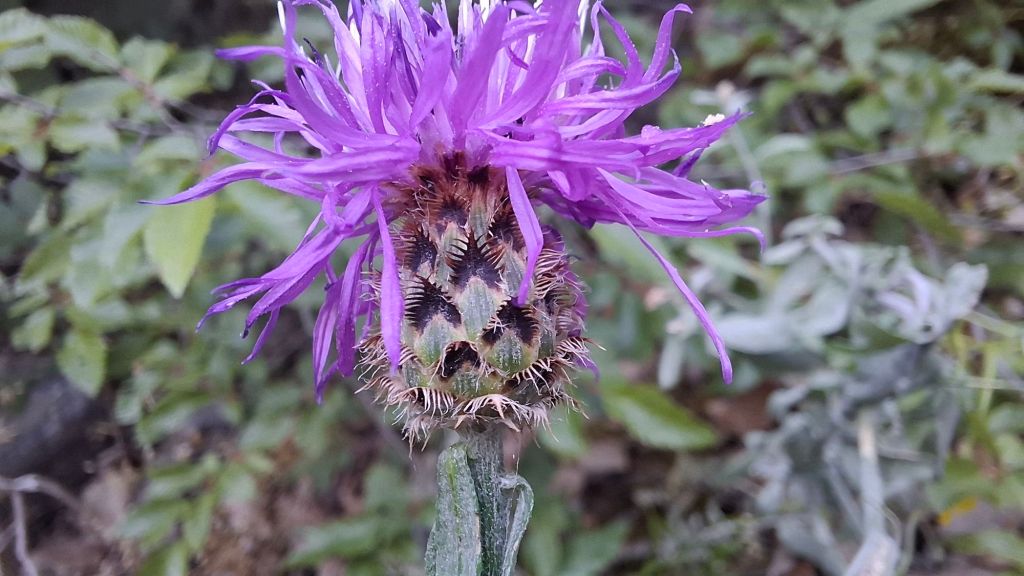
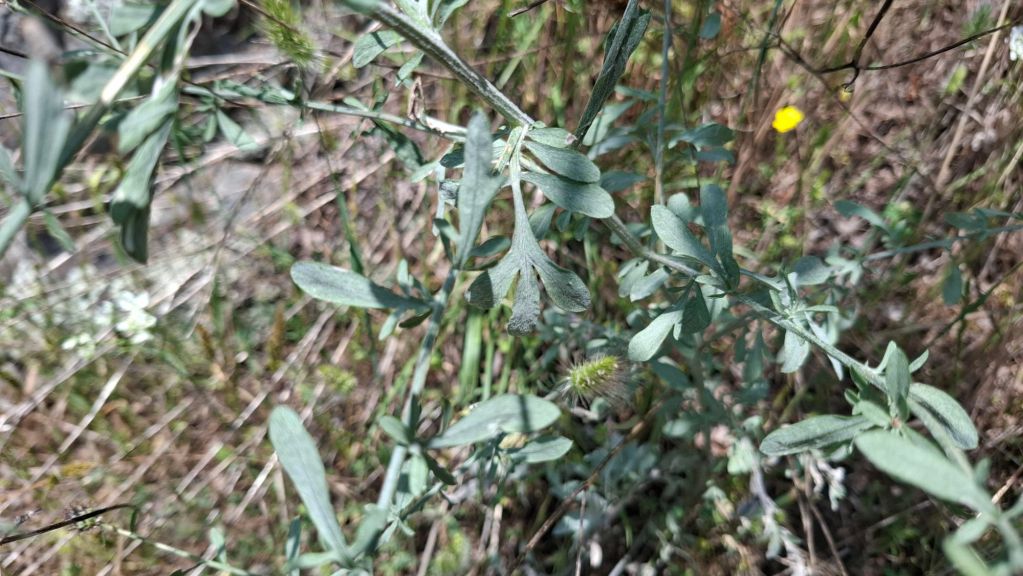
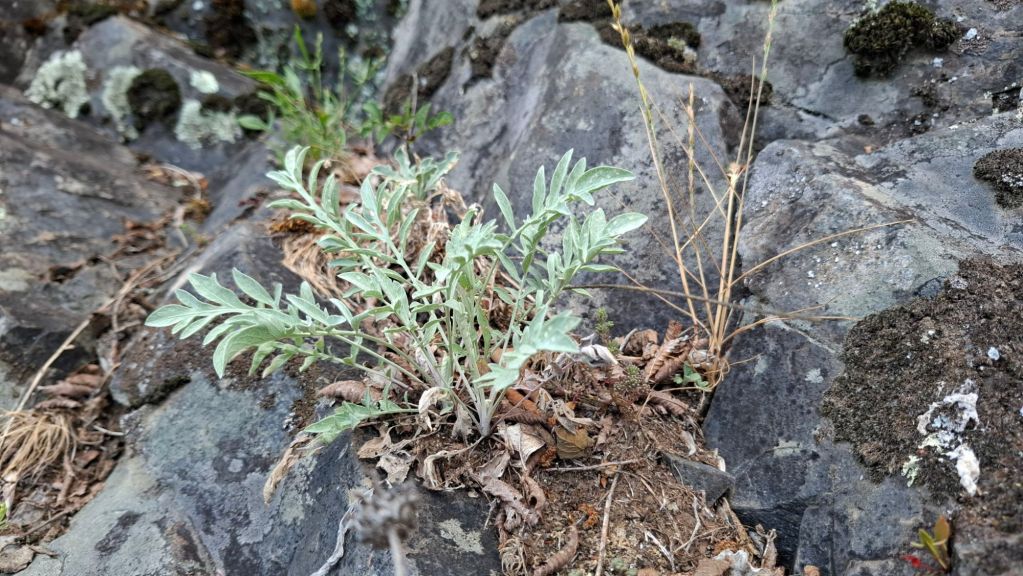
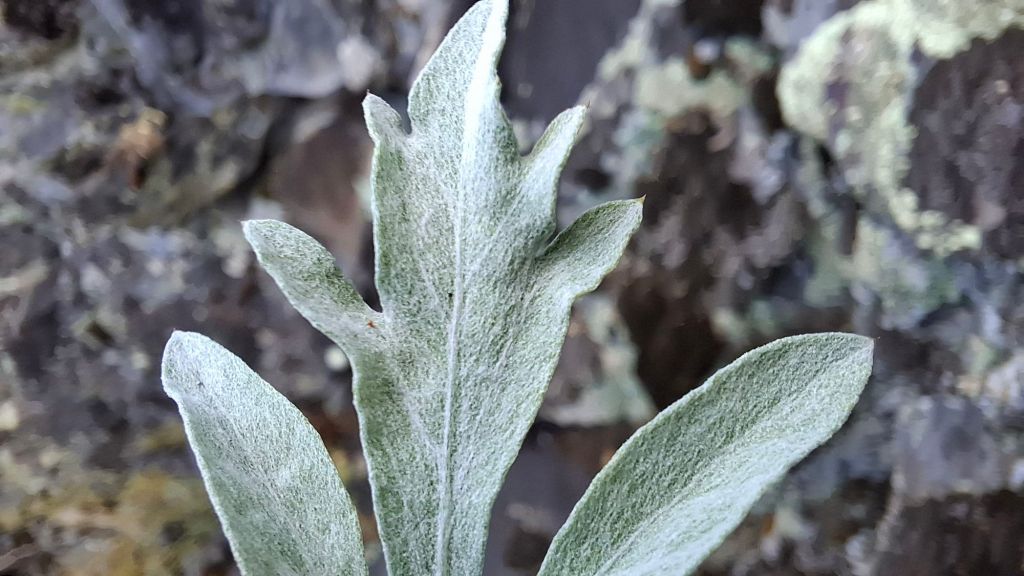
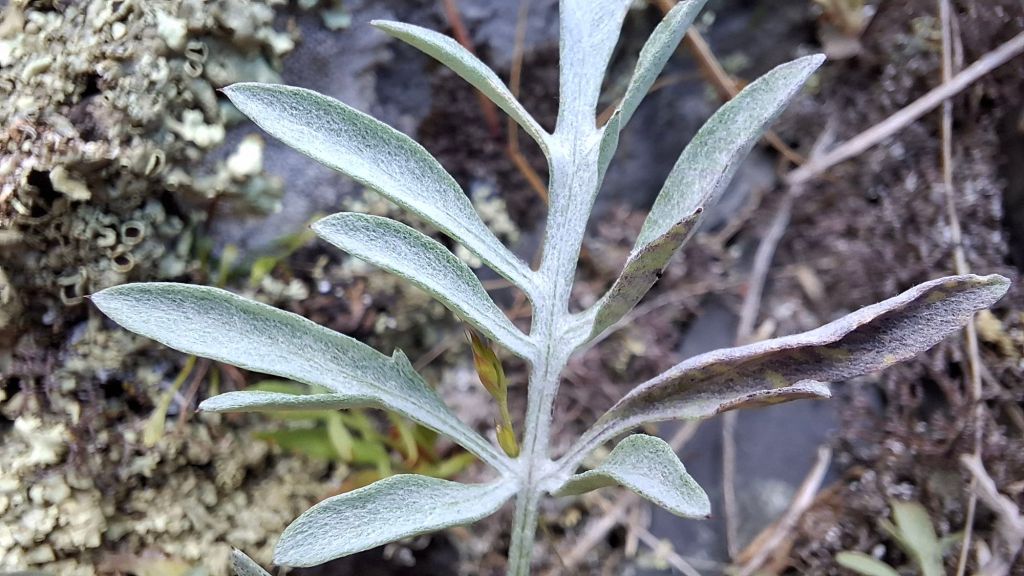
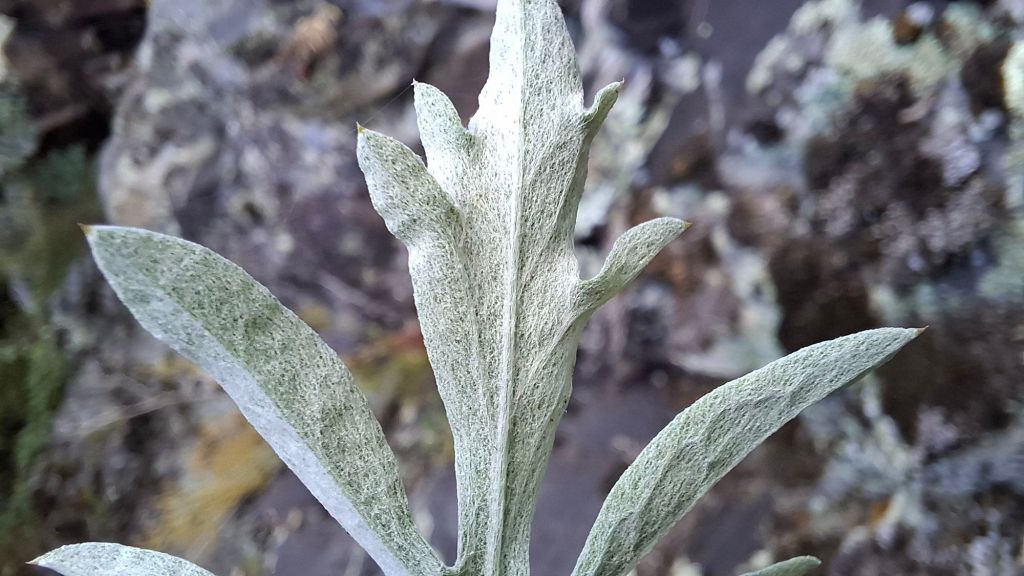
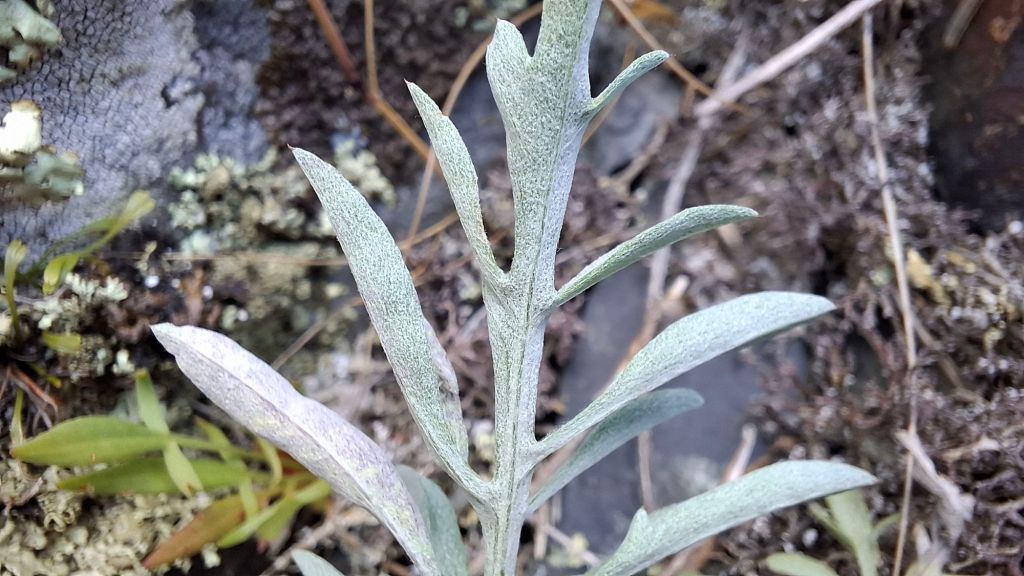
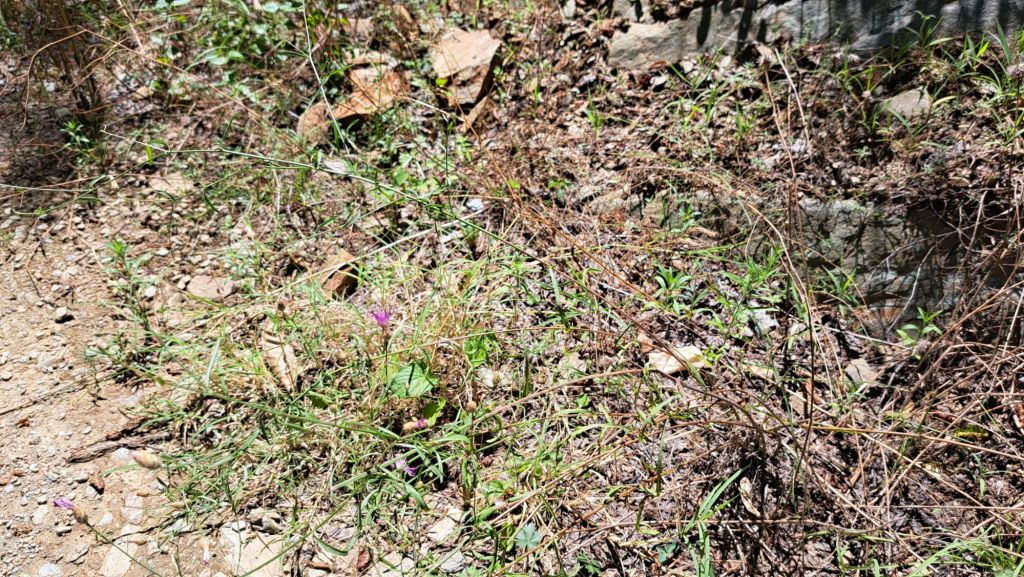
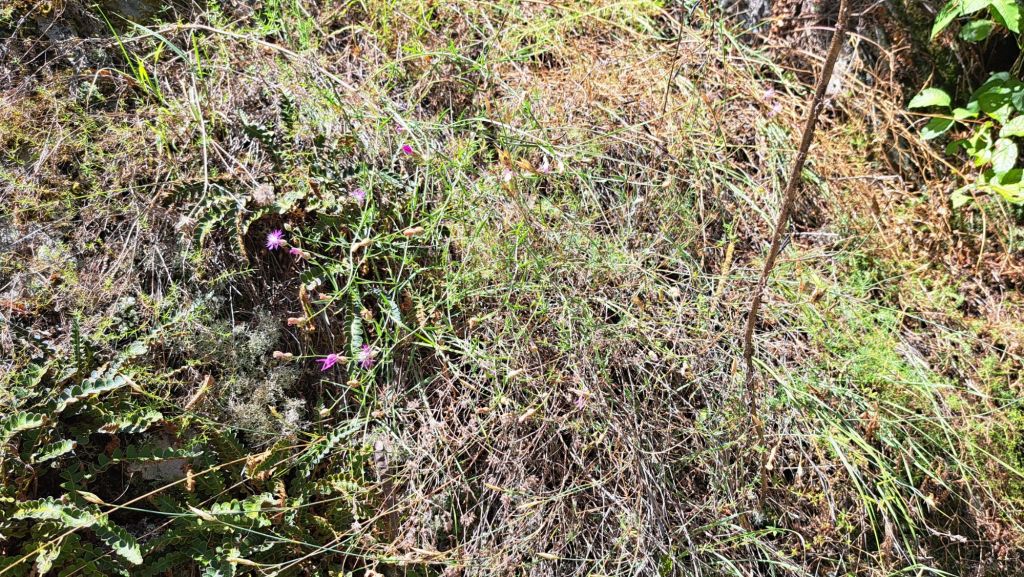
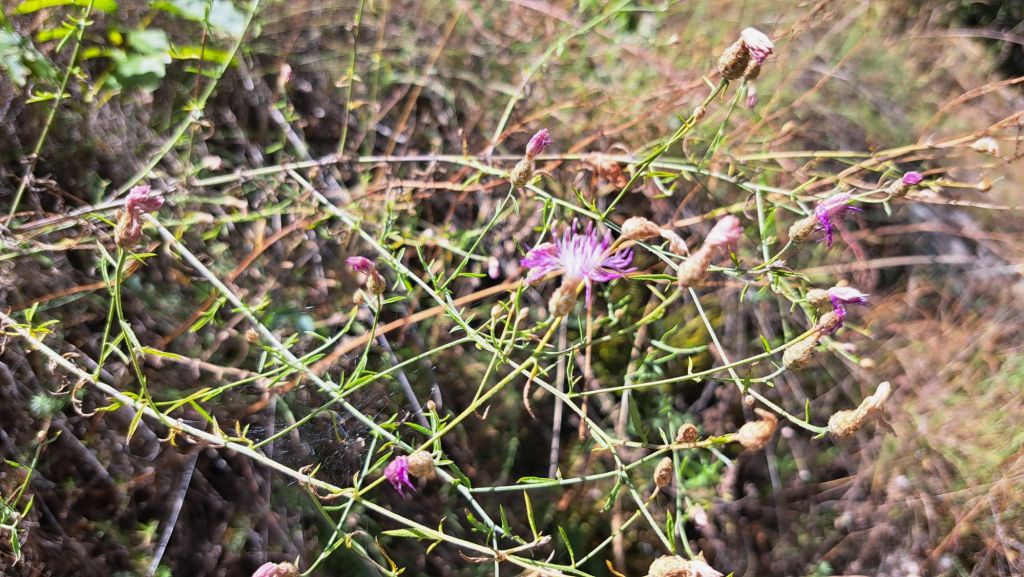
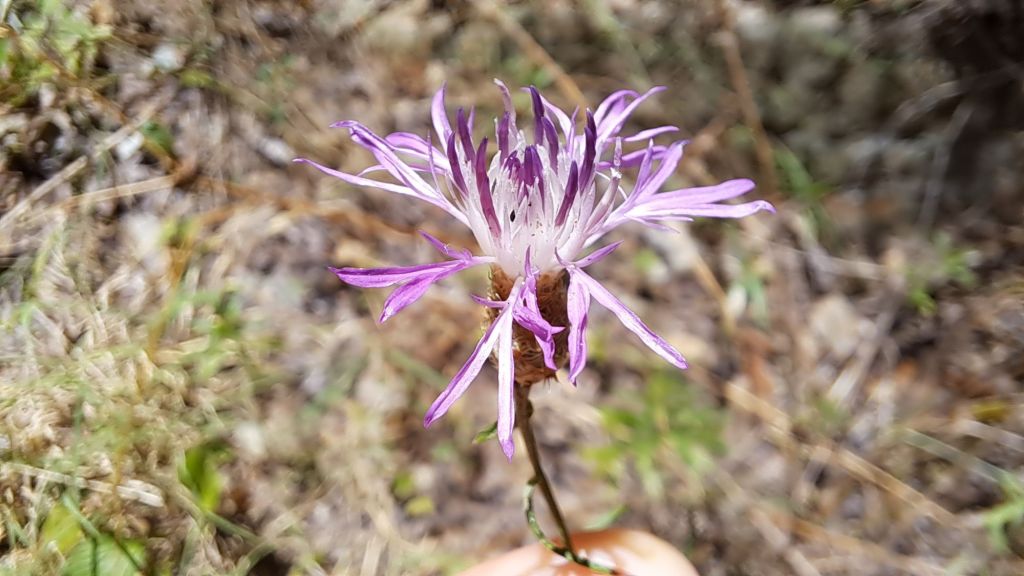
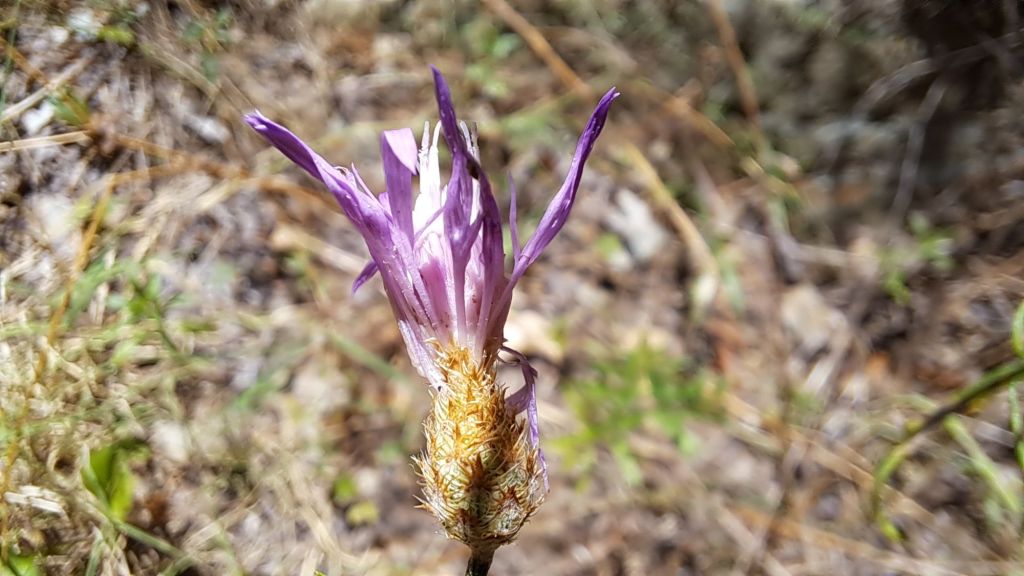
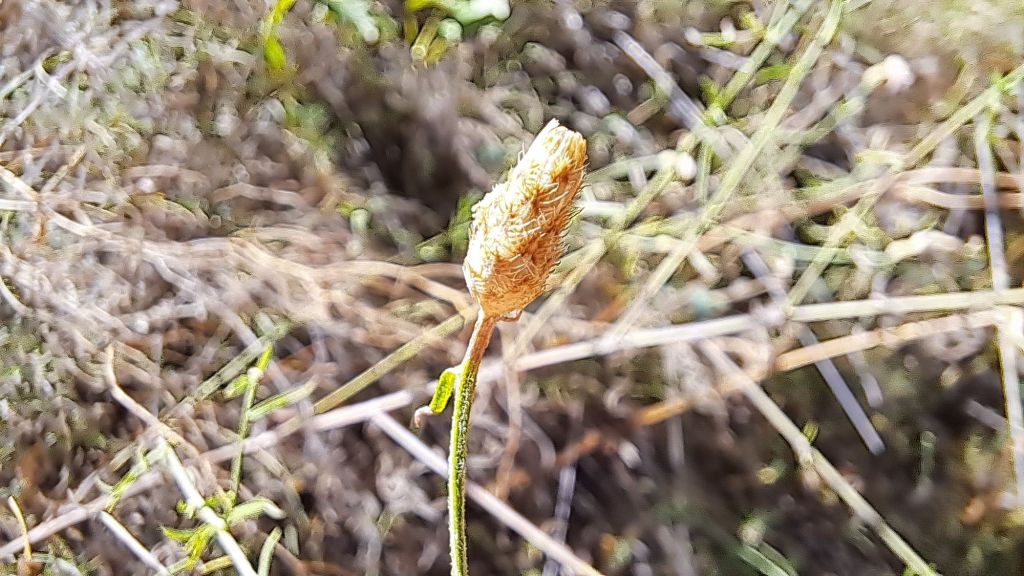
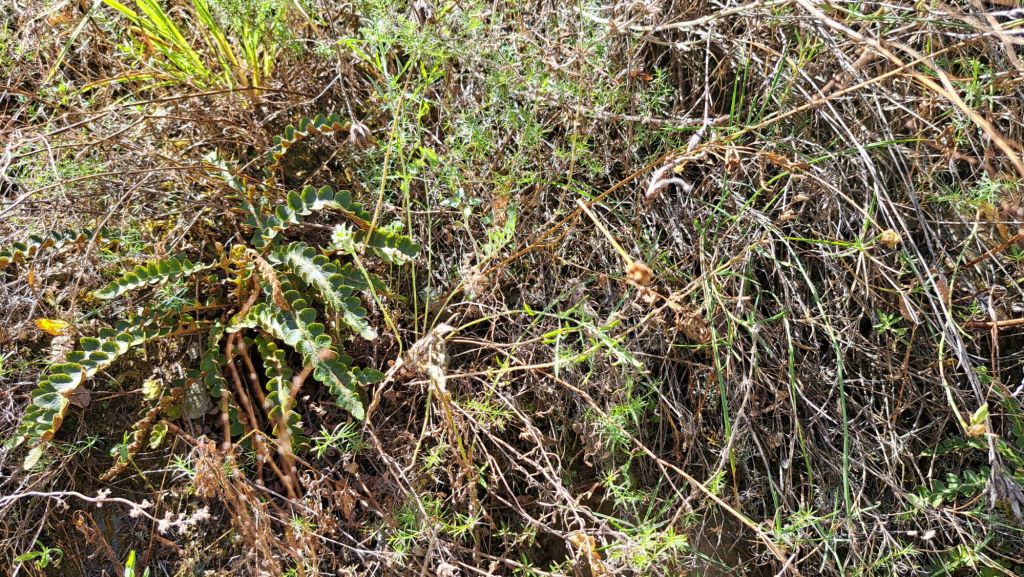
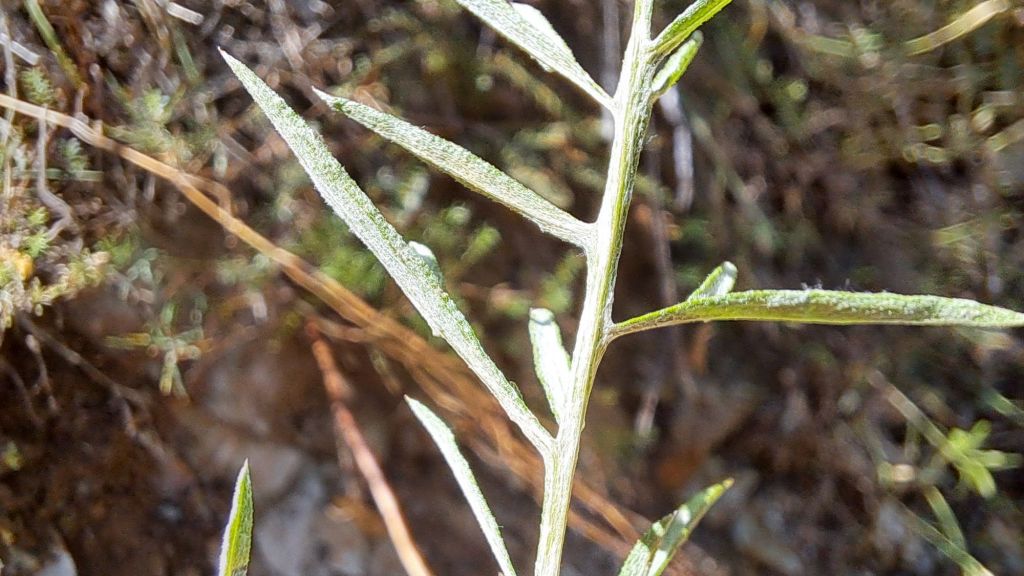
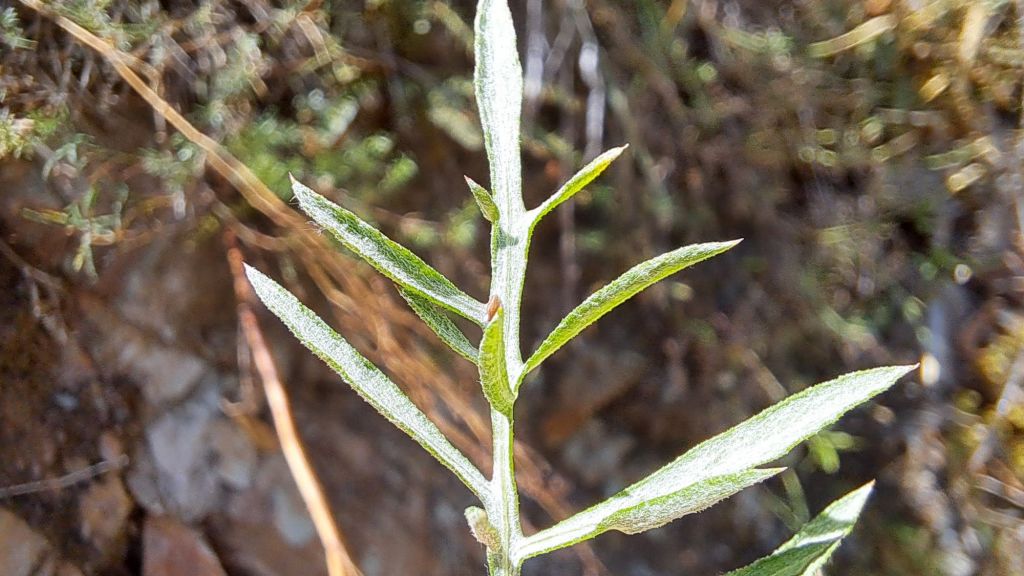
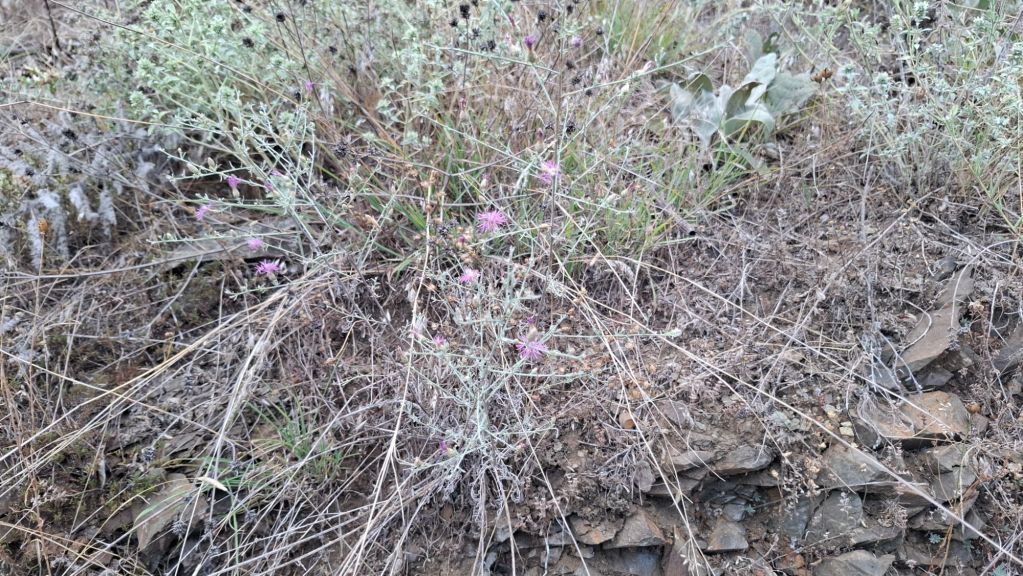
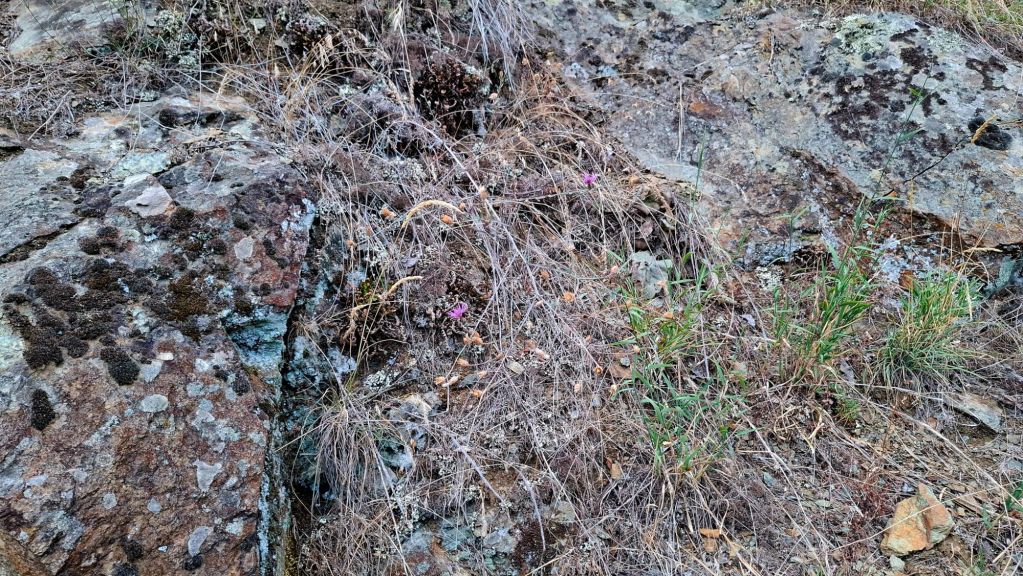
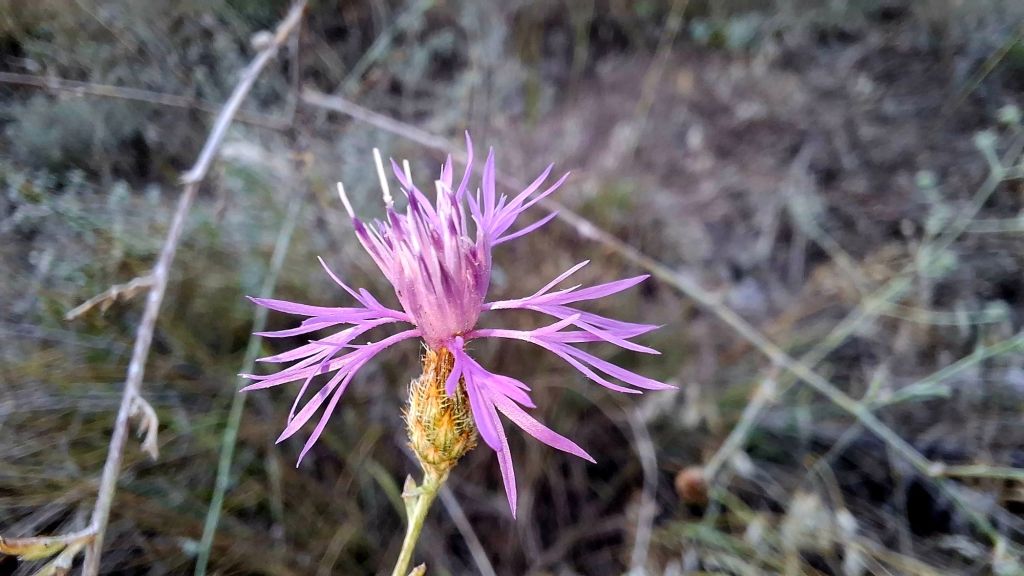
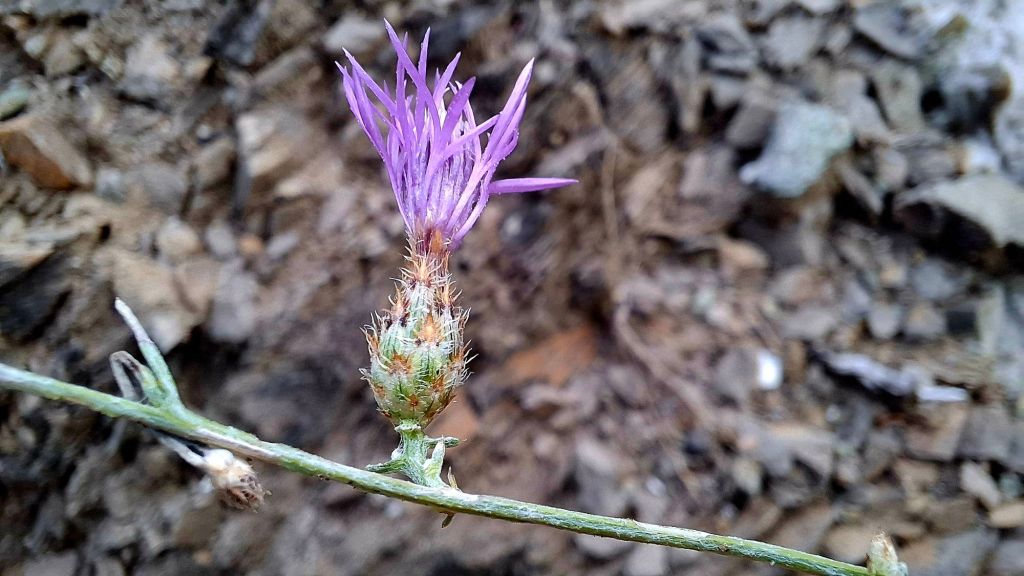
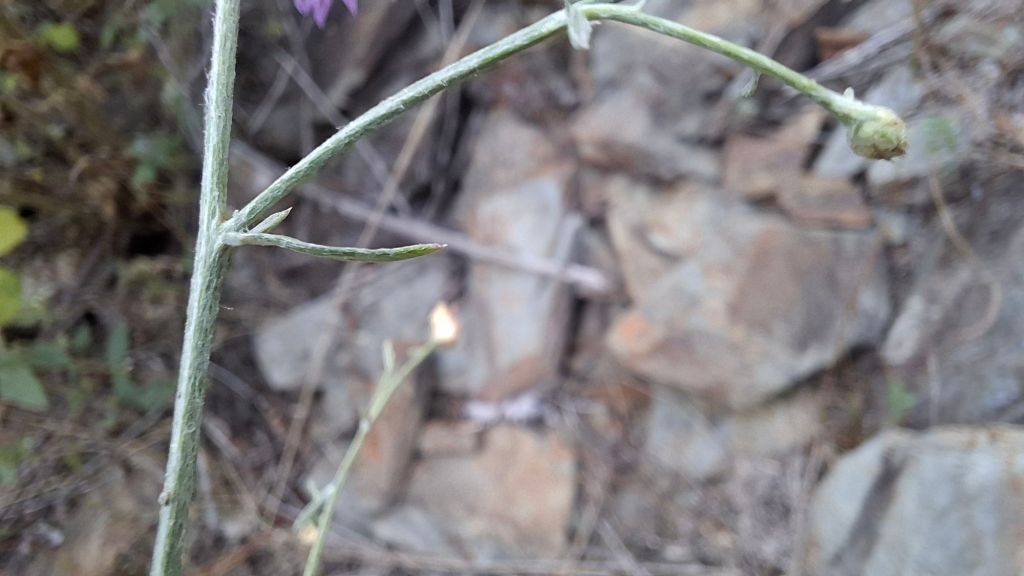
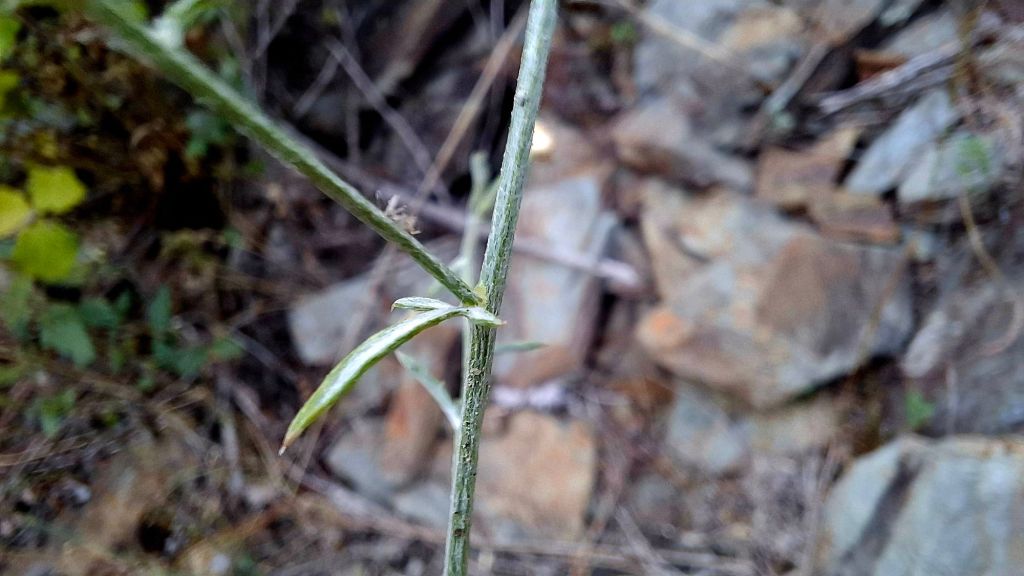
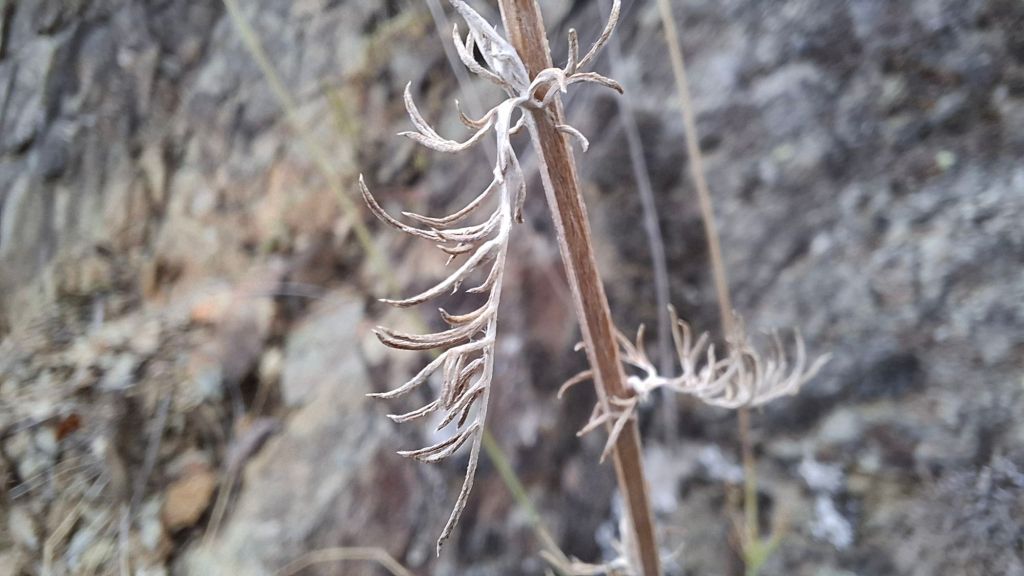
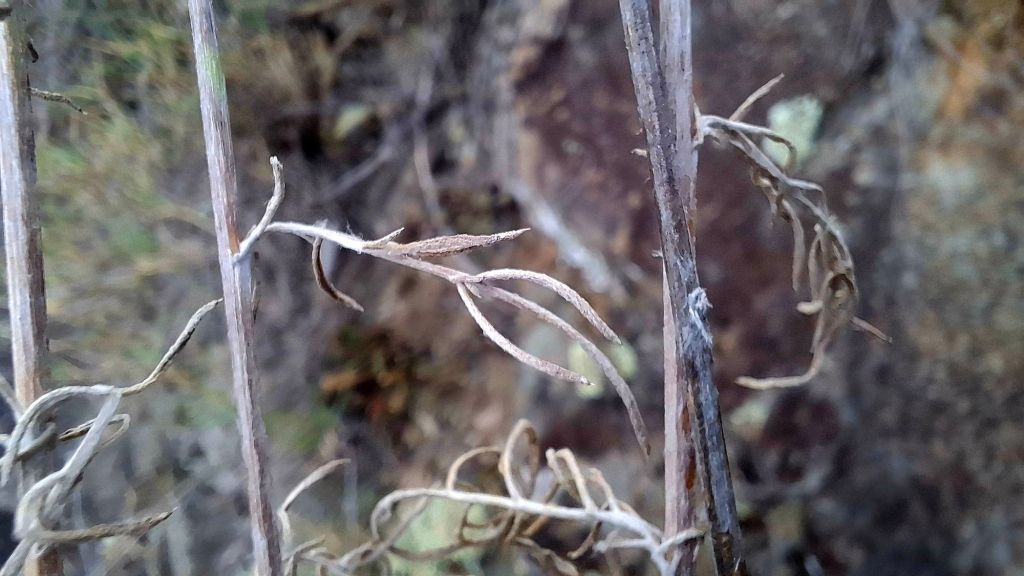
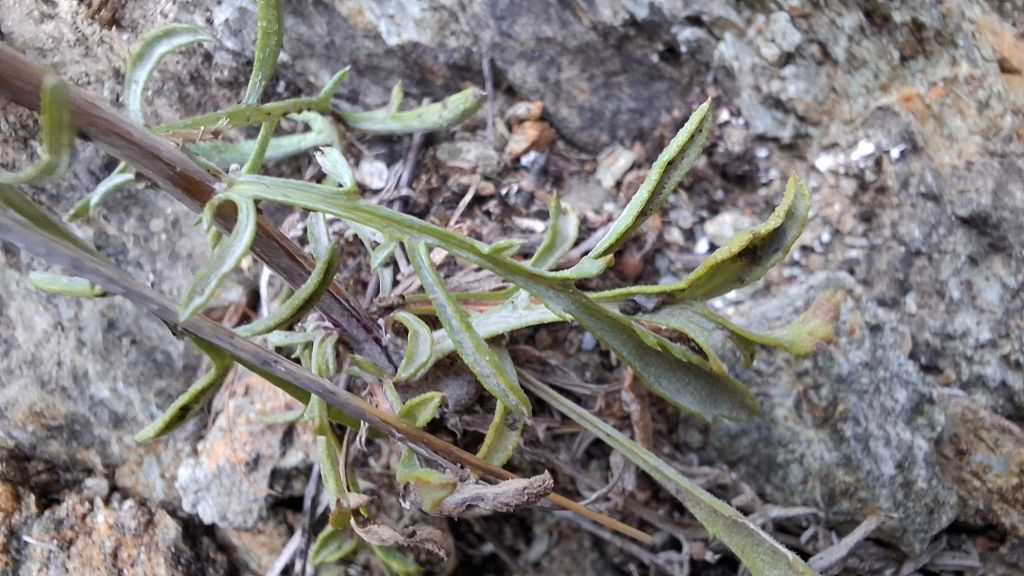
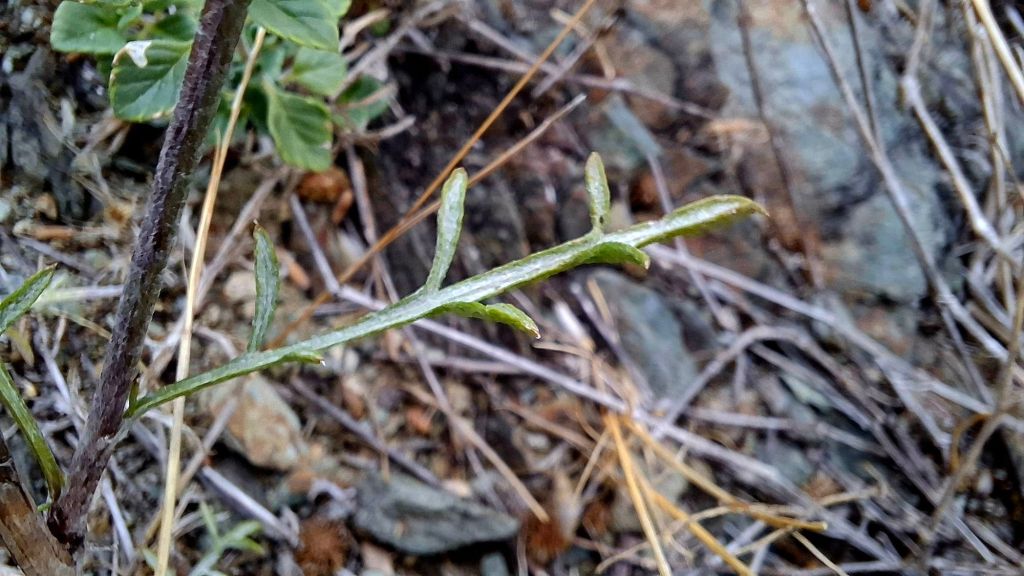
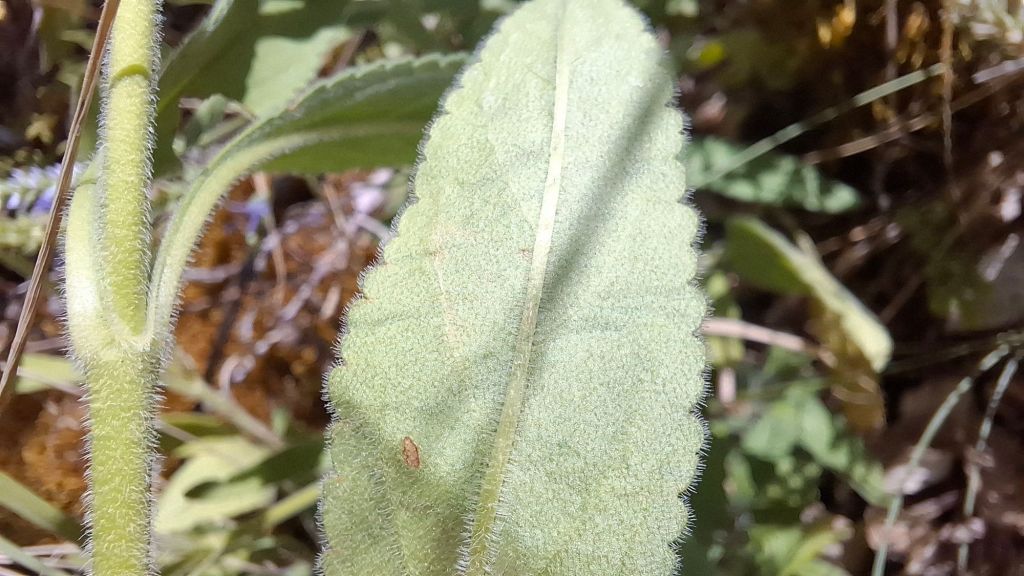
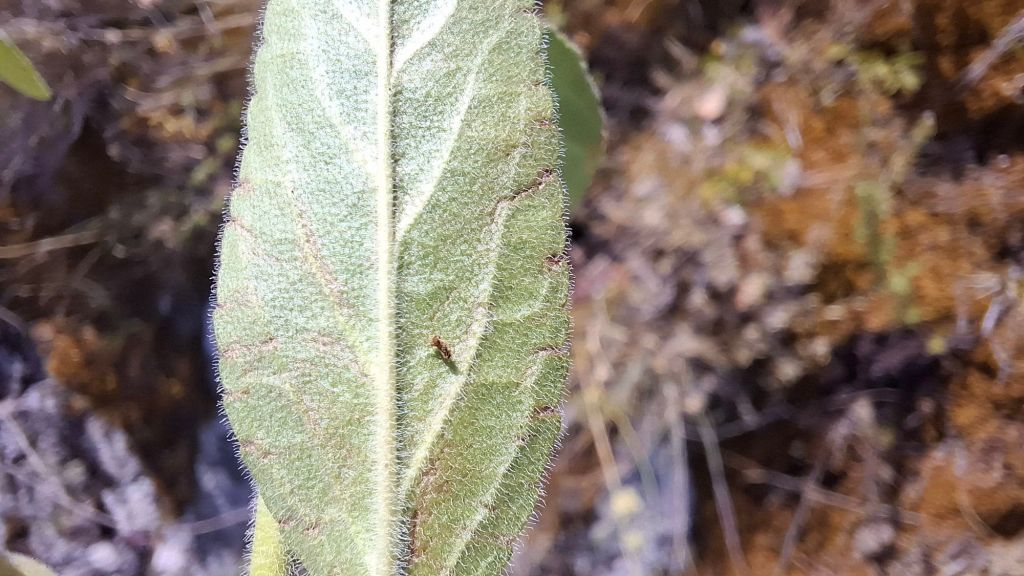
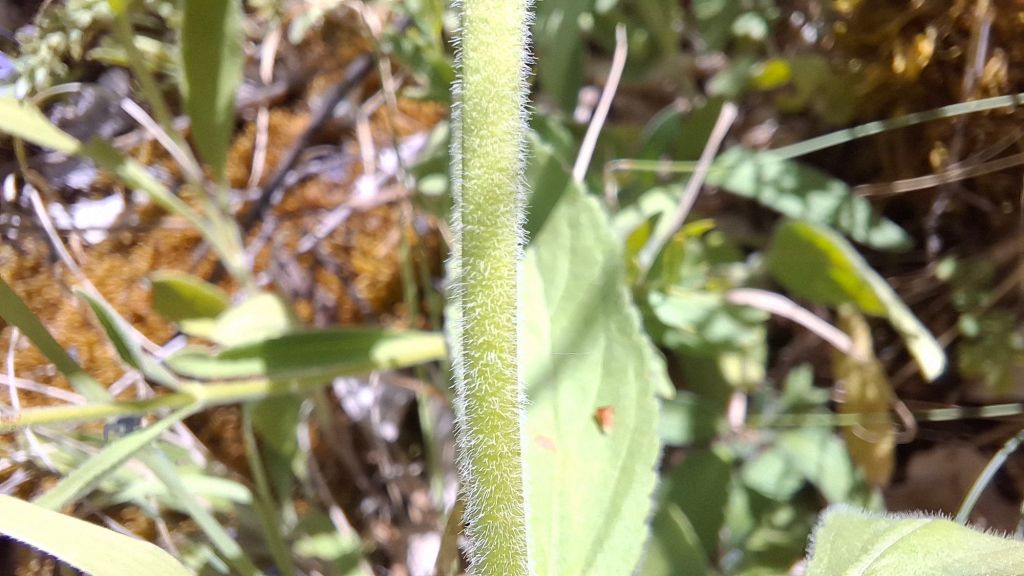
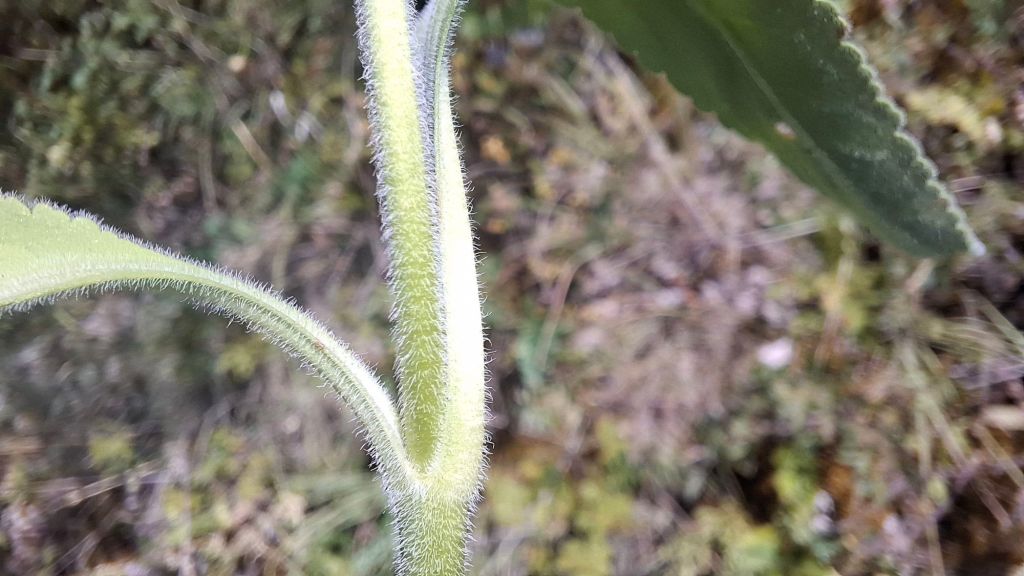
Centaurea stoebe – habit. Osogovo, rock cliffs between the village of Ratkovica and the Shtalkovichka River, 07.06.2026. Photo by Trajche Dimitrovski.Centaurea stoebe – habit. Osogovo, rock cliffs between the village of Ratkovica and the Shtalkovichka River, 07.06.2026. Photo by Trajche Dimitrovski.Centaurea stoebe – habit. Osogovo, rock cliffs between the village of Ratkovica and the Shtalkovichka River, 07.06.2026. Photo by Trajche Dimitrovski.Anogramma leptophylla – habit. Osogovo, rock cliffs between the village of Ratkovica and the Shtalkovichka River, 07.06.2026. Photo by Trajche Dimitrovski. Centaurea stoebe – habit. Osogovo, rock cliffs between the village of Ratkovica and the Shtalkovichka River, 07.06.2026. Photo by Trajche Dimitrovski.Centaurea stoebe – habit. Osogovo, rock cliffs between the village of Ratkovica and the Shtalkovichka River, 07.06.2026. Photo by Trajche Dimitrovski.Centaurea stoebe – habit. Osogovo, rock cliffs between the village of Ratkovica and the Shtalkovichka River, 07.06.2026. Photo by Trajche Dimitrovski.Centaurea stoebe – habit. Osogovo, rock cliffs between the village of Ratkovica and the Shtalkovichka River, 07.06.2026. Photo by Trajche Dimitrovski.Centaurea stoebe – habit. Osogovo, rock cliffs between the village of Ratkovica and the Shtalkovichka River, 07.06.2026. Photo by Trajche Dimitrovski.Centaurea stoebe – habit. Osogovo, rock cliffs between the village of Ratkovica and the Shtalkovichka River, 07.06.2026. Photo by Trajche Dimitrovski.Centaurea stoebe – habit. Osogovo, rock cliffs between the village of Ratkovica and the Shtalkovichka River, 07.06.2026. Photo by Trajche Dimitrovski.Centaurea stoebe – habit. Osogovo, rock cliffs between the village of Ratkovica and the Shtalkovichka River, 07.06.2026. Photo by Trajche Dimitrovski.Centaurea stoebe – synflorescence. Osogovo, rock cliffs between the village of Ratkovica and the Shtalkovichka River, 07.06.2026. Photo by Trajche Dimitrovski.Centaurea stoebe – synflorescence. Osogovo, rock cliffs between the village of Ratkovica and the Shtalkovichka River, 07.06.2026. Photo by Trajche Dimitrovski.Centaurea stoebe – synflorescence. Osogovo, rock cliffs between the village of Ratkovica and the Shtalkovichka River, 07.06.2026. Photo by Trajche Dimitrovski.Centaurea stoebe – capitulum. Osogovo, rock cliffs between the village of Ratkovica and the Shtalkovichka River, 07.06.2026. Photo by Trajche Dimitrovski.Centaurea stoebe – capitulum. Osogovo, rock cliffs between the village of Ratkovica and the Shtalkovichka River, 07.06.2026. Photo by Trajche Dimitrovski.Centaurea stoebe – capitulum. Osogovo, rock cliffs between the village of Ratkovica and the Shtalkovichka River, 07.06.2026. Photo by Trajche Dimitrovski.Centaurea stoebe – capitulum. Osogovo, rock cliffs between the village of Ratkovica and the Shtalkovichka River, 07.06.2026. Photo by Trajche Dimitrovski.Centaurea stoebe – capitulum. Osogovo, rock cliffs between the village of Ratkovica and the Shtalkovichka River, 07.06.2026. Photo by Trajche Dimitrovski.Centaurea stoebe – capitulum. Osogovo, rock cliffs between the village of Ratkovica and the Shtalkovichka River, 07.06.2026. Photo by Trajche Dimitrovski.Centaurea stoebe – capitulum. Osogovo, rock cliffs between the village of Ratkovica and the Shtalkovichka River, 07.06.2026. Photo by Trajche Dimitrovski.Centaurea stoebe – capitulum. Osogovo, rock cliffs between the village of Ratkovica and the Shtalkovichka River, 07.06.2026. Photo by Trajche Dimitrovski.Centaurea stoebe – side view of capitulum and involucre. Osogovo, rock cliffs between the village of Ratkovica and the Shtalkovichka River, 07.06.2026. Photo by Trajche Dimitrovski.Centaurea stoebe – side view of capitulum and involucre. Osogovo, rock cliffs between the village of Ratkovica and the Shtalkovichka River, 07.06.2026. Photo by Trajche Dimitrovski.Centaurea stoebe – side view of capitulum and involucre. Osogovo, rock cliffs between the village of Ratkovica and the Shtalkovichka River, 07.06.2026. Photo by Trajche Dimitrovski.Centaurea stoebe – side view of capitulum and involucre. Osogovo, rock cliffs between the village of Ratkovica and the Shtalkovichka River, 07.06.2026. Photo by Trajche Dimitrovski.Centaurea stoebe – fruiting capitulum. Osogovo, rock cliffs between the village of Ratkovica and the Shtalkovichka River, 07.06.2026. Photo by Trajche Dimitrovski.Centaurea stoebe – fruiting capitulum. Osogovo, rock cliffs between the village of Ratkovica and the Shtalkovichka River, 07.06.2026. Photo by Trajche Dimitrovski.Centaurea stoebe – fruiting capitulum. Osogovo, rock cliffs between the village of Ratkovica and the Shtalkovichka River, 07.06.2026. Photo by Trajche Dimitrovski.Centaurea stoebe – upper cauline leaf. Osogovo, rock cliffs between the village of Ratkovica and the Shtalkovichka River, 07.06.2026. Photo by Trajche Dimitrovski.Centaurea stoebe – upper cauline leaf. Osogovo, rock cliffs between the village of Ratkovica and the Shtalkovichka River, 07.06.2026. Photo by Trajche Dimitrovski.Centaurea stoebe – middle cauline leaf. Osogovo, rock cliffs between the village of Ratkovica and the Shtalkovichka River, 07.06.2026. Photo by Trajche Dimitrovski.Centaurea stoebe – middle cauline leaf. Osogovo, rock cliffs between the village of Ratkovica and the Shtalkovichka River, 07.06.2026. Photo by Trajche Dimitrovski.Centaurea stoebe – middle cauline leaf. Osogovo, rock cliffs between the village of Ratkovica and the Shtalkovichka River, 07.06.2026. Photo by Trajche Dimitrovski.Centaurea stoebe – middle cauline leaf. Osogovo, rock cliffs between the village of Ratkovica and the Shtalkovichka River, 07.06.2026. Photo by Trajche Dimitrovski.Centaurea stoebe – middle cauline leaf. Osogovo, rock cliffs between the village of Ratkovica and the Shtalkovichka River, 07.06.2026. Photo by Trajche Dimitrovski.Centaurea stoebe – stem with leaves. Osogovo, rock cliffs between the village of Ratkovica and the Shtalkovichka River, 07.06.2026. Photo by Trajche Dimitrovski.Centaurea stoebe – lower cauline leaf. Osogovo, rock cliffs between the village of Ratkovica and the Shtalkovichka River, 07.06.2026. Photo by Trajche Dimitrovski.Centaurea stoebe – lower cauline leaf. Osogovo, rock cliffs between the village of Ratkovica and the Shtalkovichka River, 07.06.2026. Photo by Trajche Dimitrovski.Centaurea stoebe – lower cauline leaf. Osogovo, rock cliffs between the village of Ratkovica and the Shtalkovichka River, 07.06.2026. Photo by Trajche Dimitrovski.Centaurea stoebe – adaxial side of cauline leaf. Osogovo, rock cliffs between the village of Ratkovica and the Shtalkovichka River, 07.06.2026. Photo by Trajche Dimitrovski.Centaurea stoebe – abaxial side of cauline leaf. Osogovo, rock cliffs between the village of Ratkovica and the Shtalkovichka River, 07.06.2026. Photo by Trajche Dimitrovski.Centaurea stoebe – abaxial side of cauline leaf. Osogovo, rock cliffs between the village of Ratkovica and the Shtalkovichka River, 07.06.2026. Photo by Trajche Dimitrovski.Centaurea stoebe – abaxial side of cauline leaf. Osogovo, rock cliffs between the village of Ratkovica and the Shtalkovichka River, 07.06.2026. Photo by Trajche Dimitrovski.Centaurea stoebe – basal leaves. Osogovo, rock cliffs between the village of Ratkovica and the Shtalkovichka River, 07.06.2026. Photo by Trajche Dimitrovski.Centaurea stoebe – basal leaves. Osogovo, rock cliffs between the village of Ratkovica and the Shtalkovichka River, 07.06.2026. Photo by Trajche Dimitrovski.Centaurea stoebe – basal leaves. Osogovo, rock cliffs between the village of Ratkovica and the Shtalkovichka River, 07.06.2026. Photo by Trajche Dimitrovski.Centaurea stoebe – adaxial side of basal leaf. Osogovo, rock cliffs between the village of Ratkovica and the Shtalkovichka River, 07.06.2026. Photo by Trajche Dimitrovski.Centaurea stoebe – adaxial side of basal leaf. Osogovo, rock cliffs between the village of Ratkovica and the Shtalkovichka River, 07.06.2026. Photo by Trajche Dimitrovski.Centaurea stoebe – abaxial side of basal leaf. Osogovo, rock cliffs between the village of Ratkovica and the Shtalkovichka River, 07.06.2026. Photo by Trajche Dimitrovski.Centaurea stoebe – abaxial side of basal leaf. Osogovo, rock cliffs between the village of Ratkovica and the Shtalkovichka River, 07.06.2026. Photo by Trajche Dimitrovski.Centaurea stoebe – abaxial side of basal leaf. Osogovo, rock cliffs between the village of Ratkovica and the Shtalkovichka River, 07.06.2026. Photo by Trajche Dimitrovski.Centaurea stoebe – petioles of basal leaves. Osogovo, rock cliffs between the village of Ratkovica and the Shtalkovichka River, 07.06.2026. Photo by Trajche Dimitrovski.
Locality: Probishtip, rock cliffs between the village of Ratkovica and the Shtalkovichka River, above Mangov kamen. Date: 07.06.2026. Purple-flowered form.
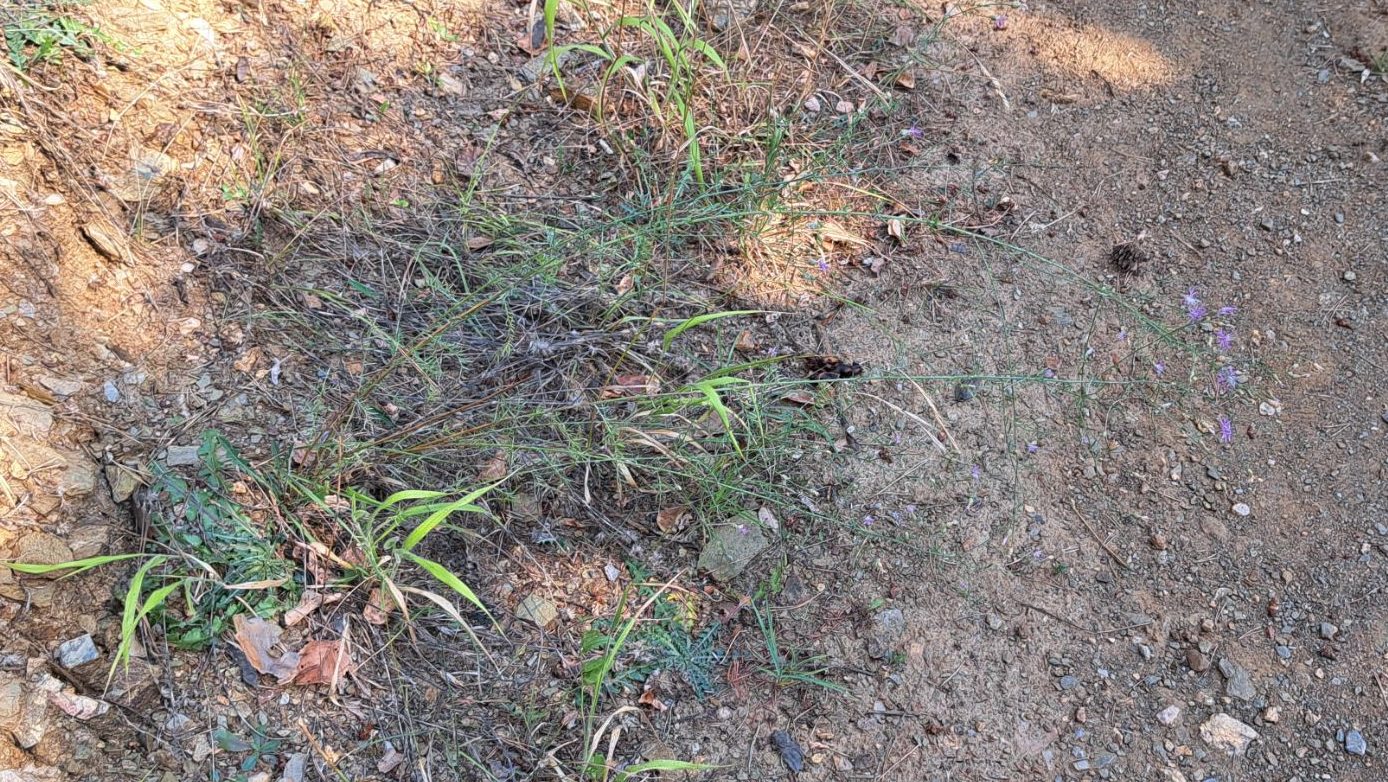
Centaurea stoebe – habit. Osogovo, rock cliffs between the village of Ratkovica and the Shtalkovichka River, 07.06.2026. Photo by Trajche Dimitrovski.Centaurea stoebe – habit. Osogovo, rock cliffs between the village of Ratkovica and the Shtalkovichka River, 07.06.2026. Photo by Trajche Dimitrovski.Centaurea stoebe – habit. Osogovo, rock cliffs between the village of Ratkovica and the Shtalkovichka River, 07.06.2026. Photo by Trajche Dimitrovski.Centaurea stoebe – habit. Osogovo, rock cliffs between the village of Ratkovica and the Shtalkovichka River, 07.06.2026. Photo by Trajche Dimitrovski.Centaurea stoebe – habit. Osogovo, rock cliffs between the village of Ratkovica and the Shtalkovichka River, 07.06.2026. Photo by Trajche Dimitrovski.Centaurea stoebe – habit. Osogovo, rock cliffs between the village of Ratkovica and the Shtalkovichka River, 07.06.2026. Photo by Trajche Dimitrovski.Centaurea stoebe – habit. Osogovo, rock cliffs between the village of Ratkovica and the Shtalkovichka River, 07.06.2026. Photo by Trajche Dimitrovski.Centaurea stoebe – habit. Osogovo, rock cliffs between the village of Ratkovica and the Shtalkovichka River, 07.06.2026. Photo by Trajche Dimitrovski.Centaurea stoebe – habit. Osogovo, rock cliffs between the village of Ratkovica and the Shtalkovichka River, 07.06.2026. Photo by Trajche Dimitrovski.Centaurea stoebe – capitulum. Osogovo, rock cliffs between the village of Ratkovica and the Shtalkovichka River, 07.06.2026. Photo by Trajche Dimitrovski.Centaurea stoebe – capitulum. Osogovo, rock cliffs between the village of Ratkovica and the Shtalkovichka River, 07.06.2026. Photo by Trajche Dimitrovski.Centaurea stoebe – capitulum. Osogovo, rock cliffs between the village of Ratkovica and the Shtalkovichka River, 07.06.2026. Photo by Trajche Dimitrovski.Centaurea stoebe – florets. Osogovo, rock cliffs between the village of Ratkovica and the Shtalkovichka River, 07.06.2026. Photo by Trajche Dimitrovski.Centaurea stoebe – side view of capitulum and involucre. Osogovo, rock cliffs between the village of Ratkovica and the Shtalkovichka River, 07.06.2026. Photo by Trajche Dimitrovski.Centaurea stoebe – side view of capitulum and involucre. Osogovo, rock cliffs between the village of Ratkovica and the Shtalkovichka River, 07.06.2026. Photo by Trajche Dimitrovski.Centaurea stoebe – side view of capitulum and involucre. Osogovo, rock cliffs between the village of Ratkovica and the Shtalkovichka River, 07.06.2026. Photo by Trajche Dimitrovski.Centaurea stoebe – side view of capitulum and involucre. Osogovo, rock cliffs between the village of Ratkovica and the Shtalkovichka River, 07.06.2026. Photo by Trajche Dimitrovski.Centaurea stoebe – side view of capitulum and involucre. Osogovo, rock cliffs between the village of Ratkovica and the Shtalkovichka River, 07.06.2026. Photo by Trajche Dimitrovski.Centaurea stoebe – fruiting capitulum. Osogovo, rock cliffs between the village of Ratkovica and the Shtalkovichka River, 07.06.2026. Photo by Trajche Dimitrovski.Centaurea stoebe – fruiting capitulum. Osogovo, rock cliffs between the village of Ratkovica and the Shtalkovichka River, 07.06.2026. Photo by Trajche Dimitrovski.Centaurea stoebe – fruiting capitulum. Osogovo, rock cliffs between the village of Ratkovica and the Shtalkovichka River, 07.06.2026. Photo by Trajche Dimitrovski.Centaurea stoebe – fruiting capitulum. Osogovo, rock cliffs between the village of Ratkovica and the Shtalkovichka River, 07.06.2026. Photo by Trajche Dimitrovski.Centaurea stoebe – stem with leaves. Osogovo, rock cliffs between the village of Ratkovica and the Shtalkovichka River, 07.06.2026. Photo by Trajche Dimitrovski.Centaurea stoebe – stem and leaf. Osogovo, rock cliffs between the village of Ratkovica and the Shtalkovichka River, 07.06.2026. Photo by Trajche Dimitrovski.Centaurea stoebe – basal leaf. Osogovo, rock cliffs between the village of Ratkovica and the Shtalkovichka River, 07.06.2026. Photo by Trajche Dimitrovski.Centaurea stoebe – adaxial side of basal leaf. Osogovo, rock cliffs between the village of Ratkovica and the Shtalkovichka River, 07.06.2026. Photo by Trajche Dimitrovski.Centaurea stoebe – abaxial side of basal leaf. Osogovo, rock cliffs between the village of Ratkovica and the Shtalkovichka River, 07.06.2026. Photo by Trajche Dimitrovski.
Locality: Probishtip, rock cliffs between the village of Ratkovica and the Shtalkovichka River, above Mangov kamen. Date: 07.06.2026. Young plants in first year of growth.
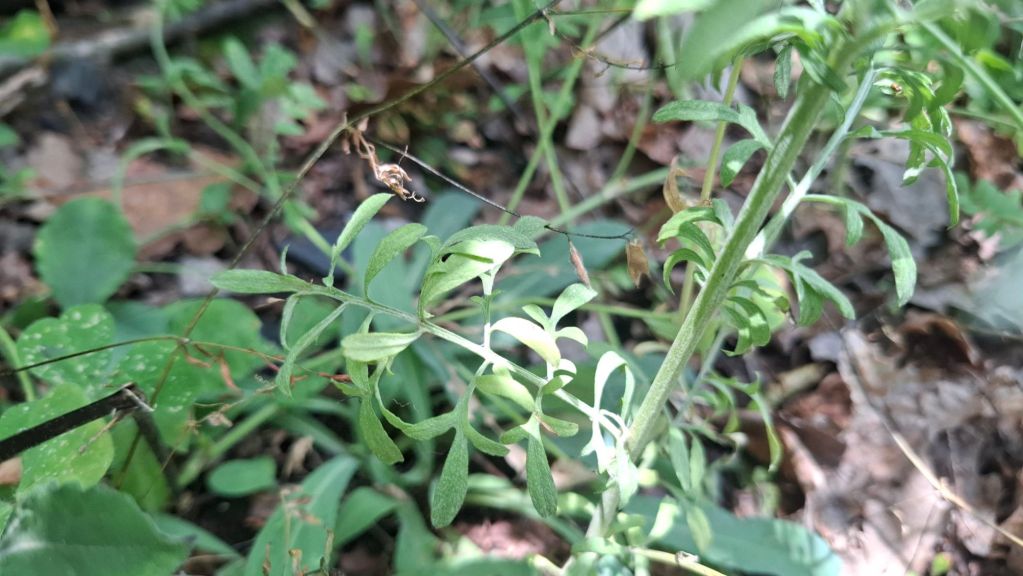
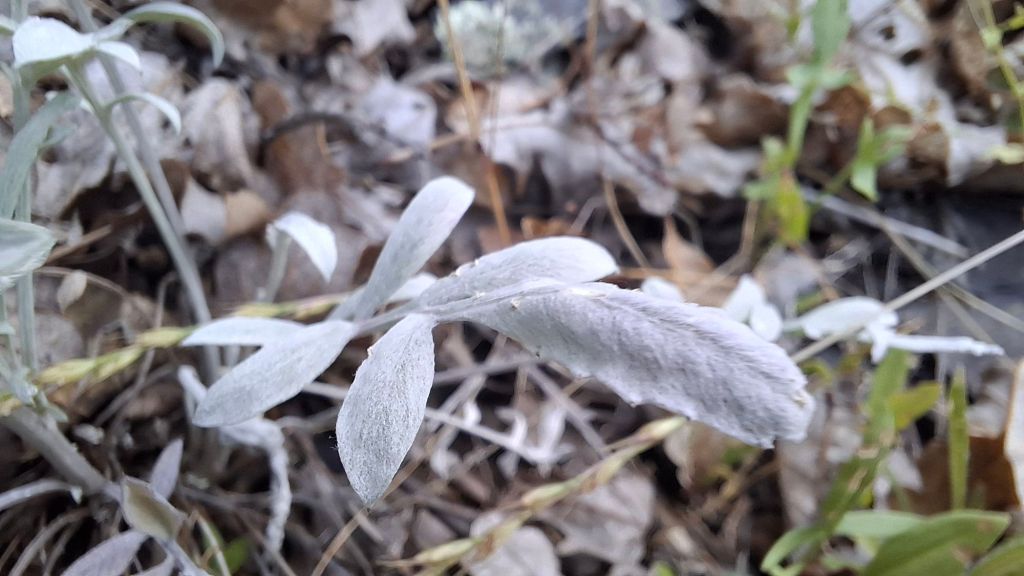
Centaurea stoebe – young plant in the rosette stage. Osogovo, rock cliffs between the village of Ratkovica and the Shtalkovichka River, 07.06.2026. Photo by Trajche Dimitrovski.Centaurea stoebe – young plant in the rosette stage. Osogovo, rock cliffs between the village of Ratkovica and the Shtalkovichka River, 07.06.2026. Photo by Trajche Dimitrovski.Centaurea stoebe – young plant in the rosette stage. Osogovo, rock cliffs between the village of Ratkovica and the Shtalkovichka River, 07.06.2026. Photo by Trajche Dimitrovski.Centaurea stoebe – young plant in the rosette stage. Osogovo, rock cliffs between the village of Ratkovica and the Shtalkovichka River, 07.06.2026. Photo by Trajche Dimitrovski.Centaurea stoebe – young plant in the rosette stage. Osogovo, rock cliffs between the village of Ratkovica and the Shtalkovichka River, 07.06.2026. Photo by Trajche Dimitrovski.Centaurea stoebe – adaxial side of basal leaf. Osogovo, rock cliffs between the village of Ratkovica and the Shtalkovichka River, 07.06.2026. Photo by Trajche Dimitrovski.Centaurea stoebe – adaxial side of basal leaf. Osogovo, rock cliffs between the village of Ratkovica and the Shtalkovichka River, 07.06.2026. Photo by Trajche Dimitrovski.Centaurea stoebe – abaxial side of basal leaf. Osogovo, rock cliffs between the village of Ratkovica and the Shtalkovichka River, 07.06.2026. Photo by Trajche Dimitrovski.Centaurea stoebe – abaxial side of basal leaf. Osogovo, rock cliffs between the village of Ratkovica and the Shtalkovichka River, 07.06.2026. Photo by Trajche Dimitrovski.
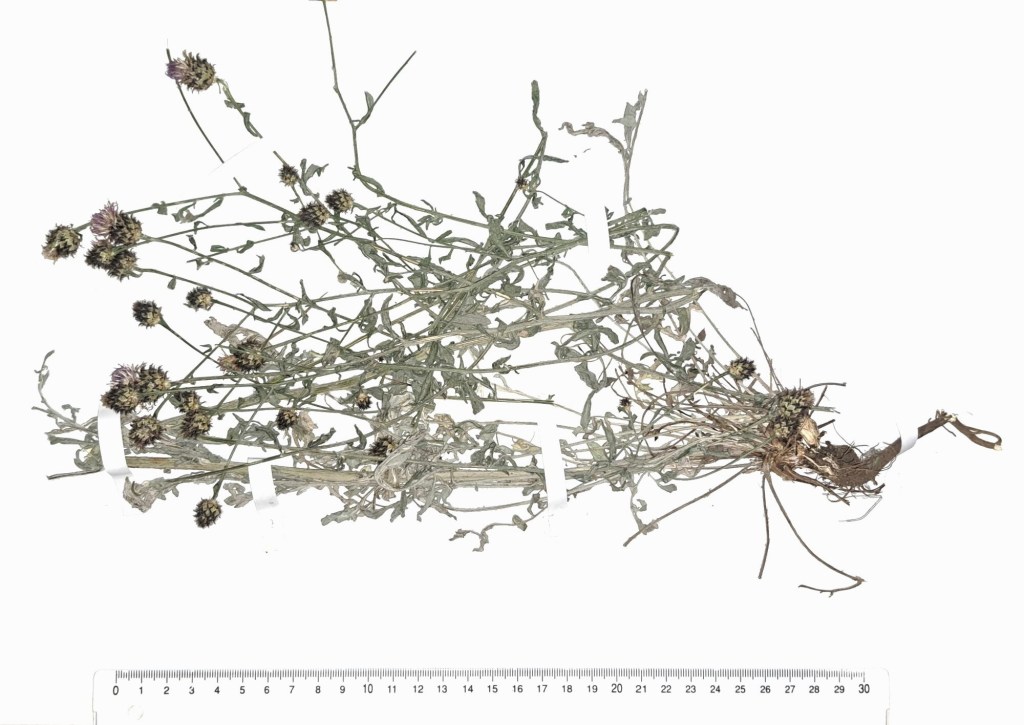
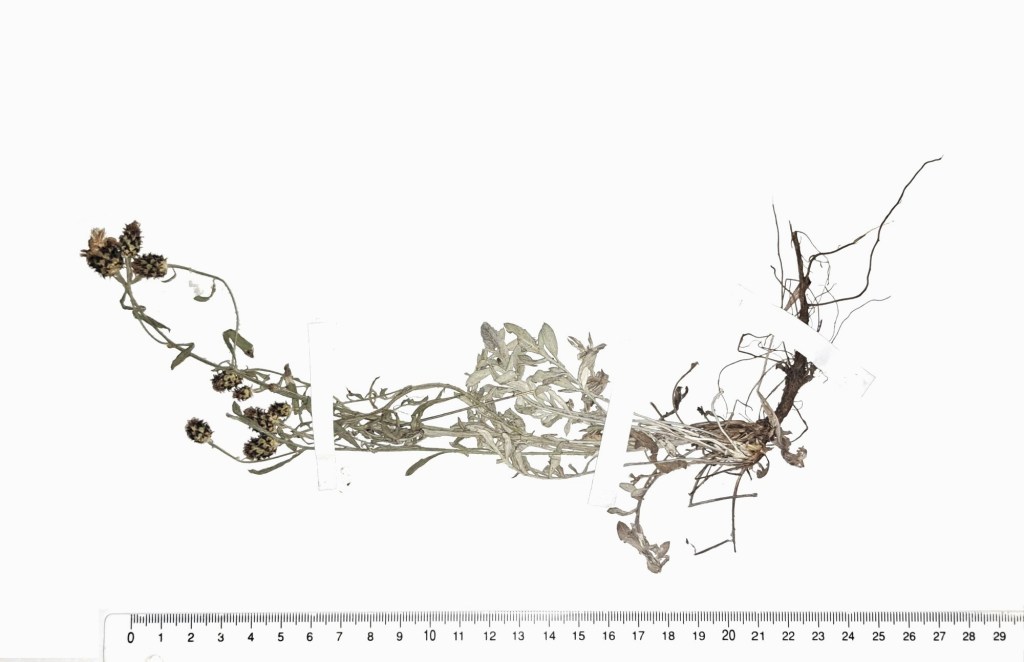
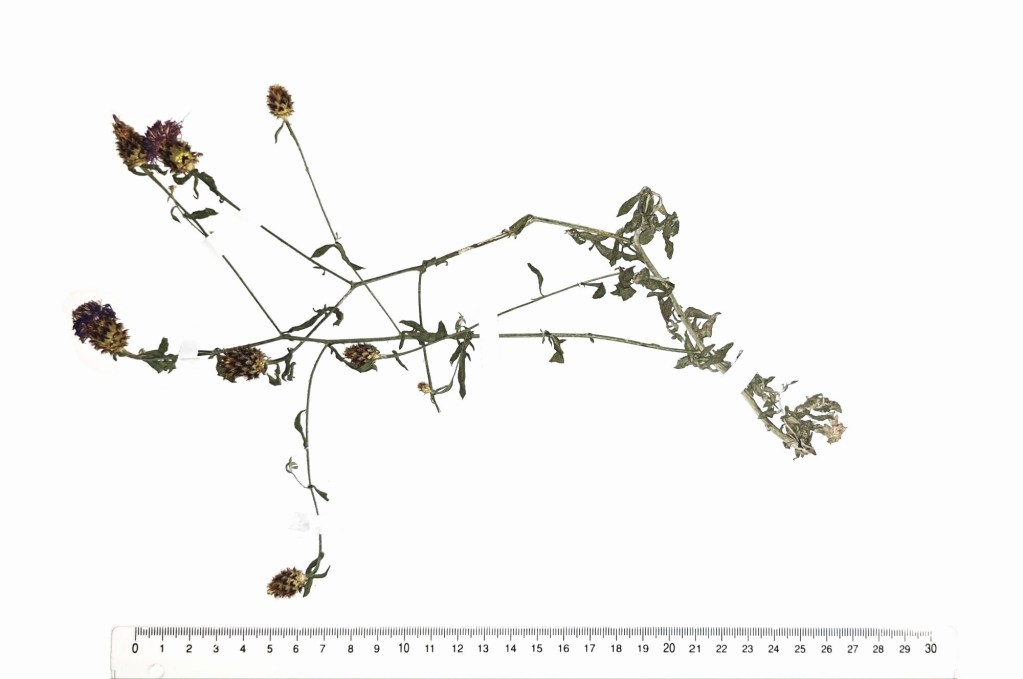
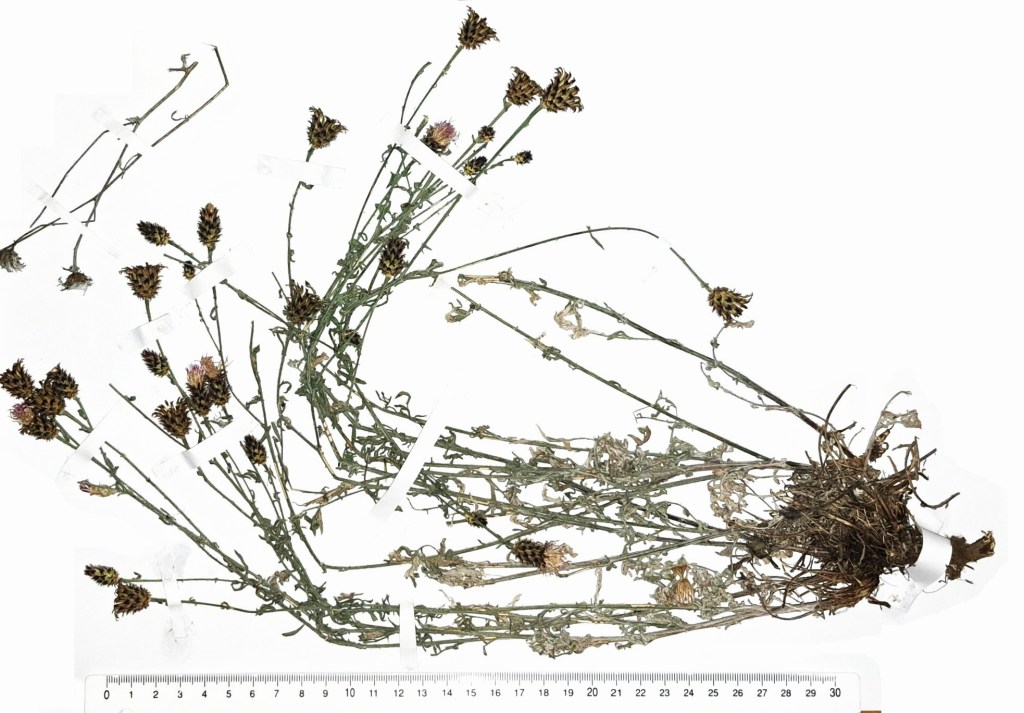
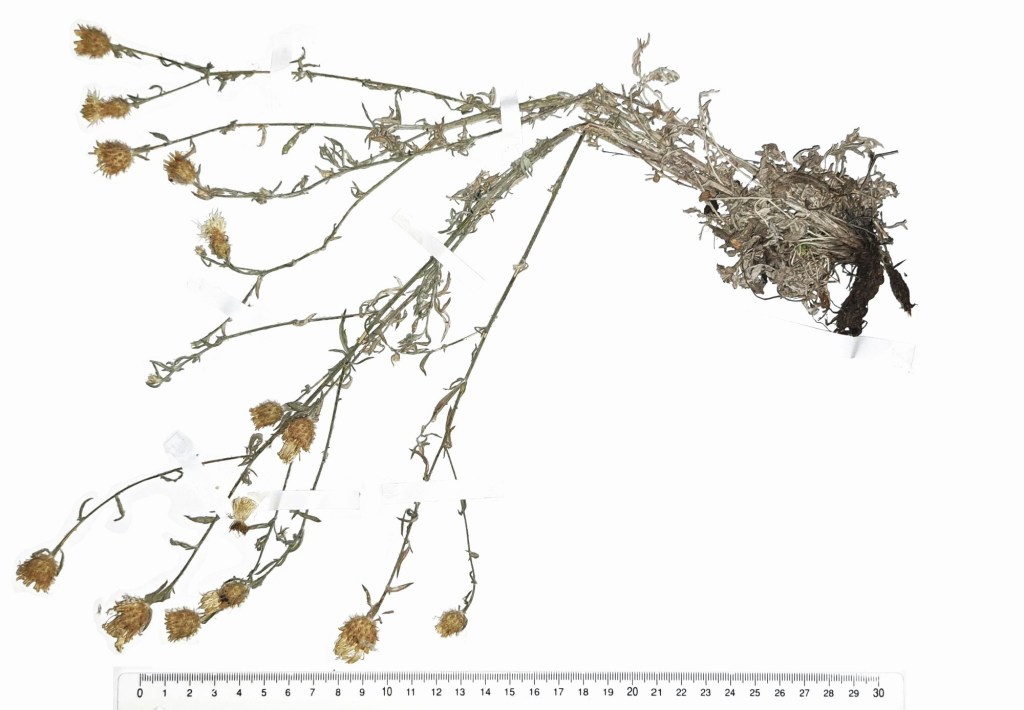
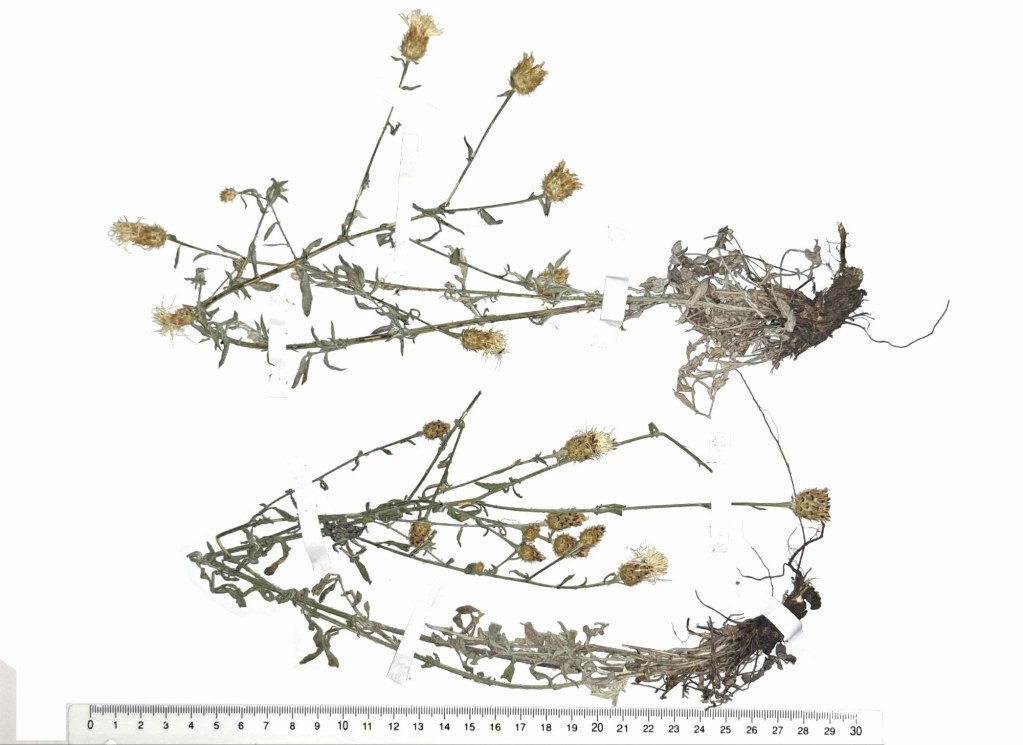
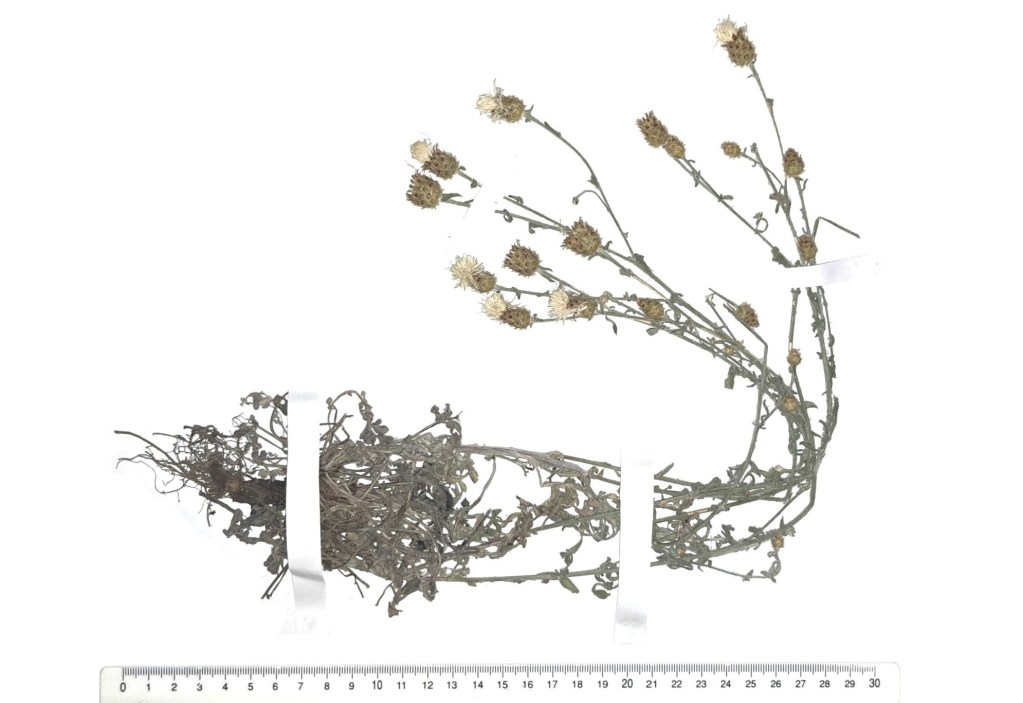
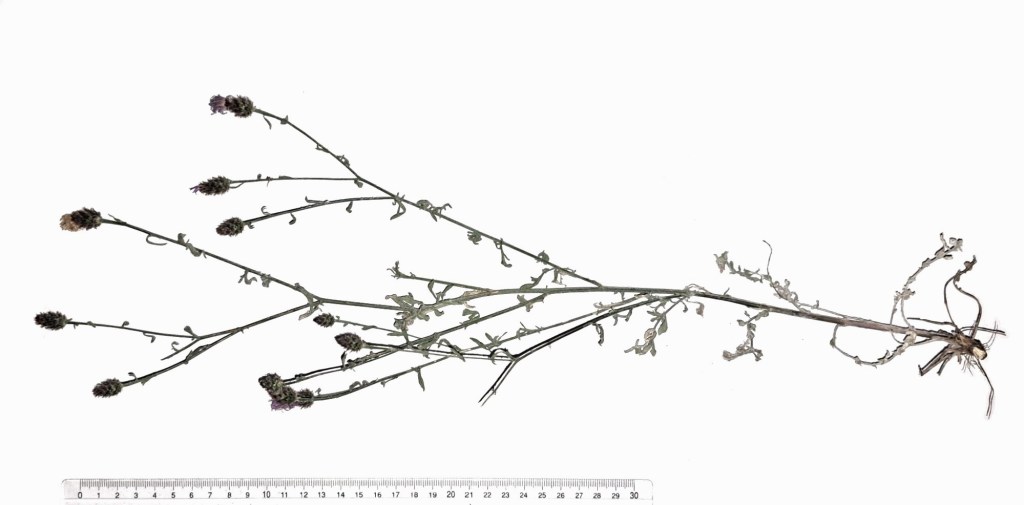
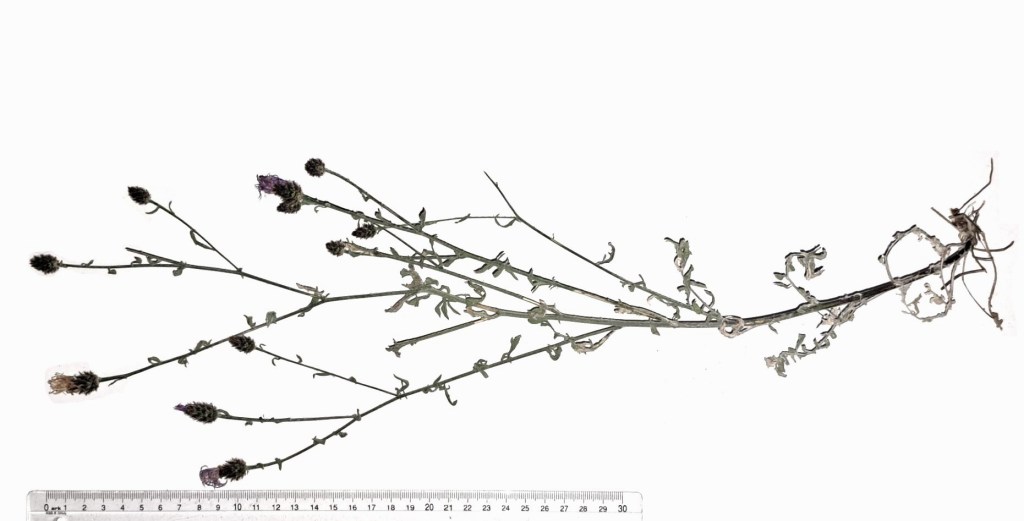
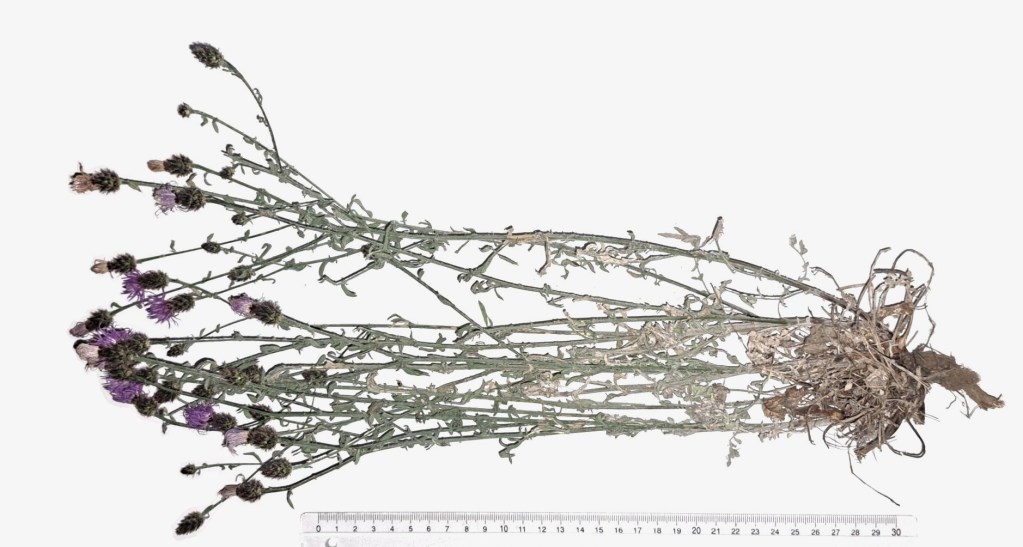
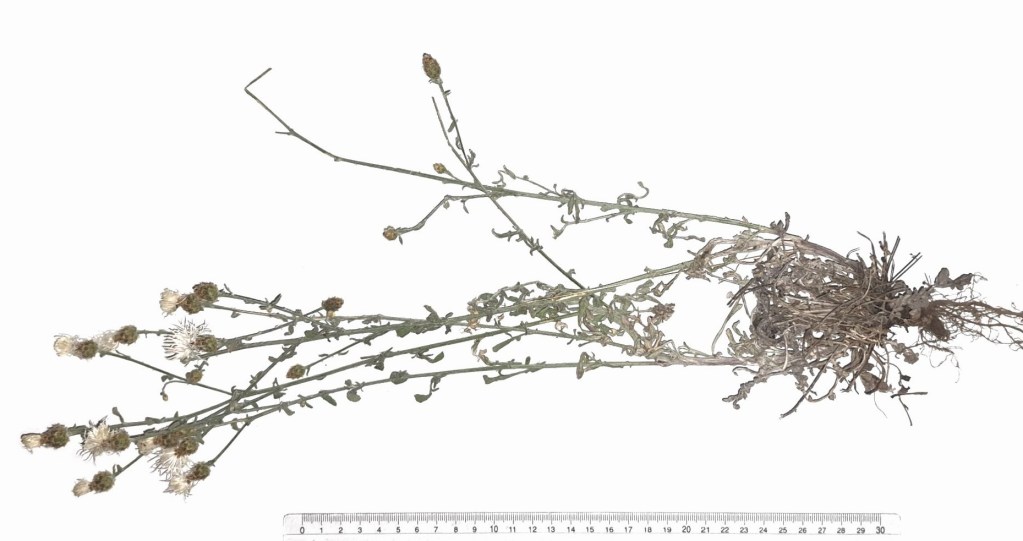
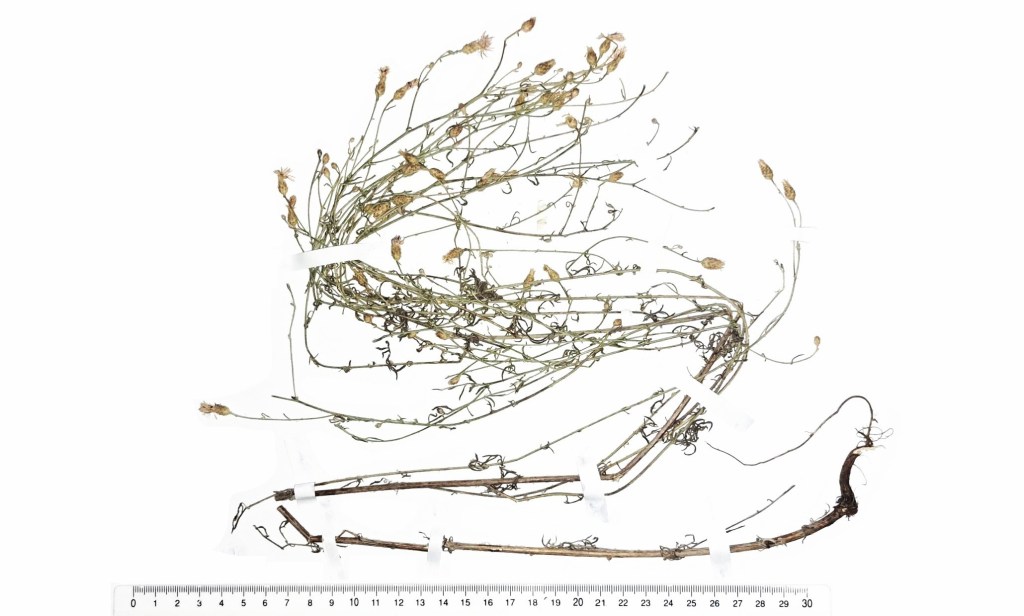
Images of herbarium specimens. Specimens from Probishtip, rocks cliffs rock cliffs between the village of Ratkovica and the Shtalkovichka River, collected 07.06.2026.
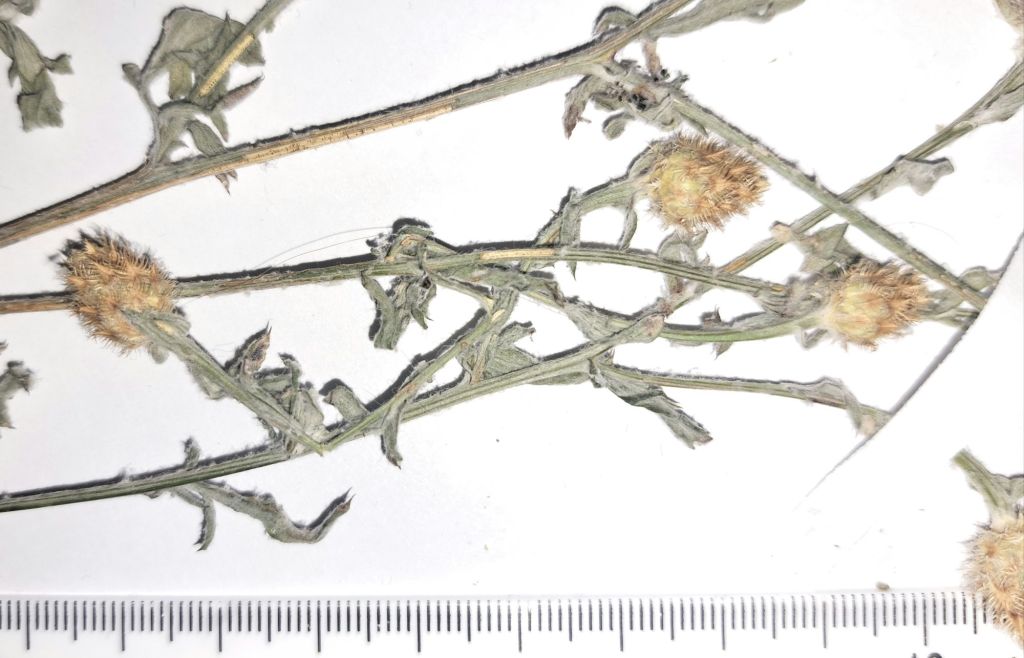
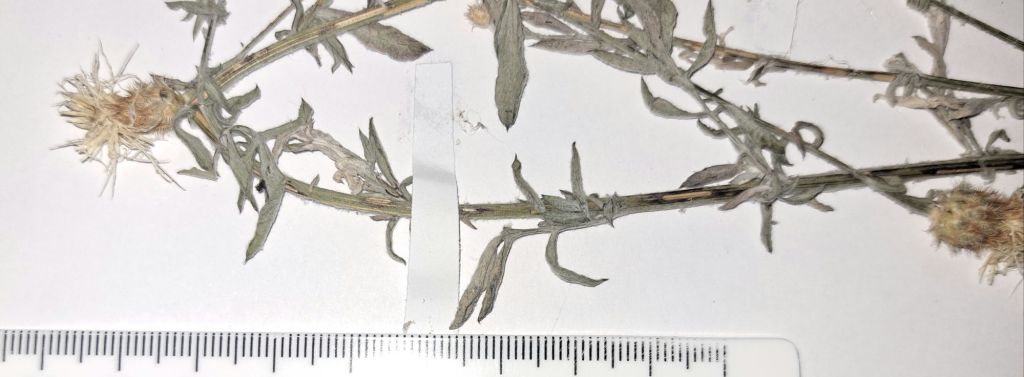
Centaurea stoebe – herbarium specimen. Scale in cm. Photo by Trajche Dimitrovski.Centaurea stoebe – herbarium specimen. Scale in cm. Photo by Trajche Dimitrovski.Centaurea stoebe – herbarium specimen. Scale in cm. Photo by Trajche Dimitrovski.Centaurea stoebe – herbarium specimen. Scale in cm. Photo by Trajche Dimitrovski.Centaurea stoebe – herbarium specimen. Scale in cm. Photo by Trajche Dimitrovski.Centaurea stoebe – herbarium specimen. Scale in cm. Photo by Trajche Dimitrovski.Centaurea stoebe – herbarium specimen. Scale in cm. Photo by Trajche Dimitrovski.Centaurea stoebe – herbarium specimen. Scale in cm. Photo by Trajche Dimitrovski.
Scaled images and close-ups. Specimens from Probishtip, rocks cliffs rock cliffs between the village of Ratkovica and the Shtalkovichka River. Date: 07.06.2026.
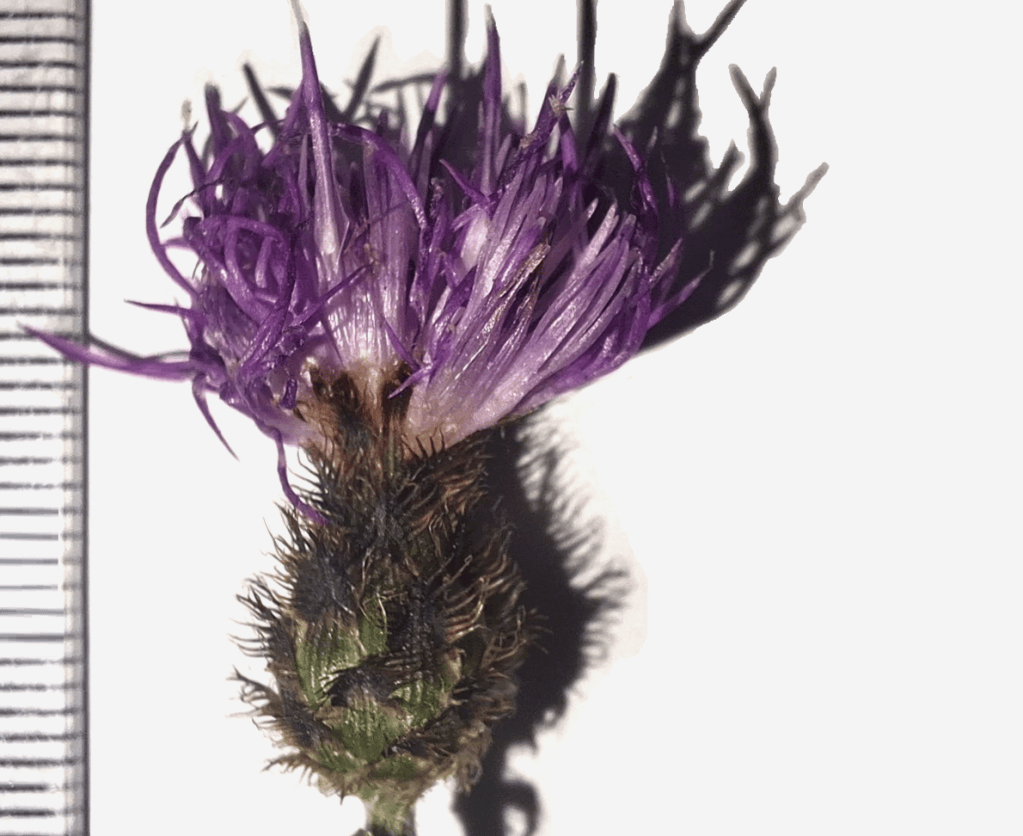
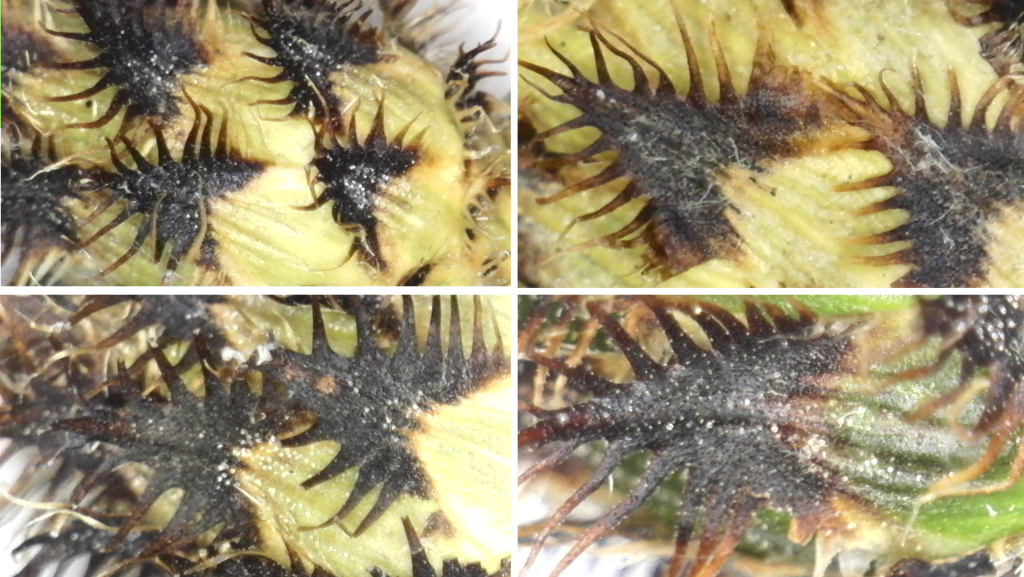
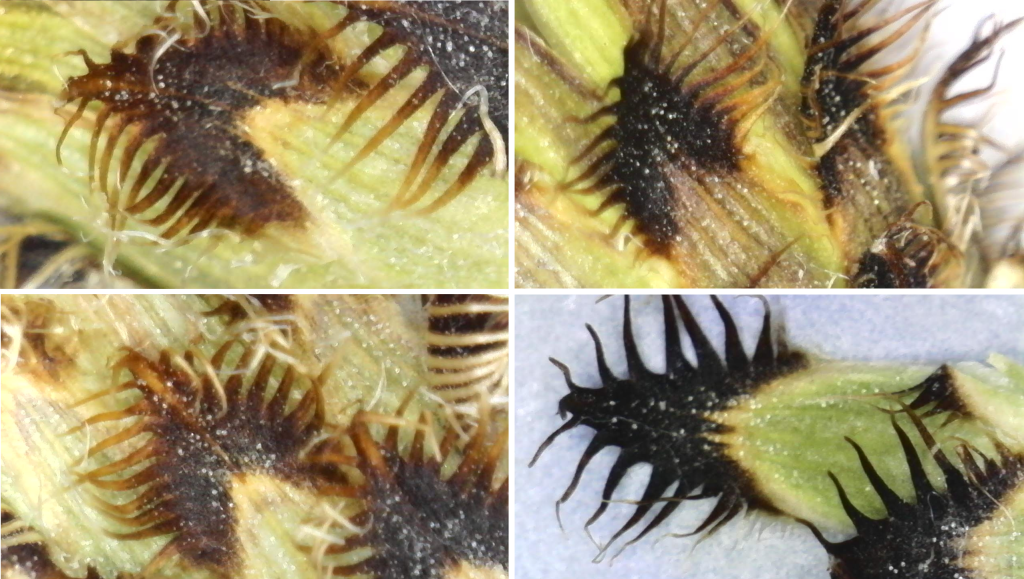
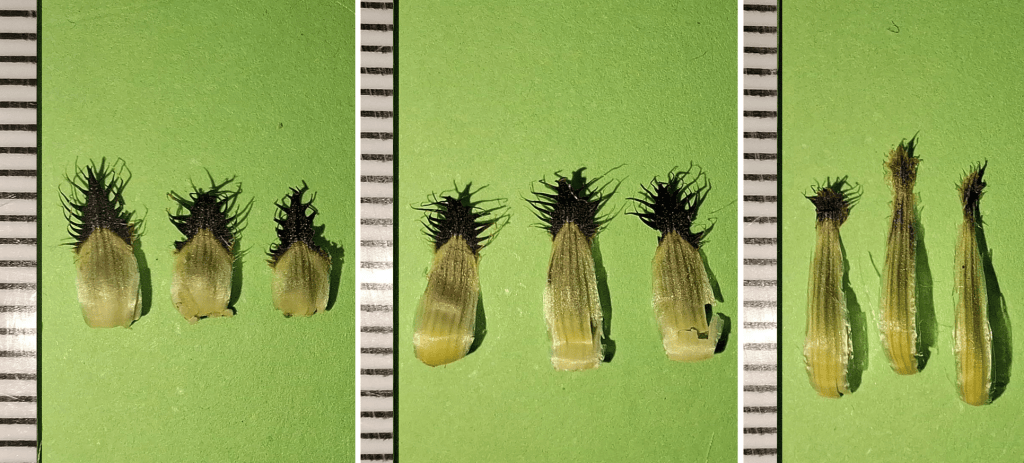
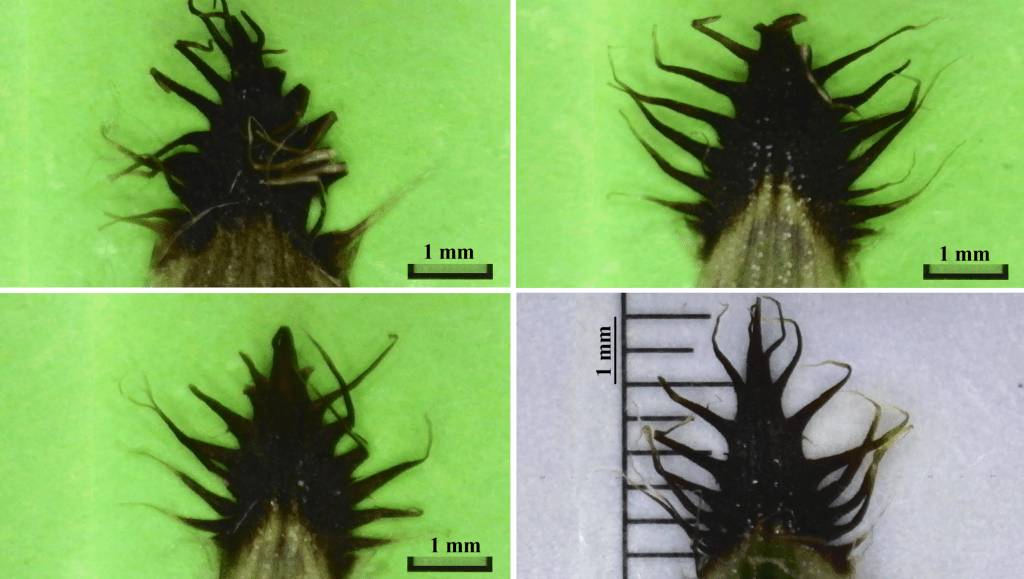
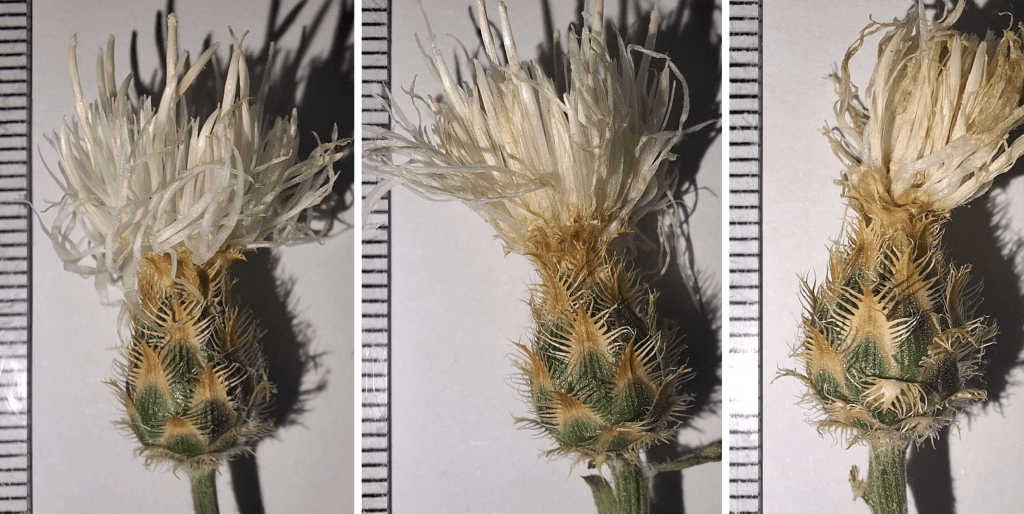
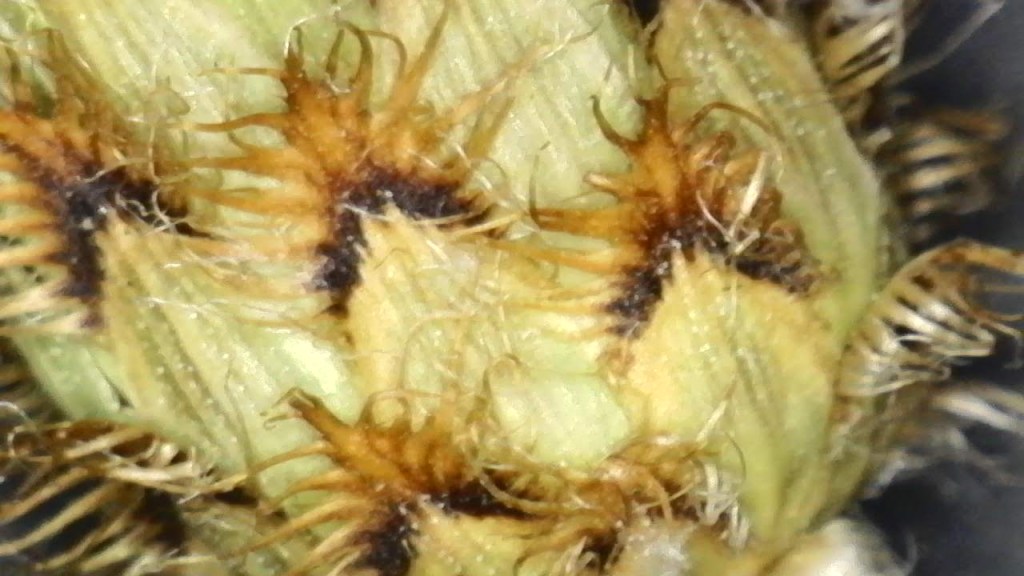
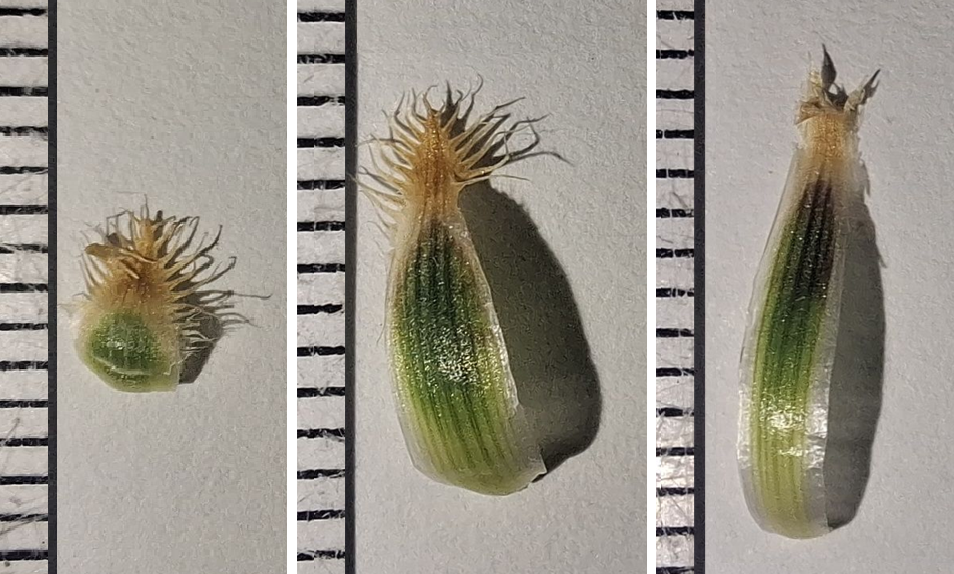
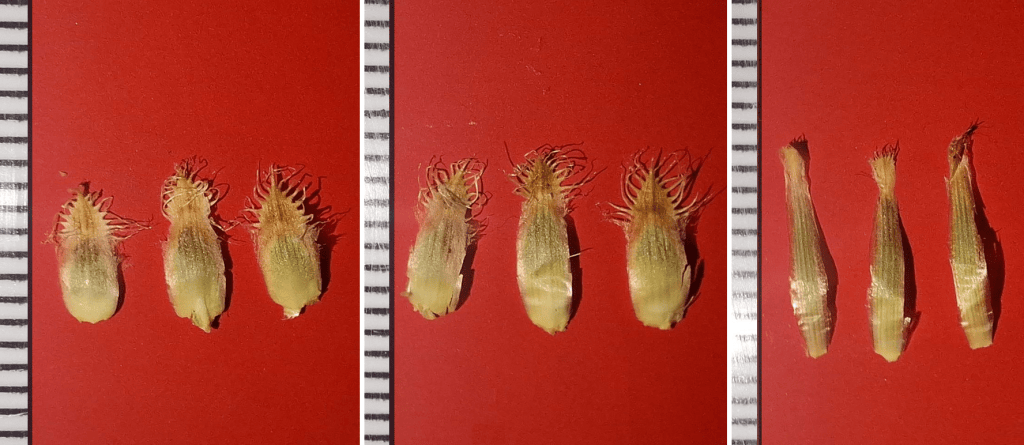
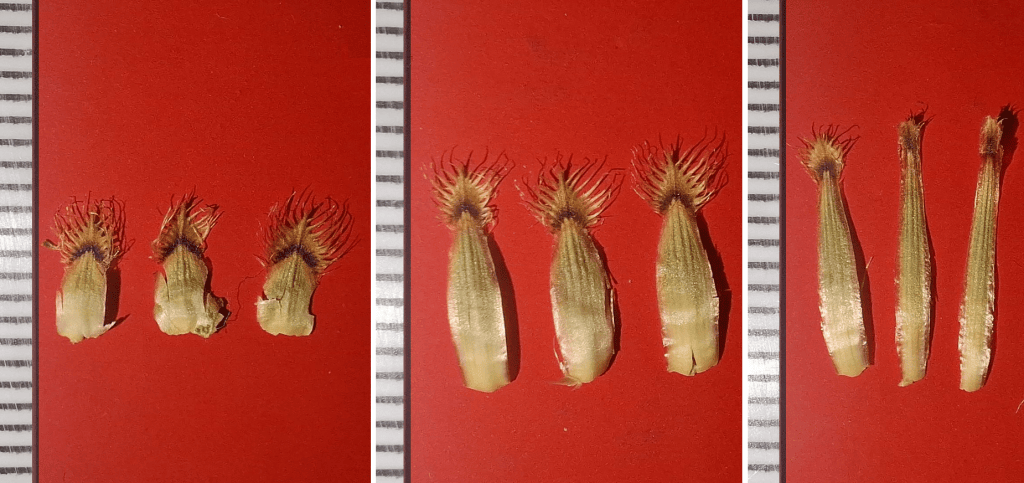
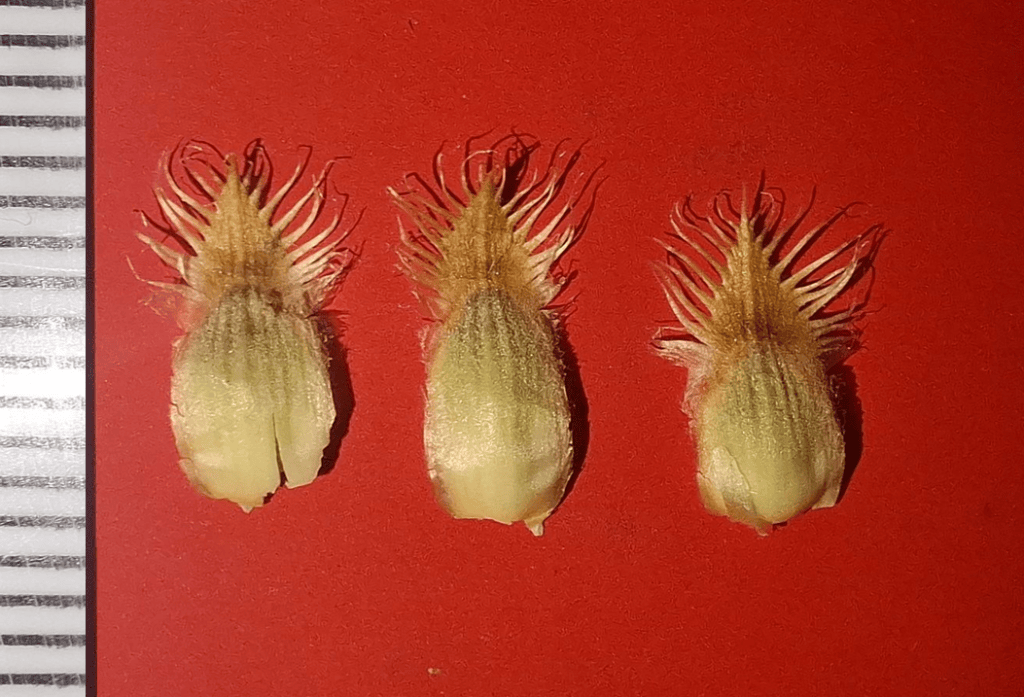
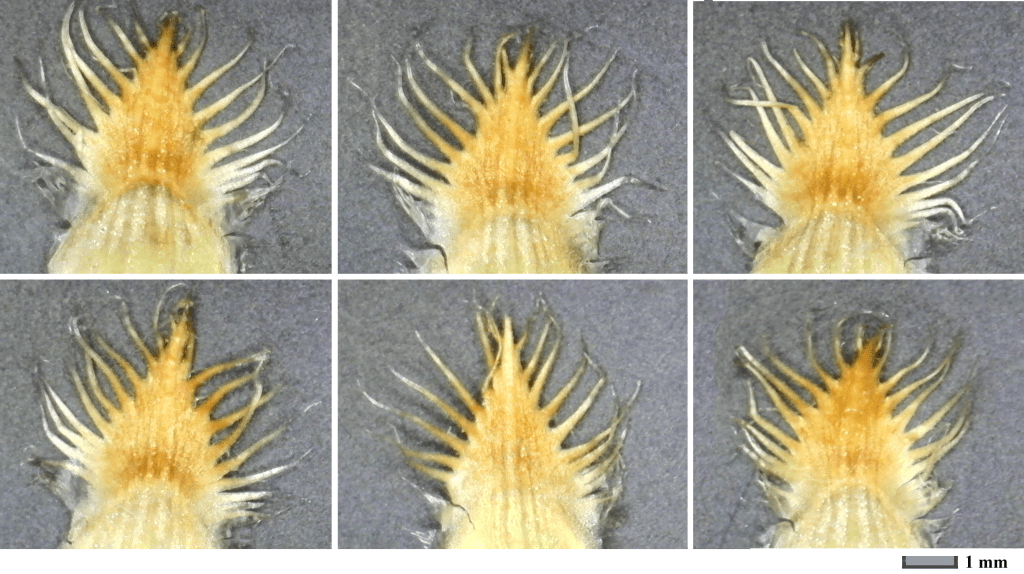
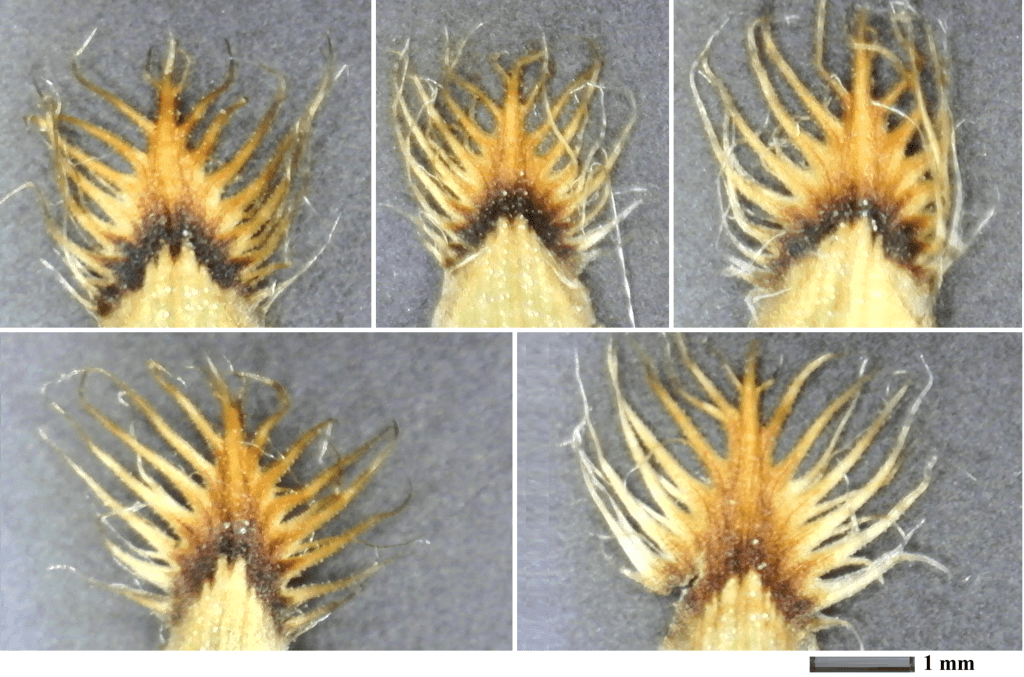
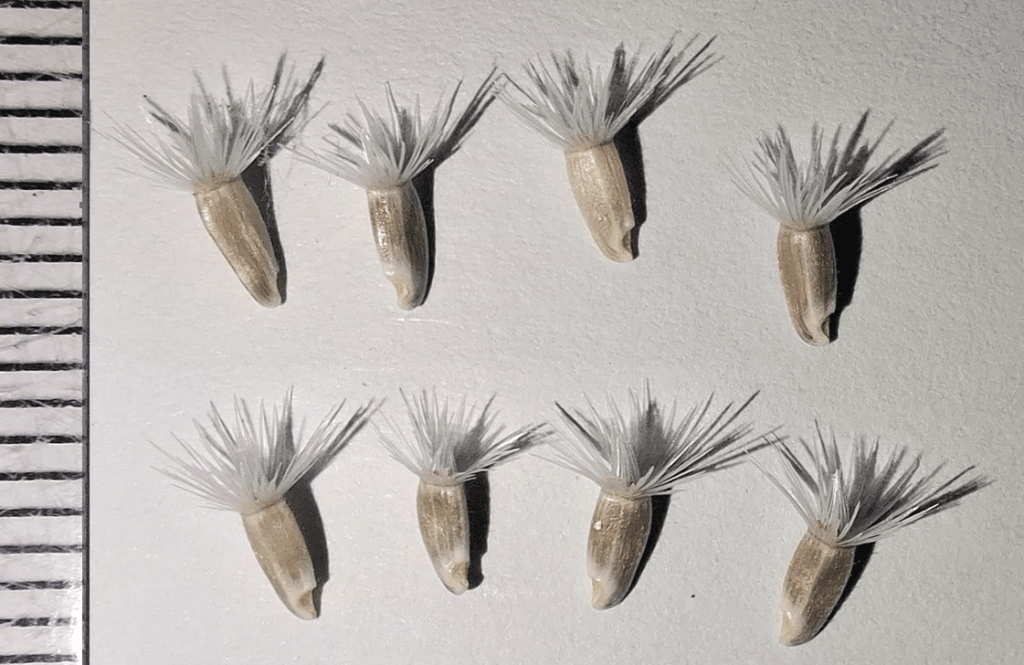
Centaurea stoebe – habit. Scale in cm. Photo by Trajche Dimitrovski.Centaurea stoebe – habit. Scale in cm. Photo by Trajche Dimitrovski.Centaurea stoebe – habit. Scale in cm. Photo by Trajche Dimitrovski.Centaurea stoebe – habit. Scale in cm. Photo by Trajche Dimitrovski.Centaurea stoebe – capitulum. Scale in cm. Photo by Trajche Dimitrovski.Centaurea stoebe – close-up of involucral bracts. Photo by Trajche Dimitrovski.Centaurea stoebe – close-up of involucral bracts. Photo by Trajche Dimitrovski.Centaurea stoebe – close-up of involucral bracts. Photo by Trajche Dimitrovski.Centaurea stoebe. Left: outer involucral bracts. Center: middle involucral bracts. Right: inner involucral bracts. Photo by Trajche Dimitrovski.Centaurea stoebe – appendages of middle involucral bracts. Photo by Trajche Dimitrovski.Centaurea stoebe – appendages of middle involucral bracts. Photo by Trajche Dimitrovski.Centaurea stoebe – appendages of middle involucral bracts. Photo by Trajche Dimitrovski.Centaurea stoebe – capitula. Scale in cm. Photo by Trajche Dimitrovski.Centaurea stoebe – close-up of involucral bracts. Photo by Trajche Dimitrovski.Centaurea stoebe – close-up of involucral bracts. Photo by Trajche Dimitrovski.Centaurea stoebe. Left: outer involucral bracts. Center: middle involucral bracts. Right: inner involucral bracts. Scale in mm Photo by Trajche Dimitrovski.Centaurea stoebe. Left: outer involucral bracts. Center: middle involucral bracts. Right: inner involucral bracts. Scale in mm. Photo by Trajche Dimitrovski.Centaurea stoebe. Left: outer involucral bracts. Center: middle involucral bracts. Right: inner involucral bracts. Scale in mm. Photo by Trajche Dimitrovski.Centaurea stoebe – middle involucral bracts. Scale in mm. Photo by Trajche Dimitrovski.Centaurea stoebe – appendages of middle involucral bracts. Photo by Trajche Dimitrovski.Centaurea stoebe – appendages of middle involucral bracts. Photo by Trajche Dimitrovski.Centaurea stoebe – achenes. Scale in mm. Photo by Trajche Dimitrovski.Centaurea stoebe – achenes. Scale in mm. Photo by Trajche Dimitrovski.Centaurea stoebe – capitula and upper cauline leaves (herbarium specimen). Scale in cm. Photo by Trajche Dimitrovski.Centaurea stoebe – middle cauline leaves (herbarium specimen). Scale in cm. Photo by Trajche Dimitrovski.Centaurea stoebe – basal leaf (herbarium specimen). Scale in cm. Photo by Trajche Dimitrovski.
Dostál, J. 1976. Centaurea L. In Tutin, T. G., Heywood, V. H., Burges, N. A., Moore, D. M., Valentine, D. H., Walters, S. M. & Webb, D. A. (eds.), Flora Europaea. Volume 4. Plantaginaceae to Compositae (and Rubiaceae). Cambridge: Cambridge University Press, pp. 254–301.
Gajić, M. 1975. Rod Centaurea L. In Josifović, M. (ed.), Flora SR Srbije, VII. Beograd: Srpska Akademija Nauka i Umetnosti, pp. 229–264.
Hayek A. 1928–1931. Prodromus florae peninsulae Balcanicae, 2. Band: Dicotyledoneae Sympetalae. — Repert. Spec. Nov. Regni Veg. Beih. 30(2): 1152 pp. [1–96 (1928), 97–336 (1929), 337–576 (1930), 577–1152 (1931)].
Stoyanov K., Raycheva Ts. & Cheschmedzhiev I. 2021. Key to the native and foreign vascular plants in Bulgaria. Agricultural University Plovdiv Academic Press (in Bulgarian).
Lifeform: Annual plant. Therophyte according to the Raunkiaer system.
Distribution: Native from Central and South Europe to Afghanistan; Northwest Africa according to the distribution information provided by the Plants of the World Online portal (Royal Botanic Gardens, Kew).
Habitat: Open and dry habitats- pastures, clearings of forests.
Flowering period: Summer: JUN.
Locality: Probishtip: village of Shtalkovica. Date: 05.07.2026.
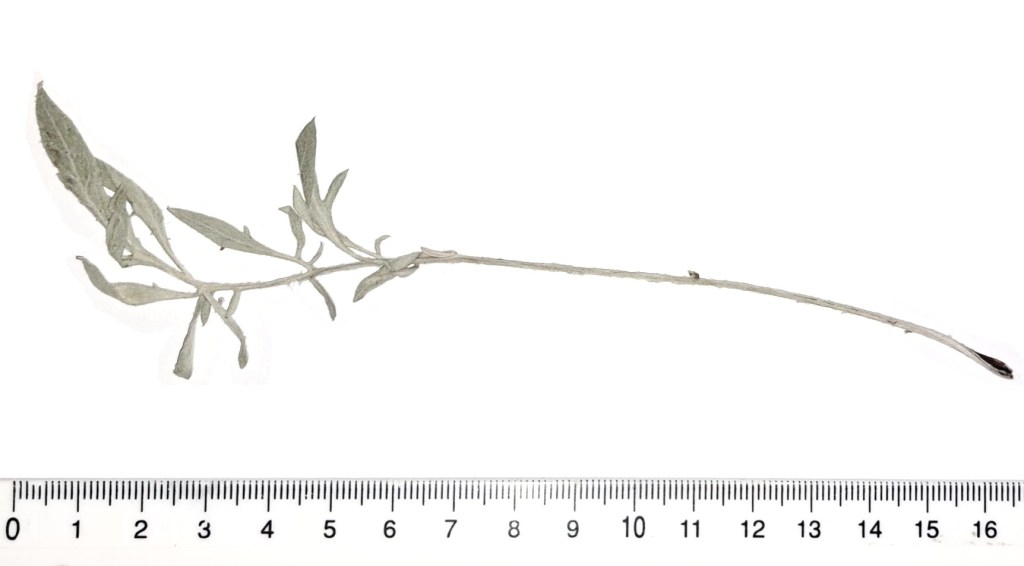
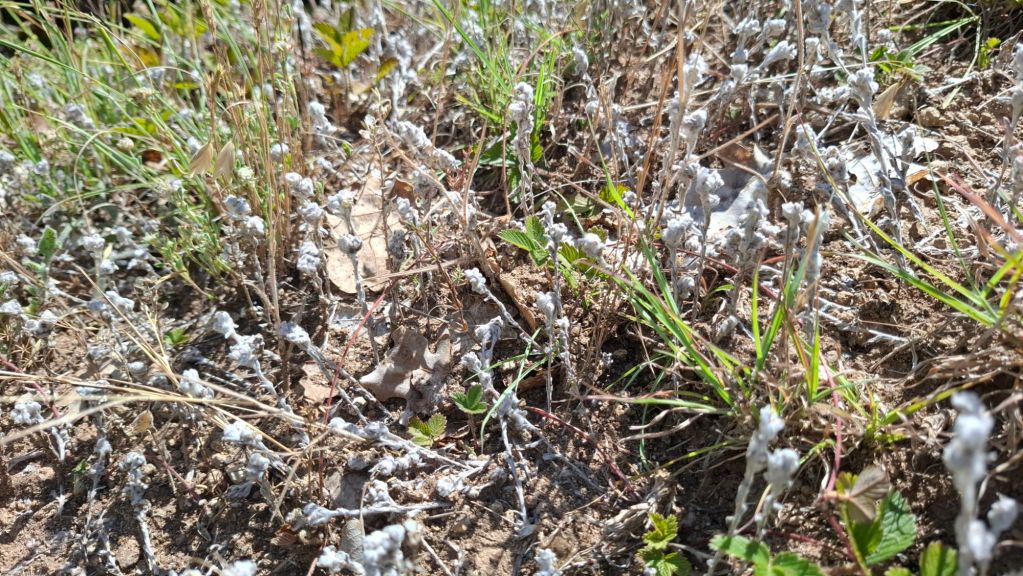
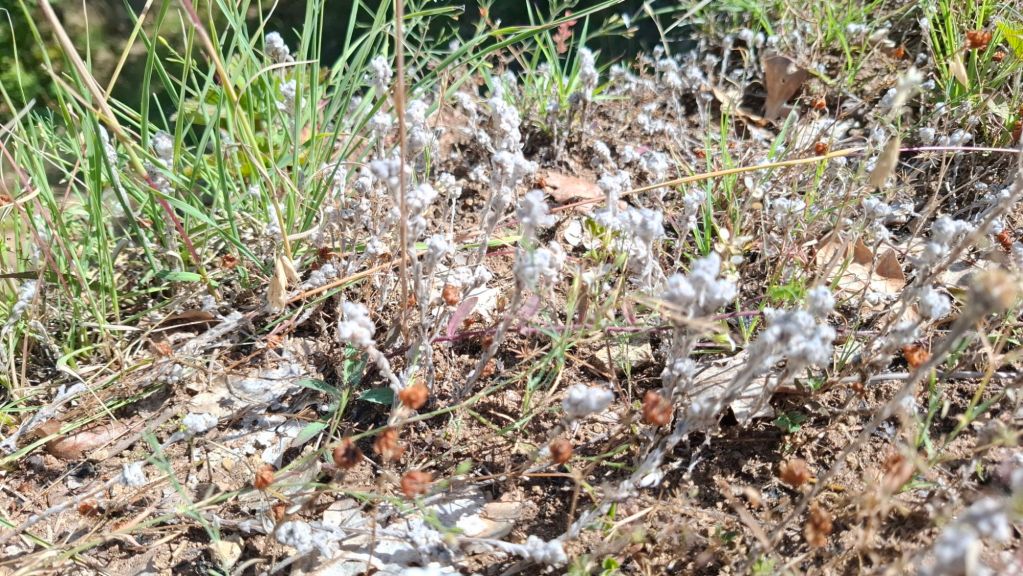
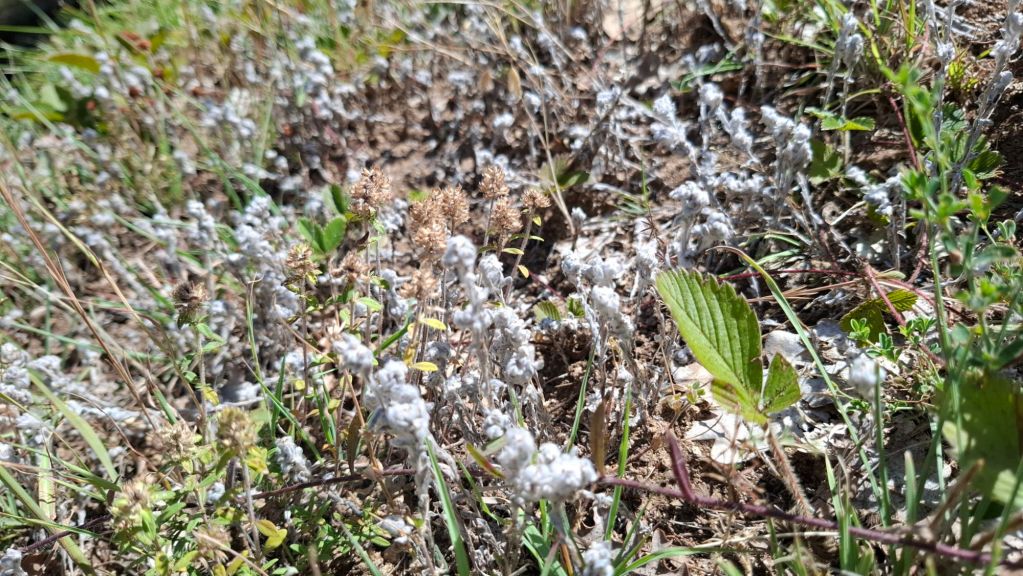
Bombycilaena erecta – habit. Probishtip: village of Shtalkovica, 05.07.2026. Photo by Trajche Dimitrovski.Bombycilaena erecta – habit. Probishtip: village of Shtalkovica, 05.07.2026. Photo by Trajche Dimitrovski.Bombycilaena erecta – habit. Probishtip: village of Shtalkovica, 05.07.2026. Photo by Trajche Dimitrovski.Bombycilaena erecta – habit. Probishtip: village of Shtalkovica, 05.07.2026. Photo by Trajche Dimitrovski.Bombycilaena erecta – habit. Probishtip: village of Shtalkovica, 05.07.2026. Photo by Trajche Dimitrovski.Bombycilaena erecta – habit. Probishtip: village of Shtalkovica, 05.07.2026. Photo by Trajche Dimitrovski.Bombycilaena erecta – stem with capitula. Probishtip: village of Shtalkovica, 05.07.2026. Photo by Trajche Dimitrovski.Bombycilaena erecta – stem with capitula. Probishtip: village of Shtalkovica, 05.07.2026. Photo by Trajche Dimitrovski.Bombycilaena erecta – stem with capitula. Probishtip: village of Shtalkovica, 05.07.2026. Photo by Trajche Dimitrovski.Bombycilaena erecta – stem with capitula. Probishtip: village of Shtalkovica, 05.07.2026. Photo by Trajche Dimitrovski.Bombycilaena erecta – stem with capitula. Probishtip: village of Shtalkovica, 05.07.2026. Photo by Trajche Dimitrovski.Bombycilaena erecta – stem with capitula. Probishtip: village of Shtalkovica, 05.07.2026. Photo by Trajche Dimitrovski.Bombycilaena erecta – stem with capitula. Probishtip: village of Shtalkovica, 05.07.2026. Photo by Trajche Dimitrovski.Bombycilaena erecta – stem with capitula and leaves. Probishtip: village of Shtalkovica, 05.07.2026. Photo by Trajche Dimitrovski.Bombycilaena erecta – stem with leaves. Probishtip: village of Shtalkovica, 05.07.2026. Photo by Trajche Dimitrovski.Bombycilaena erecta – stem with leaves. Probishtip: village of Shtalkovica, 05.07.2026. Photo by Trajche Dimitrovski.Bombycilaena erecta – stem with leaves. Probishtip: village of Shtalkovica, 05.07.2026. Photo by Trajche Dimitrovski.Bombycilaena erecta – stem with leaves. Probishtip: village of Shtalkovica, 05.07.2026. Photo by Trajche Dimitrovski.
Locality: Probishtip: village of Shtalkovica. Date: 25.05.2026.
Bombycilaena erecta – habit. Probishtip: village of Shtalkovica, 25.05.2026. Photo by Trajche Dimitrovski.Bombycilaena erecta – habit. Probishtip: village of Shtalkovica, 25.05.2026. Photo by Trajche Dimitrovski.Bombycilaena erecta – habit. Probishtip: village of Shtalkovica, 25.05.2026. Photo by Trajche Dimitrovski.Bombycilaena erecta – flowering stem with capitula. Probishtip: village of Shtalkovica, 25.05.2026. Photo by Trajche Dimitrovski.Bombycilaena erecta – flowering stems with capitula. Probishtip: village of Shtalkovica, 25.05.2026. Photo by Trajche Dimitrovski.Bombycilaena erecta – flowering stem with capitula. Probishtip: village of Shtalkovica, 25.05.2026. Photo by Trajche Dimitrovski.Bombycilaena erecta – flowering stem with capitula. Probishtip: village of Shtalkovica, 25.05.2026. Photo by Trajche Dimitrovski.Bombycilaena erecta – flowering stem with capitula. Probishtip: village of Shtalkovica, 25.05.2026. Photo by Trajche Dimitrovski.
Scaled immages. Specimens from Probishtip, village of Shtalkovica. Collected: 25.05.2026.
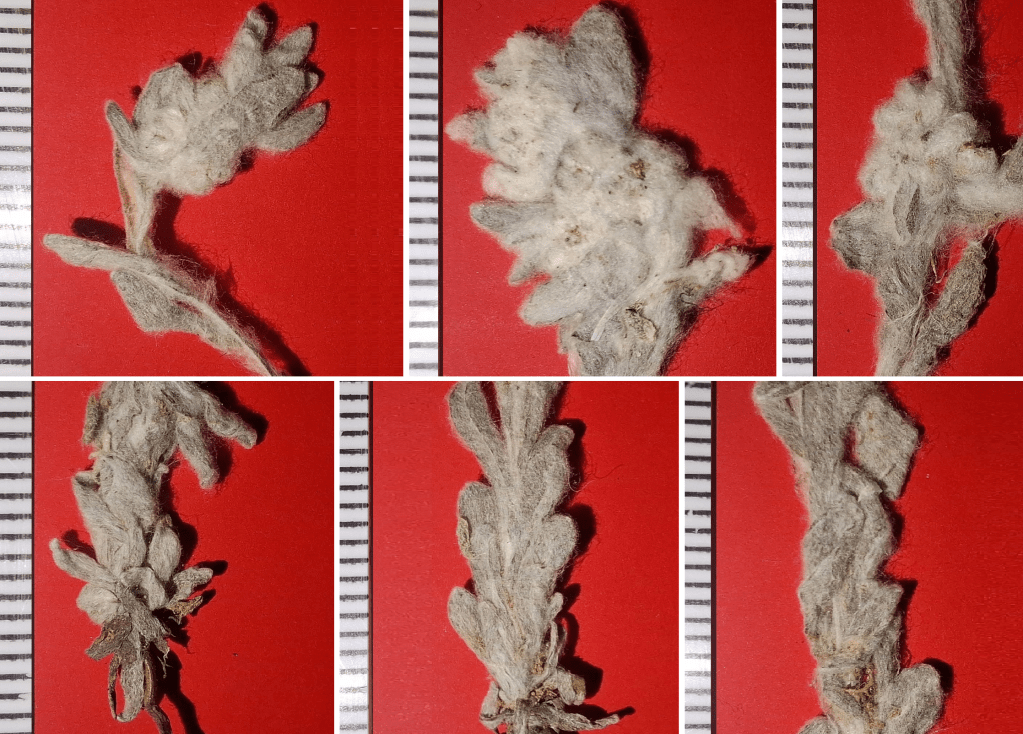
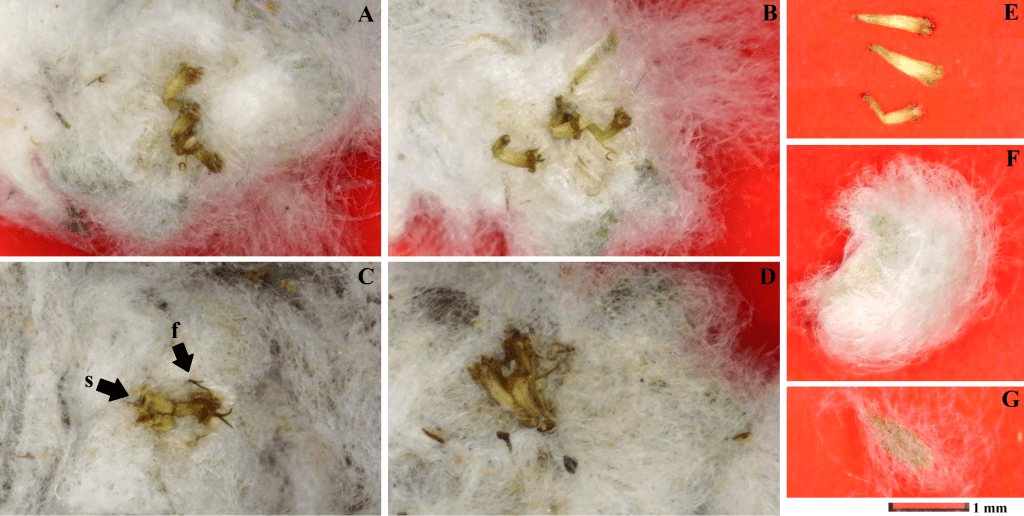
Bombycilaena erecta – habit. Scale in cm. Specimen from Probishtip, village of Shtalkovica, 25.05.2026. Photo by Trajche Dimitrovski.Bombycilaena erecta – capitula (upper row) and stem with leaves (lower row). Scale in mm. Specimen from Probishtip, village of Shtalkovica, 25.05.2026. Photo by Trajche Dimitrovski.Bombycilaena erecta. A, B, C and D: close-up of capitula; i- inner sterile floret; f- female floret; E- inner florets; F: inner saccate involucral bract; G: outer smaller involucral bract. Photo by Trajche Dimitrovski.
Holub, J. 1976. Bombycilaena (DC.) Smolj. In Tutin, T. G., Heywood, V. H., Burges, N. A., Moore, D. M., Valentine, D. H., Walters, S. M. & Webb, D. A. (eds.), Flora Europaea. Volume 4. Plantaginaceae to Compositae (and Rubiaceae). Cambridge: Cambridge University Press, p. 125.
Determined according to the botanical keys provided by Rechinger in Tutin et al. (1964) and Micevski in Micevski (1995).
Lifeform: Perennial plant. Hemicryptophyte according to the Raunkiær system.
Distribution: Native to Temperate Eurasia according to the distribution information provided by the Plants of the World Online portal (Royal Botanic Gardens, Kew).
Flowering period: Late spring – summer: MAY, JUN, JUL.
Locality: Ponikva. Date: 15.06.2024.
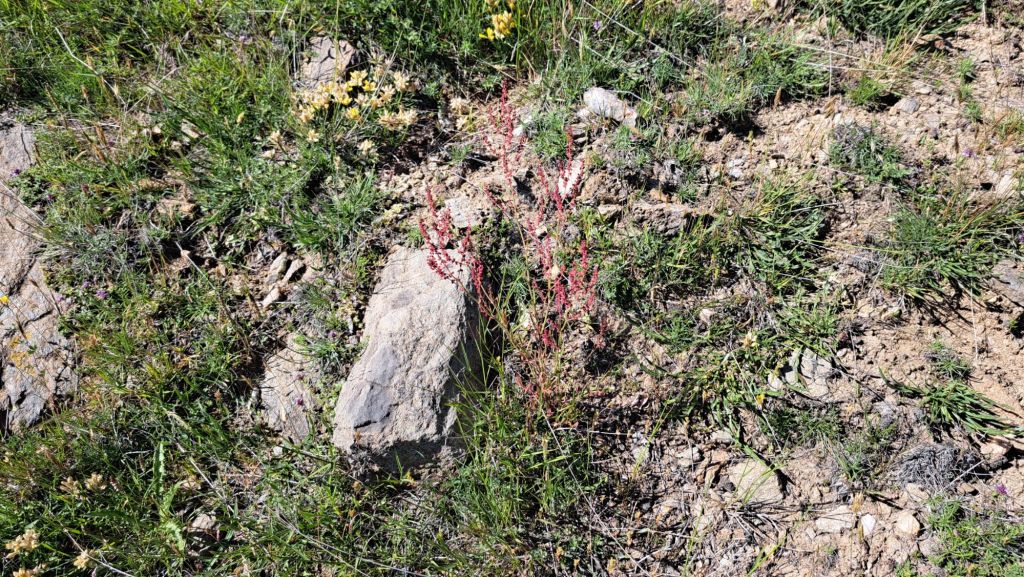
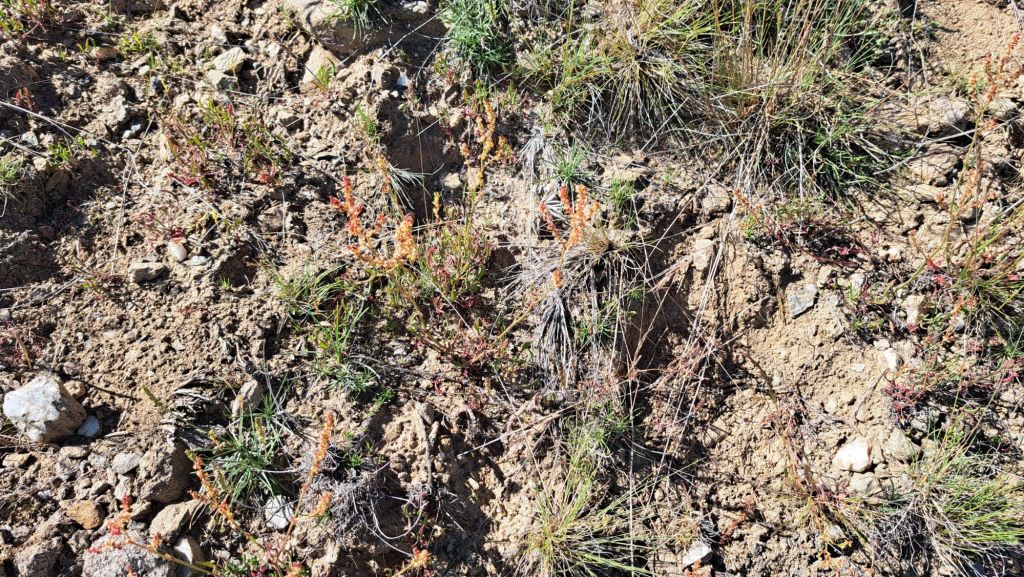
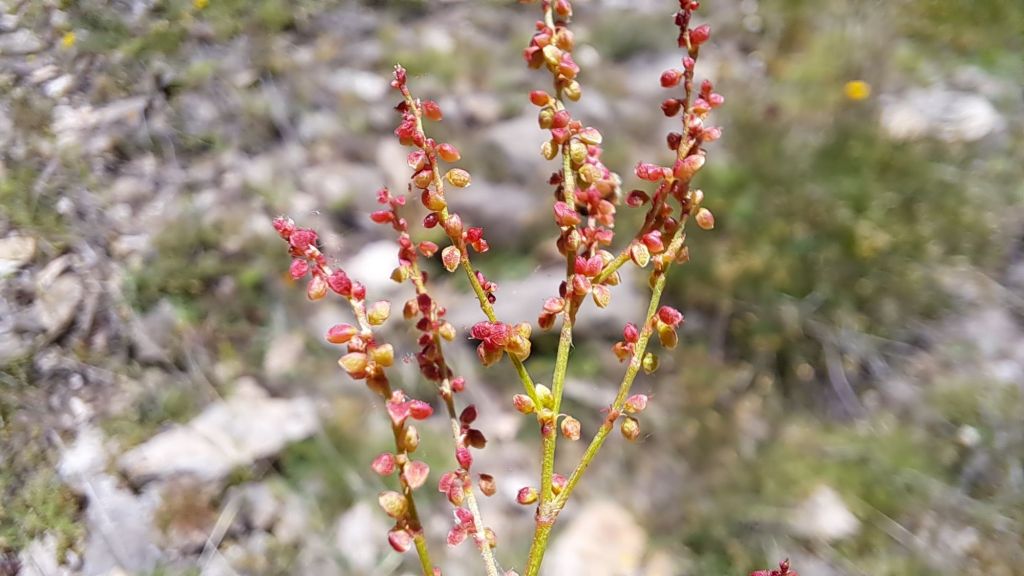
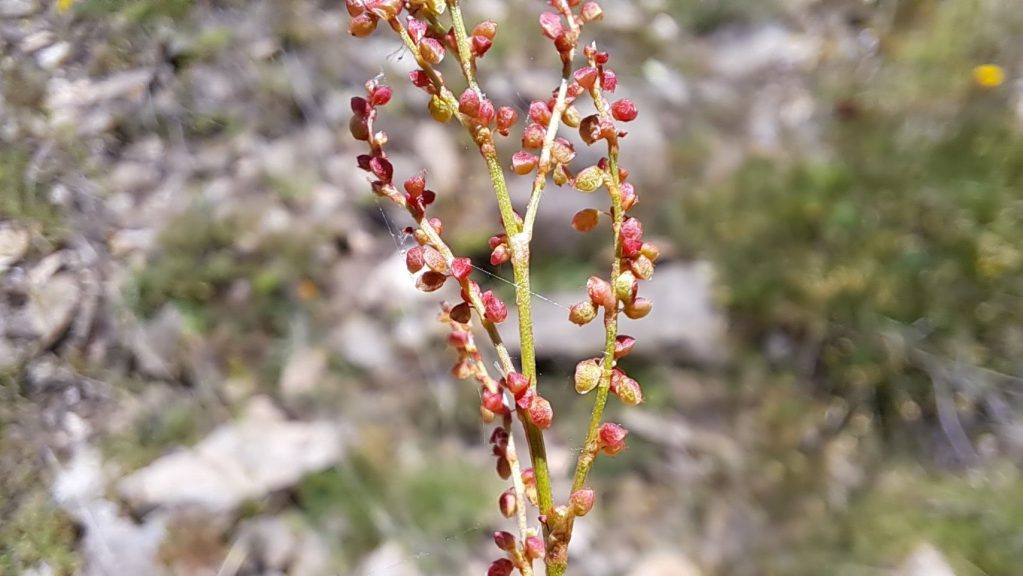
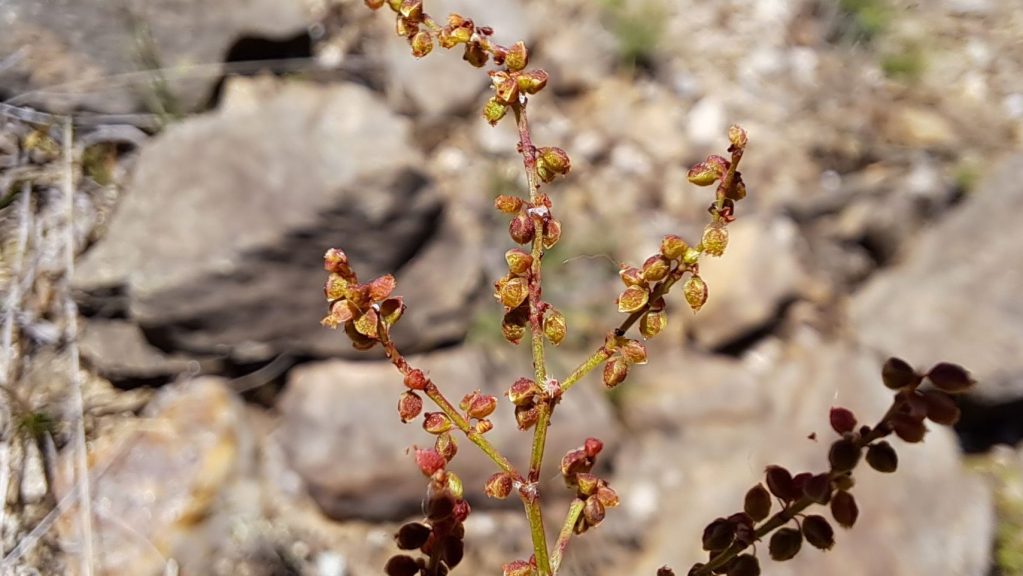
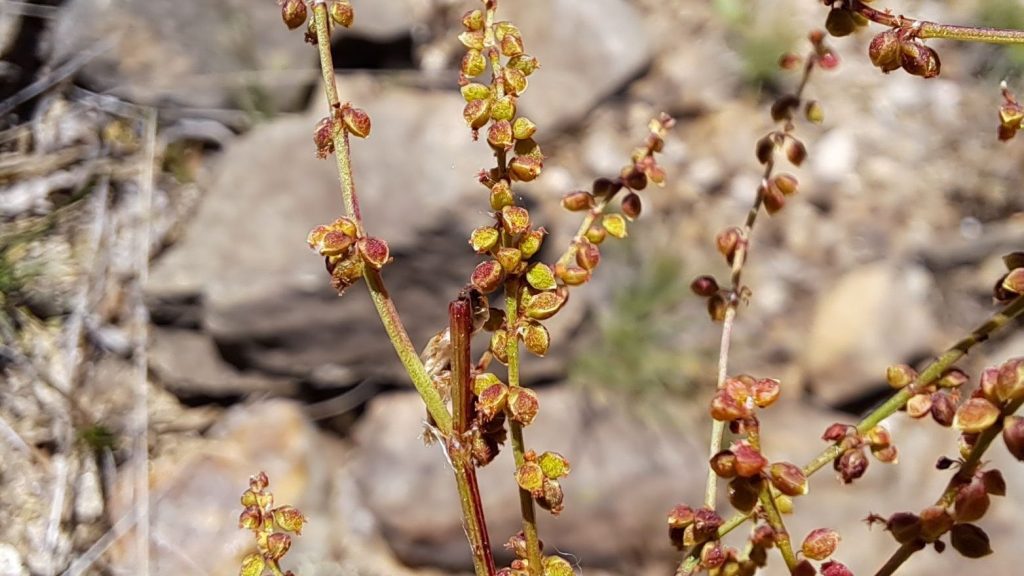
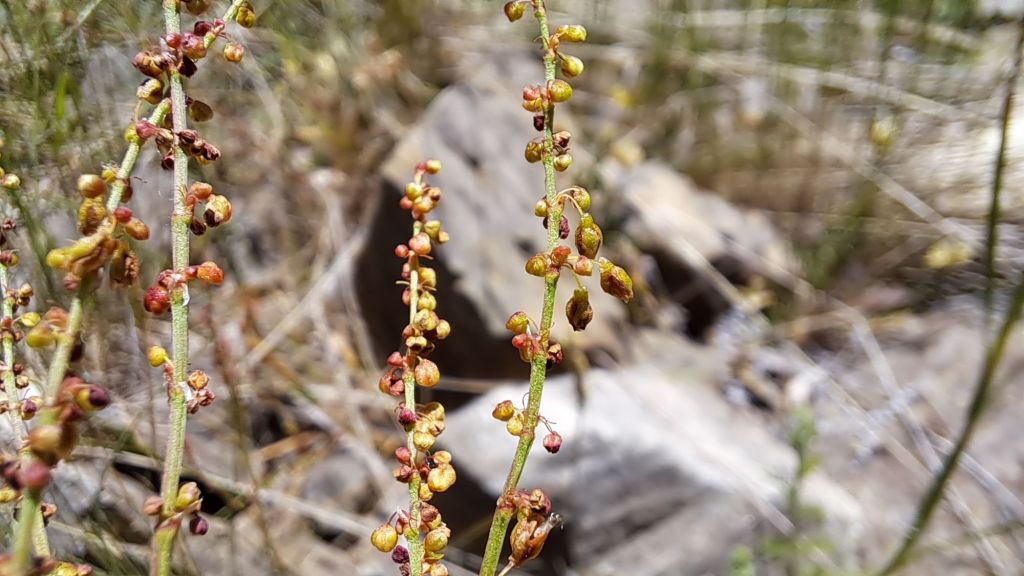
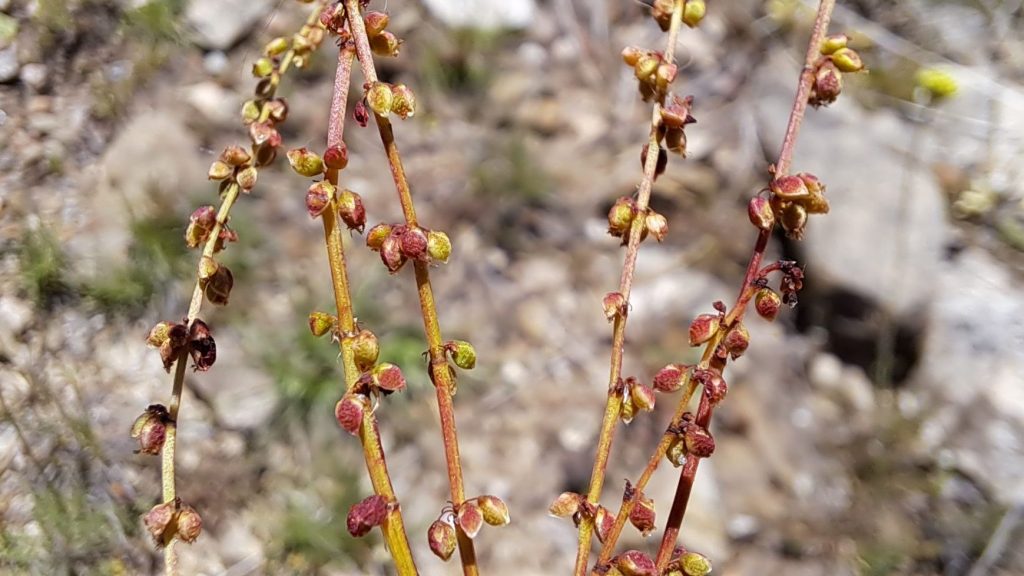
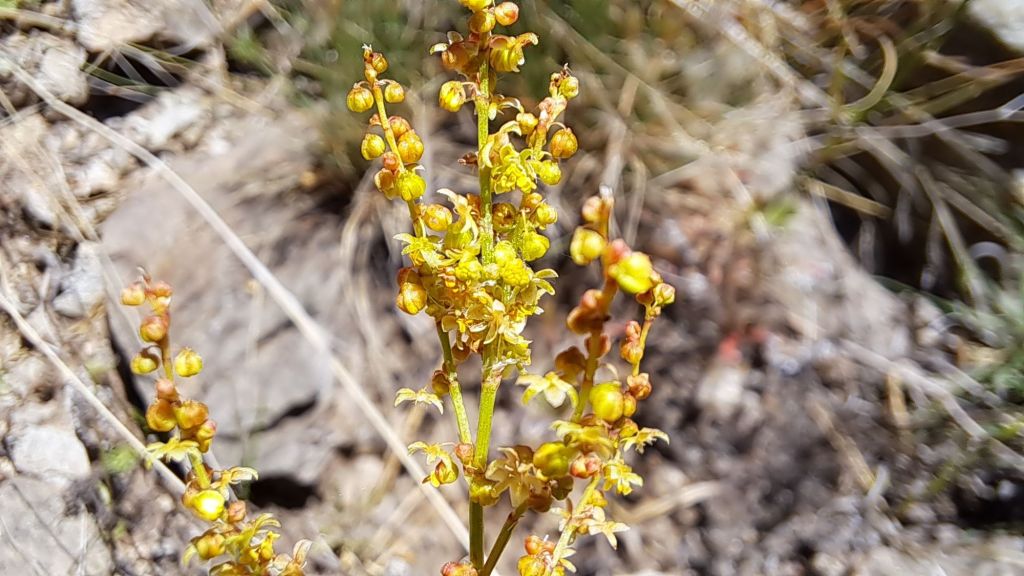
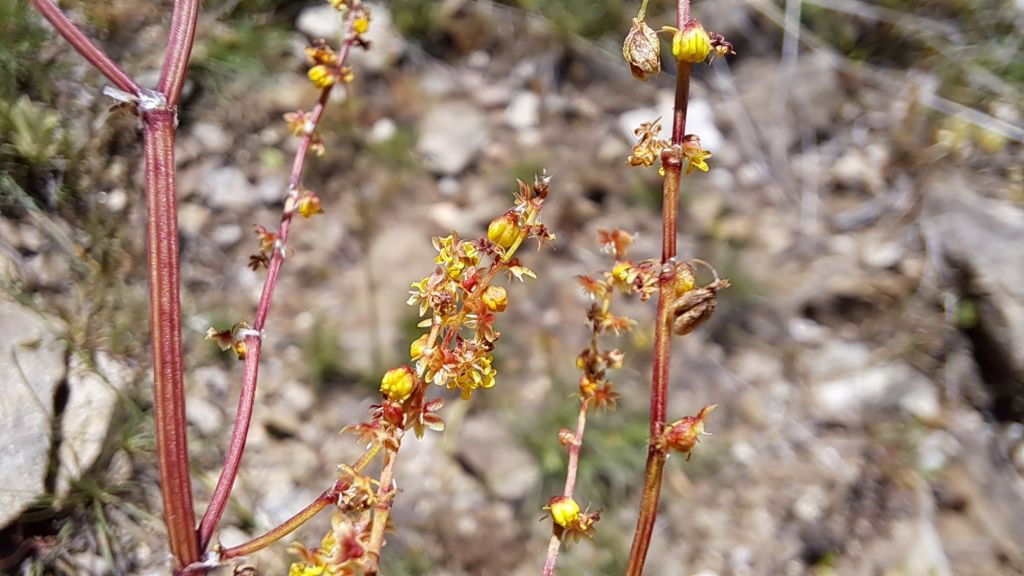
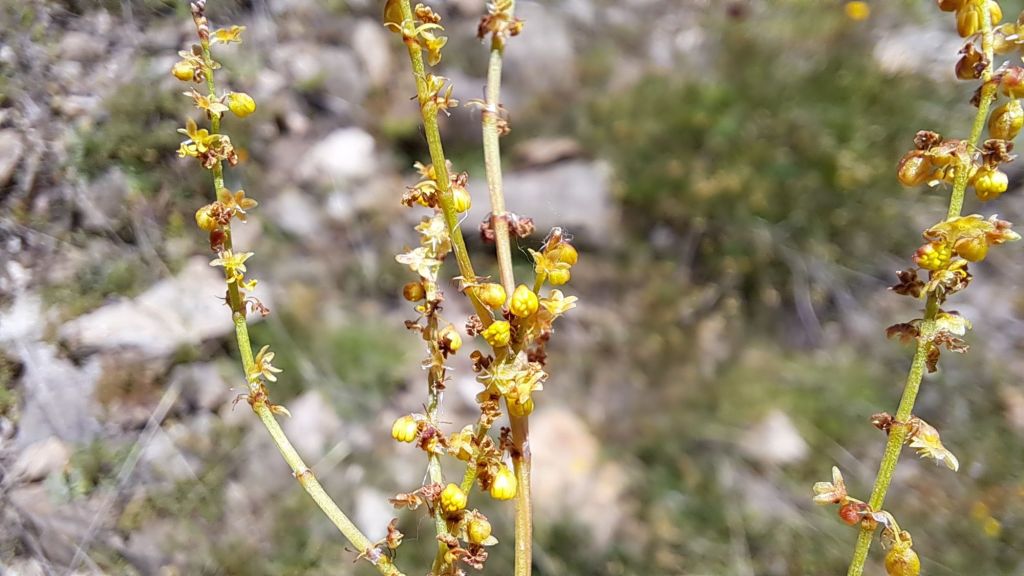
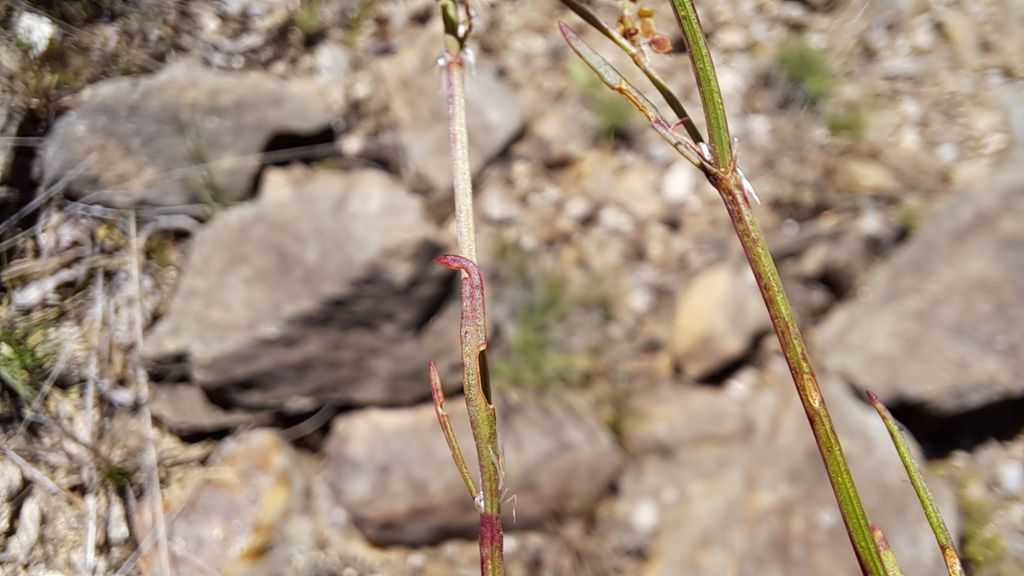
Rumex acetosella subsp. acetosella – habit. Osogovo – Ponikva, 15.06.2024. Photo by Trajche Dimitrovski.Rumex acetosella subsp. acetosella – habit. Osogovo – Ponikva, 15.06.2024. Photo by Trajche Dimitrovski.Rumex acetosella subsp. acetosella – habit. Osogovo – Ponikva, 15.06.2024. Photo by Trajche Dimitrovski.Rumex acetosella subsp. acetosella – habit. Osogovo – Ponikva, 15.06.2024. Photo by Trajche Dimitrovski.Rumex acetosella subsp. acetosella – habit. Osogovo – Ponikva, 15.06.2024. Photo by Trajche Dimitrovski.Rumex acetosella subsp. acetosella – habit. Osogovo – Ponikva, 15.06.2024. Photo by Trajche Dimitrovski.Rumex acetosella subsp. acetosella – habit. Osogovo – Ponikva, 15.06.2024. Photo by Trajche Dimitrovski.Rumex acetosella subsp. acetosella – habit. Osogovo – Ponikva, 15.06.2024. Photo by Trajche Dimitrovski.Rumex acetosella subsp. acetosella – inflorescence. Osogovo – Ponikva, 15.06.2024. Photo by Trajche Dimitrovski.Rumex acetosella subsp. acetosella – female inflorescence. Osogovo – Ponikva, 15.06.2024. Photo by Trajche Dimitrovski.Rumex acetosella subsp. acetosella – female inflorescence. Osogovo – Ponikva, 15.06.2024. Photo by Trajche Dimitrovski.Rumex acetosella subsp. acetosella – female inflorescence. Osogovo – Ponikva, 15.06.2024. Photo by Trajche Dimitrovski.Rumex acetosella subsp. acetosella – female inflorescence. Osogovo – Ponikva, 15.06.2024. Photo by Trajche Dimitrovski.Rumex acetosella subsp. acetosella – female inflorescence. Osogovo – Ponikva, 15.06.2024. Photo by Trajche Dimitrovski.Rumex acetosella subsp. acetosella – female inflorescence. Osogovo – Ponikva, 15.06.2024. Photo by Trajche Dimitrovski.Rumex acetosella subsp. acetosella – male flowers. Osogovo – Ponikva, 15.06.2024. Photo by Trajche Dimitrovski.Rumex acetosella subsp. acetosella – male flowers. Osogovo – Ponikva, 15.06.2024. Photo by Trajche Dimitrovski.Rumex acetosella subsp. acetosella – male flowers. Osogovo – Ponikva, 15.06.2024. Photo by Trajche Dimitrovski.Rumex acetosella subsp. acetosella – male flowers. Osogovo – Ponikva, 15.06.2024. Photo by Trajche Dimitrovski.Rumex acetosella subsp. acetosella – stem and leaves. Osogovo – Ponikva, 15.06.2024. Photo by Trajche Dimitrovski.Rumex acetosella subsp. acetosella – stem and upper leaves. Osogovo – Ponikva, 15.06.2024. Photo by Trajche Dimitrovski.Rumex acetosella subsp. acetosella – stem and leaves. Osogovo – Ponikva, 15.06.2024. Photo by Trajche Dimitrovski.Rumex acetosella subsp. acetosella – stem and leaves. Osogovo – Ponikva, 15.06.2024. Photo by Trajche Dimitrovski.Rumex acetosella subsp. acetosella – stem and leaves. Osogovo – Ponikva, 15.06.2024. Photo by Trajche Dimitrovski.Rumex acetosella subsp. acetosella – stem and leaves. Osogovo – Ponikva, 15.06.2024. Photo by Trajche Dimitrovski.Rumex acetosella subsp. acetosella – stem and leaves. Osogovo – Ponikva, 15.06.2024. Photo by Trajche Dimitrovski.Rumex acetosella subsp. acetosella – stem and leaves. Osogovo – Ponikva, 15.06.2024. Photo by Trajche Dimitrovski.Rumex acetosella subsp. acetosella – abaxial side of leaf. Osogovo – Ponikva, 15.06.2024. Photo by Trajche Dimitrovski.Rumex acetosella subsp. acetosella – abaxial side of leaf. Osogovo – Ponikva, 15.06.2024. Photo by Trajche Dimitrovski.Rumex acetosella – lower leaves. Osogovo – Ponikva, 15.06.2024. Photo by Trajche Dimitrovski.Rumex acetosella – adaxial side of basal leaf. Osogovo – Ponikva, 15.06.2024. Photo by Trajche Dimitrovski.Rumex acetosella – abaxial side of basal leaves. Osogovo – Ponikva, 15.06.2024. Photo by Trajche Dimitrovski.Rumex acetosella – abaxial side of basal leaf. Osogovo – Ponikva, 15.06.2024. Photo by Trajche Dimitrovski.Rumex acetosella – fruits and nuts. Photo by Trajche Dimitrovski.
References:
Micevski, K. 1995. Rumex L., The Flora of the Republic of Macedonia. Vol. 1, Book 3. Skopje: Macedonian Academy of Sciences and Arts, pp. 452–472.
Rechinger, K. H. 1964. Rumex L. In Tutin, T. G., Heywood, V. H., Burges, N. A., Moore, D. M., Valentine, D. H., Walters, S. M. & Webb, D. A. (eds.), Flora Europaea. Volume 1. Lycopodiaceae to Platanaceae. Cambridge: Cambridge University Press, pp. 82–89.
Determined according to the botanical key provided by Micevski (1998).
Distribution: Native from South Central and South Europe to Türkiye according to the Plants of the World Online portal (Royal Botanic Gardens, Kew) and The Euro+Med PlantBase (Marhold, 2011+).
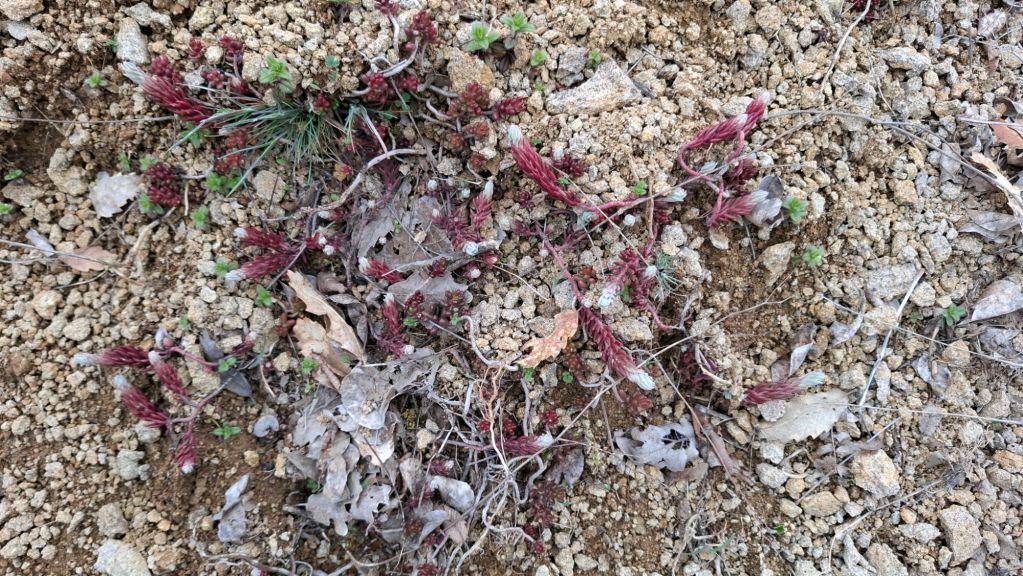
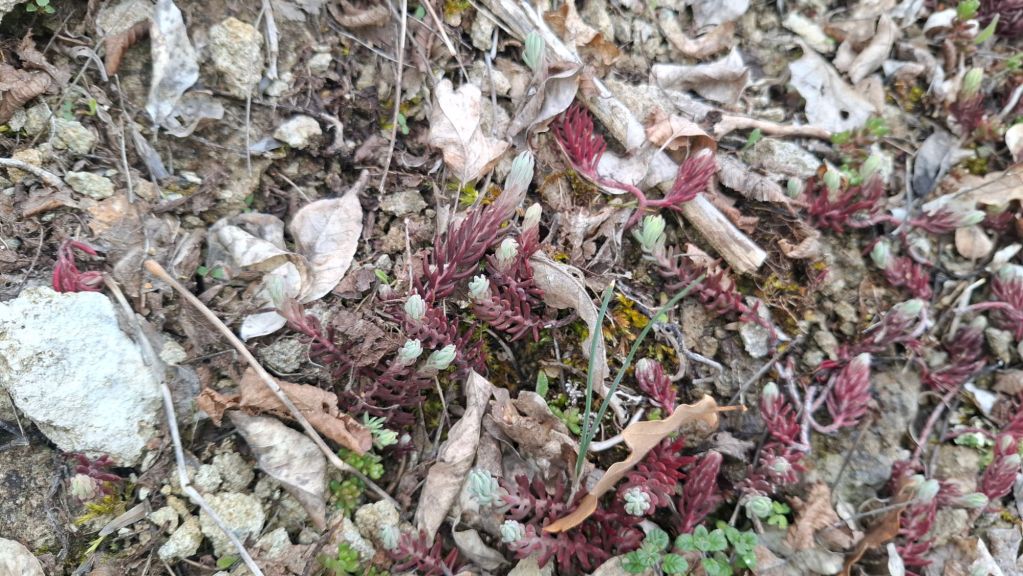
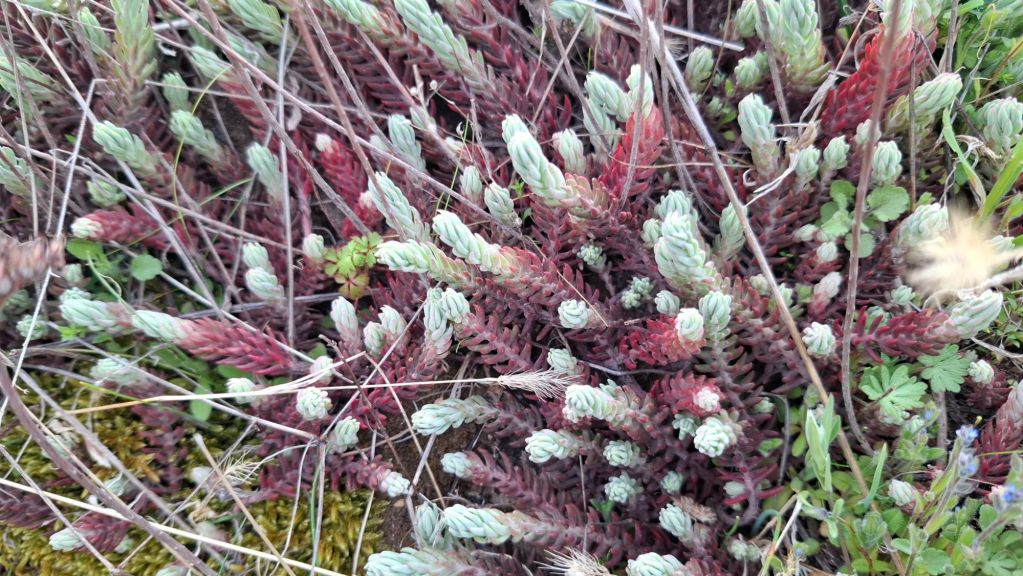
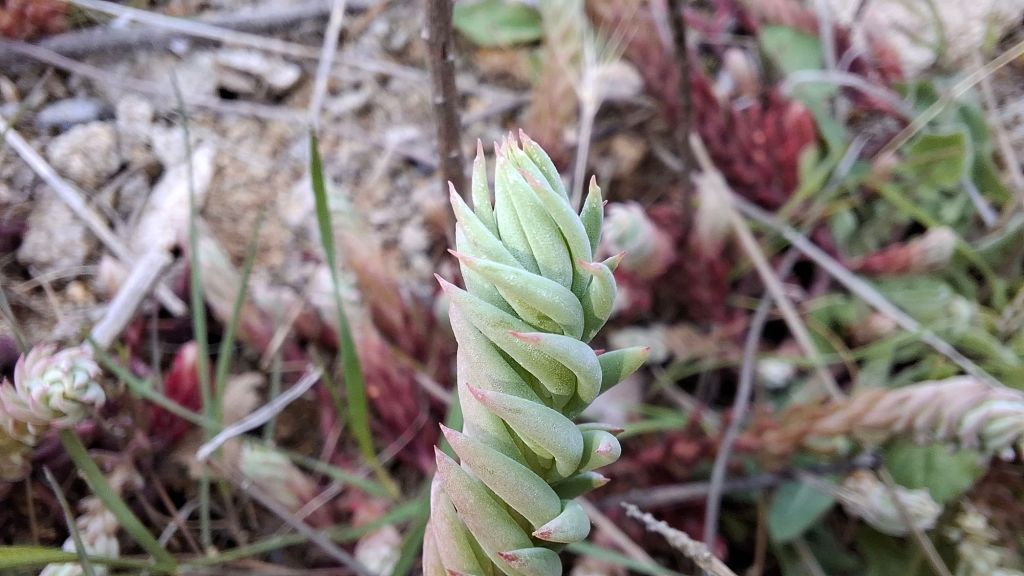
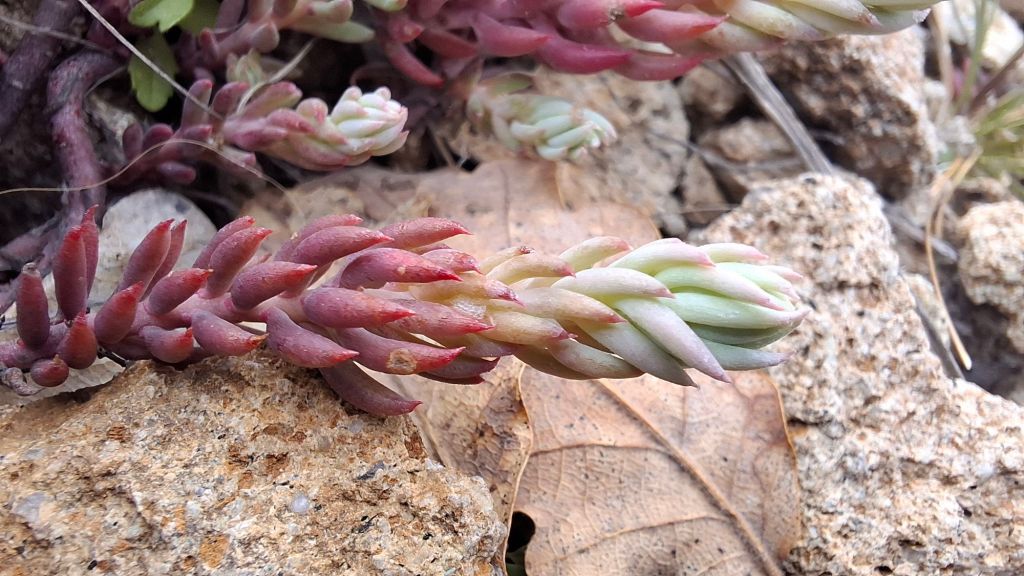
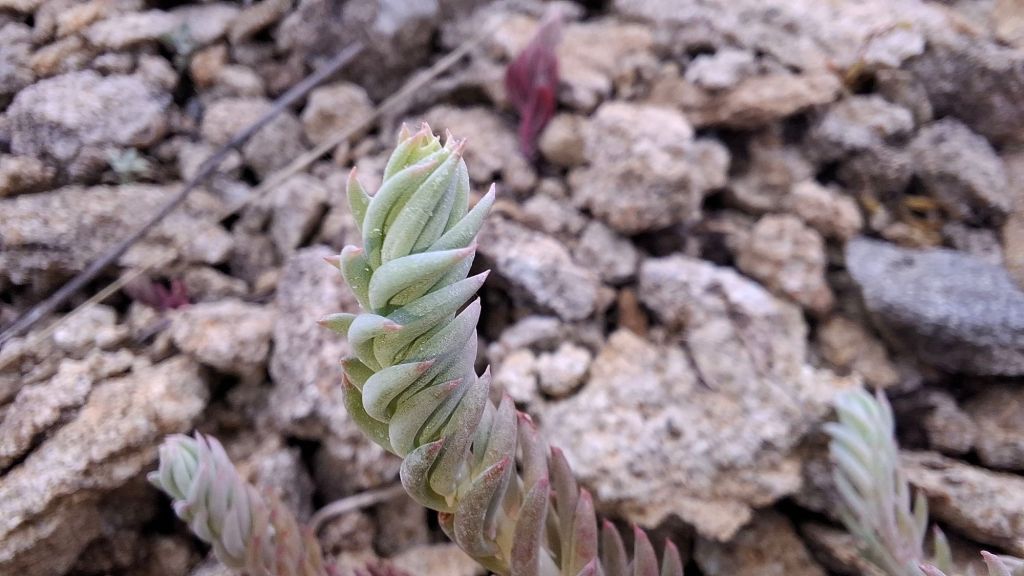
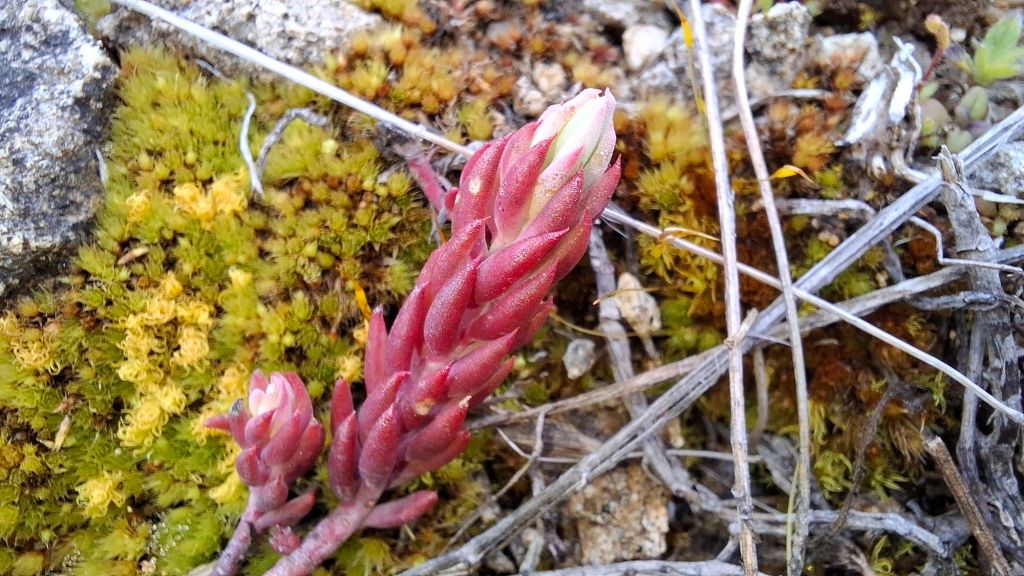
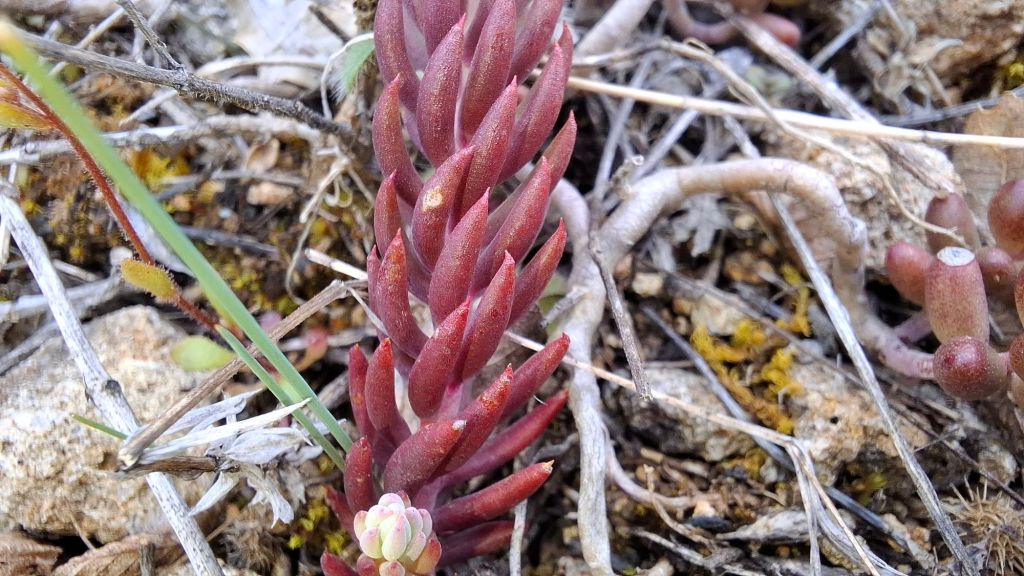
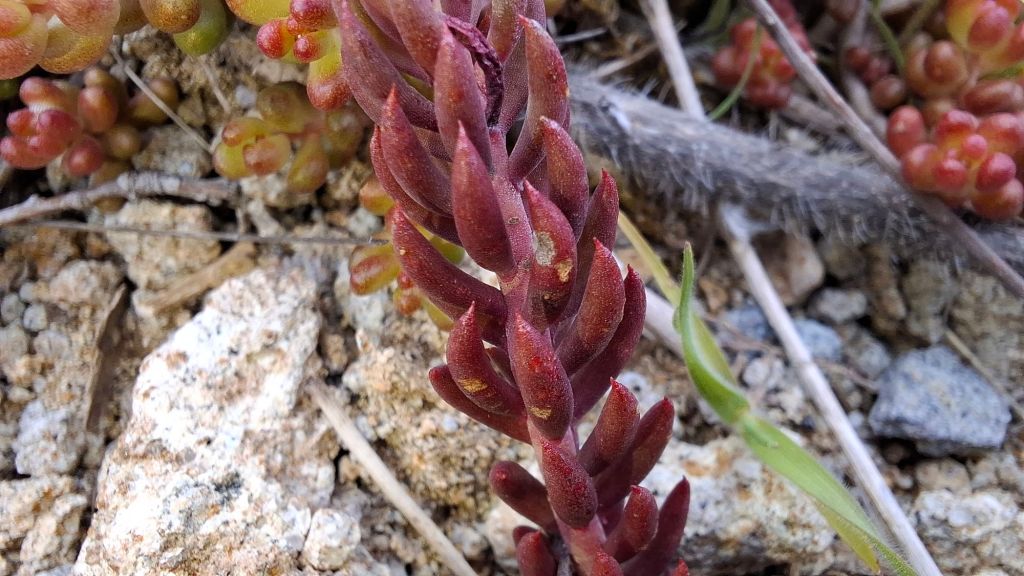
Lifeform: Perennial succulent. Hemicryptophyte according to the Raunkiær system.
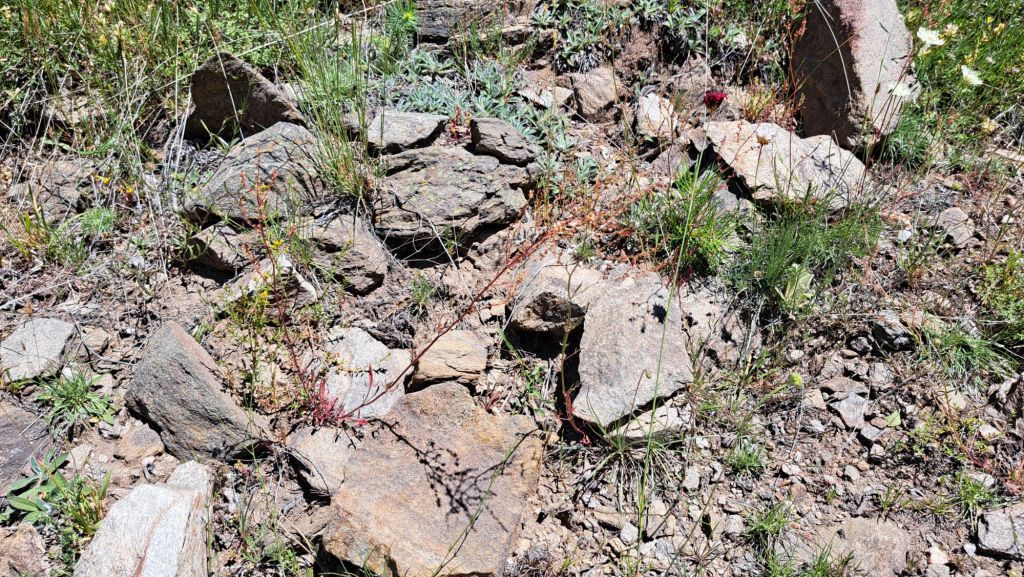
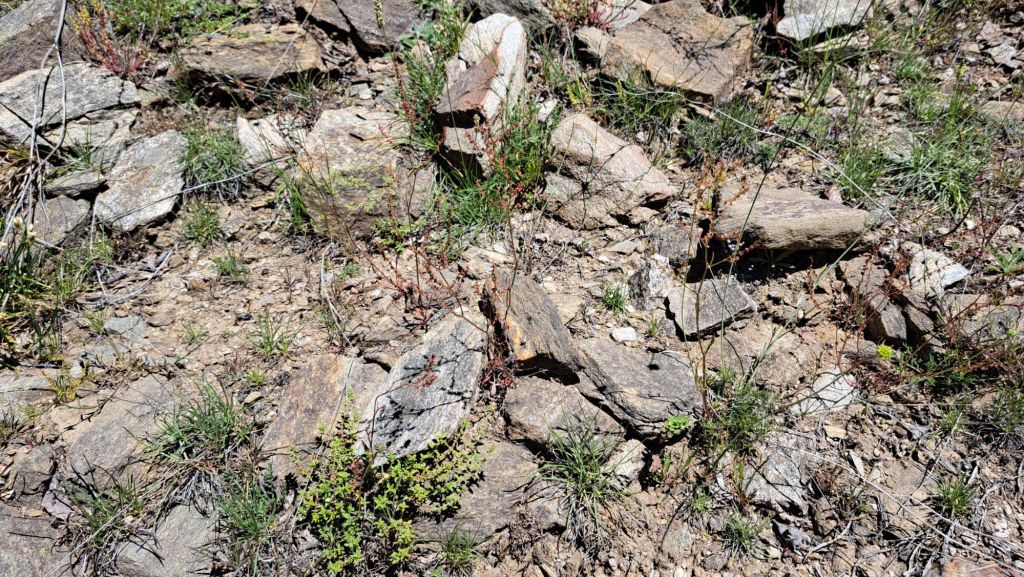
Habitat: Open rocky terrains. Recorded in open rocky outcrops in the hilly region around the village of Shtalkovica.
Flowering period: Summer (JUN).
Locality: Probishtip: village of Shtalkovica region. Date: 13.04.2026.
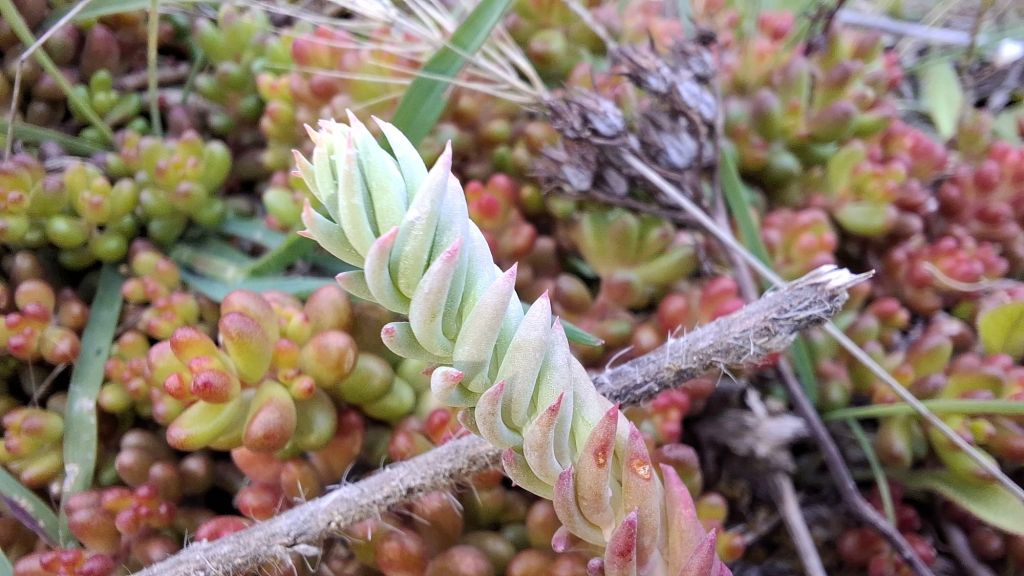
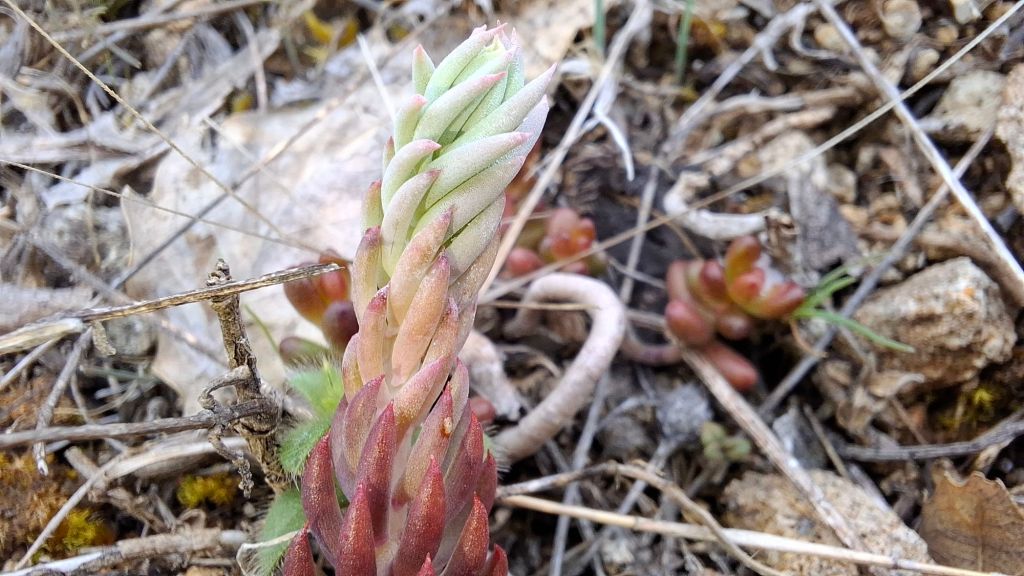
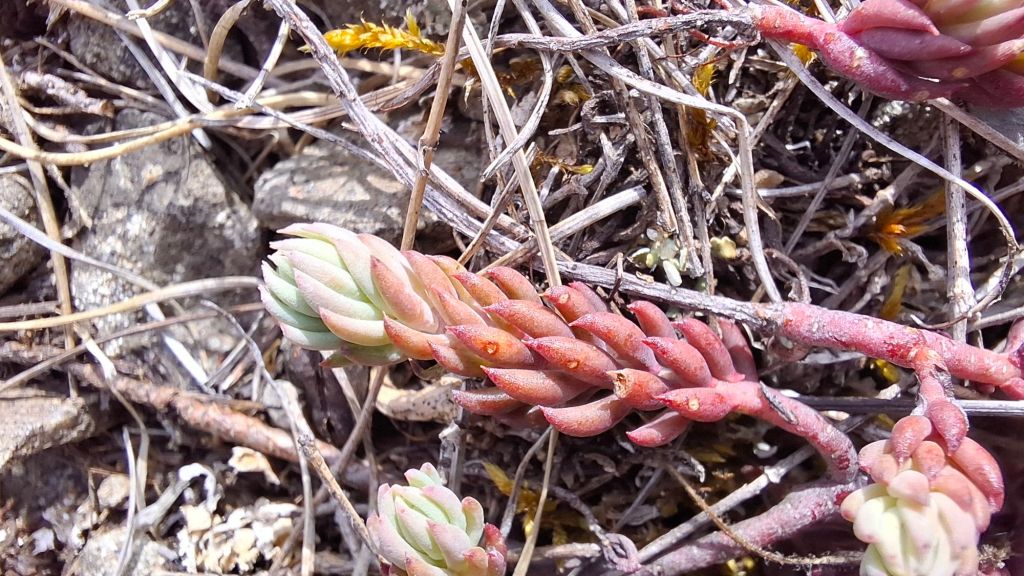
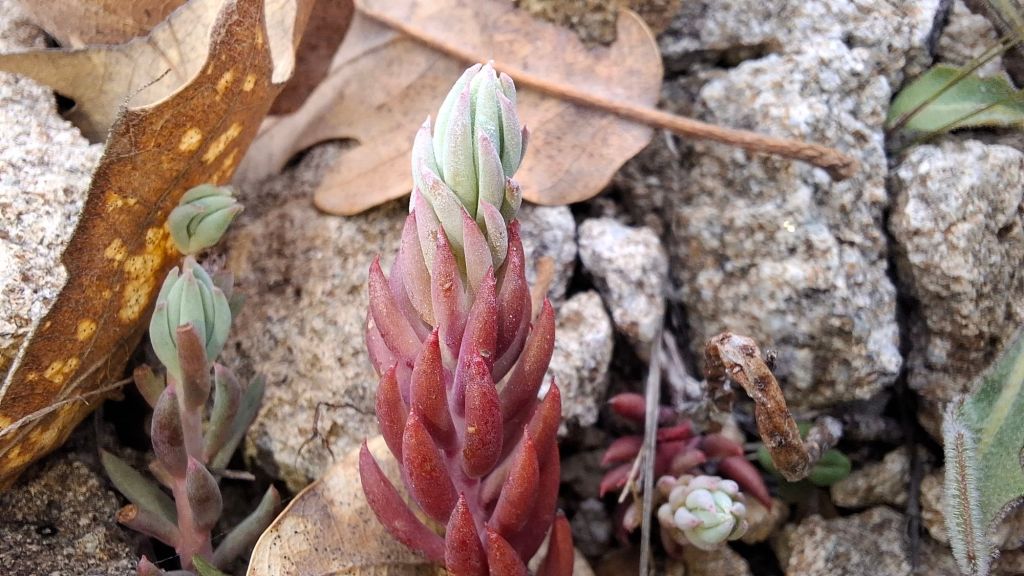
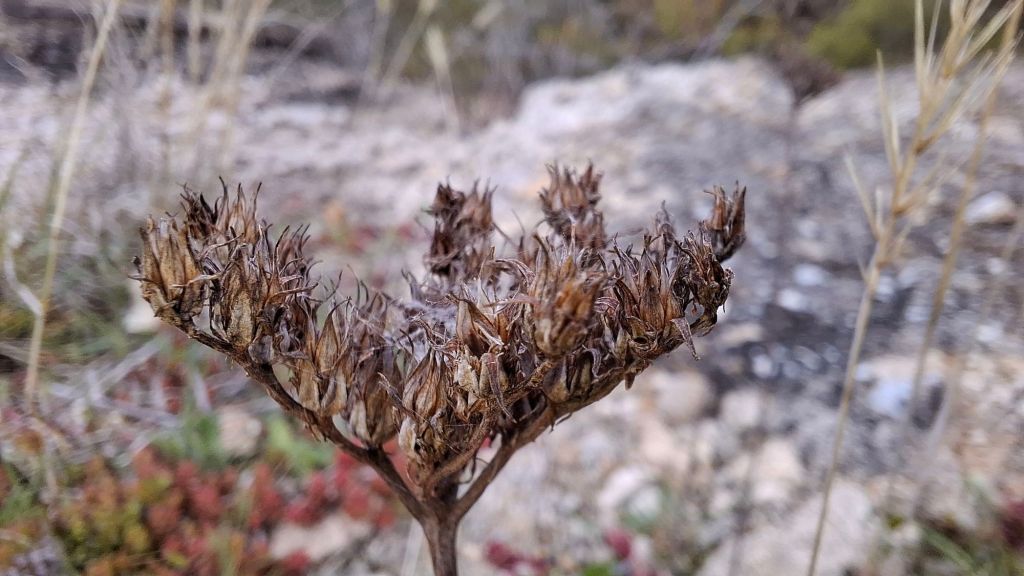
Sedum ochroleucum – habit in habitat. Probishtip: village of Shtalkovica region, 13.04.2026. Photo by Trajche Dimitrovski.Sedum ochroleucum – habit in habitat. Probishtip: village of Shtalkovica region, 13.04.2026. Photo by Trajche Dimitrovski.Sedum ochroleucum – habit. Probishtip: village of Shtalkovica region, 13.04.2026. Photo by Trajche Dimitrovski.Sedum ochroleucum – habit. Probishtip: village of Shtalkovica region, 13.04.2026. Photo by Trajche Dimitrovski.Sedum ochroleucum – habit. Probishtip: village of Shtalkovica region, 13.04.2026. Photo by Trajche Dimitrovski.Sedum ochroleucum – habit. Probishtip: village of Shtalkovica region, 13.04.2026. Photo by Trajche Dimitrovski.Sedum ochroleucum – habit. Probishtip: village of Shtalkovica region, 13.04.2026. Photo by Trajche Dimitrovski.Sedum ochroleucum – vegetative stems . Probishtip: village of Shtalkovica region, 13.04.2026. Photo by Trajche Dimitrovski.Sedum ochroleucum – vegetative stems. Probishtip: village of Shtalkovica region, 13.04.2026. Photo by Trajche Dimitrovski.Sedum ochroleucum – vegetative stem. Probishtip: village of Shtalkovica region, 13.04.2026. Photo by Trajche Dimitrovski.Sedum ochroleucum – vegetative stem. Probishtip: village of Shtalkovica region, 13.04.2026. Photo by Trajche Dimitrovski.Sedum ochroleucum – vegetative stem. Probishtip: village of Shtalkovica region, 13.04.2026. Photo by Trajche Dimitrovski.Sedum ochroleucum – vegetative stem. Probishtip: village of Shtalkovica region, 13.04.2026. Photo by Trajche Dimitrovski.Sedum ochroleucum – vegetative stem. Probishtip: village of Shtalkovica region, 13.04.2026. Photo by Trajche Dimitrovski.Sedum ochroleucum – vegetative stem. Probishtip: village of Shtalkovica region, 13.04.2026. Photo by Trajche Dimitrovski.Sedum ochroleucum – vegetative stem. Probishtip: village of Shtalkovica region, 13.04.2026. Photo by Trajche Dimitrovski.Sedum ochroleucum – vegetative stem. Probishtip: village of Shtalkovica region, 13.04.2026. Photo by Trajche Dimitrovski.Sedum ochroleucum – vegetative stem. Probishtip: village of Shtalkovica region, 13.04.2026. Photo by Trajche Dimitrovski.Sedum ochroleucum – vegetative stem. Probishtip: village of Shtalkovica region, 13.04.2026. Photo by Trajche Dimitrovski.Sedum ochroleucum – stems with dechised capsules from the previous season. Probishtip: village of Shtalkovica region, 13.04.2026. Photo by Trajche Dimitrovski.Sedum ochroleucum – inflorescence with dehisced capsules from the previous season. Probishtip: village of Shtalkovica region, 13.04.2026. Photo by Trajche Dimitrovski.Sedum ochroleucum – inflorescence with dehisced capsules from the previous season. Probishtip: village of Shtalkovica region, 13.04.2026. Photo by Trajche Dimitrovski.Sedum ochroleucum – inflorescence with dehisced capsules from the previous season. Probishtip: village of Shtalkovica region, 13.04.2026. Photo by Trajche Dimitrovski.
Locality: Probishtip: village of Shtalkovica region. Date: 05.07.2026.
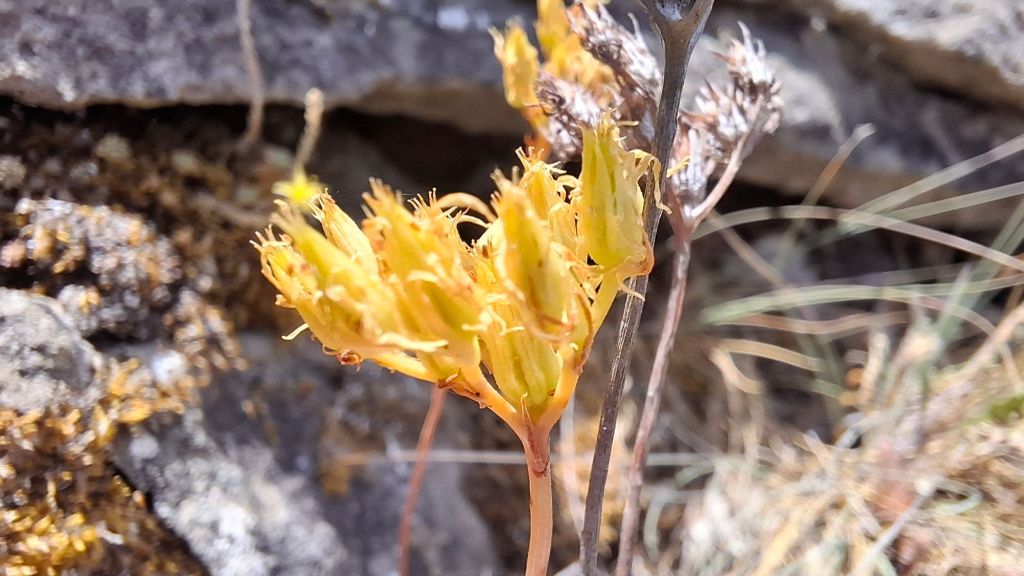
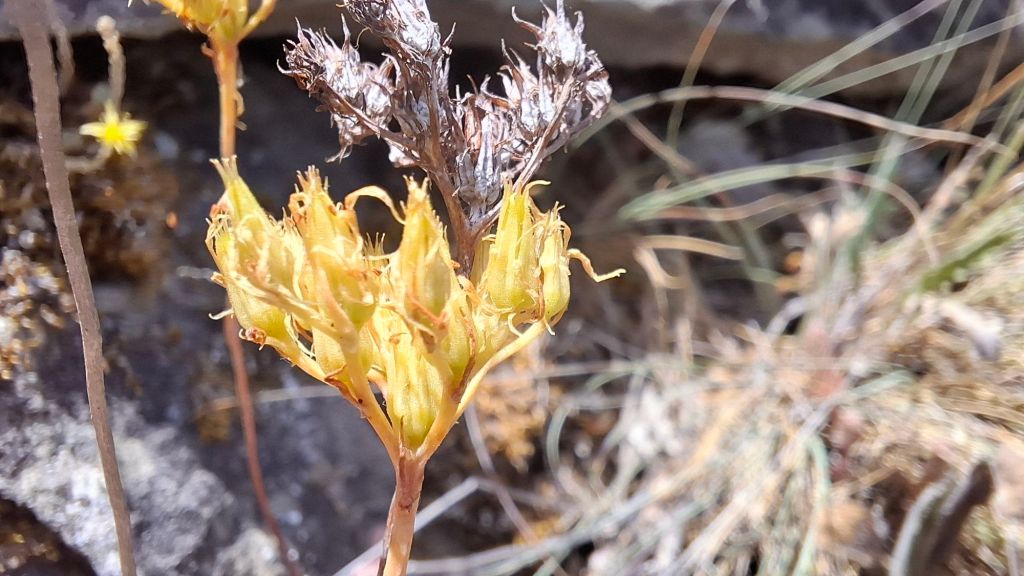
Sedum ochroleucum – habit. Probishtip: village of Shtalkovica region, 05.07.2026. Photo by Trajche Dimitrovski.Sedum ochroleucum – spent inflorescence. Probishtip: village of Shtalkovica region, 05.07.2026. Photo by Trajche Dimitrovski.Sedum ochroleucum – spent inflorescence. Probishtip: village of Shtalkovica region, 05.07.2026. Photo by Trajche Dimitrovski.Sedum ochroleucum – spent inflorescence. Probishtip: village of Shtalkovica region, 05.07.2026. Photo by Trajche Dimitrovski.Sedum ochroleucum – spent inflorescence. Probishtip: village of Shtalkovica region, 05.07.2026. Photo by Trajche Dimitrovski.
References:
Micevski, K. 1998. Sedum L., The Flora of the Republic of Macedonia. Vol. I, Book 4. Skopje: Macedonian Academy of Sciences and Arts, pp. 1050–1069.
Determined according to the botanical key provided by Tutin (1980 in Tutin et al.) and Vukićević (1976 in Josifović).
Lifeform: Perennial plant. Hemicryptophyte according to the Raunkiær system.
Distribution: Native to Europe and Northwest Africa according to the distribution information provided by the Plants of the World Online portal (Royal Botanic Gardens, Kew) and The Euro+Med Plantbase (Valdés, et al., 2009+).
Habitat: Pastures and clearings of forests.
Flowering period: Summer (JUN, JUL).
Locality: Kochani: village of Preseka region. Date: 19.07.2026.
Holcus mollis subsp. mollis– habit. Kochani: village of Preseka region, 19.07.2026. Photo by Trajche Dimitrovski.Holcus mollis subsp. mollis– habit. Kochani: village of Preseka region, 19.07.2026. Photo by Trajche Dimitrovski.Holcus mollis subsp. mollis– panicles. Kochani: village of Preseka region, 19.07.2026. Photo by Trajche Dimitrovski.Holcus mollis subsp. mollis– panicle with spikelets. Kochani: village of Preseka region, 19.07.2026. Photo by Trajche Dimitrovski.Holcus mollis subsp. mollis– panicle with spikelets. Kochani: village of Preseka region, 19.07.2026. Photo by Trajche Dimitrovski.Holcus mollis subsp. mollis– panicle with spikelets. Kochani: village of Preseka region, 19.07.2026. Photo by Trajche Dimitrovski.Holcus mollis subsp. mollis– stems with leaves. Kochani: village of Preseka region, 19.07.2026. Photo by Trajche Dimitrovski.Holcus mollis subsp. mollis. Left: adaxial side of leaf ad ligule. Right: abaxial side of leaf. Kochani: village of Preseka region, 19.07.2026. Photo by Trajche Dimitrovski.Holcus mollis subsp. mollis– habit. Scale in cm. Specimen from village of Preseka region, 19.07.2026. Photo by Trajche Dimitrovski.Holcus mollis subsp. mollis– panicle. Scale in cm. Photo by Trajche Dimitrovski.Holcus mollis subsp. mollis– spikelets. Photo by Trajche Dimitrovski.Holcus mollis subsp. mollis– spikelet elements. ug- upper glume; lg- lower glume; llf- lemma of lower floret; luf- lemma of upper floret; an- anthers; a- awn of upper floret; ch- callus hairs. Photo by Trajche Dimitrovski.Holcus mollis subsp. mollis– ligules and hairy nodes. Photo by Trajche Dimitrovski.
Vukićević, E. 1976. Rod Holcus L. In Josifović, M. (ed.), Flora SR Srbije, VIII. Srpska Akademija Nauka i Umetnosti, Beograd, pp. 341465.
Tutin, T. G. 1980. Holcus L. In Tutin, T. G., Heywood, V. H., Burges, N. A., Moore, D. M., Valentine, D. H., Walters, S. M. & Webb, D. A. (eds.), Flora Europaea. Volume 5: Alismataceae to Orchidaceae (Monocotyledones). Cambridge: Cambridge University Press, pp. 230–231.
Literature used for determination: Hayek (1928-1931), Gajić (1975 in Josifović), Sell and West (1976 in Tutin et al.), Stoyanov, Raycheva & Cheschmedzhiev (2021).
Lifeform: Perennial plant. Hemicryptophyte according to the Raunkiær system.
Distribution: Native to Italy and the Balkan Peninsula according to The Euro+Med PlantBase (Greuter, W. 2006+) and the Plants of the World Online portal (Royal Botanic Gardens, Kew).
Habitat: Recorded in European beech forest near the Shtalkoviha River waterfall, at c. 900 m a.s.l.
Flowering period: Fall.
Locality: Probishtip – Shtalkovichka River waterfall. Date: 02.11.2025.
Hieracium racemosumsubsp. italicum – habit. Probishtip: Shtalkovichka River waterfall, 02.11.2025. Photo by Trajche Dimitrovski.Hieracium racemosumsubsp. italicum – habit. Probishtip: Shtalkovichka River waterfall, 02.11.2025. Photo by Trajche Dimitrovski.Hieracium racemosumsubsp. italicum – habit. Probishtip: Shtalkovichka River waterfall, 02.11.2025. Photo by Trajche Dimitrovski.Hieracium racemosumsubsp. italicum – habit. Probishtip: Shtalkovichka River waterfall, 02.11.2025. Photo by Trajche Dimitrovski.Hieracium racemosumsubsp. italicum – habit. Probishtip: Shtalkovichka River waterfall, 02.11.2025. Photo by Trajche Dimitrovski.Hieracium racemosumsubsp. italicum – habit. Probishtip: Shtalkovichka River waterfall, 02.11.2025. Photo by Trajche Dimitrovski.Hieracium racemosumsubsp. italicum – habit. Probishtip: Shtalkovichka River waterfall, 02.11.2025. Photo by Trajche Dimitrovski.Hieracium racemosumsubsp. italicum – habit. Probishtip: Shtalkovichka River waterfall, 02.11.2025. Photo by Trajche Dimitrovski.Hieracium racemosumsubsp. italicum – habit. Probishtip: Shtalkovichka River waterfall, 02.11.2025. Photo by Trajche Dimitrovski.Hieracium racemosumsubsp. italicum – flowering stem. Probishtip: Shtalkovichka River waterfall, 02.11.2025. Photo by Trajche Dimitrovski.Hieracium racemosumsubsp. italicum – florets of capitulum. Probishtip: Shtalkovichka River waterfall, 02.11.2025. Photo by Trajche Dimitrovski.Hieracium racemosumsubsp. italicum – involucre. Probishtip: Shtalkovichka River waterfall, 02.11.2025. Photo by Trajche Dimitrovski.Hieracium racemosumsubsp. italicum – involucre and peduncle. Probishtip: Shtalkovichka River waterfall, 02.11.2025. Photo by Trajche Dimitrovski.Hieracium racemosumsubsp. italicum – involucre and peduncle. Probishtip: Shtalkovichka River waterfall, 02.11.2025. Photo by Trajche Dimitrovski.Hieracium racemosumsubsp. italicum – fruiting capitulum. Probishtip: Shtalkovichka River waterfall, 02.11.2025. Photo by Trajche Dimitrovski.Hieracium racemosumsubsp. italicum – fruiting capitula. Probishtip: Shtalkovichka River waterfall, 02.11.2025. Photo by Trajche Dimitrovski.Hieracium racemosumsubsp. italicum – achenes. Probishtip: Shtalkovichka River waterfall, 02.11.2025. Photo by Trajche Dimitrovski.Hieracium racemosumsubsp. italicum – involucre and peduncle. Probishtip: Shtalkovichka River waterfall, 02.11.2025. Photo by Trajche Dimitrovski.Hieracium racemosumsubsp. italicum – involucre and peduncle. Probishtip: Shtalkovichka River waterfall, 02.11.2025. Photo by Trajche Dimitrovski.Hieracium racemosumsubsp. italicum – stem with cauline leaves. Probishtip: Shtalkovichka River waterfall, 02.11.2025. Photo by Trajche Dimitrovski.Hieracium racemosumsubsp. italicum – stem with cauline leaves. Probishtip: Shtalkovichka River waterfall, 02.11.2025. Photo by Trajche Dimitrovski.Hieracium racemosumsubsp. italicum – stem and adaxial side of cauline leaf. Probishtip: Shtalkovichka River waterfall, 02.11.2025. Photo by Trajche Dimitrovski.Hieracium racemosumsubsp. italicum – stem and adaxial side of cauline leaf. Probishtip: Shtalkovichka River waterfall, 02.11.2025. Photo by Trajche Dimitrovski.Hieracium racemosumsubsp. italicum – stem and adaxial side of cauline leaf. Probishtip: Shtalkovichka River waterfall, 02.11.2025. Photo by Trajche Dimitrovski.Hieracium racemosumsubsp. italicum – stem and abaxial side of cauline leaves. Probishtip: Shtalkovichka River waterfall, 02.11.2025. Photo by Trajche Dimitrovski.Hieracium racemosumsubsp. italicum – stem and abaxial side of cauline leaf. Probishtip: Shtalkovichka River waterfall, 02.11.2025. Photo by Trajche Dimitrovski.Hieracium racemosumsubsp. italicum – lower part of stem and petiole of leaf of the pseudo-rosete. Probishtip: Shtalkovichka River waterfall, 02.11.2025. Photo by Trajche Dimitrovski.Hieracium racemosumsubsp. italicum – lower part of stem and lower leaves forming a false rosette. Probishtip: Shtalkovichka River waterfall, 02.11.2025. Photo by Trajche Dimitrovski.Hieracium racemosumsubsp. italicum – lower part of stem and lower leaves forming a false rosette. Probishtip: Shtalkovichka River waterfall, 02.11.2025. Photo by Trajche Dimitrovski.Hieracium racemosumsubsp. italicum – false rosette leaves. Probishtip: Shtalkovichka River waterfall, 02.11.2025. Photo by Trajche Dimitrovski.Hieracium racemosumsubsp. italicum – false rosette leaves. Probishtip: Shtalkovichka River waterfall, 02.11.2025. Photo by Trajche Dimitrovski.Hieracium racemosumsubsp. italicum – false rosette leaf. Probishtip: Shtalkovichka River waterfall, 02.11.2025. Photo by Trajche Dimitrovski.Hieracium racemosumsubsp. italicum – false rosette leaf. Probishtip: Shtalkovichka River waterfall, 02.11.2025. Photo by Trajche Dimitrovski.Hieracium racemosumsubsp. italicum – adaxial side of leaf of the false rosette. Probishtip: Shtalkovichka River waterfall, 02.11.2025. Photo by Trajche Dimitrovski.Hieracium racemosumsubsp. italicum – abaxial side of leaf of the false rosette. Probishtip: Shtalkovichka River waterfall, 02.11.2025. Photo by Trajche Dimitrovski.Hieracium racemosumsubsp. italicum – abaxial side of leaf of the false rosette. Probishtip: Shtalkovichka River waterfall, 02.11.2025. Photo by Trajche Dimitrovski.Hieracium racemosumsubsp. italicum – abaxial side of leaf of the false rosette. Probishtip: Shtalkovichka River waterfall, 02.11.2025. Photo by Trajche Dimitrovski.Hieracium racemosumsubsp. italicum – median nerve with hairs. Probishtip: Shtalkovichka River waterfall, 02.11.2025. Photo by Trajche Dimitrovski.Hieracium racemosumsubsp. italicum – petiole with hairs. Probishtip: Shtalkovichka River waterfall, 02.11.2025. Photo by Trajche Dimitrovski.
Scaled images and close-ups: Probishtip – Shtalkovichka River waterfall. Date: 02.11.2025.
Hieracium racemosumsubsp. italicum – habit. Scale in cm. Specimen from Probishtip, Shtalkovichka River waterfall, collected 02.11.2025. Photo by Trajche Dimitrovski.Hieracium racemosumsubsp. italicum – habit. Scale in cm. Specimen from Probishtip, Shtalkovichka River waterfall, collected 02.11.2025. Photo by Trajche Dimitrovski.Hieracium racemosumsubsp. italicum – habit. Scale in cm. Specimen from Probishtip, Shtalkovichka River waterfall, collected 02.11.2025. Photo by Trajche Dimitrovski.Hieracium racemosumsubsp. italicum – habit. Scale in cm. Specimen from Probishtip, Shtalkovichka River waterfall, collected 02.11.2025. Photo by Trajche Dimitrovski.Hieracium racemosumsubsp. italicum – habit. Scale in cm. Specimen from Probishtip, Shtalkovichka River waterfall, collected 02.11.2025. Photo by Trajche Dimitrovski.Hieracium racemosumsubsp. italicum. Flowering capitulum (left), fruiting capitula (center) and achenes (right). Scale in mm. Photo by Trajche Dimitrovski.Hieracium racemosumsubsp. italicum – indumenrum of involucre and peduncle. Scale in cm. Photo by Trajche Dimitrovski.Hieracium racemosumsubsp. italicum – indumentum. A: adaxial side of leaf. B: abaxial side of leaf. C, D and E: adaxial side of false rosette leaf. F, G, H: abaxial side of false rosette leaf. I: petiole of false rosette leaf. J, K and L: upper, middle and lower part of stem. Photo by Trajche Dimitrovski.
References:
Gajić, M. 1975. Rod Hieracium L. In Josifović, M. (ed.), Flora SR Srbije, VII. Srpska Akademija Nauka i Umetnosti, Beograd, pp. 336-465.
Sell, P. D. & West., C. 1976. Hieracium L. (incl. Pilosella Hill.). In Tutin, T. G., Heywood, V. H., Burges, N. A., Moore, D. M., Valentine, D. H., Walters, S. M. & Webb, D. A. (eds.), Flora Europaea. Volume 4. Plantaginaceae to Compositae (and Rubiaceae). Cambridge: Cambridge University Press, pp. 358–410.
Stoyanov K., Raycheva Ts. & Cheschmedzhiev I. 2021. Key to the native and foreign vascular plants in Bulgaria. Agricultural University Plovdiv Academic Press (in Bulgarian).
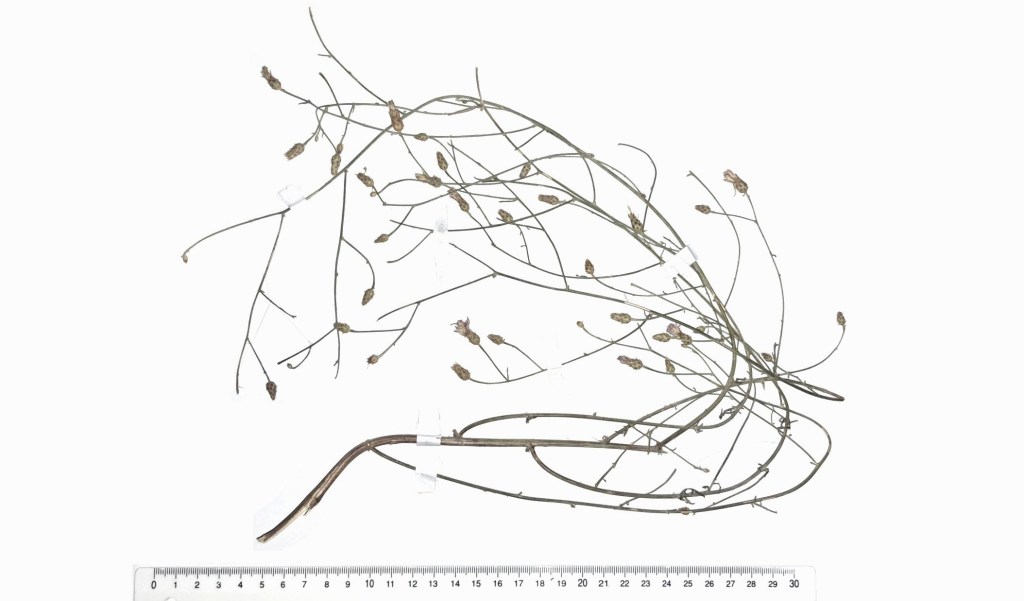
Taxonomy: Fam. Compositae// Genus: Centaurea// Species: Centaurea cylindrocephala Bornm. in Repert. Spec. Nov. Regni Veg. 17: 453. 1921.
Determined according to the botanical keys provided by Hayek (1928-1931) and Dostál (1976 in Tutin et al.) and the original description by Bornmüller (1921). Checked scans from herbarium specimens from North Macedonia collected by Bornmüller in 1917 available on-line (sources: Herbarium Hamburgense, 2026a,b; University of Jena, Herbarium Haussknecht, 2026a,b).
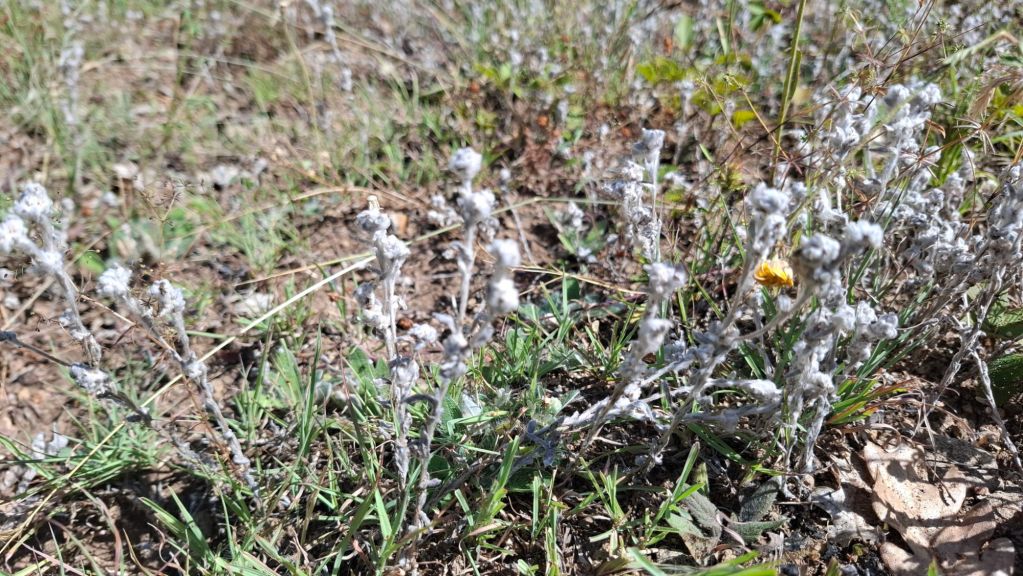
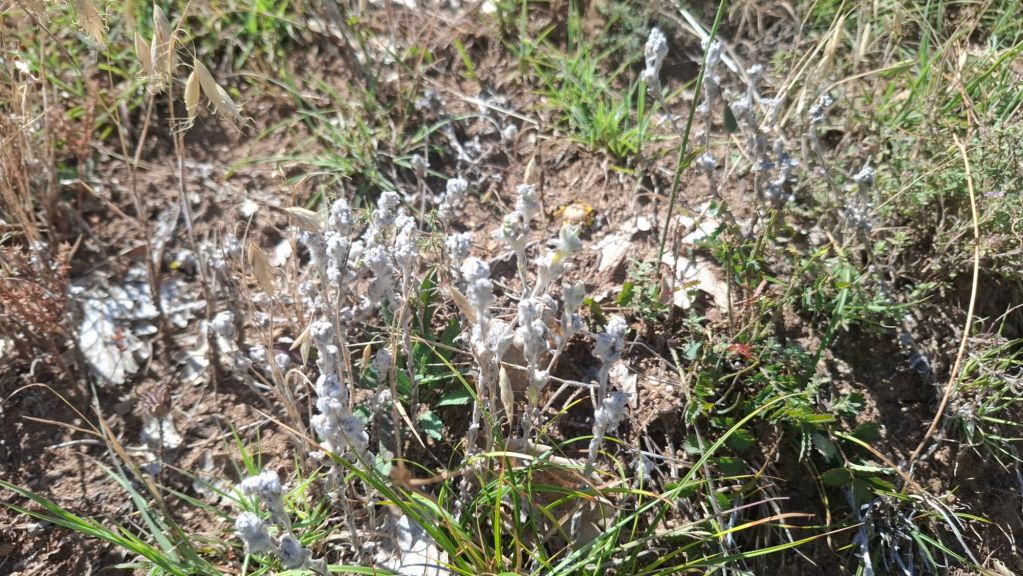
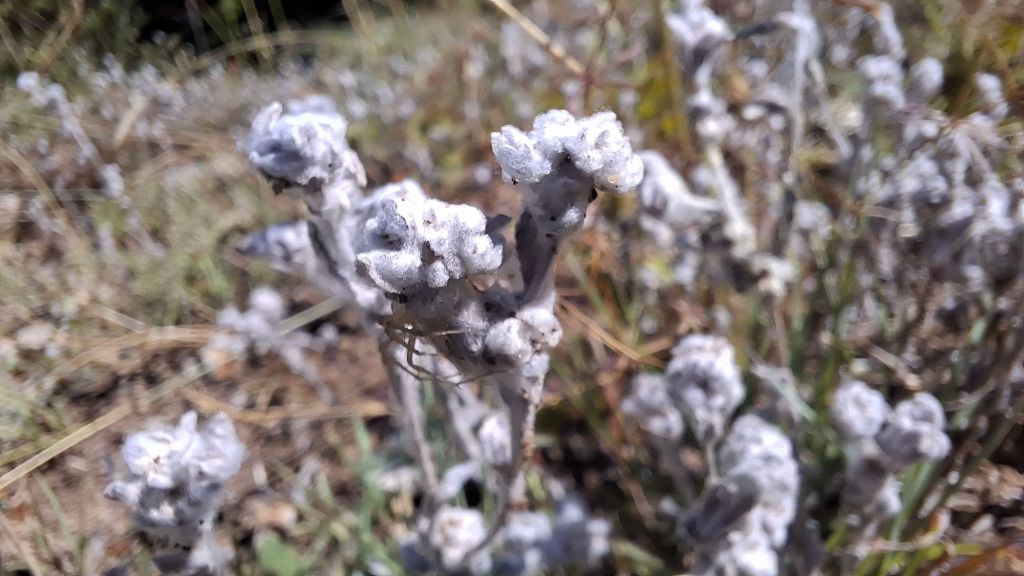
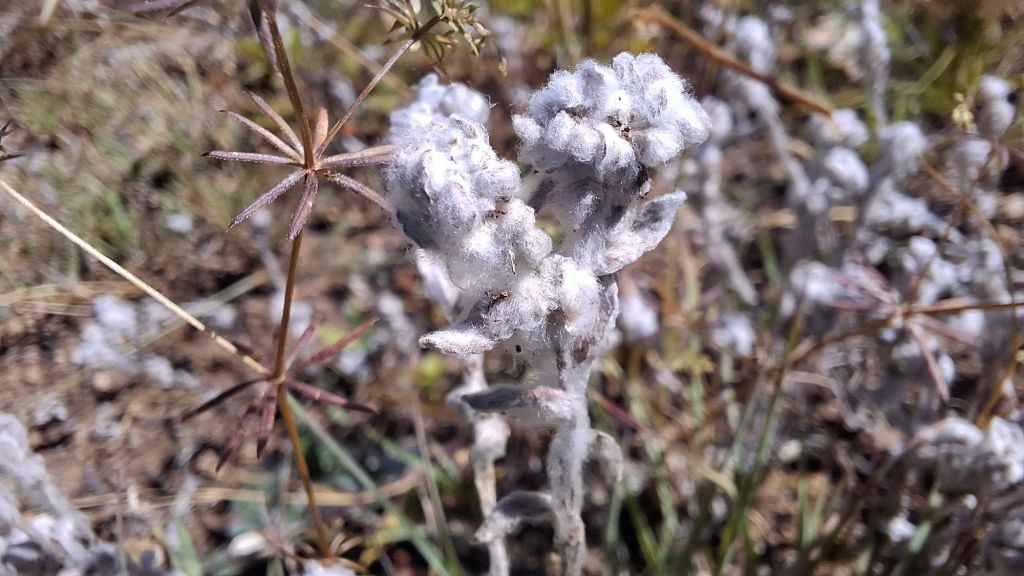
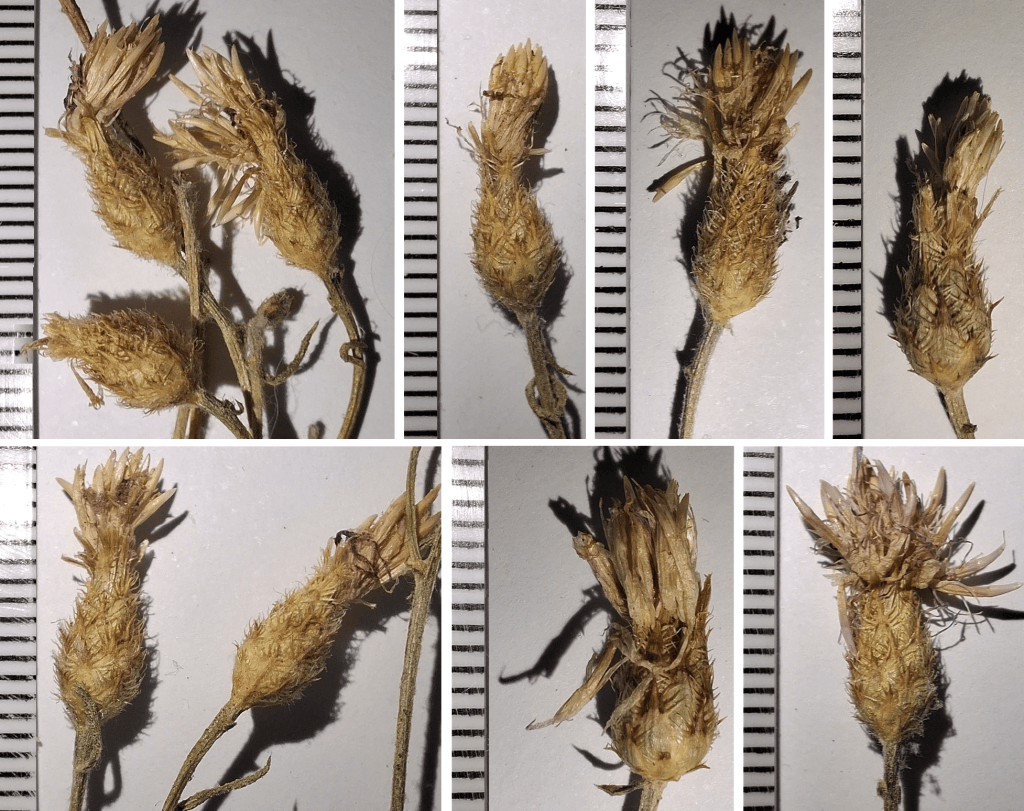
Note: This species is distinguished from the other species in Section Acrolophus by the very small, ovoid-conical capitula 10 mm long x 5 mm wide, bracts with light-brown, pectinate ciliate, spinulose appendage, lower fimbriae not confluent into an auricle and remotely pinnatisect leaves with linear divisions.
Lifeform: Perennial plant; hemicryptophyte according to the Raunkiær system.
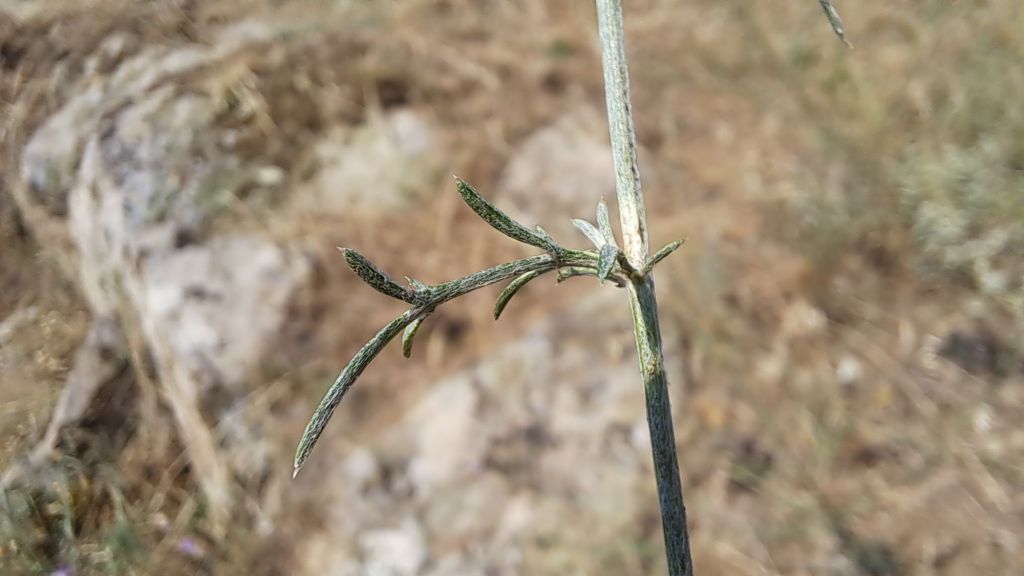
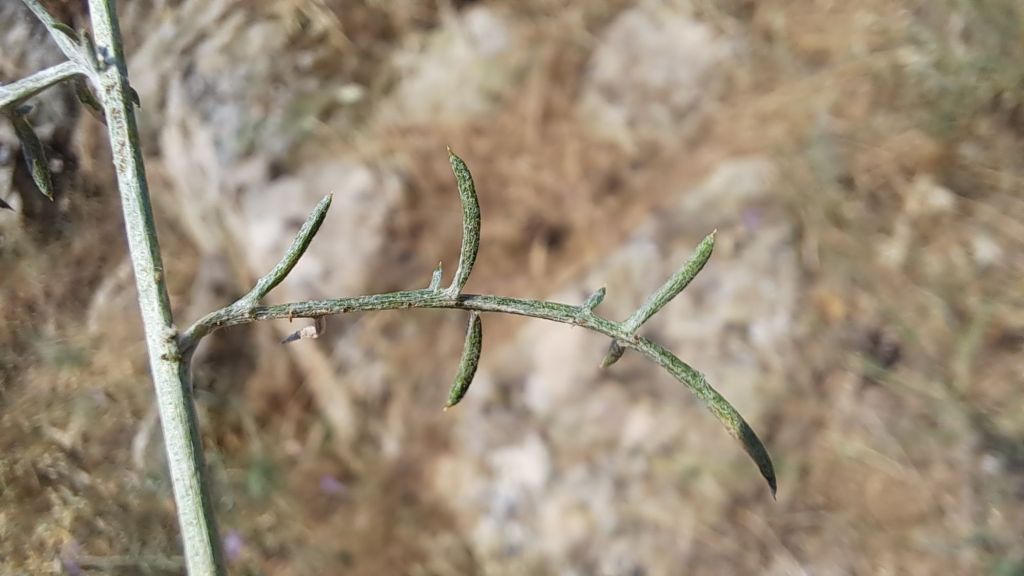
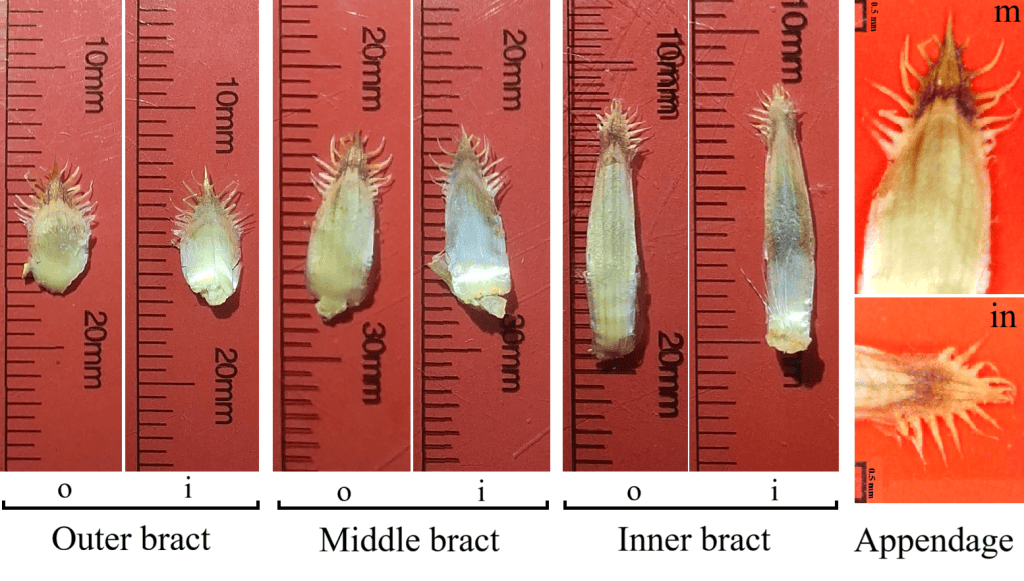
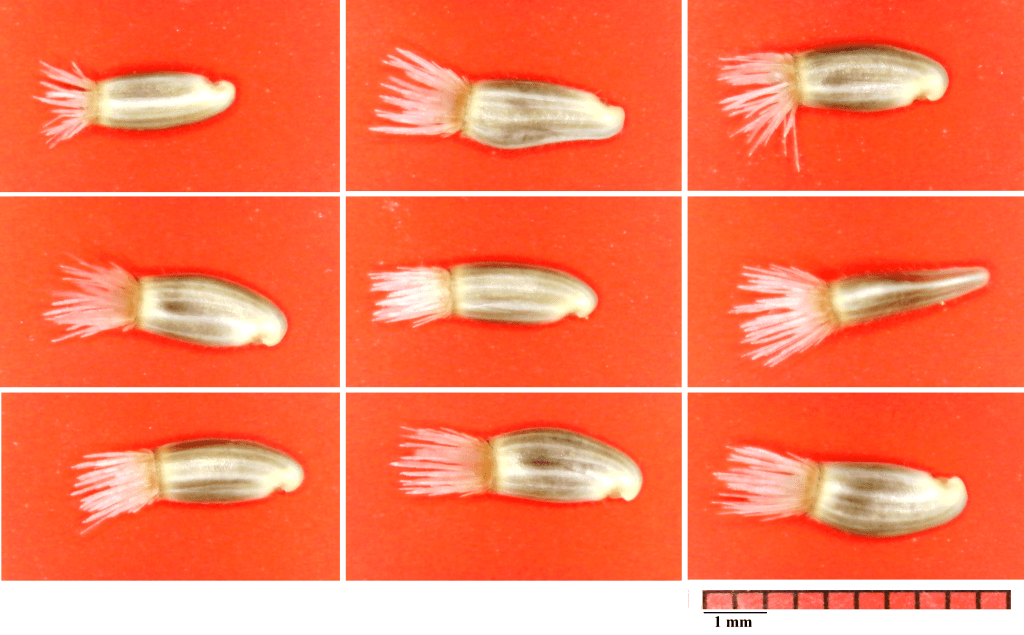
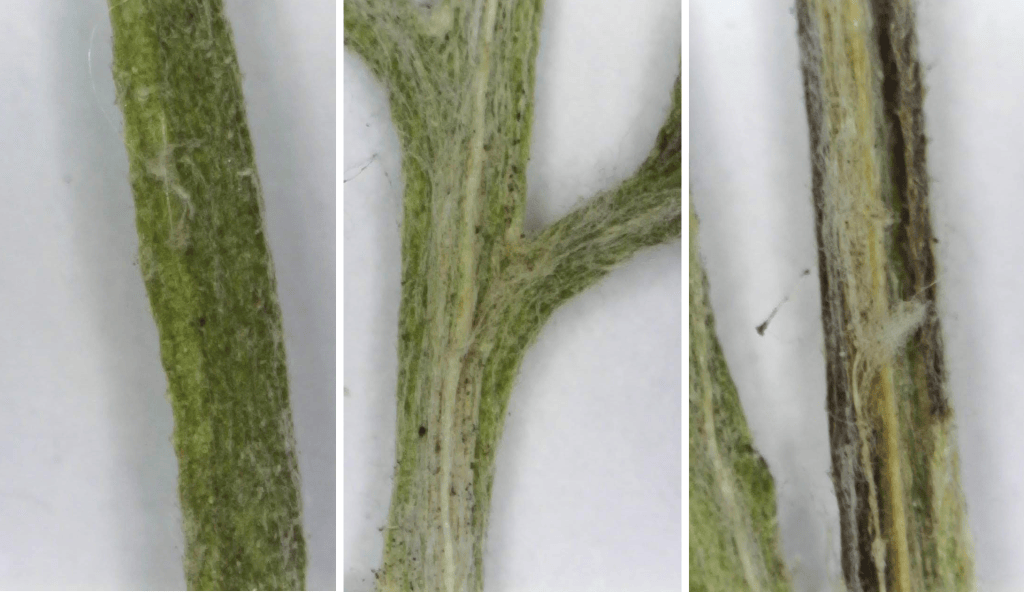
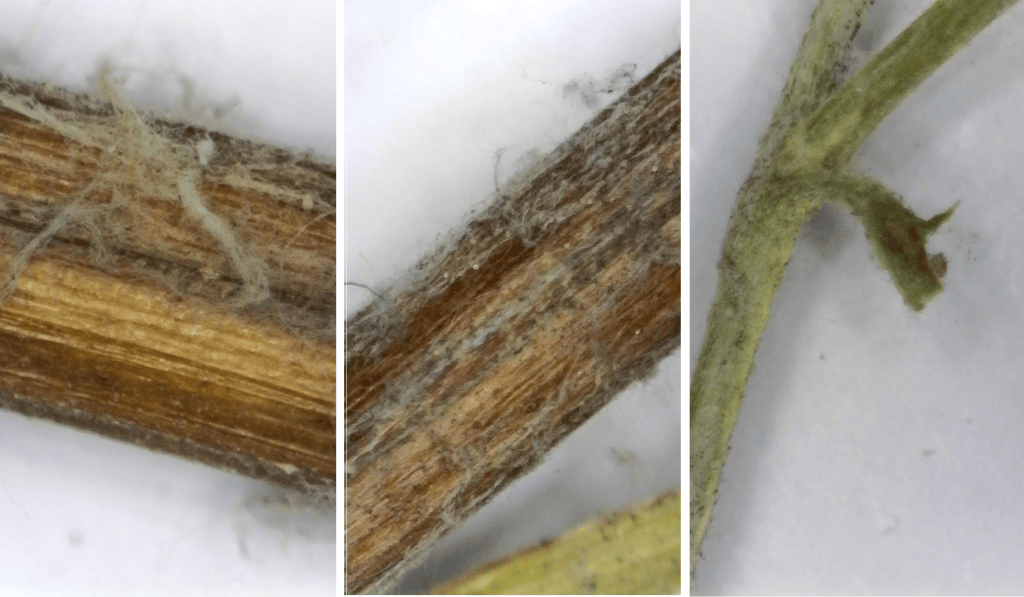
Description: Perennial plant with one to several stems from the base, 20 to 90 cm long, paniculately branched in the upper 1/2. Branches few to numerous, usually branched and bearig many capitula. Plant on harsh exposed dry rocky sites much smaller, less branched and with fewer capitula. Basal leaves withered at flowering. Stems and leaves ± green, grey-green to grey, with appressed arachnoid grey indumentum. Basal leaves ± covered with arachnoid grey indumentum, up to 20 cm long, remotely pinnatisect with long petiole which equals or is slightly longer to slightly shorter than the lamina. Primary divisions linear-lanceolate, undivided to remotely pinnatisect with one or two pairs of linear lanceolate lobes, 1-2 mm wide. The lower cauline leaves are remotely 1-pinnatisect with entire to subentire linear-lanceolate primary divisions, to 2-pinnatisect with primary divisions with up to 2 pairs of lobes. Middle leaves of main stem and leaves of the secondary branches have remotely 1-pinnatisect leaves, with entire or almost entire linear to linear-lanceolate divisions 1-2 mm wide, while leaves of the terminal branches bearing the capitula are linear-lanceolate and reduced in size. Leaf divisions more or less incurved (canaliculate), terminating in a mucro. Capitula small, involucre ovoid-conical, (9.5-)10(-10.5) mm long x (4.0-)4.5-5 mm wide. Ripe dehisced capitula 10-11 mm long x 5-6 wide. The bracts are small, with light-brown, pectinate ciliate appendage. Middle bracts with up to 8 fimbriae and spinulose apex (spinule c. 0.5 < 1 mm). Fimbriae c. 1 mm long, the 2-3 lower are shorter and lighter, not confluent and not forming auricles. Lower fimbriae of inner bracts becoming shorter, somewhat wider at the base and translucent, but distinctly separated from each other, and nor forming auricle. Achenes 2-2.5 mm, grey, with fine hairs. Pappus with white hairs, 1 to 2 mm long. The pappus is shorter than the achene, ranging from slightly shorter or longer than 1/2 length of the achene (47-60%) to 4/5 (80%) of the length of the body.
Note: According to literature data: original description by Bornmüller (1921), Hayek (1928-1931), Dostál (1976 in Tutin et al.), the lower leaves are remotely pinnatisect with linear, entire or nearly entire segments, while the branch leaves are linear-lanceolate, completely entire, and reduced in size. In the specimens from Osogovo, the primary segments of the lower cauline leaves are entire or subentire to pinnatisect with up to 2 remote pairs of lobes in more robust specimens. According to literature data, the pappus is half as long as the achene body. In the Osogovo population, this is not a reliable taxonomic trait, as it varies from c. 1/2 to 4/5 of the body length.
Distribution: Native to the Balkan Penisula: North Macedonia and Greece according to The Euro+Med PlantBase (Greuter, 2006+) and the Plants of the World Online portal (Royal Botanic Gardens, Kew) and Bánki et al. (2026).
Habitat: Rocky terrains and edges of woods in the gorge of the Kochanka River.
Flowering period: Summer: JUL, AUG.
Locality: Kochani: gorge of the Kochanska River. Date: 23.06.2024.
Centaurea cylindrocephala – habit. Osogovo – gorge of the Kochanska River, 23.06.2024. Photo by Trajche Dimitrovski.Centaurea cylindrocephala – habit. Osogovo – gorge of the Kochanska River, 23.06.2024. Photo by Trajche Dimitrovski.Centaurea cylindrocephala – habit. Osogovo – gorge of the Kochanska River, 23.06.2024. Photo by Trajche Dimitrovski.Centaurea cylindrocephala – habit. Osogovo – gorge of the Kochanska River, 23.06.2024. Photo by Trajche Dimitrovski.Centaurea cylindrocephala – habit. Osogovo – gorge of the Kochanska River, 23.06.2024. Photo by Trajche Dimitrovski.Centaurea cylindrocephala – capitulum. Osogovo – gorge of the Kochanska River, 23.06.2024. Photo by Trajche Dimitrovski.Centaurea cylindrocephala – capitulum. Osogovo – gorge of the Kochanska River, 23.06.2024. Photo by Trajche Dimitrovski.Centaurea cylindrocephala – capitulum with involucre. Osogovo – gorge of the Kochanska River, 23.06.2024. Photo by Trajche Dimitrovski.Centaurea cylindrocephala – capitulum with involucre. Osogovo – gorge of the Kochanska River, 23.06.2024. Photo by Trajche Dimitrovski.Centaurea cylindrocephala – fruiting capitulum. Osogovo – gorge of the Kochanska River, 23.06.2024. Photo by Trajche Dimitrovski.Centaurea cylindrocephala – fruiting capitulum. Osogovo – gorge of the Kochanska River, 23.06.2024. Photo by Trajche Dimitrovski.Centaurea cylindrocephala – upper leaves. Osogovo – gorge of the Kochanska River, 23.06.2024. Photo by Trajche Dimitrovski.Centaurea cylindrocephala – middle cauline leaves. Osogovo – gorge of the Kochanska River, 23.06.2024. Photo by Trajche Dimitrovski.Centaurea cylindrocephala – middle cauline leaves. Osogovo – gorge of the Kochanska River, 23.06.2024. Photo by Trajche Dimitrovski.Centaurea cylindrocephala – middle cauline leaves. Osogovo – gorge of the Kochanska River, 23.06.2024. Photo by Trajche Dimitrovski.Centaurea cylindrocephala – middle cauline leaves. Osogovo – gorge of the Kochanska River, 23.06.2024. Photo by Trajche Dimitrovski.Centaurea cylindrocephala – middle cauline leaves. Osogovo – gorge of the Kochanska River, 23.06.2024. Photo by Trajche Dimitrovski.Centaurea cylindrocephala – middle cauline leaves. Osogovo – gorge of the Kochanska River, 23.06.2024. Photo by Trajche Dimitrovski.Centaurea cylindrocephala – middle cauline leaves. Osogovo – gorge of the Kochanska River, 23.06.2024. Photo by Trajche Dimitrovski.Centaurea cylindrocephala – stems with lowest cauline leaves. Osogovo – gorge of the Kochanska River, 23.06.2024. Photo by Trajche Dimitrovski.Centaurea cylindrocephala – stems with lowest cauline leaves. Osogovo – gorge of the Kochanska River, 23.06.2024. Photo by Trajche Dimitrovski.Centaurea cylindrocephala – segments of lower cauline leaves. Osogovo – gorge of the Kochanska River, 23.06.2024. Photo by Trajche Dimitrovski.Centaurea cylindrocephala – plant base. Osogovo – gorge of the Kochanska River, 23.06.2024. Photo by Trajche Dimitrovski.
Locality: Kochani: gorge of the Kochanska River. Date: 06.08.2023.
Centaurea cylindrocephala – habit. Osogovo – gorge of the Kochanska River, 06.08.2023. Photo by Trajche Dimitrovski.Centaurea cylindrocephala – habit. Osogovo – gorge of the Kochanska River, 06.08.2023. Photo by Trajche Dimitrovski.Centaurea cylindrocephala – habit. Osogovo – gorge of the Kochanska River, 06.08.2023. Photo by Trajche Dimitrovski.Centaurea cylindrocephala – habit. Osogovo – gorge of the Kochanska River, 06.08.2023. Photo by Trajche Dimitrovski.Centaurea cylindrocephala – upper part of stem. Osogovo – gorge of the Kochanska River, 06.08.2023. Photo by Trajche Dimitrovski.Centaurea cylindrocephala – fflowering stems. Osogovo – gorge of the Kochanska River, 06.08.2023. Photo by Trajche Dimitrovski.Centaurea cylindrocephala – capitulum. Osogovo – gorge of the Kochanska River, 06.08.2023. Photo by Trajche Dimitrovski.Centaurea cylindrocephala – capitulum. Osogovo – gorge of the Kochanska River, 06.08.2023. Photo by Trajche Dimitrovski.Centaurea cylindrocephala – capitulum. Osogovo – gorge of the Kochanska River, 06.08.2023. Photo by Trajche Dimitrovski.Centaurea cylindrocephala – capitulum. Osogovo – gorge of the Kochanska River, 06.08.2023. Photo by Trajche Dimitrovski.Centaurea cylindrocephala – capitulum. Osogovo – gorge of the Kochanska River, 06.08.2023. Photo by Trajche Dimitrovski.Centaurea cylindrocephala – capitulum. Osogovo – gorge of the Kochanska River, 06.08.2023. Photo by Trajche Dimitrovski.Centaurea cylindrocephala – capitulum. Osogovo – gorge of the Kochanska River, 06.08.2023. Photo by Trajche Dimitrovski.Centaurea cylindrocephala – capitulum. Osogovo – gorge of the Kochanska River, 06.08.2023. Photo by Trajche Dimitrovski.Centaurea cylindrocephala – capitulum. Osogovo – gorge of the Kochanska River, 06.08.2023. Photo by Trajche Dimitrovski.Centaurea cylindrocephala – capitulum. Osogovo – gorge of the Kochanska River, 06.08.2023. Photo by Trajche Dimitrovski.Centaurea cylindrocephala – flowering branches with upper cauline leaves. Osogovo – gorge of the Kochanska River, 06.08.2023. Photo by Trajche Dimitrovski.Centaurea cylindrocephala – branches with cauline leaves. Osogovo – gorge of the Kochanska River, 06.08.2023. Photo by Trajche Dimitrovski.Centaurea cylindrocephala – main stems and branches with cauline leaves. Osogovo – gorge of the Kochanska River, 06.08.2023. Photo by Trajche Dimitrovski.Centaurea cylindrocephala – main stem and branches with cauline leaves. Osogovo – gorge of the Kochanska River, 06.08.2023. Photo by Trajche Dimitrovski.Centaurea cylindrocephala – leaf of secondary (flowering) branch. Osogovo – gorge of the Kochanska River, 06.08.2023. Photo by Trajche Dimitrovski.Centaurea cylindrocephala – leaves of secondary (flowering) branch. Osogovo – gorge of the Kochanska River, 06.08.2023. Photo by Trajche Dimitrovski.Centaurea cylindrocephala – leaf of primary branch. Osogovo – gorge of the Kochanska River, 06.08.2023. Photo by Trajche Dimitrovski.Centaurea cylindrocephala – abaxial side of leaf. Osogovo – gorge of the Kochanska River, 06.08.2023. Photo by Trajche Dimitrovski.Centaurea cylindrocephala – plant base with new developing shoots. Osogovo – gorge of the Kochanska River, 06.08.2023. Photo by Trajche Dimitrovski.Centaurea cylindrocephala – young plant with basal leaves. Osogovo – gorge of the Kochanska River, 06.08.2023. Photo by Trajche Dimitrovski.Centaurea cylindrocephala – leaf of primary branch. Osogovo – gorge of the Kochanska River, 06.08.2023. Photo by Trajche Dimitrovski.Centaurea cylindrocephala – segments of basal leaf. Osogovo – gorge of the Kochanska River, 06.08.2023. Photo by Trajche Dimitrovski.Centaurea cylindrocephala – segments of basal leaf. Osogovo – gorge of the Kochanska River, 06.08.2023. Photo by Trajche Dimitrovski.Centaurea cylindrocephala – segments of basal leaf. Osogovo – gorge of the Kochanska River, 06.08.2023. Photo by Trajche Dimitrovski.
Scaled images. Specimen from Kochani, gorge of the Kochanska River, colected 06.08.2023.
Centaurea cylindrocephala – habit. Scale in cm. Specimen from Osogovo – gorge of the Kochanska River, collected 06.08.2023. Photo by Trajche Dimitrovski.Centaurea cylindrocephala – habit. Scale in cm. Specimen from Osogovo – gorge of the Kochanska River, collected 06.08.2023. Photo by Trajche Dimitrovski.Centaurea cylindrocephala – habit of plant in first year of growth. Scale in cm. Specimen from Osogovo – gorge of the Kochanska River, collected 06.08.2023. Photo by Trajche Dimitrovski.Centaurea cylindrocephala – size of capitula. Scale in mm. Specimen from Osogovo – gorge of the Kochanska River, collected 06.08.2023. Photo by Trajche Dimitrovski.Centaurea cylindrocephala – size of capitula. Scale in mm. Specimen from Osogovo – gorge of the Kochanska River, collected 06.08.2023. Photo by Trajche Dimitrovski.Centaurea cylindrocephala – outer, middle and inner involucral bracts. o- outer side; i- inner side of bracts. Appendages under magnification- m: appendage of middle bract, in- appendage of inner bract. Scale in mm. Specimen from Osogovo – gorge of the Kochanska River, collected 06.08.2023. Photo by Trajche Dimitrovski.Centaurea cylindrocephala – achenes. Specimen from Osogovo – gorge of the Kochanska River, collected 06.08.2023. Photo by Trajche Dimitrovski.Centaurea cylindrocephala – achenes showing longer pappus. Specimen from Osogovo – gorge of the Kochanska River, collected 06.08.2023. Photo by Trajche Dimitrovski.Centaurea cylindrocephala – basal leaves lamina. Specimen from Osogovo – gorge of the Kochanska River, collected 06.08.2023. Photo by Trajche Dimitrovski.Centaurea cylindrocephala – basal leaves segments. Specimen from Osogovo – gorge of the Kochanska River, collected 06.08.2023. Photo by Trajche Dimitrovski.Centaurea cylindrocephala – indumentum of basal leaves under magnification. Left: adaxial side of leaf; center and right: abaxial side of leaf. Specimen from Osogovo – gorge of the Kochanska River, collected 06.08.2023. Photo by Trajche Dimitrovski.Centaurea cylindrocephala – indumentum of cauline leaves under magnification. Specimen from Osogovo – gorge of the Kochanska River, collected 06.08.2023. Photo by Trajche Dimitrovski.Centaurea cylindrocephala. Left and center: indumentum of stem; right: indumentum of terminal branch under magnification. Specimen from Osogovo – gorge of the Kochanska River, collected 06.08.2023. Photo by Trajche Dimitrovski.
Locality: Kochani: gorge of the Kochanska River. Date: 10.08.2026.
Centaurea cylindrocephala – habit. Osogovo – gorge of the Kochanska River, 10.08.2026. Photo by Trajche Dimitrovski.Centaurea cylindrocephala – habit. Osogovo – gorge of the Kochanska River, 10.08.2026. Photo by Trajche Dimitrovski.Centaurea cylindrocephala – habit. Osogovo – gorge of the Kochanska River, 10.08.2026. Photo by Trajche Dimitrovski.Centaurea cylindrocephala – habit. Osogovo – gorge of the Kochanska River, 10.08.2026. Photo by Trajche Dimitrovski.Centaurea cylindrocephala – habit. Osogovo – gorge of the Kochanska River, 10.08.2026. Photo by Trajche Dimitrovski.Centaurea cylindrocephala – habit. Osogovo – gorge of the Kochanska River, 10.08.2026. Photo by Trajche Dimitrovski.Centaurea cylindrocephala – habit. Osogovo – gorge of the Kochanska River, 10.08.2026. Photo by Trajche Dimitrovski.Centaurea cylindrocephala – habit. Osogovo – gorge of the Kochanska River, 10.08.2026. Photo by Trajche Dimitrovski.Centaurea cylindrocephala – capitulum. Osogovo – gorge of the Kochanska River, 10.08.2026. Photo by Trajche Dimitrovski.Centaurea cylindrocephala – capitulum. Osogovo – gorge of the Kochanska River, 10.08.2026. Photo by Trajche Dimitrovski.Centaurea cylindrocephala – capitulum. Osogovo – gorge of the Kochanska River, 10.08.2026. Photo by Trajche Dimitrovski.Centaurea cylindrocephala – capitulum. Osogovo – gorge of the Kochanska River, 10.08.2026. Photo by Trajche Dimitrovski.Centaurea cylindrocephala – capitulum. Osogovo – gorge of the Kochanska River, 10.08.2026. Photo by Trajche Dimitrovski.Centaurea cylindrocephala – capitulum and upper-most leaves. Osogovo – gorge of the Kochanska River, 10.08.2026. Photo by Trajche Dimitrovski.Centaurea cylindrocephala – fruiting capitulum. Osogovo – gorge of the Kochanska River, 10.08.2026. Photo by Trajche Dimitrovski.Centaurea cylindrocephala – upper leaves. Osogovo – gorge of the Kochanska River, 10.08.2026. Photo by Trajche Dimitrovski.Centaurea cylindrocephala – upper leaves. Osogovo – gorge of the Kochanska River, 10.08.2026. Photo by Trajche Dimitrovski.Centaurea cylindrocephala – middle leaf Osogovo – gorge of the Kochanska River, 10.08.2026. Photo by Trajche Dimitrovski.Centaurea cylindrocephala – middle leaf Osogovo – gorge of the Kochanska River, 10.08.2026. Photo by Trajche Dimitrovski.Centaurea cylindrocephala – middle leaf Osogovo – gorge of the Kochanska River, 10.08.2026. Photo by Trajche Dimitrovski.Centaurea cylindrocephala – lower leaf. Osogovo – gorge of the Kochanska River, 10.08.2026. Photo by Trajche Dimitrovski.Centaurea cylindrocephala – lower leaf. Osogovo – gorge of the Kochanska River, 10.08.2026. Photo by Trajche Dimitrovski.Centaurea cylindrocephala – lower leaf. Osogovo – gorge of the Kochanska River, 10.08.2026. Photo by Trajche Dimitrovski.Centaurea cylindrocephala – lower leaf. Osogovo – gorge of the Kochanska River, 10.08.2026. Photo by Trajche Dimitrovski.Centaurea cylindrocephala – lower leaf. Osogovo – gorge of the Kochanska River, 10.08.2026. Photo by Trajche Dimitrovski.Centaurea cylindrocephala – lower leaf. Osogovo – gorge of the Kochanska River, 10.08.2026. Photo by Trajche Dimitrovski.Centaurea cylindrocephala – lower leaf. Osogovo – gorge of the Kochanska River, 10.08.2026. Photo by Trajche Dimitrovski.Centaurea cylindrocephala – lower leaf. Osogovo – gorge of the Kochanska River, 10.08.2026. Photo by Trajche Dimitrovski.Centaurea cylindrocephala – lower leaf. Osogovo – gorge of the Kochanska River, 10.08.2026. Photo by Trajche Dimitrovski.Centaurea cylindrocephala – lower leaf. Osogovo – gorge of the Kochanska River, 10.08.2026. Photo by Trajche Dimitrovski.Centaurea cylindrocephala – basal leaf. Osogovo – gorge of the Kochanska River, 10.08.2026. Photo by Trajche Dimitrovski.Centaurea cylindrocephala – withered basal leaves. Osogovo – gorge of the Kochanska River, 10.08.2026. Photo by Trajche Dimitrovski.Centaurea cylindrocephala – lower part od s=tem. Osogovo – gorge of the Kochanska River, 10.08.2026. Photo by Trajche Dimitrovski.
Centaurea cylindrocephala Bornm. in Bánki, O., Roskov, Y., Döring, M., Ower, G., Hernández Robles, D. R., Plata Corredor, C. A., Stjernegaard Jeppesen, T., Örn, A., Pape, T., Hobern, D., Garnett, S., Little, H., DeWalt, R. E., Miller, J., Orrell, T., Aalbu, R., Abbott, J., Abreu, C., Acero P, A., et al. (2026). Catalogue of Life (2026-07-17 XR). Catalogue of Life Foundation, Amsterdam, Netherlands. https://doi.org/10.48580/dgykv
Dostál, J. 1976. Centaurea L. In Tutin, T. G., Heywood, V. H., Burges, N. A., Moore, D. M., Valentine, D. H., Walters, S. M. & Webb, D. A. (eds.), Flora Europaea. Volume 4. Plantaginaceae to Compositae (and Rubiaceae). Cambridge: Cambridge University Press, pp. 254–301.
Hayek A. 1928–1931. Prodromus florae peninsulae Balcanicae, 2. Band: Dicotyledoneae Sympetalae. — Repert. Spec. Nov. Regni Veg. Beih. 30(2): 1152 pp. [1–96 (1928), 97–336 (1929), 337–576 (1930), 577–1152 (1931)].
The classification is given according to the Euro+Med Planbase (Marhold, 2011+).
Determined according to the botanical key provided by Diklić in Josifović (1974) and Walters and Webb (1972 in Tutin et al.).
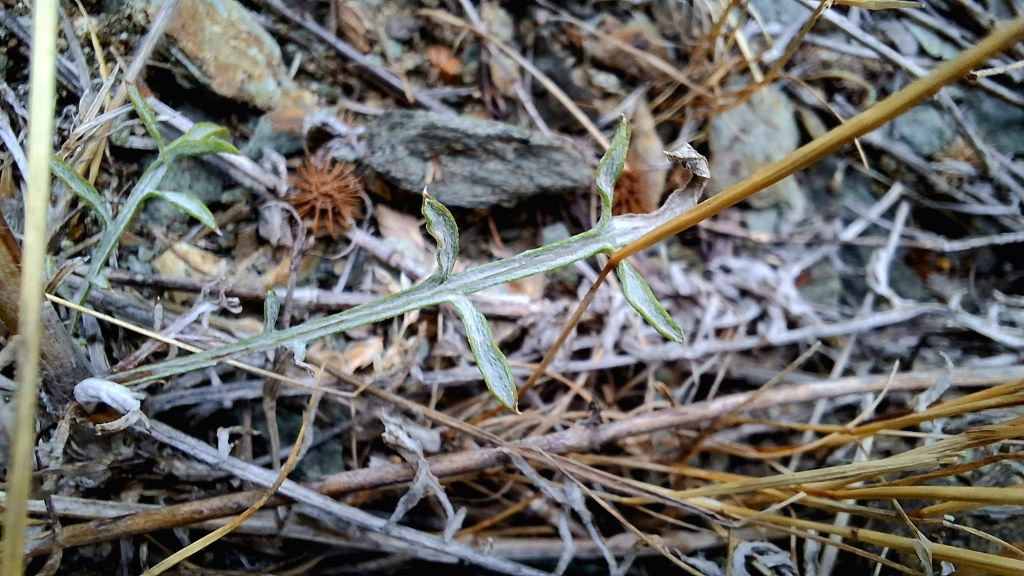
Note: The population from Osogovo has the distinguishing trait of V. spicata subsp. spicata – hairy and glandular stem and inflorescence, yet it shows longer leaf petioles. According to literature data the petiole of the lower leaves is up to 10 mm long, while the plants from Osogovo have well developed petioles of the lower and middle leaves, reaching up to 45 mm in the lower leaves.
Lifeform: Perennial plant. Hemicryptophyte according to the Raunkiær system.
Distribution: Native from Europe to Central Siberia and NW. Xinjiang according to the Plants of the World Online portal (Royal Botanic Gardens, Kew).
Habitat: Edges of forest and sparse woods in the Querco-carpinetumorientalis ass.
Flowering period: Summer (JUN, JUL).
Locality: Probishtip, Stari Grad – rock cliffs above the Eshterec Stream (Zletovska River basin). Date: 05.07.2026.
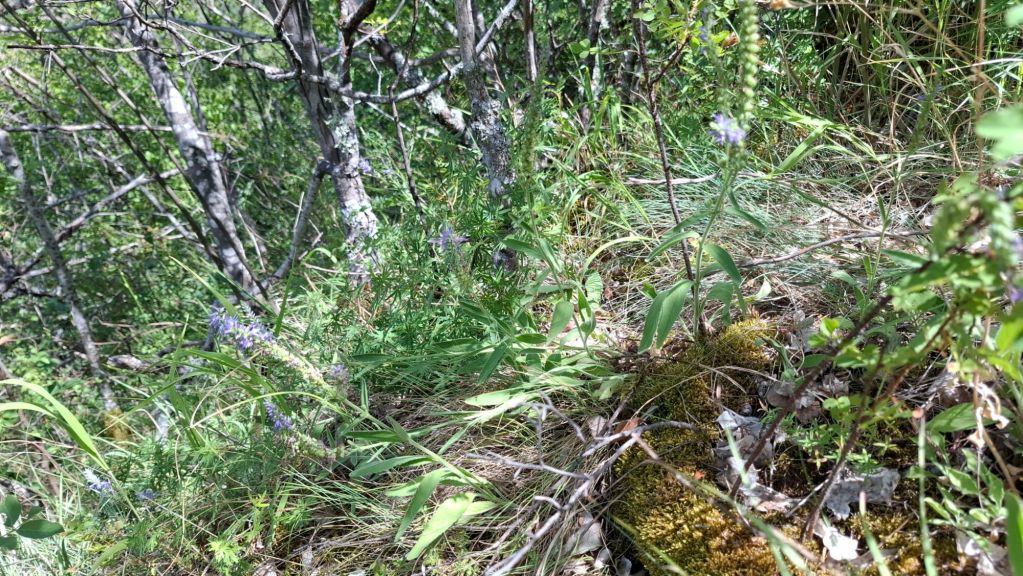
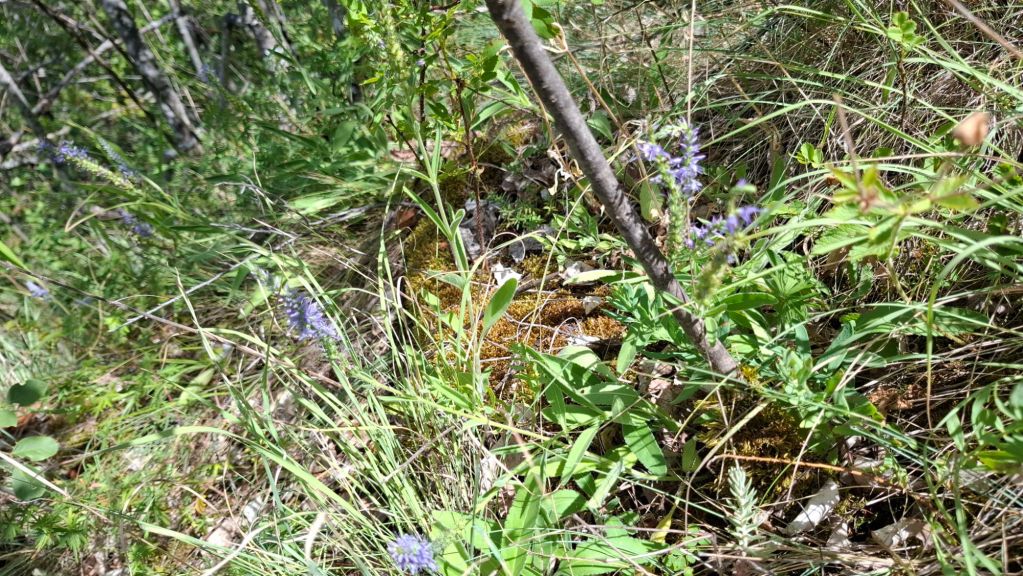
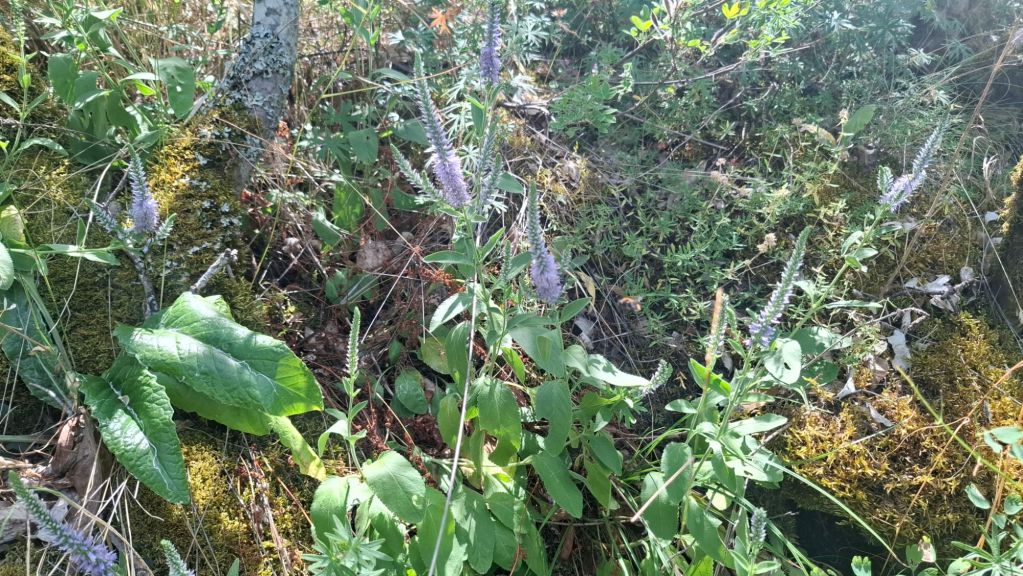
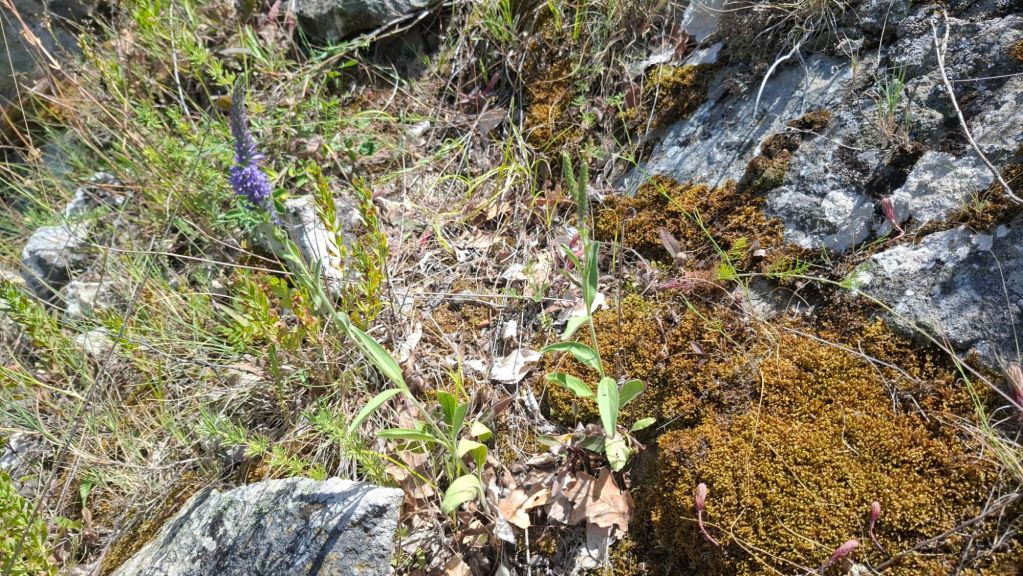
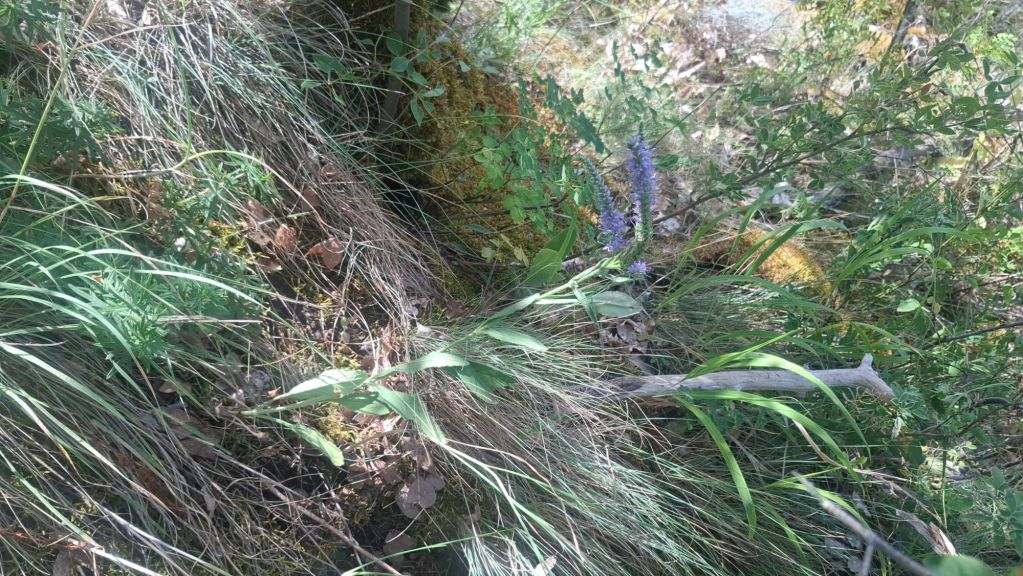
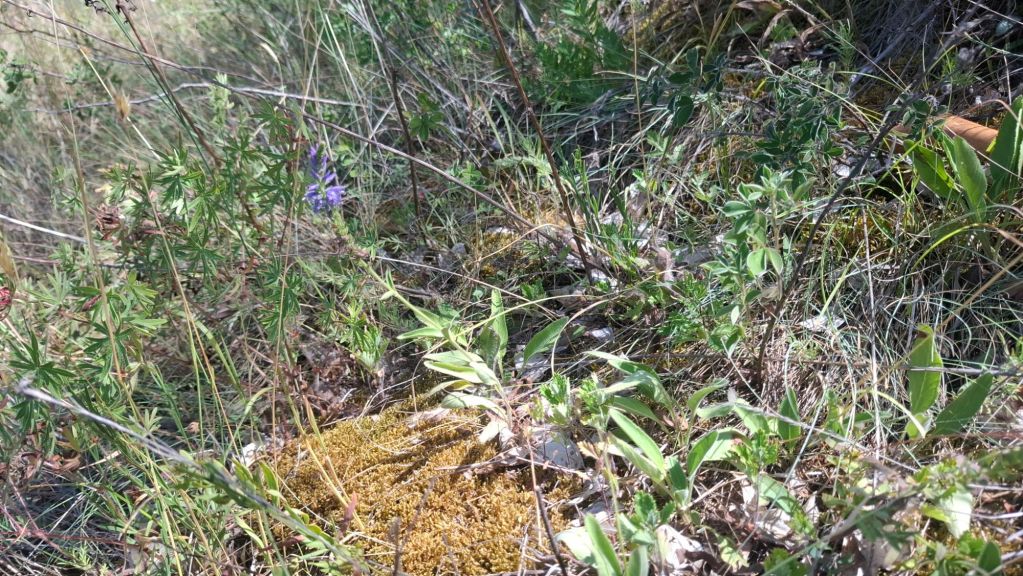
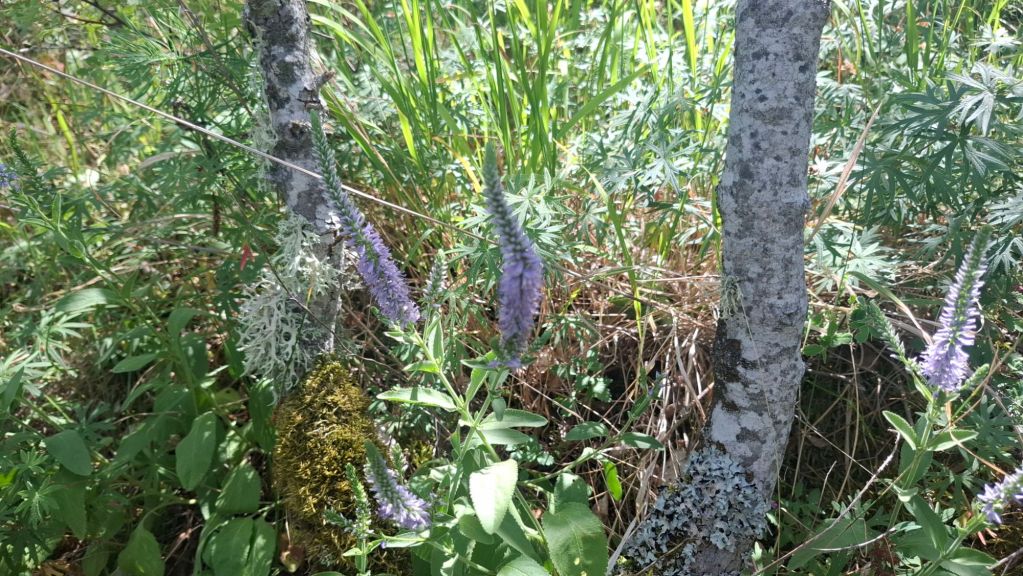
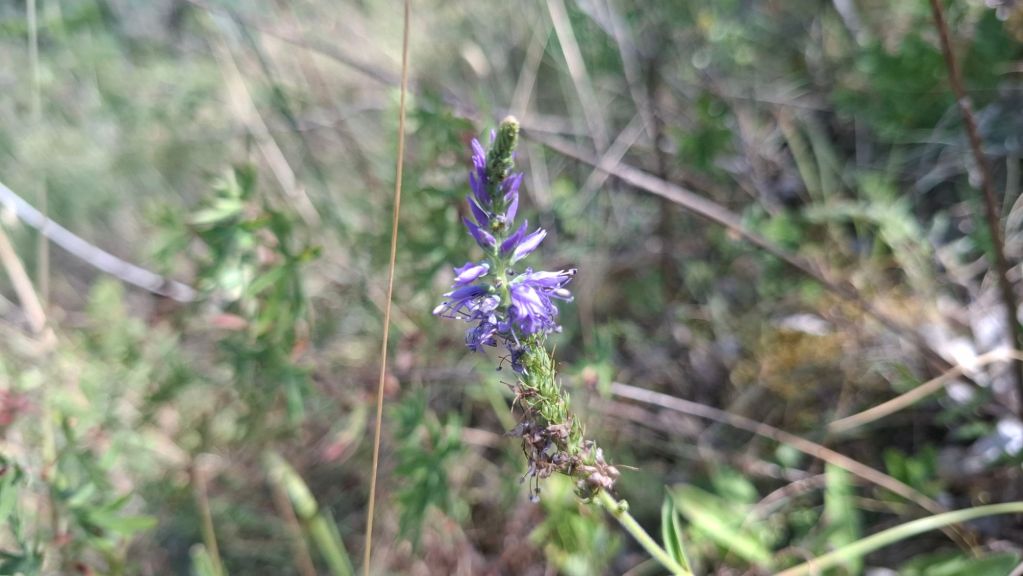
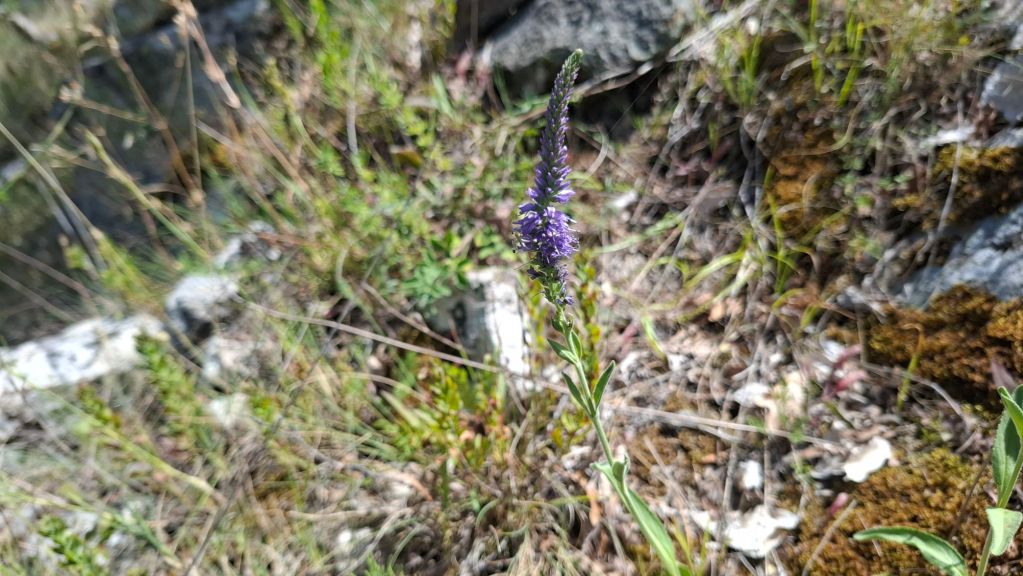
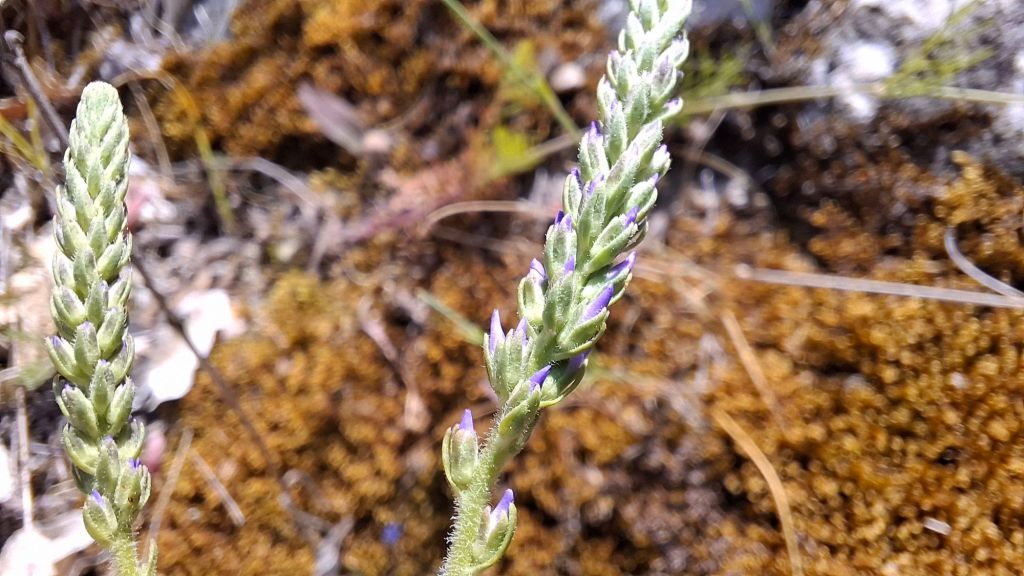
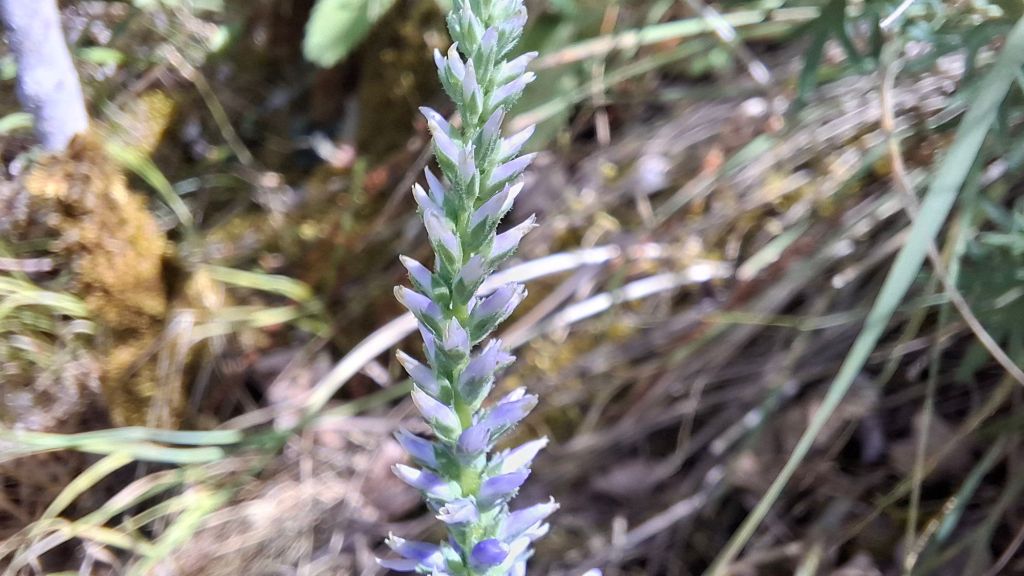
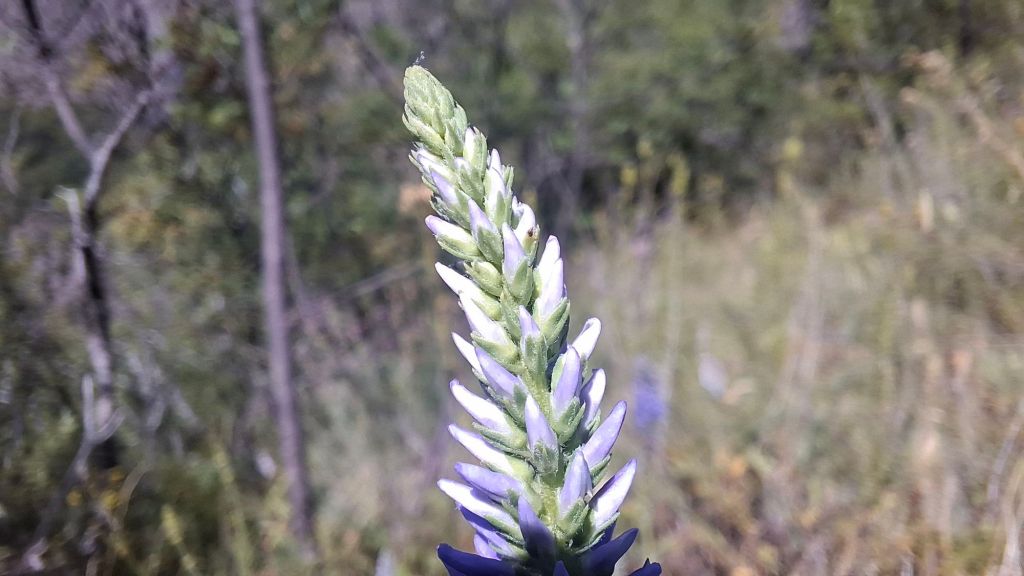
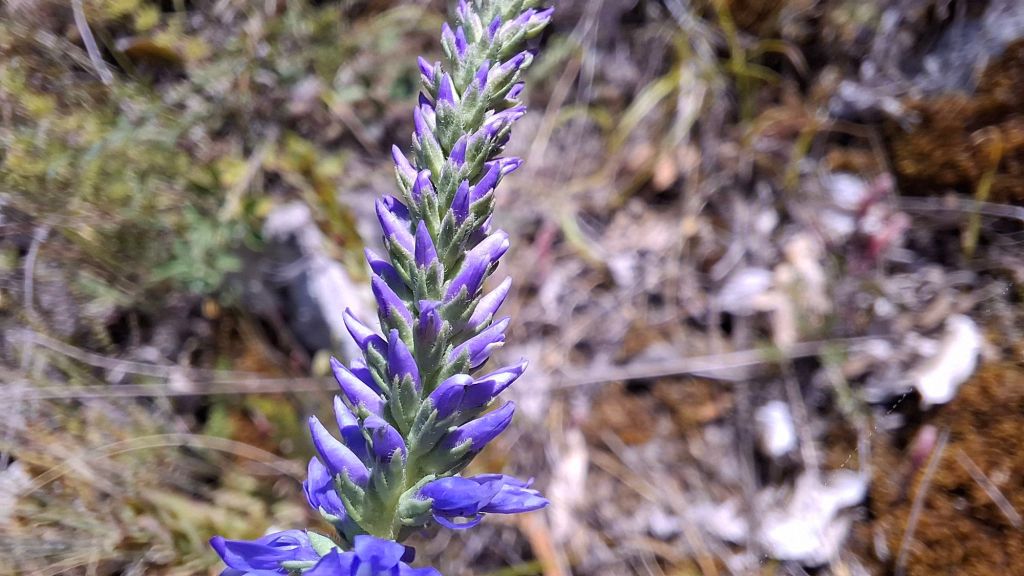
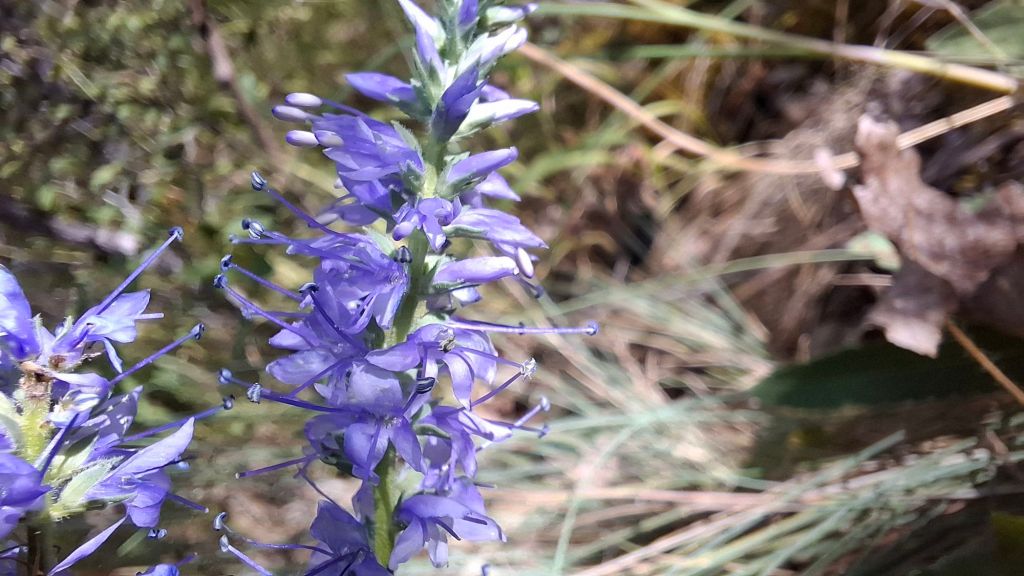
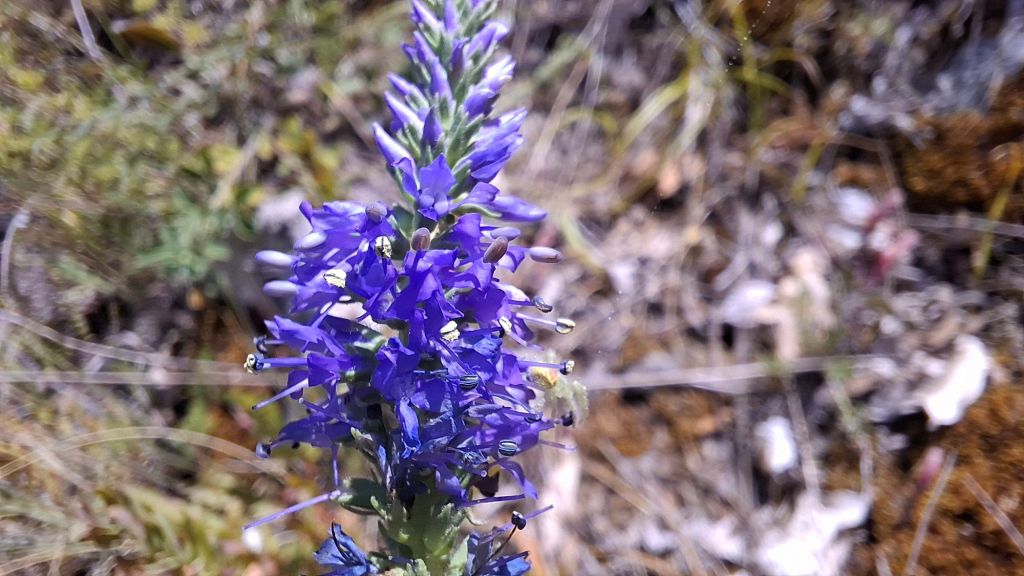
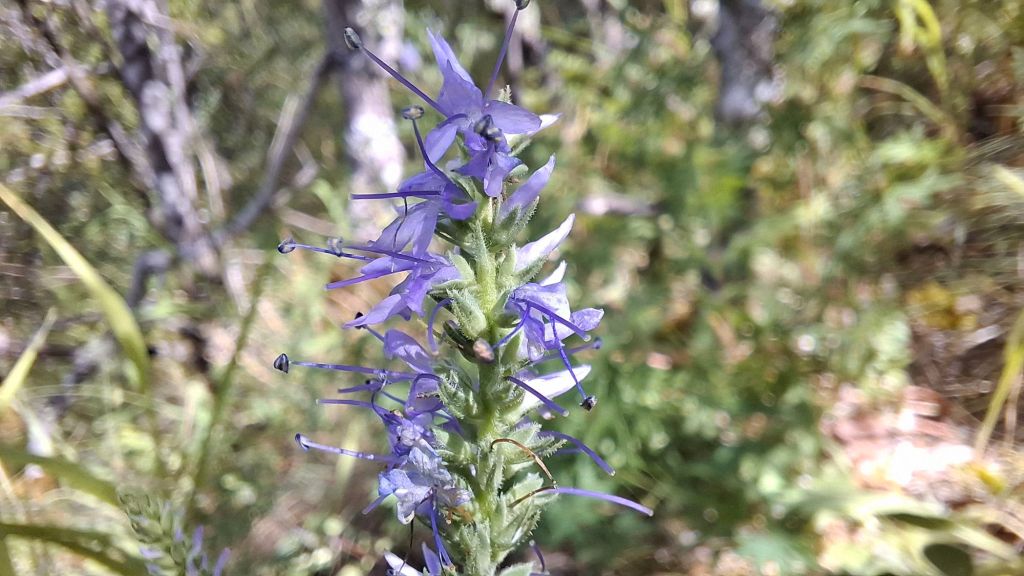
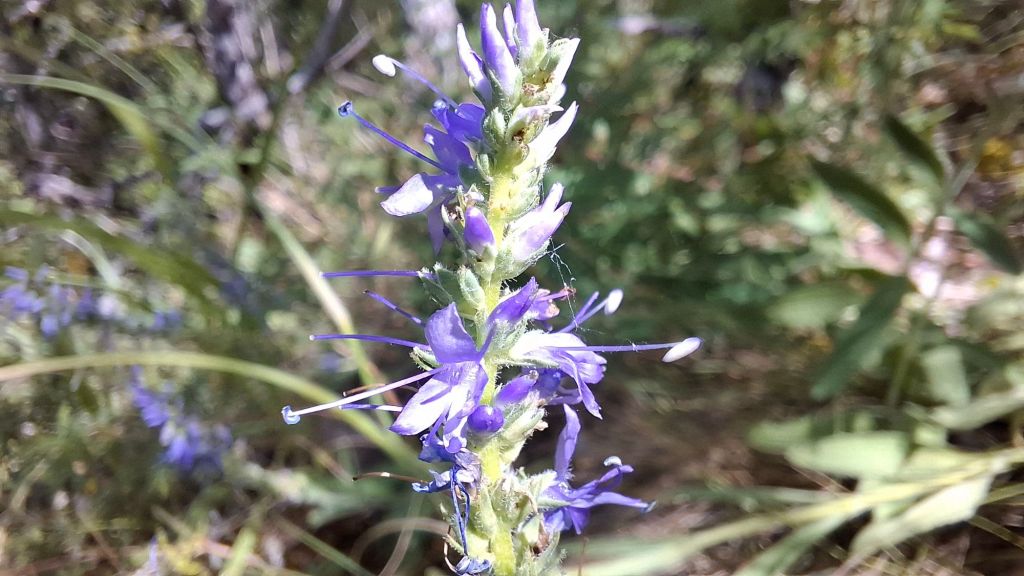
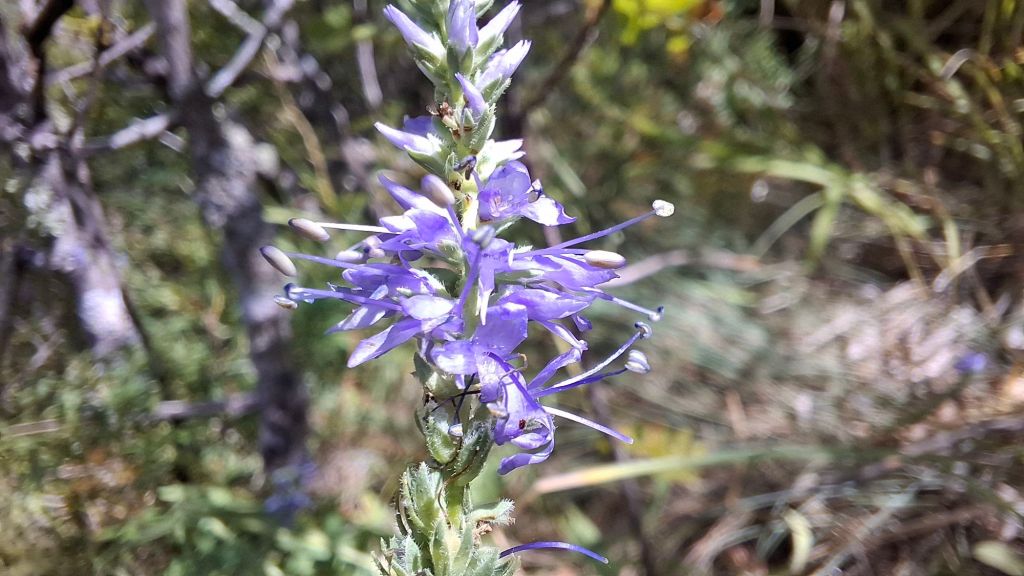
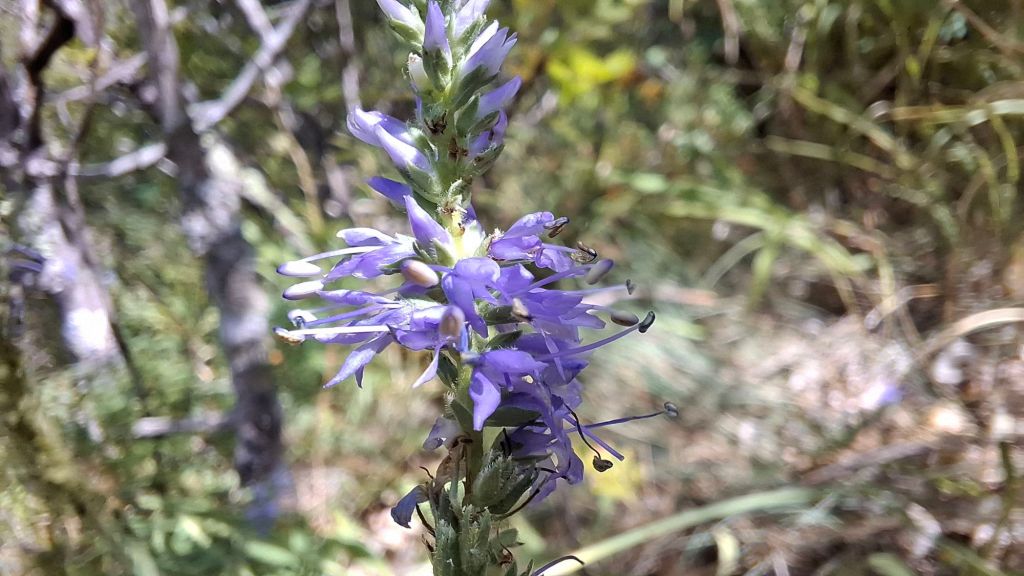
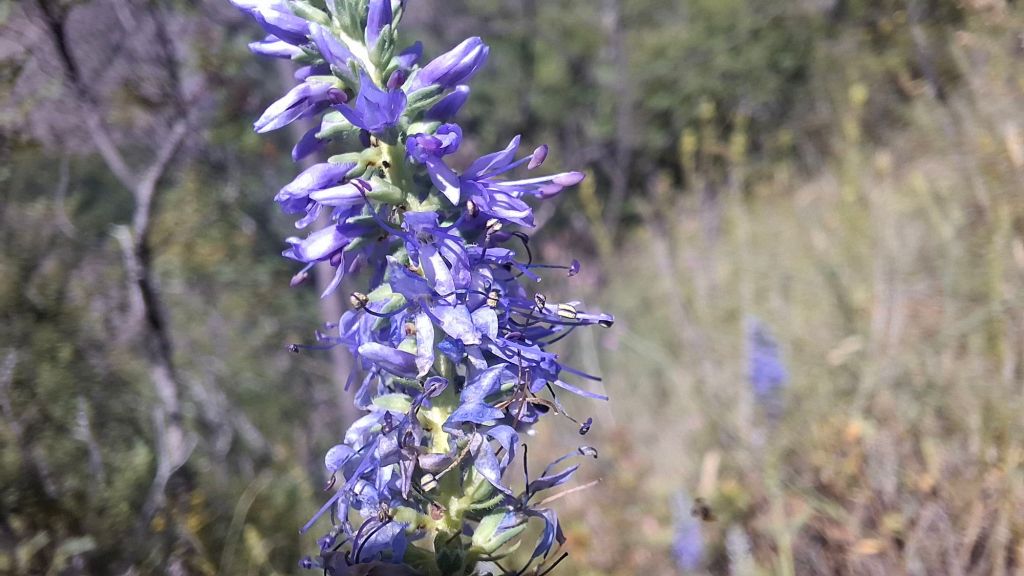
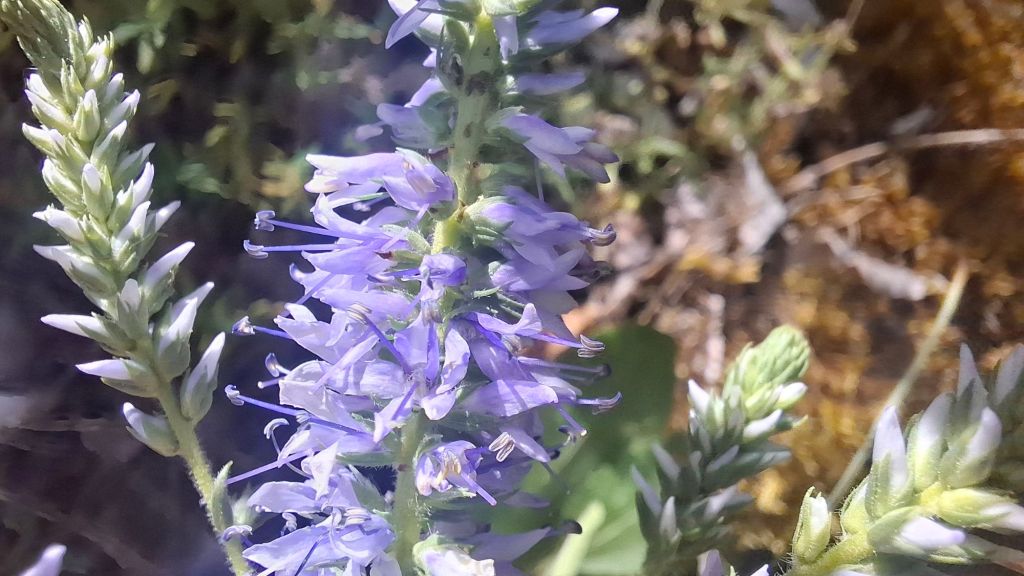
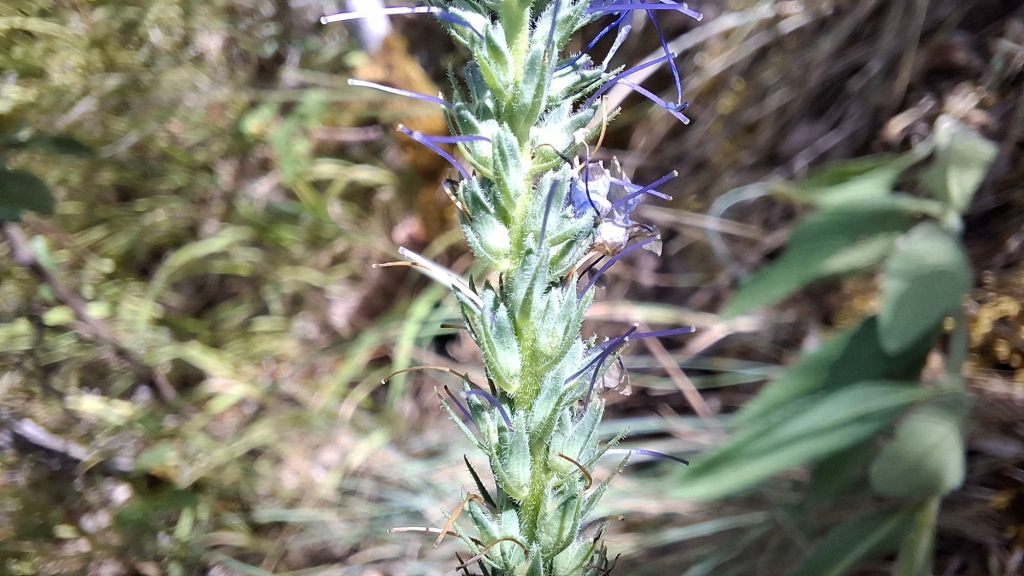
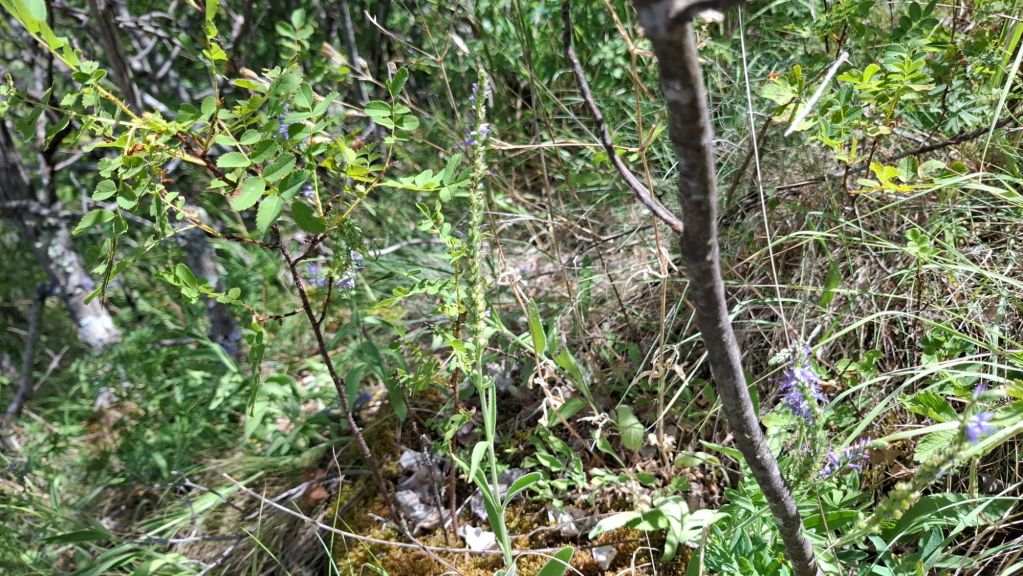
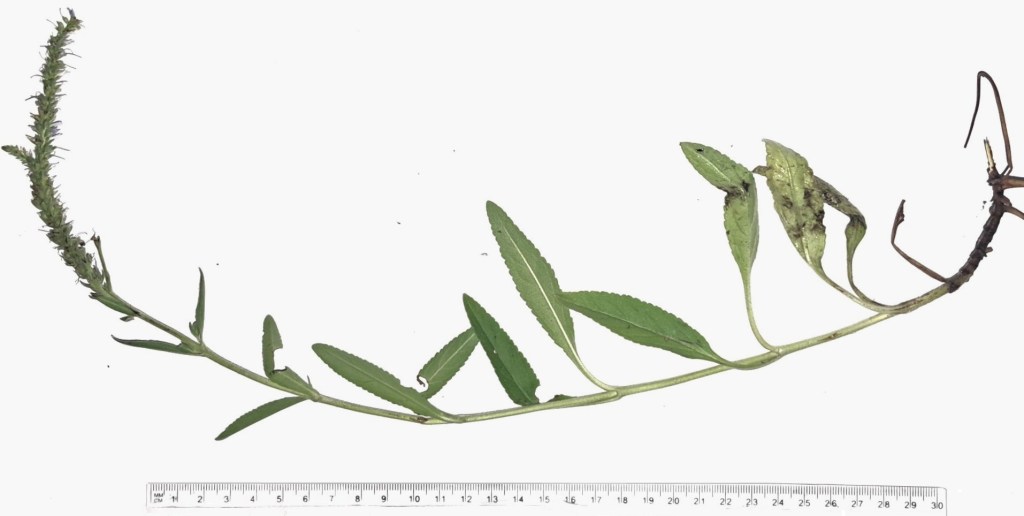
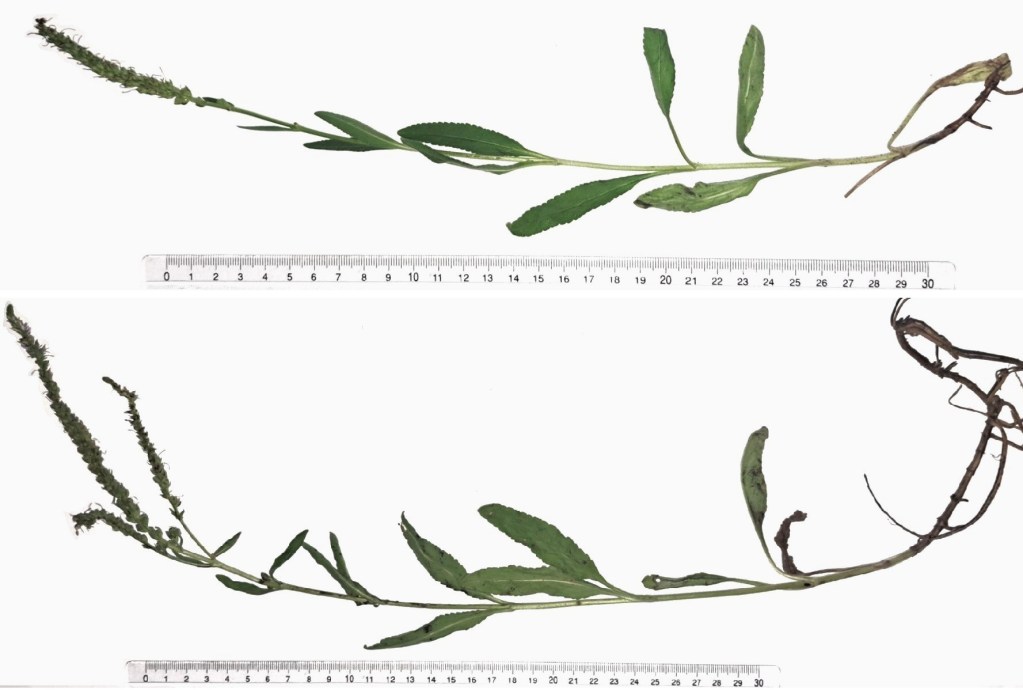
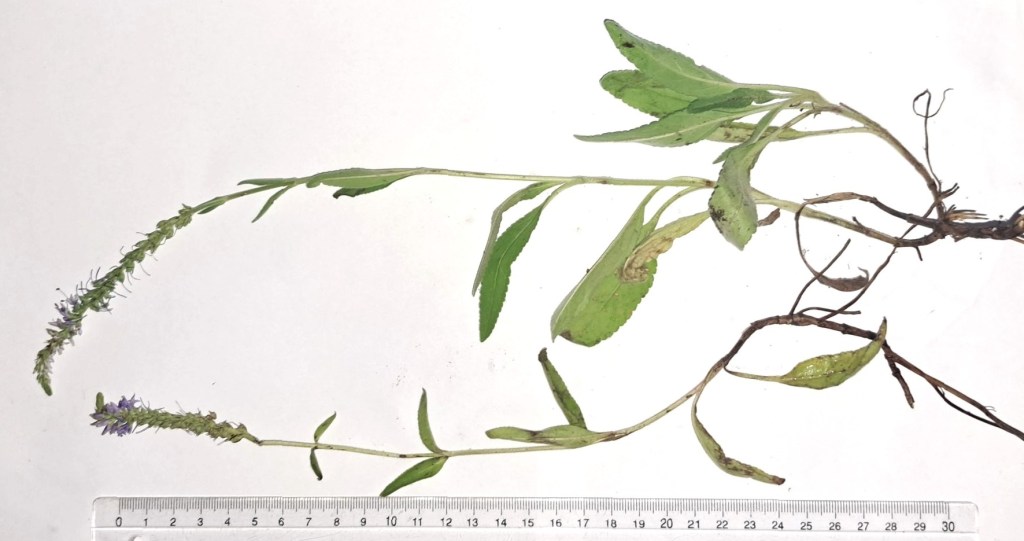
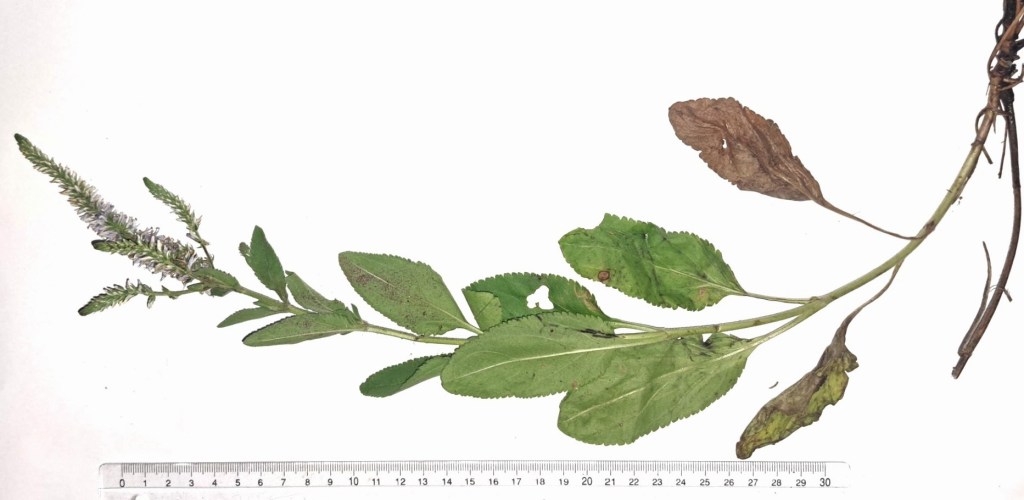
Veronica spicata subsp. spicata – habit. Osogovo -Probishtip: Stari Grad – rock cliffs above the Eshterec Stream (Zletovska River basin), 05.07.2026. Photo by Trajche Dimitrovski.Veronica spicata subsp. spicata – habit. Osogovo -Probishtip: Stari Grad – rock cliffs above the Eshterec Stream (Zletovska River basin), 05.07.2026. Photo by Trajche Dimitrovski.Veronica spicata subsp. spicata – habit. Osogovo -Probishtip: Stari Grad – rock cliffs above the Eshterec Stream (Zletovska River basin), 05.07.2026. Photo by Trajche Dimitrovski.Veronica spicata subsp. spicata – habit. Osogovo -Probishtip: Stari Grad – rock cliffs above the Eshterec Stream (Zletovska River basin), 05.07.2026. Photo by Trajche Dimitrovski.Veronica spicata subsp. spicata – habit. Osogovo -Probishtip: Stari Grad – rock cliffs above the Eshterec Stream (Zletovska River basin), 05.07.2026. Photo by Trajche Dimitrovski.Veronica spicata subsp. spicata – habit. Osogovo -Probishtip: Stari Grad – rock cliffs above the Eshterec Stream (Zletovska River basin), 05.07.2026. Photo by Trajche Dimitrovski.Veronica spicata subsp. spicata – habit. Osogovo -Probishtip: Stari Grad – rock cliffs above the Eshterec Stream (Zletovska River basin), 05.07.2026. Photo by Trajche Dimitrovski.Veronica spicata subsp. spicata – inflorescence. Osogovo -Probishtip: Stari Grad – rock cliffs above the Eshterec Stream (Zletovska River basin), 05.07.2026. Photo by Trajche Dimitrovski.Veronica spicata subsp. spicata – inflorescence. Osogovo -Probishtip: Stari Grad – rock cliffs above the Eshterec Stream (Zletovska River basin), 05.07.2026. Photo by Trajche Dimitrovski.Veronica spicata subsp. spicata – inflorescence. Osogovo -Probishtip: Stari Grad – rock cliffs above the Eshterec Stream (Zletovska River basin), 05.07.2026. Photo by Trajche Dimitrovski.Veronica spicata subsp. spicata – inflorescence. Osogovo -Probishtip: Stari Grad – rock cliffs above the Eshterec Stream (Zletovska River basin), 05.07.2026. Photo by Trajche Dimitrovski.Veronica spicata subsp. spicata – inflorescence. Osogovo -Probishtip: Stari Grad – rock cliffs above the Eshterec Stream (Zletovska River basin), 05.07.2026. Photo by Trajche Dimitrovski.Veronica spicata subsp. spicata – developing flowers. Osogovo -Probishtip: Stari Grad – rock cliffs above the Eshterec Stream (Zletovska River basin), 05.07.2026. Photo by Trajche Dimitrovski.Veronica spicata subsp. spicata – developing flowers. Osogovo -Probishtip: Stari Grad – rock cliffs above the Eshterec Stream (Zletovska River basin), 05.07.2026. Photo by Trajche Dimitrovski.Veronica spicata subsp. spicata – developing flowers. Osogovo -Probishtip: Stari Grad – rock cliffs above the Eshterec Stream (Zletovska River basin), 05.07.2026. Photo by Trajche Dimitrovski.Veronica spicata subsp. spicata – developing flowers. Osogovo -Probishtip: Stari Grad – rock cliffs above the Eshterec Stream (Zletovska River basin), 05.07.2026. Photo by Trajche Dimitrovski.Veronica spicata subsp. spicata – developing flowers. Osogovo -Probishtip: Stari Grad – rock cliffs above the Eshterec Stream (Zletovska River basin), 05.07.2026. Photo by Trajche Dimitrovski.Veronica spicata subsp. spicata – flowers. Osogovo -Probishtip: Stari Grad – rock cliffs above the Eshterec Stream (Zletovska River basin), 05.07.2026. Photo by Trajche Dimitrovski.Veronica spicata subsp. spicata – flowers. Osogovo -Probishtip: Stari Grad – rock cliffs above the Eshterec Stream (Zletovska River basin), 05.07.2026. Photo by Trajche Dimitrovski.Veronica spicata subsp. spicata – flowers. Osogovo -Probishtip: Stari Grad – rock cliffs above the Eshterec Stream (Zletovska River basin), 05.07.2026. Photo by Trajche Dimitrovski.Veronica spicata subsp. spicata – flowers. Osogovo -Probishtip: Stari Grad – rock cliffs above the Eshterec Stream (Zletovska River basin), 05.07.2026. Photo by Trajche Dimitrovski.Veronica spicata subsp. spicata – flowers. Osogovo -Probishtip: Stari Grad – rock cliffs above the Eshterec Stream (Zletovska River basin), 05.07.2026. Photo by Trajche Dimitrovski.Veronica spicata subsp. spicata – flowers. Osogovo -Probishtip: Stari Grad – rock cliffs above the Eshterec Stream (Zletovska River basin), 05.07.2026. Photo by Trajche Dimitrovski.Veronica spicata subsp. spicata – flowers. Osogovo -Probishtip: Stari Grad – rock cliffs above the Eshterec Stream (Zletovska River basin), 05.07.2026. Photo by Trajche Dimitrovski.Veronica spicata subsp. spicata – flowers. Osogovo -Probishtip: Stari Grad – rock cliffs above the Eshterec Stream (Zletovska River basin), 05.07.2026. Photo by Trajche Dimitrovski.Veronica spicata subsp. spicata – flowers. Osogovo -Probishtip: Stari Grad – rock cliffs above the Eshterec Stream (Zletovska River basin), 05.07.2026. Photo by Trajche Dimitrovski.Veronica spicata subsp. spicata – flowers. Osogovo -Probishtip: Stari Grad – rock cliffs above the Eshterec Stream (Zletovska River basin), 05.07.2026. Photo by Trajche Dimitrovski.Veronica spicata subsp. spicata – flowers. Osogovo -Probishtip: Stari Grad – rock cliffs above the Eshterec Stream (Zletovska River basin), 05.07.2026. Photo by Trajche Dimitrovski.Veronica spicata subsp. spicata – flowers. Osogovo -Probishtip: Stari Grad – rock cliffs above the Eshterec Stream (Zletovska River basin), 05.07.2026. Photo by Trajche Dimitrovski.Veronica spicata subsp. spicata – spent flowers. Osogovo -Probishtip: Stari Grad – rock cliffs above the Eshterec Stream (Zletovska River basin), 05.07.2026. Photo by Trajche Dimitrovski.Veronica spicata subsp. spicata – fruiting inflorescence. Osogovo -Probishtip: Stari Grad – rock cliffs above the Eshterec Stream (Zletovska River basin), 05.07.2026. Photo by Trajche Dimitrovski.Veronica spicata subsp. spicata – capsules. Osogovo -Probishtip: Stari Grad – rock cliffs above the Eshterec Stream (Zletovska River basin), 05.07.2026. Photo by Trajche Dimitrovski.Veronica spicata subsp. spicata – capsules. Osogovo -Probishtip: Stari Grad – rock cliffs above the Eshterec Stream (Zletovska River basin), 05.07.2026. Photo by Trajche Dimitrovski.Veronica spicata subsp. spicata – capsules. Osogovo -Probishtip: Stari Grad – rock cliffs above the Eshterec Stream (Zletovska River basin), 05.07.2026. Photo by Trajche Dimitrovski.Veronica spicata subsp. spicata – upper leaves. Osogovo -Probishtip: Stari Grad – rock cliffs above the Eshterec Stream (Zletovska River basin), 05.07.2026. Photo by Trajche Dimitrovski.Veronica spicata subsp. spicata – upper leaves. Osogovo -Probishtip: Stari Grad – rock cliffs above the Eshterec Stream (Zletovska River basin), 05.07.2026. Photo by Trajche Dimitrovski.Veronica spicata subsp. spicata – stem with leaves. Osogovo -Probishtip: Stari Grad – rock cliffs above the Eshterec Stream (Zletovska River basin), 05.07.2026. Photo by Trajche Dimitrovski.Veronica spicata subsp. spicata – stem with leaves. Osogovo -Probishtip: Stari Grad – rock cliffs above the Eshterec Stream (Zletovska River basin), 05.07.2026. Photo by Trajche Dimitrovski.Veronica spicata subsp. spicata – stem with leaves. Osogovo -Probishtip: Stari Grad – rock cliffs above the Eshterec Stream (Zletovska River basin), 05.07.2026. Photo by Trajche Dimitrovski.Veronica spicata subsp. spicata – lower leaves. Osogovo -Probishtip: Stari Grad – rock cliffs above the Eshterec Stream (Zletovska River basin), 05.07.2026. Photo by Trajche Dimitrovski.Veronica spicata subsp. spicata – vegetative shoot. Osogovo -Probishtip: Stari Grad – rock cliffs above the Eshterec Stream (Zletovska River basin), 05.07.2026. Photo by Trajche Dimitrovski.Veronica spicata subsp. spicata – vegetative shoot. Osogovo -Probishtip: Stari Grad – rock cliffs above the Eshterec Stream (Zletovska River basin), 05.07.2026. Photo by Trajche Dimitrovski.Veronica spicata subsp. spicata – vegetative shoot. Osogovo -Probishtip: Stari Grad – rock cliffs above the Eshterec Stream (Zletovska River basin), 05.07.2026. Photo by Trajche Dimitrovski.Veronica spicata subsp. spicata – vegetative shoots. Osogovo -Probishtip: Stari Grad – rock cliffs above the Eshterec Stream (Zletovska River basin), 05.07.2026. Photo by Trajche Dimitrovski.Veronica spicata subsp. spicata – leaf. Osogovo -Probishtip: Stari Grad – rock cliffs above the Eshterec Stream (Zletovska River basin), 05.07.2026. Photo by Trajche Dimitrovski.Veronica spicata subsp. spicata – adaxial side of leaf. Osogovo -Probishtip: Stari Grad – rock cliffs above the Eshterec Stream (Zletovska River basin), 05.07.2026. Photo by Trajche Dimitrovski.Veronica spicata subsp. spicata – adaxial side of leaf. Osogovo -Probishtip: Stari Grad – rock cliffs above the Eshterec Stream (Zletovska River basin), 05.07.2026. Photo by Trajche Dimitrovski.Veronica spicata subsp. spicata – adaxial side of leaf. Osogovo -Probishtip: Stari Grad – rock cliffs above the Eshterec Stream (Zletovska River basin), 05.07.2026. Photo by Trajche Dimitrovski.Veronica spicata subsp. spicata – abaxial side of leaf. Osogovo -Probishtip: Stari Grad – rock cliffs above the Eshterec Stream (Zletovska River basin), 05.07.2026. Photo by Trajche Dimitrovski.Veronica spicata subsp. spicata – abaxial side of leaf. Osogovo -Probishtip: Stari Grad – rock cliffs above the Eshterec Stream (Zletovska River basin), 05.07.2026. Photo by Trajche Dimitrovski.Veronica spicata subsp. spicata – abaxial side of leaf. Osogovo -Probishtip: Stari Grad – rock cliffs above the Eshterec Stream (Zletovska River basin), 05.07.2026. Photo by Trajche Dimitrovski.Veronica spicata subsp. spicata – abaxial side of leaf. Osogovo -Probishtip: Stari Grad – rock cliffs above the Eshterec Stream (Zletovska River basin), 05.07.2026. Photo by Trajche Dimitrovski.Veronica spicata subsp. spicata – abaxial side of leaf. Osogovo -Probishtip: Stari Grad – rock cliffs above the Eshterec Stream (Zletovska River basin), 05.07.2026. Photo by Trajche Dimitrovski.Veronica spicata subsp. spicata – stem. Osogovo -Probishtip: Stari Grad – rock cliffs above the Eshterec Stream (Zletovska River basin), 05.07.2026. Photo by Trajche Dimitrovski.Veronica spicata subsp. spicata – stem. Osogovo -Probishtip: Stari Grad – rock cliffs above the Eshterec Stream (Zletovska River basin), 05.07.2026. Photo by Trajche Dimitrovski.Veronica spicata subsp. spicata – stem. Osogovo -Probishtip: Stari Grad – rock cliffs above the Eshterec Stream (Zletovska River basin), 05.07.2026. Photo by Trajche Dimitrovski.Veronica spicata subsp. spicata – stem. Osogovo -Probishtip: Stari Grad – rock cliffs above the Eshterec Stream (Zletovska River basin), 05.07.2026. Photo by Trajche Dimitrovski.
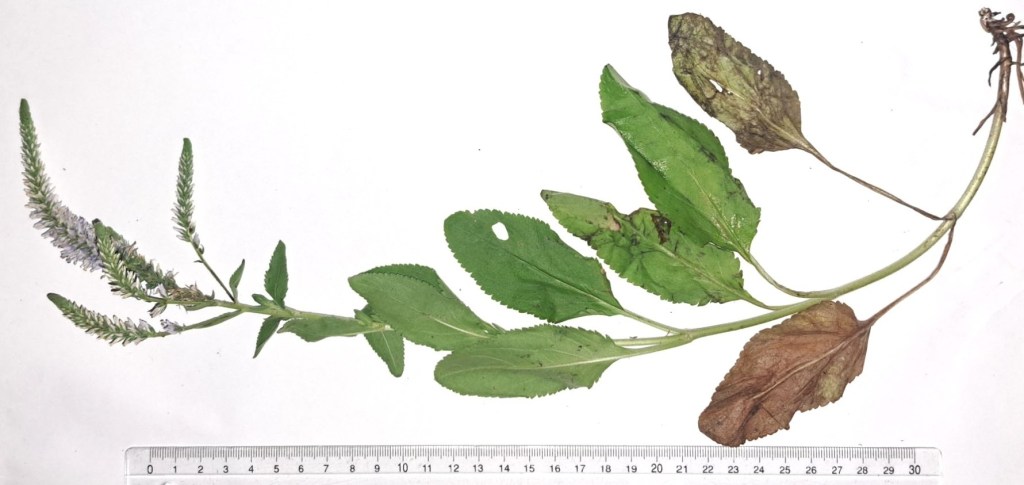
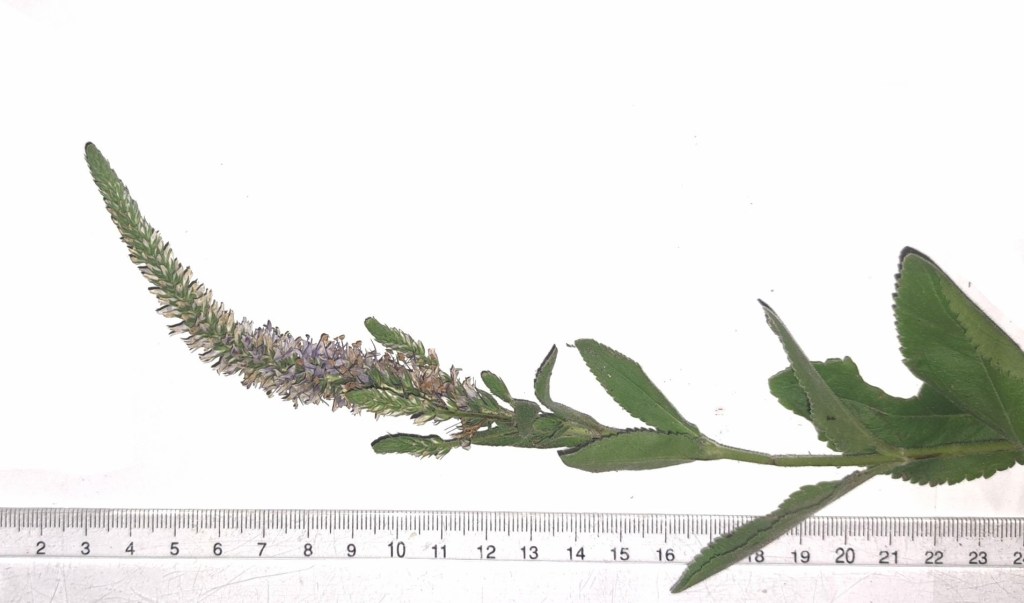
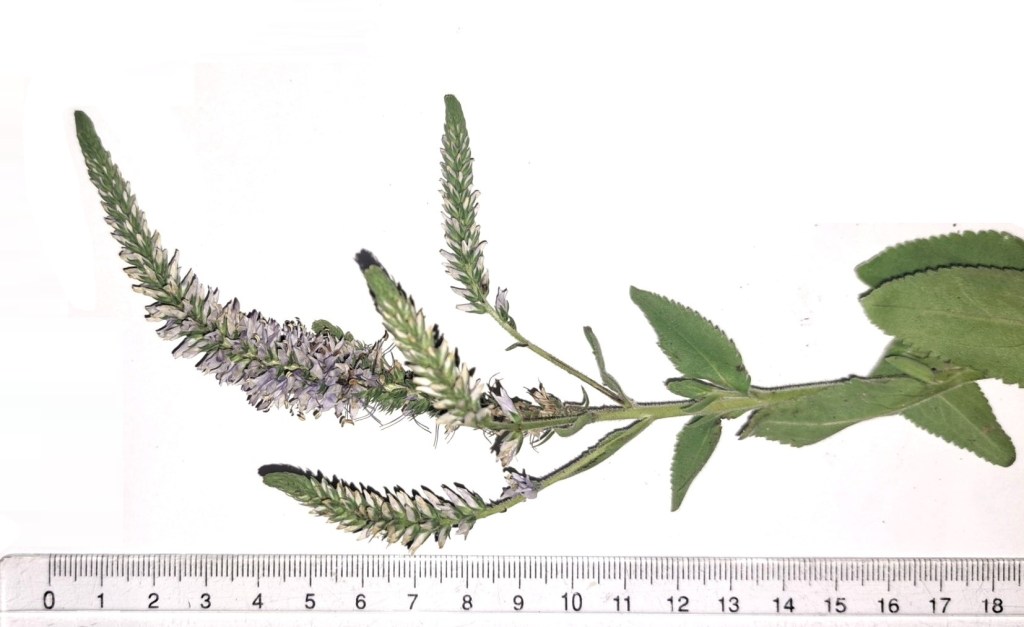
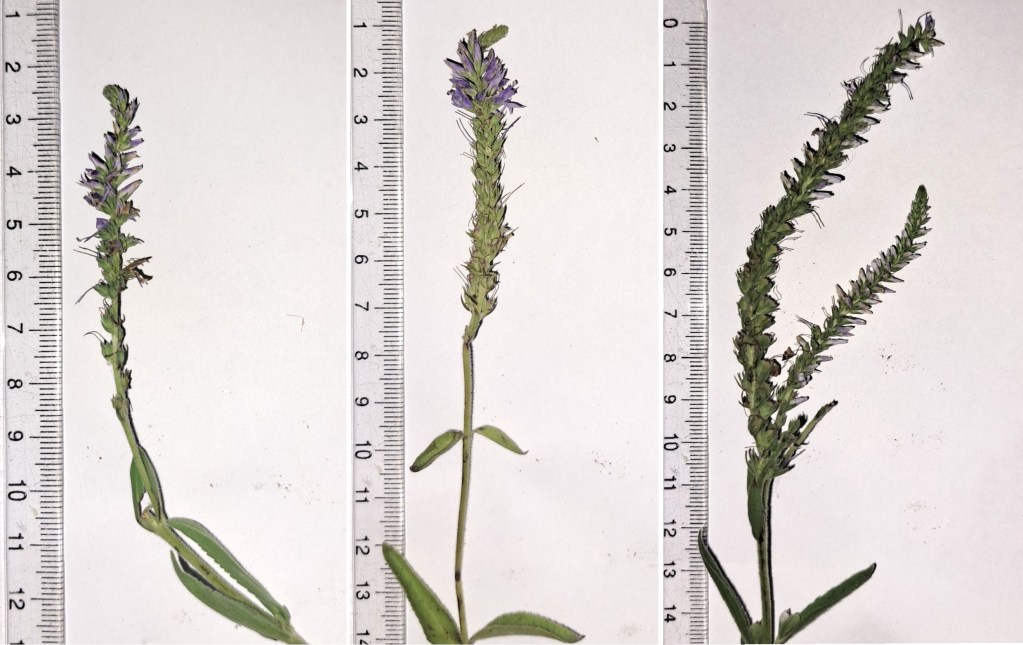
Scaled images. Specimens from Probishtip, Stari Grad – rock cliffs above the Eshterec Stream (Zletovska River basin). Date: 05.07.2026.
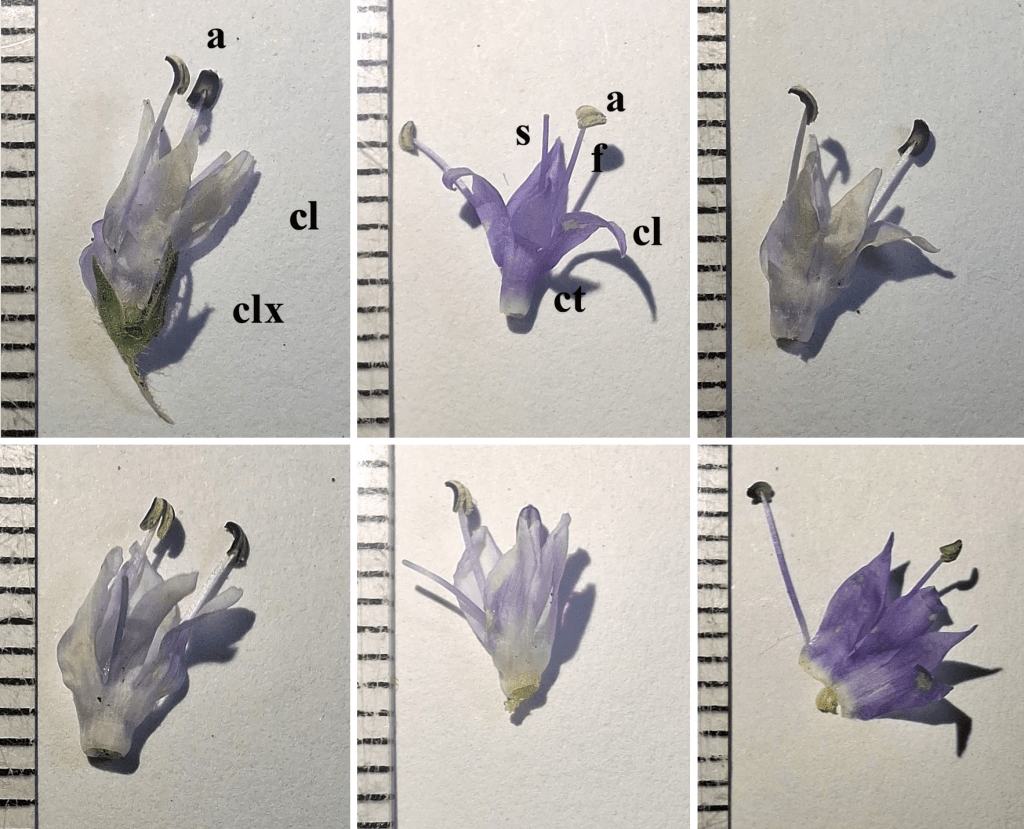
Veronica spicata subsp. spicata – habit. Scale in cm. Photo by Trajche Dimitrovski.Veronica spicata subsp. spicata – habit. Scale in cm. Photo by Trajche Dimitrovski.Veronica spicata subsp. spicata – habit. Scale in cm. Photo by Trajche Dimitrovski.Veronica spicata subsp. spicata – habit. Scale in cm. Photo by Trajche Dimitrovski.Veronica spicata subsp. spicata – habit. Scale in cm. Photo by Trajche Dimitrovski.Veronica spicata subsp. spicata – habit. Scale in cm. Photo by Trajche Dimitrovski.Veronica spicata subsp. spicata – habit. Scale in cm. Photo by Trajche Dimitrovski.Veronica spicata subsp. spicata – inflorescence. Scale in cm. Photo by Trajche Dimitrovski.Veronica spicata subsp. spicata – inflorescence. Scale in cm. Photo by Trajche Dimitrovski.Veronica spicata subsp. spicata – inflorescences. Scale in cm. Photo by Trajche Dimitrovski.Veronica spicata subsp. spicata – inflorescences. Scale in cm. Photo by Trajche Dimitrovski.Veronica spicata subsp. spicata – parts of inflorescence with flowers. Scale in mm. Photo by Trajche Dimitrovski.Veronica spicata subsp. spicata – flowers: a- anthers, f – filaments, s- style; cl- corolla lobes, ct- corolla tube, clx- calyx. Scale in mm. Photo by Trajche Dimitrovski.Veronica spicata subsp. spicata . A: corolla tube. B: and : calyx. D: stem. Scale in cm. Photo by Trajche Dimitrovski.Veronica spicata subsp. spicata – indumentum of calyx and bracts. Scale in cm. Photo by Trajche Dimitrovski.
References:
Diklić, N. 1974. Rod Veronica L. in Josifović, M. (1974). Flora SR Srbije VI. Srpska Akademija Nauka i Umetnosti, Beograd, pp. 175–220.
Walters, S. M. and Webb D. A.; spp. 36-40 based on data provided by Marchant, N.G. 1972. Veronica L. (incl. Pseudolysimachium (Koch) Opiz). In Tutin, T. G., Heywood, V. H., Burges, N. A., Moore, D. M., Valentine, D. H., Walters, S. M. & Webb, D. A. (eds.), Flora Europaea. Volume 3: Diapensiaceae to Myoporaceae. Cambridge: Cambridge University Press, pp. 242–251.
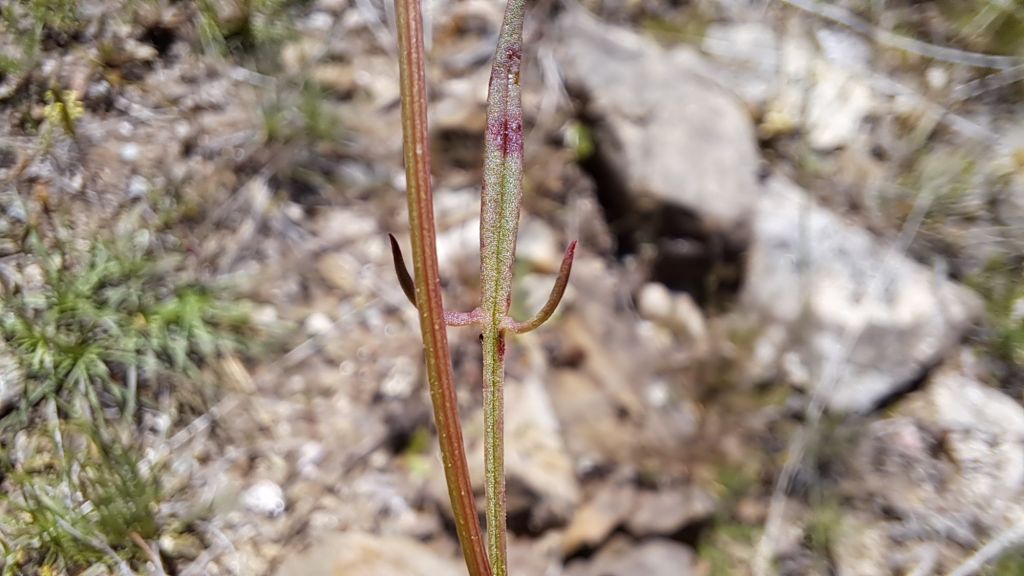
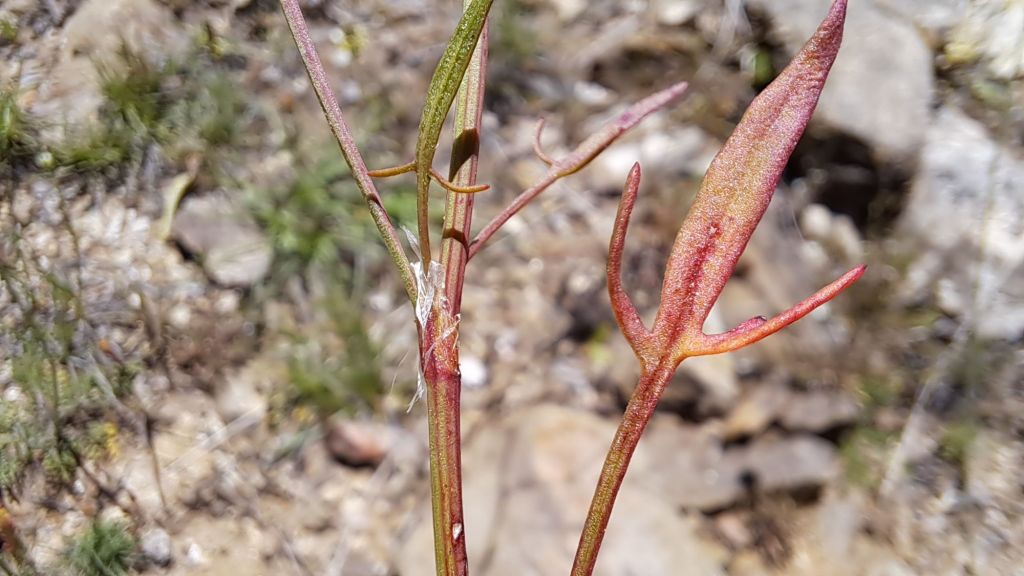
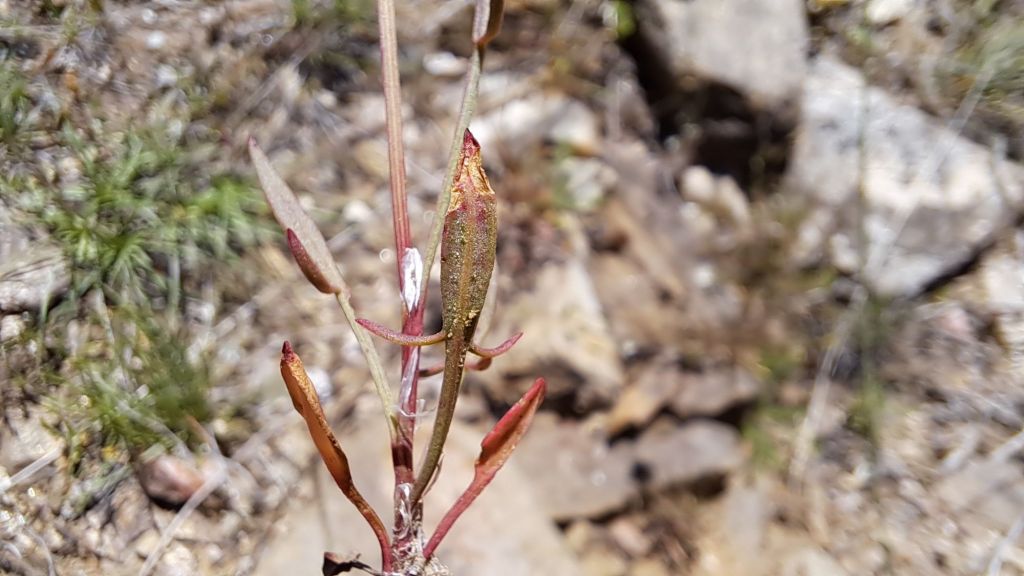
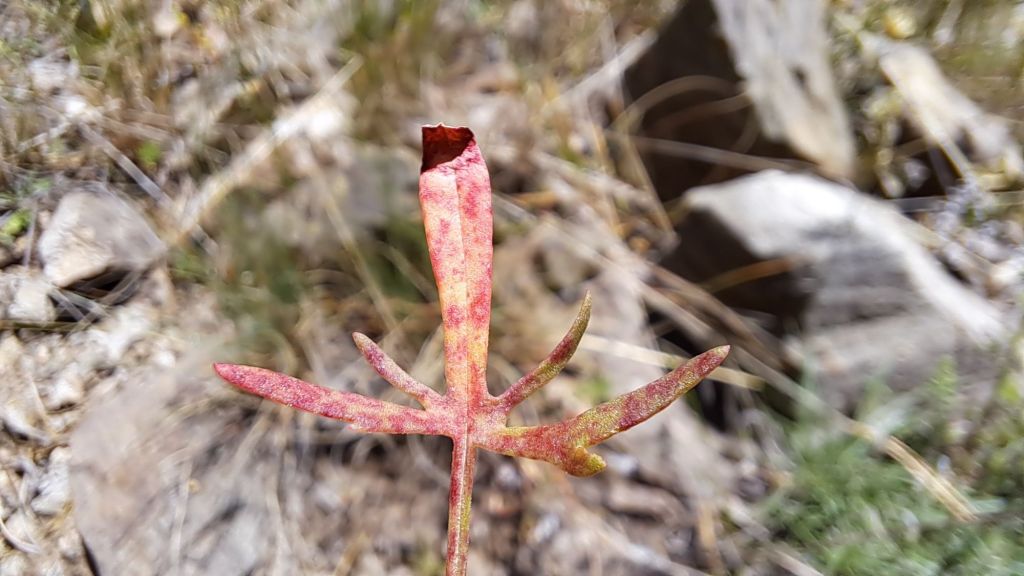
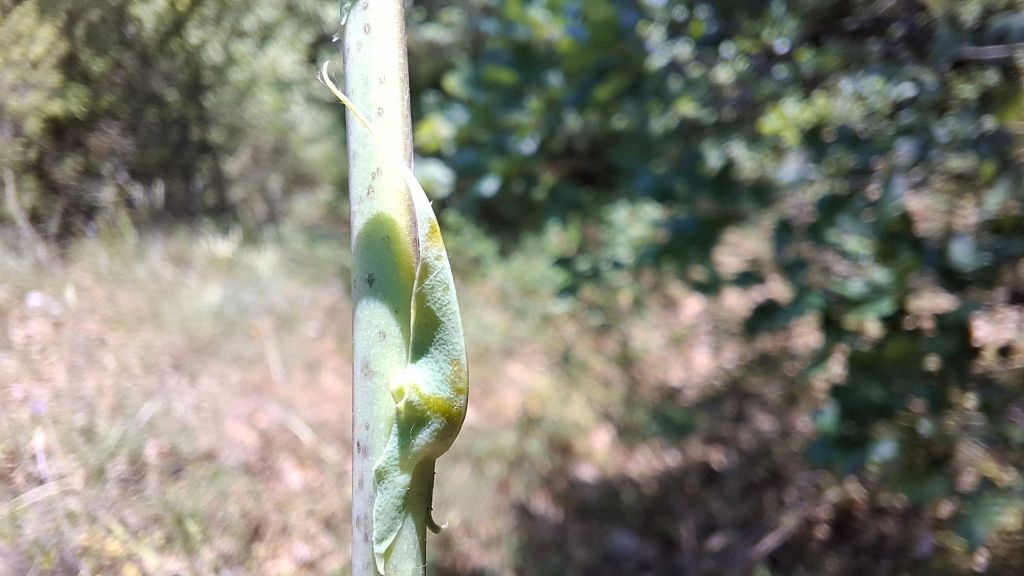
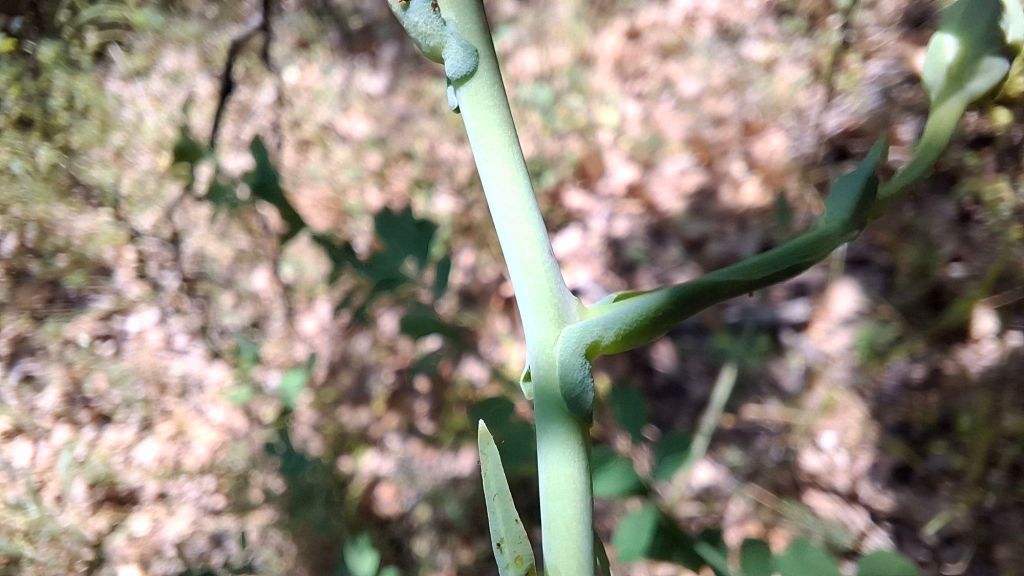
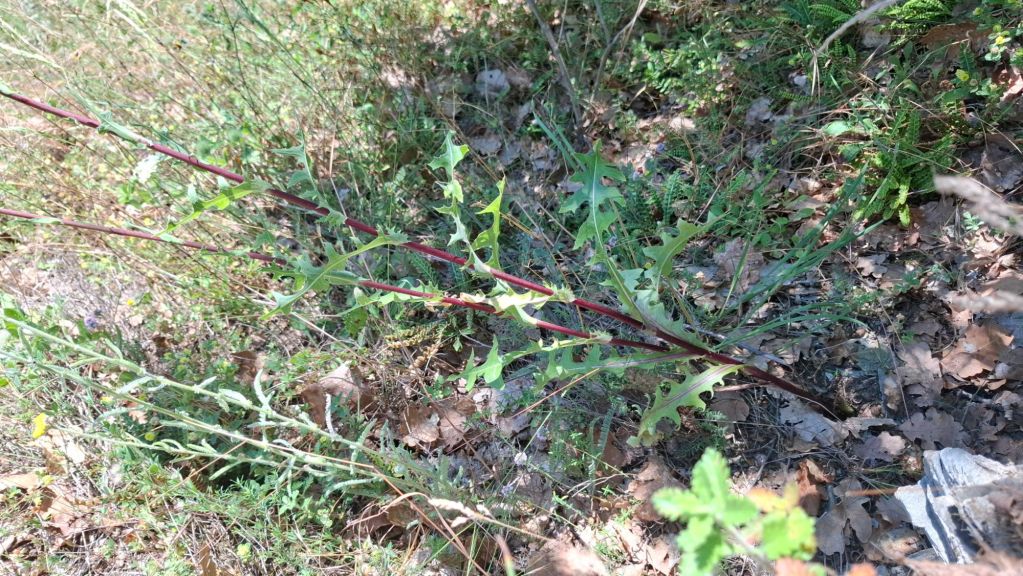
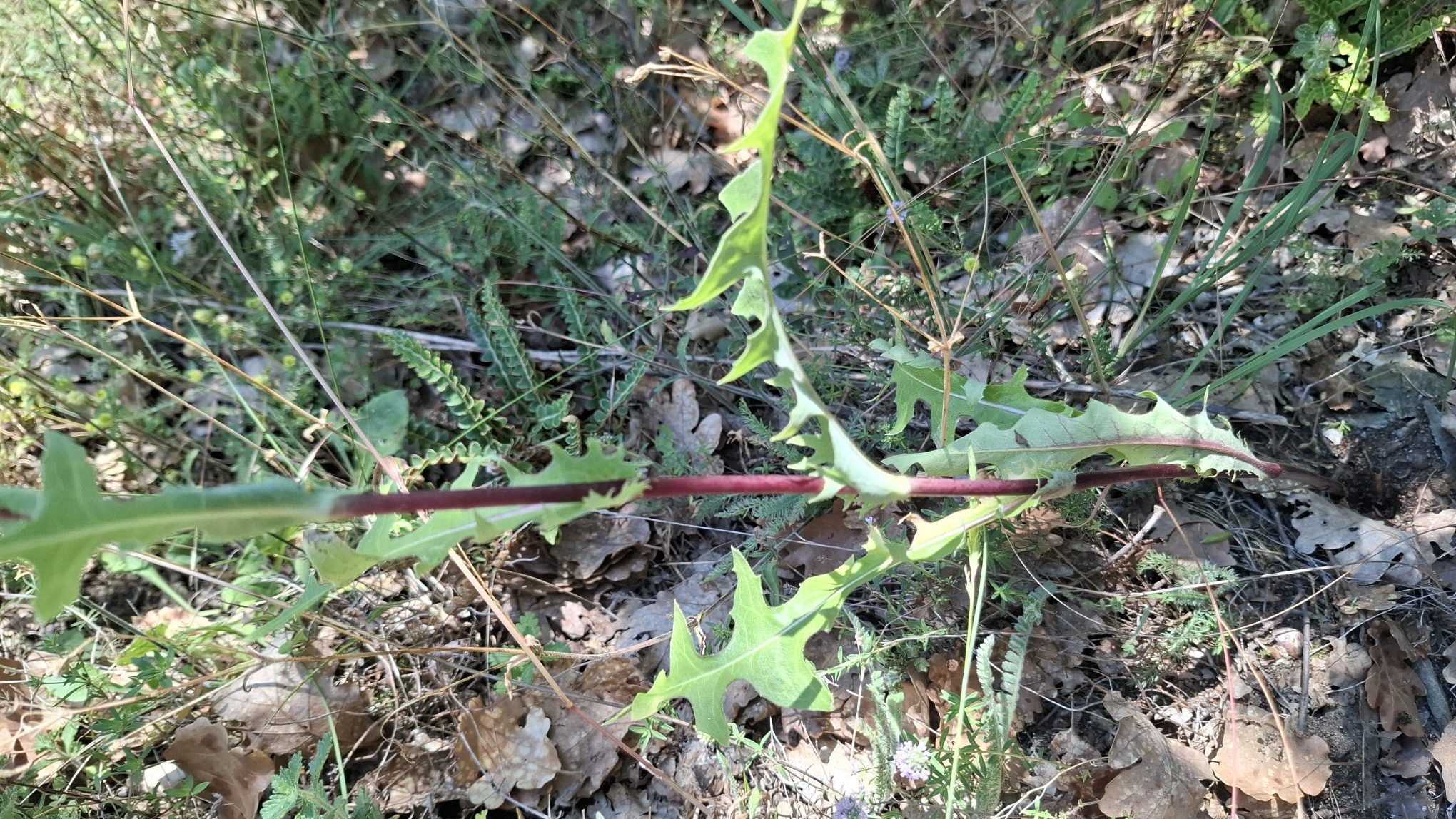
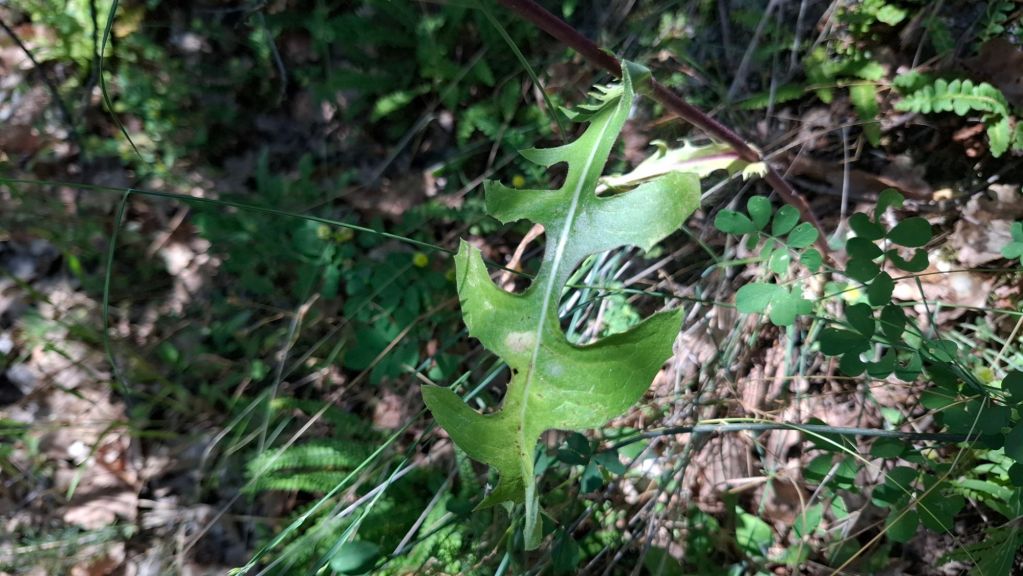
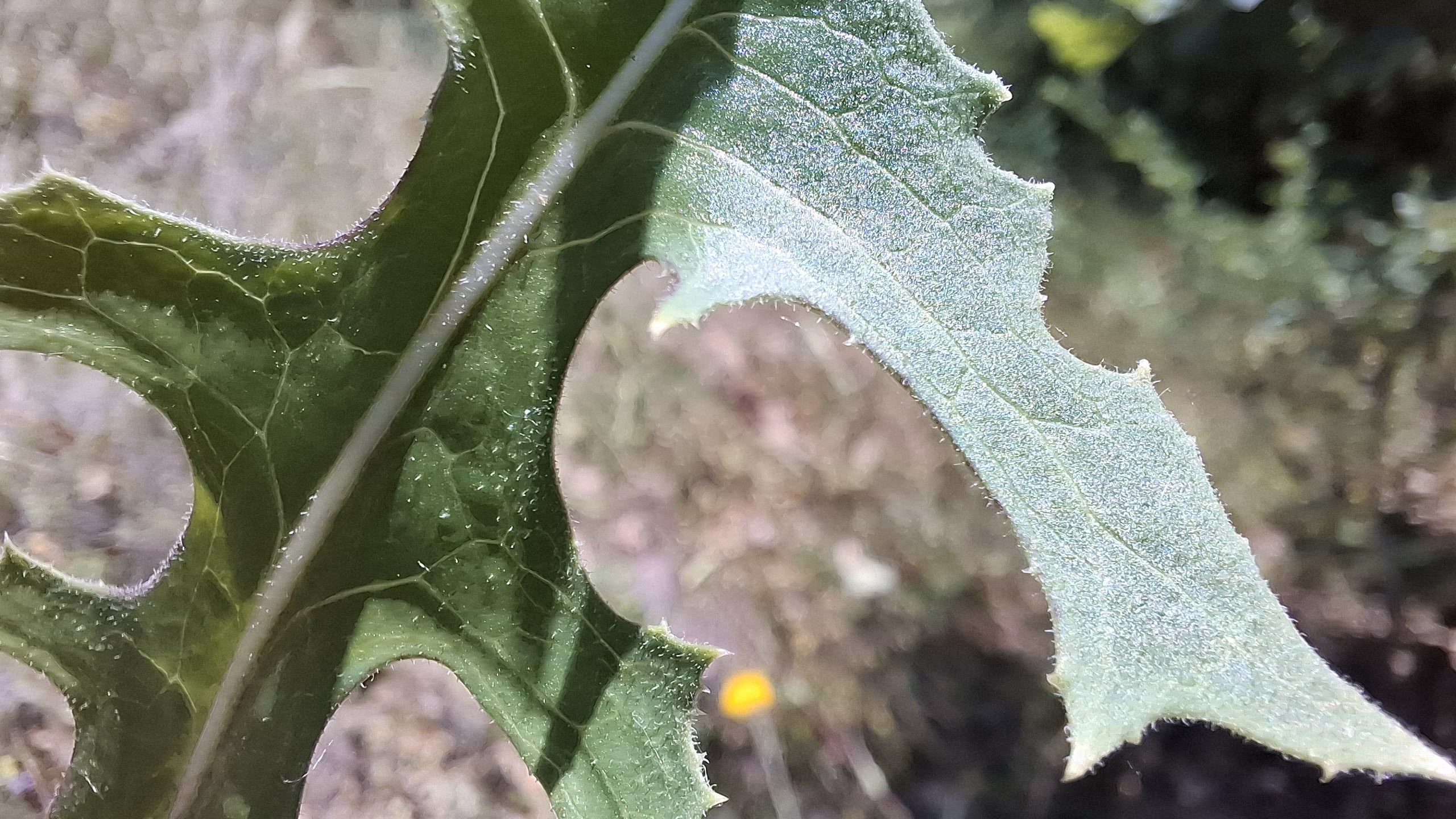
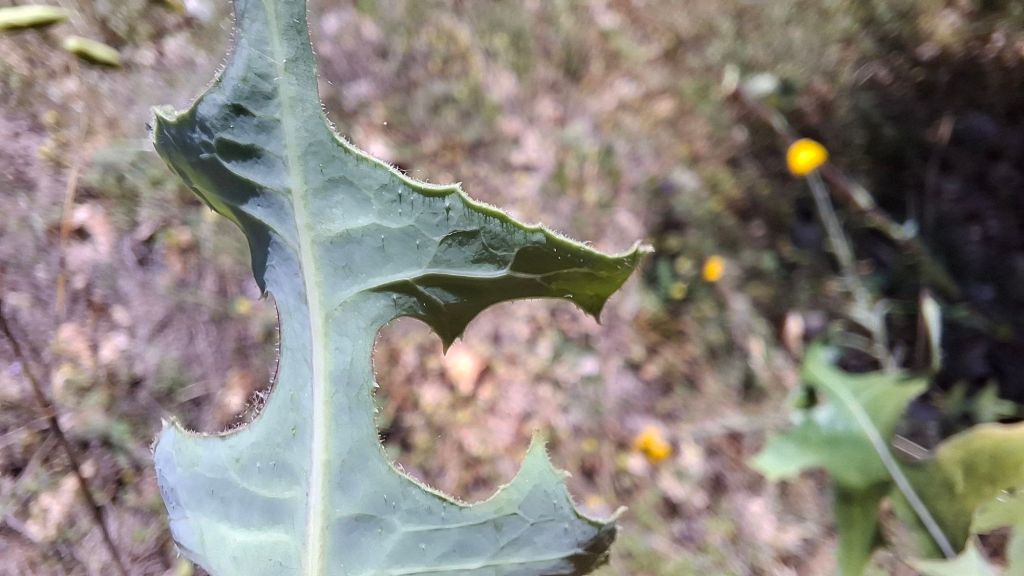
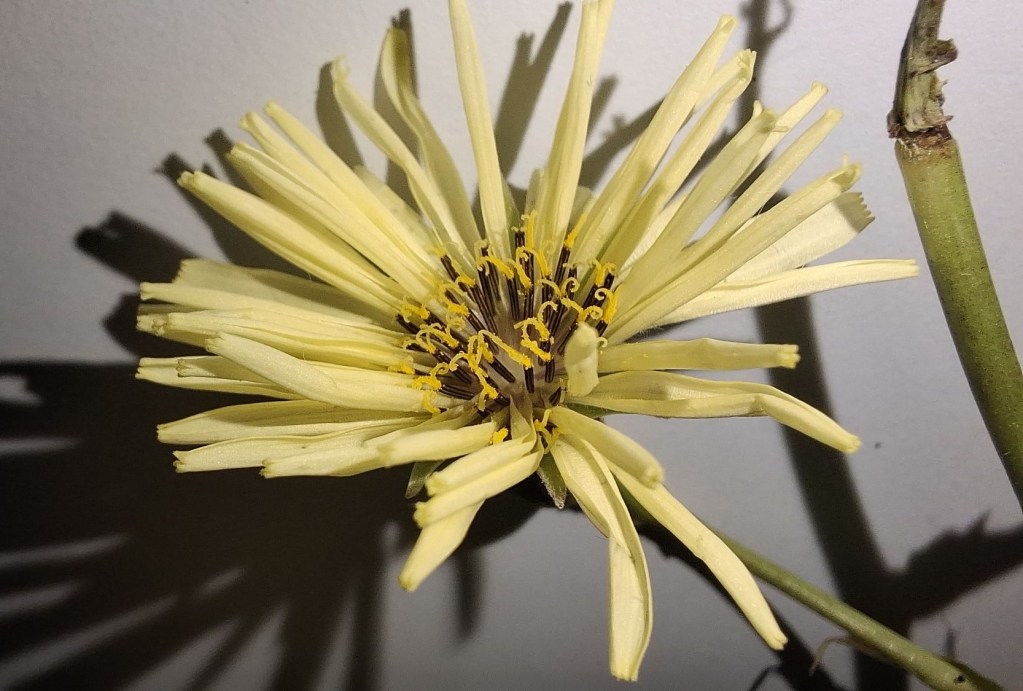
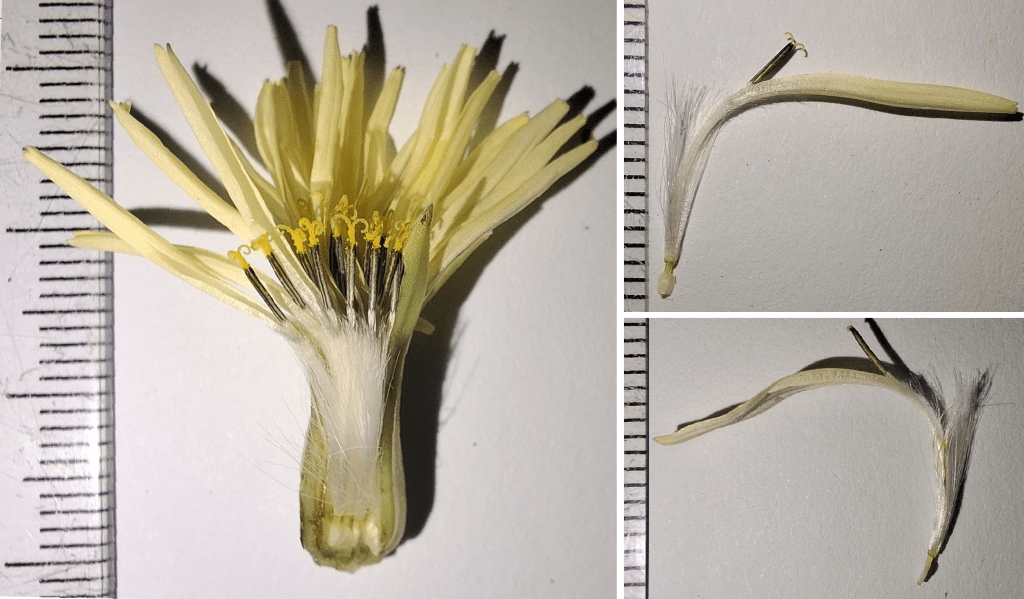
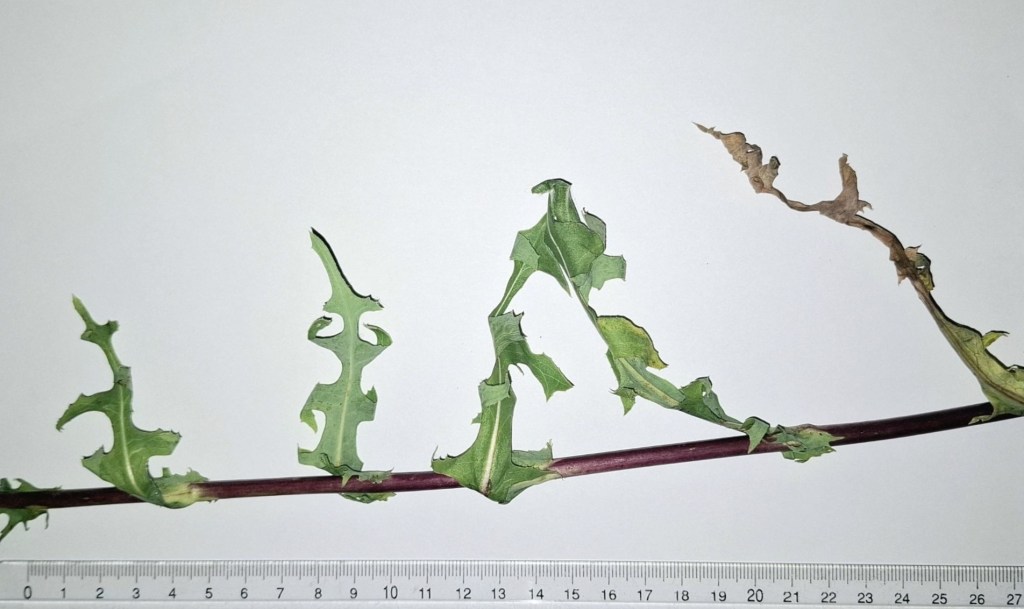
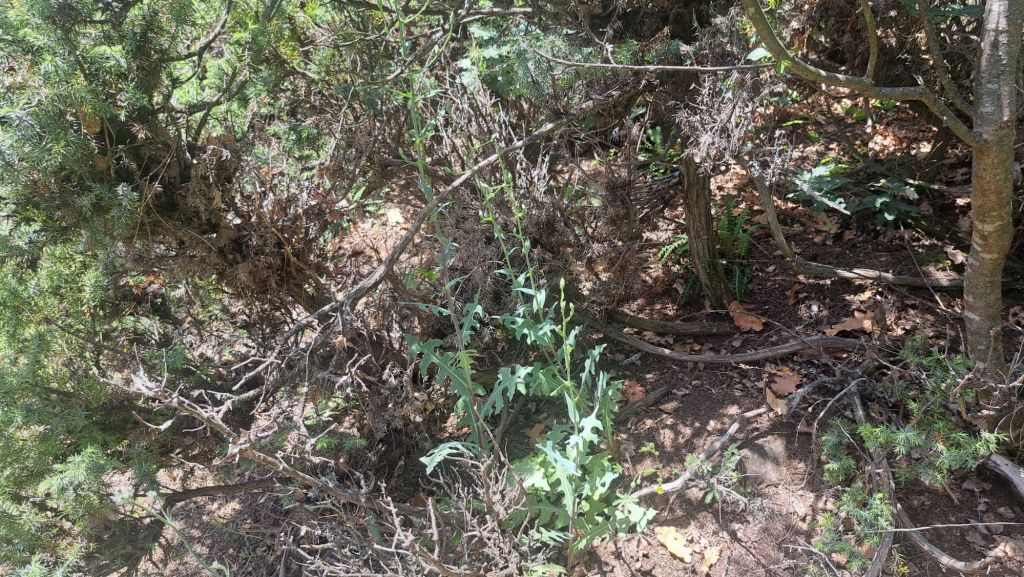
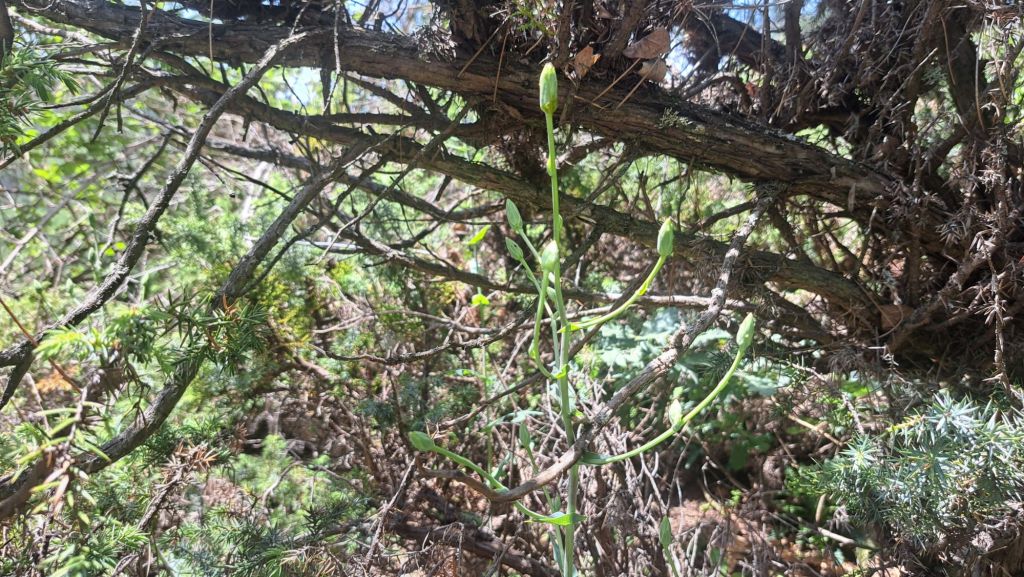
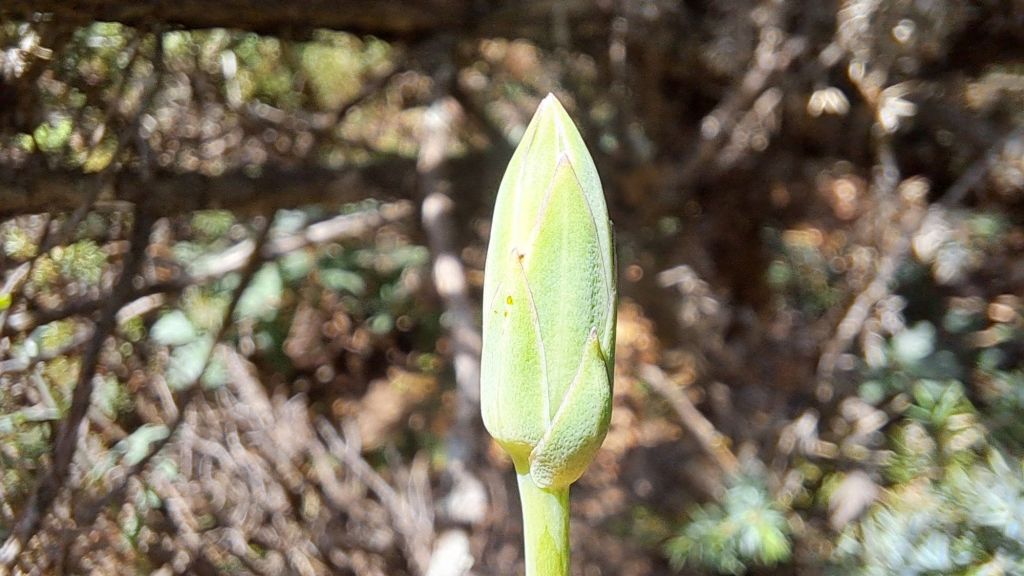
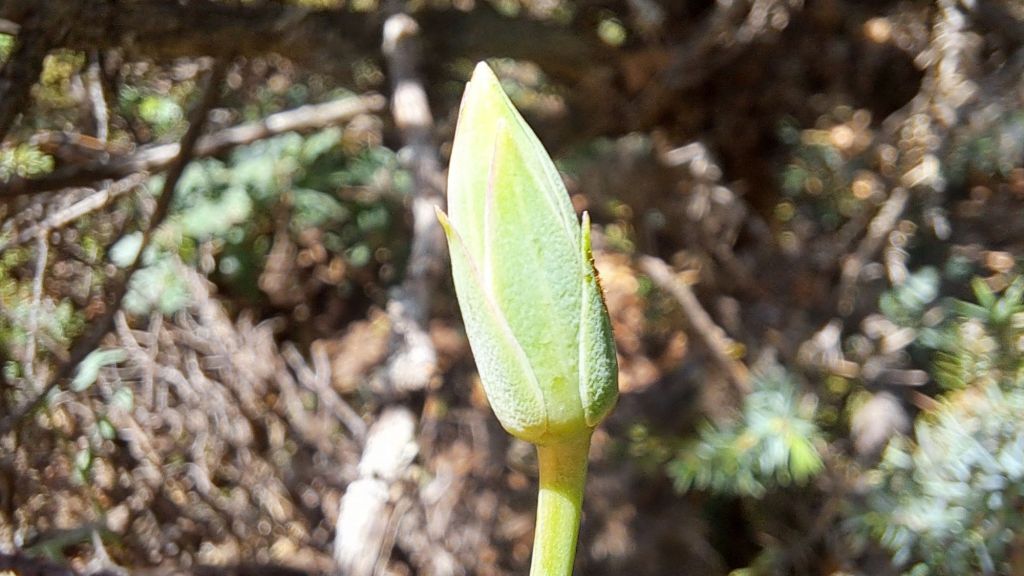
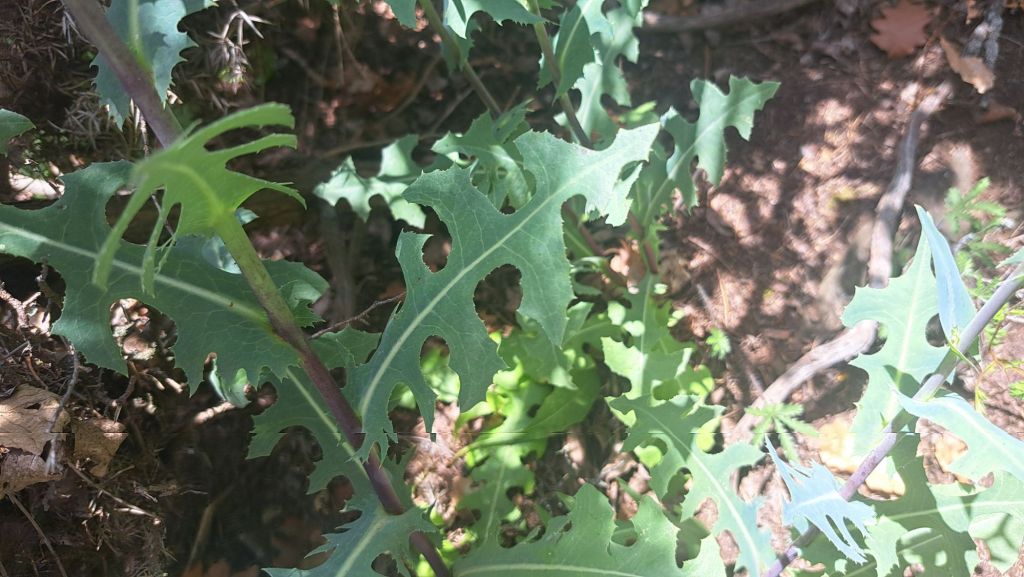
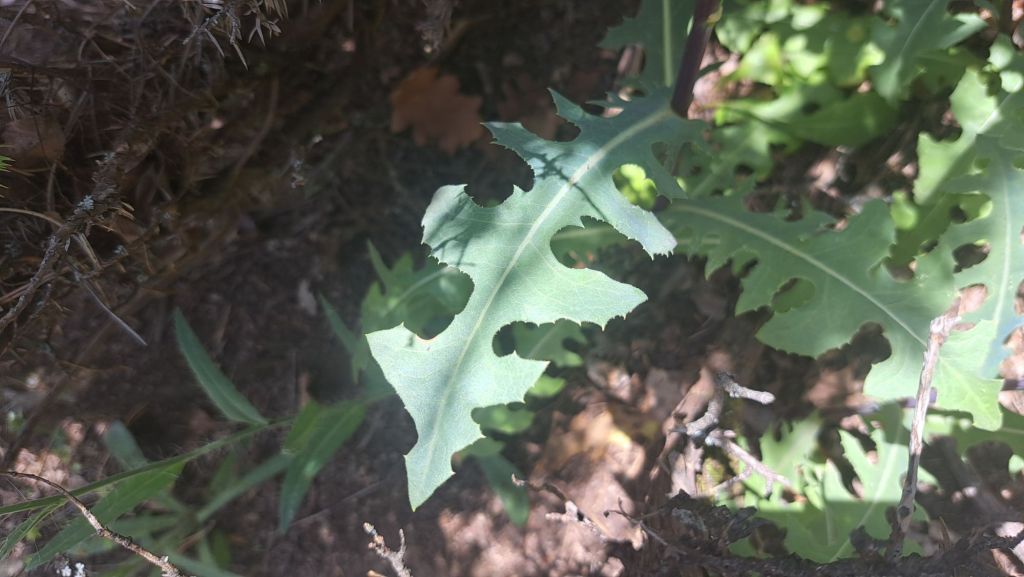
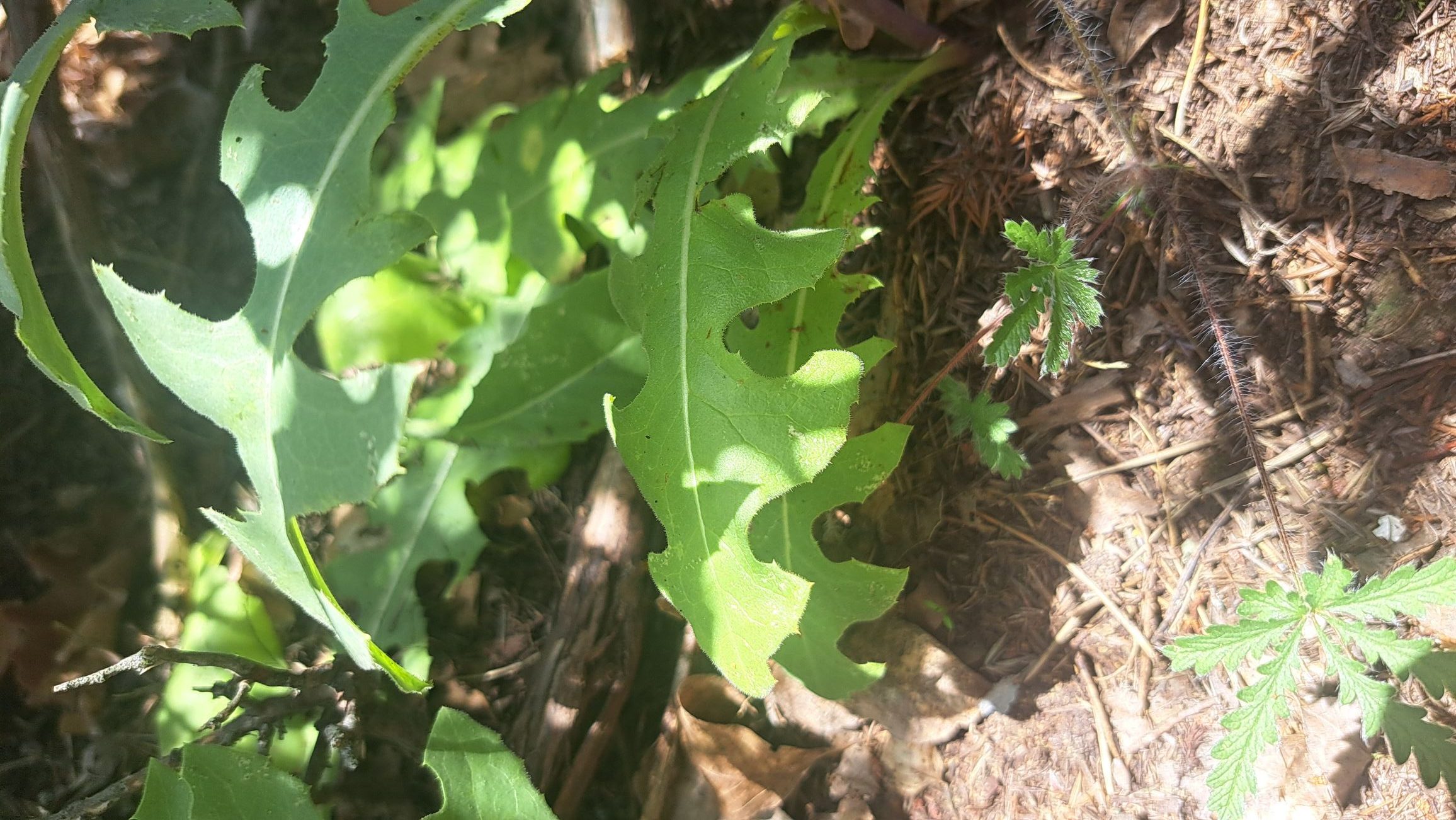
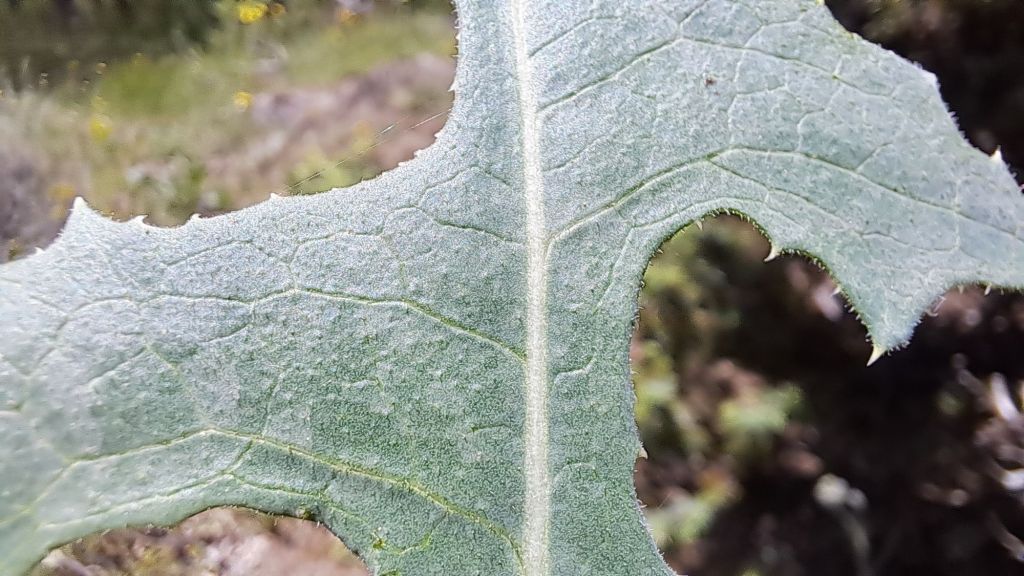
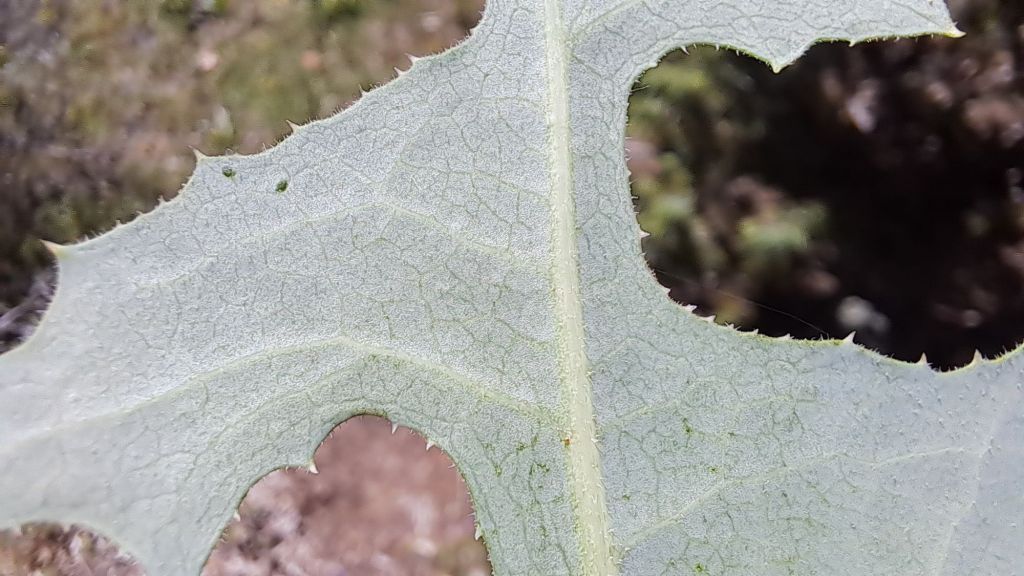
Determined according to the botanical keys provided by Moore, Tutin and Walters (1976 in Tutin et al.) and Feráková and Sell (1976 in Tutin et al.) as Steptorhamphus tuberosus (Jacq.) Grossh. The accepted name in The Euro+Med PlantBase is Lactuca tuberosa Jacq.
Lifeform: Perennial plant. Hemicryptophyte according to the Raunkiær system.
Distribution: Native from the East Mediterranean region to Ukraine, Iran and Oman according to the distribution information provided by the Plants of the World Online portal (Royal Botanic Gardens, Kew).
Habitat: Hill pastures, clearings of oak forests.
Flowering period: Summer (JUN).
Locality: Kochani: Golema River, above the Gradche waterfall. Date: 06.06.2026.
Lactuca tuberosa – habit. Kochani: Golema River, above the Gradche waterfall, 06.06.2026. Photo by Trajche Dimitrovski.Lactuca tuberosa – habit. Kochani: Golema River, above the Gradche waterfall, 06.06.2026. Photo by Trajche Dimitrovski.Lactuca tuberosa – flowering stems. Kochani: Golema River, above the Gradche waterfall, 06.06.2026. Photo by Trajche Dimitrovski.Lactuca tuberosa – flowering stem. Kochani: Golema River, above the Gradche waterfall, 06.06.2026. Photo by Trajche Dimitrovski.Lactuca tuberosa – developing capitulum. Kochani: Golema River, above the Gradche waterfall, 06.06.2026. Photo by Trajche Dimitrovski.Lactuca tuberosa – developing capitulum. Kochani: Golema River, above the Gradche waterfall, 06.06.2026. Photo by Trajche Dimitrovski.Lactuca tuberosa – developing capitulum. Kochani: Golema River, above the Gradche waterfall, 06.06.2026. Photo by Trajche Dimitrovski.Lactuca tuberosa – spent capitulum. Kochani: Golema River, above the Gradche waterfall, 06.06.2026. Photo by Trajche Dimitrovski.Lactuca tuberosa – spent capitulum. Kochani: Golema River, above the Gradche waterfall, 06.06.2026. Photo by Trajche Dimitrovski.Lactuca tuberosa – stem and upper cauline leaf. Kochani: Golema River, above the Gradche waterfall, 06.06.2026. Photo by Trajche Dimitrovski.Lactuca tuberosa – stem and upper cauline leaf. Kochani: Golema River, above the Gradche waterfall, 06.06.2026. Photo by Trajche Dimitrovski.Lactuca tuberosa – stem with cauline leaves. Kochani: Golema River, above the Gradche waterfall, 06.06.2026. Photo by Trajche Dimitrovski.Lactuca tuberosa – cauline leaves. Kochani: Golema River, above the Gradche waterfall, 06.06.2026. Photo by Trajche Dimitrovski.Lactuca tuberosa – lower cauline leaf. Kochani: Golema River, above the Gradche waterfall, 06.06.2026. Photo by Trajche Dimitrovski.Lactuca tuberosa – adaxial side of leaf. Kochani: Golema River, above the Gradche waterfall, 06.06.2026. Photo by Trajche Dimitrovski.Lactuca tuberosa – abaxial side of leaf. Kochani: Golema River, above the Gradche waterfall, 06.06.2026. Photo by Trajche Dimitrovski.Lactuca tuberosa – stem. Kochani: Golema River, above the Gradche waterfall, 06.06.2026. Photo by Trajche Dimitrovski.Lactuca tuberosa – stem. Kochani: Golema River, above the Gradche waterfall, 06.06.2026. Photo by Trajche Dimitrovski.
Scaled images and close-ups. Specimen from Kochani: Golema River, above the Gradche waterfall.
Lactuca tuberosa – habit (herbarized specimen). Scale in cm. Specimen from Kochani: Golema River, above the Gradche waterfall. Photo by Trajche Dimitrovski.Lactuca tuberosa – inflorescence. Scale in cm. Photo by Trajche Dimitrovski.Lactuca tuberosa – capitula with involucral bracts. Scale in cm/ mm. Photo by Trajche Dimitrovski.Lactuca tuberosa – capitulum Photo by Trajche Dimitrovski.Lactuca tuberosa – capitulum and florets. Scale in cm/ mm. Photo by Trajche Dimitrovski.Lactuca tuberosa – papus with two types of hairs. The shorter hair are pointed with arrows. Photo by Trajche Dimitrovski.Lactuca tuberosa – stem with leaves. Scale in cm. Photo by Trajche Dimitrovski.
Locality: Kochani: gorge of the Kochanska River. Date: 18.05.2024.
Lactuca tuberosa – habit. Kochani, Gorge of the Kochanska River, 18.05.2024. Photo by Trajche Dimitrovski.Lactuca tuberosa – synflorescence. Kochani, Gorge of the Kochanska River, 18.05.2024. Photo by Trajche Dimitrovski.Lactuca tuberosa – synflorescence. Kochani, Gorge of the Kochanska River, 18.05.2024. Photo by Trajche Dimitrovski.Lactuca tuberosa – developing capitulum. Kochani, Gorge of the Kochanska River, 18.05.2024. Photo by Trajche Dimitrovski.Lactuca tuberosa – developing capitulum. Kochani, Gorge of the Kochanska River, 18.05.2024. Photo by Trajche Dimitrovski.Lactuca tuberosa – stem with leaves. Kochani, Gorge of the Kochanska River, 18.05.2024. Photo by Trajche Dimitrovski.Lactuca tuberosa – stem with leaves. Kochani, Gorge of the Kochanska River, 18.05.2024. Photo by Trajche Dimitrovski.Lactuca tuberosa – leaf. Kochani, Gorge of the Kochanska River, 18.05.2024. Photo by Trajche Dimitrovski.Lactuca tuberosa – leaves. Kochani, Gorge of the Kochanska River, 18.05.2024. Photo by Trajche Dimitrovski.Lactuca tuberosa – adaxial side of leaf. Kochani, Gorge of the Kochanska River, 18.05.2024. Photo by Trajche Dimitrovski.Lactuca tuberosa – abaxial side of leaf. Kochani, Gorge of the Kochanska River, 18.05.2024. Photo by Trajche Dimitrovski.
References:
Feráková, V. and Sell, P.D. 1976. Steptorhamphus Bunge. In Tutin, T. G., Heywood, V. H., Burges, N. A., Moore, D. M., Valentine, D. H., Walters, S. M. & Webb, D. A. (eds), Flora Europaea. Volume 4. Plantaginaceae to Compositae (and Rubiaceae). Cambridge: Cambridge University Press, pp. 328.
Moore, D. M. Tutin, T. G. and Walters, S. M. 1976. Compositae (key to genera). In Tutin, T. G., Heywood, V. H., Burges, N. A., Moore, D. M., Valentine, D. H., Walters, S. M. & Webb, D. A. (eds), Flora Europaea. Volume 4. Plantaginaceae to Compositae (and Rubiaceae). Cambridge: Cambridge University Press, pp. 103–109.