Detrmined according to the botanical keys provided by Micevski (2001) and Frodin and Heywood (1968 in Tutin et al.).
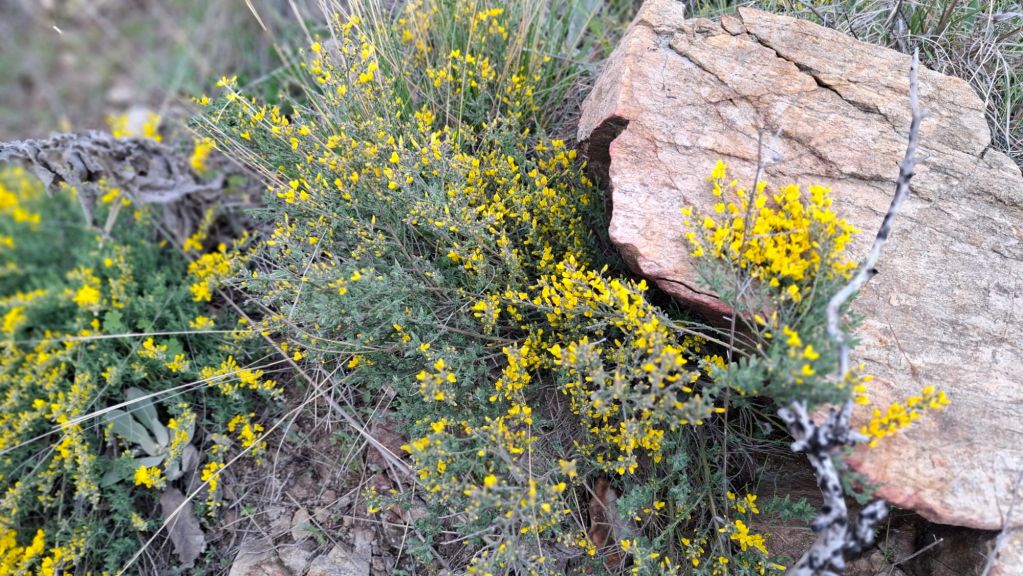
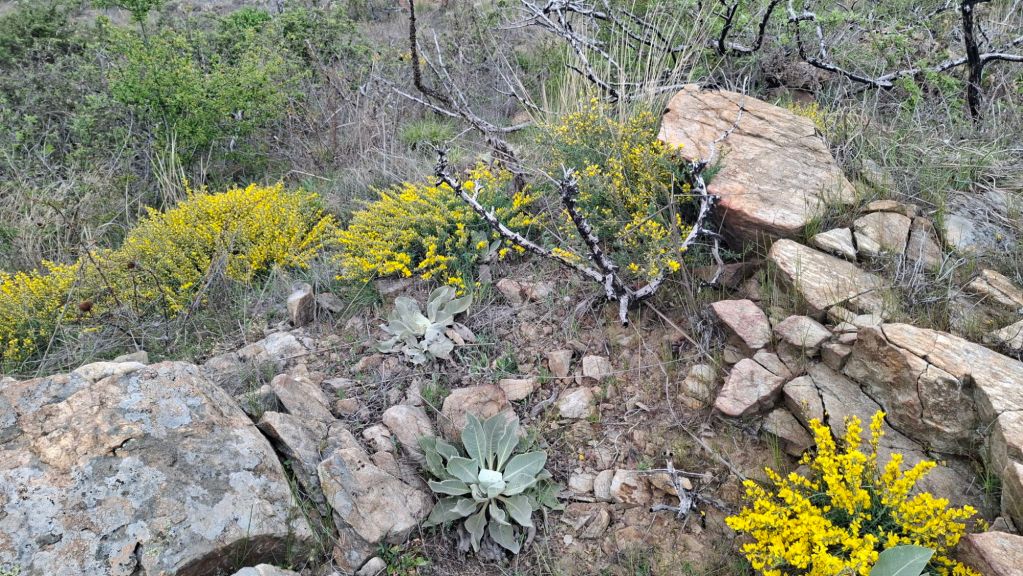
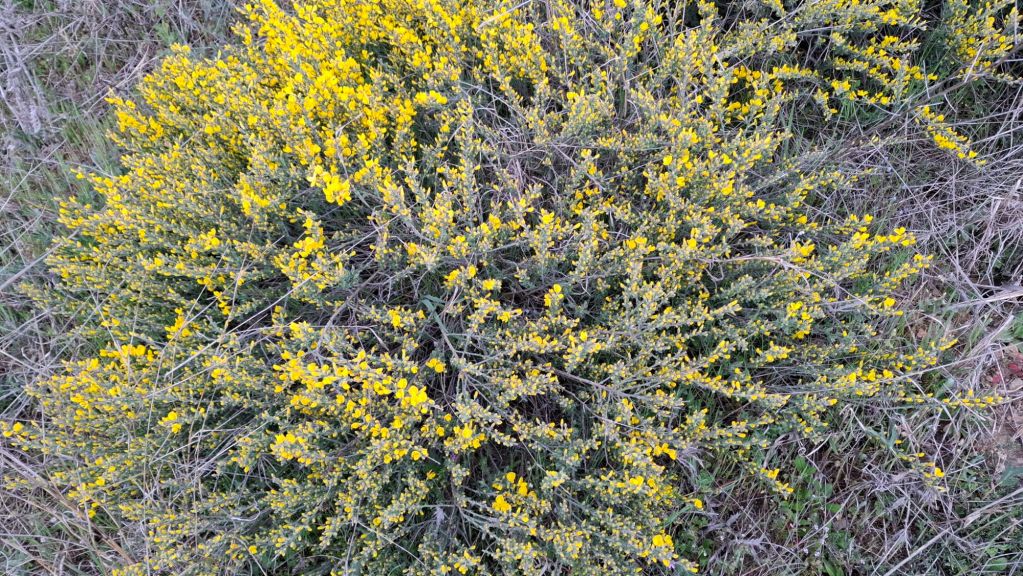
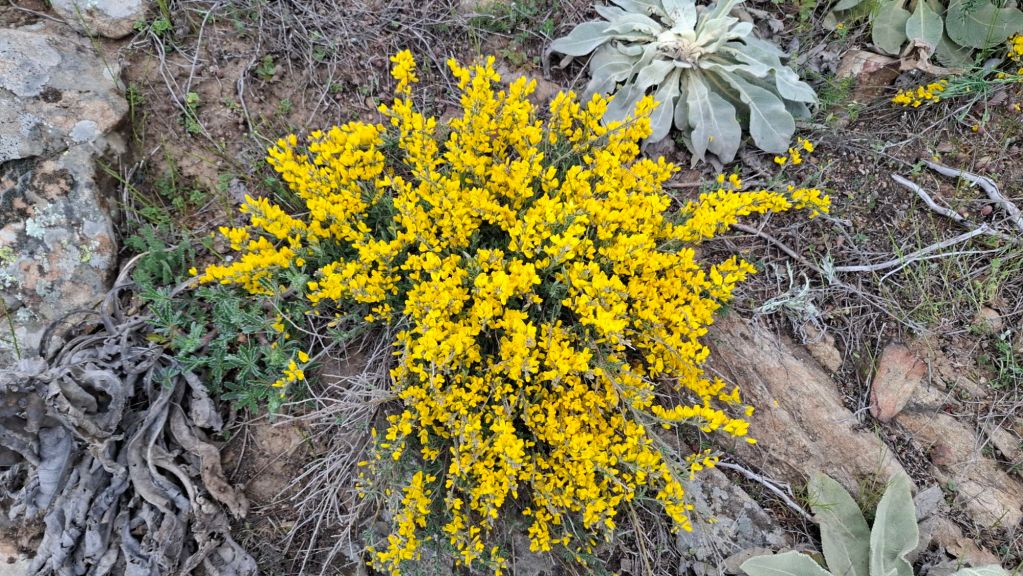
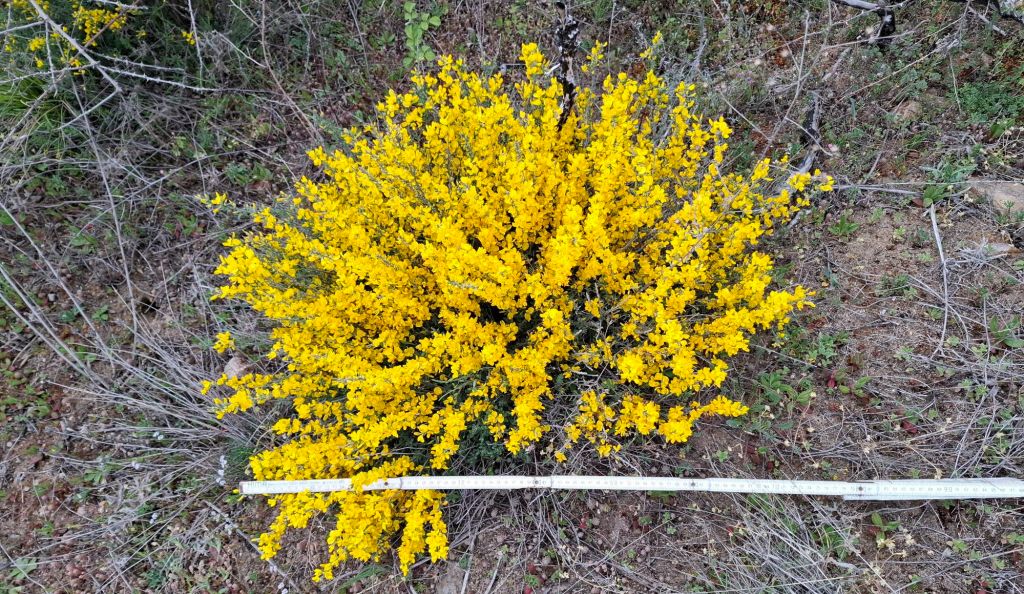
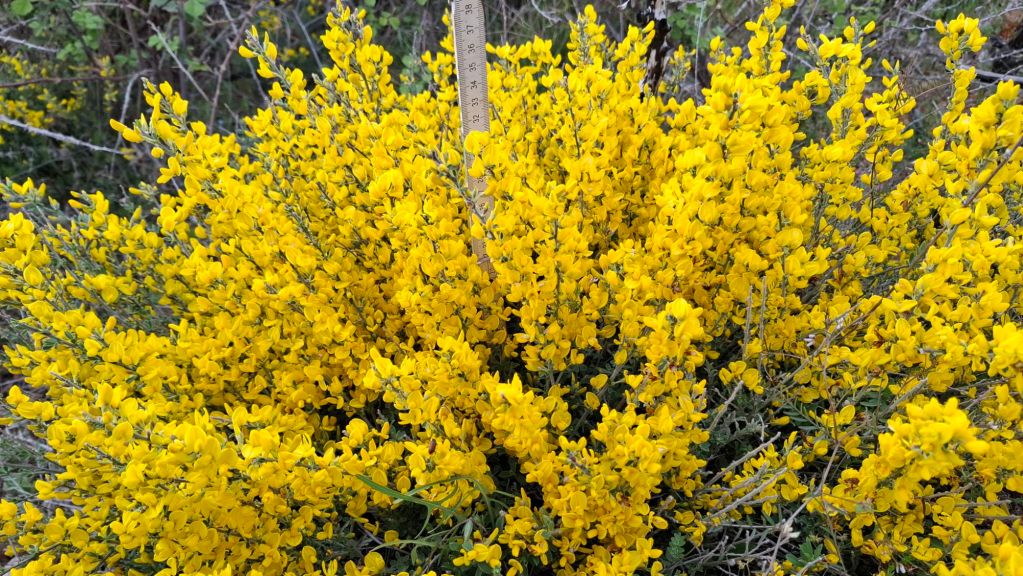
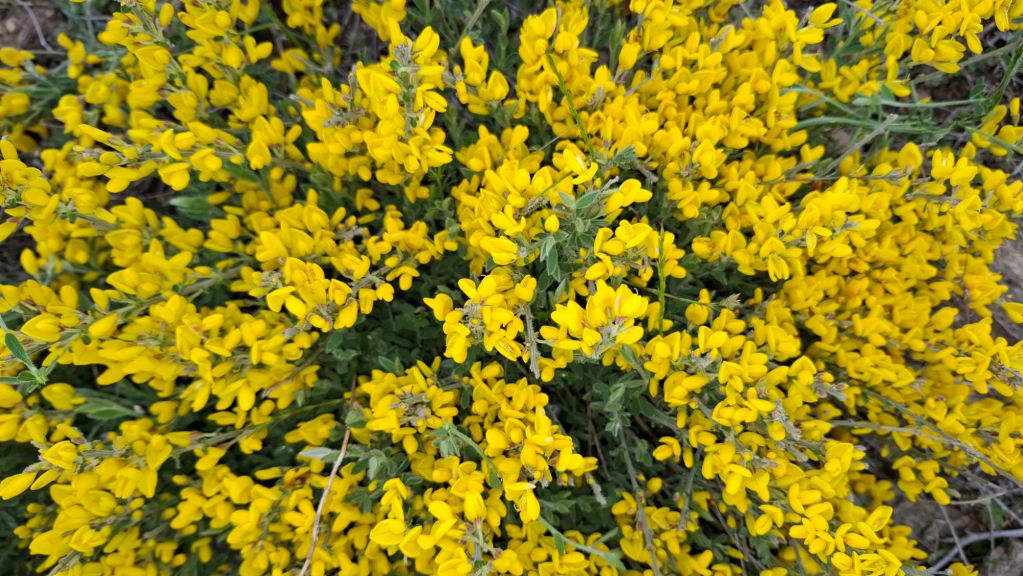
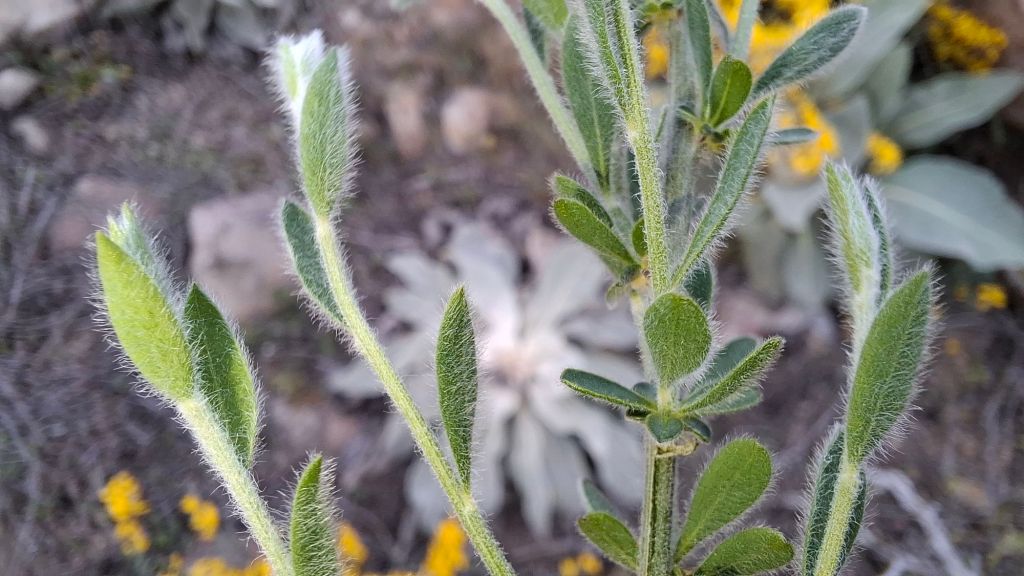
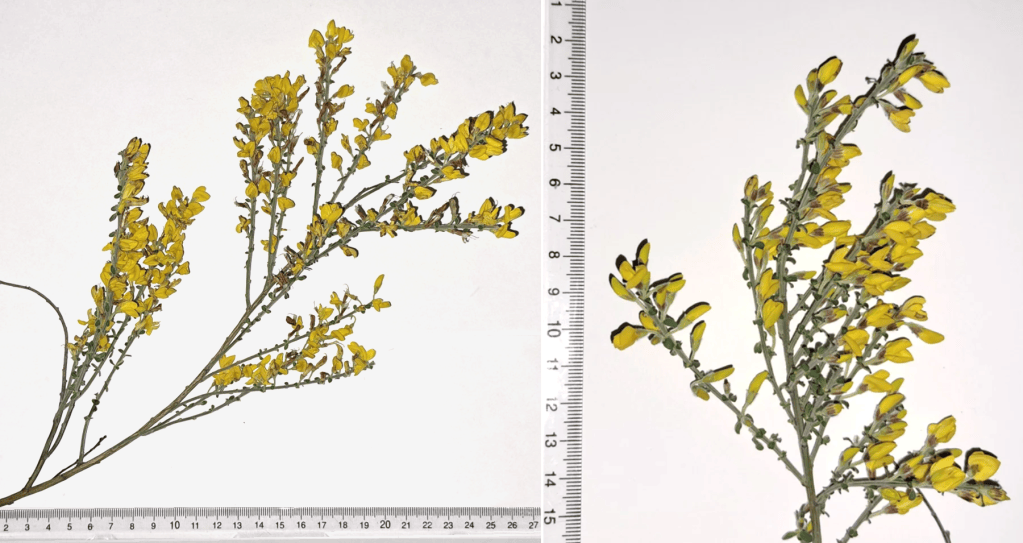
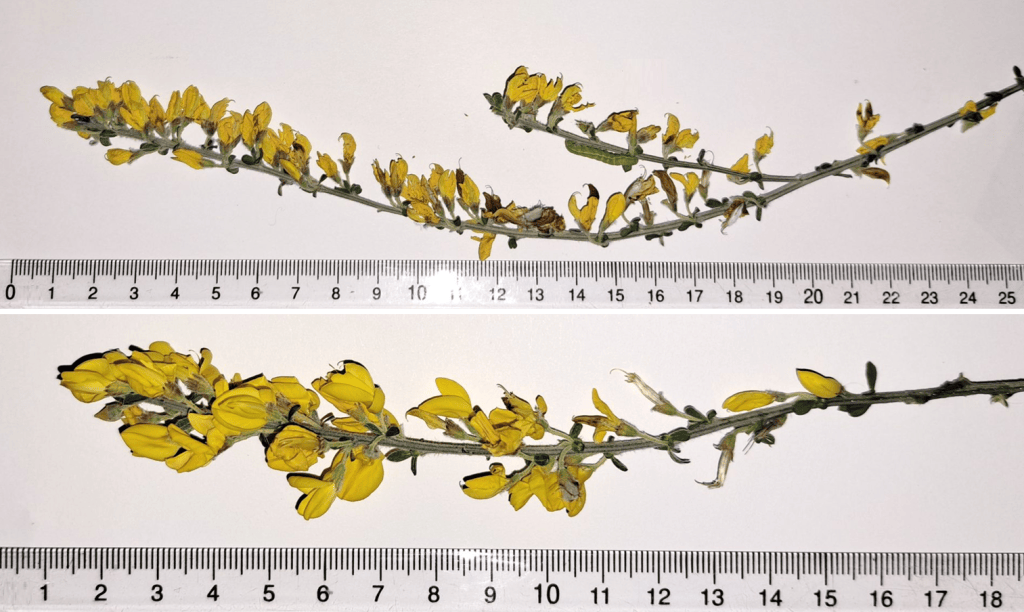
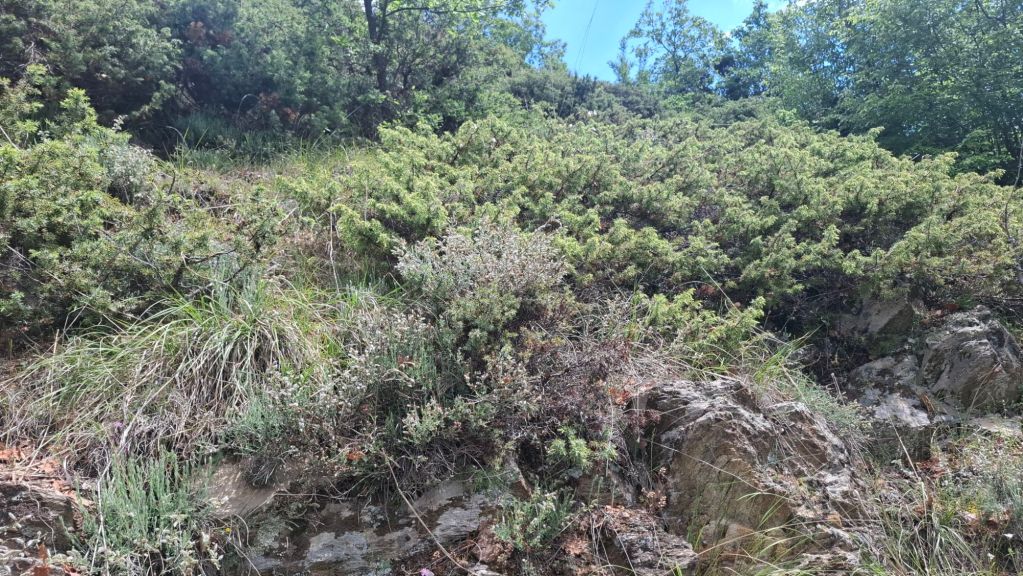
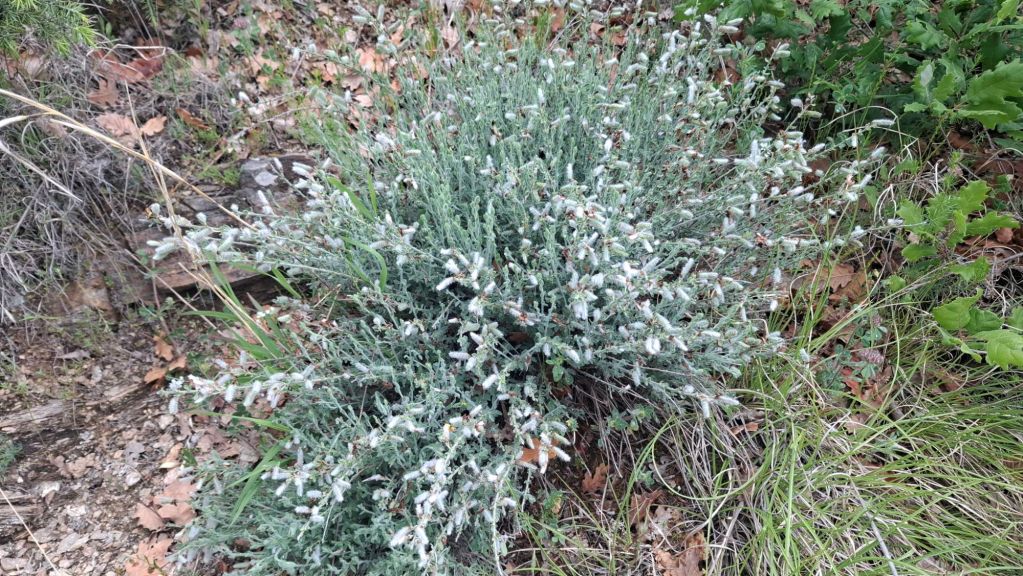
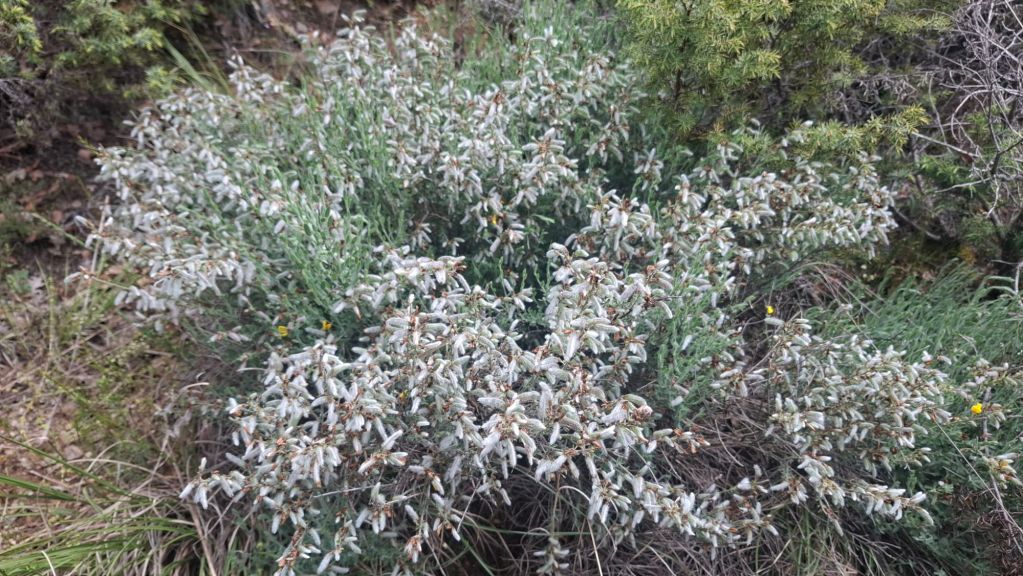
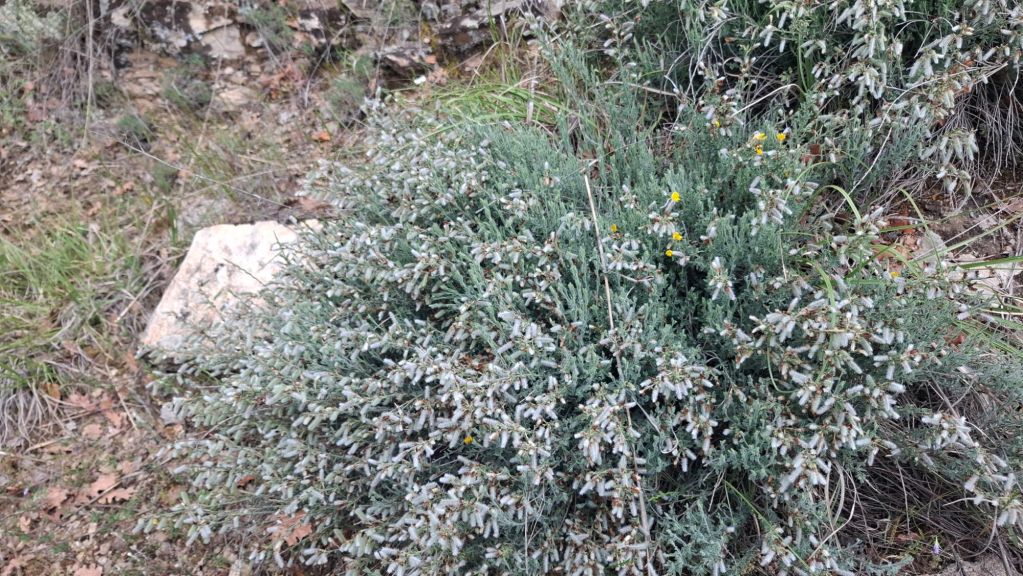
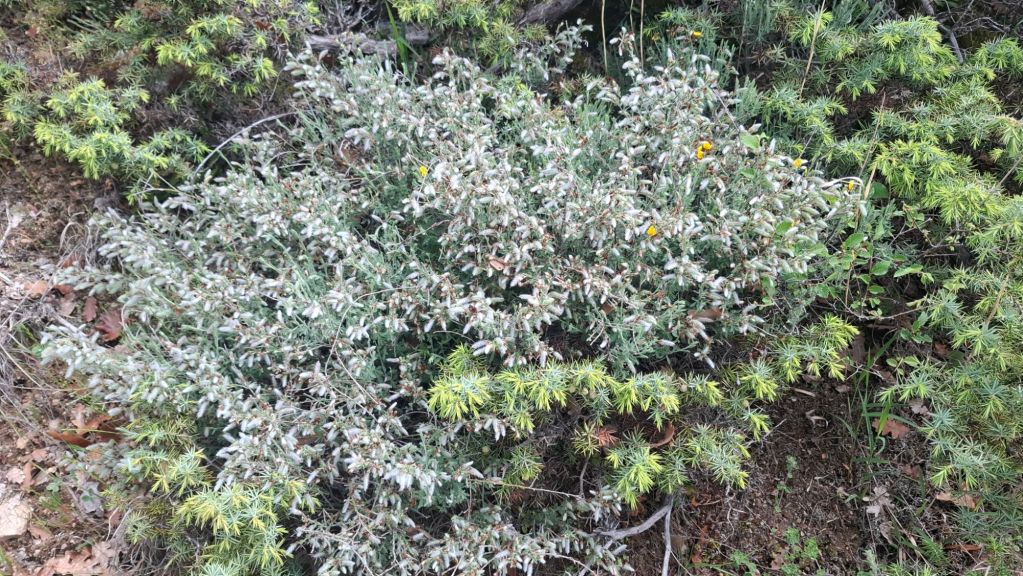
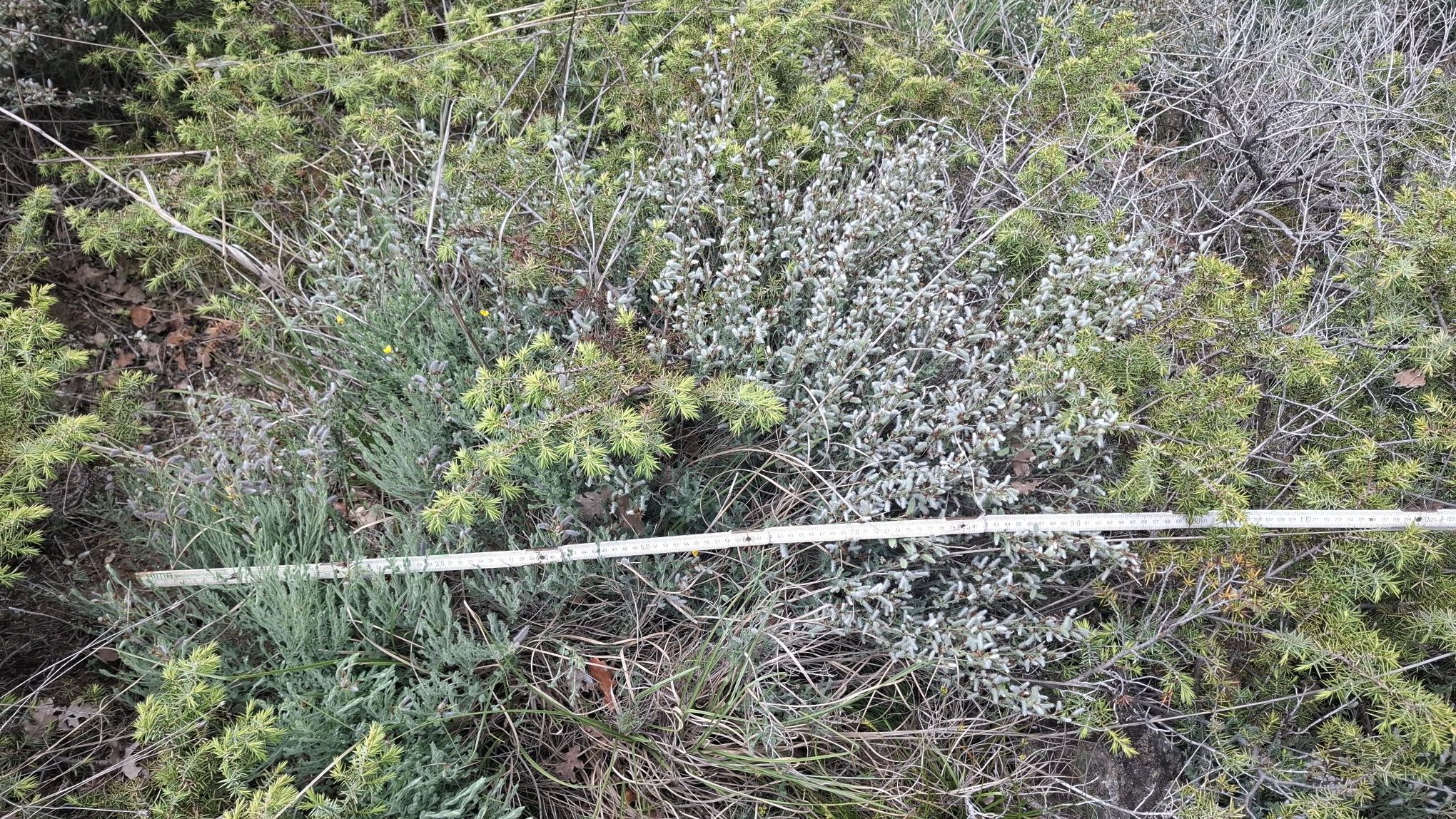
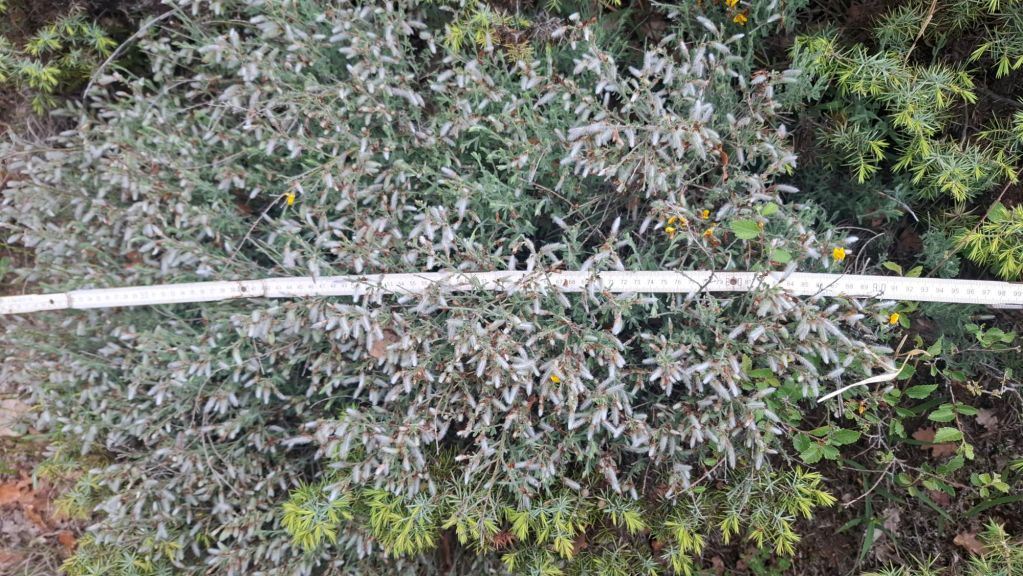
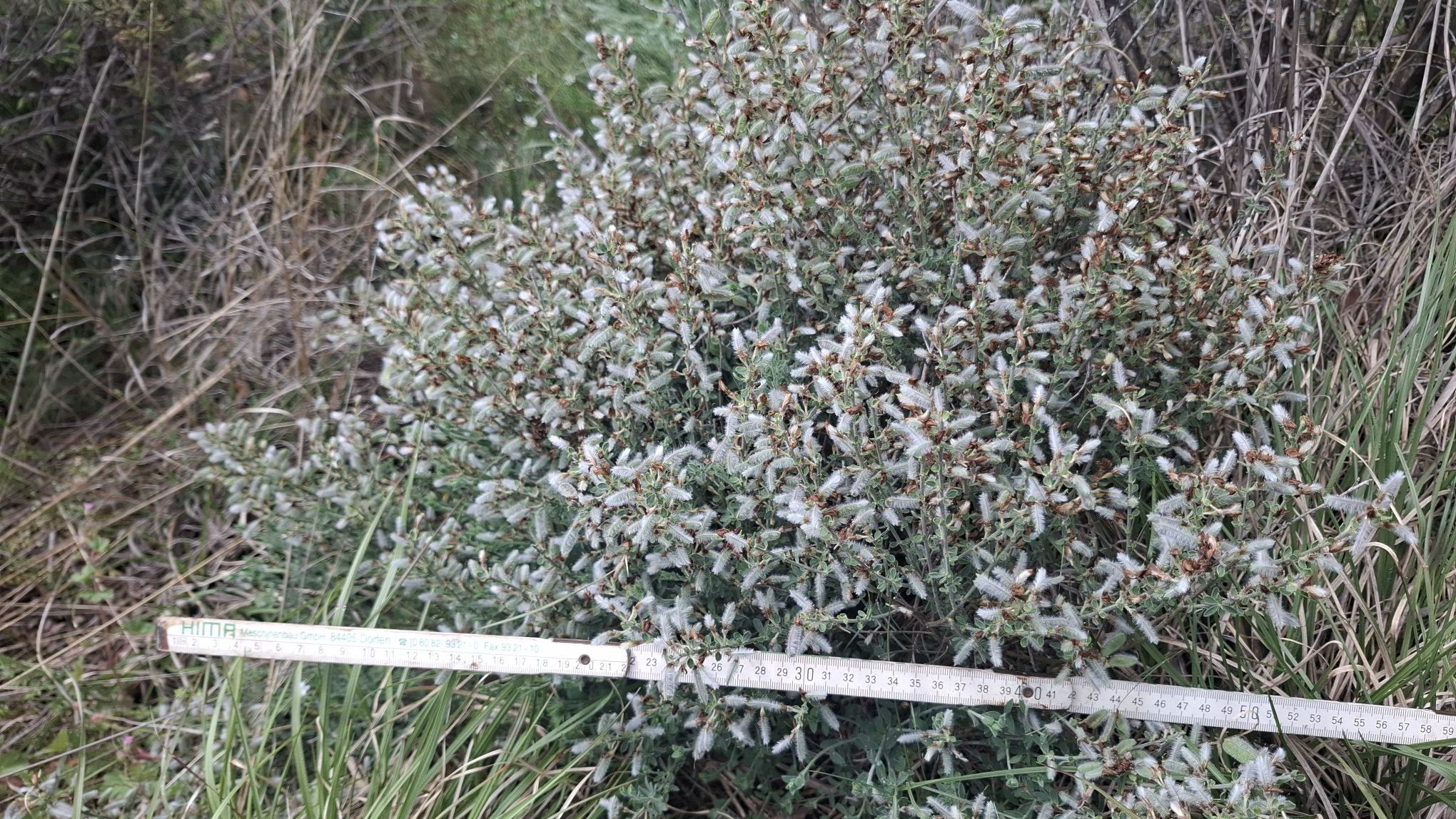
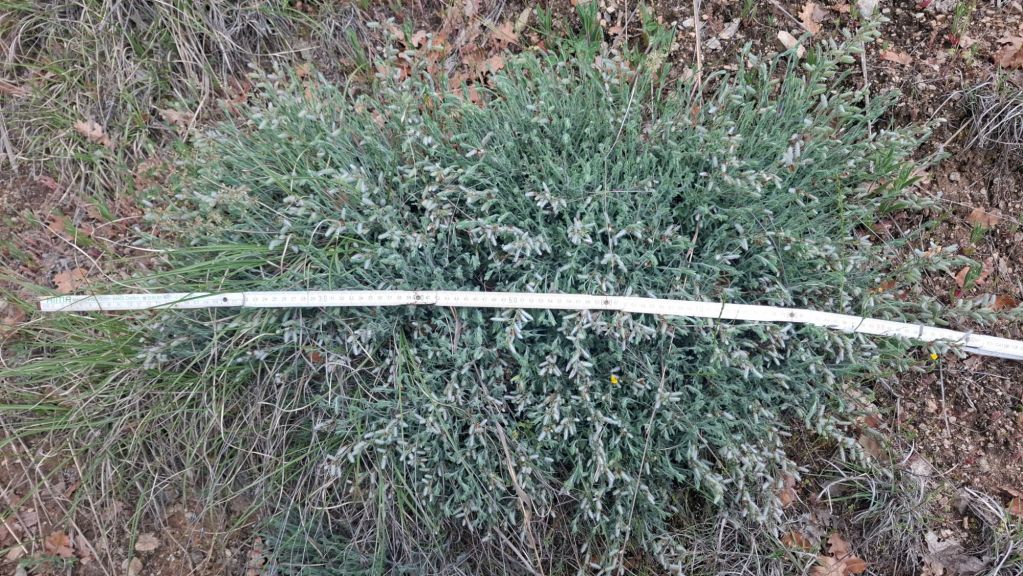
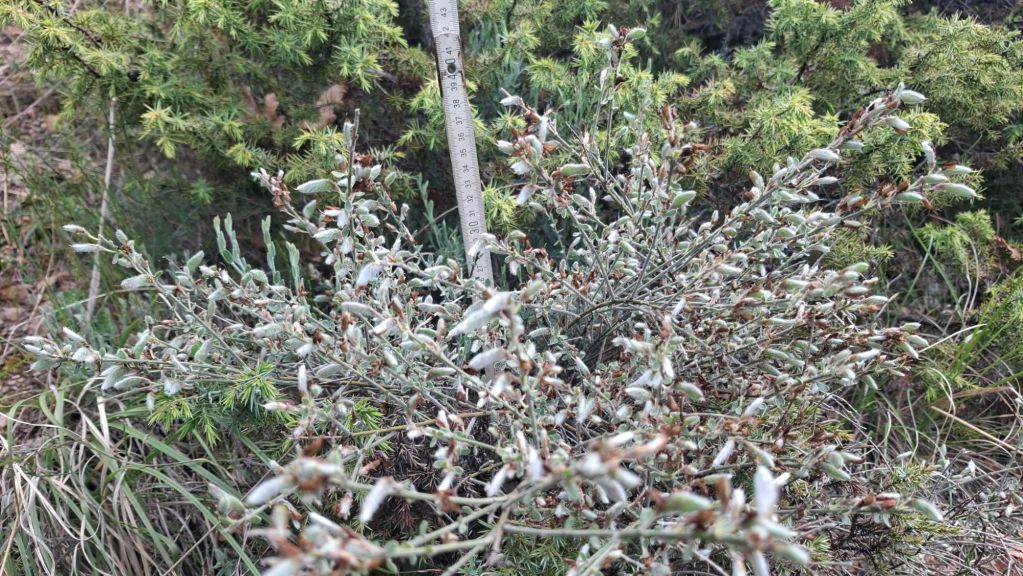
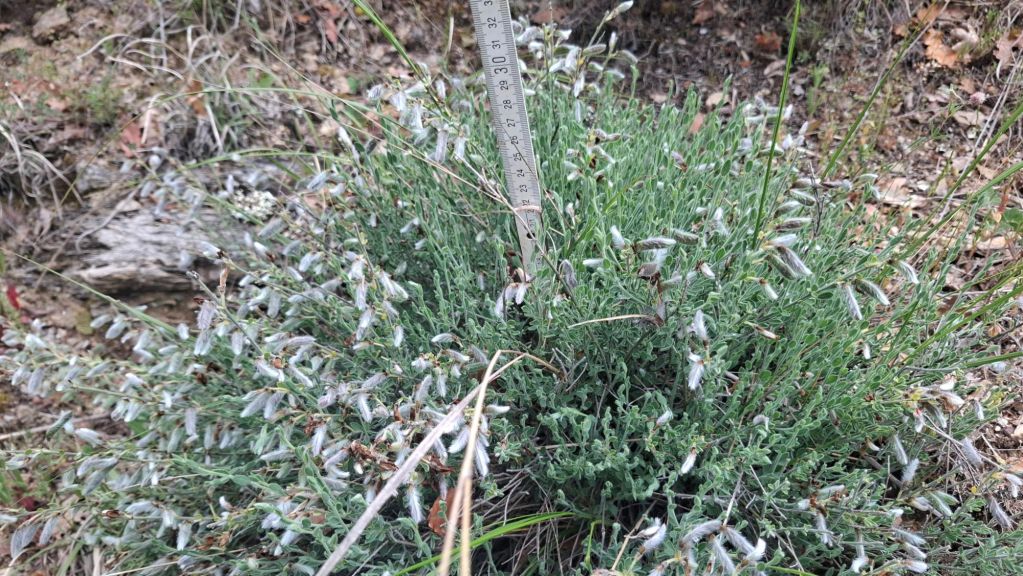
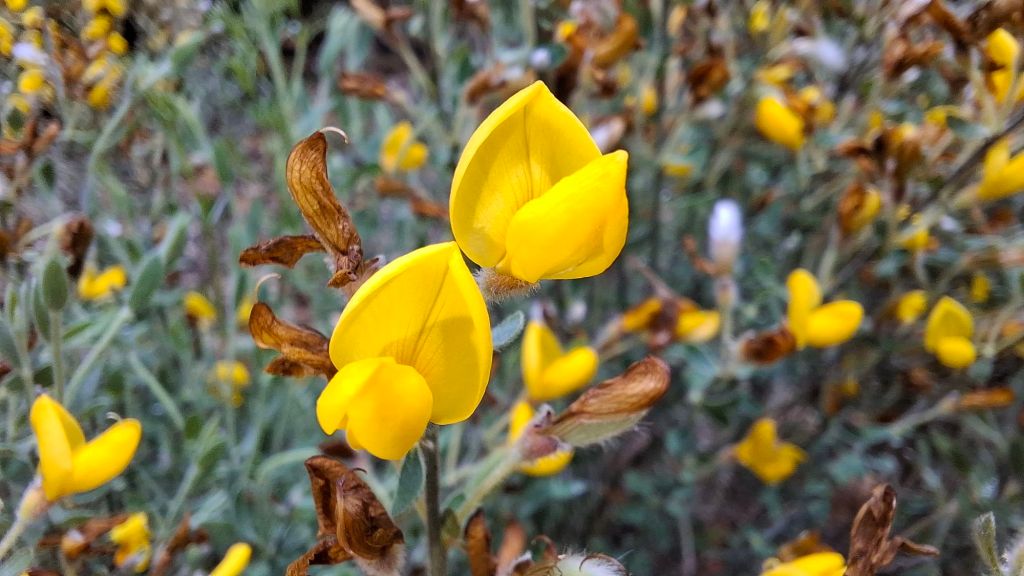
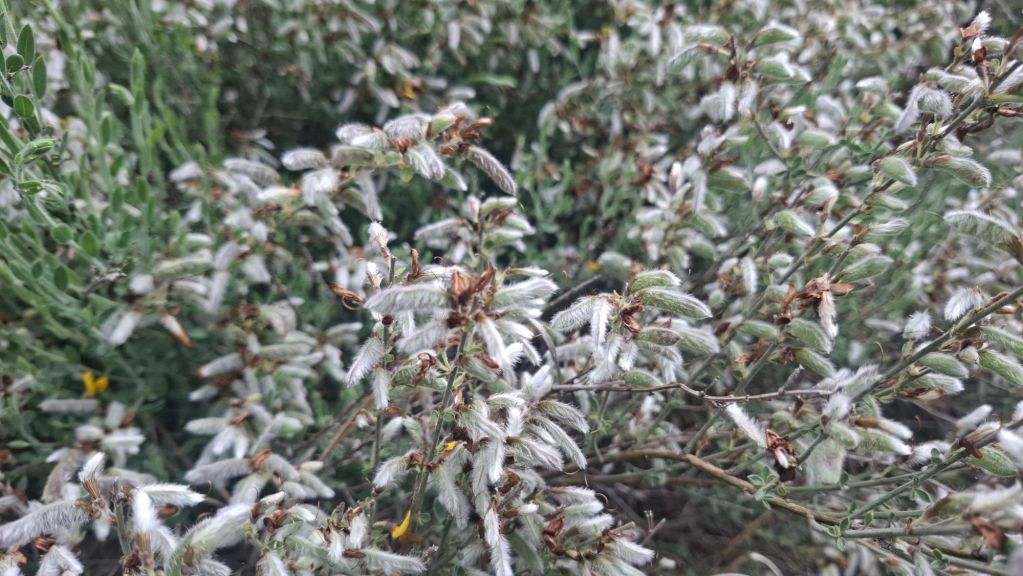
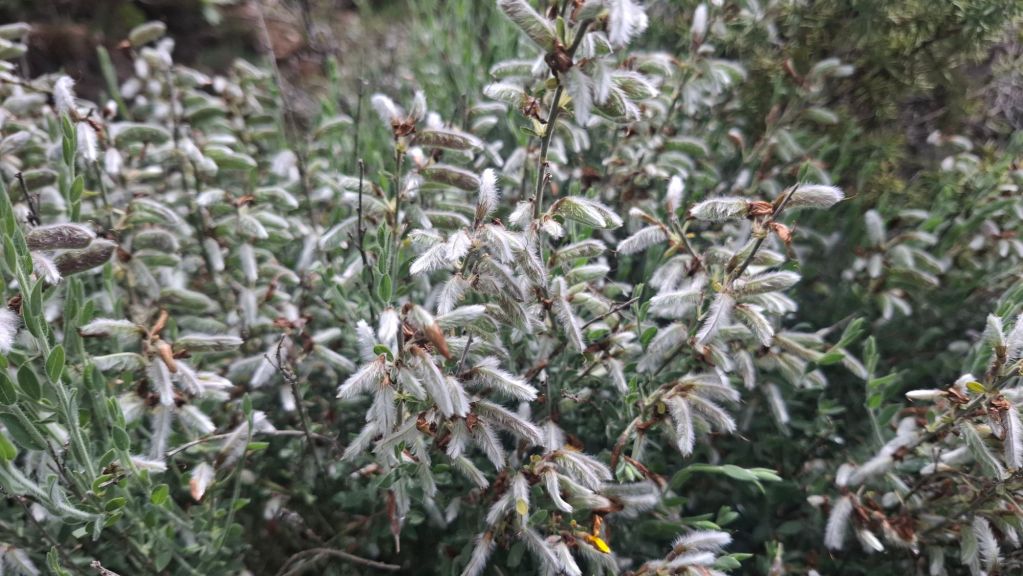
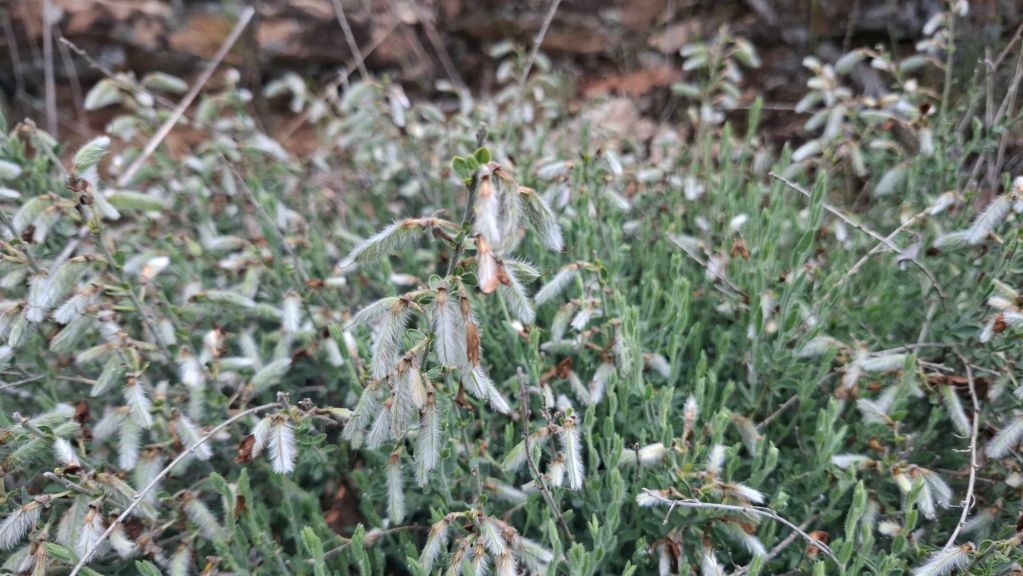
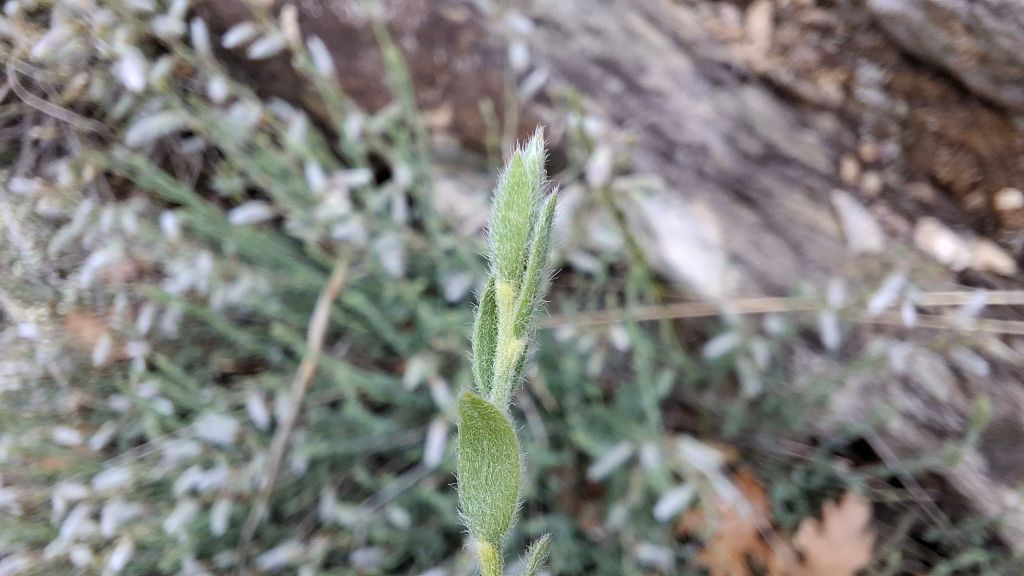
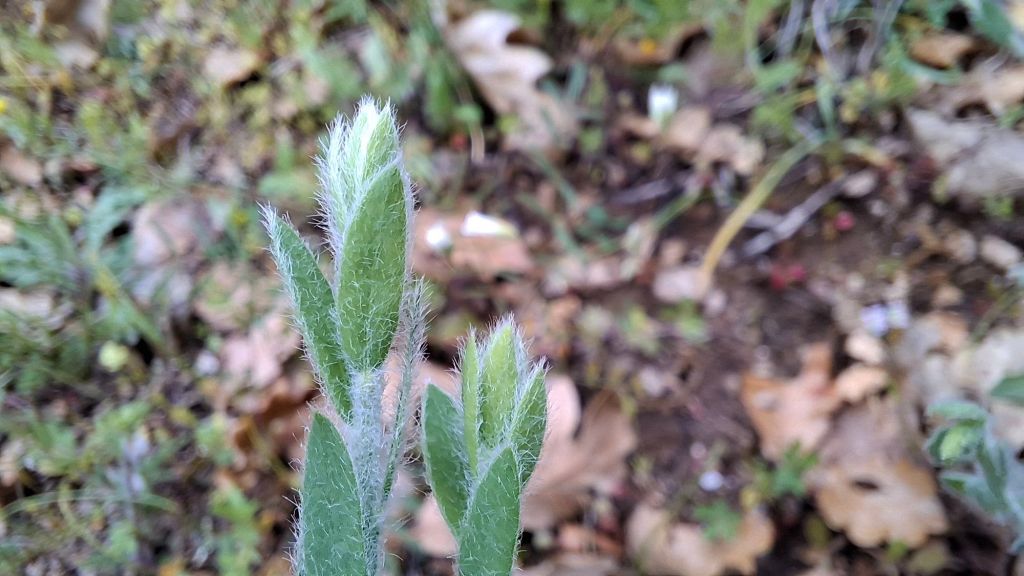
The population recorded in Osogovo differs from the typical form in having larger and more robust habit, longer inflorescence (raceme) and different indumentum color. The plants reach 30 to 55 cm height and up to 90-95 cm spread, compared to 10-20 (30) cm for literature data. The flowers are arranged in rather long and dense racemes (5 to 18 cm long). The indumentum is whitish/light greyish-white instead of typical cream color. For this traits the plants from Osogovo show some similarity to Cytisus rectipilosus Adam., which has larger habit, longer racemes and whitish indumentum. However, C. rectipilosus has other distinctive traits, such as different indumentum type and larger flowers, not found in the Osogovo plants.
The taxonomic position of Cytisus rectipilosus Adam. is not fully resolved. According to Micevski (2001) both C. rectipilosus Adam. and C. agnipilus Velen. occur in North Macedonia and are considered separate species. Diklić (1972 in Josifović) accepts C. rectipilosus as a variant of C. decumbens. In the Cytisus treatment in Flora Europea, Frodin and Heywood (1968 in Tutin et al.) accept C. agnipilus but make no mention of C. rectipilosus. In The Euro+Med PlantBase, the Plants of the World Online portal (Royal Botanic Gardens, Kew) and GBIF, C. rectipilosus is considered as a synonym of Cytisus agnipilus Velen.
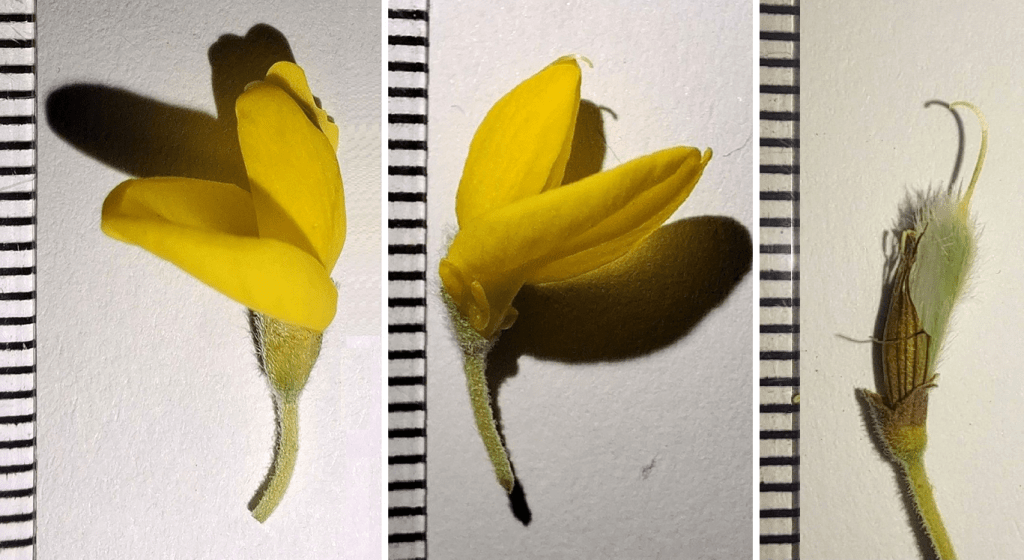
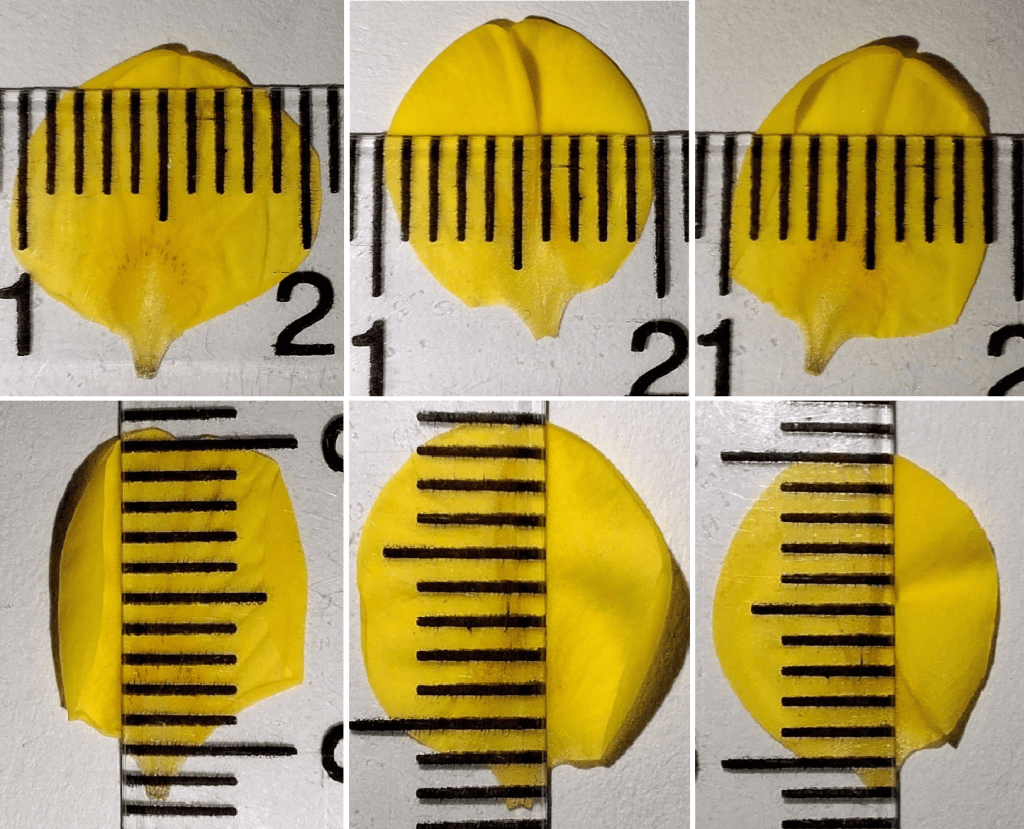
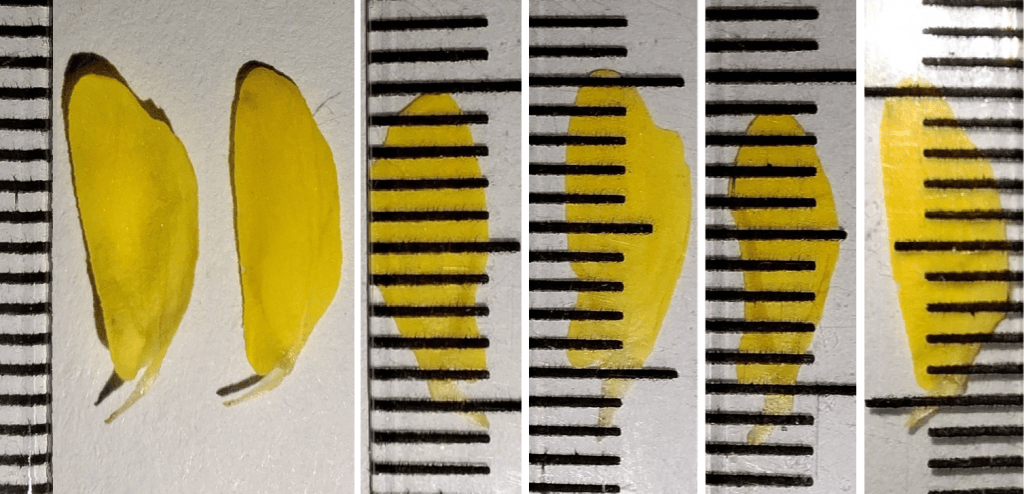
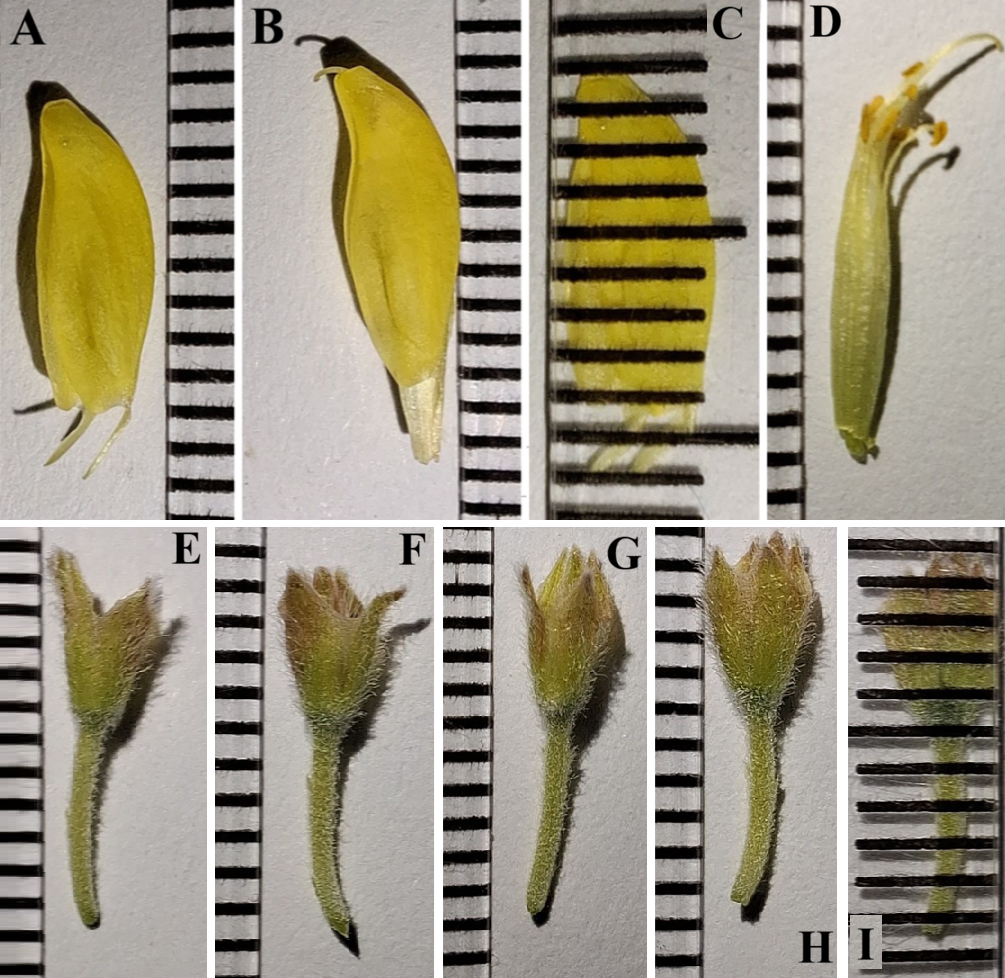
The characteristics of the Osogovo population compared to literature data is shown in Table 1.
Table 1. Cytisus agnipilus from Osogovo compared to literature data for Cytisus agnipilus and Cytisus rectipilosus.
Cytisus agnipilus Osogovo
Cytisus agnipilus literature data
Cytisus rectipilosus literature data
Plant height
(25) 30-55 cm
10-20 (30) cm
(10)15-30 (40) cm
Spread
up to 90-95 cm in diameter
/
/
Indumentum color
Light grayish-white
Cream
White
Stem indumentum
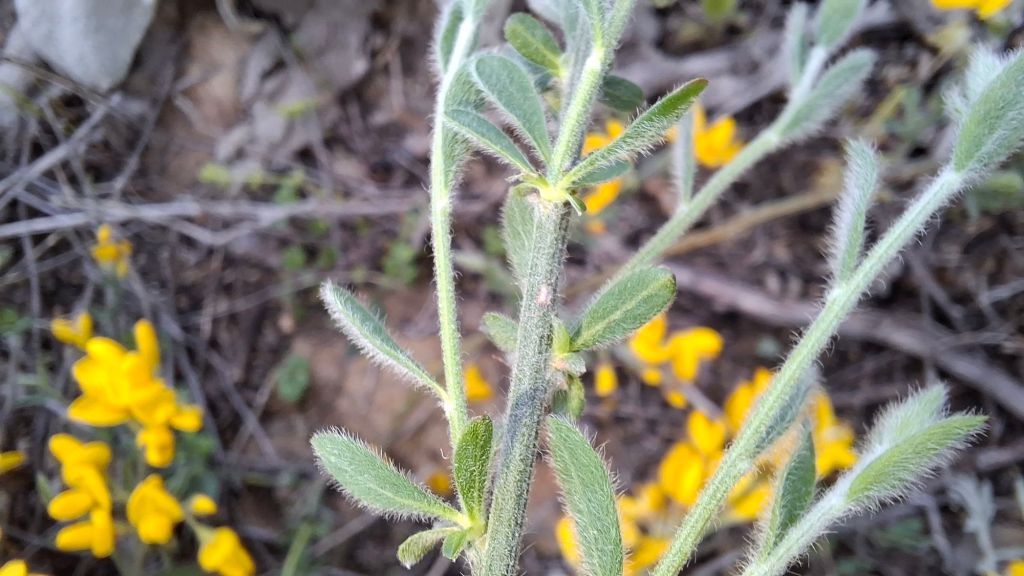
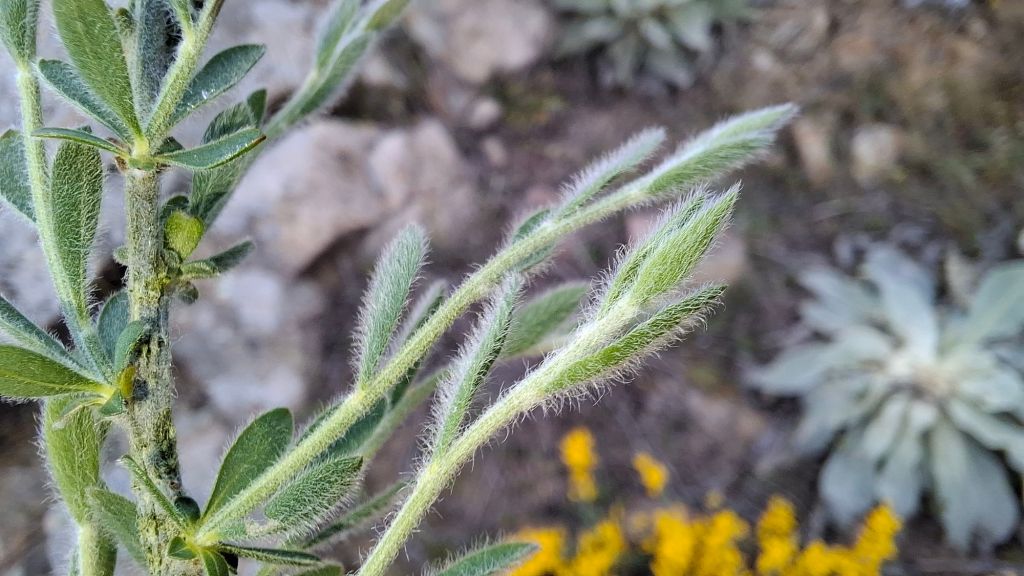
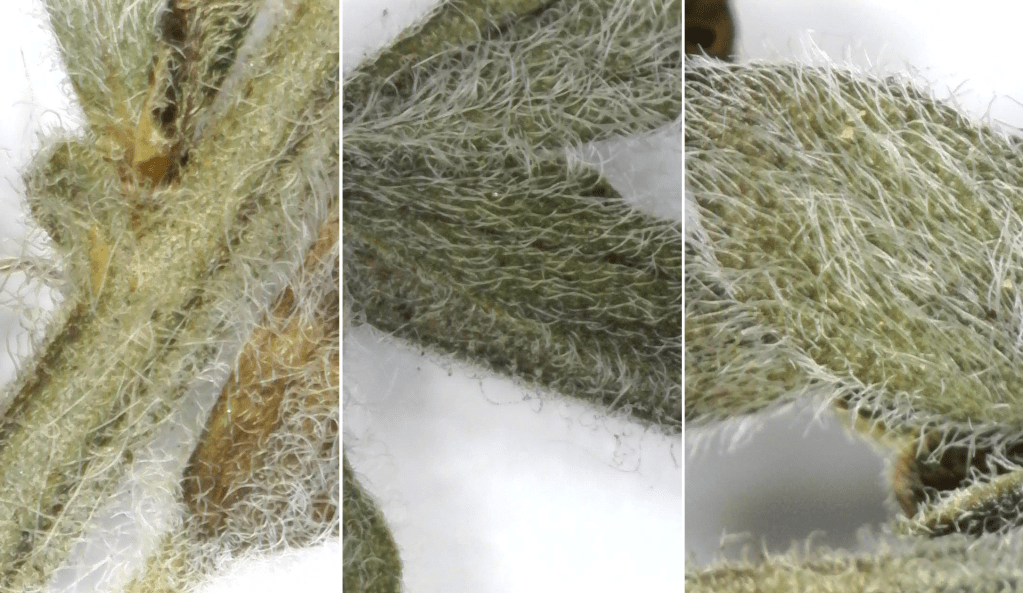
Dense, short crispate hairs and longer, patent curved hairs
Dense, short crispate hairs and longer, patent curved hairs
Appressed or semi-erect straight hairs
Leaf indumentum
Dense, patent, long curved hairs of both sides
Dense, patent, long curved or crispate hairs of both sides
Appressed straight hairs on both sides (rarely semierect, or adaxial side with patent and abaxial side with semierect hairs)
Calyx indumentum
Dense, patent, curved hairs
Dense patent hairs
Base with patent hairs, the rest of the calyx with semierect hairs
Pod indumentum
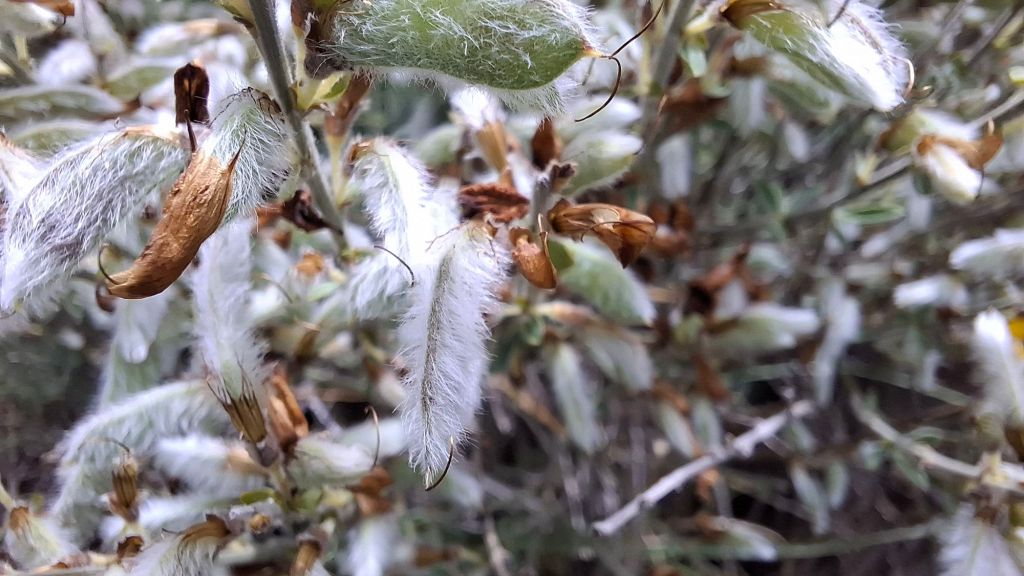
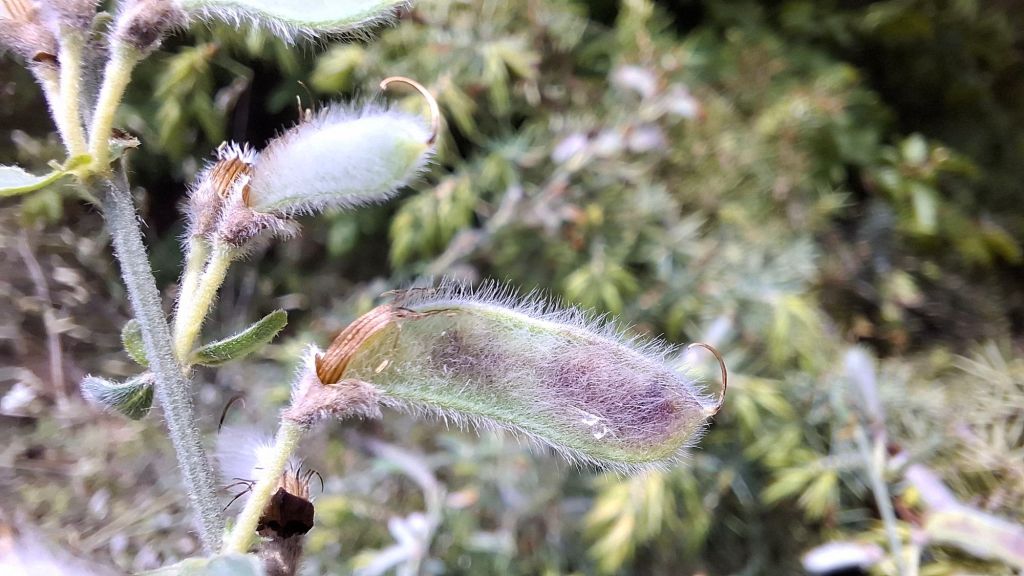
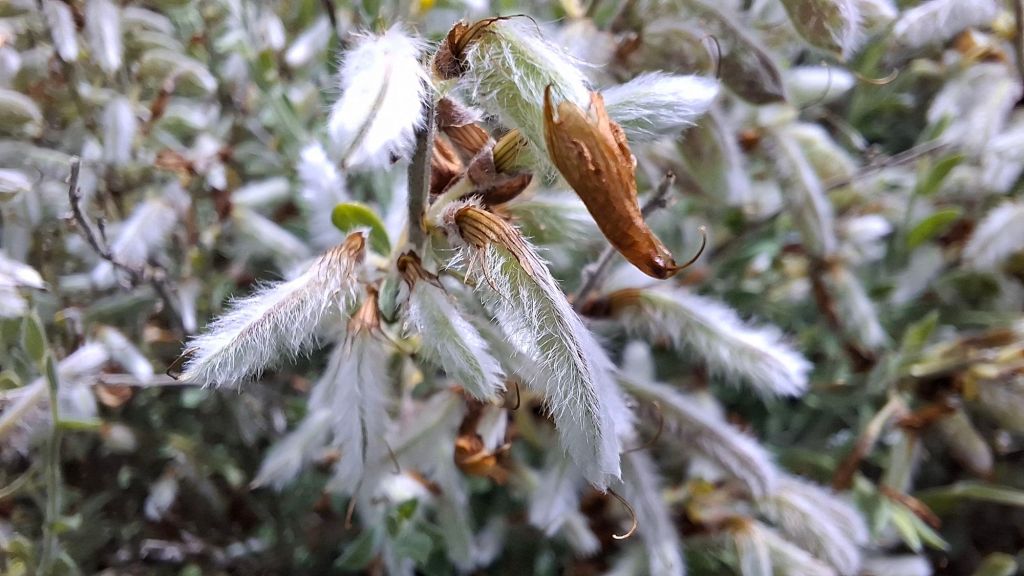
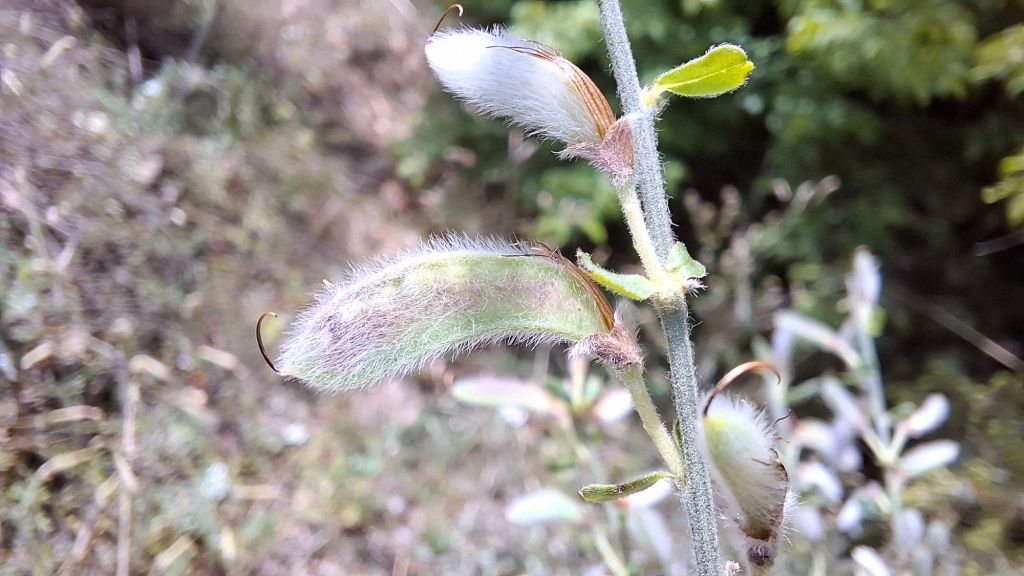
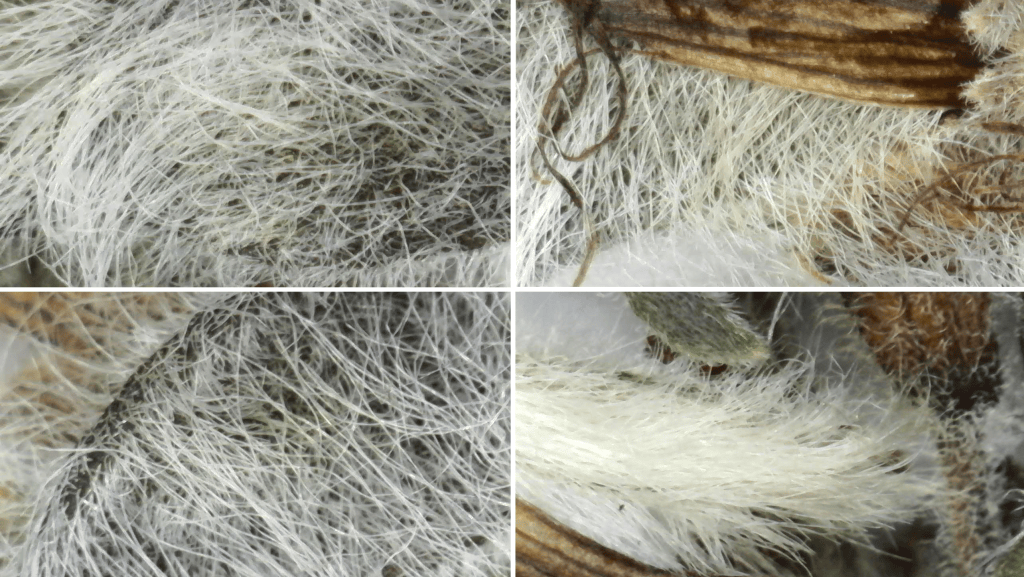
Lanate, with dense patent hairs
Lanate, with dense patent hairs
Dense, appressed silky hairs or semierect straight hairs
Leaves
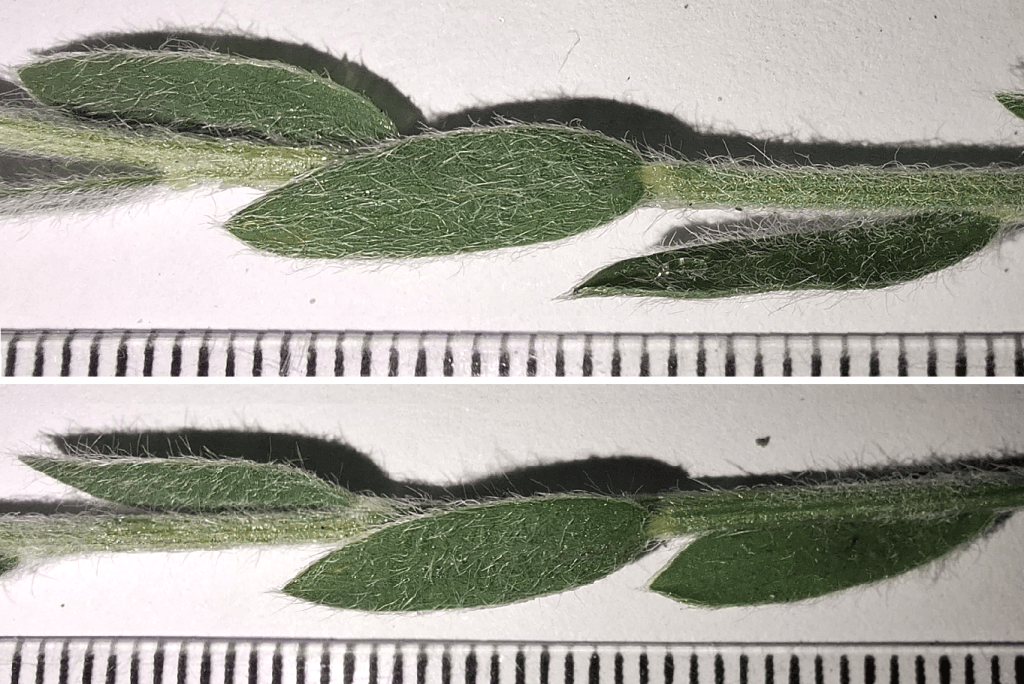
c. 12 mm on vegetative stems, 4-7 mm on flowering stems
(5)10-12(15) mm on vegetative stems, smaller on flowering stems
10 (15) mm
Inflorescence
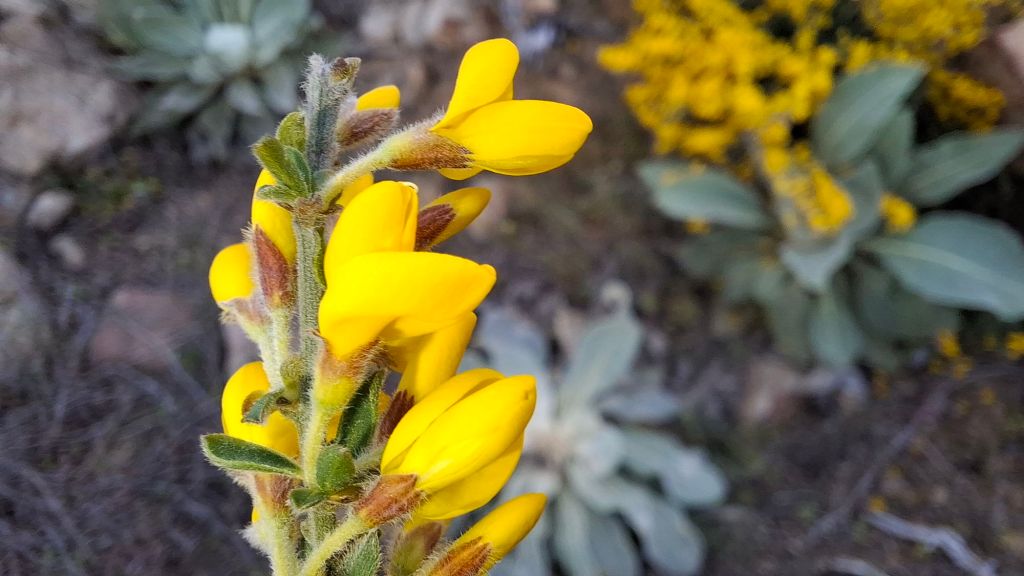
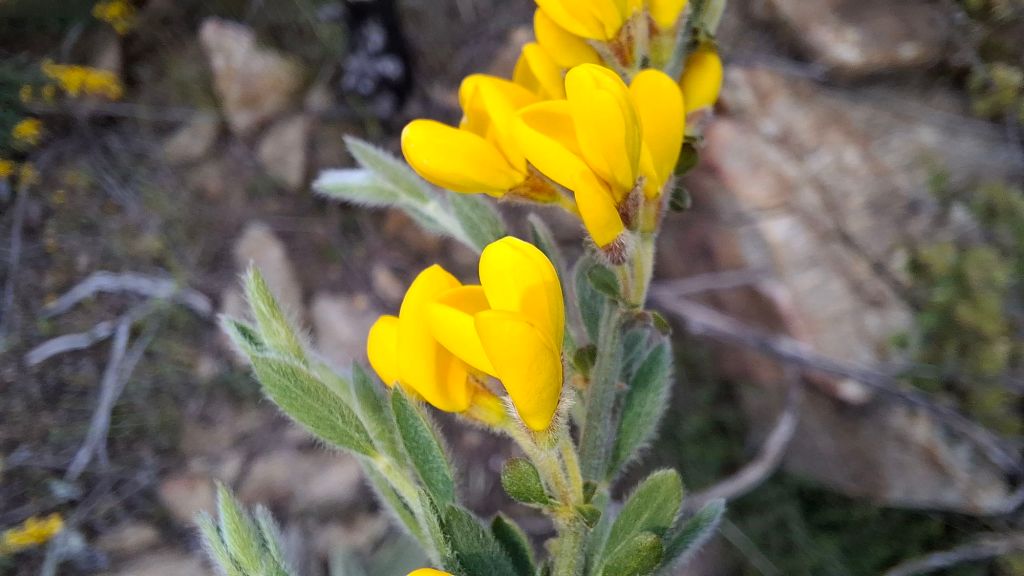
Long multilateral racemes (5 to 18 cm), the flowers are pointing in different directions
Flowers arranged in racemes
Long secund racemes, the flowers are pointing in one direction
Calyx
5 mm long, with patent crispate hairs
5 mm
3-4 mm
Standard
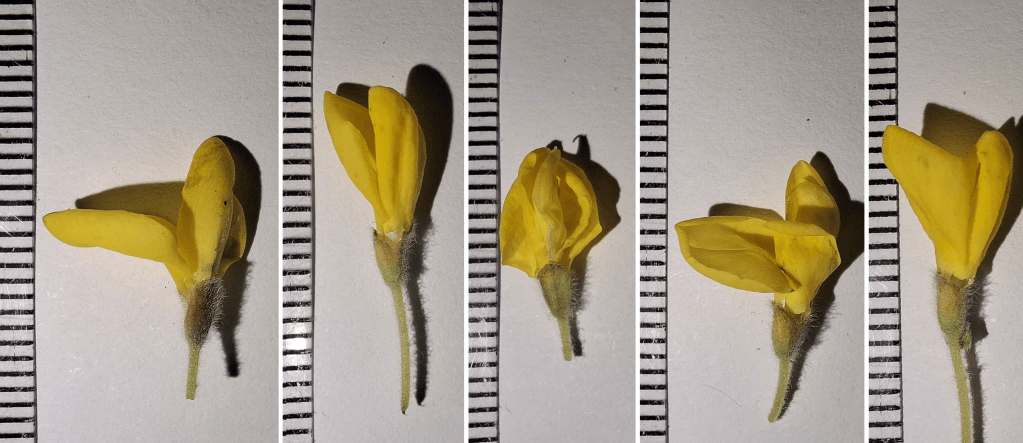
10-11 mm long x 10 -11 mm wide, with 1.5 -2 mm claw
(8) 10 -11 mm long, rounded with 2 mm claw
12 mm long x 10 mm wide, with 1 mm claw
Wings
10 mm long with 2 mm claw
11 mm long with 2 mm claw
12 mm long with 2 mm claw
Keel
9 mm
shorter than wings
11 mm
Pod
c. 20 mm
20-32 mm
20-25mm
Lifeform: Chamaephyte according to the Raunkiær system.
Distribution: Balkan Peninsula according to the Euro+Med PlantBase and the Plants of the World Online portal (Royal Botanic Gardens, Kew). Balkan endemic.
Habitat: Rocky terrains and sparse shrubland with Juniperus oxycedrus and other members of the Querco-carpineto orientalis ass.
While this species is noted for being calcicole (Micevski, 2001), in the Osogovo region it occurs on silicate rocks.
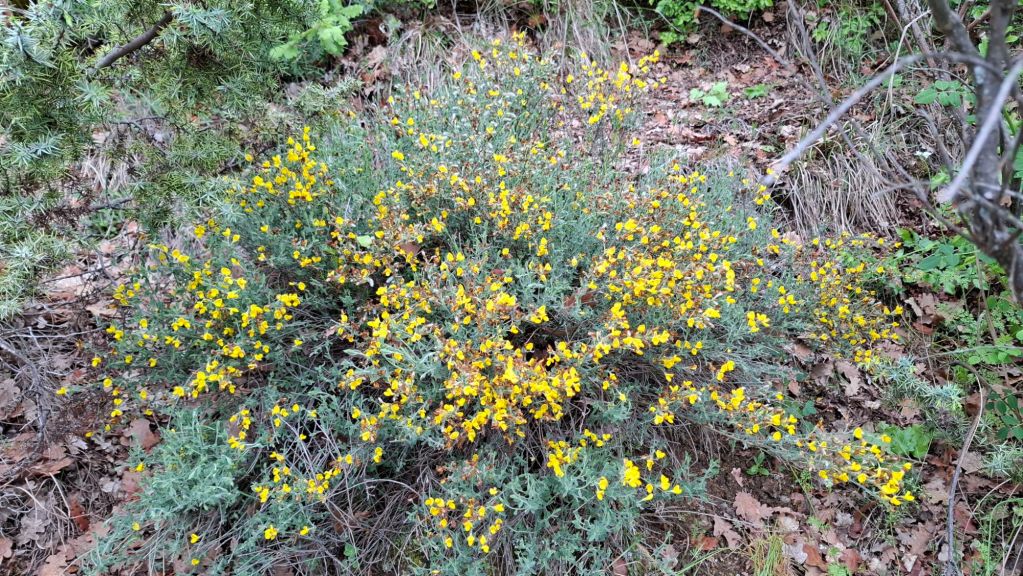
Flowering period: Spring: MAR, APR, MAY.
Locality: Kochani: hilly region between Kochani and the village of Pripor, above the east side of the gorge of the Kochanska river. Date: 11.04.2026.
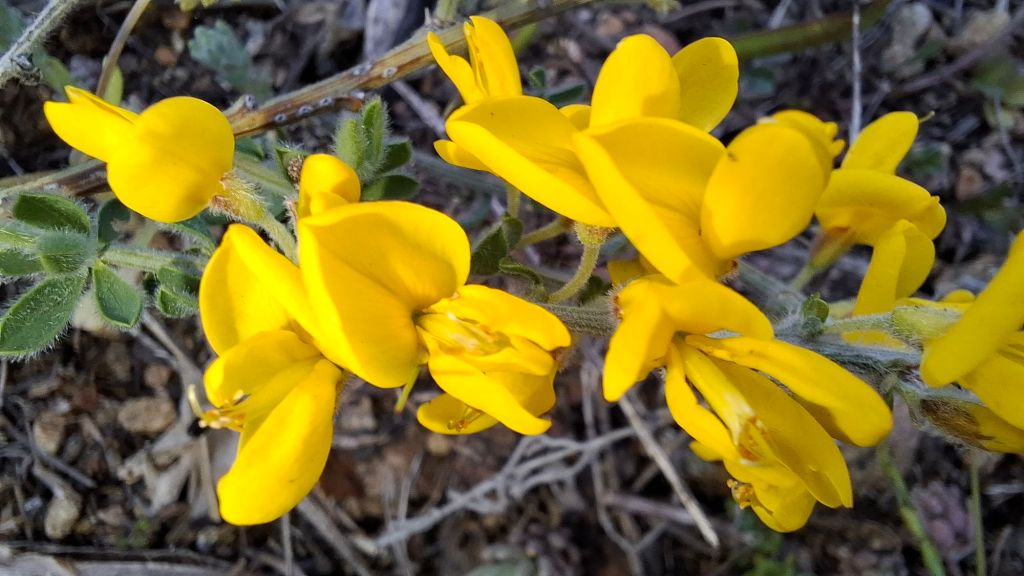
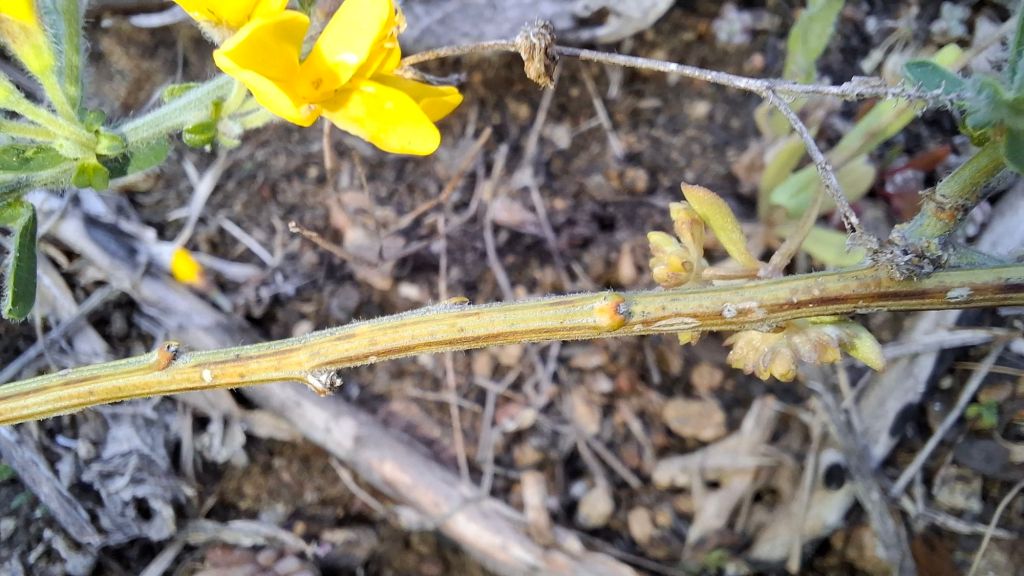
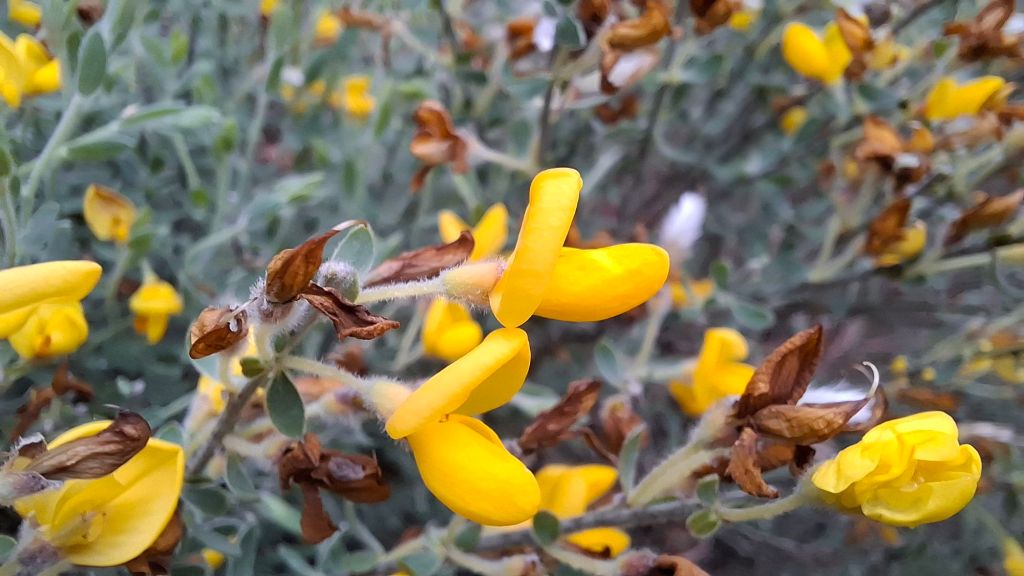
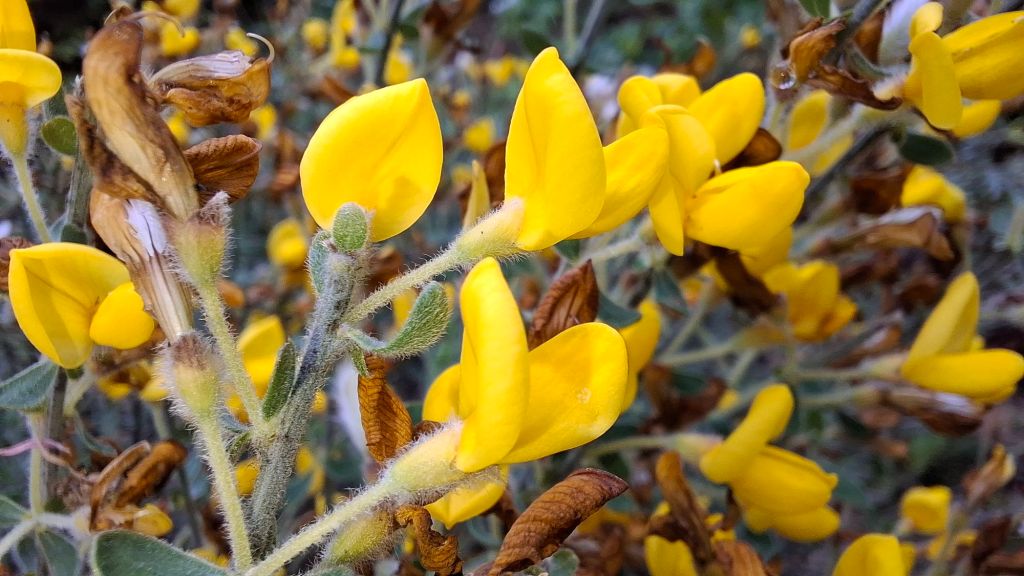
Cytisus agnipilus– habit. Hilly region near village of Pripor, 11.04.2026.Photo by Trajche Dimitrovski.Cytisus agnipilus– habit. Hilly region near village of Pripor, 11.04.2026.Photo by Trajche Dimitrovski.Cytisus agnipilus– habit. Hilly region near village of Pripor, 11.04.2026.Photo by Trajche Dimitrovski.Cytisus agnipilus– habit. Hilly region near village of Pripor, 11.04.2026.Photo by Trajche Dimitrovski.Cytisus agnipilus– measurement of spread. Hilly region near village of Pripor, 11.04.2026.Photo by Trajche Dimitrovski.Cytisus agnipilus– measurement of spread. Hilly region near village of Pripor, 11.04.2026.Photo by Trajche Dimitrovski.Cytisus agnipilus– measurement of height. Hilly region near village of Pripor, 11.04.2026.Photo by Trajche Dimitrovski.Cytisus agnipilus– measurement of height. Hilly region near village of Pripor, 11.04.2026.Photo by Trajche Dimitrovski.Cytisus agnipilus– racemes with flowers. Hilly region near village of Pripor, 11.04.2026.Photo by Trajche Dimitrovski.Cytisus agnipilus– racemes with flowers. Hilly region near village of Pripor, 11.04.2026.Photo by Trajche Dimitrovski.Cytisus agnipilus– flowers. Hilly region near village of Pripor, 11.04.2026.Photo by Trajche Dimitrovski.Cytisus agnipilus– flowers. Hilly region near village of Pripor, 11.04.2026.Photo by Trajche Dimitrovski.Cytisus agnipilus– flowers. Hilly region near village of Pripor, 11.04.2026.Photo by Trajche Dimitrovski.Cytisus agnipilus– flowers. Hilly region near village of Pripor, 11.04.2026.Photo by Trajche Dimitrovski.Cytisus agnipilus– flowers. Hilly region near village of Pripor, 11.04.2026.Photo by Trajche Dimitrovski.Cytisus agnipilus– twigs with leaves. Hilly region near village of Pripor, 11.04.2026.Photo by Trajche Dimitrovski.Cytisus agnipilus– twigs with leaves. Hilly region near village of Pripor, 11.04.2026.Photo by Trajche Dimitrovski.Cytisus agnipilus– twigs with leaves. Hilly region near village of Pripor, 11.04.2026.Photo by Trajche Dimitrovski.Cytisus agnipilus– twigs with leaves. Hilly region near village of Pripor, 11.04.2026.Photo by Trajche Dimitrovski.Cytisus agnipilus– woody branch. Hilly region near village of Pripor, 11.04.2026.Photo by Trajche Dimitrovski.
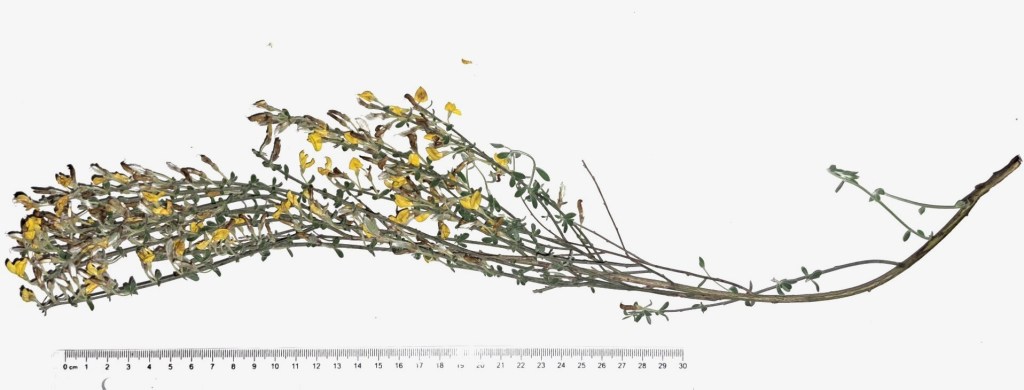
Scaled images. Locality: Kochani: hilly region between Kochani and the village of Pripor, above the east side of the gorge of the Kochanska river. Date: 11.04.2026.
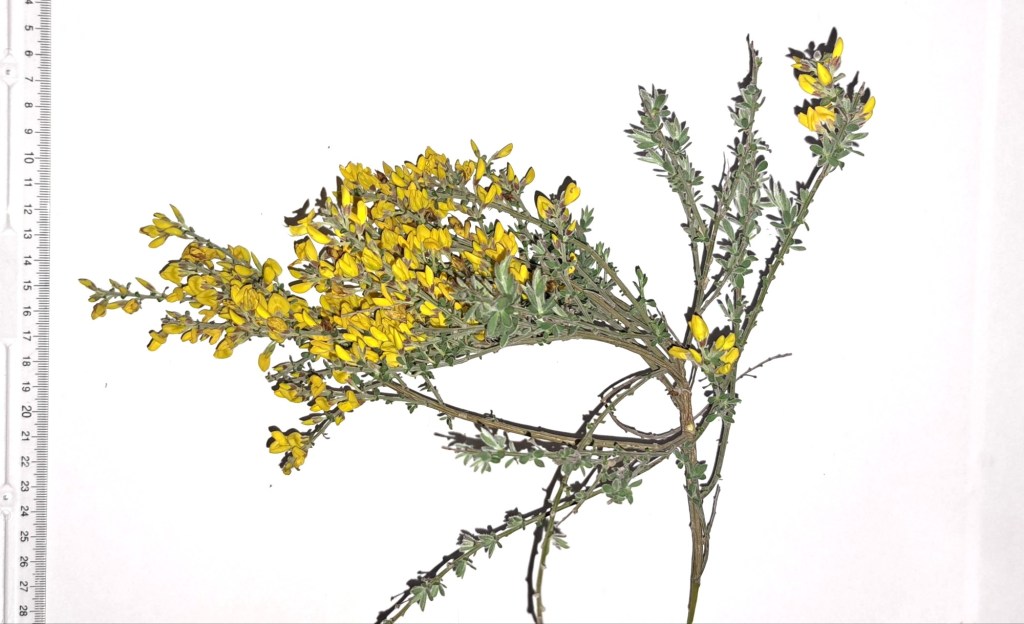
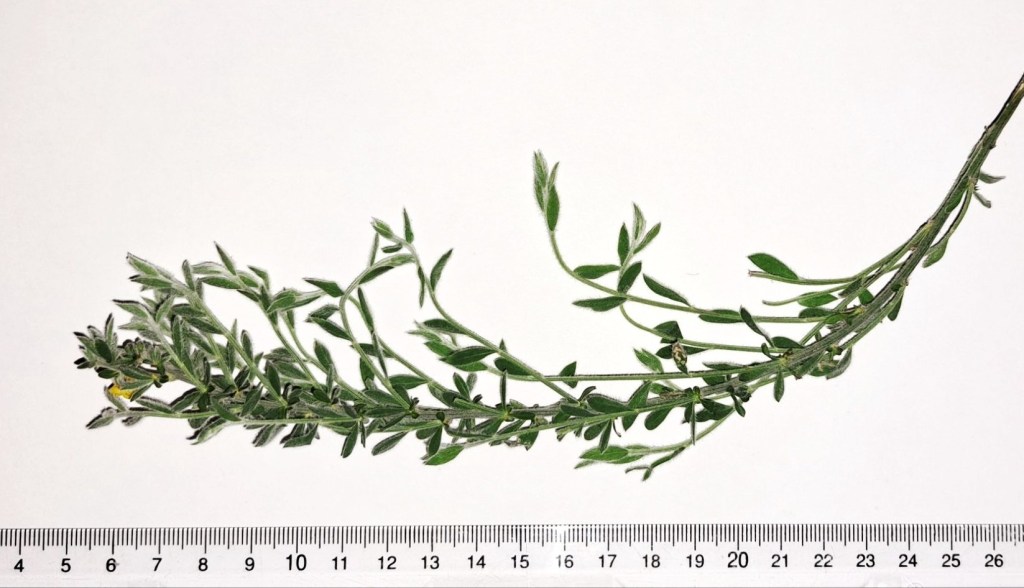
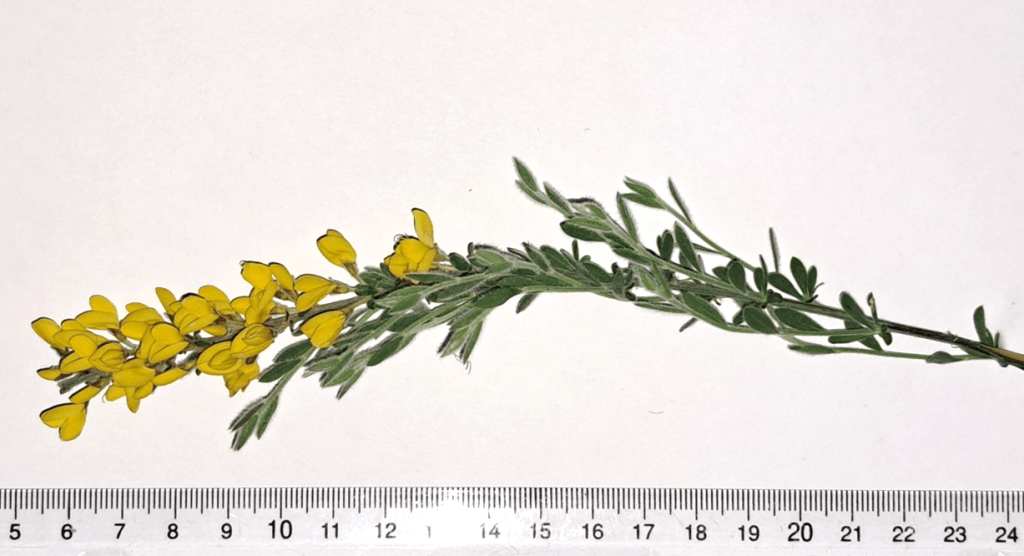
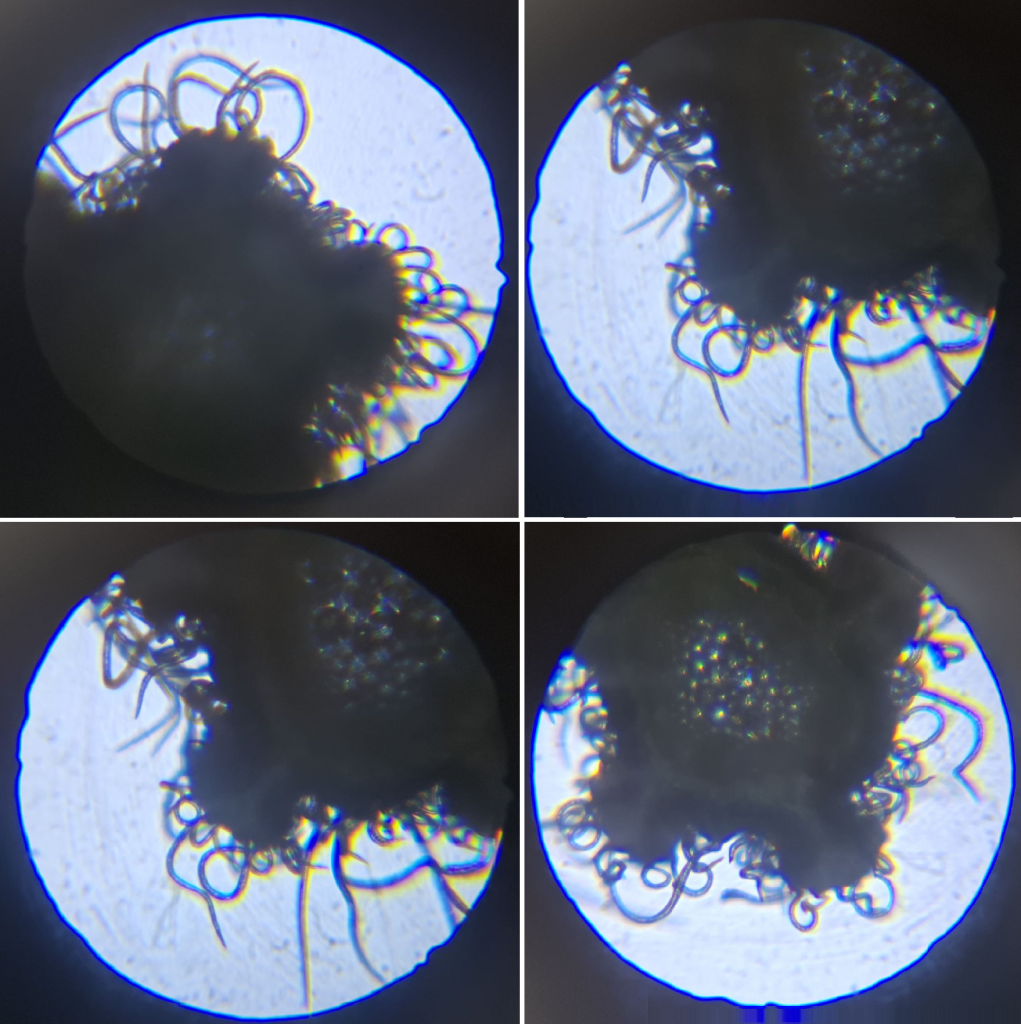
Cytisus agnipilus– flowering branches. Scale in cm. Photo by Trajche Dimitrovski.Cytisus agnipilus– flowering branches. Scale in cm. Photo by Trajche Dimitrovski.Cytisus agnipilus– flowering branches. Scale in cm. Photo by Trajche Dimitrovski.Cytisus agnipilus– flowering branches. Scale in cm. Photo by Trajche Dimitrovski.Cytisus agnipilus– flowering branches. Scale in cm. Photo by Trajche Dimitrovski.Cytisus agnipilus– vegetative branches. Scale in cm. Photo by Trajche Dimitrovski.Cytisus agnipilus– racemes. Scale in cm. Photo by Trajche Dimitrovski.Cytisus agnipilus– raceme. Scale in cm. Photo by Trajche Dimitrovski.Cytisus agnipilus– flowers and developing pod. Scale in mm. Photo by Trajche Dimitrovski.Cytisus agnipilus– dimensions of standard. Scale in mm. Photo by Trajche Dimitrovski.Cytisus agnipilus– dimensions of wings. Scale in mm. Photo by Trajche Dimitrovski.Cytisus agnipilus. A-C: keel. D: reproductive organs. E-I: calyx. Scale in mm. Photo by Trajche Dimitrovski.Cytisus agnipilus– leaves of flowering branches (up) and leaves of vegetative branches (down). Scale in mm. Photo by Trajche Dimitrovski.Cytisus agnipilus– cross section of stem showing the T-shaped ribs and crispate and curved hairs. Photo by Trajche Dimitrovski.Cytisus agnipilus. Upper row: indumentum of stem. Lower row: indumentum of leaves. Photo by Trajche Dimitrovski.
Locality: Kochani: near village of Pripor. Date: 01.05.2026.
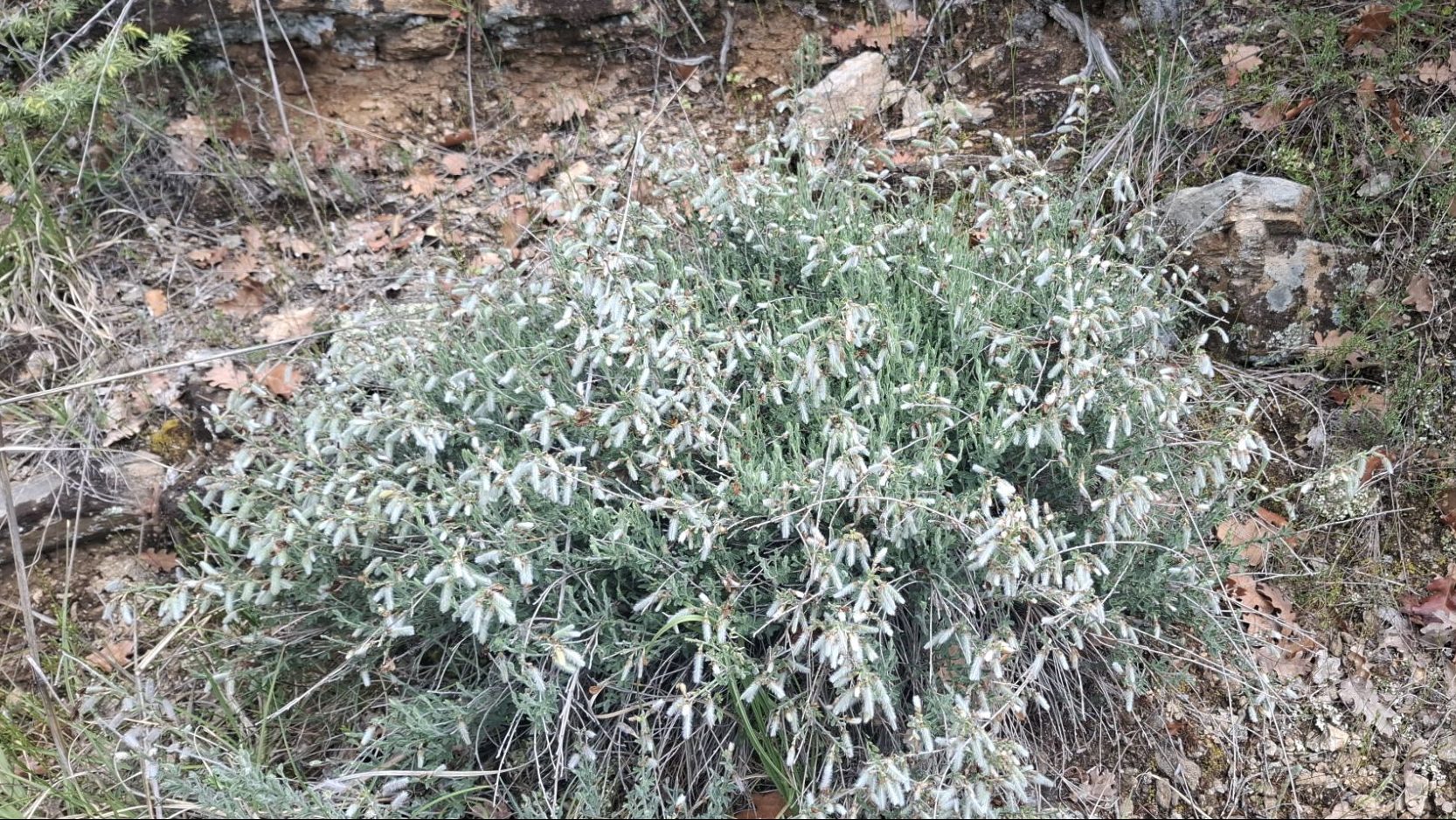
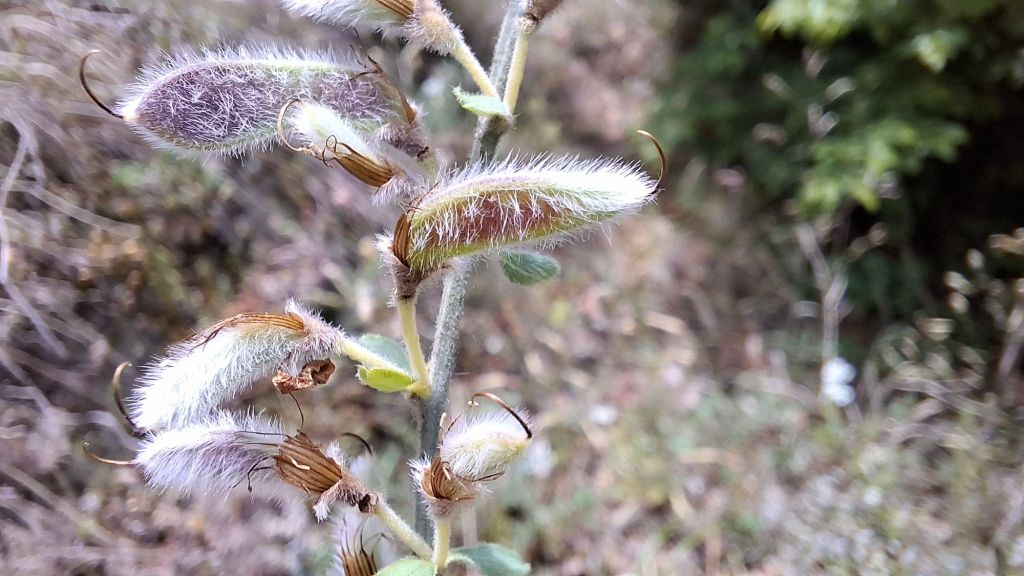
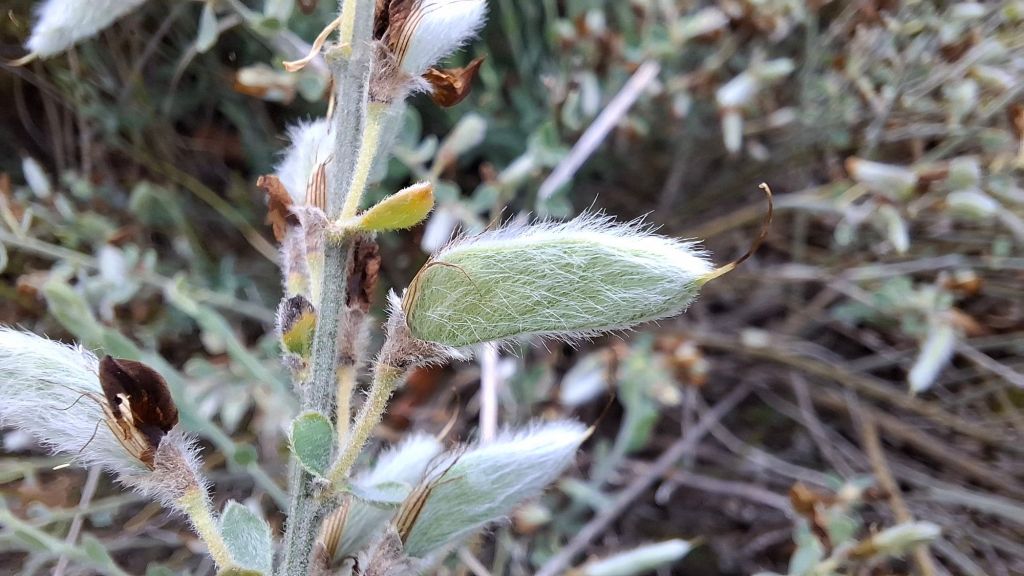
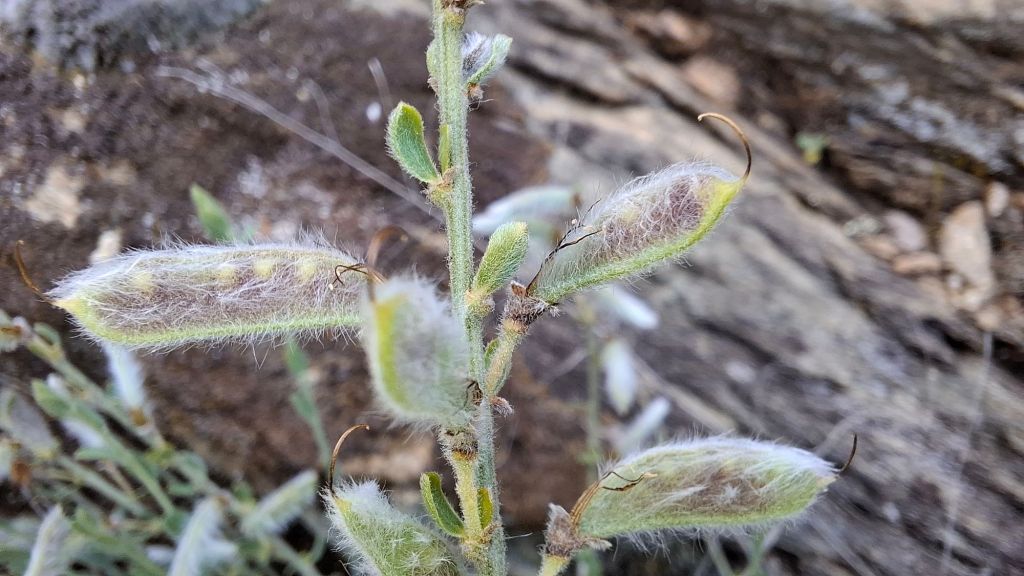
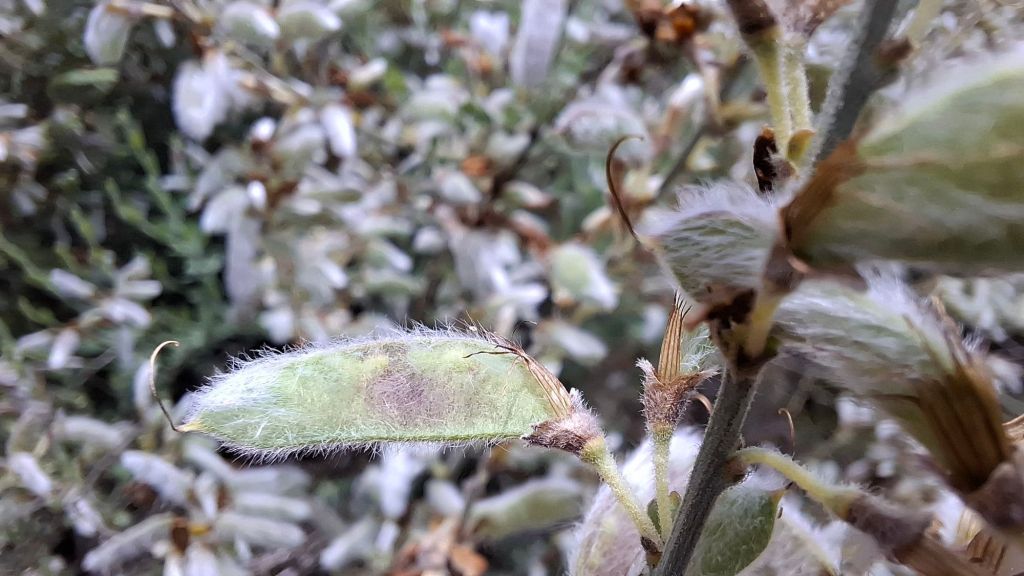
Cytisus agnipilus– habit. Hilly region near village of Pripor, 01.05.2026.Photo by Trajche Dimitrovski.Cytisus agnipilus– habit. Hilly region near village of Pripor, 01.05.2026.Photo by Trajche Dimitrovski.Cytisus agnipilus– habit. Hilly region near village of Pripor, 01.05.2026.Photo by Trajche Dimitrovski.Cytisus agnipilus– habit. Hilly region near village of Pripor, 01.05.2026.Photo by Trajche Dimitrovski.Cytisus agnipilus– habit. Hilly region near village of Pripor, 01.05.2026.Photo by Trajche Dimitrovski.Cytisus agnipilus– habit. Hilly region near village of Pripor, 01.05.2026.Photo by Trajche Dimitrovski.Cytisus agnipilus– habit. Hilly region near village of Pripor, 01.05.2026.Photo by Trajche Dimitrovski.Cytisus agnipilus– habit. Hilly region near village of Pripor, 01.05.2026.Photo by Trajche Dimitrovski.Cytisus agnipilus– habit. Hilly region near village of Pripor, 01.05.2026.Photo by Trajche Dimitrovski.Cytisus agnipilus– measurement of width. Hilly region near village of Pripor, 01.05.2026.Photo by Trajche Dimitrovski.Cytisus agnipilus– measurement of width. Hilly region near village of Pripor, 01.05.2026.Photo by Trajche Dimitrovski.Cytisus agnipilus– measurement of width. Hilly region near village of Pripor, 01.05.2026.Photo by Trajche Dimitrovski.Cytisus agnipilus– measurement of width. Hilly region near village of Pripor, 01.05.2026.Photo by Trajche Dimitrovski.Cytisus agnipilus– measurement of width. Hilly region near village of Pripor, 01.05.2026.Photo by Trajche Dimitrovski.Cytisus agnipilus– measurement of height. Hilly region near village of Pripor, 01.05.2026.Photo by Trajche Dimitrovski.Cytisus agnipilus– measurement of height. Hilly region near village of Pripor, 01.05.2026.Photo by Trajche Dimitrovski.Cytisus agnipilus– measurement of height. Hilly region near village of Pripor, 01.05.2026.Photo by Trajche Dimitrovski.Cytisus agnipilus– measurement of height. Hilly region near village of Pripor, 01.05.2026.Photo by Trajche Dimitrovski.Cytisus agnipilus– measurement of height. Hilly region near village of Pripor, 01.05.2026.Photo by Trajche Dimitrovski.Cytisus agnipilus– flowering branches. Hilly region near village of Pripor, 01.05.2026.Photo by Trajche Dimitrovski.Cytisus agnipilus– flowers. Hilly region near village of Pripor, 01.05.2026.Photo by Trajche Dimitrovski.Cytisus agnipilus– flowers. Hilly region near village of Pripor, 01.05.2026.Photo by Trajche Dimitrovski.Cytisus agnipilus– flowers. Hilly region near village of Pripor, 01.05.2026.Photo by Trajche Dimitrovski.Cytisus agnipilus– flowers. Hilly region near village of Pripor, 01.05.2026.Photo by Trajche Dimitrovski.Cytisus agnipilus– branches with pods. Hilly region near village of Pripor, 01.05.2026.Photo by Trajche Dimitrovski.Cytisus agnipilus– branches with pods. Hilly region near village of Pripor, 01.05.2026.Photo by Trajche Dimitrovski.Cytisus agnipilus– branches with pods. Hilly region near village of Pripor, 01.05.2026.Photo by Trajche Dimitrovski.Cytisus agnipilus– branches with pods. Hilly region near village of Pripor, 01.05.2026.Photo by Trajche Dimitrovski.Cytisus agnipilus– pods. Hilly region near village of Pripor, 01.05.2026.Photo by Trajche Dimitrovski.Cytisus agnipilus– pods. Hilly region near village of Pripor, 01.05.2026.Photo by Trajche Dimitrovski.Cytisus agnipilus– pods. Hilly region near village of Pripor, 01.05.2026.Photo by Trajche Dimitrovski.Cytisus agnipilus– pods. Hilly region near village of Pripor, 01.05.2026.Photo by Trajche Dimitrovski.Cytisus agnipilus– pods. Hilly region near village of Pripor, 01.05.2026.Photo by Trajche Dimitrovski.Cytisus agnipilus– pods. Hilly region near village of Pripor, 01.05.2026.Photo by Trajche Dimitrovski.Cytisus agnipilus– pods. Hilly region near village of Pripor, 01.05.2026.Photo by Trajche Dimitrovski.Cytisus agnipilus– pods. Hilly region near village of Pripor, 01.05.2026.Photo by Trajche Dimitrovski.Cytisus agnipilus– pods. Hilly region near village of Pripor, 01.05.2026.Photo by Trajche Dimitrovski.Cytisus agnipilus– vegetative branches. Hilly region near village of Pripor, 01.05.2026.Photo by Trajche Dimitrovski.Cytisus agnipilus– twig with leaves. Hilly region near village of Pripor, 01.05.2026.Photo by Trajche Dimitrovski.Cytisus agnipilus– twigs with leaves. Hilly region near village of Pripor, 01.05.2026.Photo by Trajche Dimitrovski.Cytisus agnipilus– twig with leaves. Hilly region near village of Pripor, 01.05.2026.Photo by Trajche Dimitrovski.
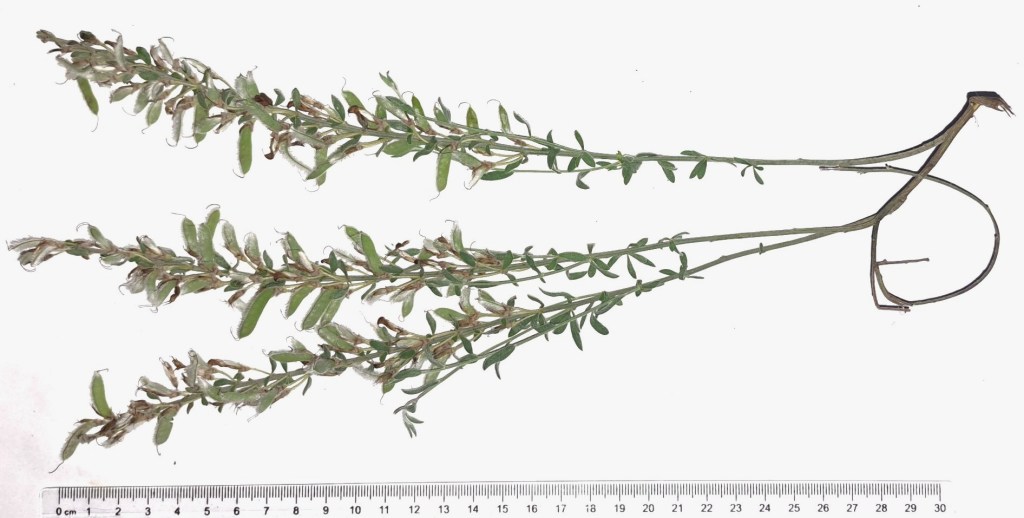
Scaled images and close-ups. Specimens from Locality: Kochani: near village of Pripor. Date: 01.05.2026.
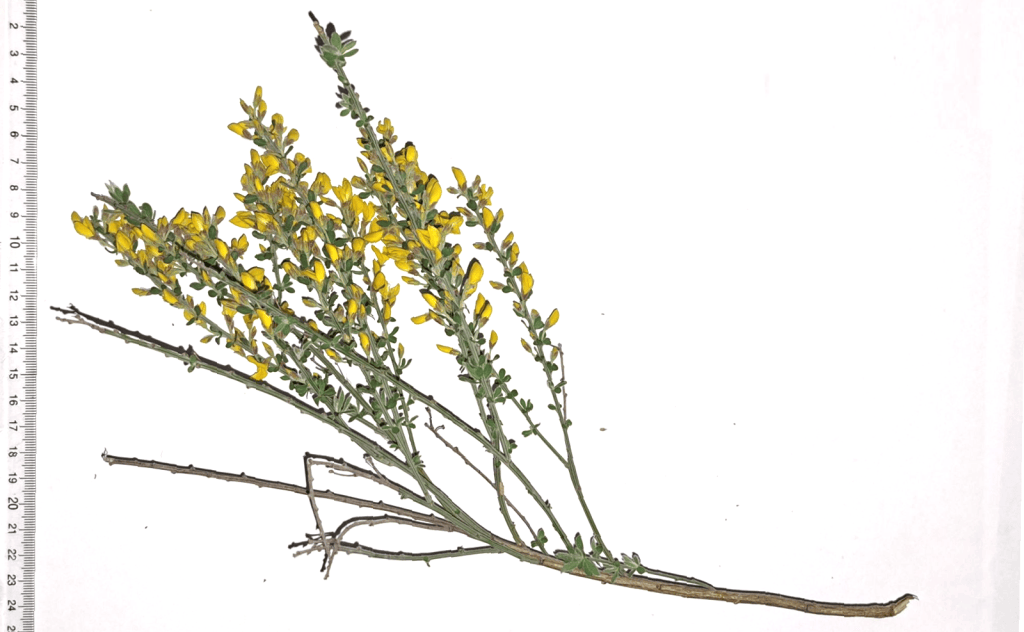
Cytisus agnipilus– branches with flowers and pods. Scale in cm. Photo by Trajche Dimitrovski.Cytisus agnipilus– branches with pods. Scale in cm. Photo by Trajche Dimitrovski.Cytisus agnipilus– branches with pods. Scale in cm. Photo by Trajche Dimitrovski.Cytisus agnipilus– vegetative branches. Scale in cm. Photo by Trajche Dimitrovski.Cytisus agnipilus– flowers at the end of lowering stage. Scale in cm. Photo by Trajche Dimitrovski.Cytisus agnipilus– pods. Scale in cm/ mm. Photo by Trajche Dimitrovski.Cytisus agnipilus– twigs with leaves. Scale in cm. Photo by Trajche Dimitrovski.Cytisus agnipilus– indumentum of pods. Photo by Trajche Dimitrovski.Cytisus agnipilus– indumentum of pods. Photo by Trajche Dimitrovski.Cytisus agnipilus– indumentum of stem (left) and leaves (center and right). Photo by Trajche Dimitrovski.
Locality: Kochani: near village of Pripor. Date: .03.2024.
Cytisus agnipilus– habit. Hilly region near village of Pripor, 31.03.2024.Photo by Trajche Dimitrovski.Cytisus agnipilus– habit. Hilly region near village of Pripor, 31.03.2024.Photo by Trajche Dimitrovski.Cytisus agnipilus– habit. Hilly region near village of Pripor, 31.03.2024.Photo by Trajche Dimitrovski.Cytisus agnipilus– habit. Hilly region near village of Pripor, 31.03.2024.Photo by Trajche Dimitrovski.Cytisus agnipilus– habit. Hilly region near village of Pripor, 31.03.2024.Photo by Trajche Dimitrovski.Cytisus agnipilus– habit. Hilly region near village of Pripor, 31.03.2024.Photo by Trajche Dimitrovski.Cytisus agnipilus– habit. Hilly region near village of Pripor, 31.03.2024.Photo by Trajche Dimitrovski.Cytisus agnipilus– habit. Hilly region near village of Pripor, 31.03.2024.Photo by Trajche Dimitrovski.Cytisus agnipilus– habit. Hilly region near village of Pripor, 31.03.2024.Photo by Trajche Dimitrovski.Cytisus agnipilus– habit. Hilly region near village of Pripor, 31.03.2024.Photo by Trajche Dimitrovski.Cytisus agnipilus– habit. Hilly region near village of Pripor, 31.03.2024.Photo by Trajche Dimitrovski.Cytisus agnipilus– habit. Hilly region near village of Pripor, 31.03.2024.Photo by Trajche Dimitrovski.Cytisus agnipilus– habit. Hilly region near village of Pripor, 31.03.2024.Photo by Trajche Dimitrovski.Cytisus agnipilus– habit. Hilly region near village of Pripor, 31.03.2024.Photo by Trajche Dimitrovski.Cytisus agnipilus– habit. Hilly region near village of Pripor, 31.03.2024.Photo by Trajche Dimitrovski.Cytisus agnipilus – flowering branches. Hilly region near village of Pripor, 31.03.2024.Photo by Trajche Dimitrovski.Cytisus agnipilus– flowering branches. Hilly region near village of Pripor, 31.03.2024.Photo by Trajche Dimitrovski.Cytisus agnipilus– flowering branches. Hilly region near village of Pripor, 31.03.2024.Photo by Trajche Dimitrovski.Cytisus agnipilus– flowering branches. Hilly region near village of Pripor, 31.03.2024.Photo by Trajche Dimitrovski.Cytisus agnipilus– flowering branches. Hilly region near village of Pripor, 31.03.2024.Photo by Trajche Dimitrovski.Cytisus agnipilus– flowering branches. Hilly region near village of Pripor, 31.03.2024.Photo by Trajche Dimitrovski.Cytisus agnipilus– flowers. Hilly region near village of Pripor, 31.03.2024.Photo by Trajche Dimitrovski.Cytisus agnipilus– flowers. Hilly region near village of Pripor, 31.03.2024.Photo by Trajche Dimitrovski.Cytisus agnipilus– flowers. Hilly region near village of Pripor, 31.03.2024.Photo by Trajche Dimitrovski.Cytisus agnipilus – flowers. Hilly region near village of Pripor, 31.03.2024.Photo by Trajche Dimitrovski.Cytisus agnipilus – flowers. Hilly region near village of Pripor, 31.03.2024.Photo by Trajche Dimitrovski.Cytisus agnipilus– flowers. Hilly region near village of Pripor, 31.03.2024.Photo by Trajche Dimitrovski.Cytisus agnipilus – flowers. Hilly region near village of Pripor, 31.03.2024.Photo by Trajche Dimitrovski.Cytisus agnipilus – flowers. Hilly region near village of Pripor, 31.03.2024.Photo by Trajche Dimitrovski.Cytisus agnipilus – flowers. Hilly region near village of Pripor, 31.03.2024.Photo by Trajche Dimitrovski.Cytisus agnipilus – flowers. Hilly region near village of Pripor, 31.03.2024.Photo by Trajche Dimitrovski.Cytisus agnipilus – flowers. Hilly region near village of Pripor, 31.03.2024.Photo by Trajche Dimitrovski.Cytisus agnipilus – flowers. Hilly region near village of Pripor, 31.03.2024.Photo by Trajche Dimitrovski.Cytisus agnipilus – flowers. Hilly region near village of Pripor, 31.03.2024.Photo by Trajche Dimitrovski.Cytisus agnipilus – flowers. Hilly region near village of Pripor, 31.03.2024. Photo by Trajche Dimitrovski.Cytisus agnipilus – flowers. Hilly region near village of Pripor, 31.03.2024.Photo by Trajche Dimitrovski.Cytisus agnipilus – flowers. Hilly region near village of Pripor, 31.03.2024. Photo by Trajche Dimitrovski.Cytisus agnipilus – stem of flowering branch. Hilly region near village of Pripor, 31.03.2024. Photo by Trajche Dimitrovski.Cytisus agnipilus – stems of flowering branches. Hilly region near village of Pripor, 31.03.2024. Photo by Trajche Dimitrovski.Cytisus agnipilus – dehisced pods from the previous year. Hilly region near village of Pripor, 31.03.2024. Photo by Trajche Dimitrovski.Cytisus agnipilus – dehisced pods from the previous year. Hilly region near village of Pripor, 31.03.2024. Photo by Trajche Dimitrovski.Cytisus agnipilus – dehisced pod from the previous year. Hilly region near village of Pripor, 31.03.2024. Photo by Trajche Dimitrovski.Cytisus agnipilus – dehisced pods from the previous year. Hilly region near village of Pripor, 31.03.2024. Photo by Trajche Dimitrovski.Cytisus agnipilus – dehisced pods from the previous year. Hilly region near village of Pripor, 31.03.2024. Photo by Trajche Dimitrovski.Cytisus agnipilus – twig. Hilly region near village of Pripor, 31.03.2024.Photo by Trajche Dimitrovski.Cytisus agnipilus – twig. Hilly region near village of Pripor, 31.03.2024.Photo by Trajche Dimitrovski.Cytisus agnipilus – twigs. Hilly region near village of Pripor, 31.03.2024.Photo by Trajche Dimitrovski.Cytisus agnipilus – twig. Hilly region near village of Pripor, 31.03.2024.Photo by Trajche Dimitrovski.Cytisus agnipilus – twig. Hilly region near village of Pripor, 31.03.2024.Photo by Trajche Dimitrovski.Cytisus agnipilus – twig. Hilly region near village of Pripor, 31.03.2024.Photo by Trajche Dimitrovski.Cytisus agnipilus – twig. Hilly region near village of Pripor, 31.03.2024.Photo by Trajche Dimitrovski.Cytisus agnipilus – twig. Hilly region near village of Pripor, 31.03.2024.Photo by Trajche Dimitrovski.Cytisus agnipilus – twig. Hilly region near village of Pripor, 31.03.2024.Photo by Trajche Dimitrovski.Cytisus agnipilus – twig. Hilly region near village of Pripor, 31.03.2024.Photo by Trajche Dimitrovski.Cytisus agnipilus – twig. Hilly region near village of Pripor, 31.03.2024.Photo by Trajche Dimitrovski.Cytisus agnipilus – twig. Hilly region near village of Pripor, 31.03.2024.Photo by Trajche Dimitrovski.Cytisus agnipilus – twig. Hilly region near village of Pripor, 31.03.2024.Photo by Trajche Dimitrovski.Cytisus agnipilus – twig. Hilly region near village of Pripor, 31.03.2024.Photo by Trajche Dimitrovski.Cytisus agnipilus – twig. Hilly region near village of Pripor, 31.03.2024.Photo by Trajche Dimitrovski.Cytisus agnipilus – twig. Hilly region near village of Pripor, 31.03.2024.Photo by Trajche Dimitrovski.Cytisus agnipilus – twig. Hilly region near village of Pripor, 31.03.2024.Photo by Trajche Dimitrovski.Cytisus agnipilus – twigs. Hilly region near village of Pripor, 31.03.2024.Photo by Trajche Dimitrovski.Cytisus agnipilus – twig. Hilly region near village of Pripor, 31.03.2024.Photo by Trajche Dimitrovski.Cytisus agnipilus – twig. Hilly region near village of Pripor, 31.03.2024.Photo by Trajche Dimitrovski.Cytisus agnipilus – two years old branch and twig. Hilly region near village of Pripor, 31.03.2024.Photo by Trajche Dimitrovski.Cytisus agnipilus – two years old branch. Hilly region near village of Pripor, 31.03.2024.Photo by Trajche Dimitrovski.Cytisus agnipilus – two years old branch and twig. Hilly region near village of Pripor, 31.03.2024.Photo by Trajche Dimitrovski.Cytisus agnipilus – two years old branch and twigs. Hilly region near village of Pripor, 31.03.2024.Photo by Trajche Dimitrovski.Cytisus agnipilus – two years old branch and twigs. Hilly region near village of Pripor, 31.03.2024.Photo by Trajche Dimitrovski.Cytisus agnipilus – two years old branch. Hilly region near village of Pripor, 31.03.2024.Photo by Trajche Dimitrovski.Cytisus agnipilus – woody branch. Hilly region near village of Pripor, 31.03.2024.Photo by Trajche Dimitrovski.Cytisus agnipilus – plant base . Hilly region near village of Pripor, 31.03.2024. Photo by Trajche Dimitrovski.Cytisus agnipilus – plant base . Hilly region near village of Pripor, 31.03.2024. Photo by Trajche Dimitrovski.Cytisus agnipilus – plant base . Hilly region near village of Pripor, 31.03.2024. Photo by Trajche Dimitrovski.
Locality: Kochani: hilly region between Kochani and the village of Pripor, above the east side of the gorge of the Kochanska river. Date: 11.04.2021.
Cytisus agnipilus – habitat. Hills between Kochani and the village of Pripor, 11.04.2021.Photo by Trajche Dimitrovski.Cytisus agnipilus – habit in habitat. Hills between Kochani and the village of Pripor, 11.04.2021.Photo by Trajche Dimitrovski.Cytisus agnipilus – habit. Hills between Kochani and the village of Pripor, 11.04.2021.Photo by Trajche Dimitrovski.Cytisus agnipilus – habit. Hills between Kochani and the village of Pripor, 11.04.2021.Photo by Trajche Dimitrovski.Cytisus agnipilus – habit. Hills between Kochani and the village of Pripor, 11.04.2021.Photo by Trajche Dimitrovski.Cytisus agnipilus – habit. Hills between Kochani and the village of Pripor, 11.04.2021.Photo by Trajche Dimitrovski.Cytisus agnipilus – habit. Hills between Kochani and the village of Pripor, 11.04.2021.Photo by Trajche Dimitrovski.Cytisus agnipilus – habit. Hills between Kochani and the village of Pripor, 11.04.2021.Photo by Trajche Dimitrovski.Cytisus agnipilus – flowering branches. Hills between Kochani and the village of Pripor, 11.04.2021.Photo by Trajche Dimitrovski.Cytisus agnipilus – flowering branches. Hills between Kochani and the village of Pripor, 11.04.2021.Photo by Trajche Dimitrovski.Cytisus agnipilus – flowering branches. Hills between Kochani and the village of Pripor, 11.04.2021.Photo by Trajche Dimitrovski.Cytisus agnipilus – flowering branches. Hills between Kochani and the village of Pripor, 11.04.2021.Photo by Trajche Dimitrovski.Cytisus agnipilus – flowering branches. Hills between Kochani and the village of Pripor, 11.04.2021.Photo by Trajche Dimitrovski.Cytisus agnipilus – flowering branches. Hills between Kochani and the village of Pripor, 11.04.2021.Photo by Trajche Dimitrovski.Cytisus agnipilus – flowering branches. Hills between Kochani and the village of Pripor, 11.04.2021.Photo by Trajche Dimitrovski.Cytisus agnipilus – flowers. Hills between Kochani and the village of Pripor, 11.04.2021.Photo by Trajche Dimitrovski.Cytisus agnipilus – inflorescence with flowers. Hills between Kochani and the village of Pripor, 11.04.2021.Photo by Trajche Dimitrovski.Cytisus agnipilus – vegetative twigs. Hills between Kochani and the village of Pripor, 11.04.2021.Photo by Trajche Dimitrovski.Cytisus agnipilus – vegetative twigs. between Kochani and the village of Pripor, 11.04.2021.Photo by Trajche Dimitrovski.Cytisus agnipilus – pods from the previous year. Hills between Kochani and the village of Pripor, 11.04.2021.Photo by Trajche Dimitrovski.Cytisus agnipilus – vegetative twigs. Specimen from the hills between Kochani and the village of Pripor, 11.04.2021.Photo by Trajche Dimitrovski.Cytisus agnipilus – flowers. Specimen from the hills between Kochani and the village of Pripor, 11.04.2021.Photo by Trajche Dimitrovski.Cytisus agnipilus – spent flowers with developing pods. Specimen from the hills between Kochani and the village of Pripor, 11.04.2021.Photo by Trajche Dimitrovski.Cytisus agnipilus – pods from the previous year. Specimen from the hills between Kochani and the village of Pripor, 11.04.2021.Photo by Trajche Dimitrovski.
Diklić, N. 1972. Rod Cytisus L. In Josifović, M. (ed.), Flora SR Srbije, III. Beograd: Srpska Akademija Nauka i Umetnosti, pp. 491–496.
Micevski, K. 2001. Cytisus L., The Flora of the Republic of Macedonia. Vol. I, Book 5. Skopje: Macedonian Academy of Sciences and Arts, pp. 1127–1132.
Frodin, D. G. & Heywood, V. H. 1968. Cytisus L. Tutin, T. G., Heywood, V. H., Burges, N. A., Moore, D. M., Valentine, D. H., Walters, S. M. & Webb, D. A. (eds). Flora Europaea. Volume 2. Rosaceae to Umbelliferae. Cambridge: Cambridge University Press, pp. 86–90.