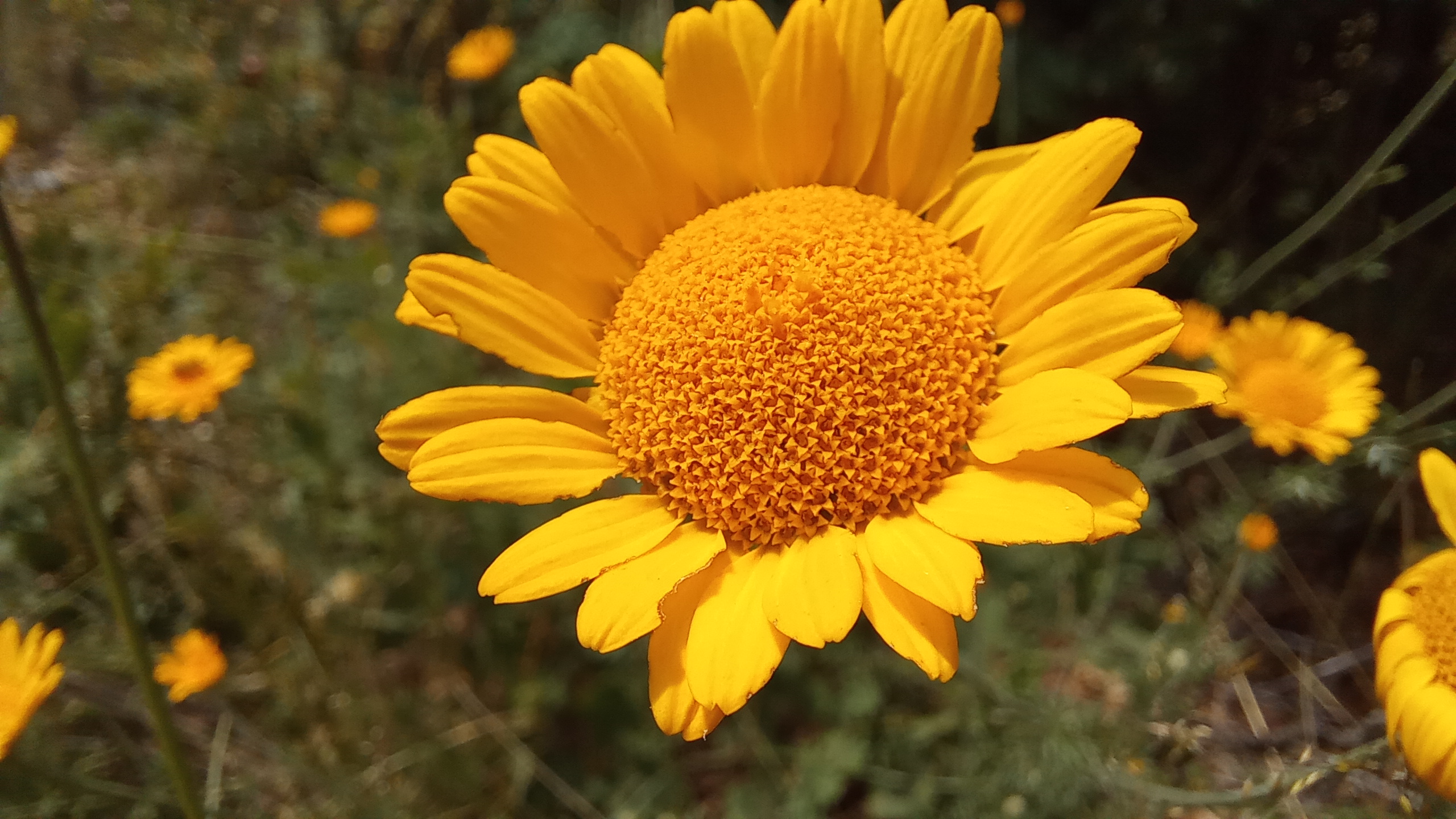
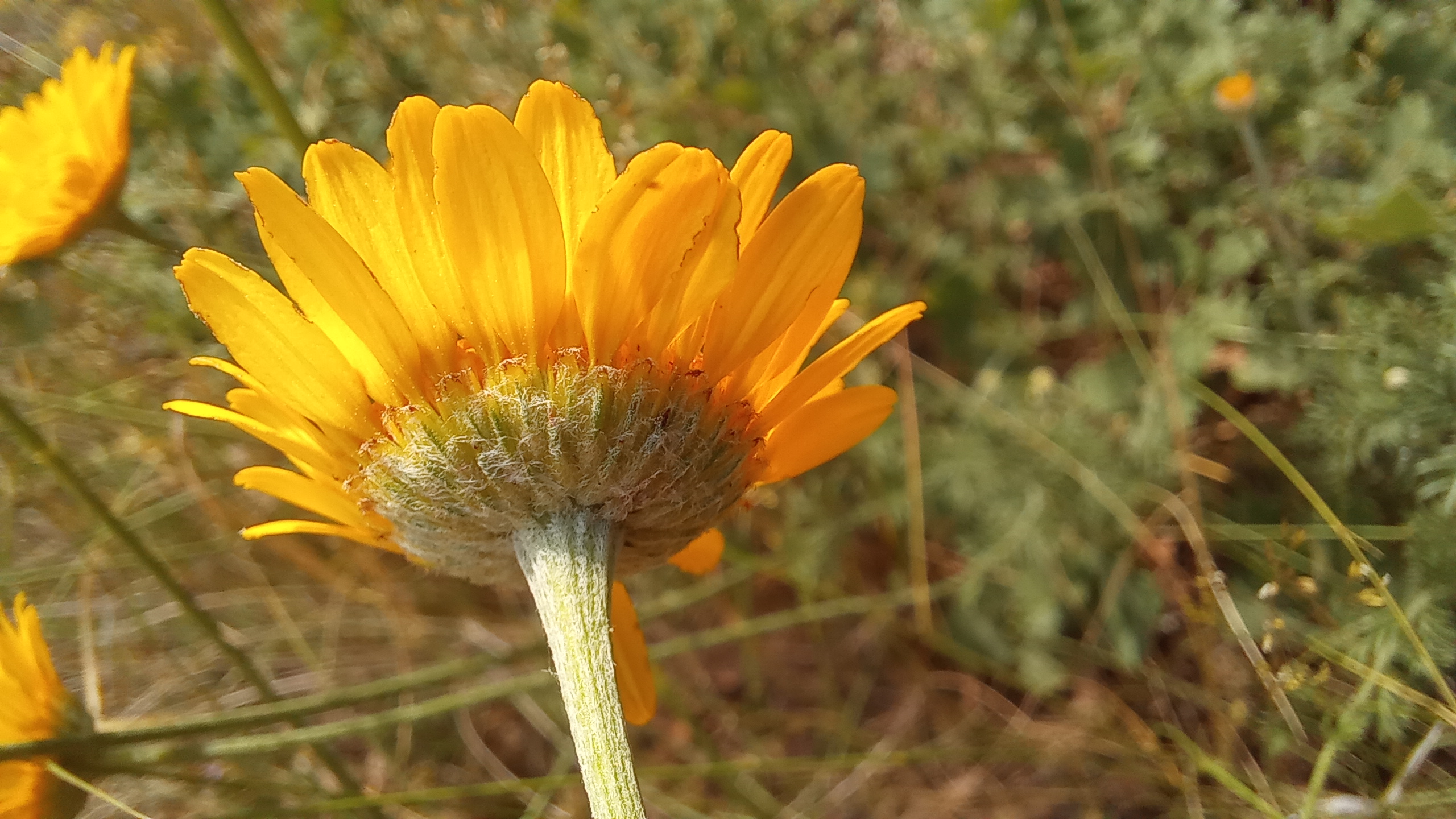
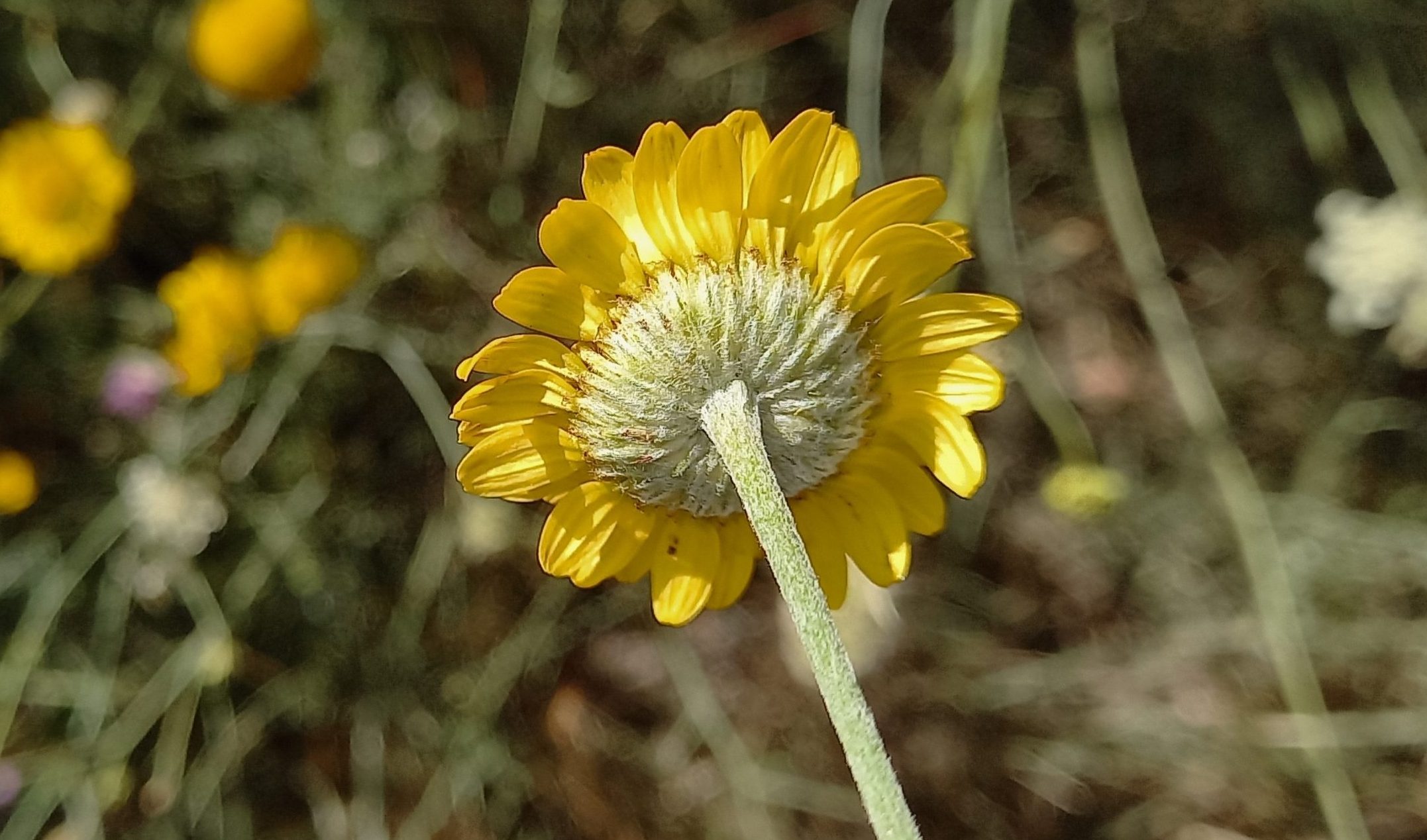
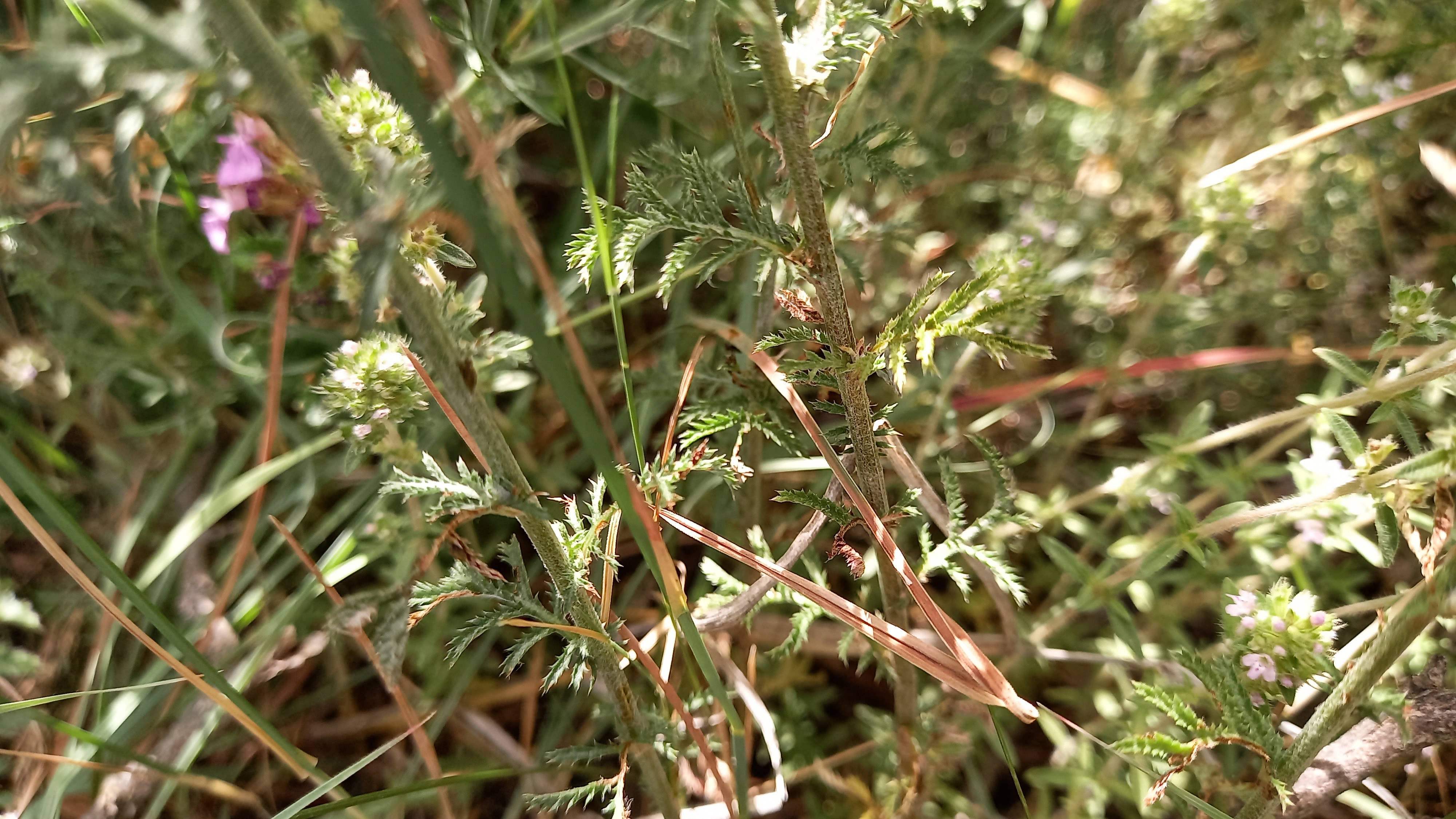
Determined according to the botanical key provided by Fernandes (1976 in Tutin et al.) as Anthemis tinctoria L. The accepted name in The Euro+Med PlantBase (Greuter, 2006+) is Cota tinctoria (L.) J. Gay.
Lifeform: Perennial plant. Hemicryptophyte according to the Raunkiær system.
Distribution: Native from Europe to Siberia and Iran according to the distribution information provided by the Plants of the World Online portal (Royal Botanic Gardens, Kew).
Habitat: Pastures, rocks and rocky terrains with shallow soil, clearings of oak and European beech forests.
Flowering period: Spring- summer (MAY, JUN, JUL).
Locality: ridge between the Golema and Orizarska Rivers. Date: 04.07.2021.
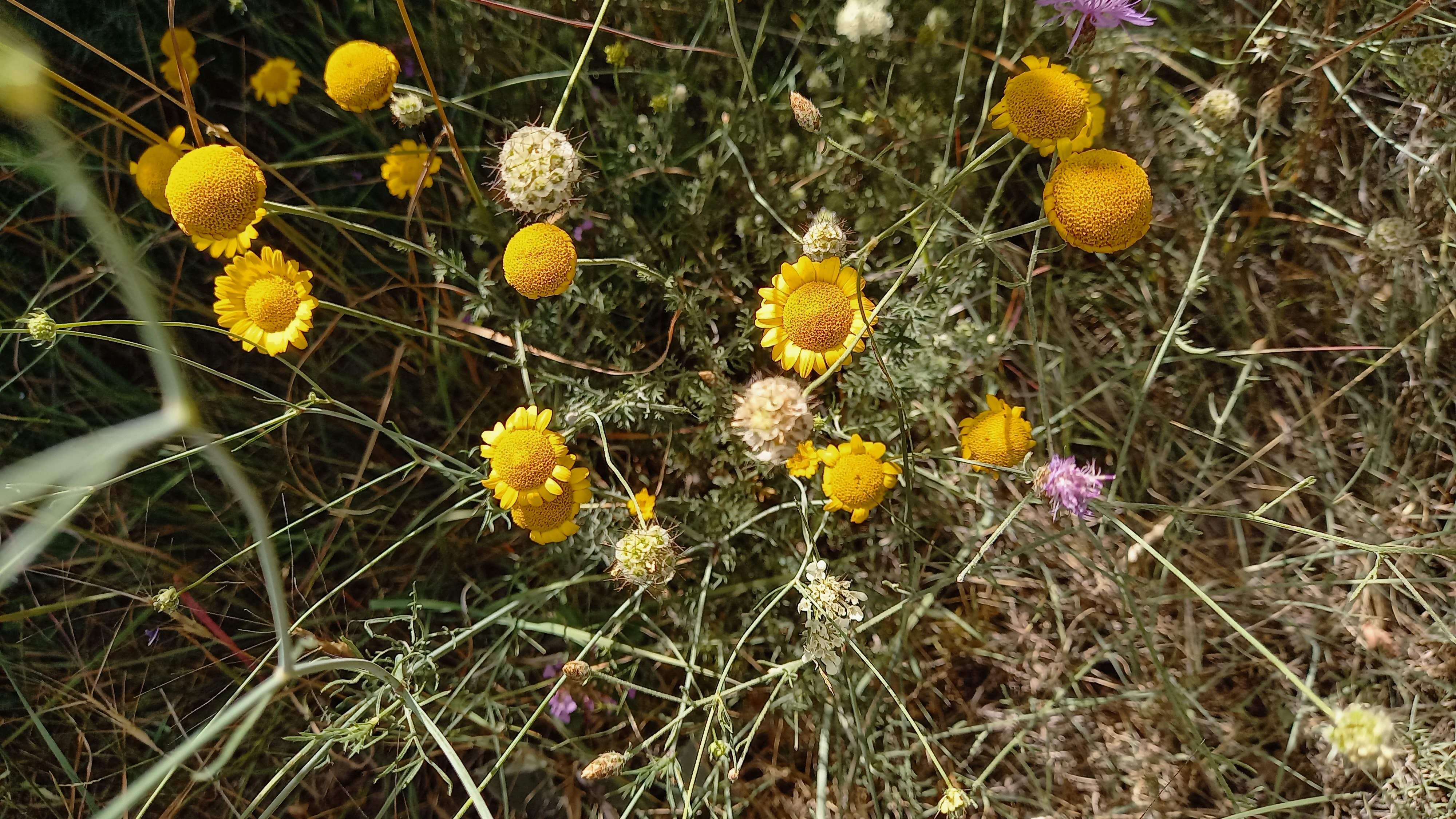
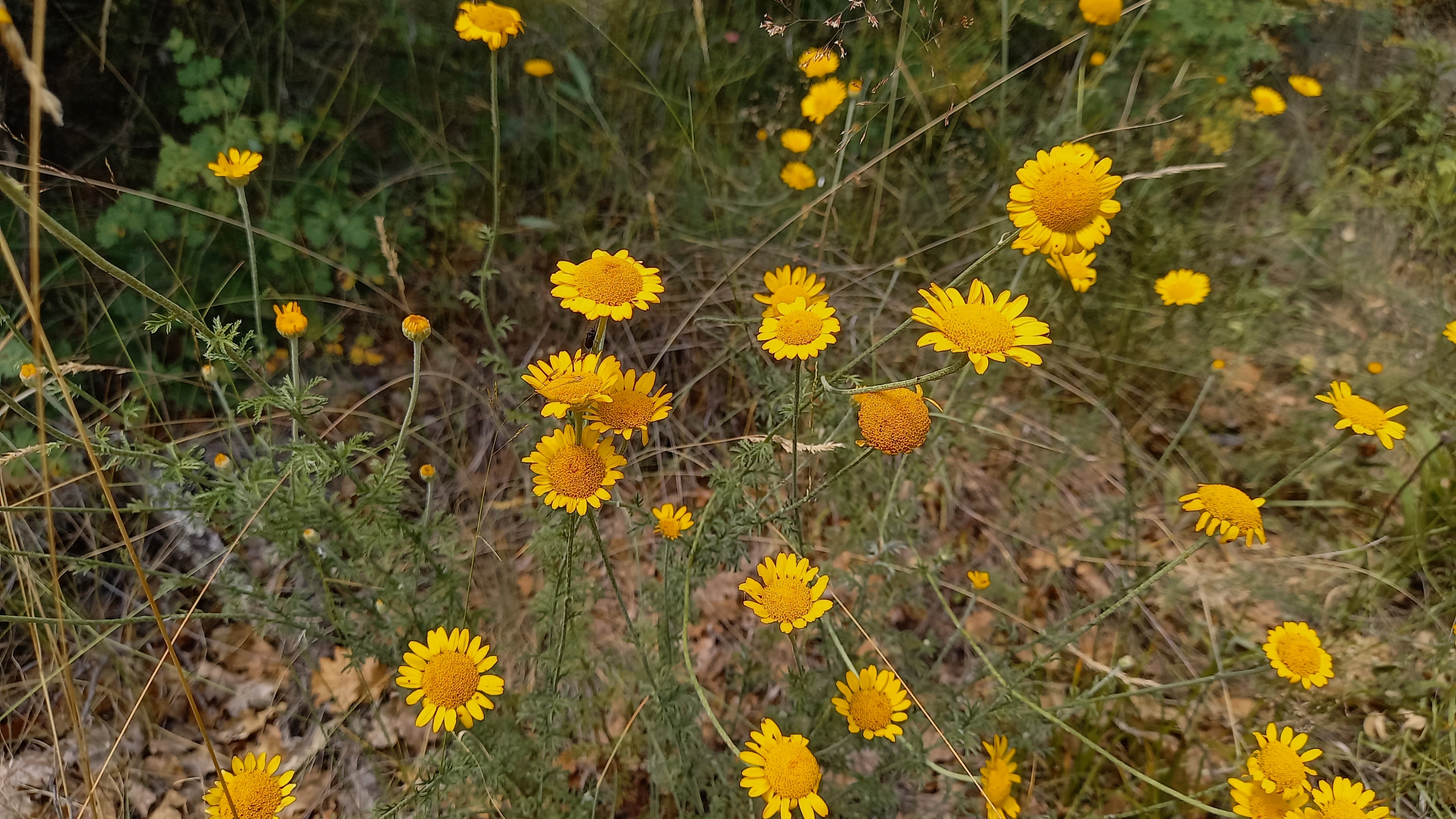
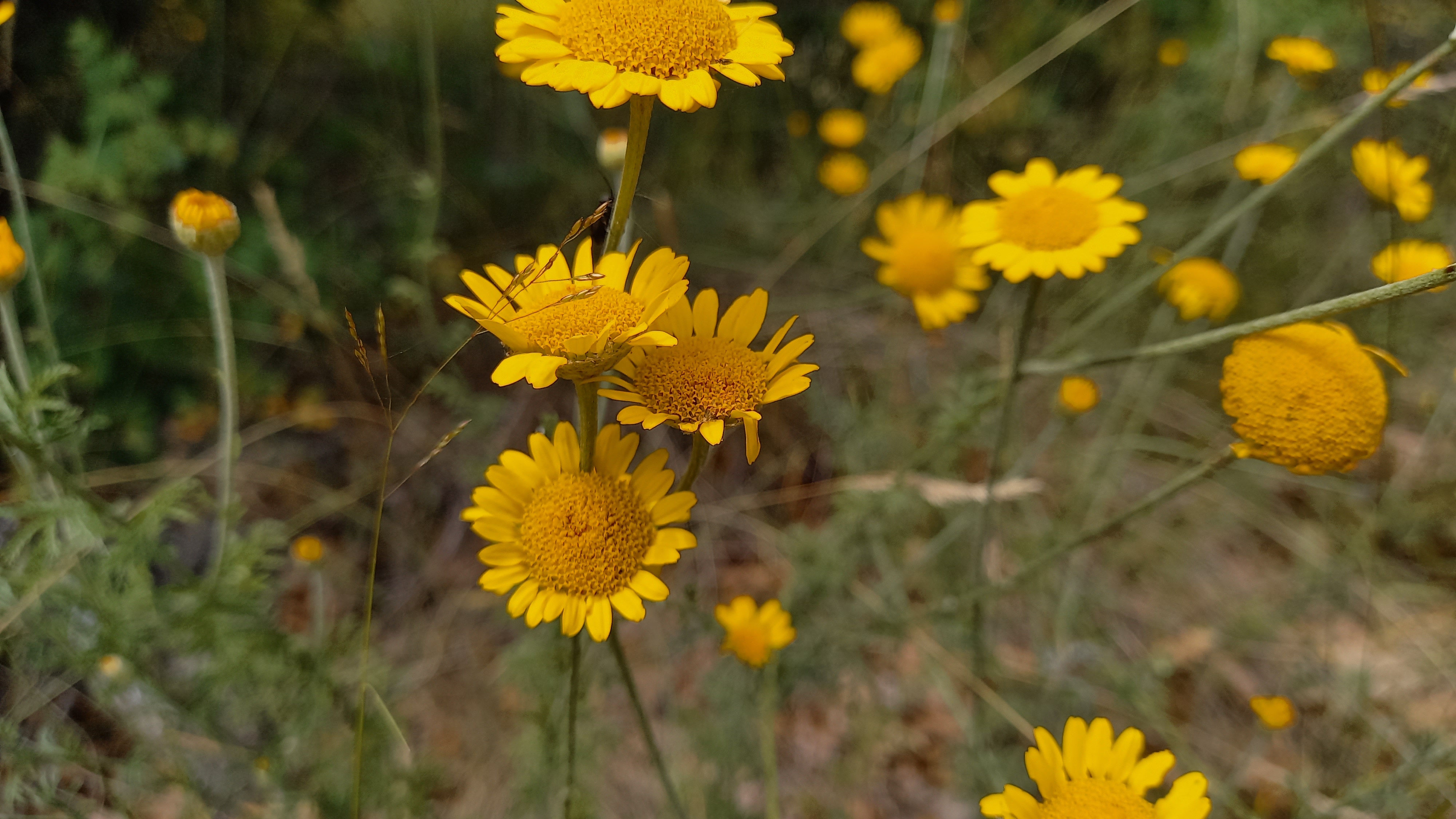
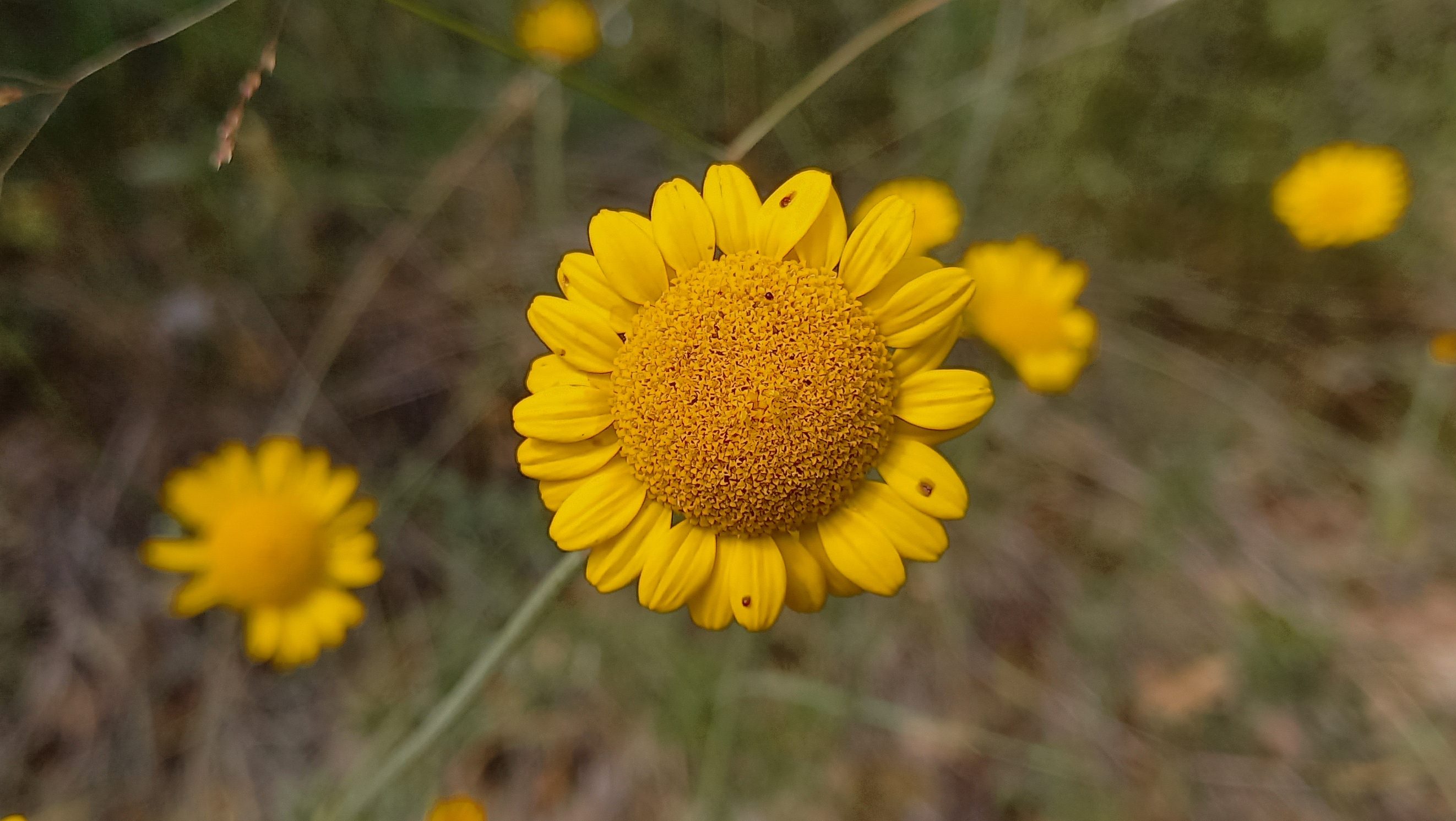
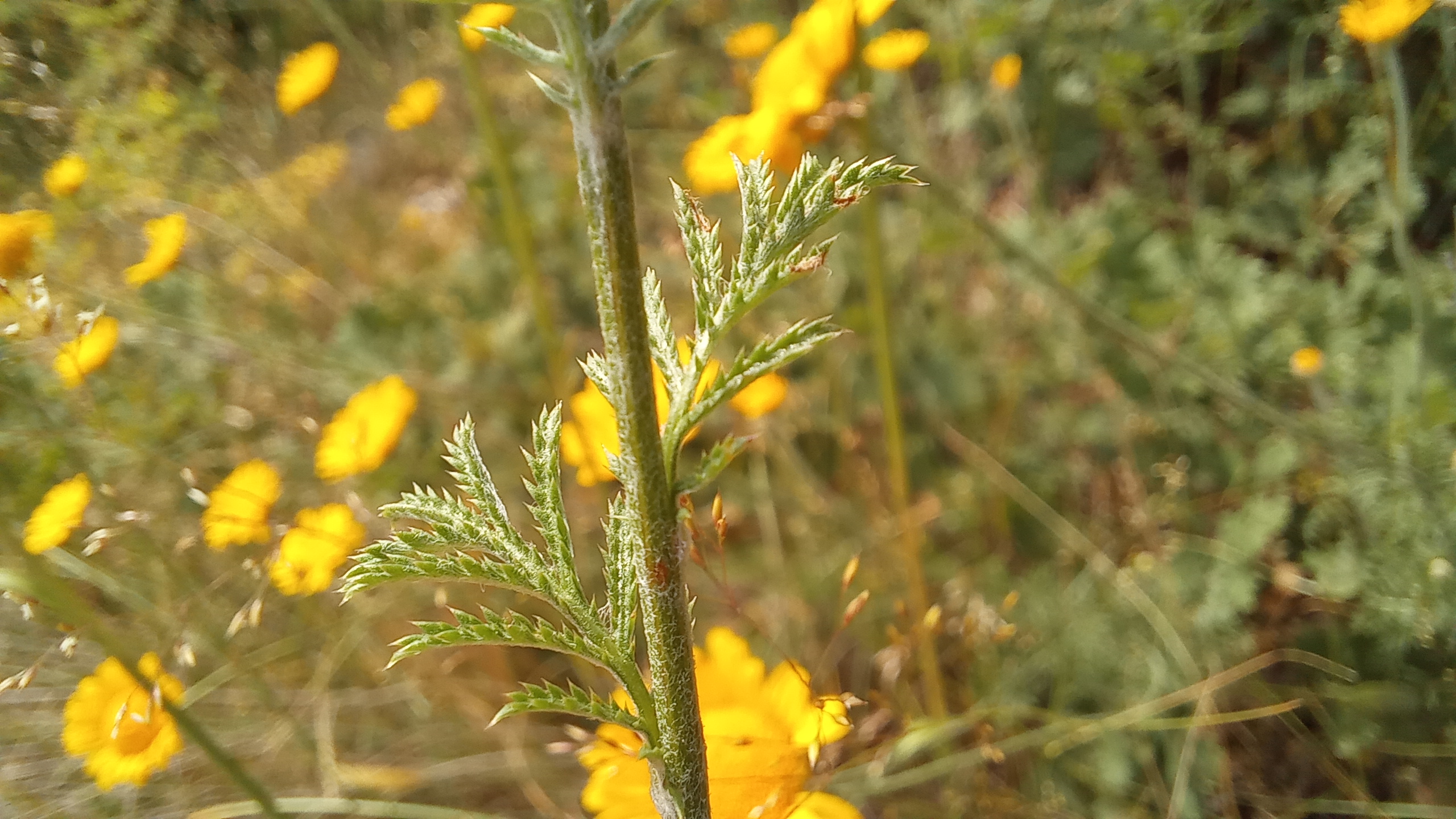
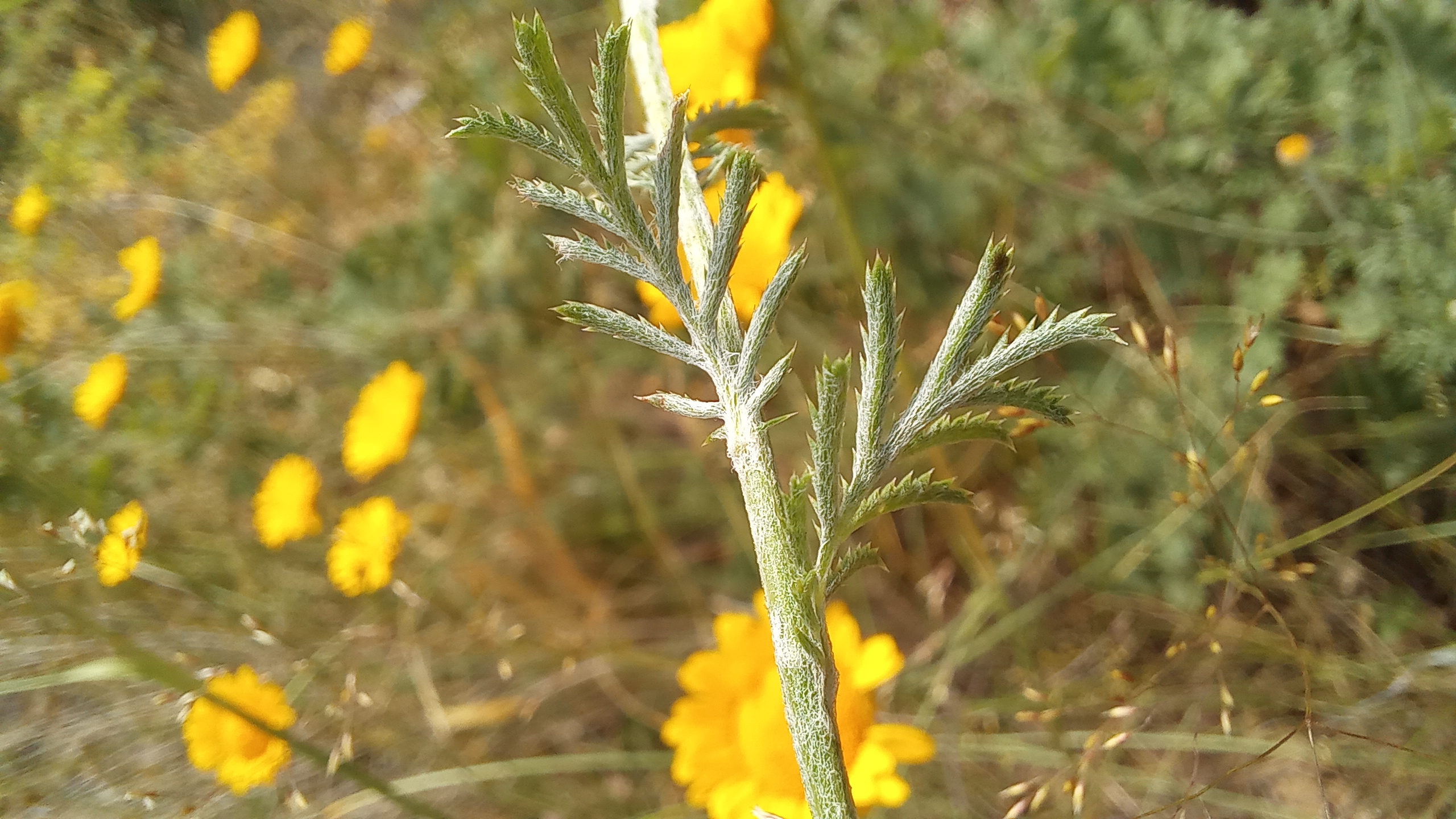
Cota tinctoria– habit in habitat. Osogovo, mountain ridge between “Golema” River and “Orizarska” River, 04.07.2021. Photo by Trajche Dimitrovski.Cota tinctoria– habit. Osogovo, mountain ridge between “Golema” River and “Orizarska” River, 04.07.2021. Photo by Trajche Dimitrovski.Cota tinctoria– habit. Osogovo, mountain ridge between “Golema” River and “Orizarska” River, 04.07.2021. Photo by Trajche Dimitrovski.Cota tinctoria– upper part of plant with capitula. Osogovo, mountain ridge between “Golema” River and “Orizarska” River, 04.07.2021. Photo by Trajche Dimitrovski.Cota tinctoria– capitula. Osogovo, mountain ridge between “Golema” River and “Orizarska” River, 04.07.2021. Photo by Trajche Dimitrovski.Cota tinctoria– capitulum. Osogovo, mountain ridge between “Golema” River and “Orizarska” River, 04.07.2021. Photo by Trajche Dimitrovski.Cota tinctoria– capitulum. Osogovo, mountain ridge between “Golema” River and “Orizarska” River, 04.07.2021. Photo by Trajche Dimitrovski.Cota tinctoria– capitulum. Osogovo, mountain ridge between “Golema” River and “Orizarska” River, 04.07.2021. Photo by Trajche Dimitrovski.Cota tinctoria– capitulum. Osogovo, mountain ridge between “Golema” River and “Orizarska” River, 04.07.2021. Photo by Trajche Dimitrovski.Cota tinctoria– capitulum with involucre. Osogovo, mountain ridge between “Golema” River and “Orizarska” River, 04.07.2021. Photo by Trajche Dimitrovski.Cota tinctoria– capitulum with involucre. Osogovo, mountain ridge between “Golema” River and “Orizarska” River, 04.07.2021. Photo by Trajche Dimitrovski.Cota tinctoria– lower part of plant. Osogovo, mountain ridge between “Golema” River and “Orizarska” River, 04.07.2021. Photo by Trajche Dimitrovski.Cota tinctoria– stem with cauline leaves. Osogovo, mountain ridge between “Golema” River and “Orizarska” River, 04.07.2021. Photo by Trajche Dimitrovski.Cota tinctoria– leaves. Osogovo, mountain ridge between “Golema” River and “Orizarska” River, 04.07.2021. Photo by Trajche Dimitrovski.Cota tinctoria– abaxial side of leaves. Osogovo, mountain ridge between “Golema” River and “Orizarska” River, 04.07.2021. Photo by Trajche Dimitrovski.
Locality: ridge between the Golema and Orizarska Rivers. Date: 19.09.2021.
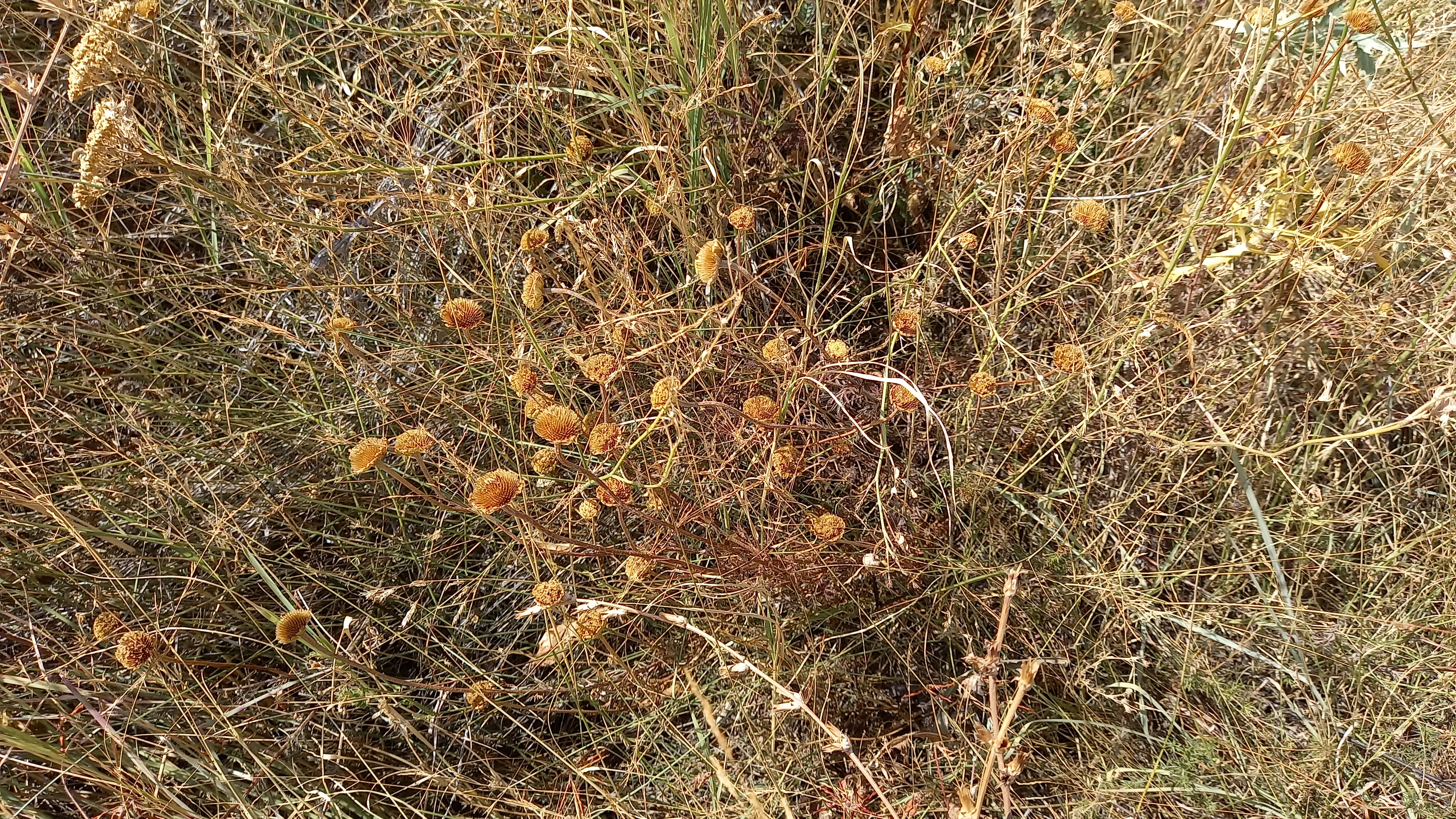
Cota tinctoria– top senescence at the end of fruiting stage. Osogovo, mountain ridge between “Golema” River and “Orizarska” River, 19.09.2021. Photo by Trajche Dimitrovski.Cota tinctoria– fruiting capitulum. Osogovo, mountain ridge between “Golema” River and “Orizarska” River, 19.09.2021. Photo by Trajche Dimitrovski.Cota tinctoria– fruiting capitulum. Osogovo, mountain ridge between “Golema” River and “Orizarska” River, 19.09.2021. Photo by Trajche Dimitrovski.Cota tinctoria– achenes. Accompanying scale for size comparison is in mm. Osogovo, mountain ridge between “Golema” River and “Orizarska” River, 19.09.2021. Photo by Trajche Dimitrovski.
References:
Cota tinctoria. Greuter, W. (2006+): Compositae (pro parte majore). – In: Greuter, W. & Raab-Straube, E. von (ed.): Compositae. Euro+Med Plantbase – the information resource for Euro-Mediterranean plant diversity. Published on the Internet http://ww2.bgbm.org/EuroPlusMed/PTaxonDetail.asp?NameId=7001555&PTRefFk=7000000 [Accessed 23.09.2021].
Fernandes, R. 1976. Anthemis L. In Tutin, T. G., Heywood, V. H., Burges, N. A., Moore, D. M., Valentine, D. H., Walters, S. M. & Webb, D. A. (eds), Flora Europaea. Volume 4. Plantaginaceae to Compositae (and Rubiaceae). Cambridge: Cambridge University Press, pp. 145–159.