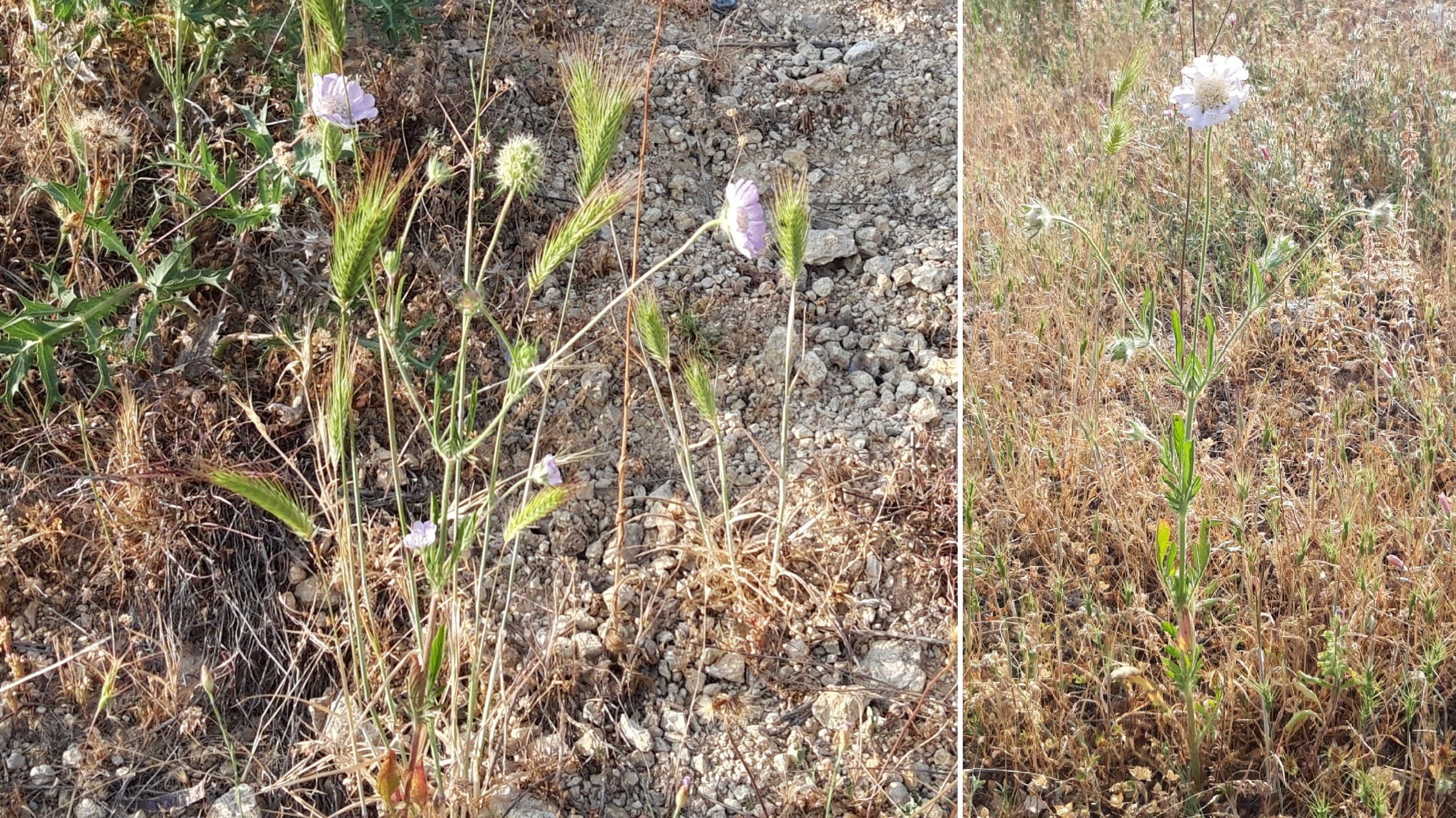
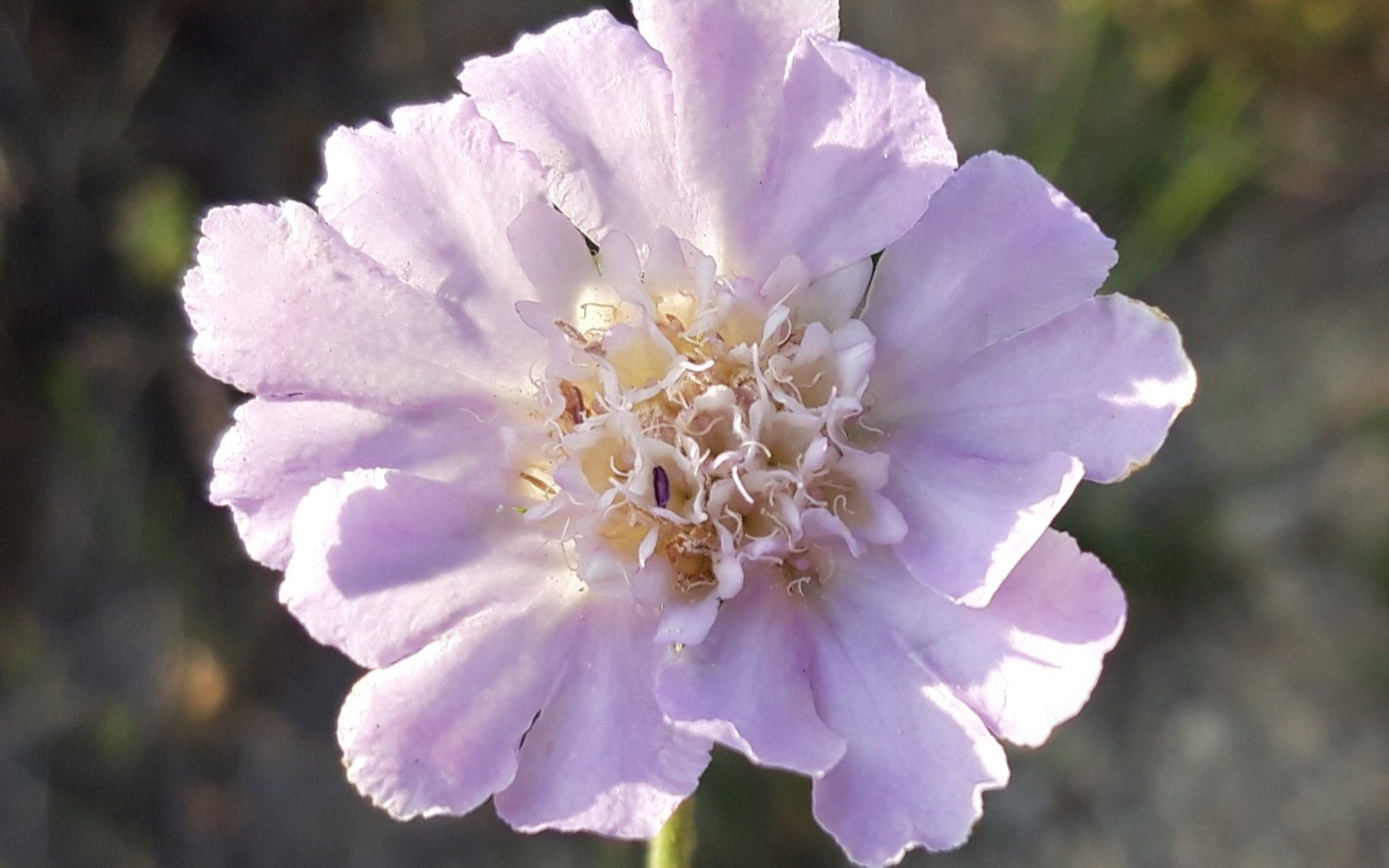
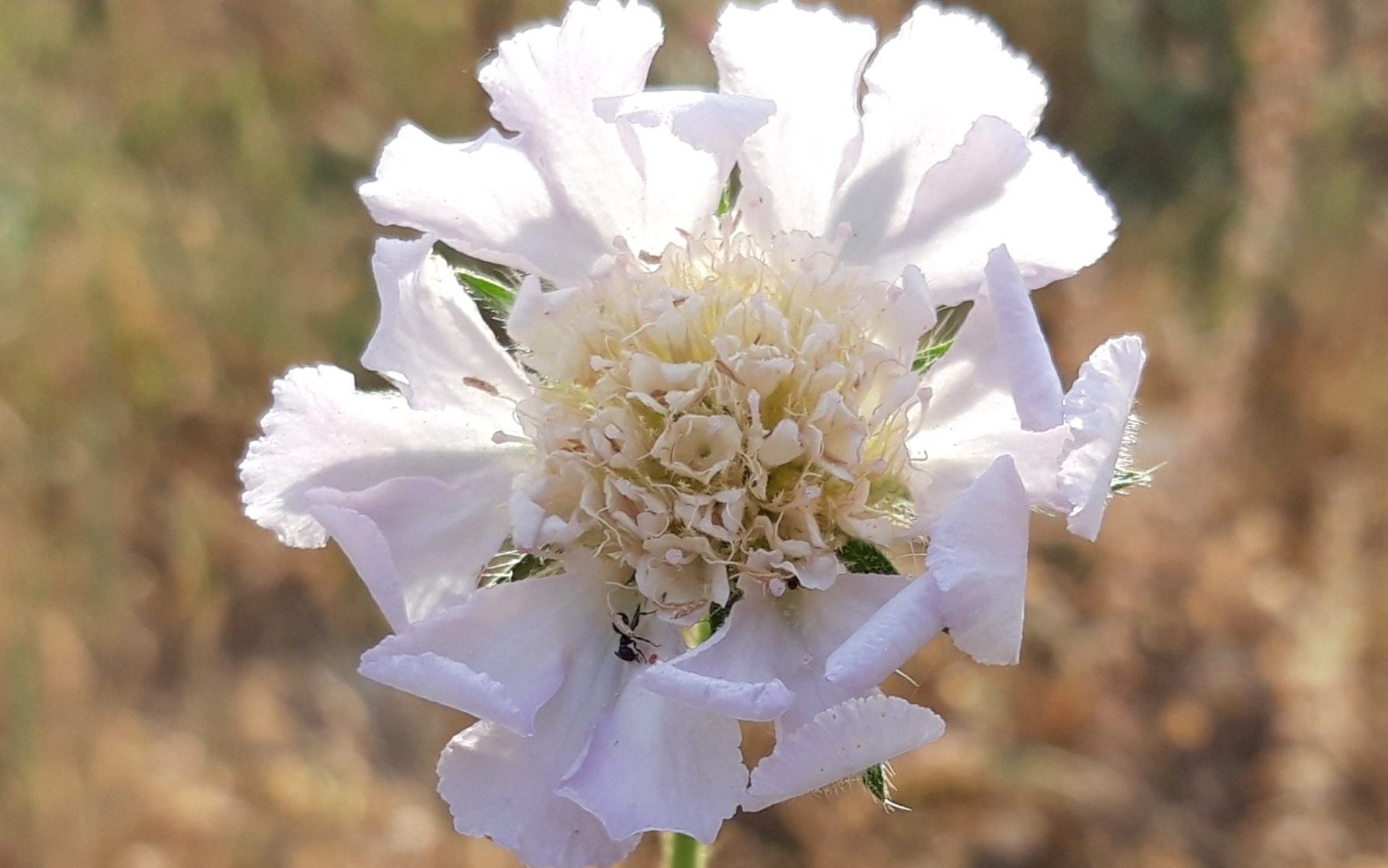
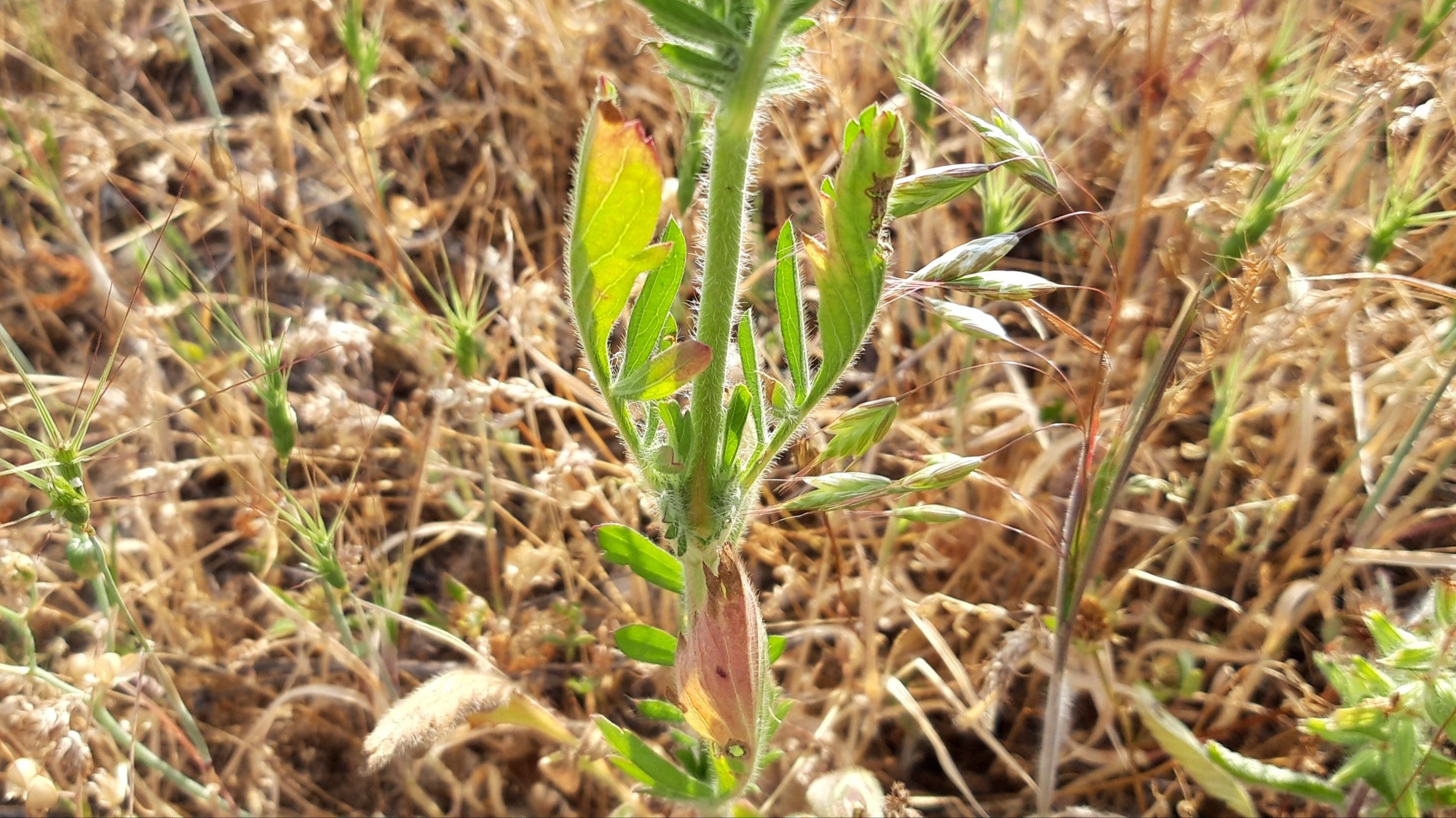
Determined according to the botanical keys provided by Moore (1976 in Tutin et al., Dispacaceae) and Ferguson (1976 in Tutin et al., Tremastelma Rafin.) as Tremastelma palaestinum (L.) Janchen. According to the new taxonomic combinations: The Euro+Med PlantBase (source: Domina, 2017+), Tremastelma palaestinum (L.) Janchen is considered a synonym of Lomelosia brachiata (Sm.) Greuter & Burdet in Willdenowia 15: 73. 1985.
Lifeform: Annual, therophyte according to the Raunkiaer system.
Distribution: Native from Greece to Türkiye, Cyprus and Crimean Peninsula according to the Plants of the World Online portal (Royal Botanic Garden, Kew). Also native to Italy and a wider part of the Balkan Peninsula according to The Euro+Med PlantBase (source: Domina, 2017+).
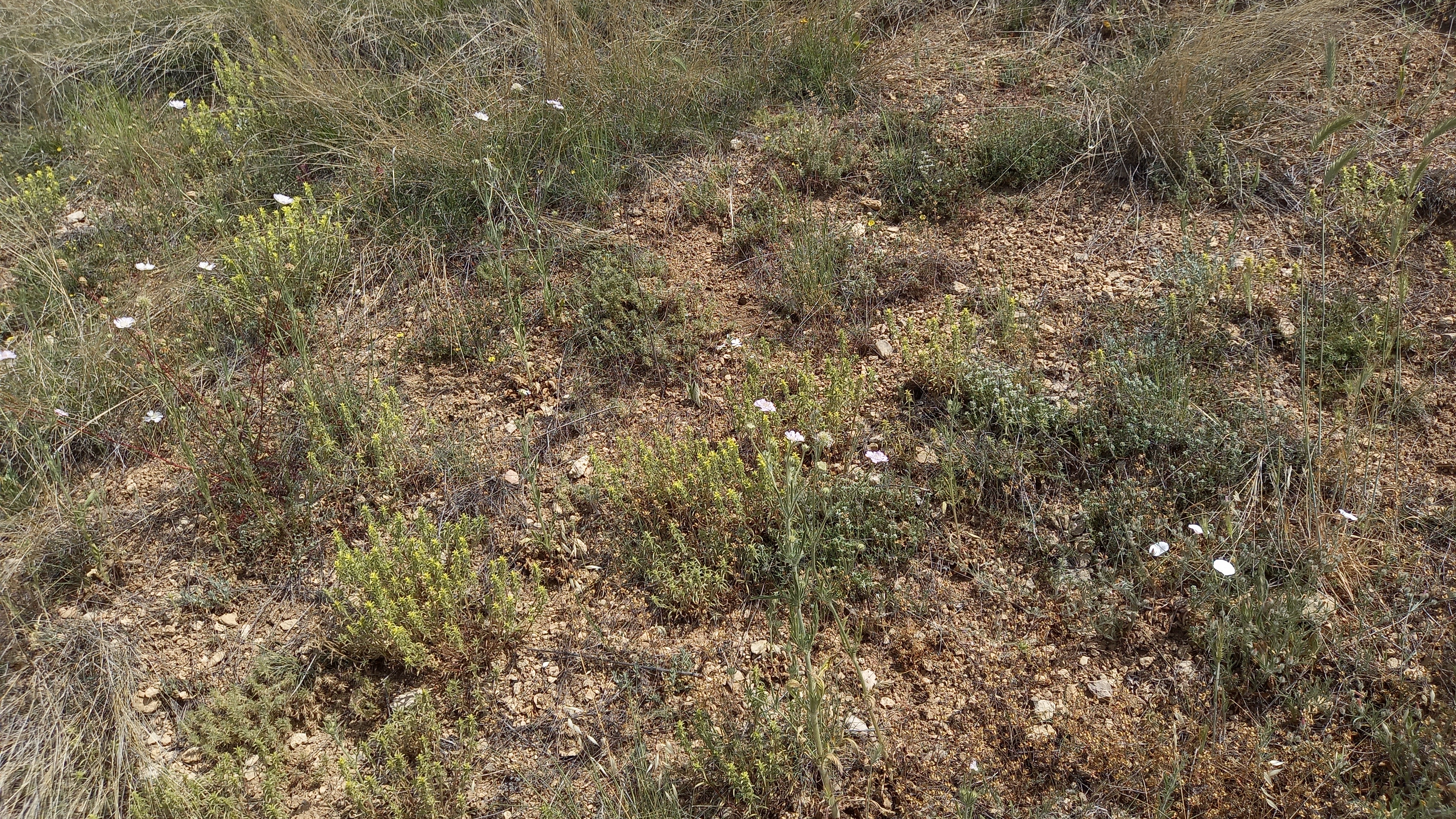
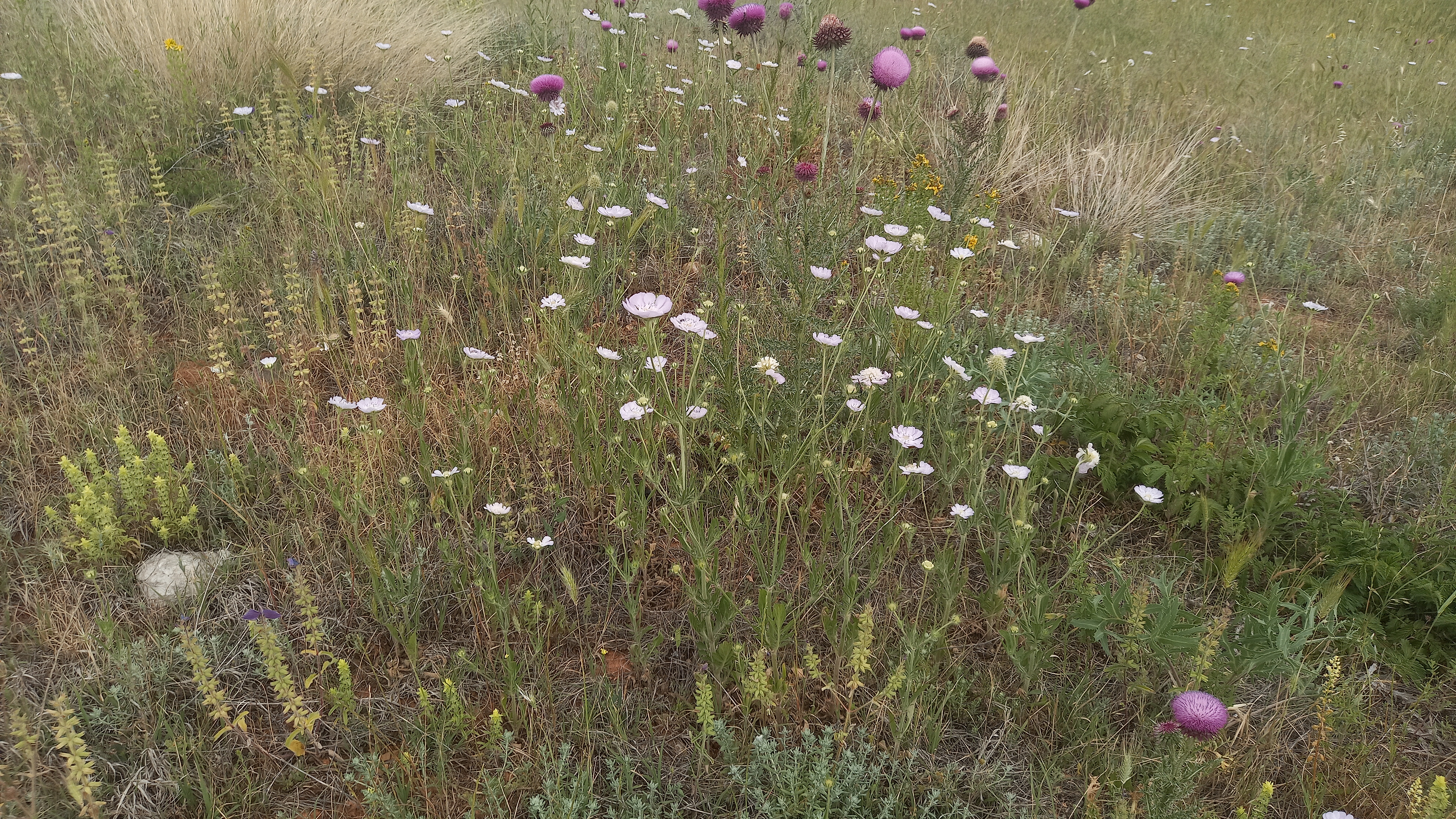
Habitat: Open habitats – hill pastures on calcareous soil. Recorded in the village of Beli region.
Flowering period: Late spring to summer: MAY, JUN.
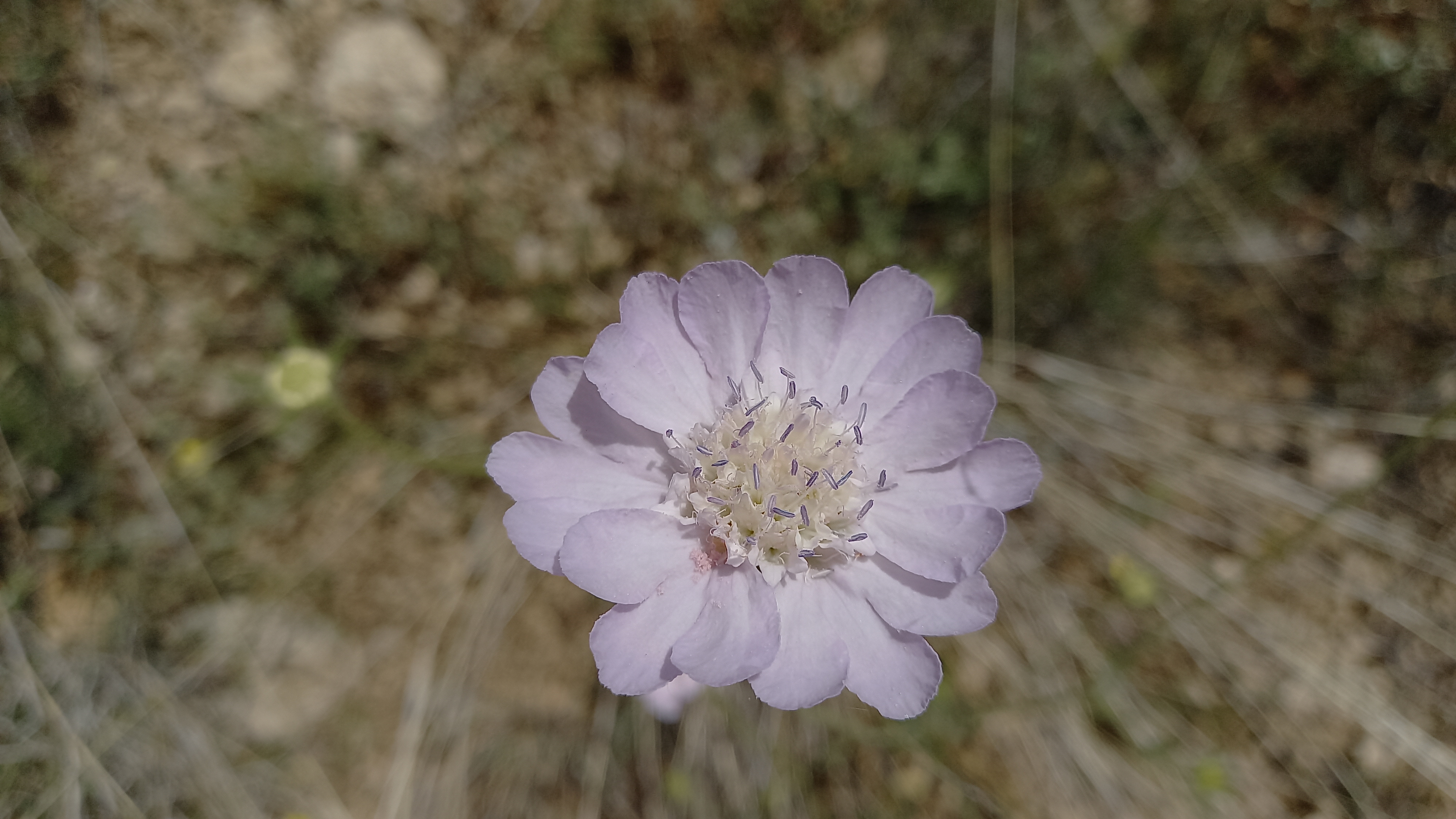
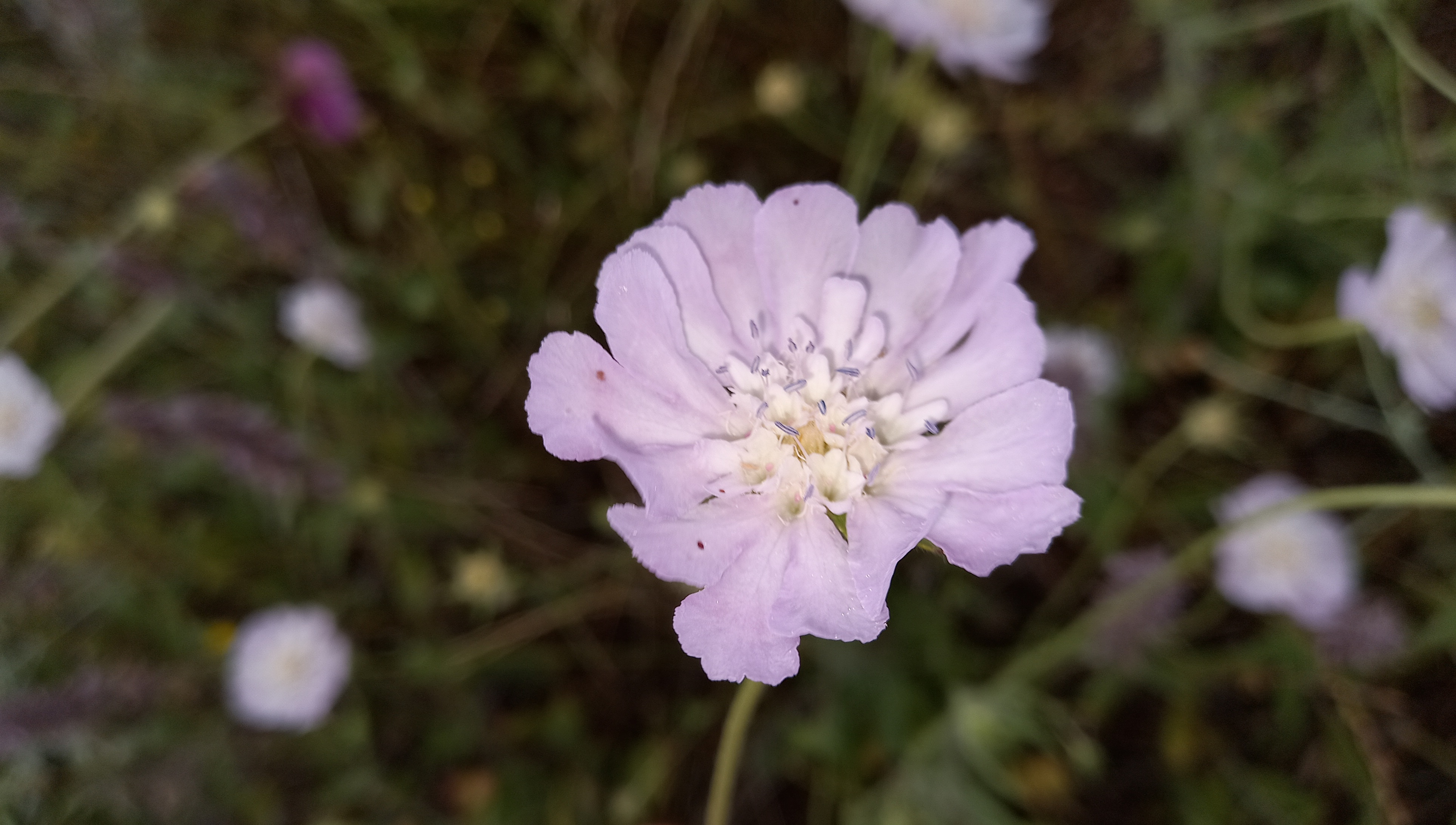
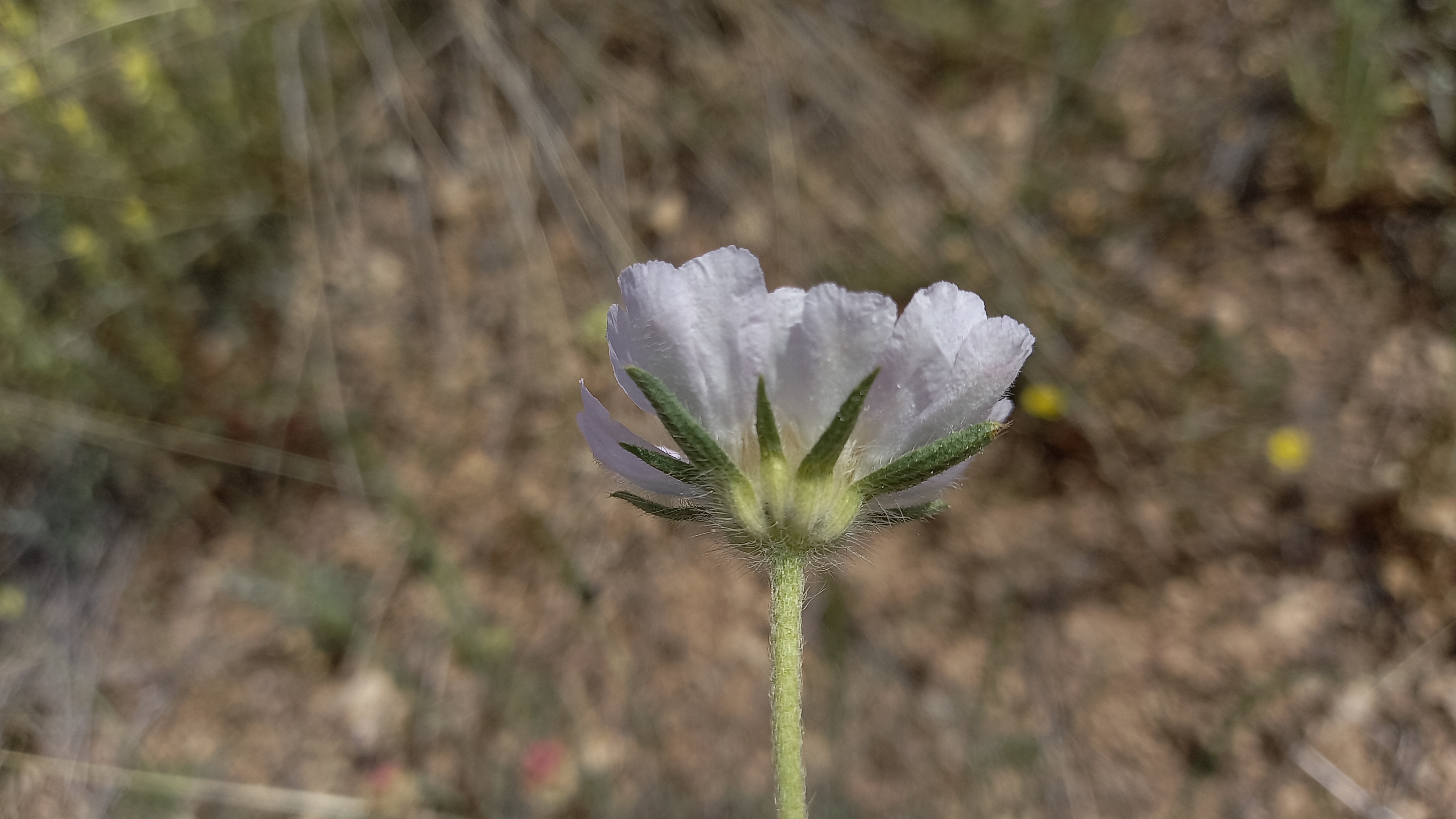
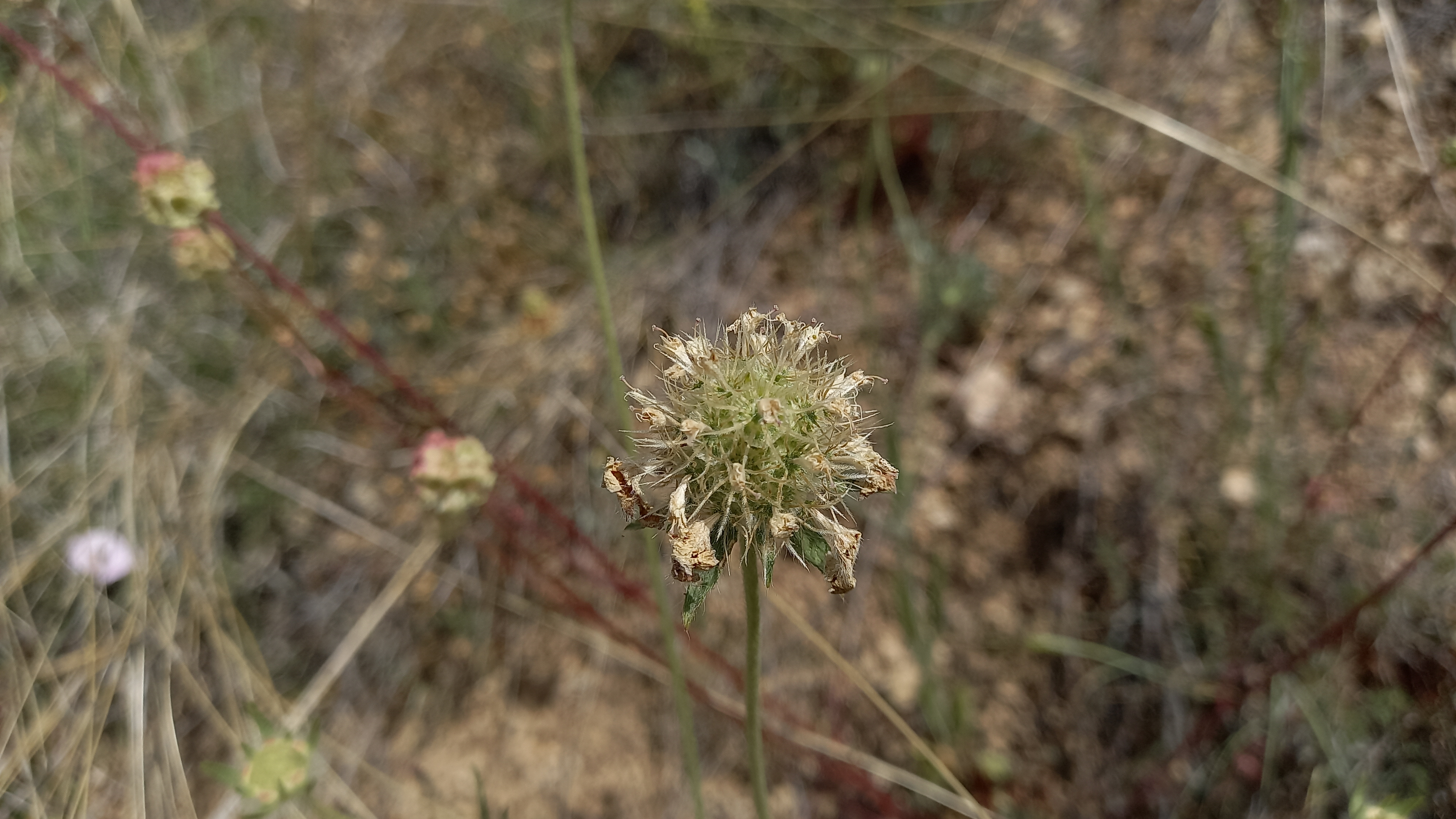
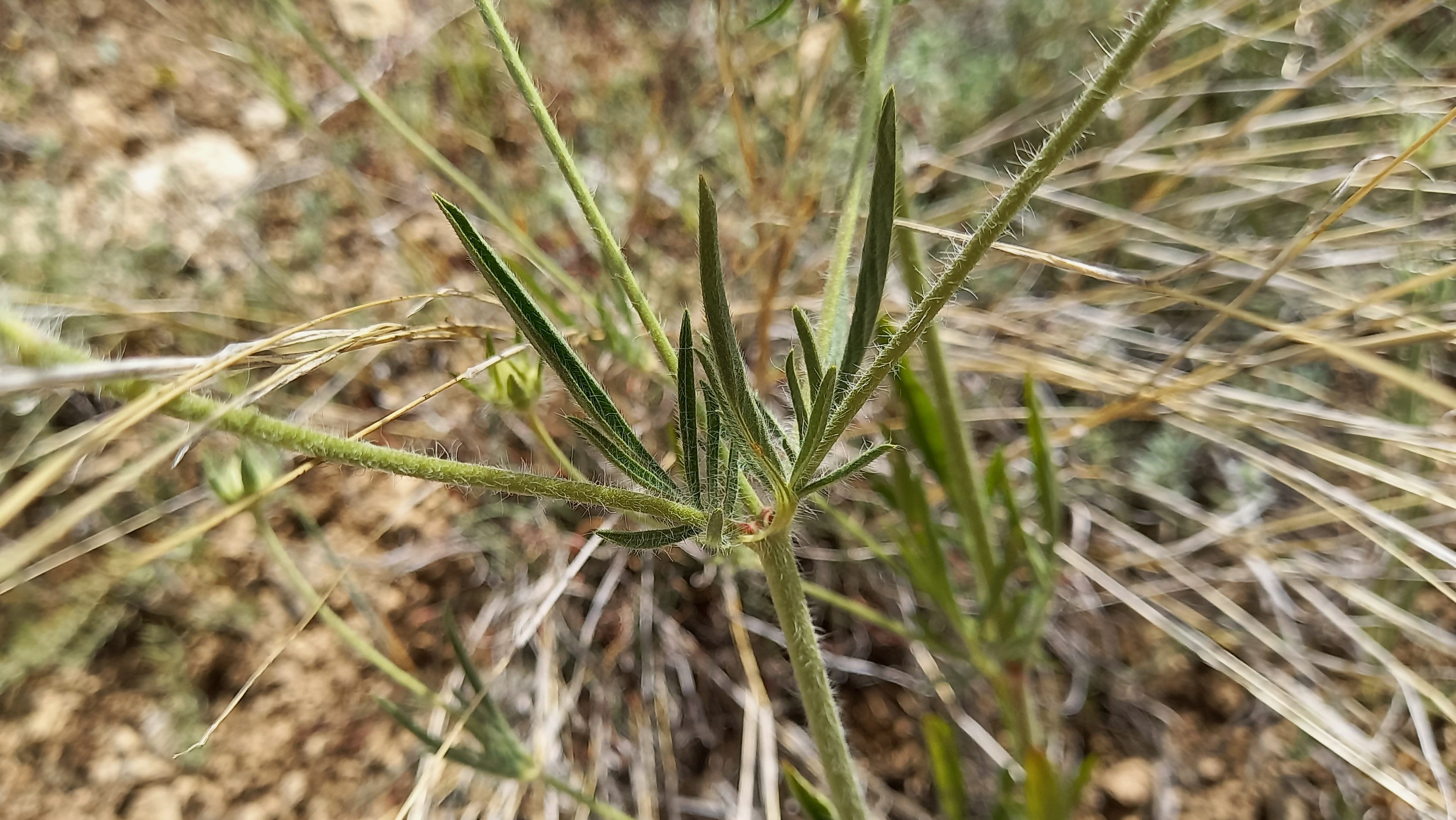
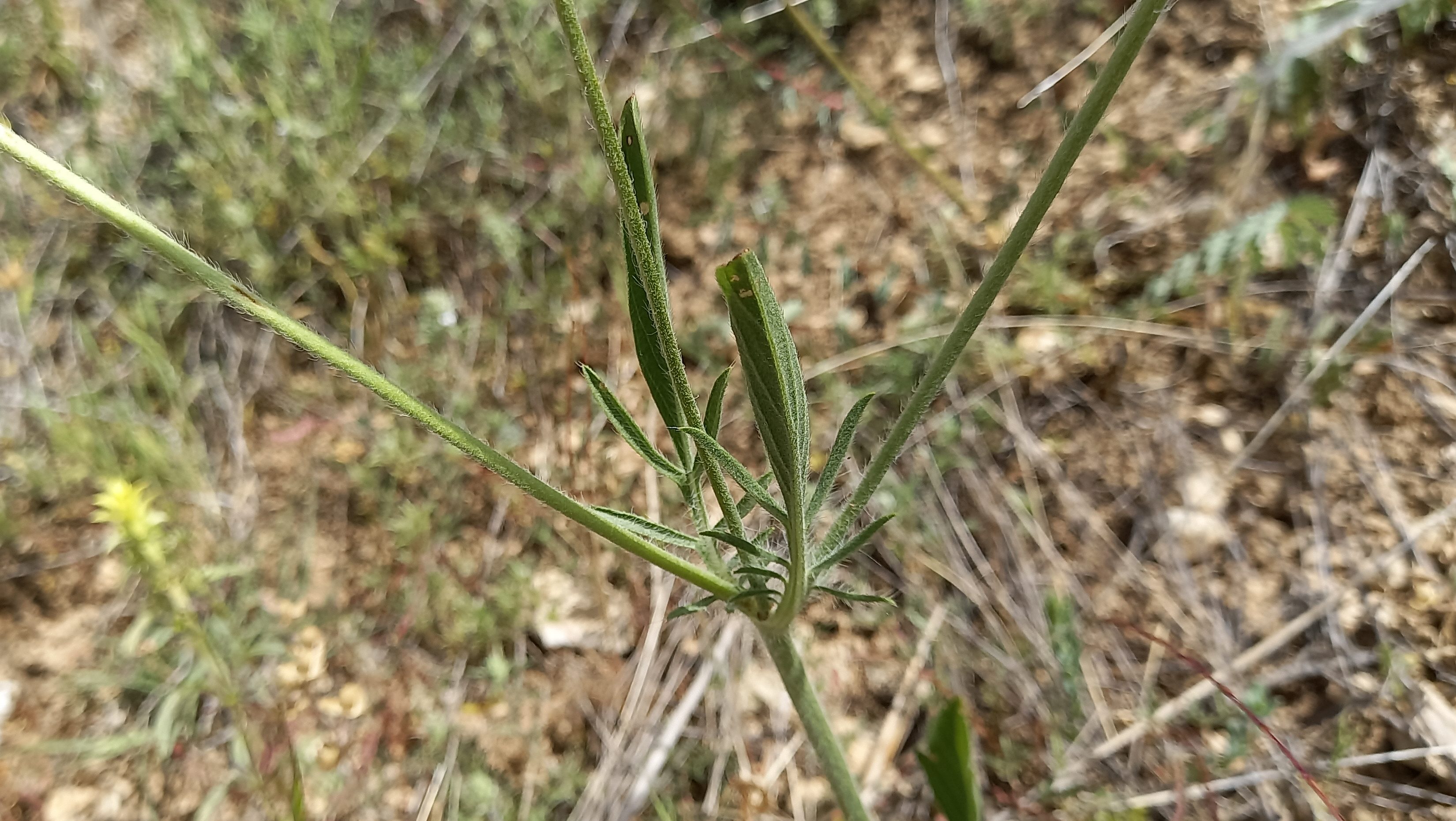
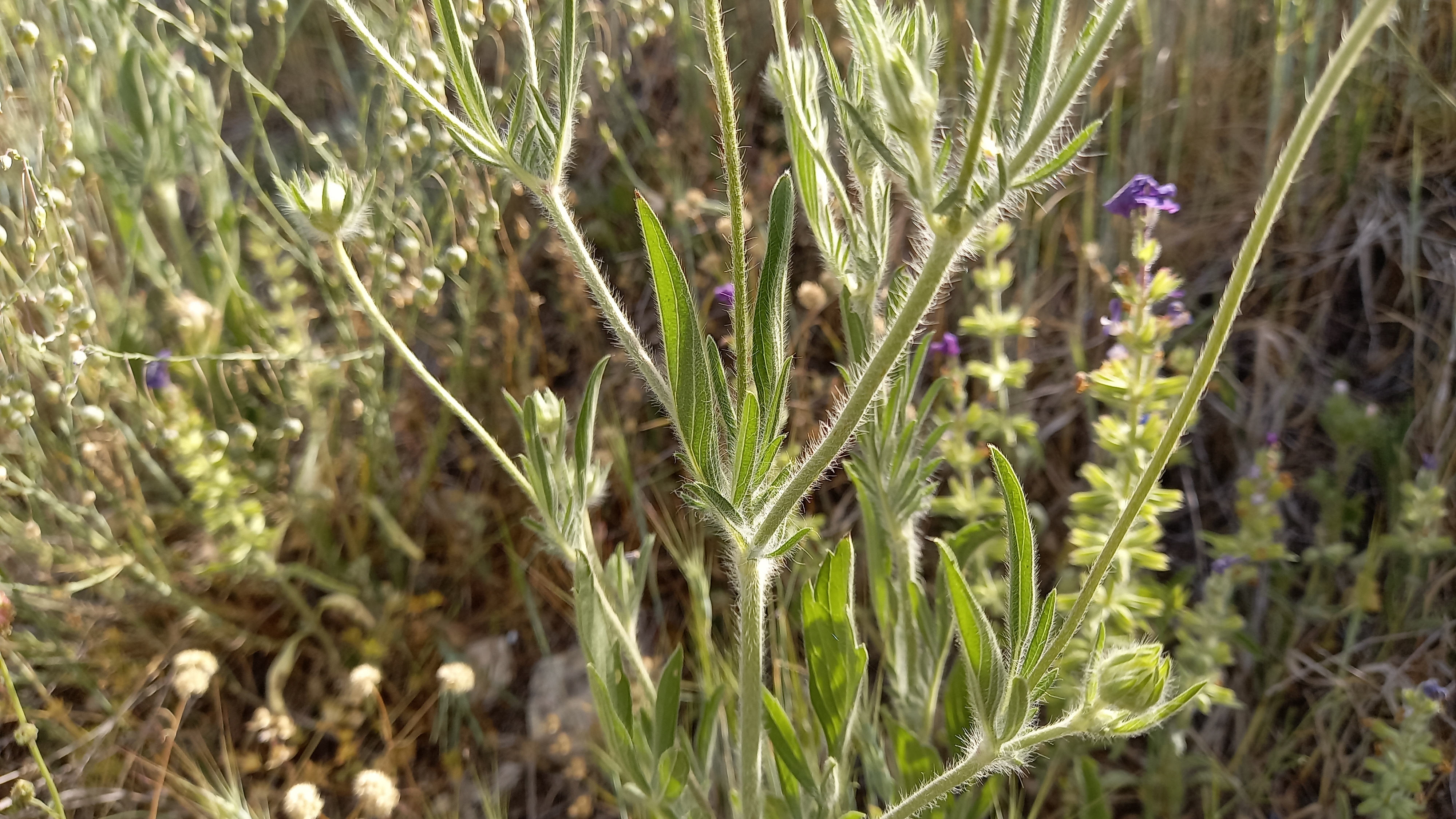
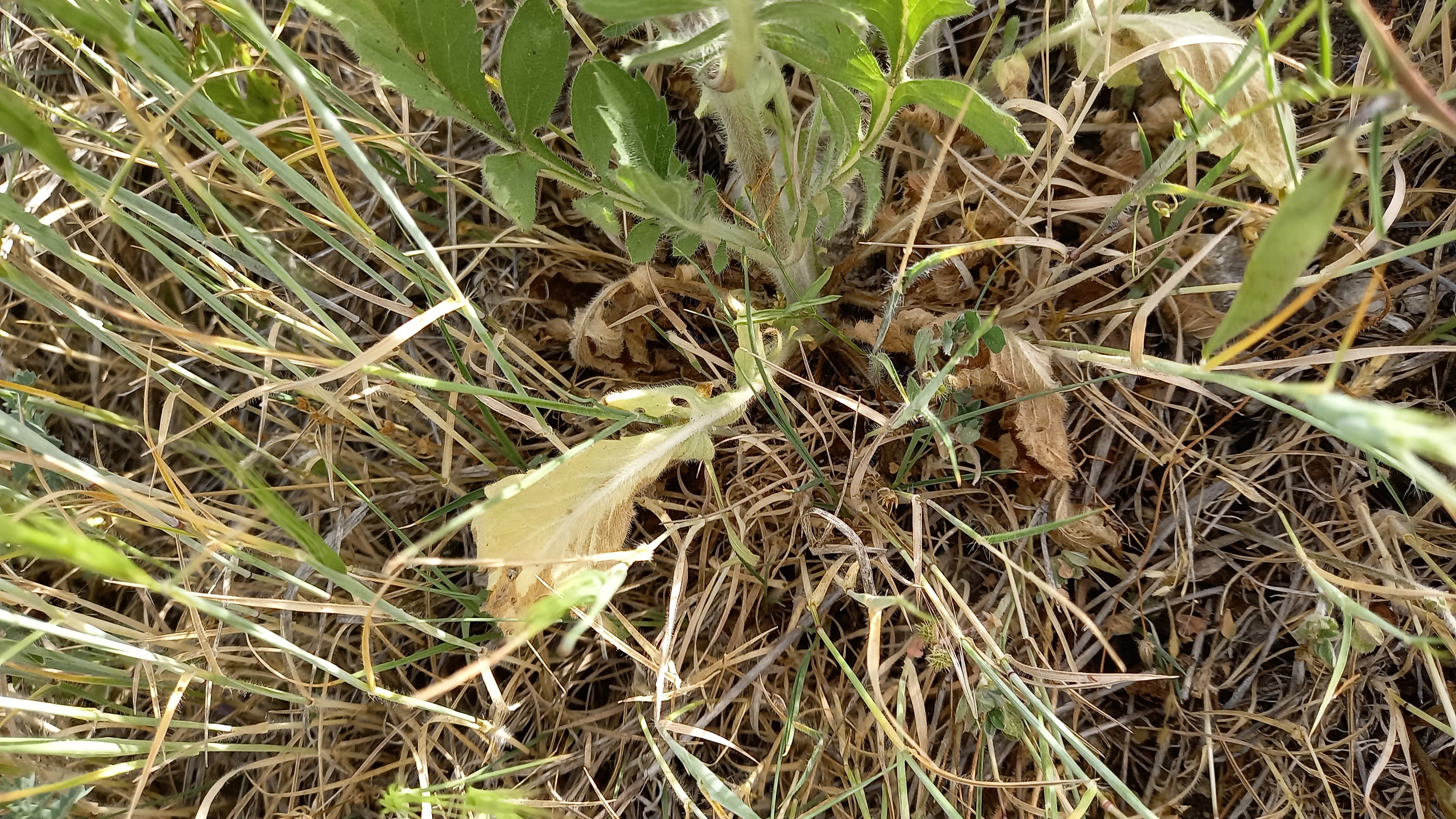
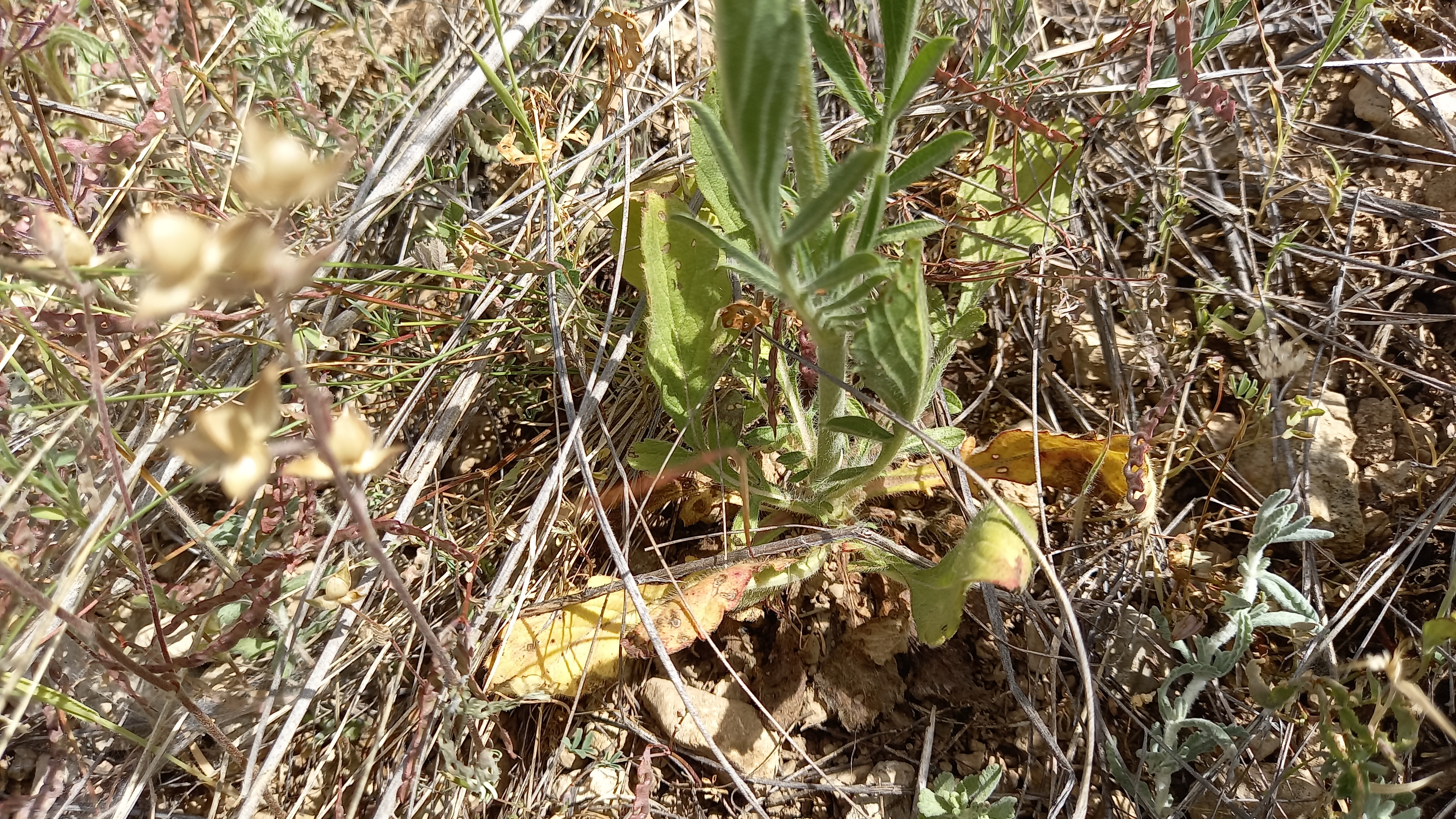
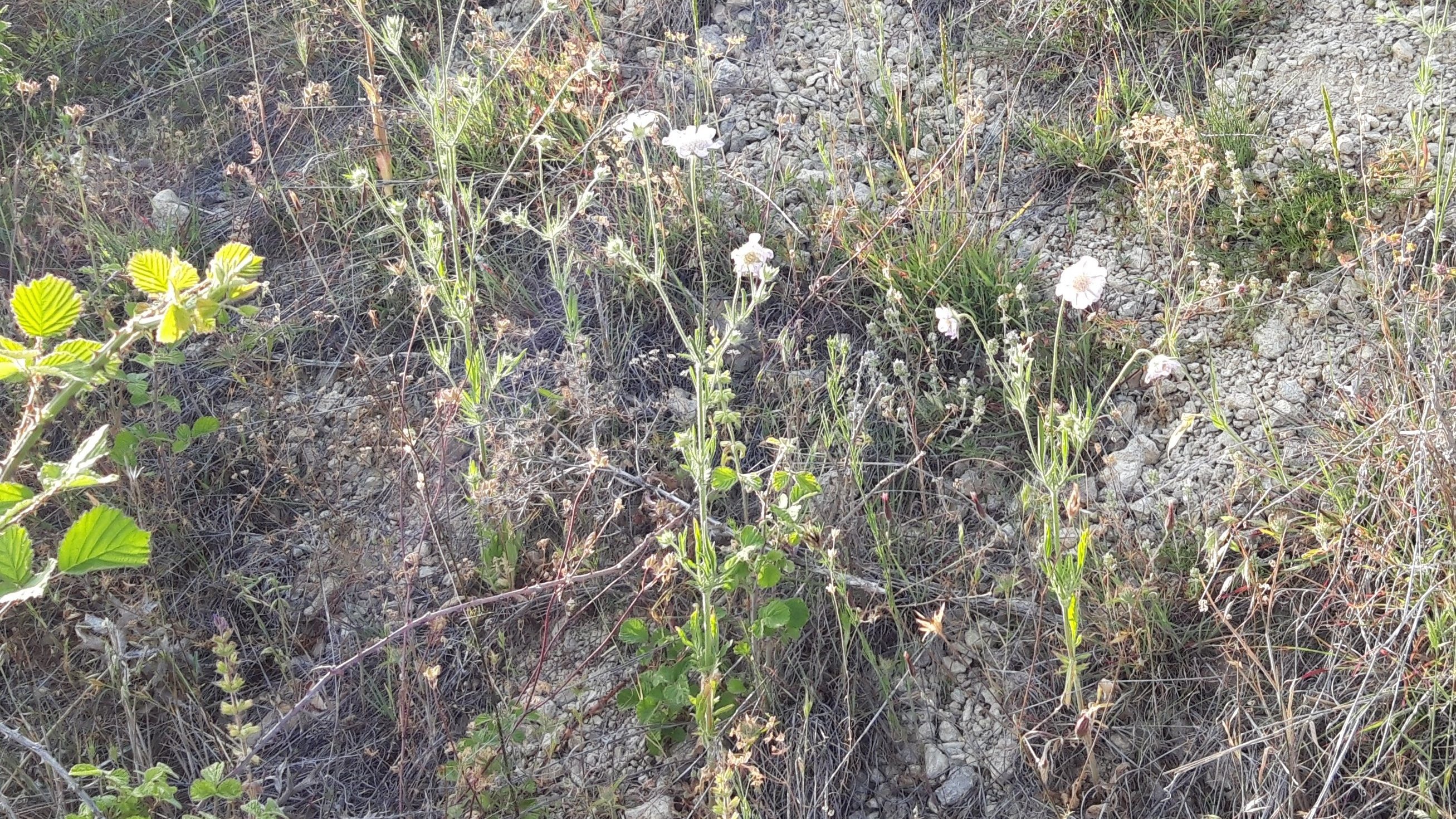
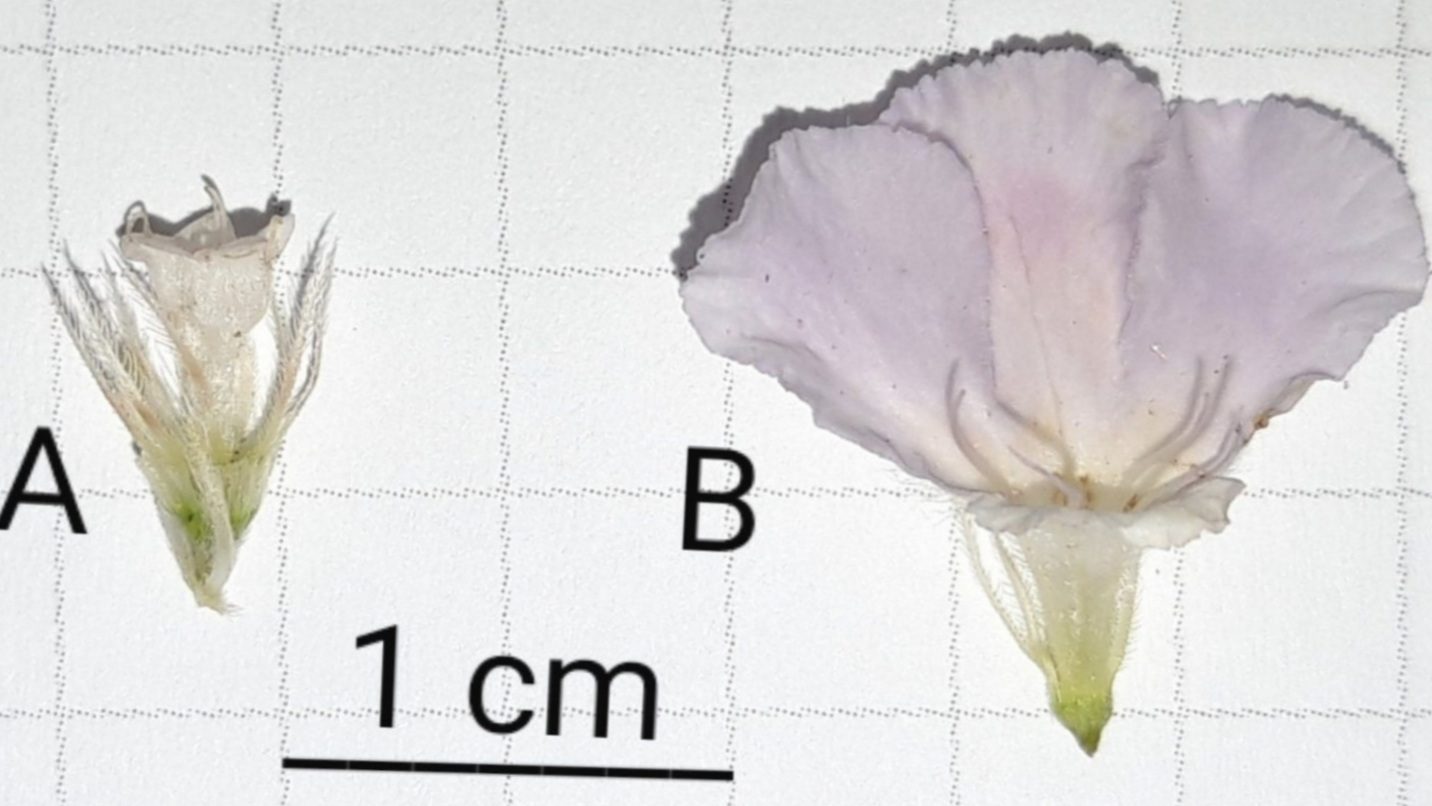
Lomelosia brachiata – habit. Osogovo, hilly region near village of Beli, 24.05.2021. Photo by Trajche Dimitrovski.Lomelosia brachiata – habitat. Osogovo, hilly region near village of Beli, 30.05.2021. Photo by Trajche Dimitrovski.Lomelosia brachiata – habit in habitat. Osogovo, hilly region near village of Beli, 13.06.2021. Photo by Trajche Dimitrovski.Lomelosia brachiata – habit. Osogovo, hilly region near village of Beli, 30.05.2021. Photo by Trajche Dimitrovski.Lomelosia brachiata – habit. Osogovo, hilly region near village of Beli, 24.05.2021. Photo by Trajche Dimitrovski.Lomelosia brachiata – capitulum. Osogovo, hilly region near village of Beli, 24.05.2021. Photo by Trajche Dimitrovski.Lomelosia brachiata – capitulum. Osogovo, hilly region near village of Beli, 24.05.2021. Photo by Trajche Dimitrovski.Lomelosia brachiata – capitulum. Osogovo, hilly region near village of Beli, 24.05.2021. Photo by Trajche Dimitrovski.Lomelosia brachiata – capitulum. Osogovo, hilly region near village of Beli, 24.05.2021. Photo by Trajche Dimitrovski.Lomelosia brachiata – capitulum. Osogovo, hilly region near village of Beli, 13.06.2021. Photo by Trajche Dimitrovski.Lomelosia brachiata – capitulum. Osogovo, hilly region near village of Beli, 30.05.2021. Photo by Trajche Dimitrovski.Lomelosia brachiata – involucre. Osogovo, hilly region near village of Beli, 24.05.2021. Photo by Trajche Dimitrovski.Lomelosia brachiata – involucre. Osogovo, hilly region near village of Beli, 30.05.2021. Photo by Trajche Dimitrovski.Lomelosia brachiata – fruits. Osogovo, hilly region near village of Beli, 24.05.2021. Photo by Trajche Dimitrovski.Lomelosia brachiata – upper cauline leaves. Osogovo, hilly region near village of Beli, 24.05.2021. Photo by Trajche Dimitrovski.Lomelosia brachiata – upper cauline leaves. Osogovo, hilly region near village of Beli, 24.05.2021. Photo by Trajche Dimitrovski.Lomelosia brachiata – upper cauline leaves. Osogovo, hilly region near village of Beli, 24.05.2021. Photo by Trajche Dimitrovski.Lomelosia brachiata – middle cauline leaves. Osogovo, hilly region near village of Beli, 24.05.2021. Photo by Trajche Dimitrovski.Lomelosia brachiata – lower cauline leaves. Osogovo, hilly region near village of Beli, 24.05.2021. Photo by Trajche Dimitrovski.Lomelosia brachiata – lower cauline leaves. Osogovo, hilly region near village of Beli, 24.05.2021. Photo by Trajche Dimitrovski.Lomelosia brachiata – basal and lower cauline leaves. Osogovo, hilly region near village of Beli, 24.05.2021. Photo by Trajche Dimitrovski.Lomelosia brachiata – habit. Osogovo, hilly region near village of Beli, 31.05.2020. Photo by Trajche Dimitrovski.Lomelosia brachiata – habit. Osogovo, hilly region near village of Beli, 31.05.2020. Photo by Trajche Dimitrovski.Lomelosia brachiata – capitulum. Osogovo, hilly region near village of Beli, 31.05.2020. Photo by Trajche Dimitrovski.Lomelosia brachiata – capitulum. Osogovo, hilly region near village of Beli, 31.05.2020. Photo by Trajche Dimitrovski.Lomelosia brachiata – capitulum. Osogovo, hilly region near village of Beli, 31.05.2020. Photo by Trajche Dimitrovski.Lomelosia brachiata – fruiting capitulum. Osogovo, hilly region near village of Beli, 06.06.2020. Photo by Trajche Dimitrovski.Lomelosia brachiata – fruiting capitulum. Osogovo, hilly region near village of Beli, 06.06.2020. Photo by Trajche Dimitrovski.Lomelosia brachiata – fruits. Osogovo, hilly region near village of Beli, 06.06.2020. Photo by Trajche Dimitrovski.Lomelosia brachiata – lower part of stem with leaves. Osogovo, hilly region near village of Beli, 06.06.2020. Photo by Trajche Dimitrovski.Lomelosia brachiata – close-up of flowers: A- floret with subequal lobes, B- radiate floret. Photo by Trajche Dimitrovski
References:
Ferguson, I. K. 1976. Tremastelma Rafin. In Tutin, T. G., Heywood, V. H., Burges, N. A., Moore, D. M., Valentine, D. H., Walters, S. M. & Webb, D. A. (eds.). Flora Europaea, Volume 4. Plantaginaceae to Compositae (and Rubiaceae). Cambridge: Cambridge University Press, p. 74.
Moore, D. M. 1976. Dipsacaceae (key to genera). In Tutin, T. G., Heywood, V. H., Burges, N. A., Moore, D. M., Valentine, D. H., Walters, S. M. & Webb, D. A. (eds.), Flora Europaea, Volume 4. Plantaginaceae to Compositae (and Rubiaceae). Cambridge: Cambridge University Press, p. 56.