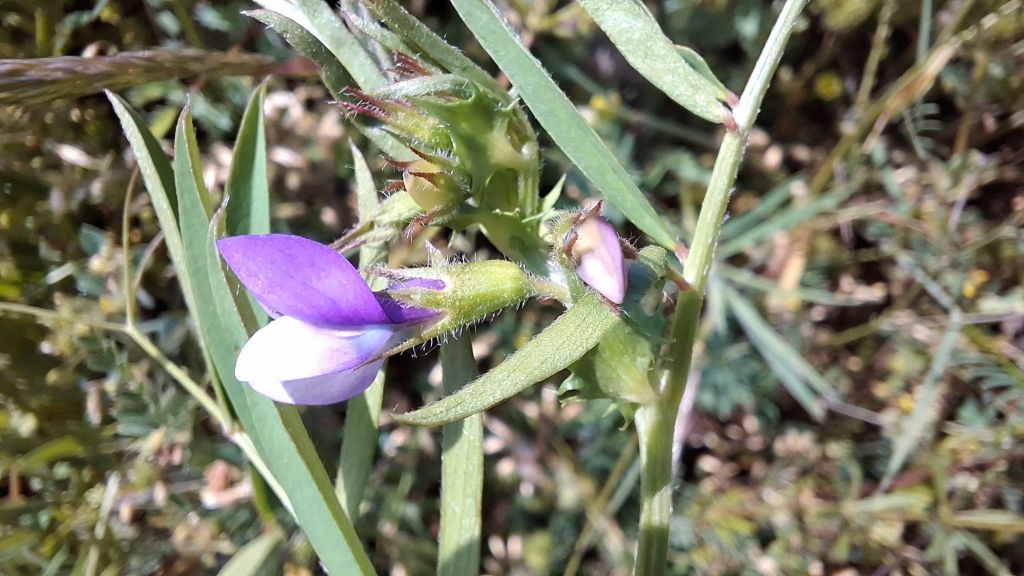
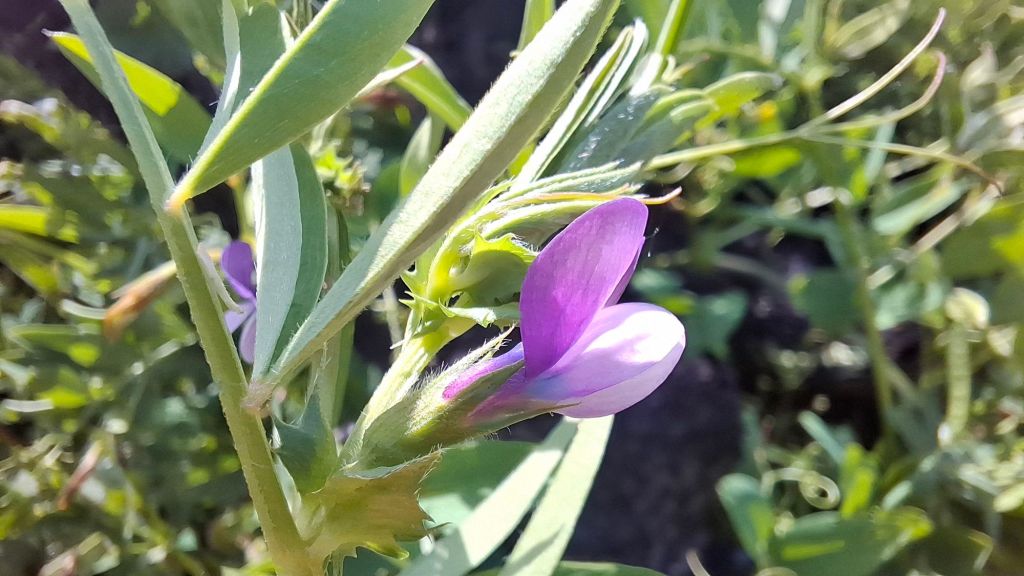
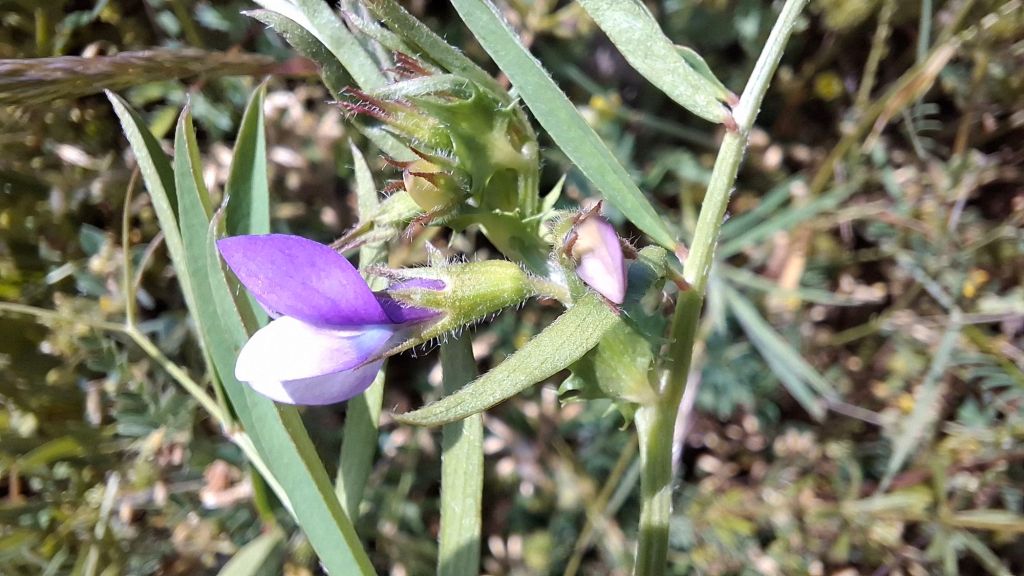
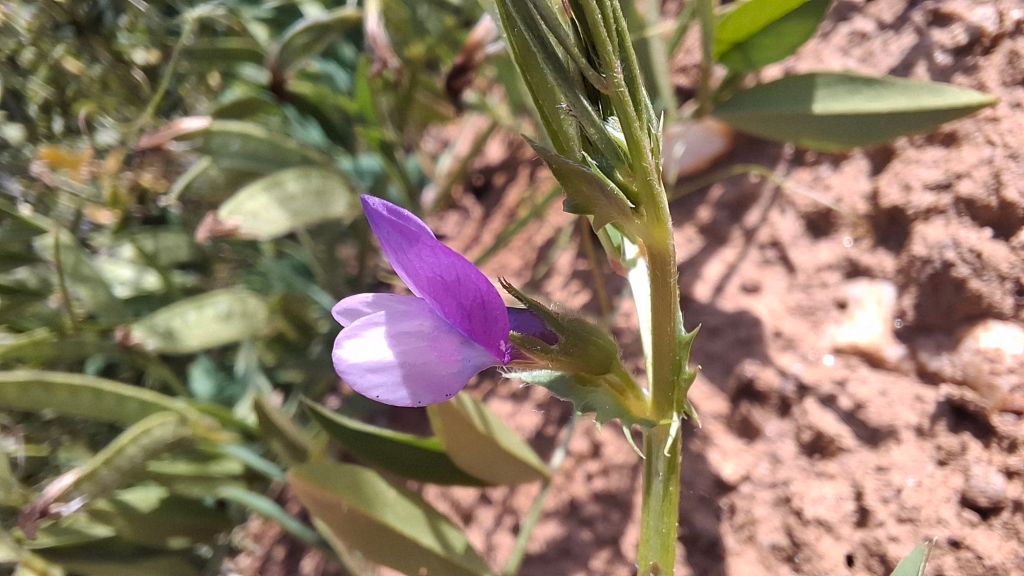
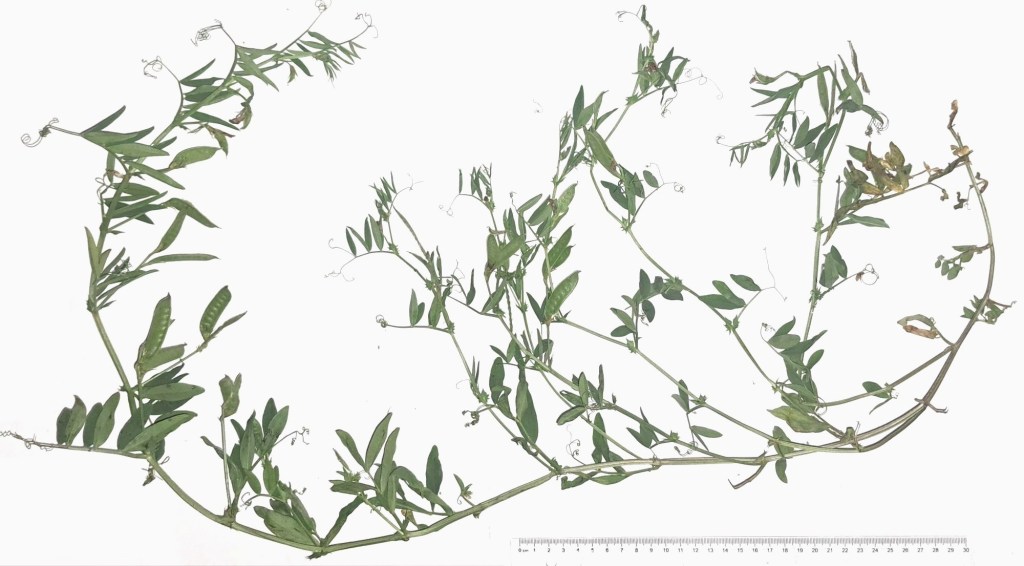
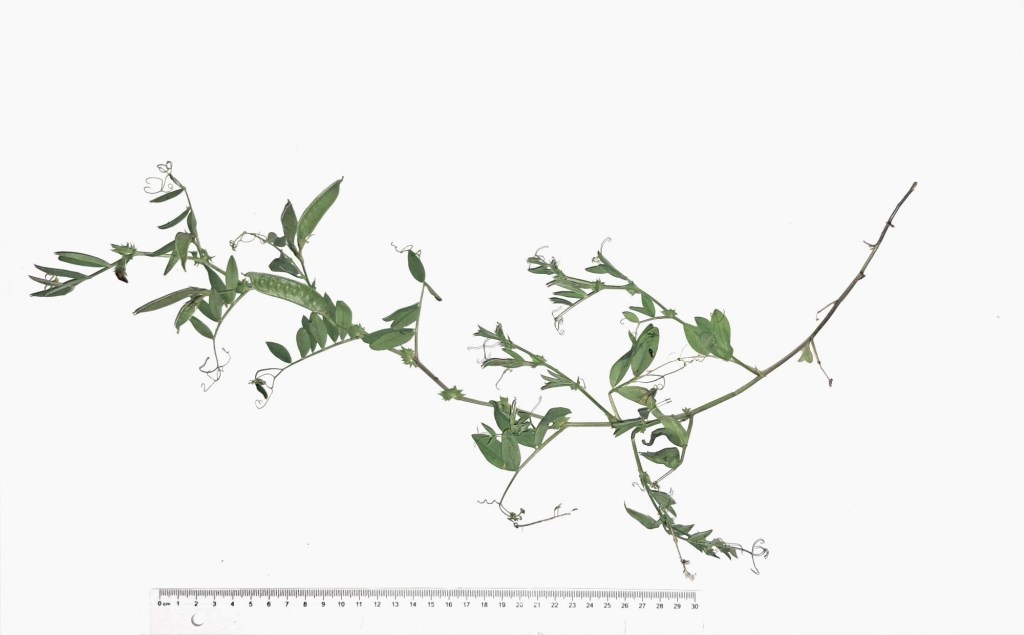
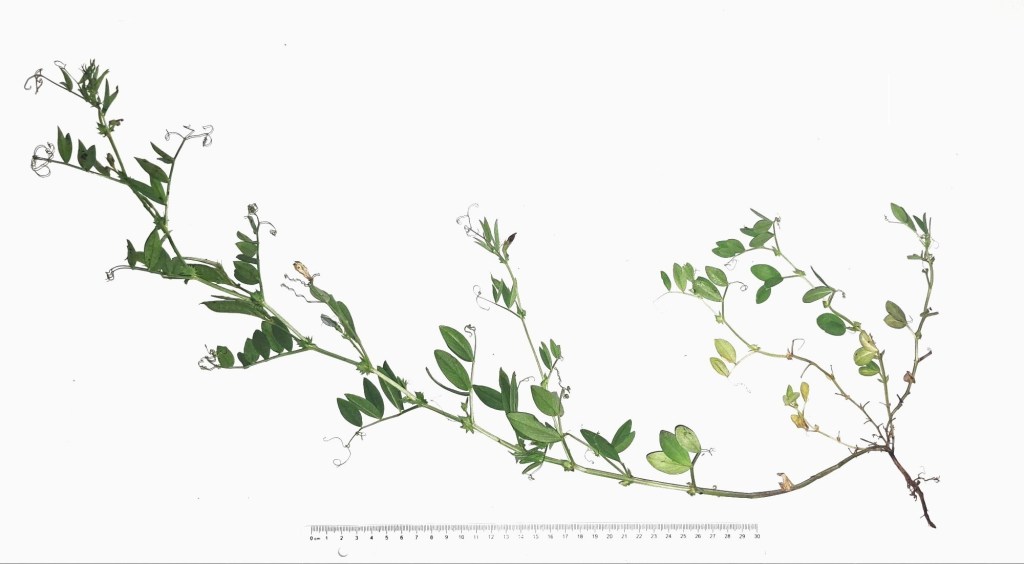
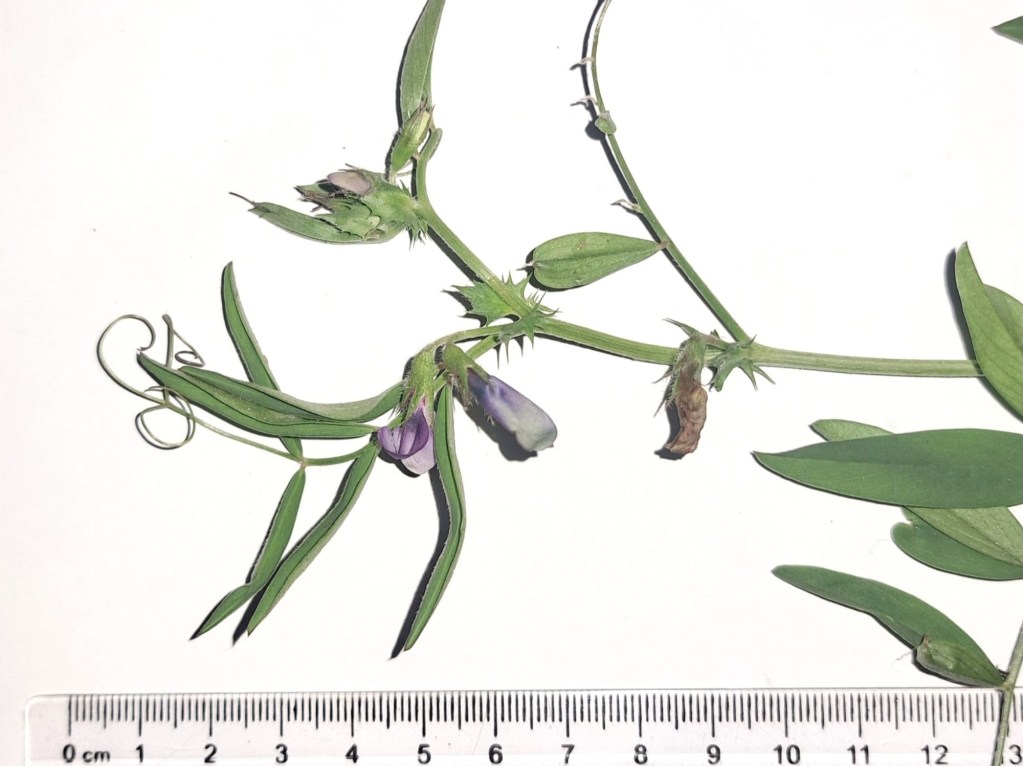
Taxonomy: Fam. Fabaceae// Genus: Vicia// Species: Vicia bithynica (L.) L.
Determined according to the botanical keys provided by Micevski (2001) and Ball (1968 in Tutin et al.).
Lifeform: Perennial plant. Hemicryptophyte according to the Raunkiær system.
Distribution: Native to Azores, West Europe to the Mediterranean and Caucasus, Pakistan to West Himalaya according to the distribution information provided by the Plants of the World Online portal (Royal Botanic Gardens, Kew).
Habitat: Hill pastures in rural areas. Recorded in the hilly region between Kochani and Orizari.
Flowering period: Spring (APR, MAY).
Locality: Hilly region between Kochani and Orizari. Date: 10.05.2026.
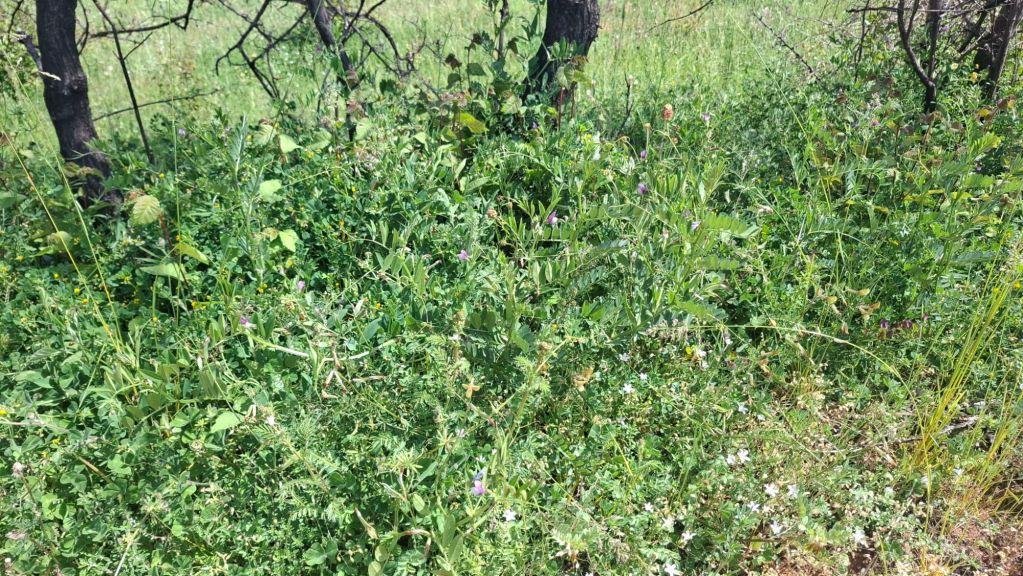
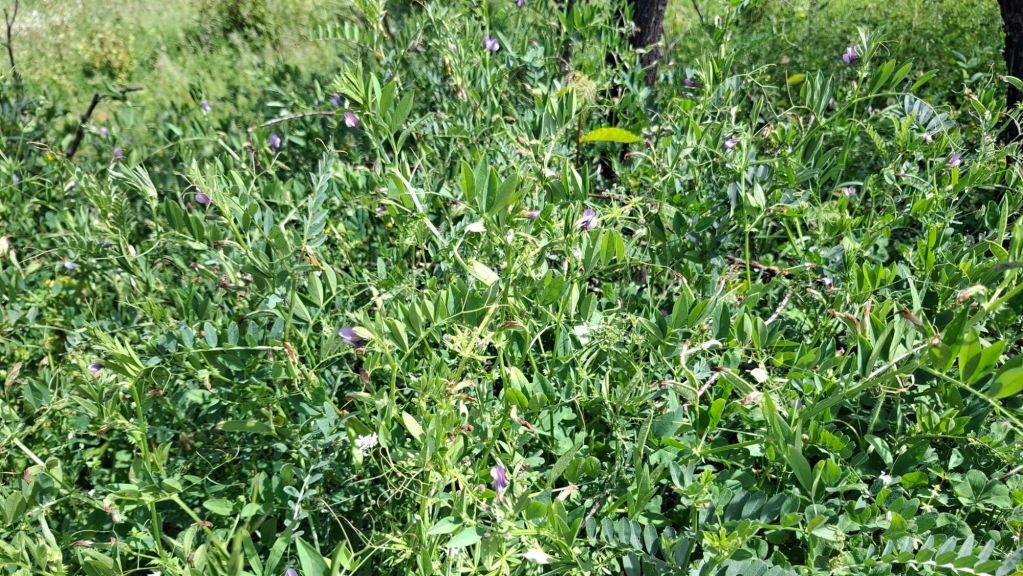
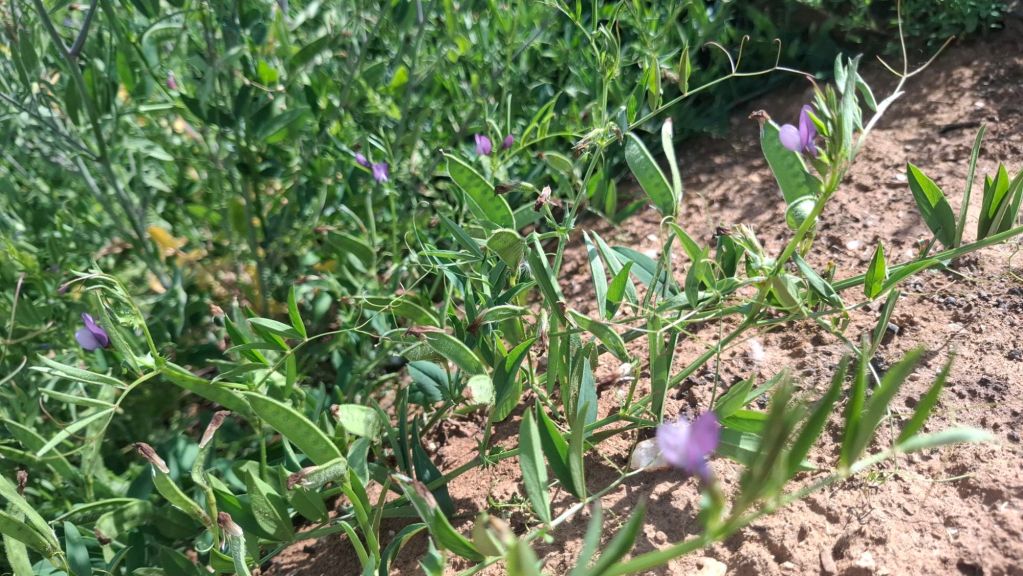
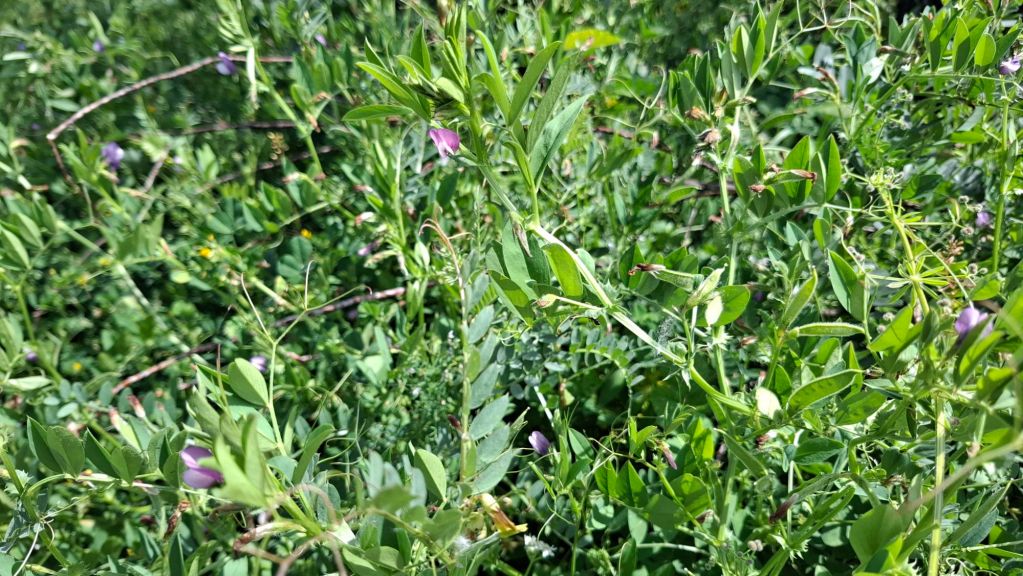
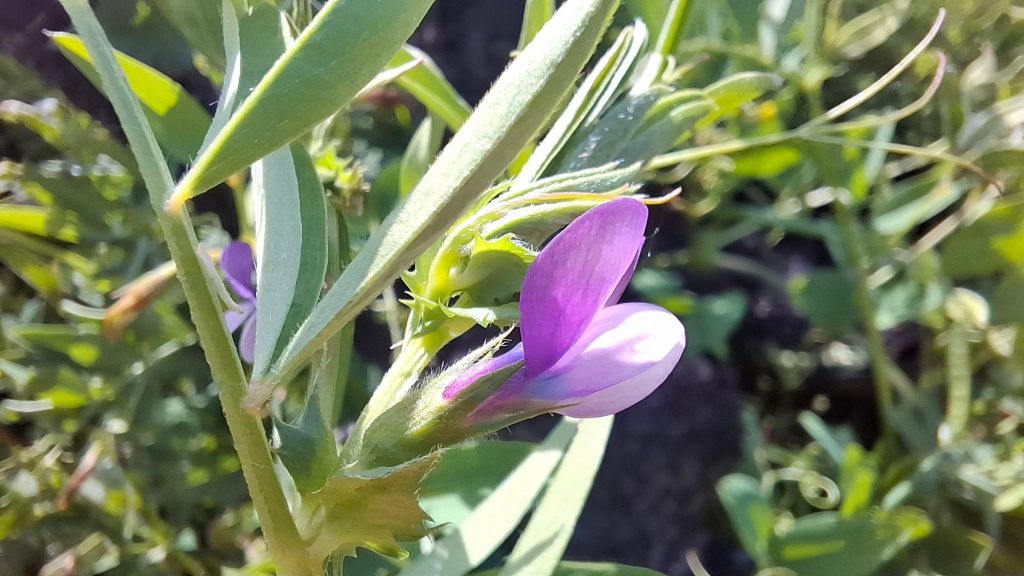
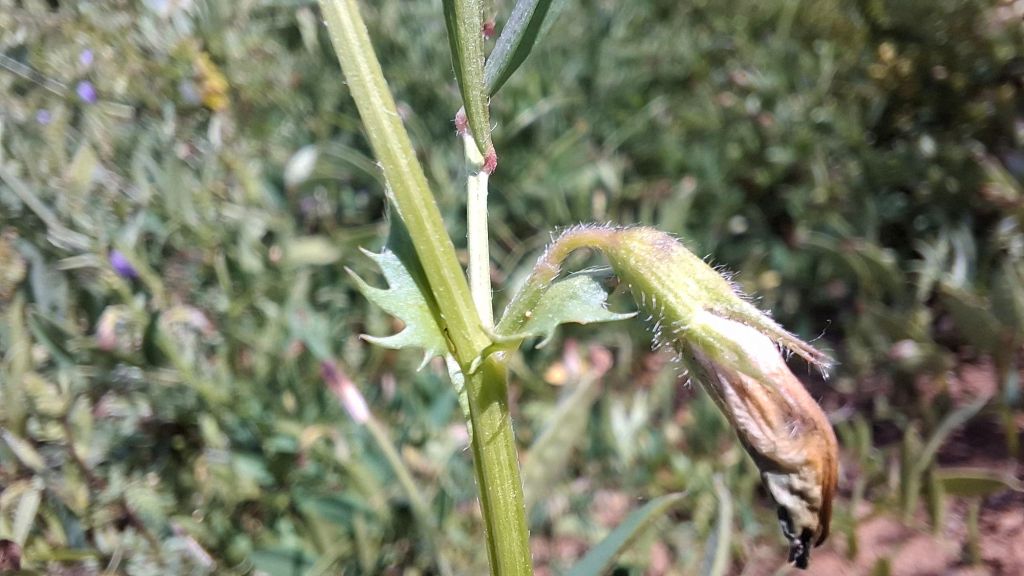
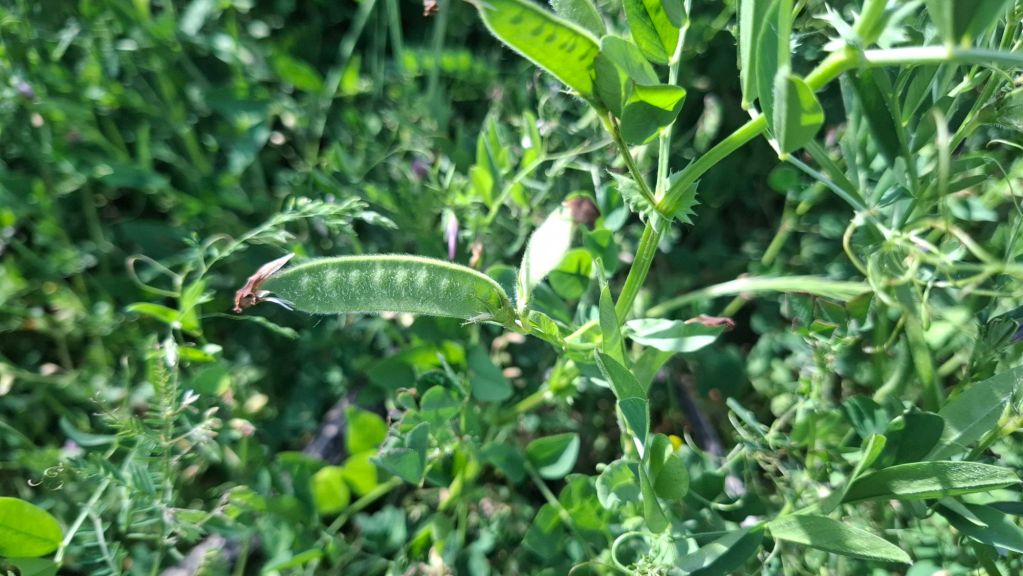
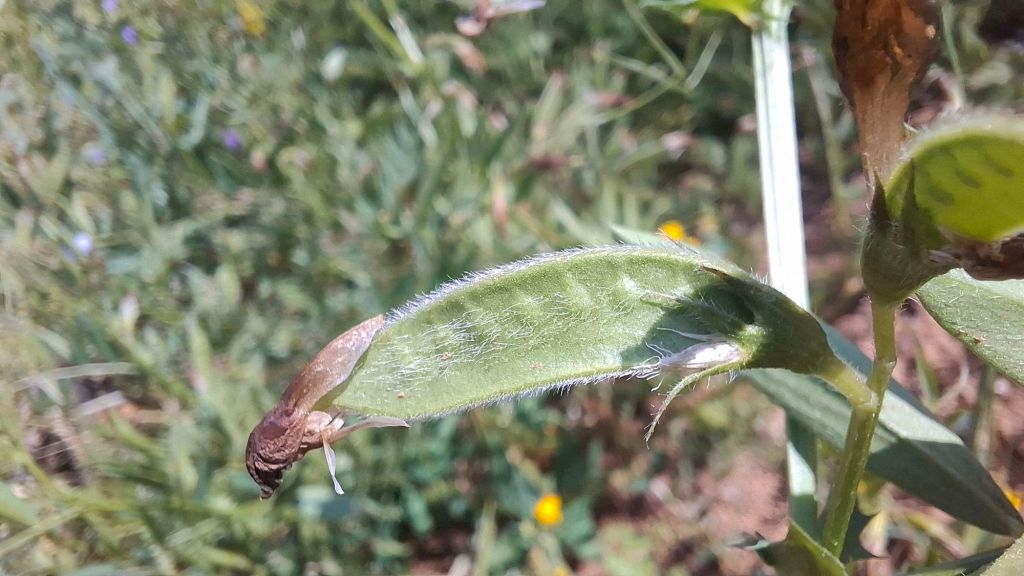
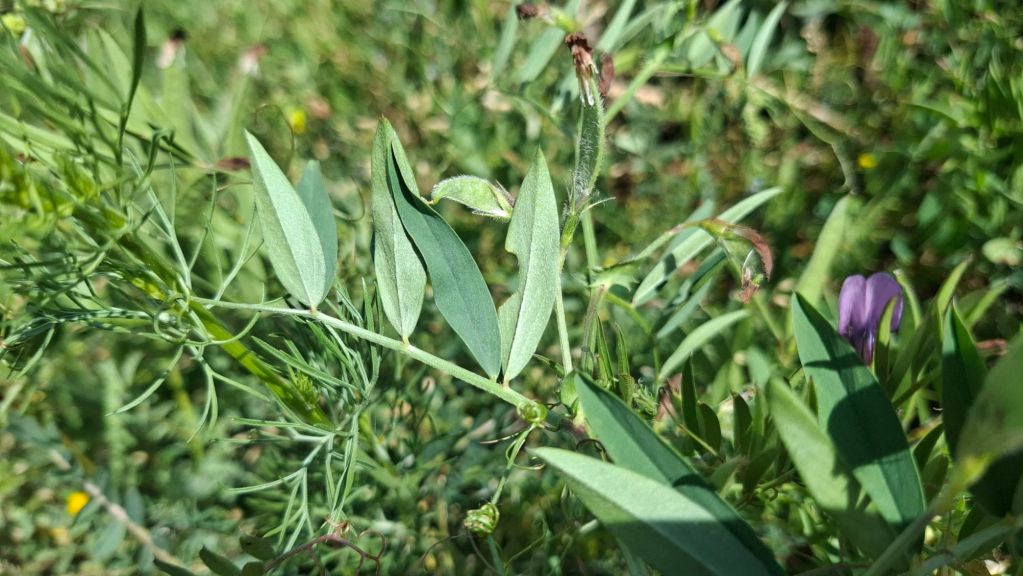
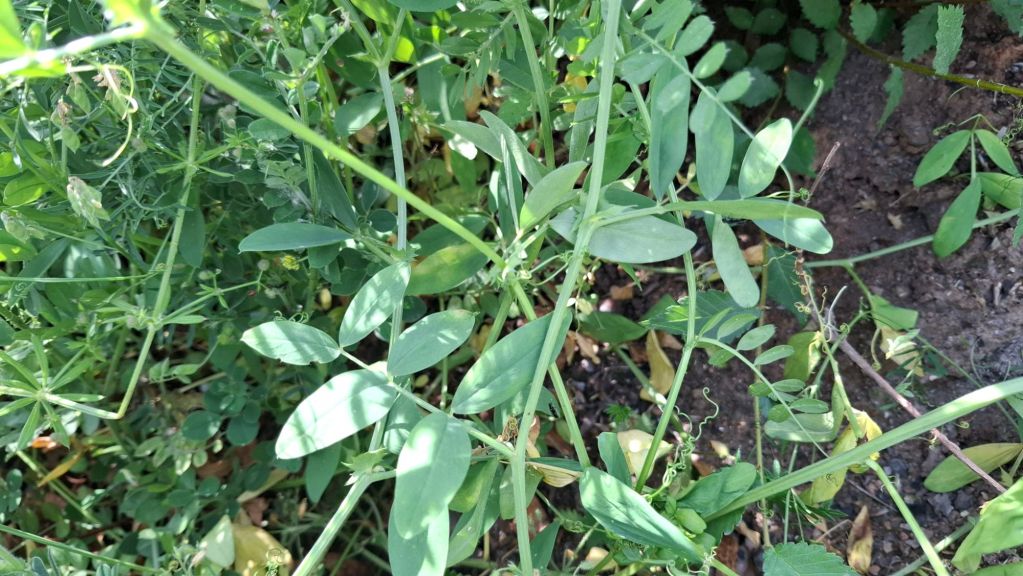
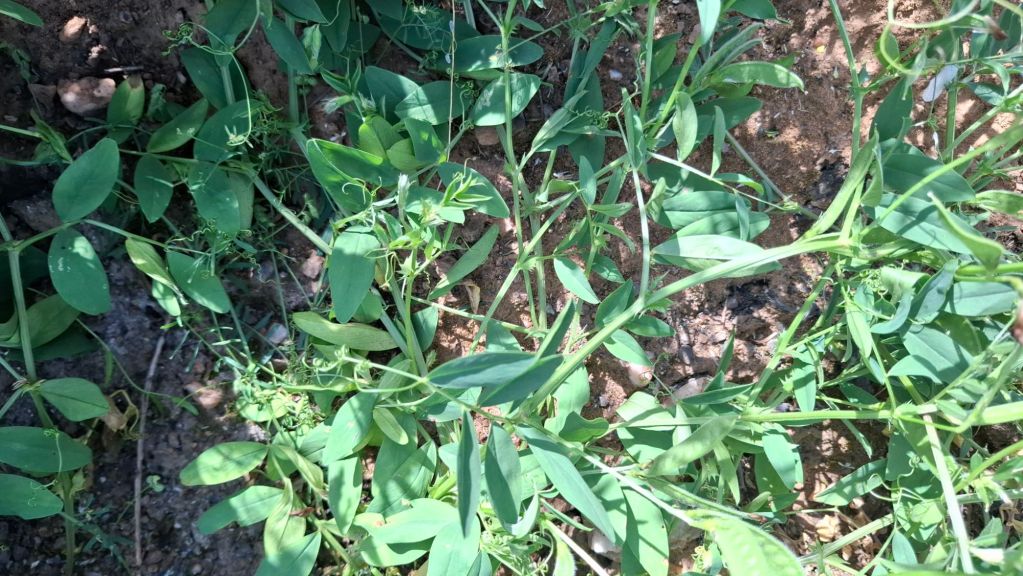
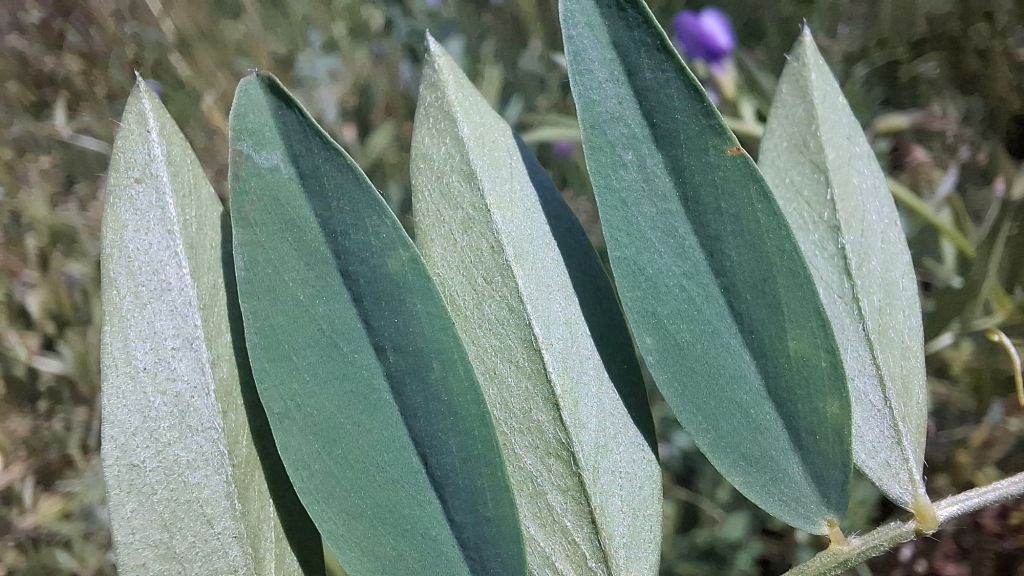
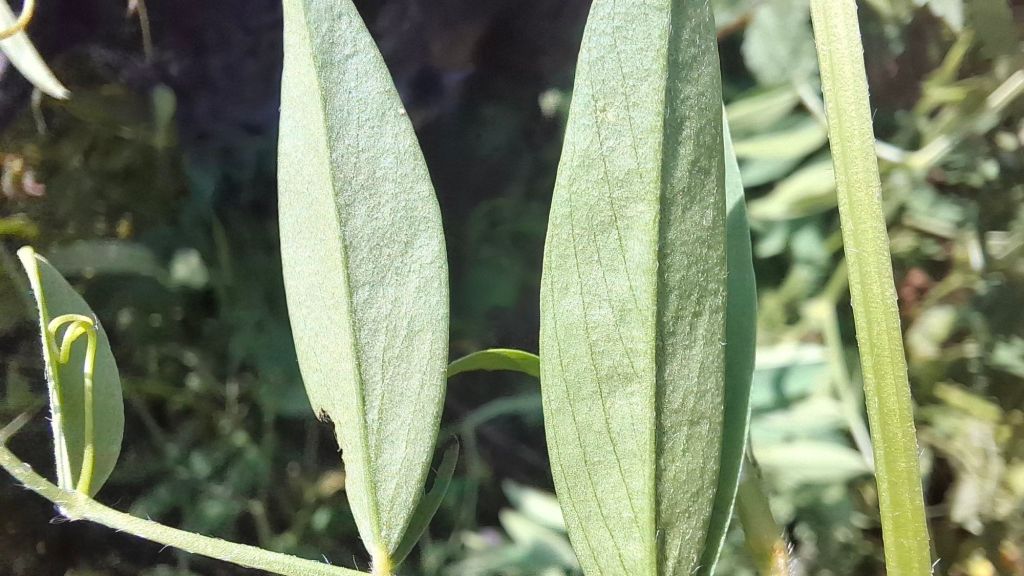
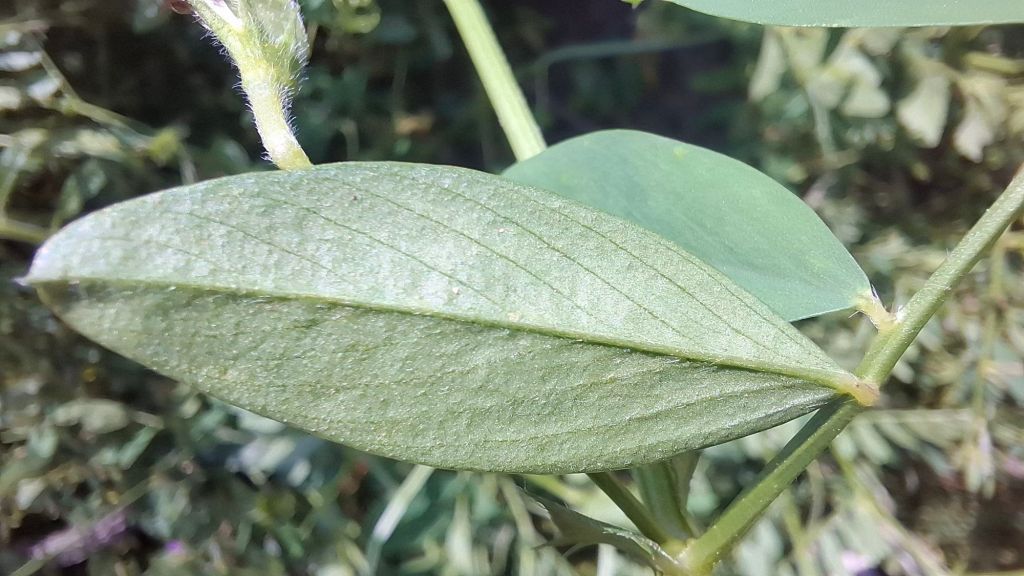
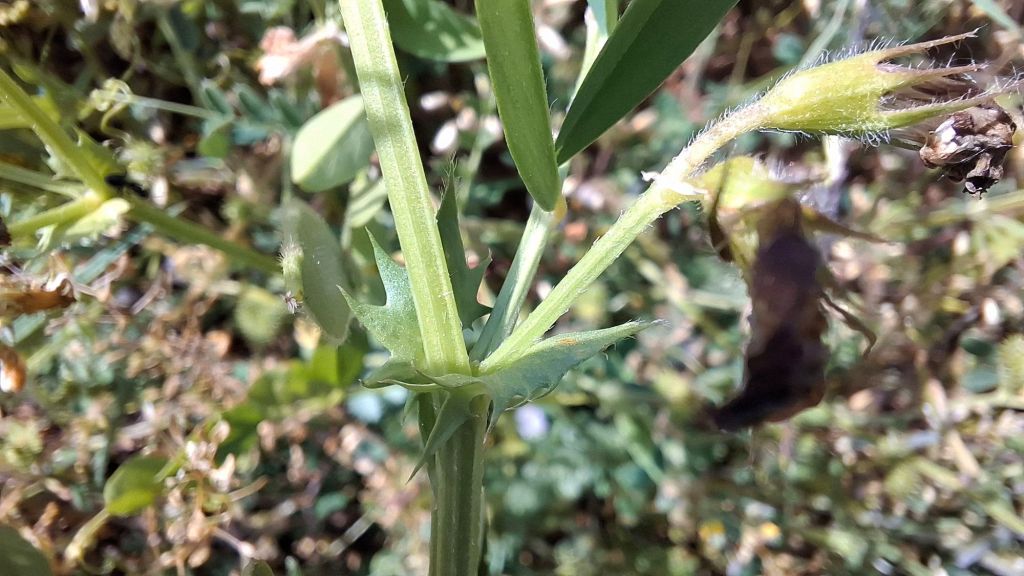
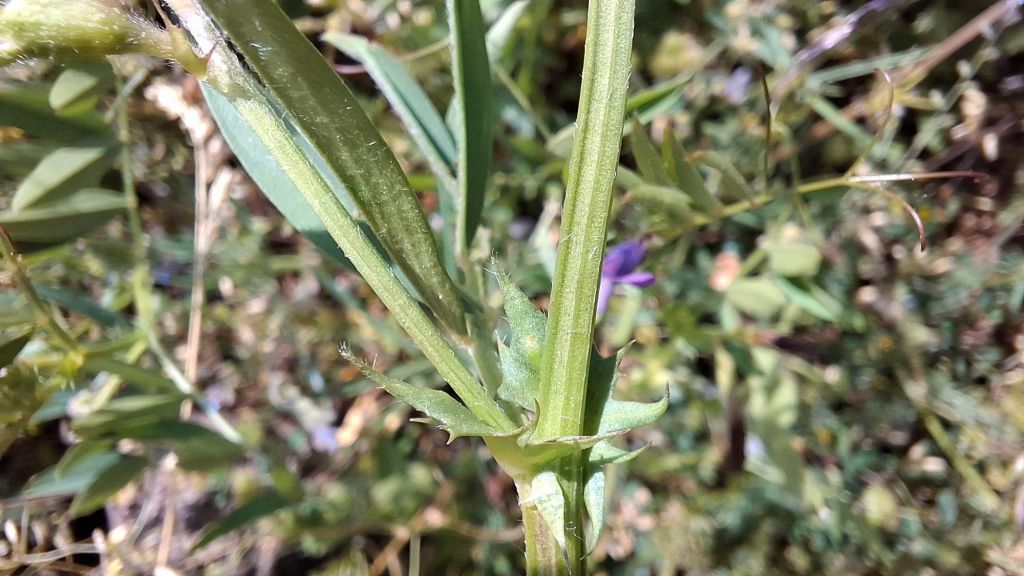
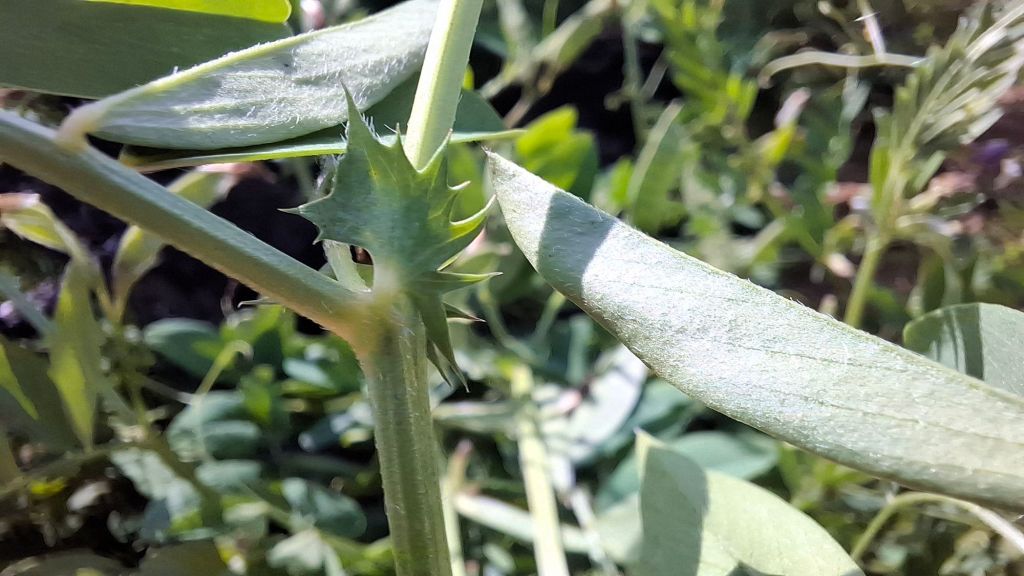
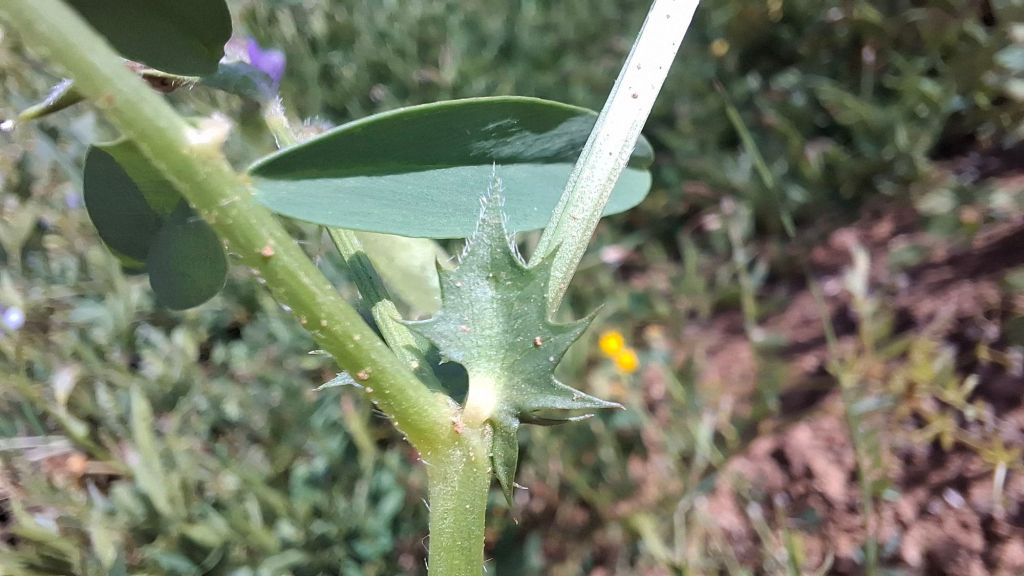
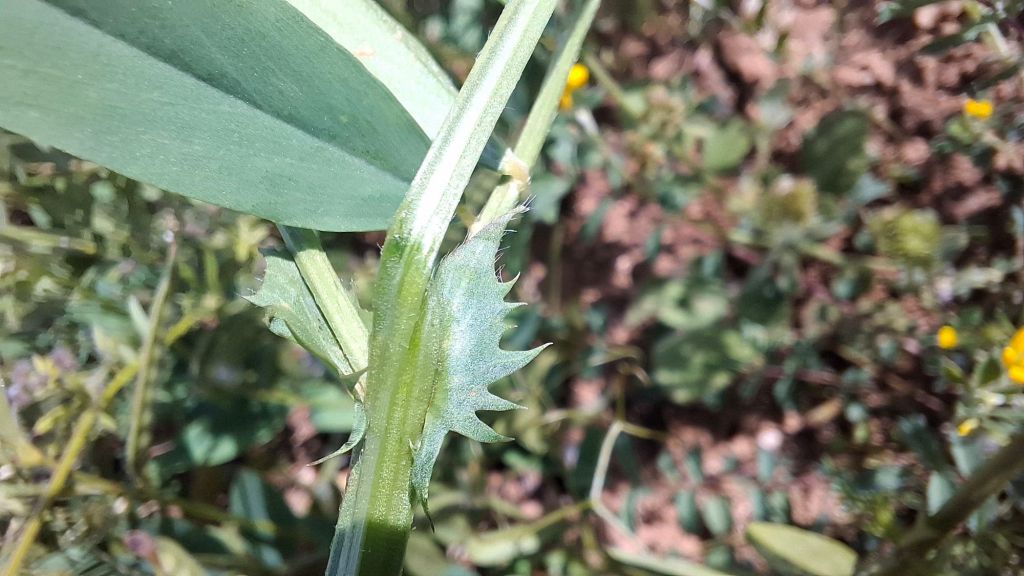
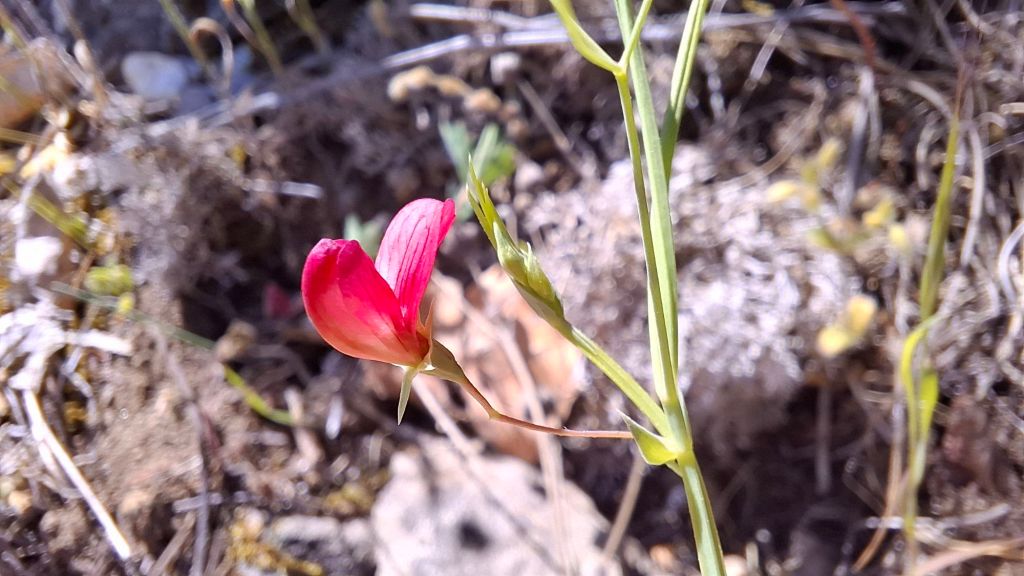
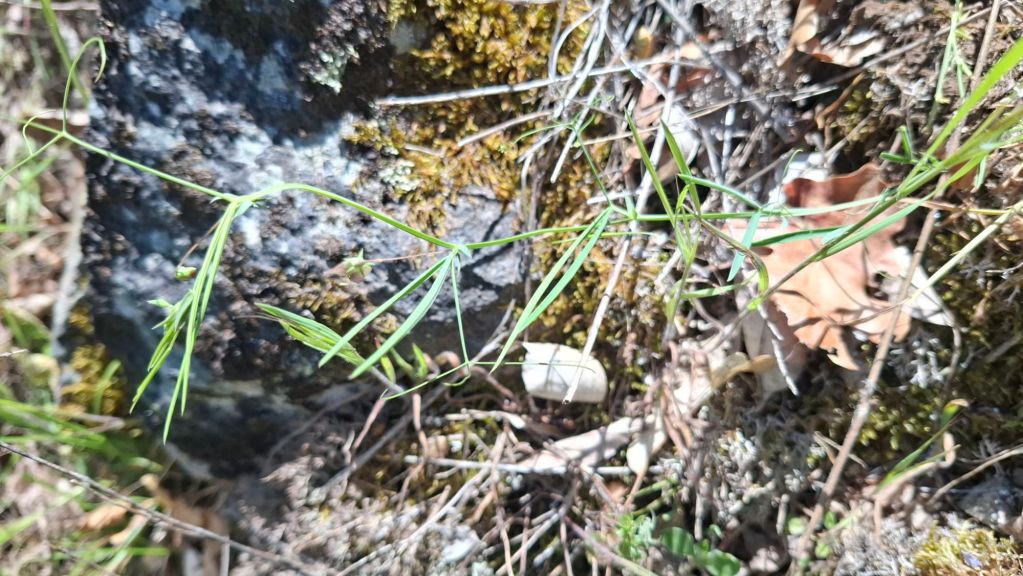
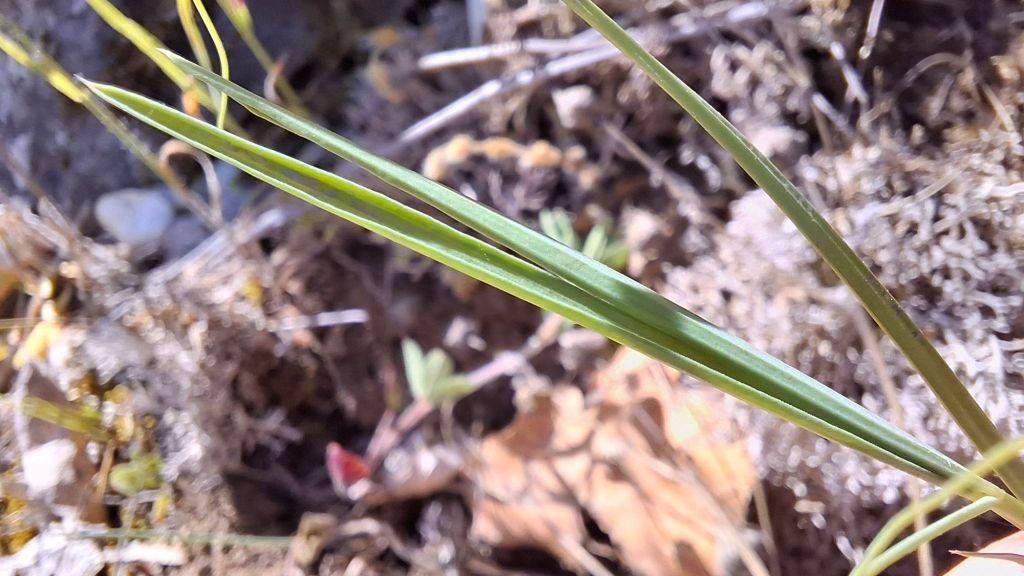
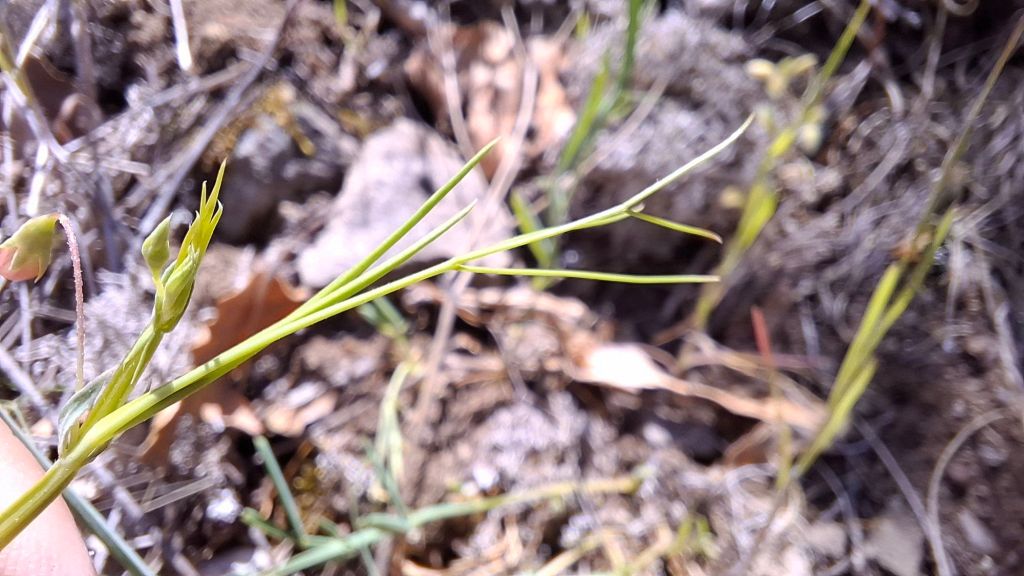
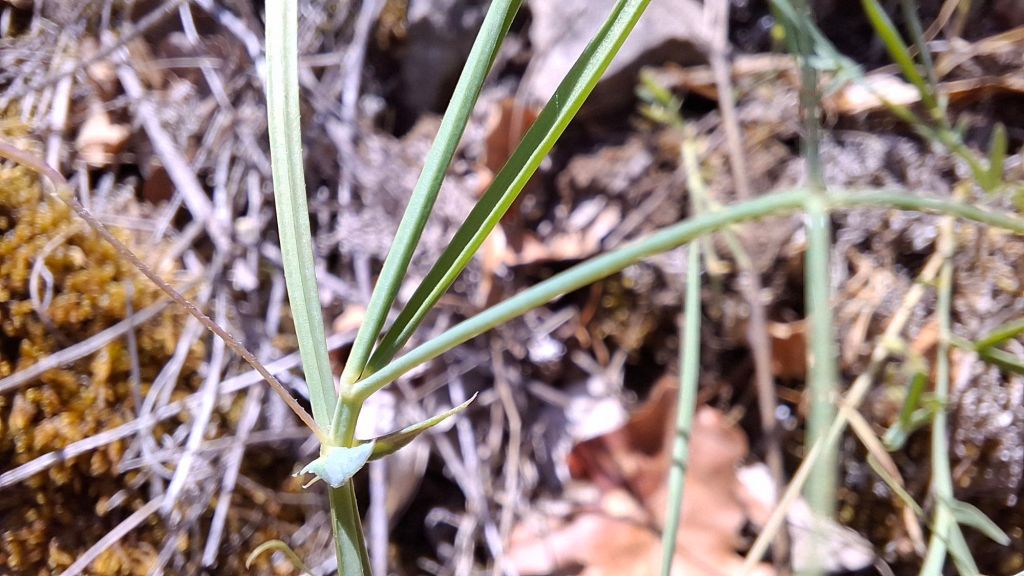
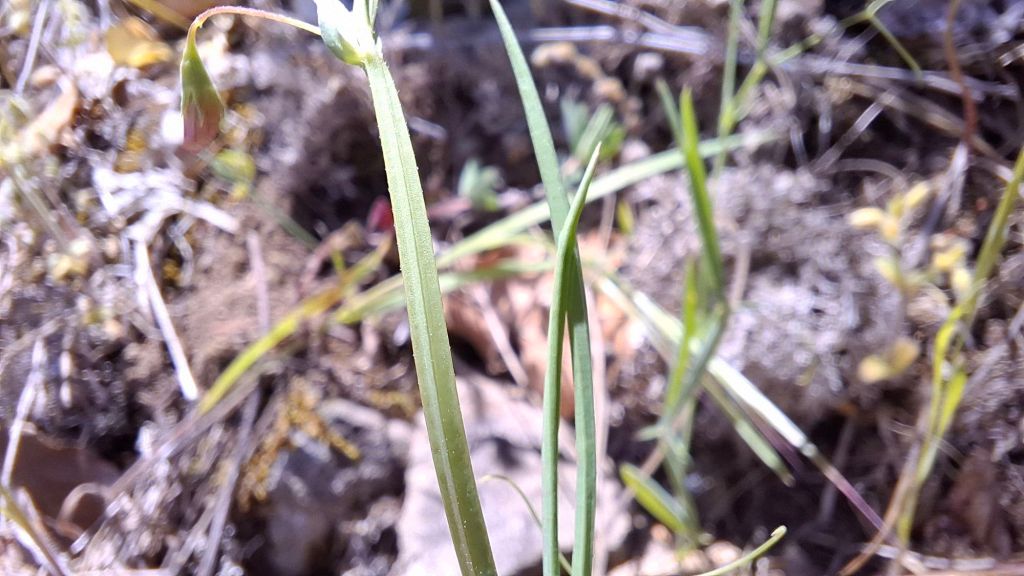
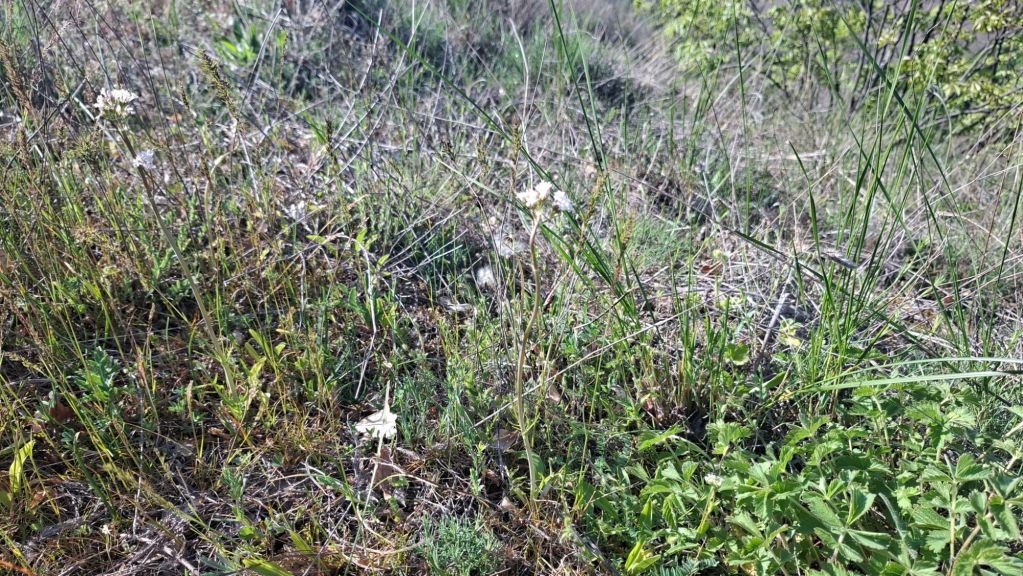
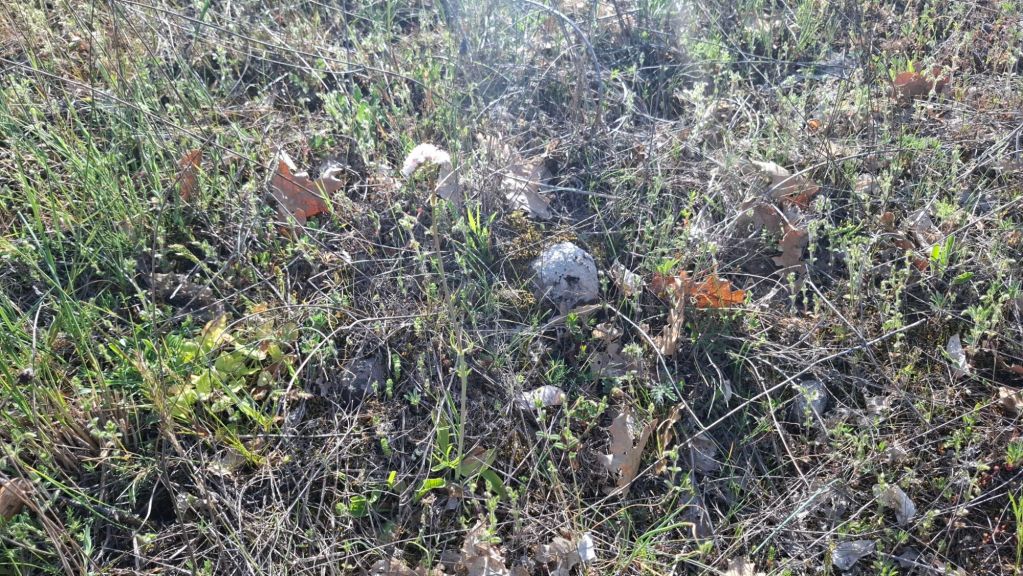
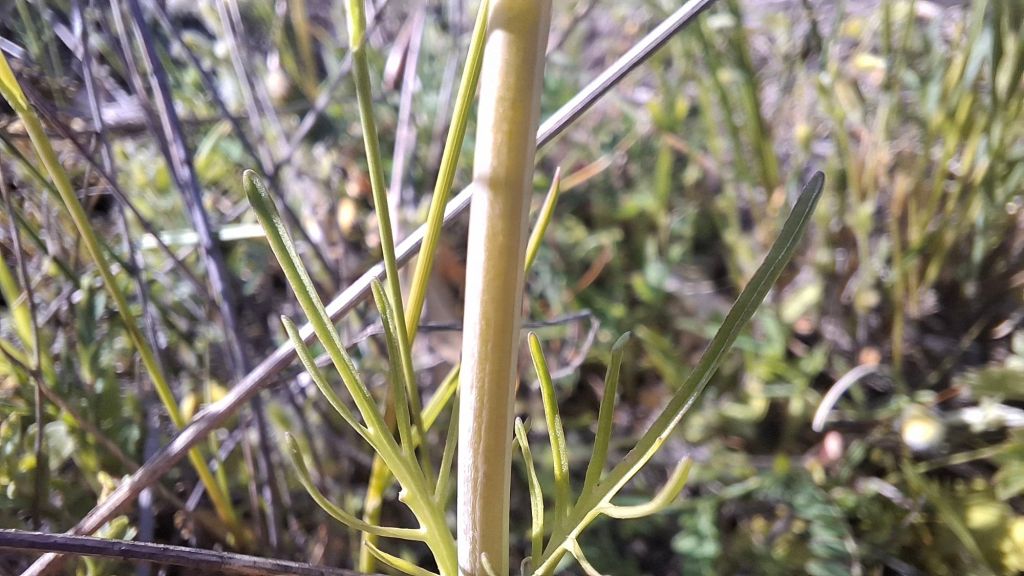
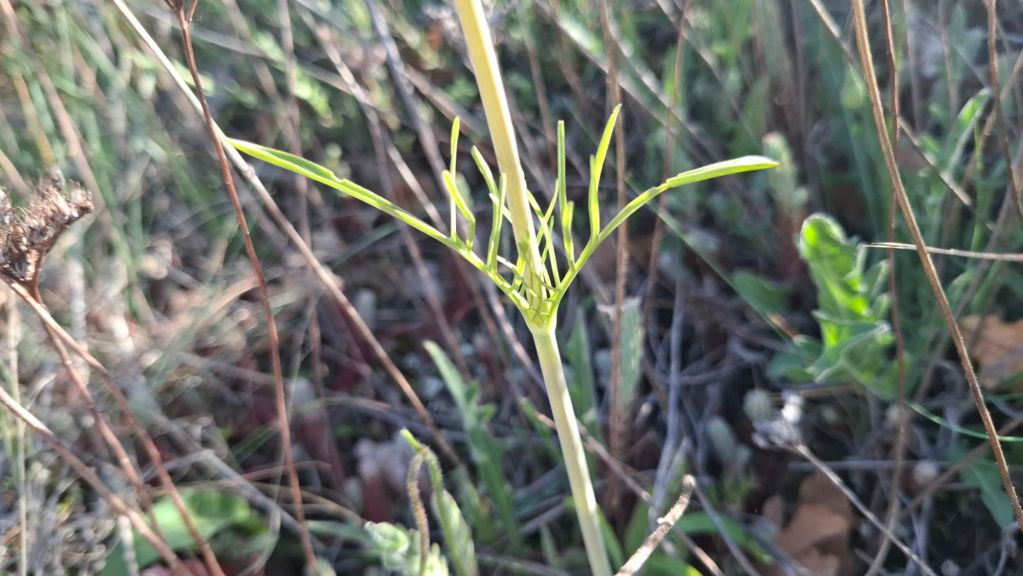
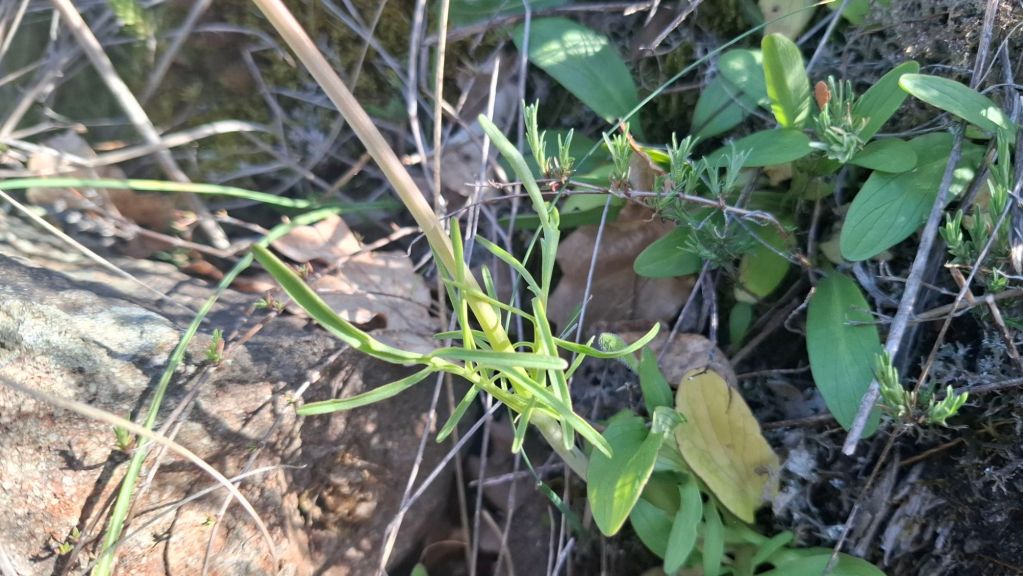
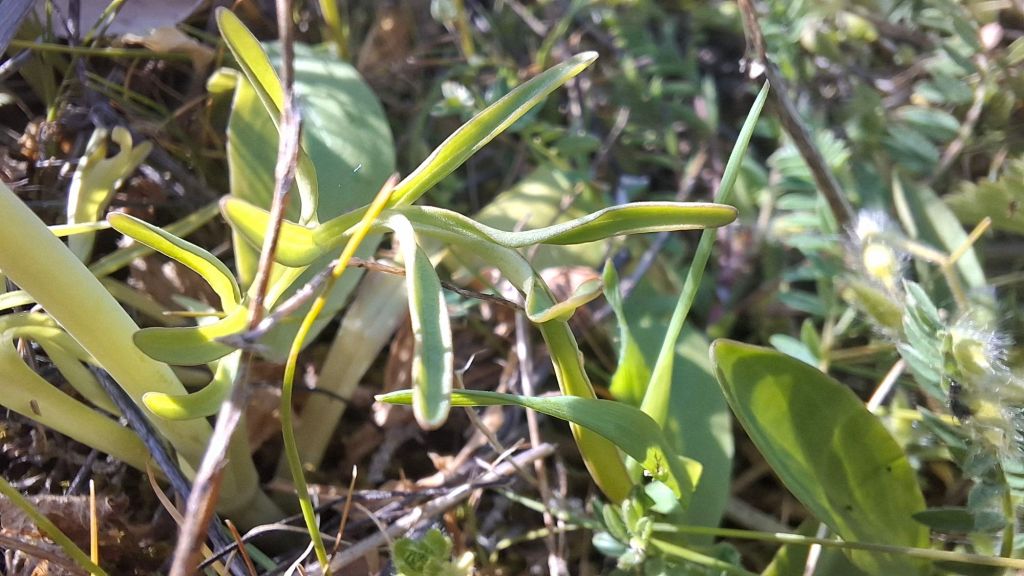
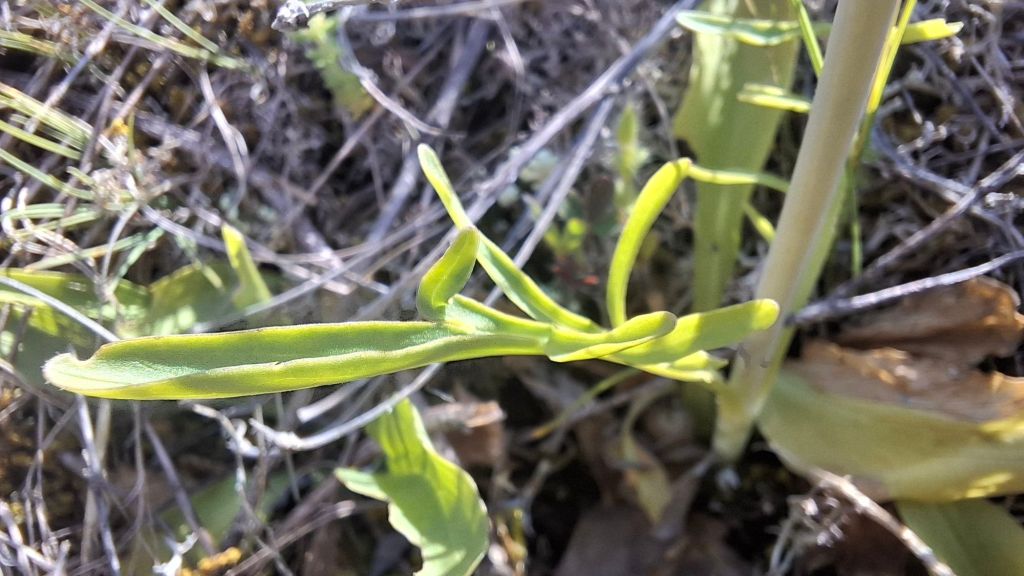
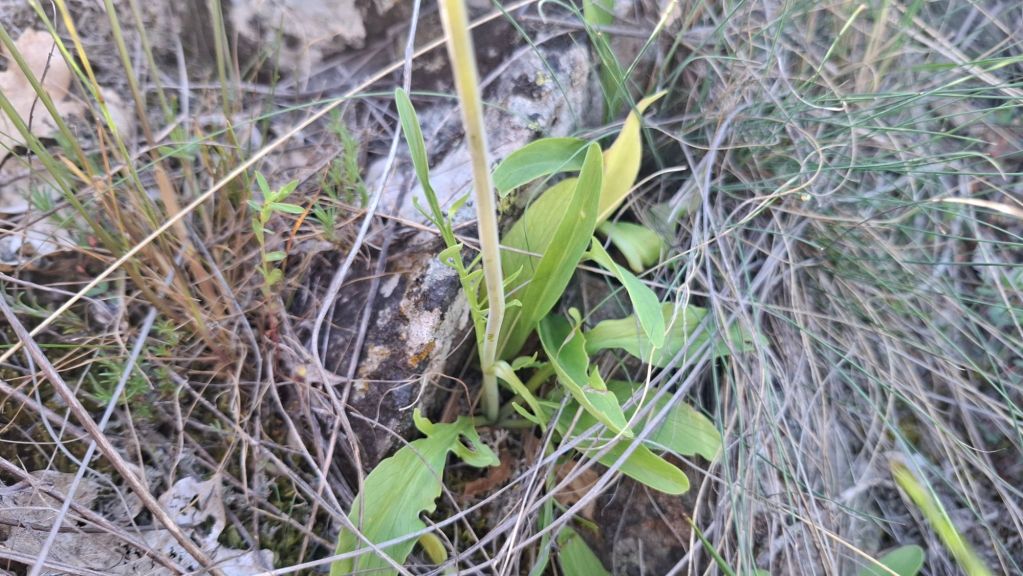
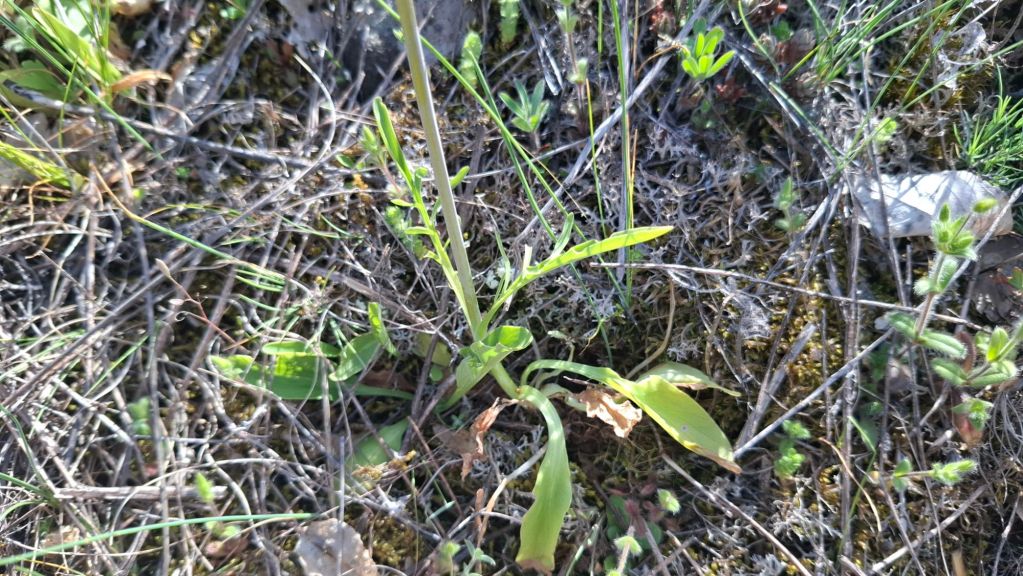
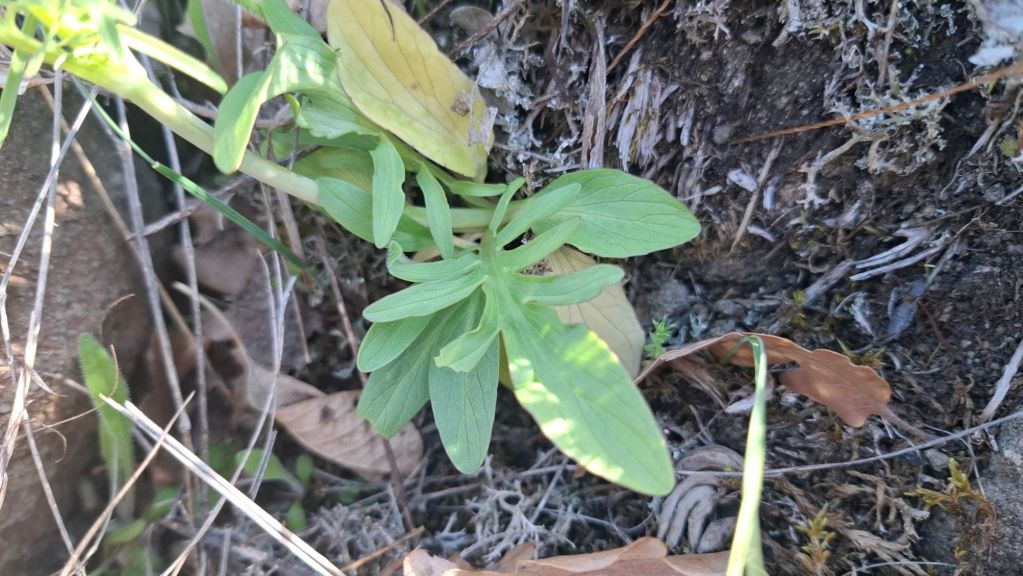
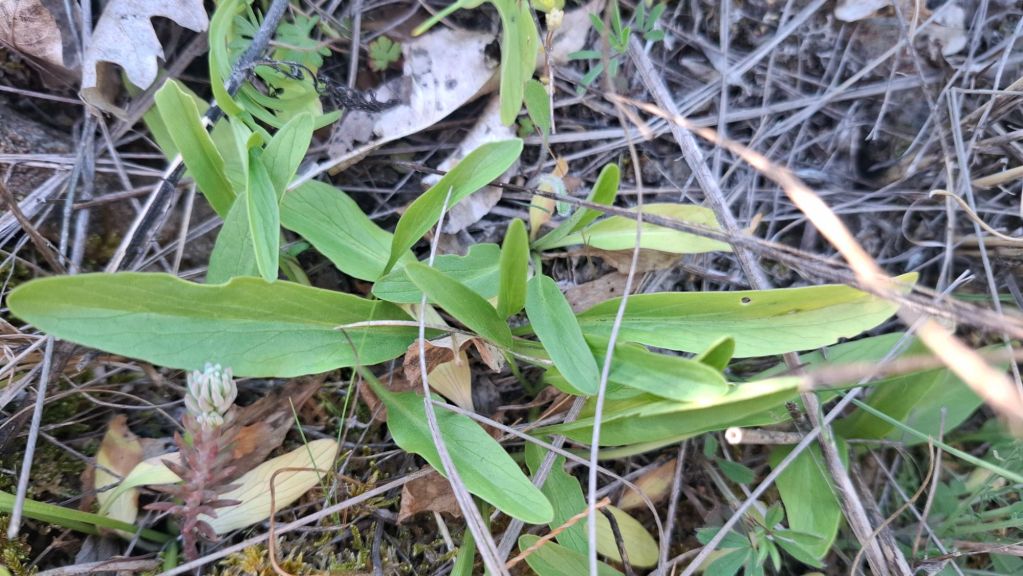
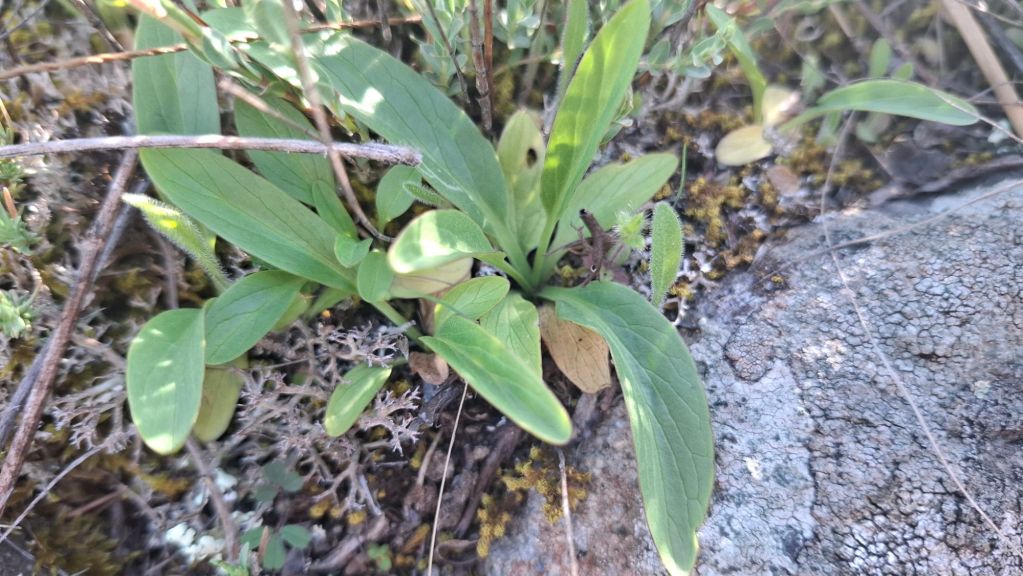
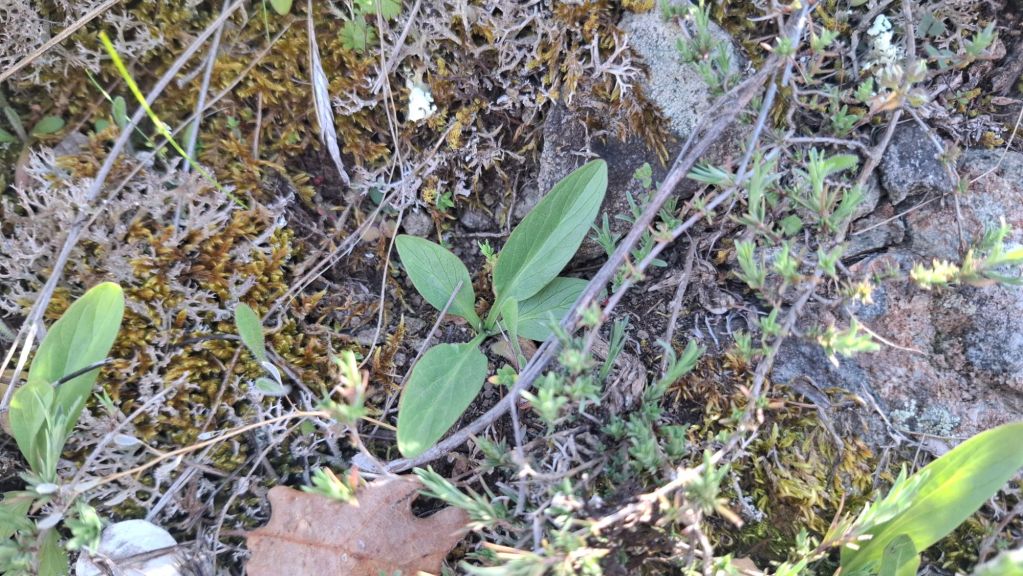
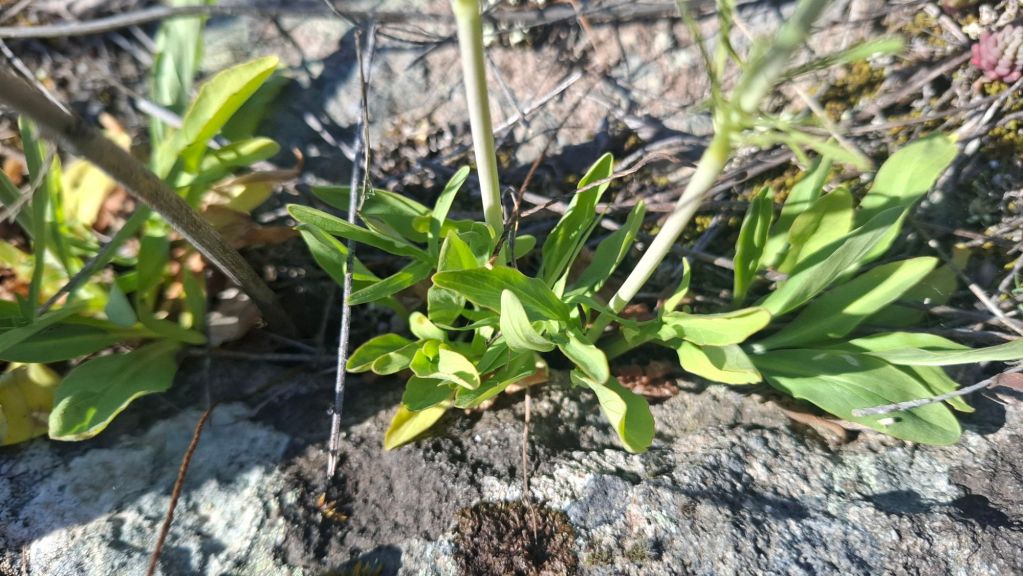
Vicia bithynica – habit. Hills between Kochani and Orizari, 10.05.2026. Photo by Trajche Dimitrovski.Vicia bithynica – habit. Hills between Kochani and Orizari, 10.05.2026. Photo by Trajche Dimitrovski.Vicia bithynica – habit. Hills between Kochani and Orizari, 10.05.2026. Photo by Trajche Dimitrovski.Vicia bithynica – habit. Hills between Kochani and Orizari, 10.05.2026. Photo by Trajche Dimitrovski.Vicia bithynica – flowering stems. Hills between Kochani and Orizari, 10.05.2026. Photo by Trajche Dimitrovski.Vicia bithynica – flowering stems. Hills between Kochani and Orizari, 10.05.2026. Photo by Trajche Dimitrovski.Vicia bithynica – flowers. Hills between Kochani and Orizari, 10.05.2026. Photo by Trajche Dimitrovski.Vicia bithynica – flowers. Hills between Kochani and Orizari, 10.05.2026. Photo by Trajche Dimitrovski.Vicia bithynica – flowers. Hills between Kochani and Orizari, 10.05.2026. Photo by Trajche Dimitrovski.Vicia bithynica – flowers. Hills between Kochani and Orizari, 10.05.2026. Photo by Trajche Dimitrovski.Vicia bithynica – flowers. Hills between Kochani and Orizari, 10.05.2026. Photo by Trajche Dimitrovski.Vicia bithynica – flowers. Hills between Kochani and Orizari, 10.05.2026. Photo by Trajche Dimitrovski.Vicia bithynica – spent flower and stipules. Hills between Kochani and Orizari, 10.05.2026. Photo by Trajche Dimitrovski.Vicia bithynica – developing pod. Hills between Kochani and Orizari, 10.05.2026. Photo by Trajche Dimitrovski.Vicia bithynica – developing pod. Hills between Kochani and Orizari, 10.05.2026. Photo by Trajche Dimitrovski.Vicia bithynica – developing pod. Hills between Kochani and Orizari, 10.05.2026. Photo by Trajche Dimitrovski.Vicia bithynica – leaf. Hills between Kochani and Orizari, 10.05.2026. Photo by Trajche Dimitrovski.Vicia bithynica – stem and leaf. Hills between Kochani and Orizari, 10.05.2026. Photo by Trajche Dimitrovski.Vicia bithynica – stem with leaves. Hills between Kochani and Orizari, 10.05.2026. Photo by Trajche Dimitrovski.Vicia bithynica – stem with leaves. Hills between Kochani and Orizari, 10.05.2026. Photo by Trajche Dimitrovski.Vicia bithynica – leaflets. Hills between Kochani and Orizari, 10.05.2026. Photo by Trajche Dimitrovski.Vicia bithynica – abaxial side of leaflets. Hills between Kochani and Orizari, 10.05.2026. Photo by Trajche Dimitrovski.Vicia bithynica – abaxial side of leaflets. Hills between Kochani and Orizari, 10.05.2026. Photo by Trajche Dimitrovski.Vicia bithynica – tendrill. Hills between Kochani and Orizari, 10.05.2026. Photo by Trajche Dimitrovski.Vicia bithynica – stem and stipules. Hills between Kochani and Orizari, 10.05.2026. Photo by Trajche Dimitrovski.Vicia bithynica – stem and stipules. Hills between Kochani and Orizari, 10.05.2026. Photo by Trajche Dimitrovski.Vicia bithynica – stem and stipules. Hills between Kochani and Orizari, 10.05.2026. Photo by Trajche Dimitrovski.Vicia bithynica – stem and stipules. Hills between Kochani and Orizari, 10.05.2026. Photo by Trajche Dimitrovski.Vicia bithynica – stem and stipules. Hills between Kochani and Orizari, 10.05.2026. Photo by Trajche Dimitrovski.Vicia bithynica – stem. Hills between Kochani and Orizari, 10.05.2026. Photo by Trajche Dimitrovski.
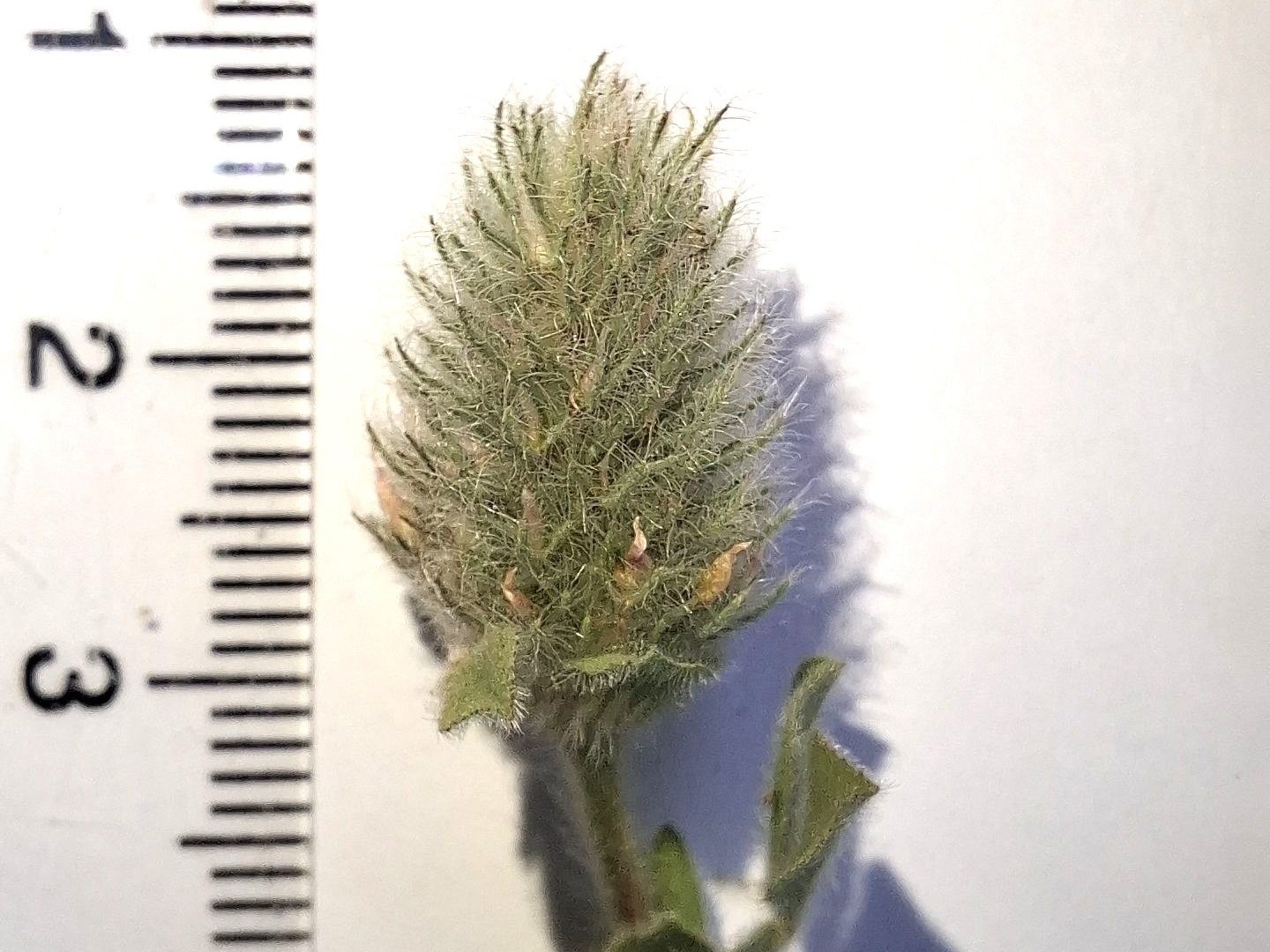
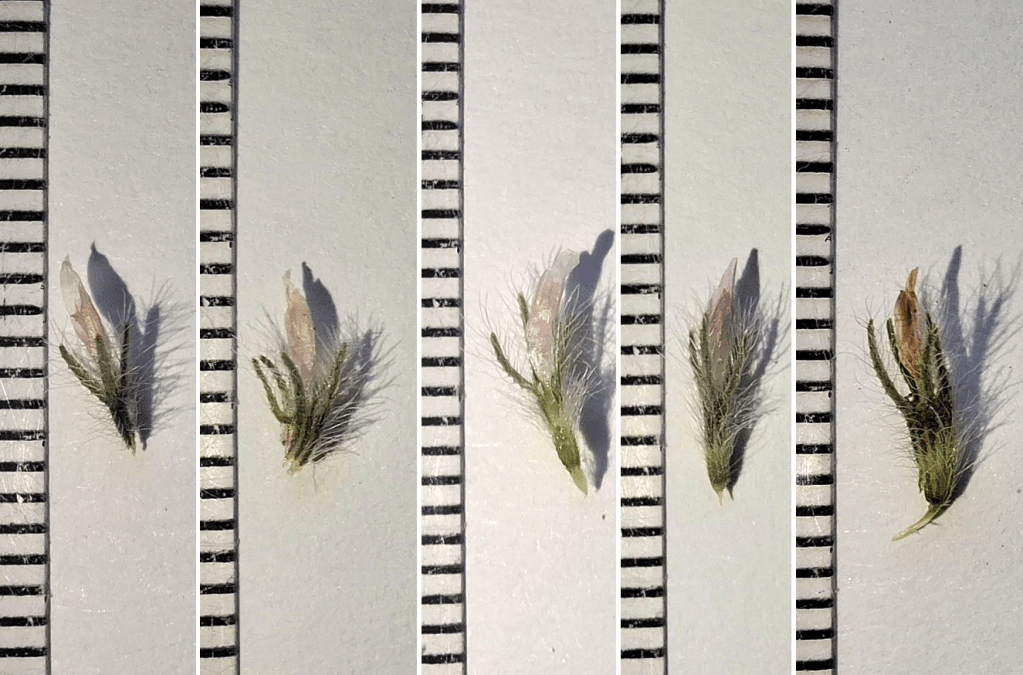
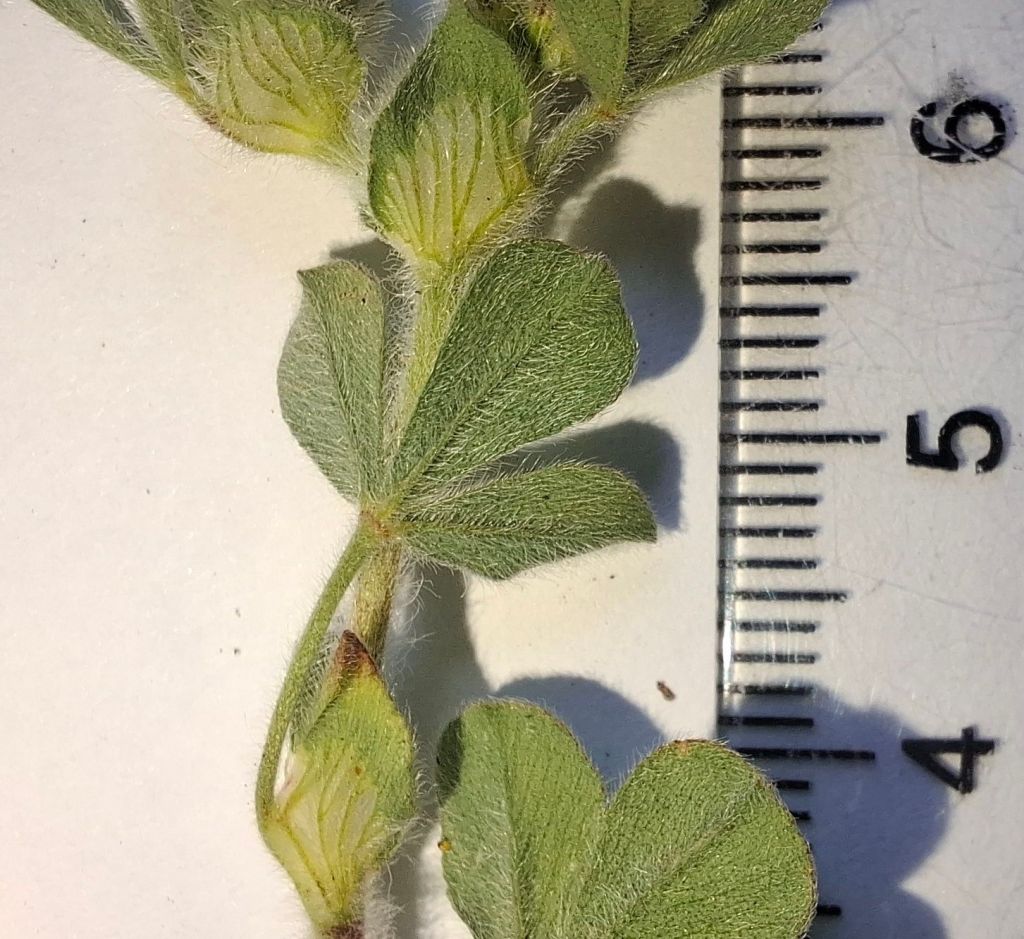
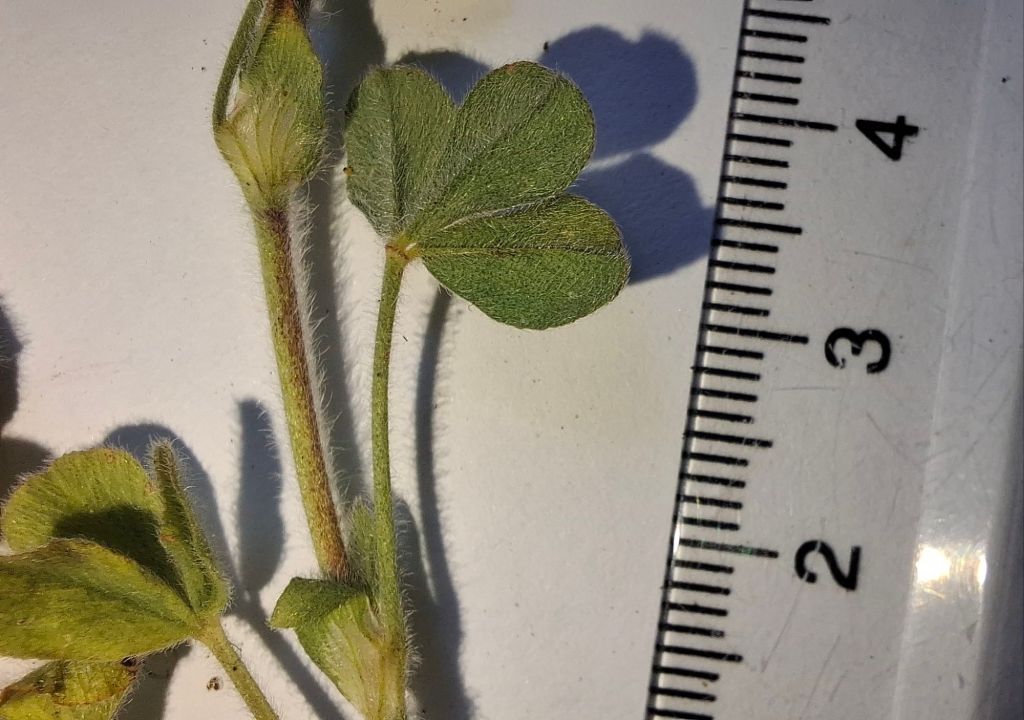
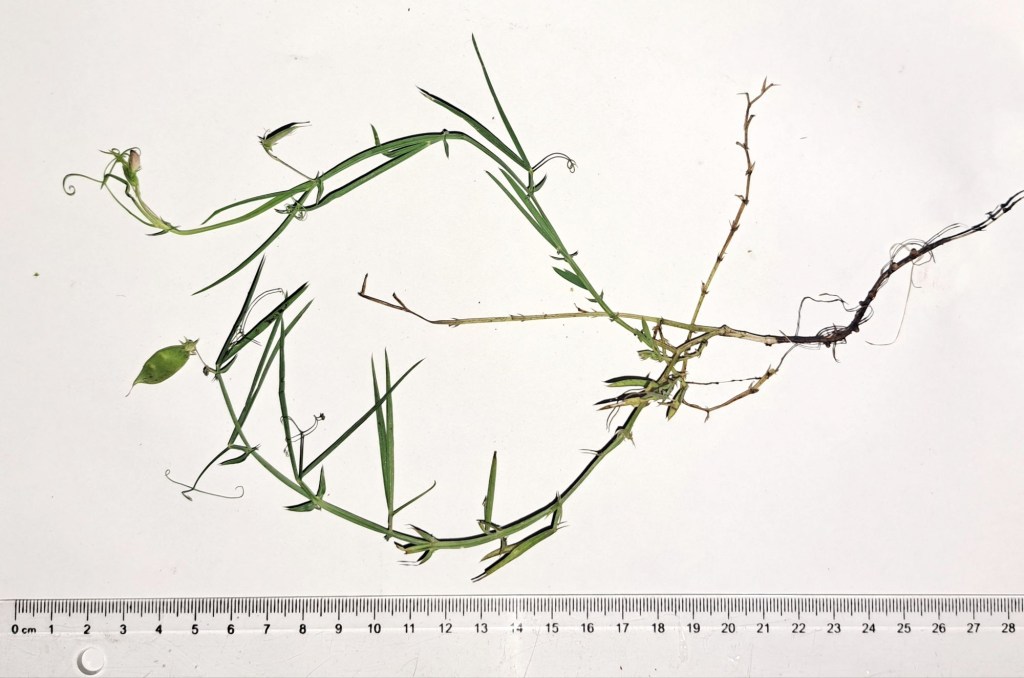
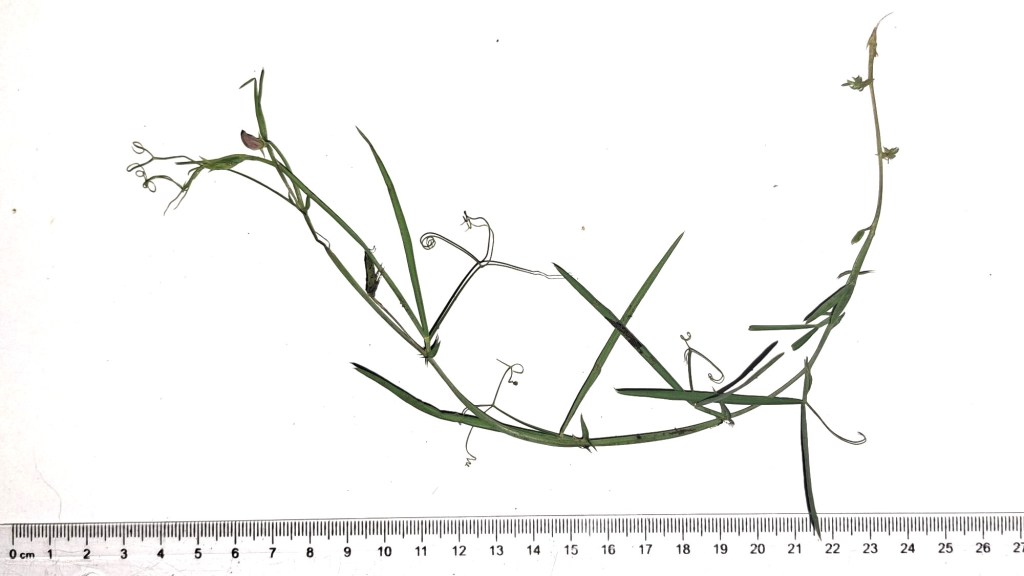
Scaled images. Specimens from the hilly region between Kochani and Orizari. Date: 10.05.2026.
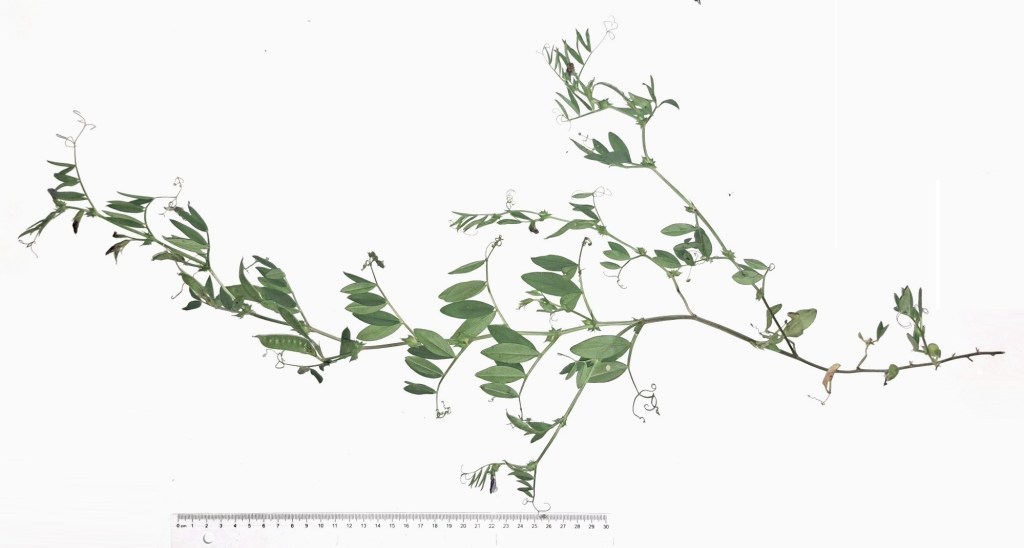
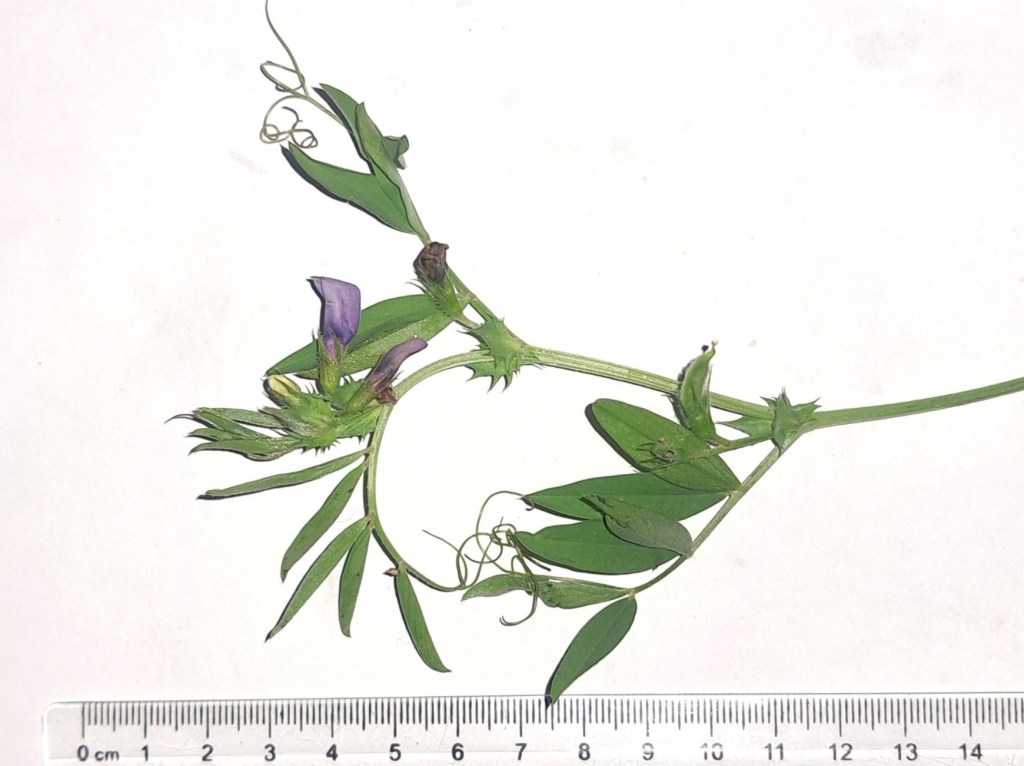
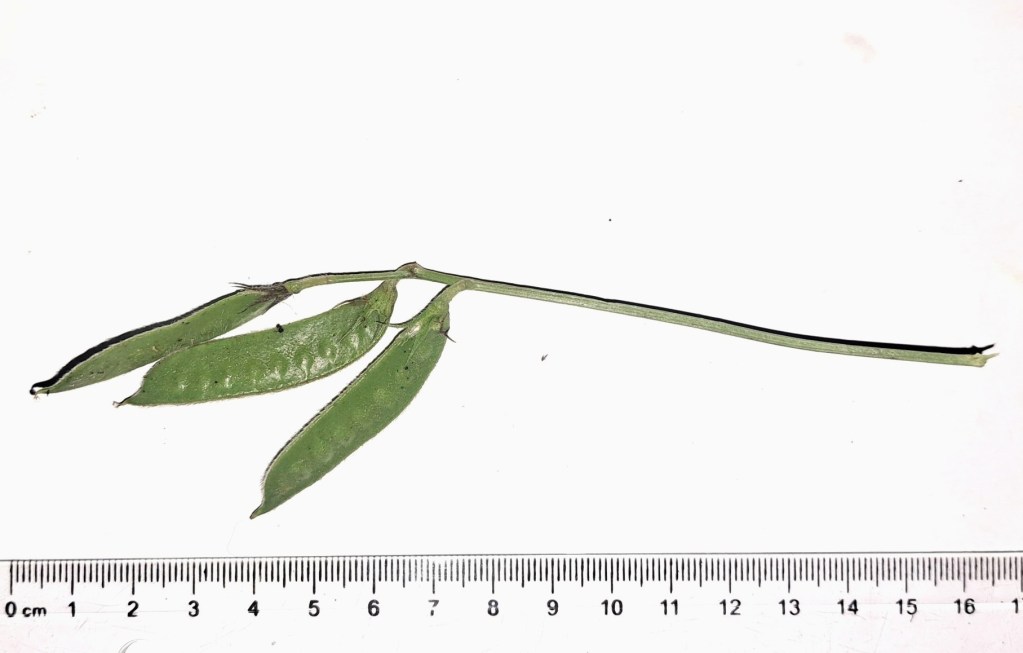
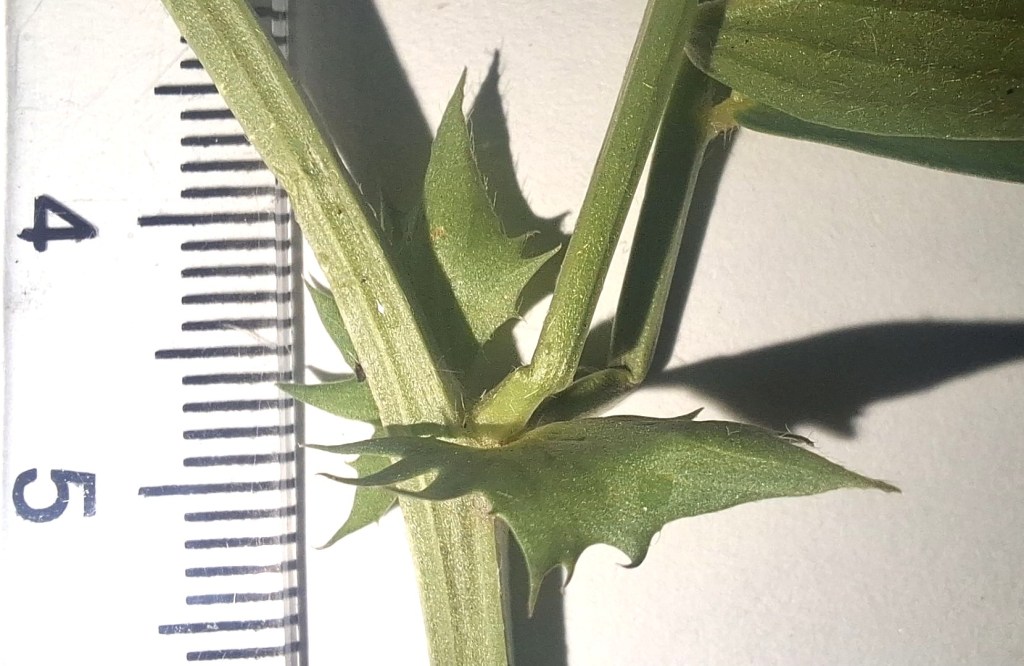
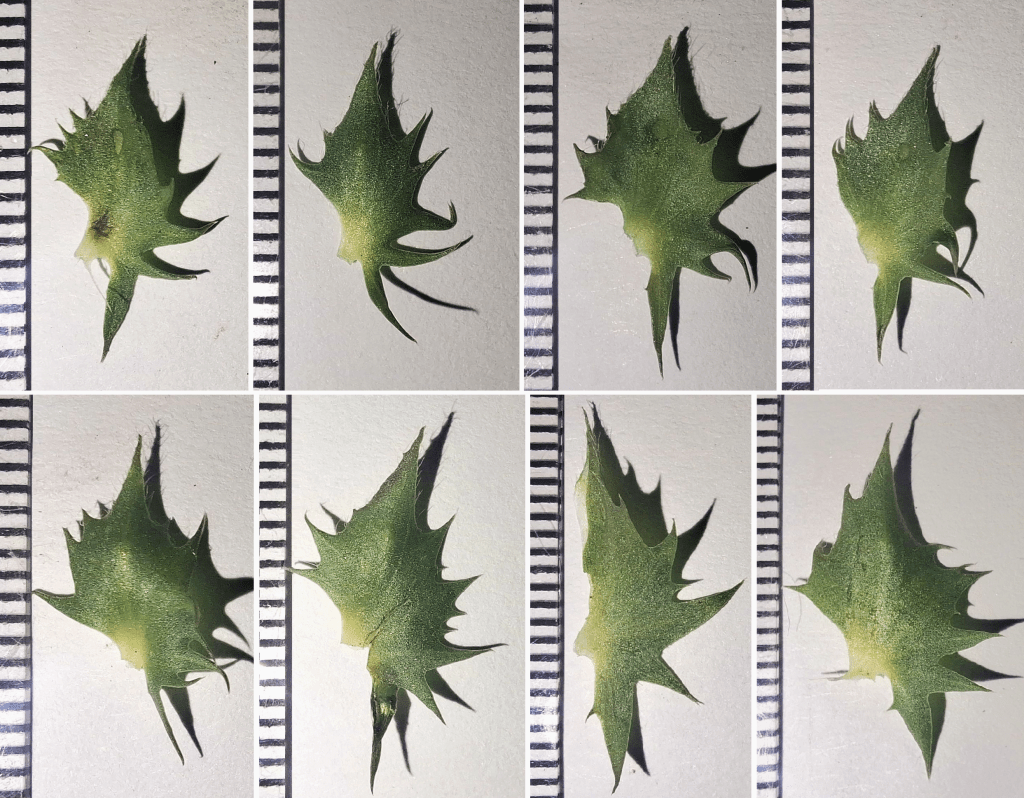
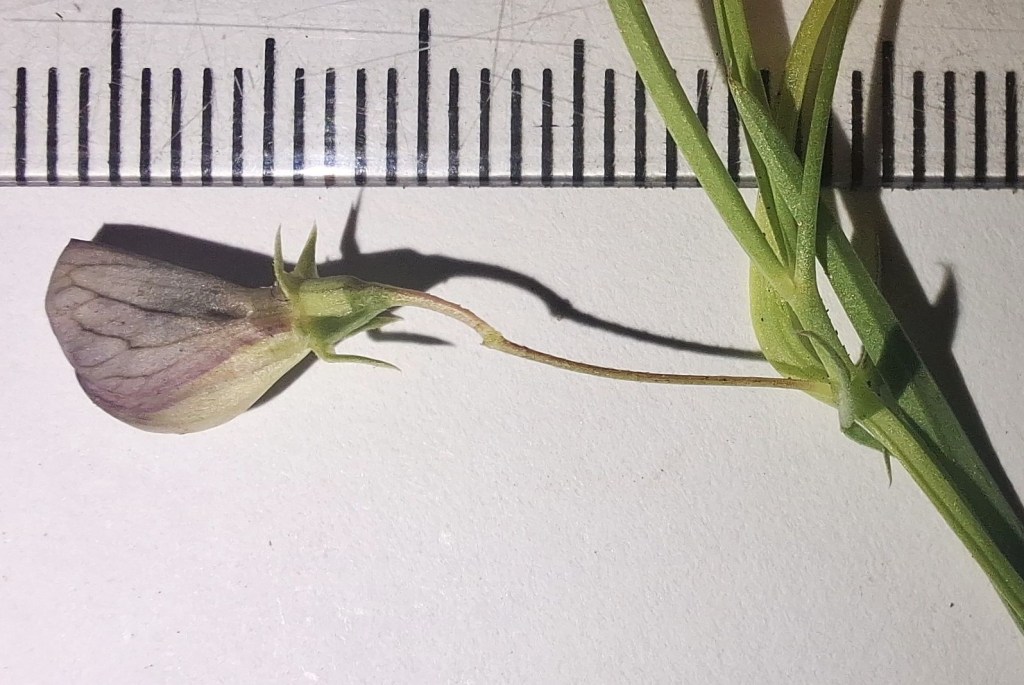
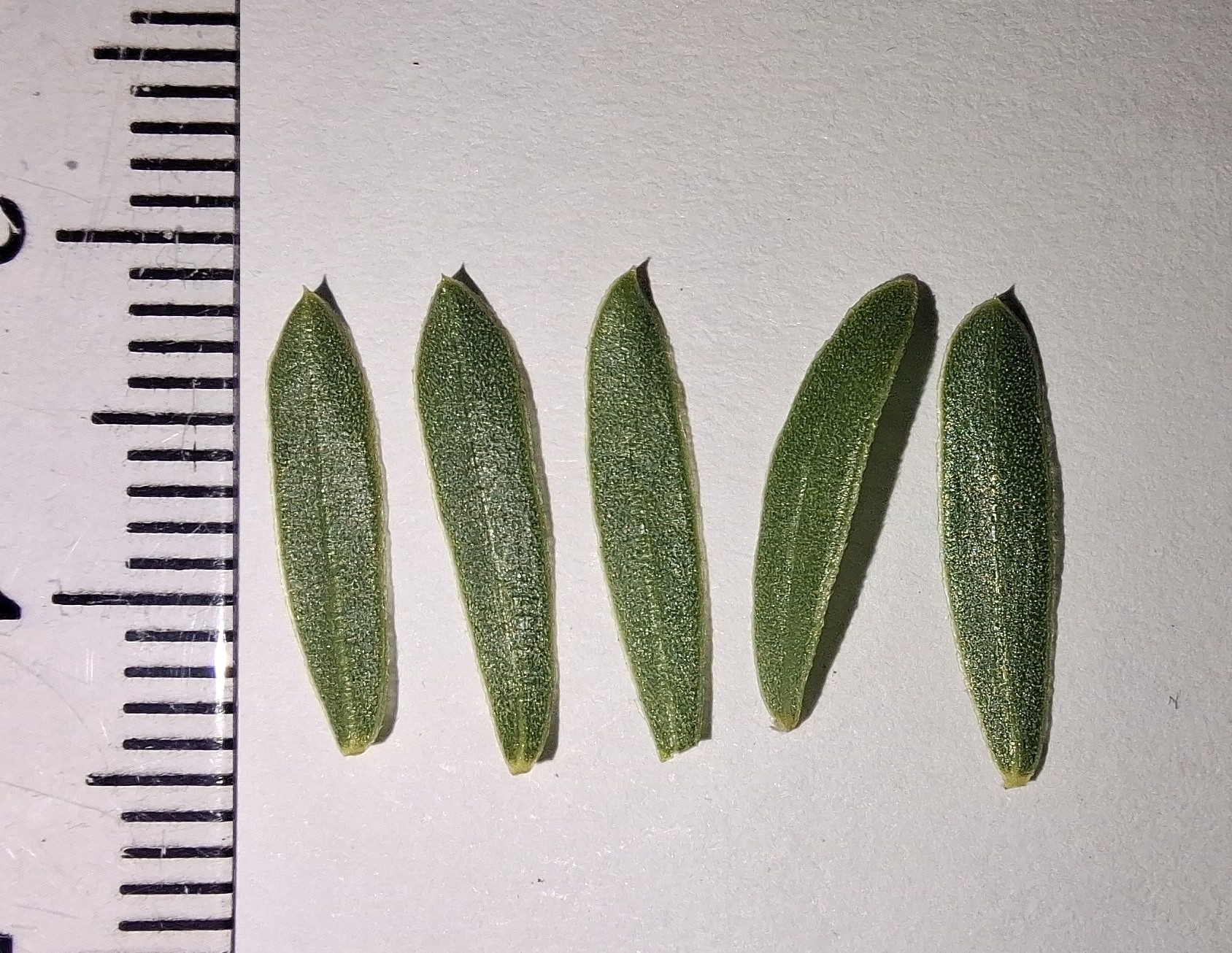
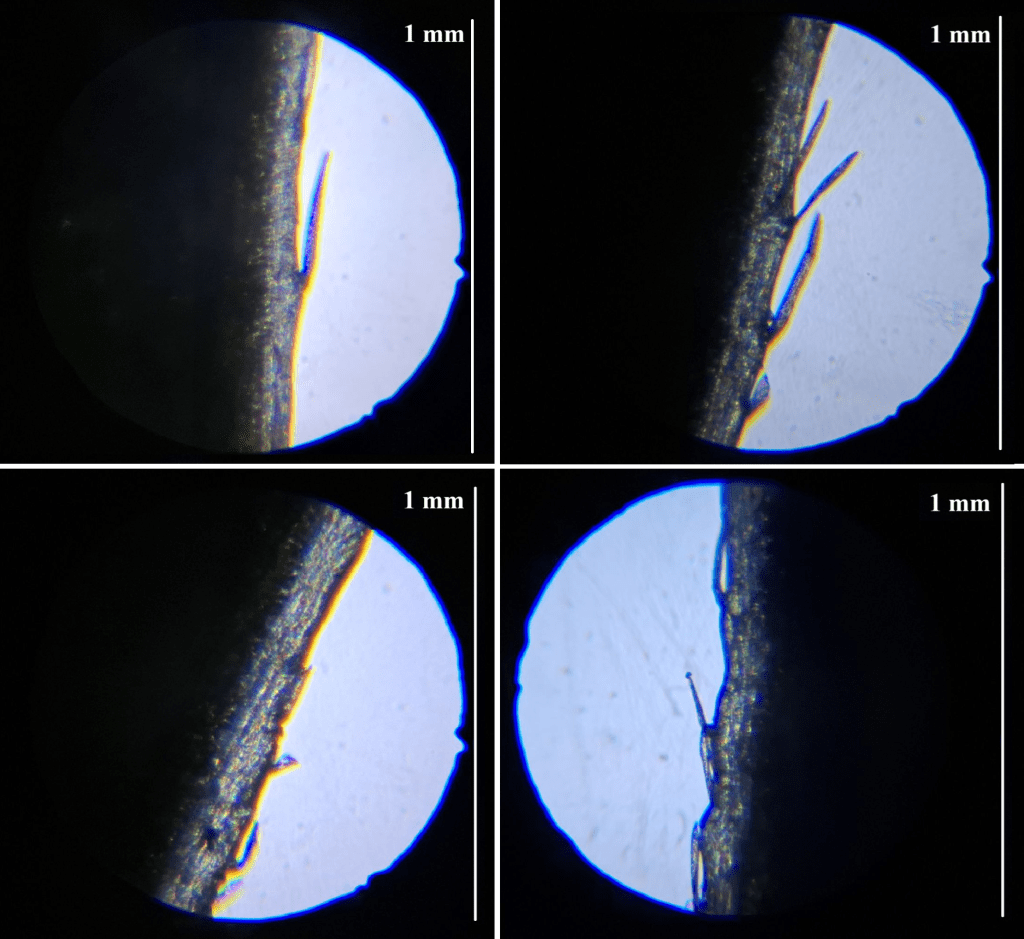
Vicia bithynica – habit. Scale in cm. Specimen from the hilly region between Kochani and Orizari, 10.05.2026. Photo by Trajche Dimitrovski.Vicia bithynica – habit. Scale in cm. Specimen from the hilly region between Kochani and Orizari, 10.05.2026. Photo by Trajche Dimitrovski.Vicia bithynica – habit. Scale in cm. Specimen from the hilly region between Kochani and Orizari, 10.05.2026. Photo by Trajche Dimitrovski.Vicia bithynica – habit. Scale in cm. Specimen from the hilly region between Kochani and Orizari, 10.05.2026. Photo by Trajche Dimitrovski.Vicia bithynica – habit. Scale in cm. Specimen from the hilly region between Kochani and Orizari, 10.05.2026. Photo by Trajche Dimitrovski.Vicia bithynica – habit. Scale in cm. Specimen from the hilly region between Kochani and Orizari, 10.05.2026. Photo by Trajche Dimitrovski.Vicia bithynica – flowering stem. Scale in cm. Photo by Trajche Dimitrovski.Vicia bithynica – flowering stem. Scale in cm. Photo by Trajche Dimitrovski.Vicia bithynica – flowers. Scale in mm. Photo by Trajche Dimitrovski.Vicia bithynica – pods. Scale in cm. Photo by Trajche Dimitrovski.Vicia bithynica – leaves. Scale in cm. Photo by Trajche Dimitrovski.Vicia bithynica – stem and stipules. Scale in cm. Photo by Trajche Dimitrovski.Vicia bithynica – stipules. Scale in cm. Photo by Trajche Dimitrovski.
References:
Ball, P. W. 1968. Vicia L. In Tutin, T. G., Heywood, V. H., Burges, N. A., Moore, D. M., Valentine, D. H., Walters, S. M. & Webb, D. A. (eds.), Flora Europaea. Volume 2. Rosaceae to Umbelliferae. Cambridge: Cambridge University Press, pp. 129–136.
Micevski, K. 2001. Vicia L., The Flora of the Republic of Macedonia. Vol. I, Book 5. Skopje: Macedonian Academy of Sciences and Arts, pp. 1202–1231.
Determined according to the botanical keys provided by Micevski (2001) and Coombe (1968 in Tutin et al.).
Lifeform: Annual plant. Therophyte according to the Raunkiær system.
Distribution: Native from the Mediterranean region to Iraq according to the distribution information provided by the Plants of the World Online portal (Royal Botanic Gardens, Kew).
Habitat: Hill pastures and rocky terrains.
Flowering period: Spring (APR, MAY).
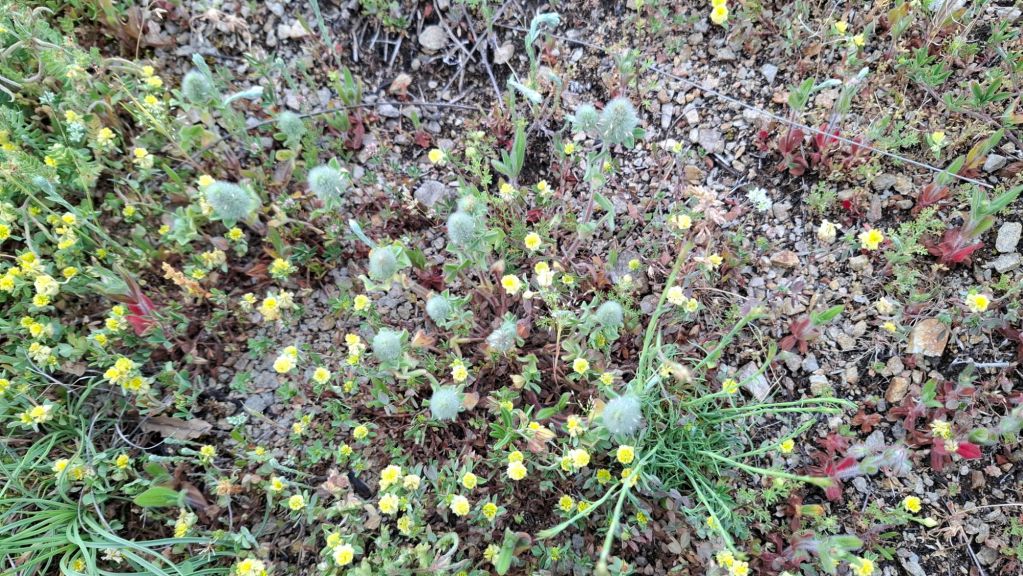
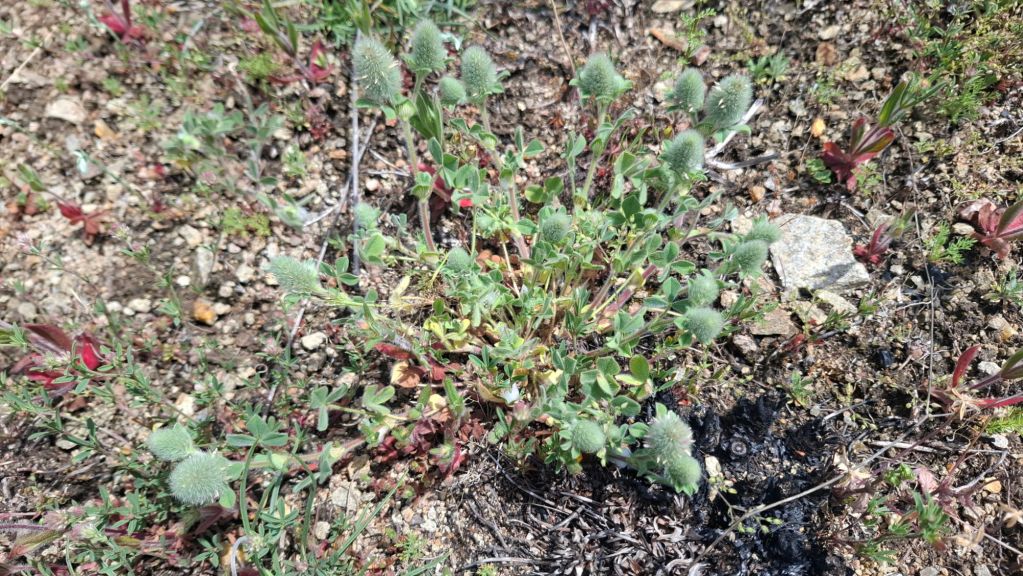
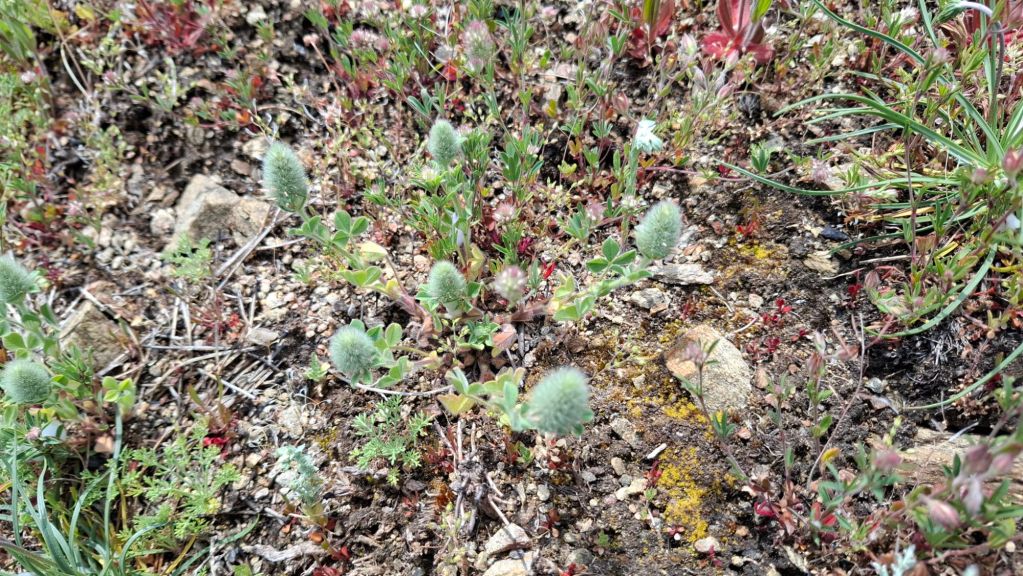
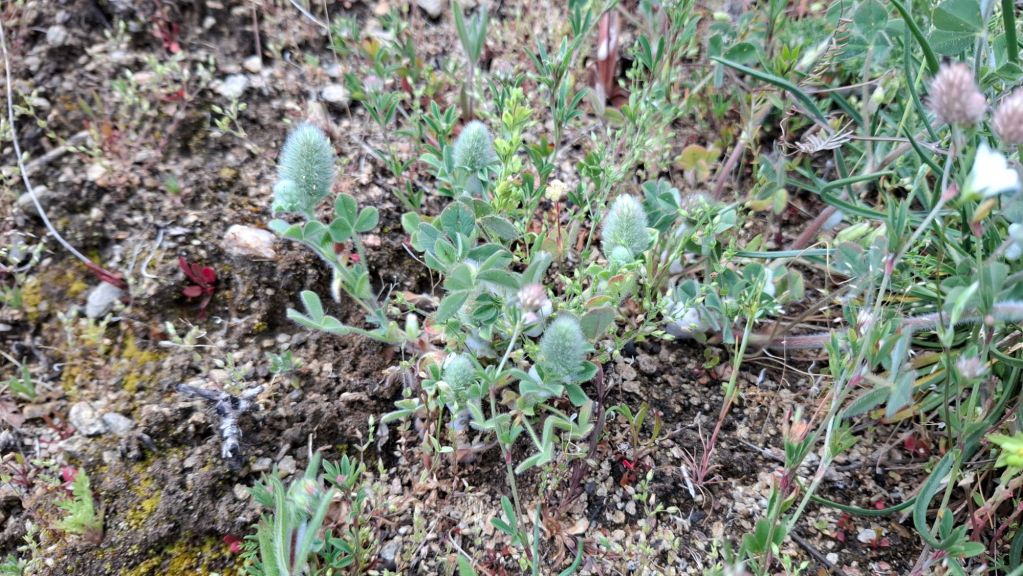
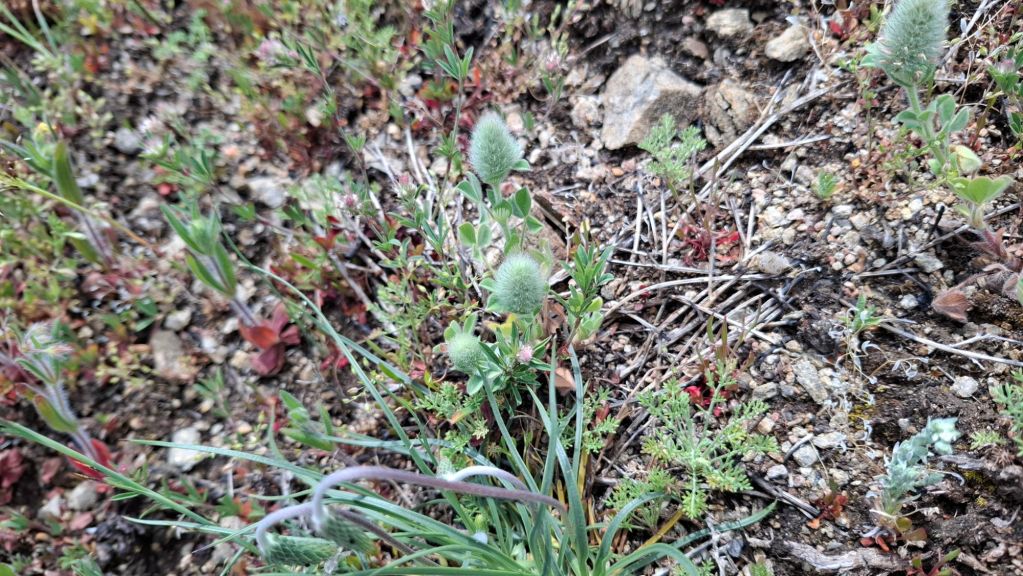
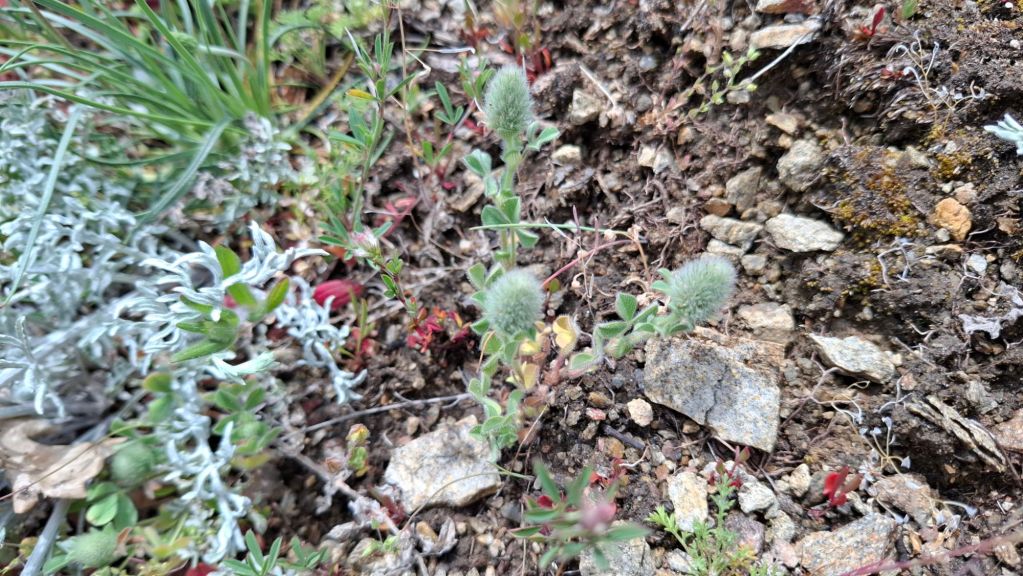
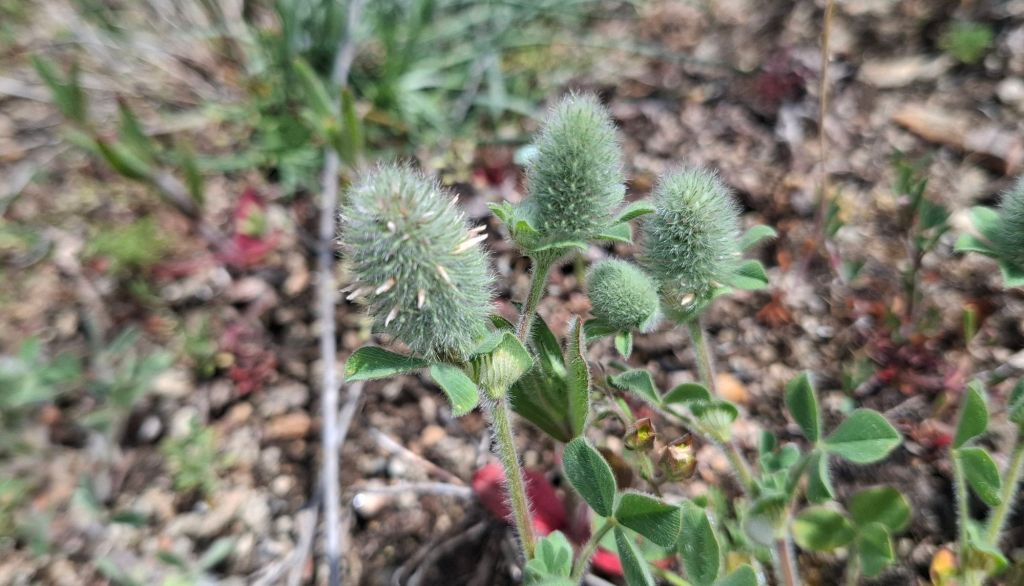
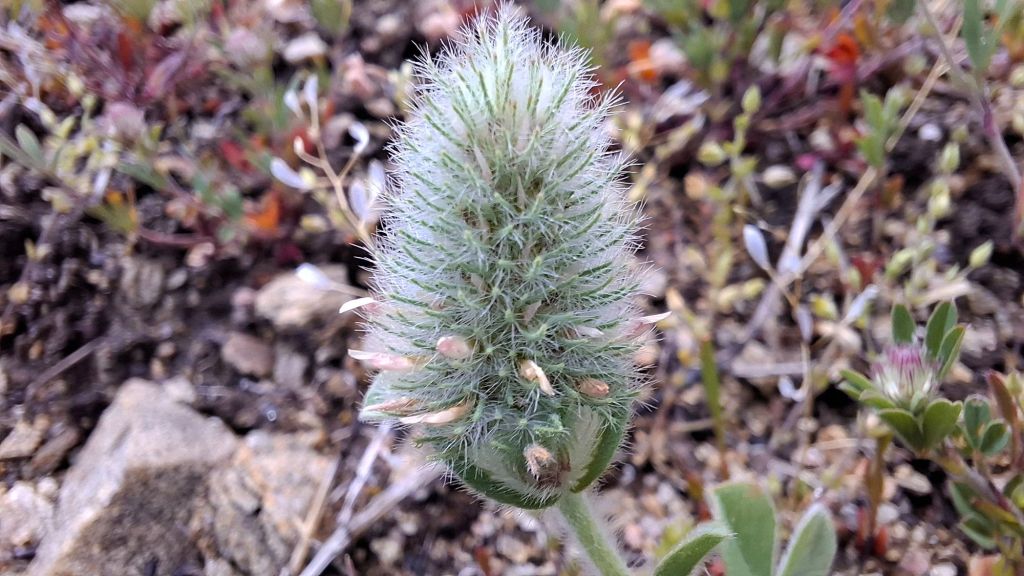
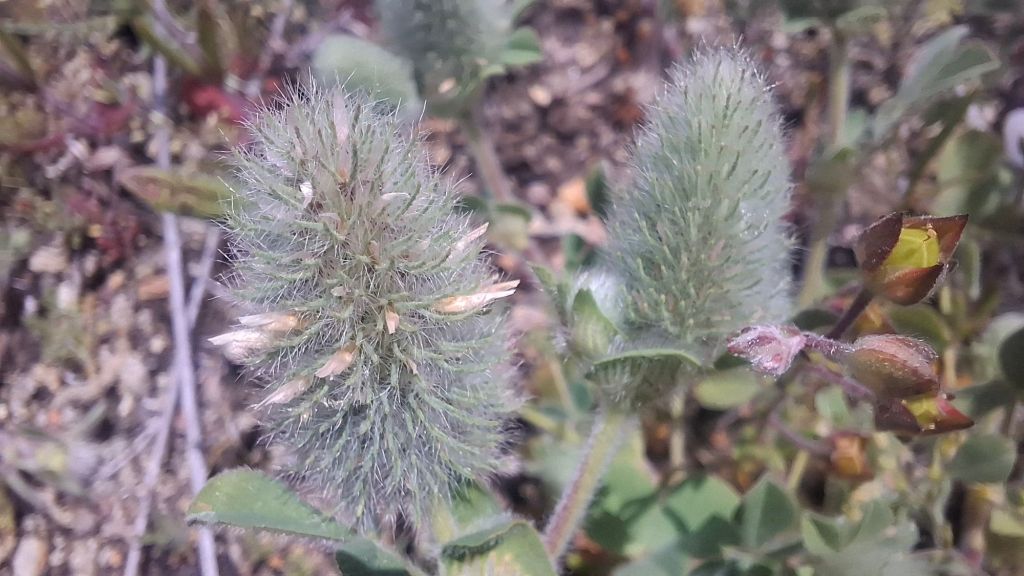
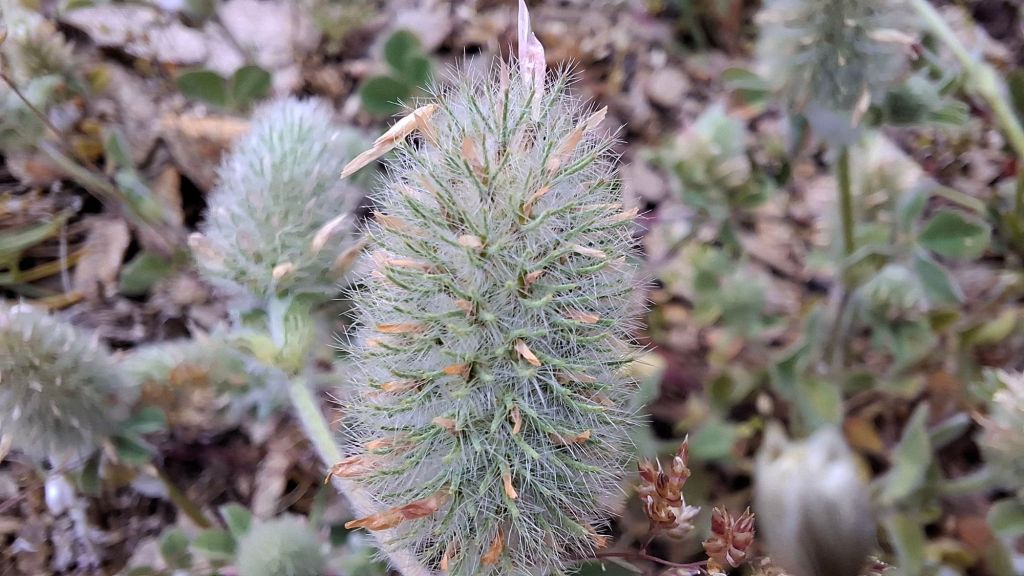
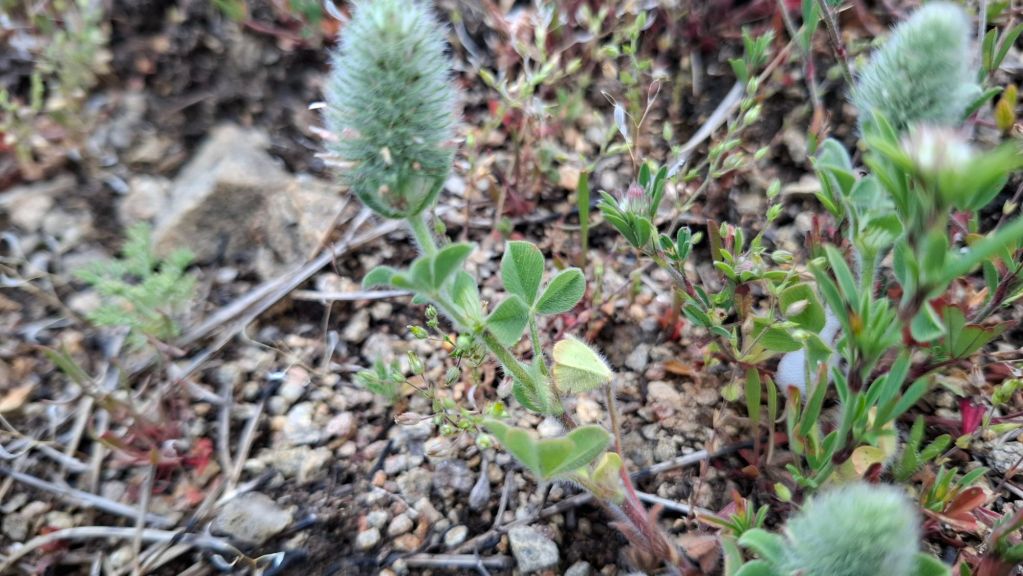
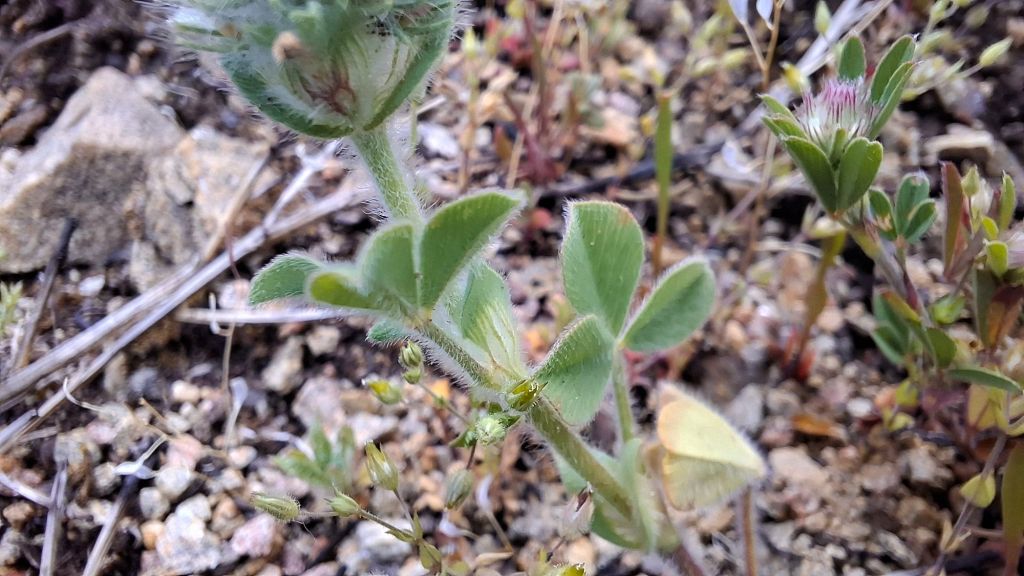
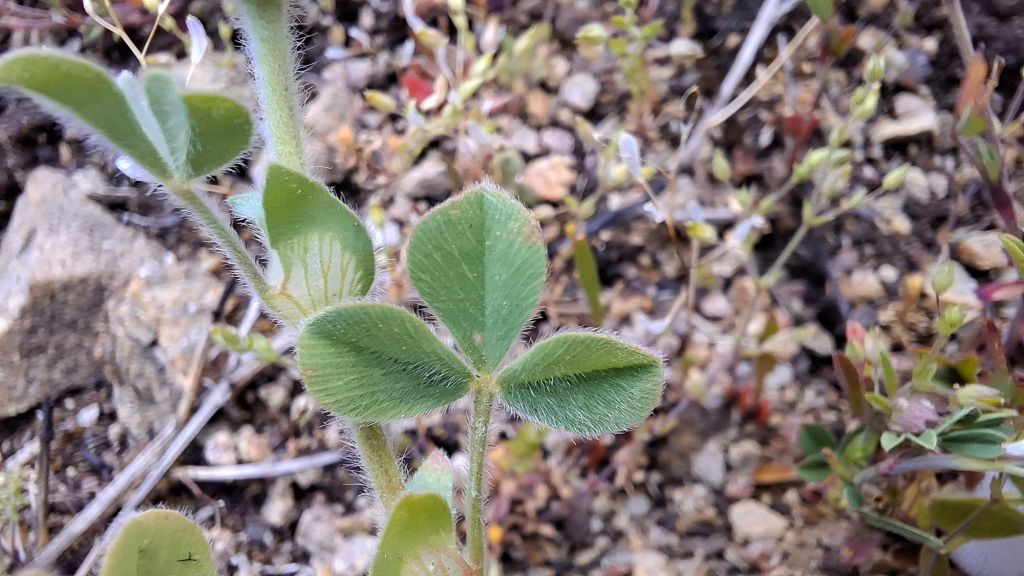
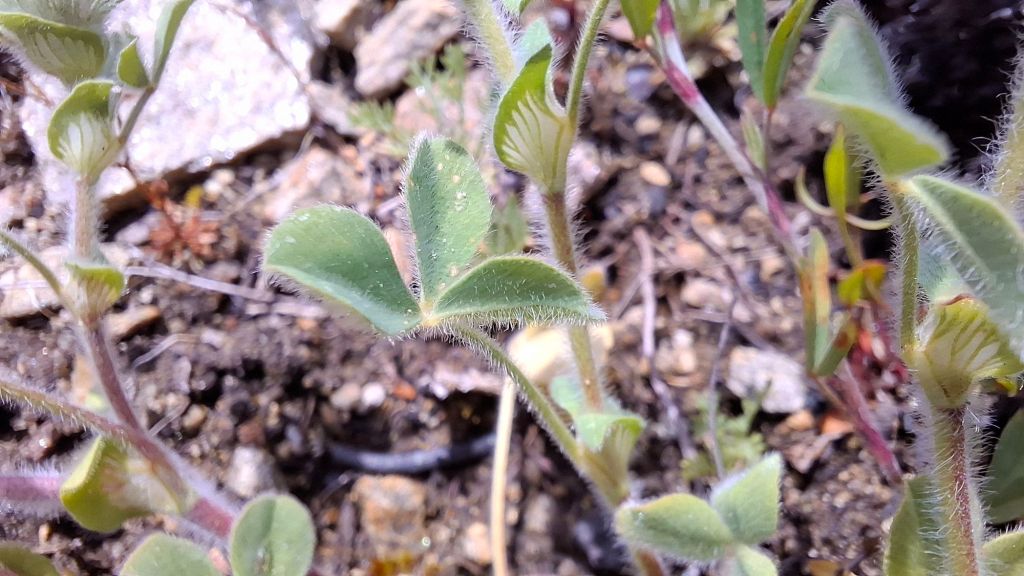
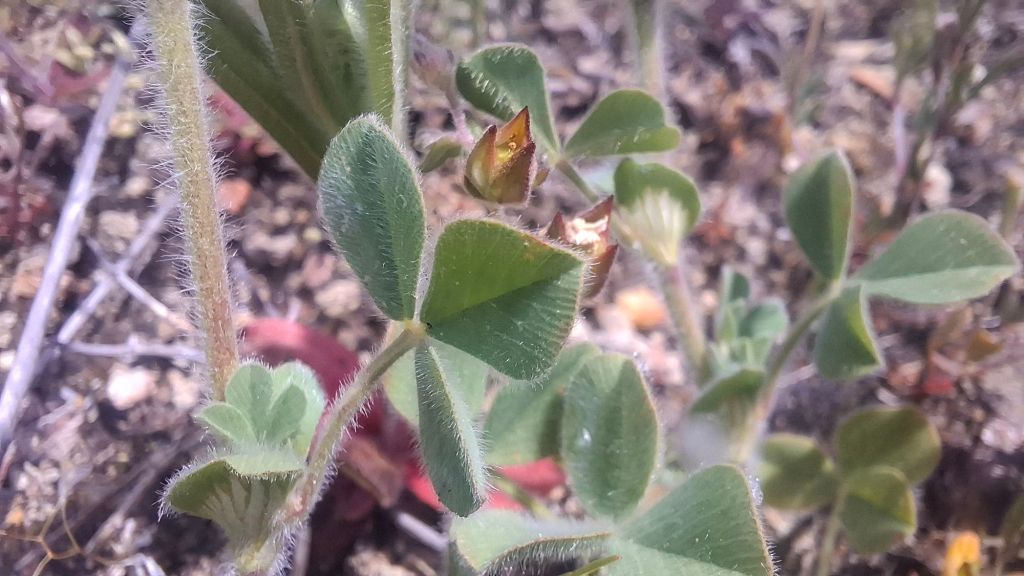
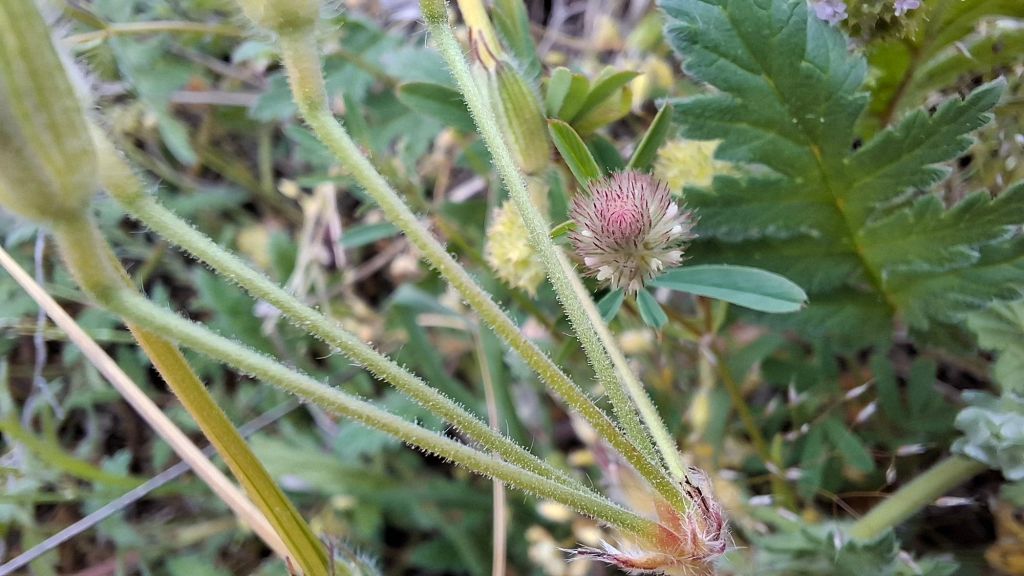
Trifolium sylvaticum– habit. Hilly region between Kochani and Orizari, 01.05.2026. Photo by Trajche Dimitrovski.Trifolium sylvaticum– habit. Hilly region between Kochani and Orizari, 01.05.2026. Photo by Trajche Dimitrovski.Trifolium sylvaticum– habit. Hilly region between Kochani and Orizari, 01.05.2026. Photo by Trajche Dimitrovski.Trifolium sylvaticum– habit. Hilly region between Kochani and Orizari, 01.05.2026. Photo by Trajche Dimitrovski.Trifolium sylvaticum– habit. Hilly region between Kochani and Orizari, 01.05.2026. Photo by Trajche Dimitrovski.Trifolium sylvaticum– habit. Hilly region between Kochani and Orizari, 01.05.2026. Photo by Trajche Dimitrovski.Trifolium sylvaticum– flowering stems. Hilly region between Kochani and Orizari, 01.05.2026. Photo by Trajche Dimitrovski.Trifolium sylvaticum– inflorescence. Hilly region between Kochani and Orizari, 01.05.2026. Photo by Trajche Dimitrovski.Trifolium sylvaticum– inflorescence. Hilly region between Kochani and Orizari, 01.05.2026. Photo by Trajche Dimitrovski.Trifolium sylvaticum– inflorescence. Hilly region between Kochani and Orizari, 01.05.2026. Photo by Trajche Dimitrovski.Trifolium sylvaticum– inflorescence. Hilly region between Kochani and Orizari, 01.05.2026. Photo by Trajche Dimitrovski.Trifolium sylvaticum– inflorescence. Hilly region between Kochani and Orizari, 01.05.2026. Photo by Trajche Dimitrovski.Trifolium sylvaticum– inflorescence. Hilly region between Kochani and Orizari, 01.05.2026. Photo by Trajche Dimitrovski.Trifolium sylvaticum– flowers. Hilly region between Kochani and Orizari, 01.05.2026. Photo by Trajche Dimitrovski.Trifolium sylvaticum– flowers. Hilly region between Kochani and Orizari, 01.05.2026. Photo by Trajche Dimitrovski.Trifolium sylvaticum– stem with leaves. Hilly region between Kochani and Orizari, 01.05.2026. Photo by Trajche Dimitrovski.Trifolium sylvaticum– stem, leaves and stilpues. Hilly region between Kochani and Orizari, 01.05.2026. Photo by Trajche Dimitrovski.Trifolium sylvaticum– stem, leaves and stilpues. Hilly region between Kochani and Orizari, 01.05.2026. Photo by Trajche Dimitrovski.Trifolium sylvaticum– stem, leaves and stilpues. Hilly region between Kochani and Orizari, 01.05.2026. Photo by Trajche Dimitrovski.Trifolium sylvaticum– leaf. Hilly region between Kochani and Orizari, 01.05.2026. Photo by Trajche Dimitrovski.Trifolium sylvaticum– abaxial side of leaf. Hilly region between Kochani and Orizari, 01.05.2026. Photo by Trajche Dimitrovski.
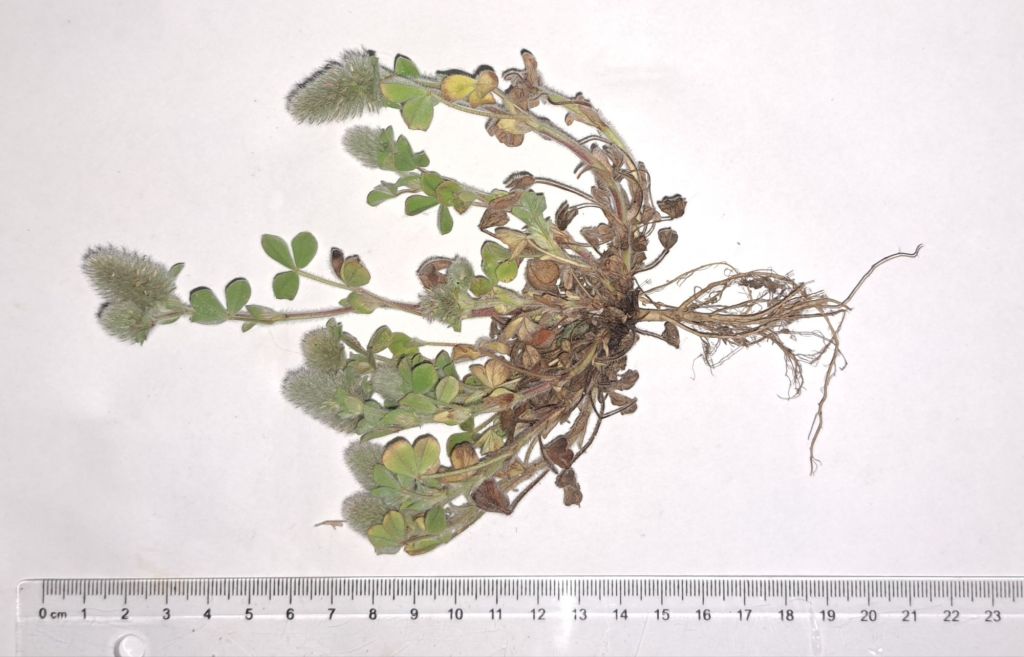
Scaled images. Specimen from the hilly region between Kochani and Orizari, 01.05.2026.
Trifolium sylvaticum– habit. Scale in cm. Specimen from the hilly region between Kochani and Orizari, 01.05.2026. Photo by Trajche Dimitrovski.Trifolium sylvaticum– flowering stem. Scale in cm. Photo by Trajche Dimitrovski.Trifolium sylvaticum– inflorescence. Scale in cm. Photo by Trajche Dimitrovski.Trifolium sylvaticum– inflorescence. Scale in mm. Photo by Trajche Dimitrovski.Trifolium sylvaticum– flowers. Scale in mm. Photo by Trajche Dimitrovski.Trifolium sylvaticum– stem with leaves and stipules. Scale in cm. Photo by Trajche Dimitrovski.Trifolium sylvaticum– stem with leaves and stipules. Scale in cm. Photo by Trajche Dimitrovski.
References:
Coombe, D. E. 1968. Trifolium L. In Tutin, T. G., Heywood, V. H., Burges, N. A., Moore, D. M., Valentine, D. H., Walters, S. M. & Webb, D. A. (1968). Flora Europaea. Volume 2. Rosaceae to Umbelliferae. Cambridge: Cambridge University Press, pp. 157–172.
Micevski, K. 2001. Trifolium L., The Flora of the Republic of Macedonia Vol. I, Book 5. Skopje: Macedonian Academy of Sciences and Arts, pp. 1290–1345.
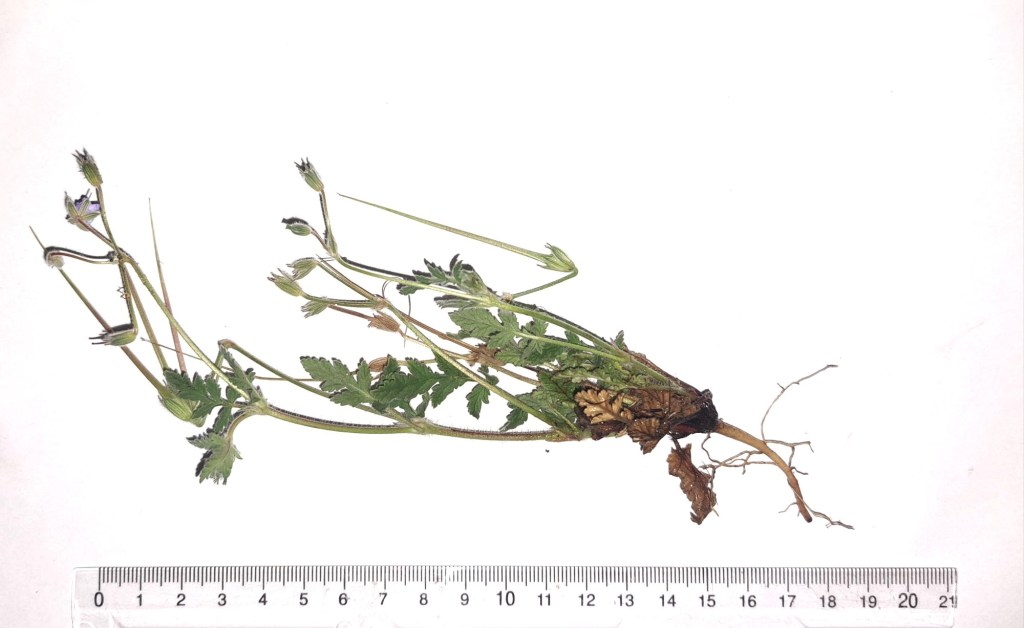
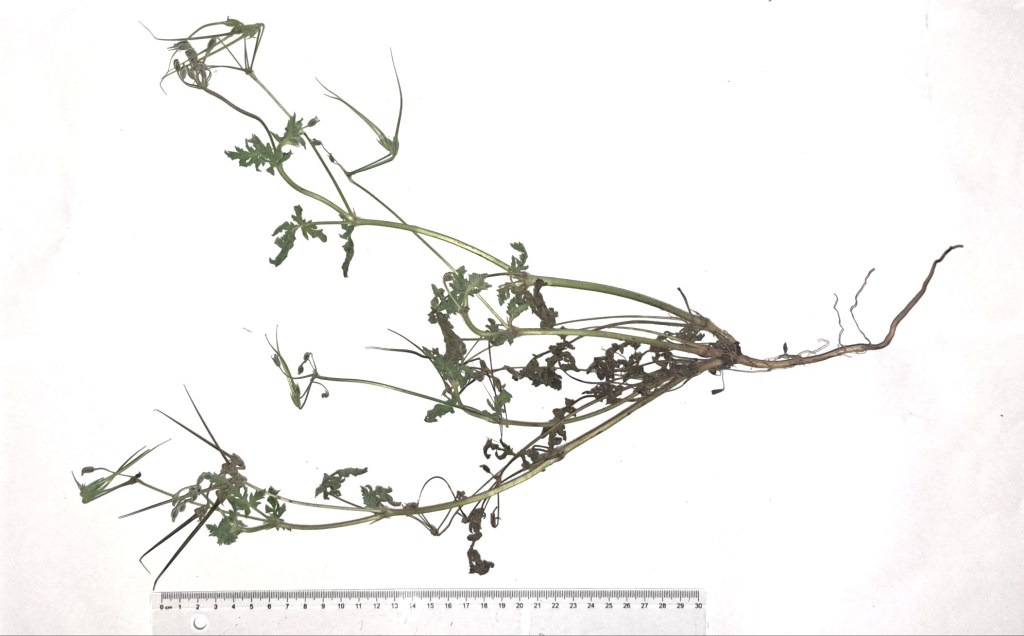
Taxonomy: Fam. Geraniaceae// Genus: Erodium// Species: Erodium hoefftianum C. A. Mey.
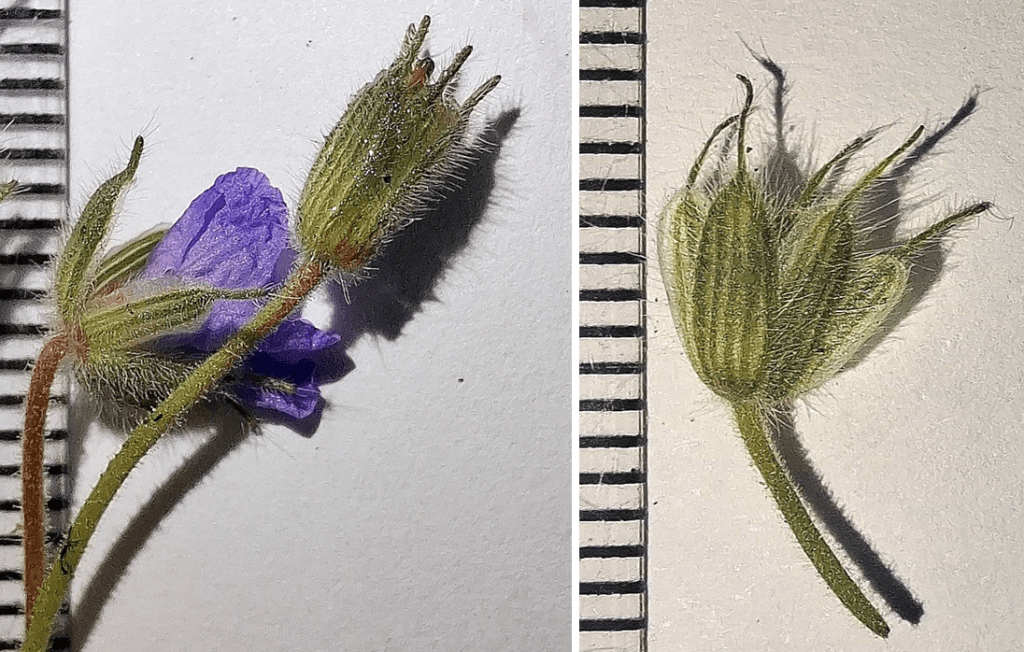
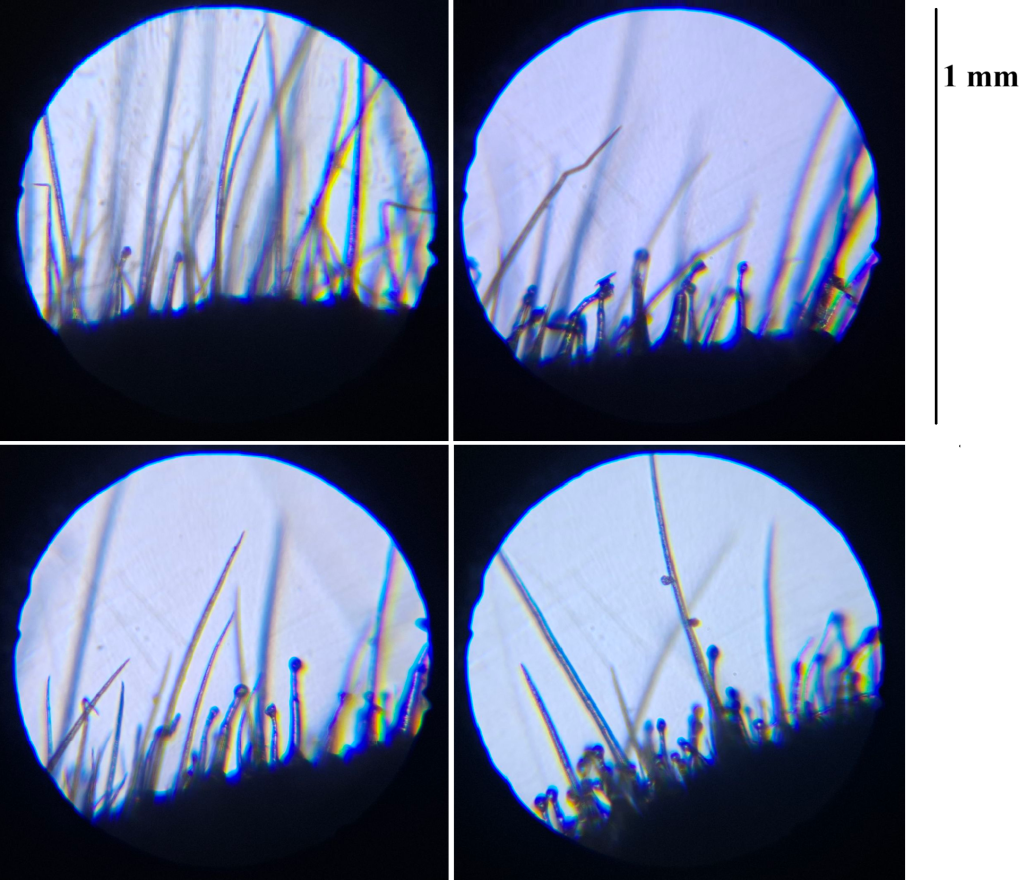
Determined according to the botanical keys provided by Micevski (2005) and Webb and Chater (1968 in Tutin et al.). The plants from Osogovo have glandular pedicels, peduncles and stem, corresponding to Erodium hoefftianum subsp. hoefftianum. No subspecies are accepted in The Euro+Med Plantbase (Aldasoro, Sáez & Navarro, 2009+).
Lifeform: Annual; Therophyte according to the Raunkiær system.
Distribution: Native to East Central and Southeast Europe to Central Asia and Iran according to the Plants of the World Online portal.
Habitat: Rural areas – along earth roads, among shrubs.
Flowering period: Spring-summer (APR, MAY).
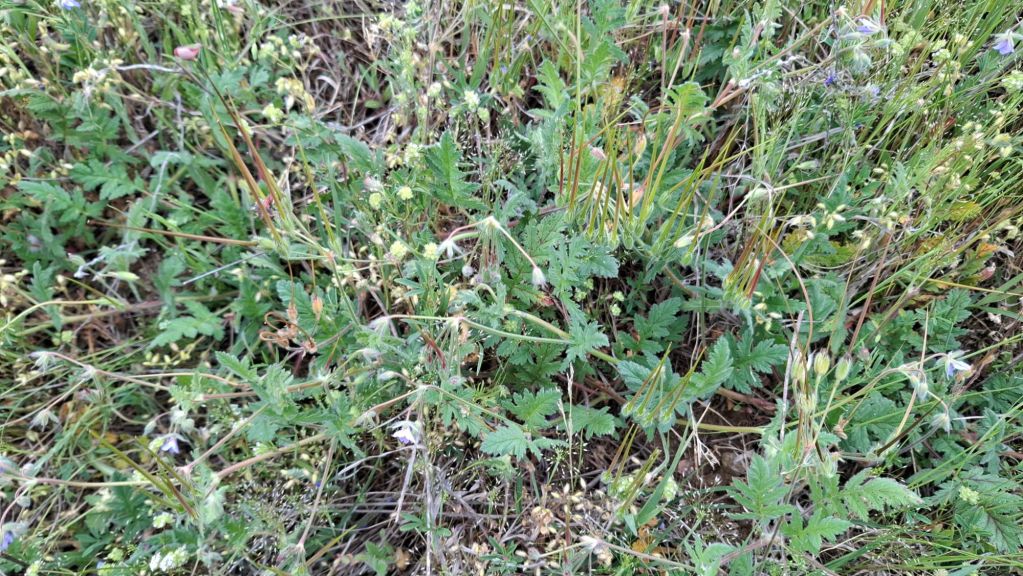
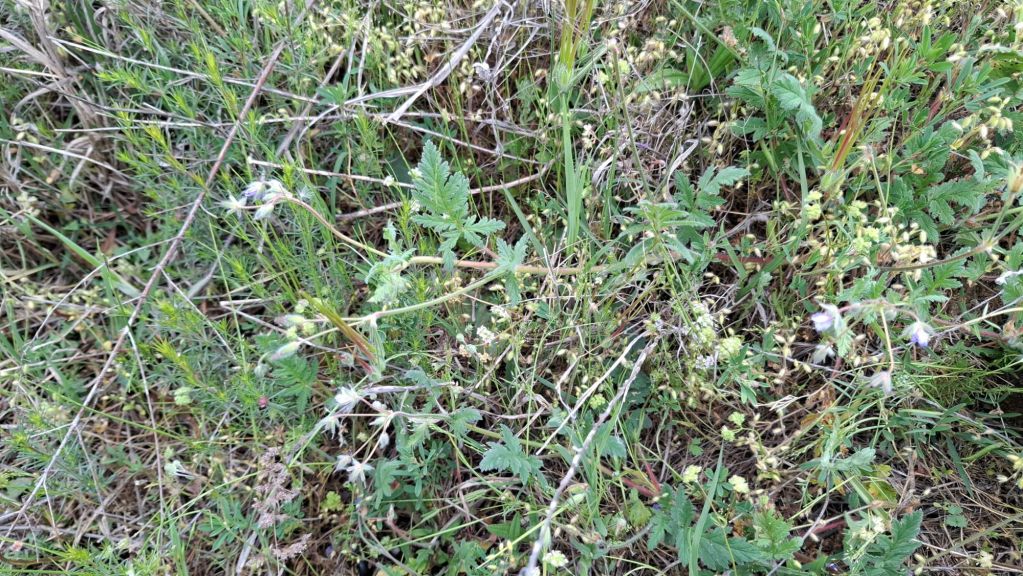
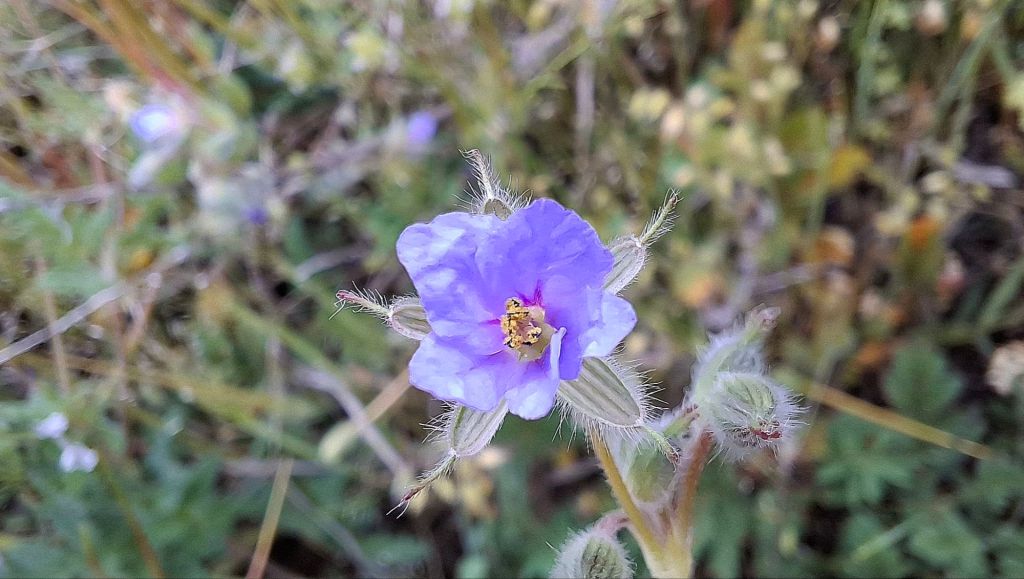
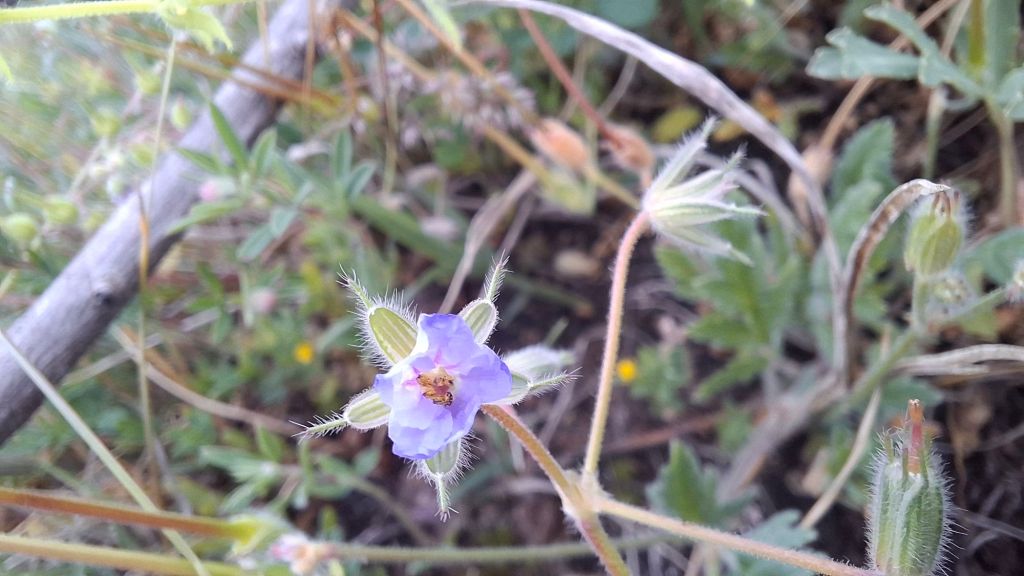
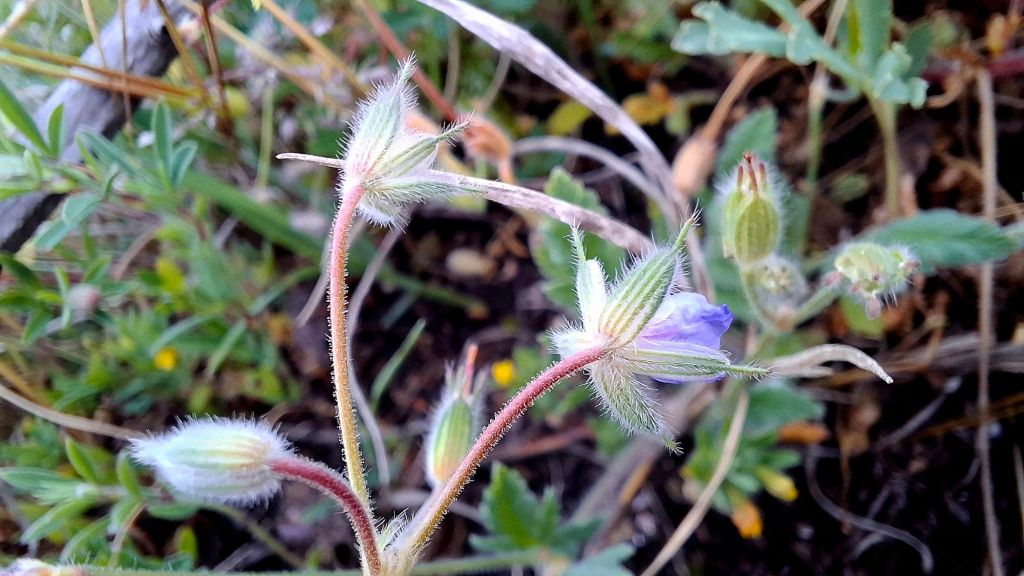
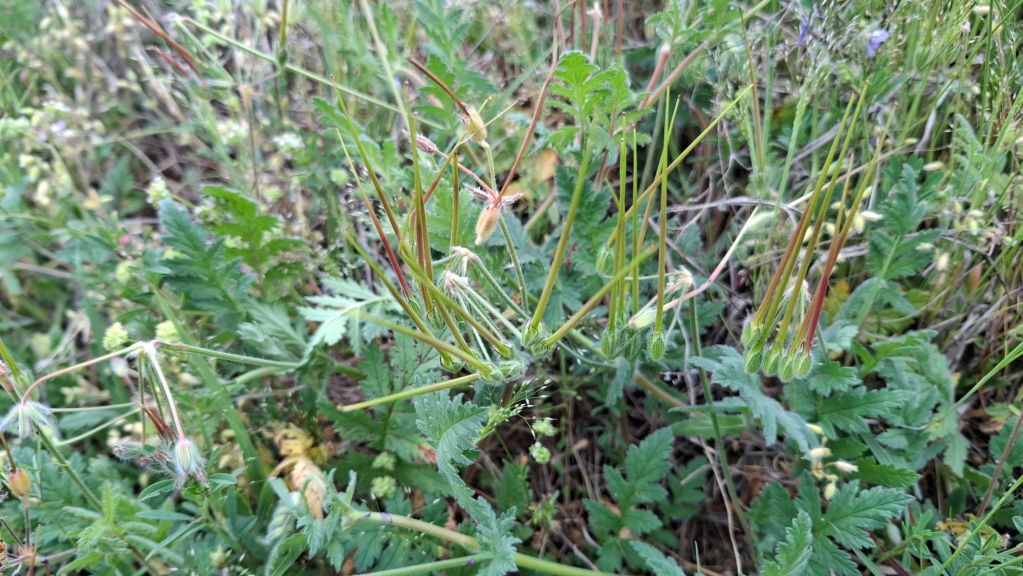
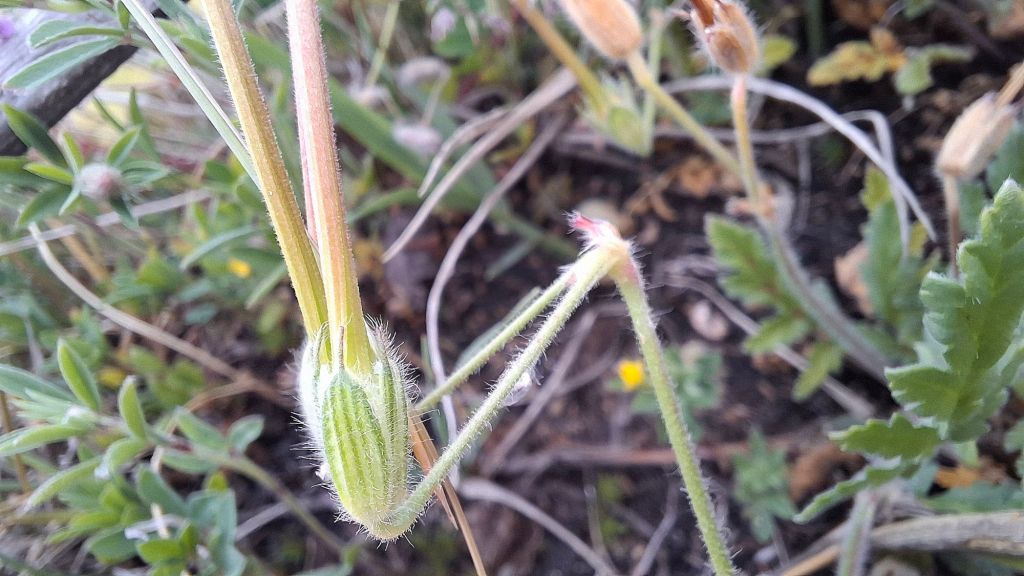
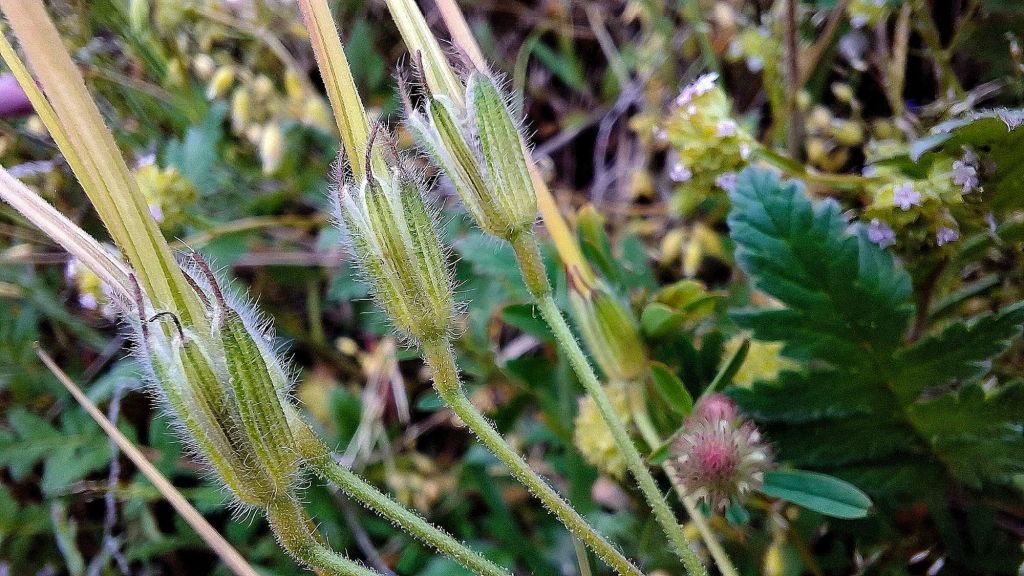
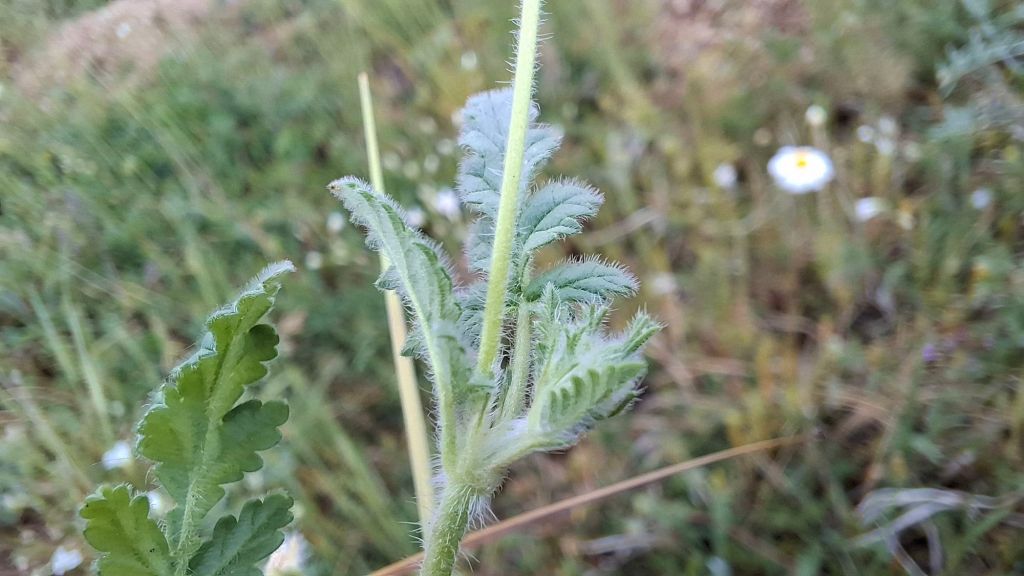
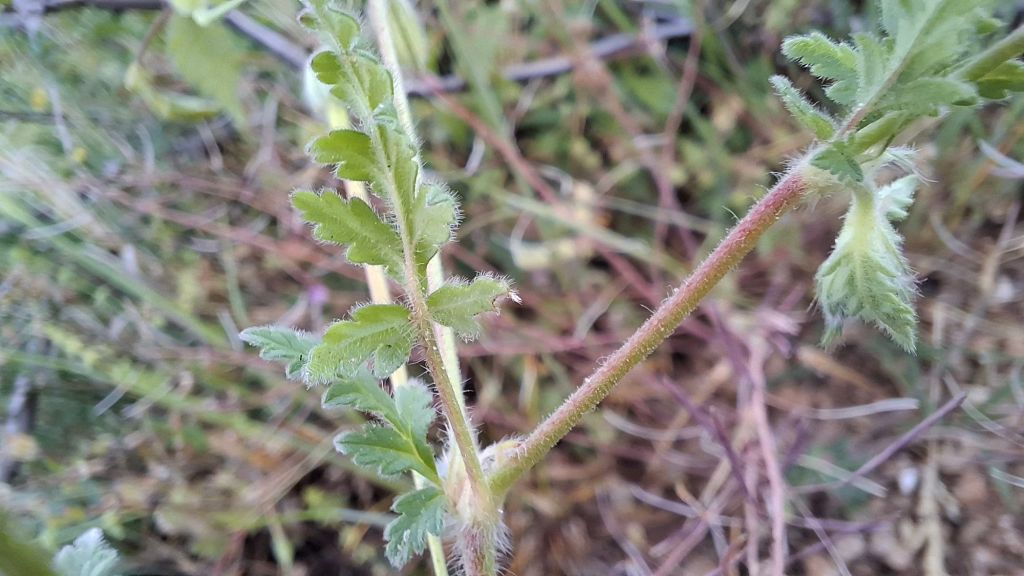
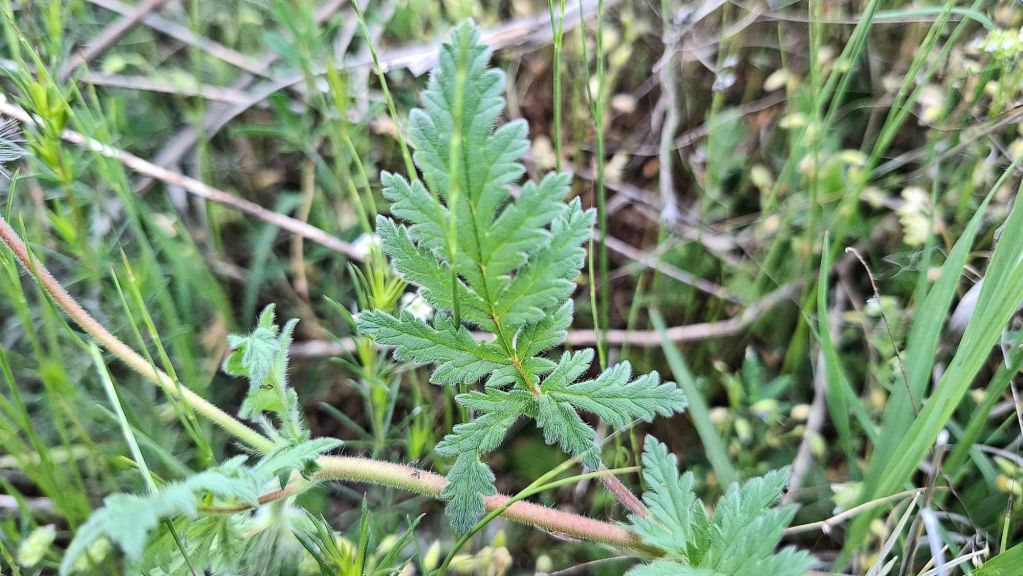
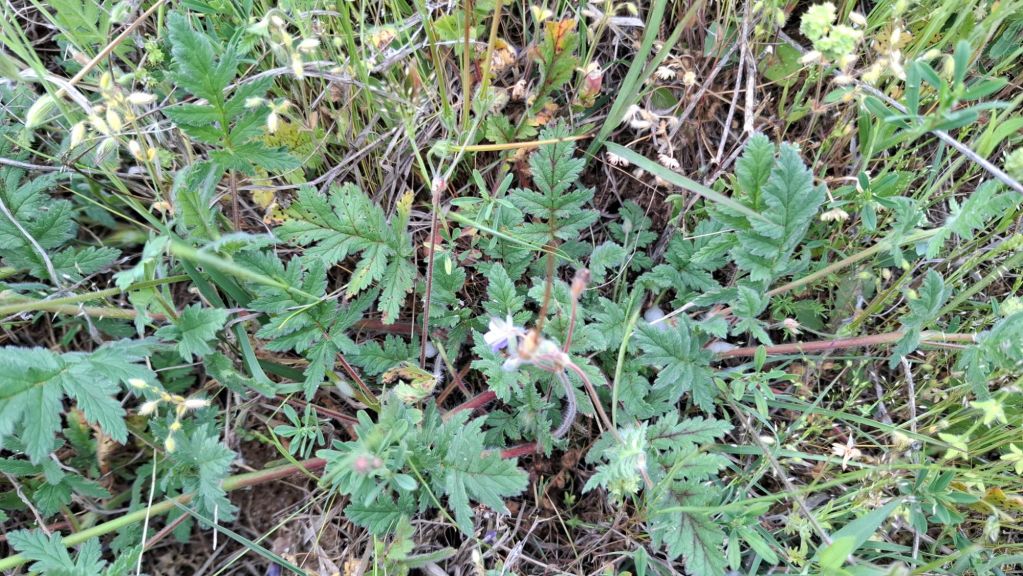
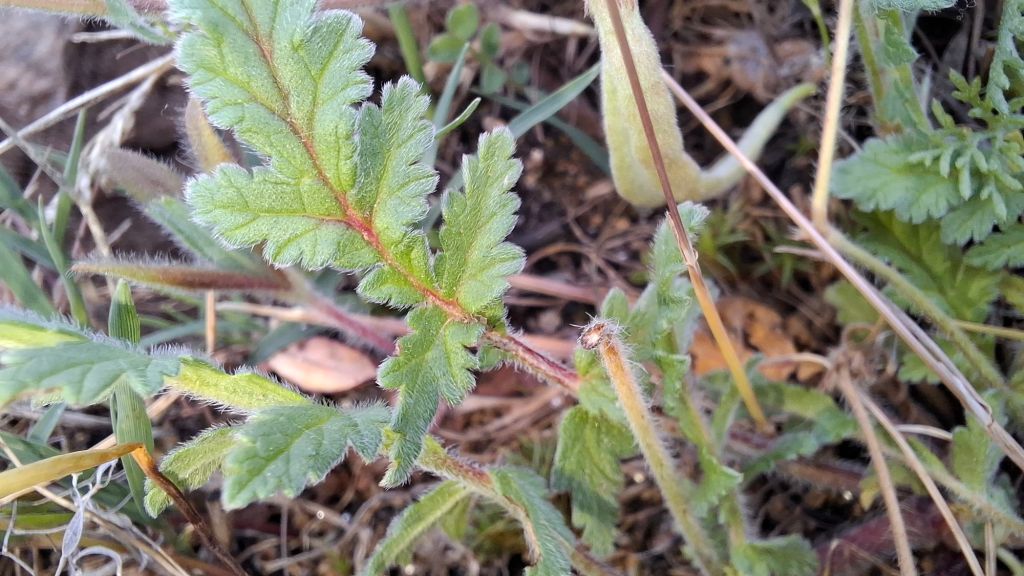
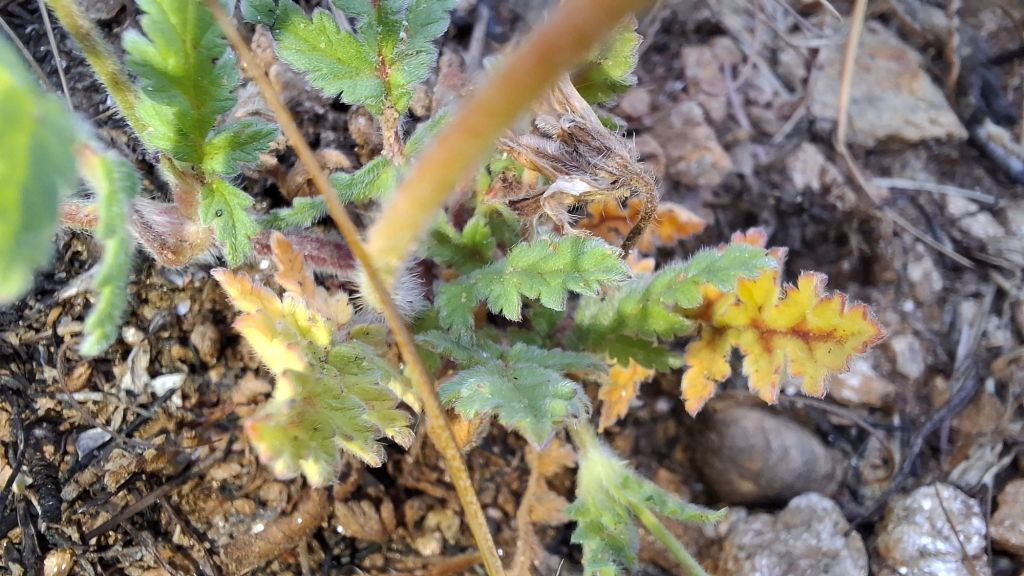
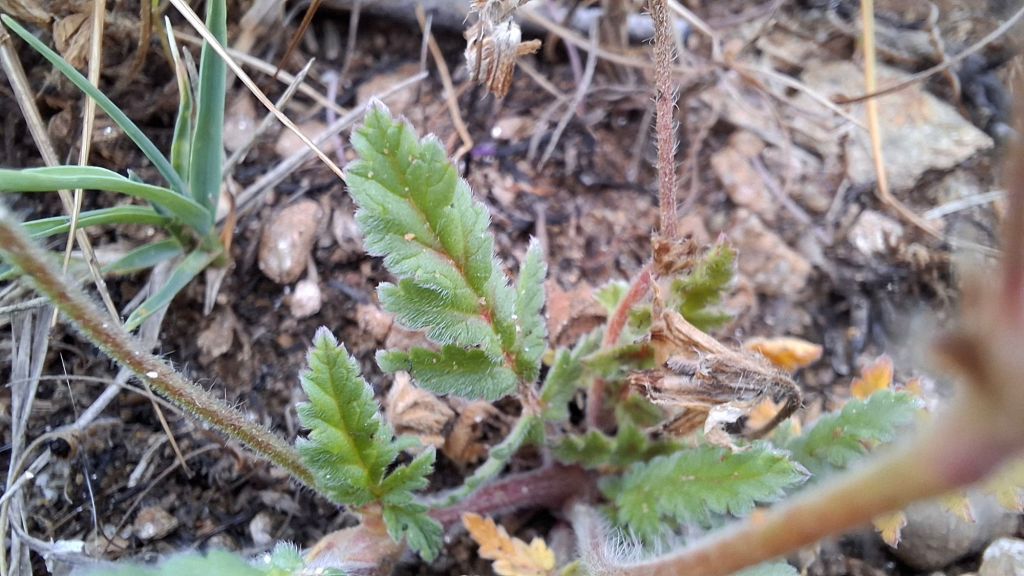
Erodium hoefftianum – habit. Hilly region between Kochani and Orizari, 01.05.2026. Photo by Trajche Dimitrovski.Erodium hoefftianum – habit. Hilly region between Kochani and Orizari, 01.05.2026. Photo by Trajche Dimitrovski.Erodium hoefftianum – habit. Hilly region between Kochani and Orizari, 01.05.2026. Photo by Trajche Dimitrovski.Erodium hoefftianum – habit. Hilly region between Kochani and Orizari, 01.05.2026. Photo by Trajche Dimitrovski.Erodium hoefftianum – habit. Hilly region between Kochani and Orizari, 01.05.2026. Photo by Trajche Dimitrovski.Erodium hoefftianum – flower. Hilly region between Kochani and Orizari, 01.05.2026. Photo by Trajche Dimitrovski.Erodium hoefftianum – flower. Hilly region between Kochani and Orizari, 01.05.2026. Photo by Trajche Dimitrovski.Erodium hoefftianum – flower. Hilly region between Kochani and Orizari, 01.05.2026. Photo by Trajche Dimitrovski.Erodium hoefftianum – flower. Hilly region between Kochani and Orizari, 01.05.2026. Photo by Trajche Dimitrovski.Erodium hoefftianum – calyx. Hilly region between Kochani and Orizari, 01.05.2026. Photo by Trajche Dimitrovski.Erodium hoefftianum – calyx. Hilly region between Kochani and Orizari, 01.05.2026. Photo by Trajche Dimitrovski.Erodium hoefftianum – calyx. Hilly region between Kochani and Orizari, 01.05.2026. Photo by Trajche Dimitrovski.Erodium hoefftianum – fruits. Hilly region between Kochani and Orizari, 01.05.2026. Photo by Trajche Dimitrovski.Erodium hoefftianum – calyx in fruiting stage. Hilly region between Kochani and Orizari, 01.05.2026. Photo by Trajche Dimitrovski.Erodium hoefftianum – calyx in fruiting stage. Hilly region between Kochani and Orizari, 01.05.2026. Photo by Trajche Dimitrovski.Erodium hoefftianum – pedicels. Hilly region between Kochani and Orizari, 01.05.2026. Photo by Trajche Dimitrovski.Erodium hoefftianum – stem and upper leaves. Hilly region between Kochani and Orizari, 01.05.2026. Photo by Trajche Dimitrovski.Erodium hoefftianum – stem and upper leaves. Hilly region between Kochani and Orizari, 01.05.2026. Photo by Trajche Dimitrovski.Erodium hoefftianum – stem and leaves. Hilly region between Kochani and Orizari, 01.05.2026. Photo by Trajche Dimitrovski.Erodium hoefftianum – leaves. Hilly region between Kochani and Orizari, 01.05.2026. Photo by Trajche Dimitrovski.Erodium hoefftianum – lower leaves. Hilly region between Kochani and Orizari, 01.05.2026. Photo by Trajche Dimitrovski.Erodium hoefftianum – leaf. Hilly region between Kochani and Orizari, 01.05.2026. Photo by Trajche Dimitrovski.Erodium hoefftianum – lower leaves. Hilly region between Kochani and Orizari, 01.05.2026. Photo by Trajche Dimitrovski.Erodium hoefftianum – lower leaves. Hilly region between Kochani and Orizari, 01.05.2026. Photo by Trajche Dimitrovski.Erodium hoefftianum – adaxial side of leaf. Hilly region between Kochani and Orizari, 01.05.2026. Photo by Trajche Dimitrovski.Erodium hoefftianum – adaxial side of leaf. Hilly region between Kochani and Orizari, 01.05.2026. Photo by Trajche Dimitrovski.Erodium hoefftianum – abaxial side of leaf. Hilly region between Kochani and Orizari, 01.05.2026. Photo by Trajche Dimitrovski.
Scaled images. Specimens from the hilly region between Kochani and Orizari, collected 01.05.2026.
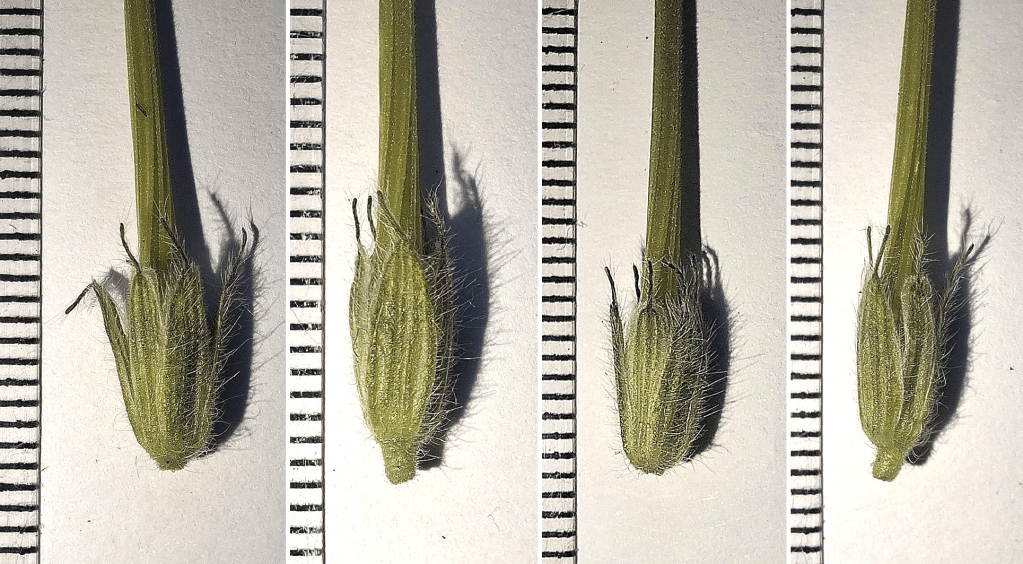
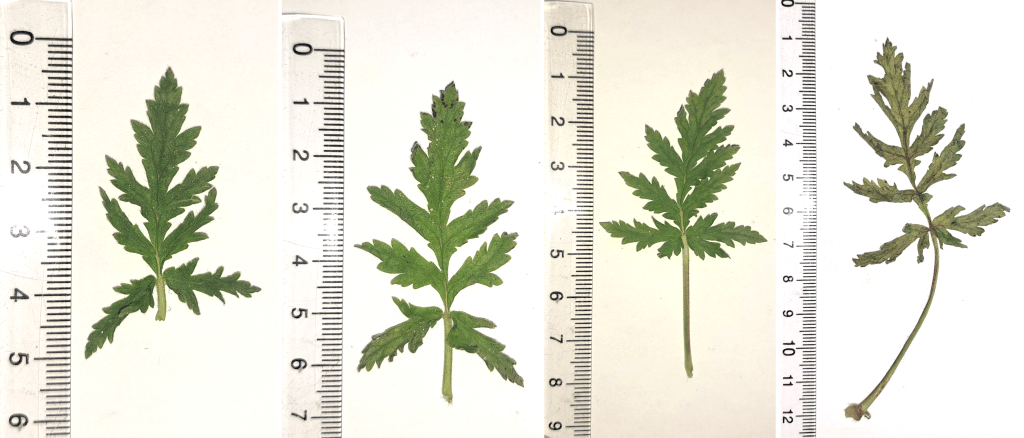
Erodium hoefftianum – habit. Scale in cm. Specimen from the hilly region between Kochani and Orizari, 01.05.2026. Photo by Trajche Dimitrovski.Erodium hoefftianum – habit. Scale in cm. Specimen from the hilly region between Kochani and Orizari, 01.05.2026. Photo by Trajche Dimitrovski.Erodium hoefftianum – habit. Scale in cm. Specimen from the hilly region between Kochani and Orizari, 01.05.2026. Photo by Trajche Dimitrovski.Erodium hoefftianum – flower and calyx. Scale in mm. Photo by Trajche Dimitrovski.Erodium hoefftianum – hairs of calyx. Photo by Trajche Dimitrovski.Erodium hoefftianum – fruits. Scale in cm. Photo by Trajche Dimitrovski.Erodium hoefftianum – calyx in fruiting stage. Scale in mm. Photo by Trajche Dimitrovski.Erodium hoefftianum – ripe dechized mericarps. Scale in mm. Photo by Trajche Dimitrovski.Erodium hoefftianum – unripe and ripe mericarps. Scale in mm. Photo by Trajche Dimitrovski.Erodium hoefftianum – eglandular apical pits of mericarps. Photo by Trajche Dimitrovski.Erodium hoefftianum – cauline leaves. Scale in mm. Photo by Trajche Dimitrovski.Erodium hoefftianum – basal leaf. Scale in mm. Photo by Trajche Dimitrovski.
References:
Erodium hoefftianum. Aldasoro, J. J., Sáez, L. & Navarro, C. 2009+: Erodium. – In: Aedo, C., Estébanez, B. & Navarro, C.; with contributions from Raab-Straube, E. von & Parolly, G., Geraniaceae. Euro+Med PlantBase – the information resource for Euro-Mediterranean plant diversity. Published at https://europlusmed.org/. https://europlusmed.org/cdm_dataportal/taxon/6eceddc6-a0bb-4b5e-a81d-472338415f7b [Accessed 09.05.2026].
Micevski, K. 2005. Erodium L’Hér., The Flora of the Republic of Macedonia. Vol. I, Book 6. Skopje: Macedonian Academy of Sciences and Arts, pp. 1506–1517.
Webb, D. A. and Chater, A. O. 1968. Erodium L’Hér. In Tutin, T. G., Heywood, V. H., Burges, N. A., Moore, D. M., Valentine, D. H., Walters, S. M. & Webb, D. A. (eds.), Flora Europaea. Volume 2. Rosaceae to Umbelliferae. Cambridge: Cambridge University Press, pp. 199–204.
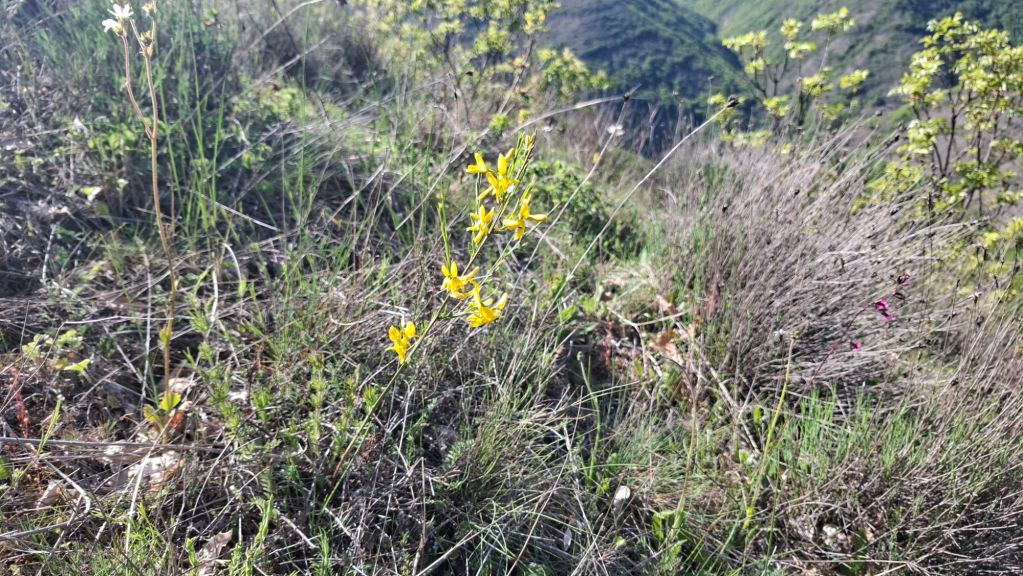
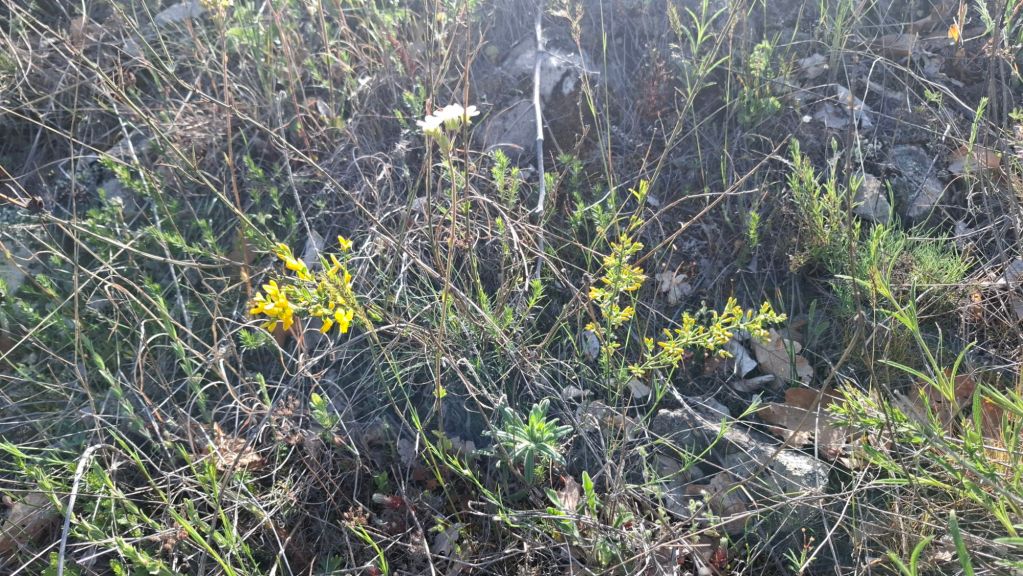
Taxonomy: Fam. Fabaceae// Genus: Lathyrus// Species: Lathyrus setifolius L.
Determined according to the botanical key provided by Ball (1968 in Tutin et al.) and Micevski (2001).
Lifeform: Annual plant. Therophyte according to the Raunkiær system.
Distribution: Native to Canary Islands, Mediterranean region to Transcaucasus according to the Plants of the World Online portal (Royal Botanic Gardens, Kew).
Habitat: Shrubland in the Querco-carpinetum orientalis association zone. Recorded in the Zletovska River basin – rocky terrain above Eshterec Stream.
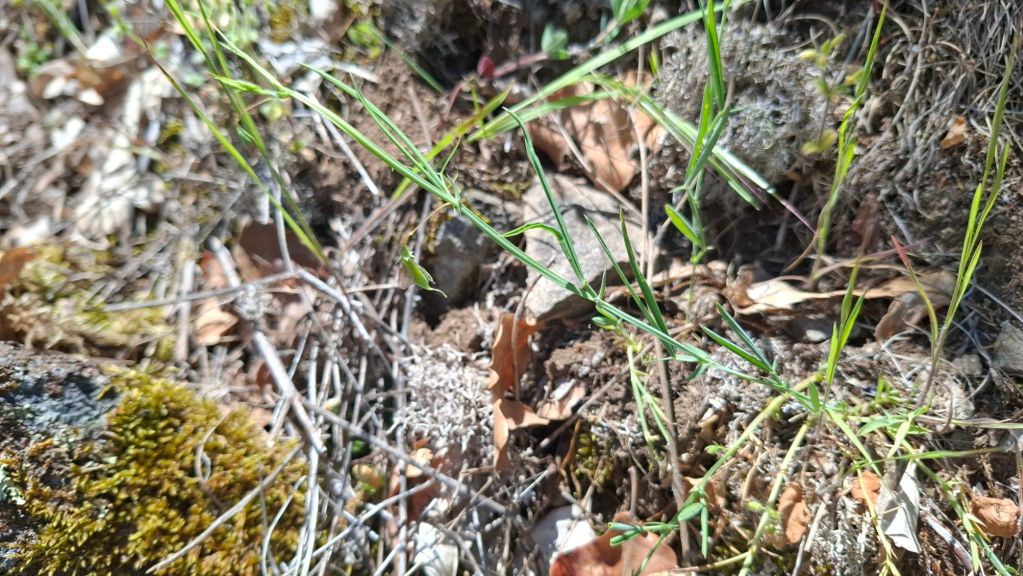
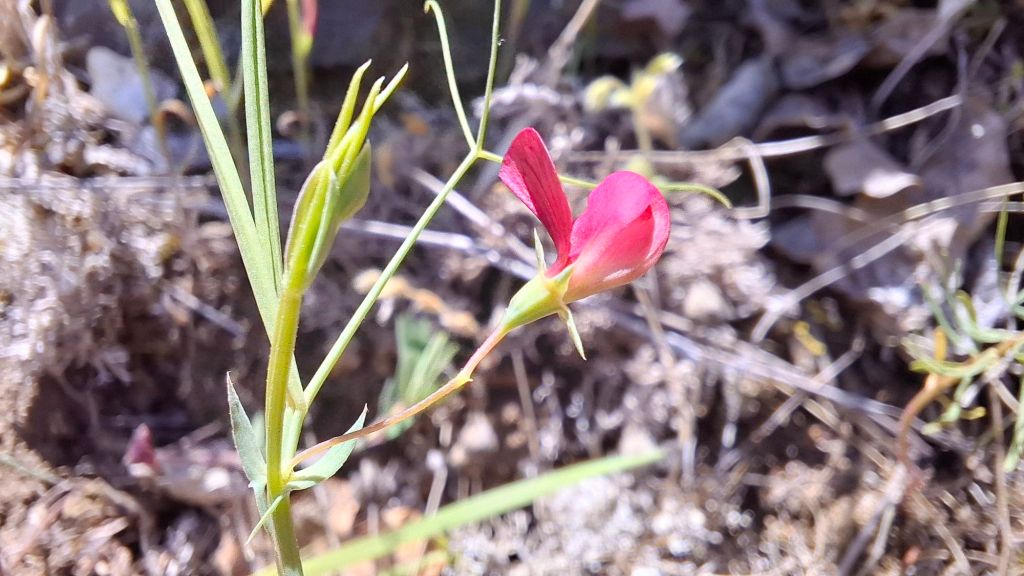
Lathyrus setifolius– habit. Osogovo – rocky terrain above Eshterec Stream (Zletovska River basin), 03.05.2026. Photo by Trajche Dimitrovski.Lathyrus setifolius– habit. Osogovo – rocky terrain above Eshterec Stream (Zletovska River basin), 03.05.2026. Photo by Trajche Dimitrovski.Lathyrus setifolius– flower. Osogovo – rocky terrain above Eshterec Stream (Zletovska River basin), 03.05.2026. Photo by Trajche Dimitrovski.Lathyrus setifolius– flower with calyx, pedicel and peduncle. Osogovo – rocky terrain above Eshterec Stream (Zletovska River basin), 03.05.2026. Photo by Trajche Dimitrovski.Lathyrus setifolius– flower with calyx, pedicel and peduncle. Osogovo – rocky terrain above Eshterec Stream (Zletovska River basin), 03.05.2026. Photo by Trajche Dimitrovski.Lathyrus setifolius– flower bud, winged stem and stipules. Osogovo – rocky terrain above Eshterec Stream (Zletovska River basin), 03.05.2026. Photo by Trajche Dimitrovski.Lathyrus setifolius– developing fruits, winged stem and stipules. Osogovo – rocky terrain above Eshterec Stream (Zletovska River basin), 03.05.2026. Photo by Trajche Dimitrovski.Lathyrus setifolius– stem with leaves and stipules. Osogovo – rocky terrain above Eshterec Stream (Zletovska River basin), 03.05.2026. Photo by Trajche Dimitrovski.Lathyrus setifolius– lower leaves. Osogovo – rocky terrain above Eshterec Stream (Zletovska River basin), 03.05.2026. Photo by Trajche Dimitrovski.Lathyrus setifolius– winged stem, leaves and stipules. Osogovo – rocky terrain above Eshterec Stream (Zletovska River basin), 03.05.2026. Photo by Trajche Dimitrovski.Lathyrus setifolius– leaflets. Osogovo – rocky terrain above Eshterec Stream (Zletovska River basin), 03.05.2026. Photo by Trajche Dimitrovski.Lathyrus setifolius– leaflets. Osogovo – rocky terrain above Eshterec Stream (Zletovska River basin), 03.05.2026. Photo by Trajche Dimitrovski.Lathyrus setifolius– tendril. Osogovo – rocky terrain above Eshterec Stream (Zletovska River basin), 03.05.2026. Photo by Trajche Dimitrovski.Lathyrus setifolius– tendril. Osogovo – rocky terrain above Eshterec Stream (Zletovska River basin), 03.05.2026. Photo by Trajche Dimitrovski.Lathyrus setifolius– tendril. Osogovo – rocky terrain above Eshterec Stream (Zletovska River basin), 03.05.2026. Photo by Trajche Dimitrovski.Lathyrus setifolius– winged stem and stipules. Osogovo – rocky terrain above Eshterec Stream (Zletovska River basin), 03.05.2026. Photo by Trajche Dimitrovski.Lathyrus setifolius– winged stem. Osogovo – rocky terrain above Eshterec Stream (Zletovska River basin), 03.05.2026. Photo by Trajche Dimitrovski.
Scaled images. Specimen from the Zletovska River basin, rocky terrain above Eshterec Stream, collected 03.05.2026.
Lathyrus setifolius– habit. Scale in cm. Specimen from Osogovo – rocky terrain above Eshterec Stream (Zletovska River basin), 03.05.2026. Photo by Trajche Dimitrovski.Lathyrus setifolius– habit. Scale in cm. Specimen from Osogovo – rocky terrain above Eshterec Stream (Zletovska River basin), 03.05.2026. Photo by Trajche Dimitrovski.Lathyrus setifolius– habit. Scale in cm. Specimen from Osogovo – rocky terrain above Eshterec Stream (Zletovska River basin), 03.05.2026. Photo by Trajche Dimitrovski.Lathyrus setifolius– flower. Scale in cm/ mm. Photo by Trajche Dimitrovski.Lathyrus setifolius– flower. Scale in cm/ mm. Photo by Trajche Dimitrovski.Lathyrus setifolius– fruit. Scale in mm. Photo by Trajche Dimitrovski.Lathyrus setifolius– fruit. Scale in mm. Photo by Trajche Dimitrovski.Lathyrus setifolius– tendril. Scale in mm. Photo by Trajche Dimitrovski.
References:
Ball, P. W. 1968. Lathyrus L. (Incl. Orobus L.). In Tutin, T. G., Heywood, V. H., Burges, N. A., Moore, D. M., Valentine, D. H., Walters, S. M. & Webb, D. A. (eds.), Flora Europaea. Volume 2. Rosaceae to Umbelliferae. Cambridge: Cambridge University Press, pp. 136–143.
Micevski, K. 2001. Lathyrus L., The Flora of the Republic of Macedonia. Vol. I, Book 5. Skopje: Macedonian Academy of Sciences and Arts, pp. 1233–1255.
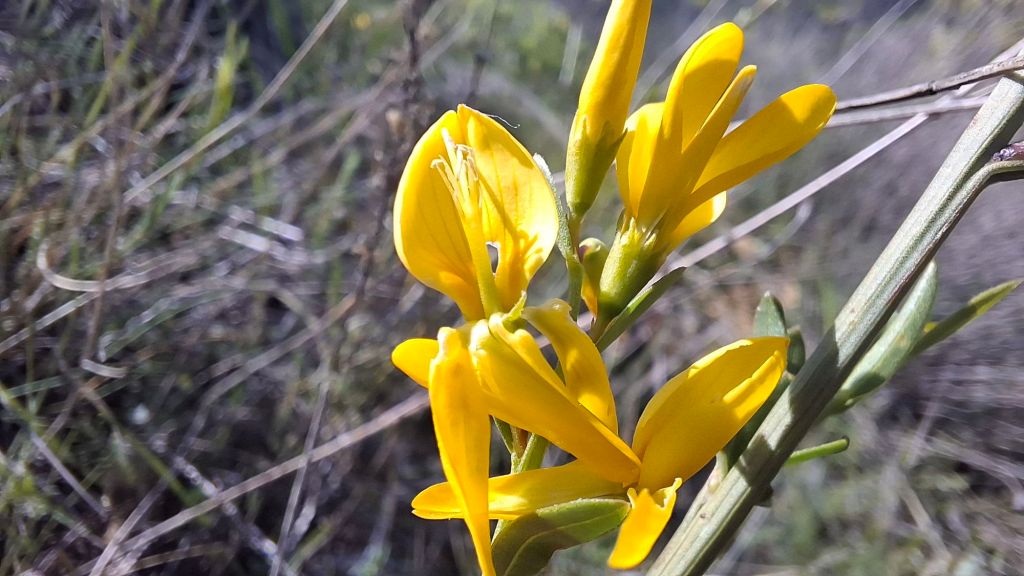
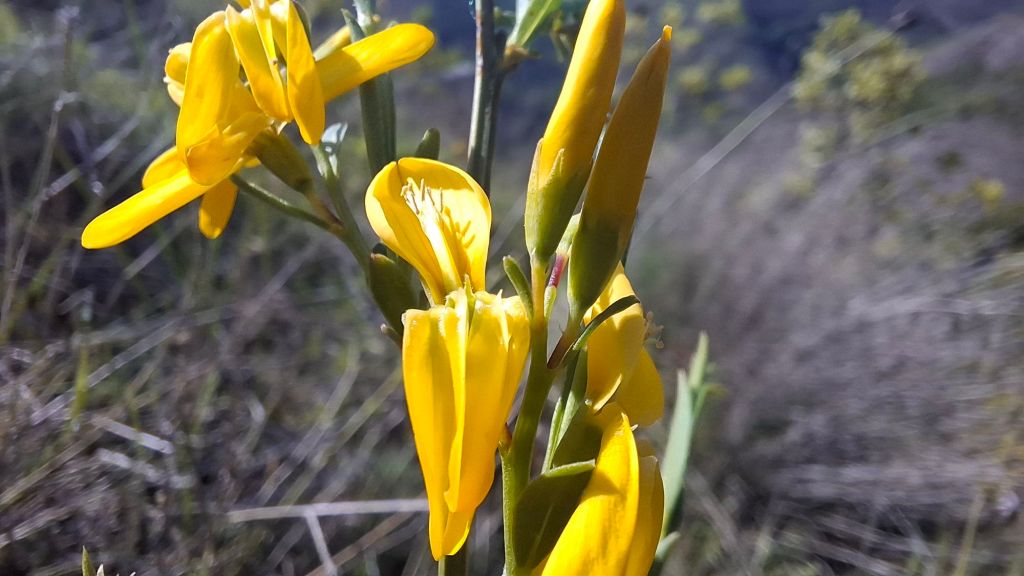
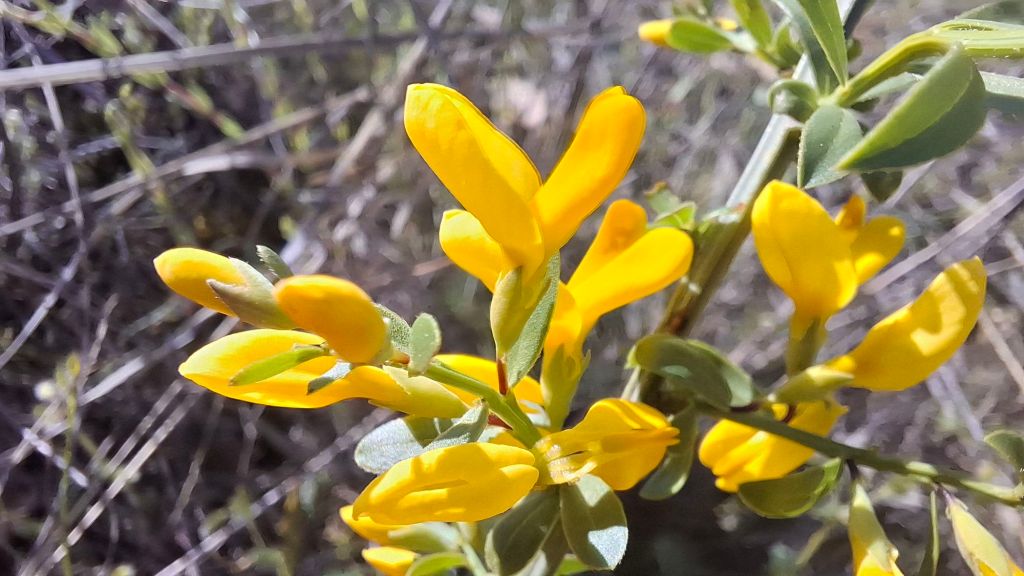
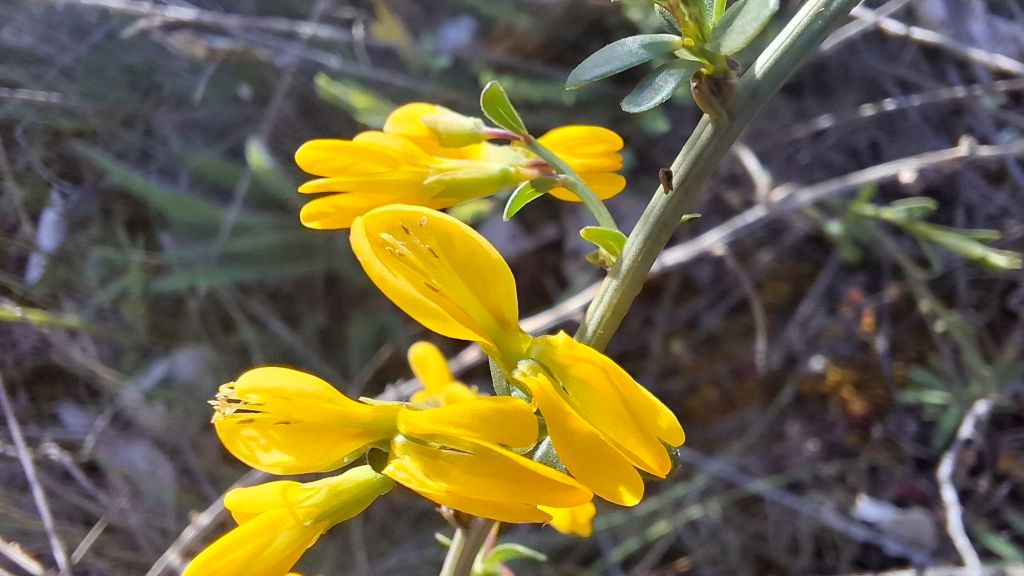
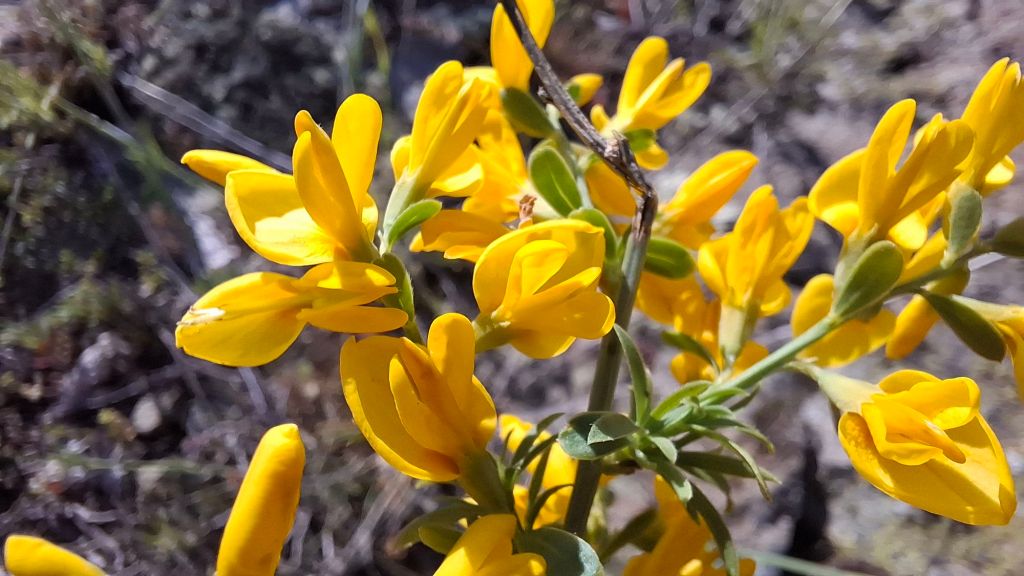
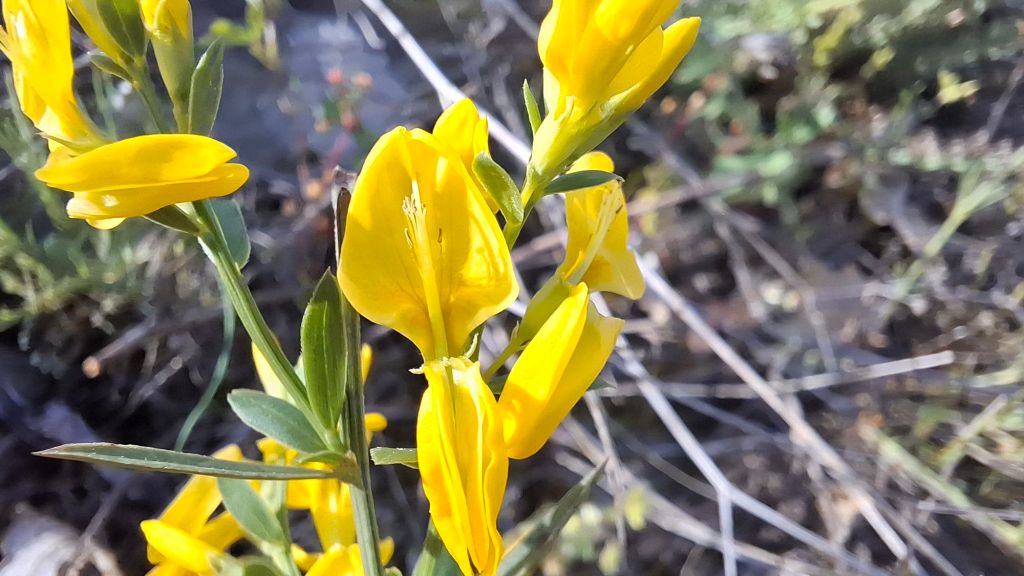
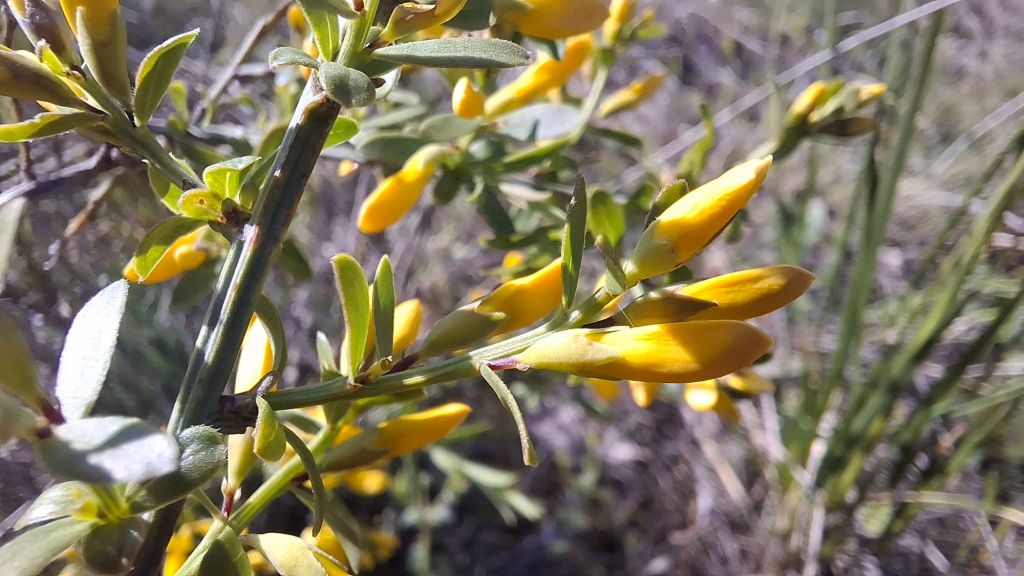
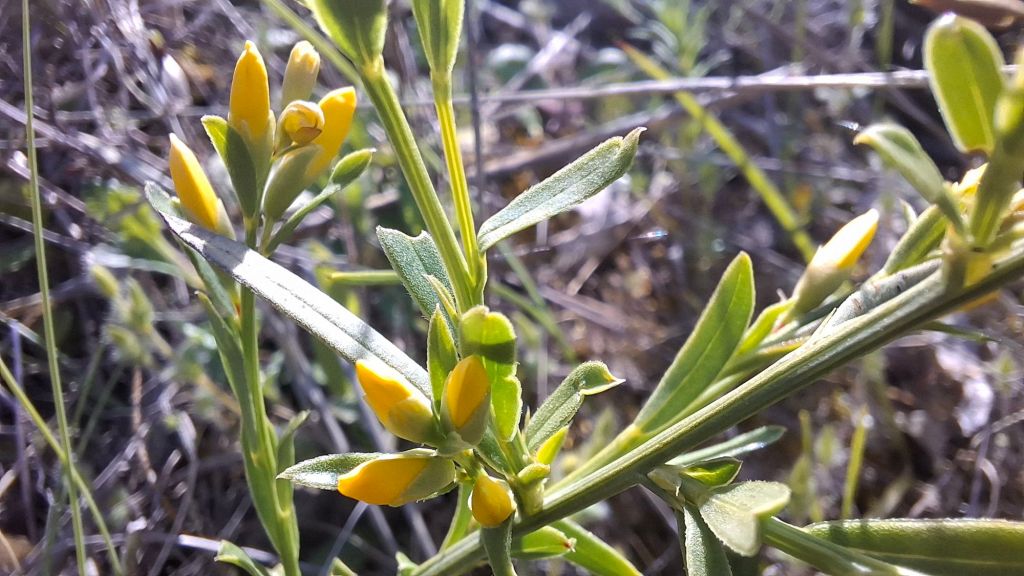
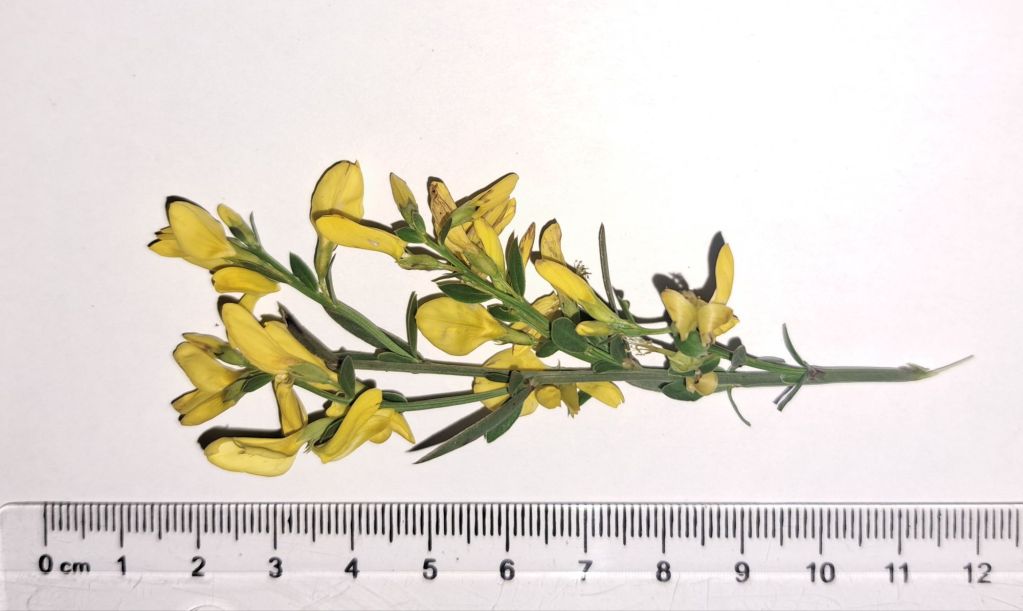
Determined according to the botanical key provided by Micevski (2001) and Gibbs (1968 in Tutin et al.).
Lifeform: Perennial, shrub. Nanophanerophyte according to the Raunkiær system.
Distribution: Native to Italy, Balkan Peninsula and Romania according to the distribution information provided by The Euro+Med PlantBase (ILDIS World Database of Legumes, 2010); also native to the Asiatic part (northwest region) of Türkiye according to the Plants of the World Online portal (Royal Botanic Gardens, Kew).
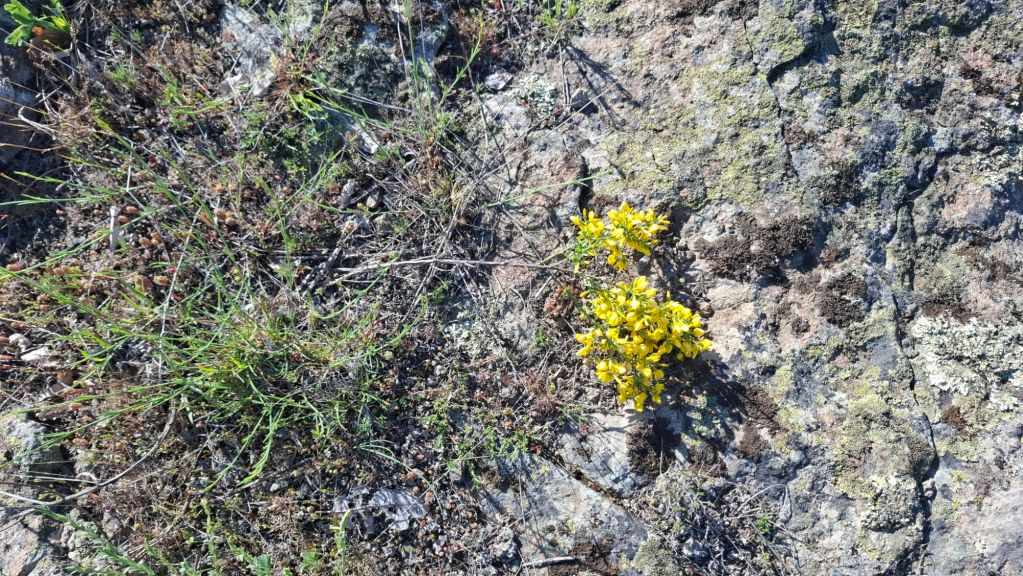
Habitat: Rocky terrain above Eshterec Stream (Zletovska River region).
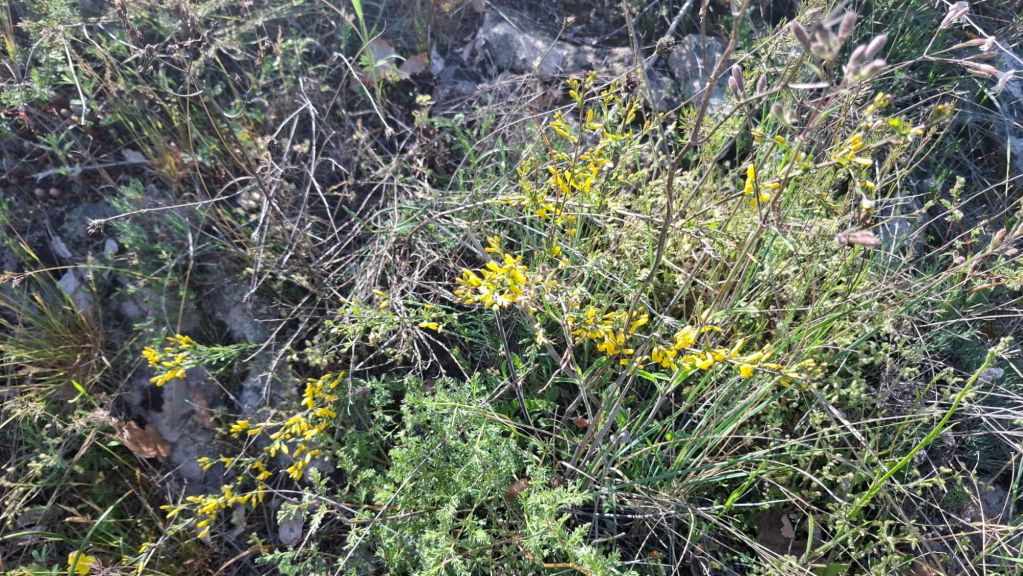
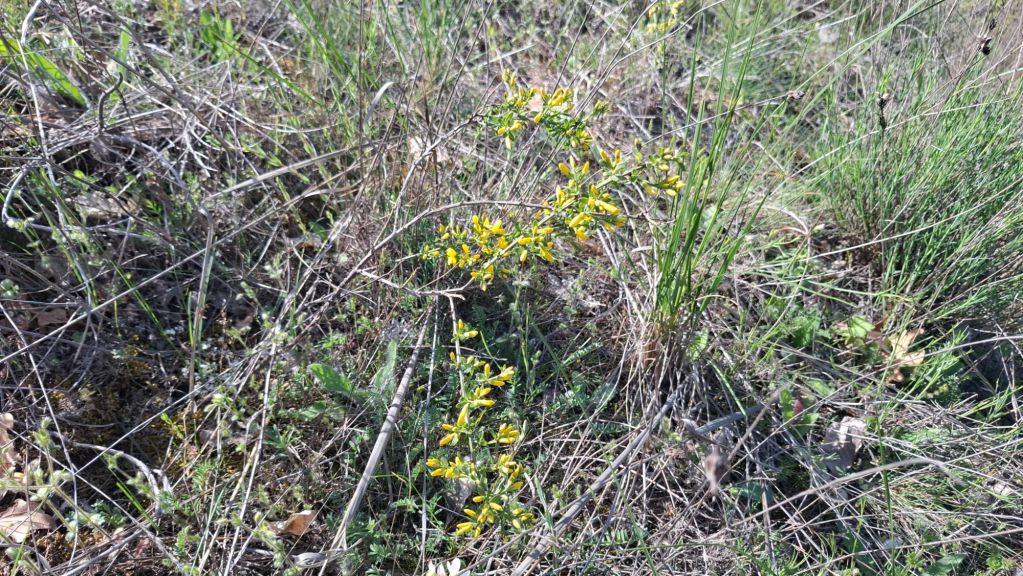
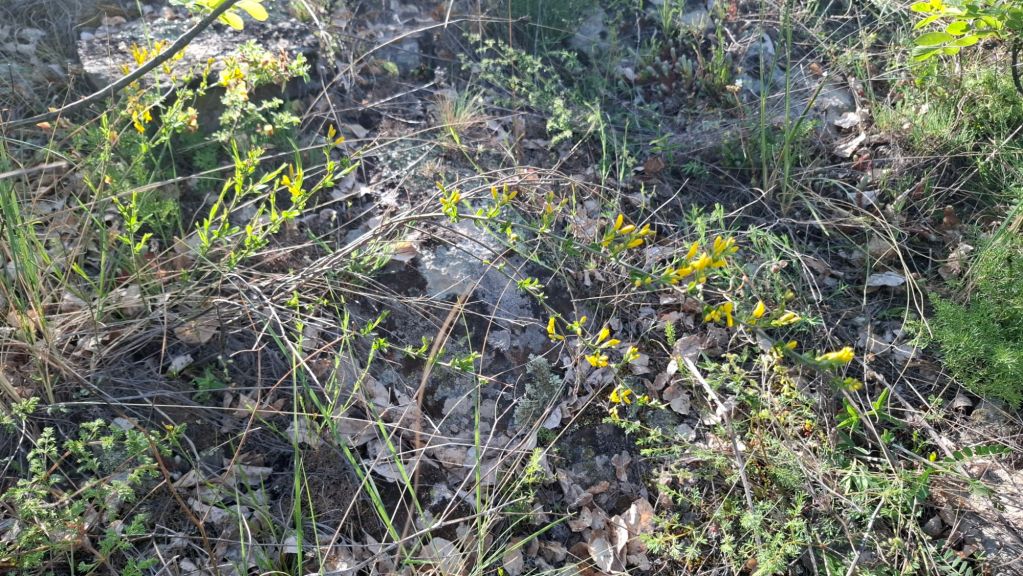
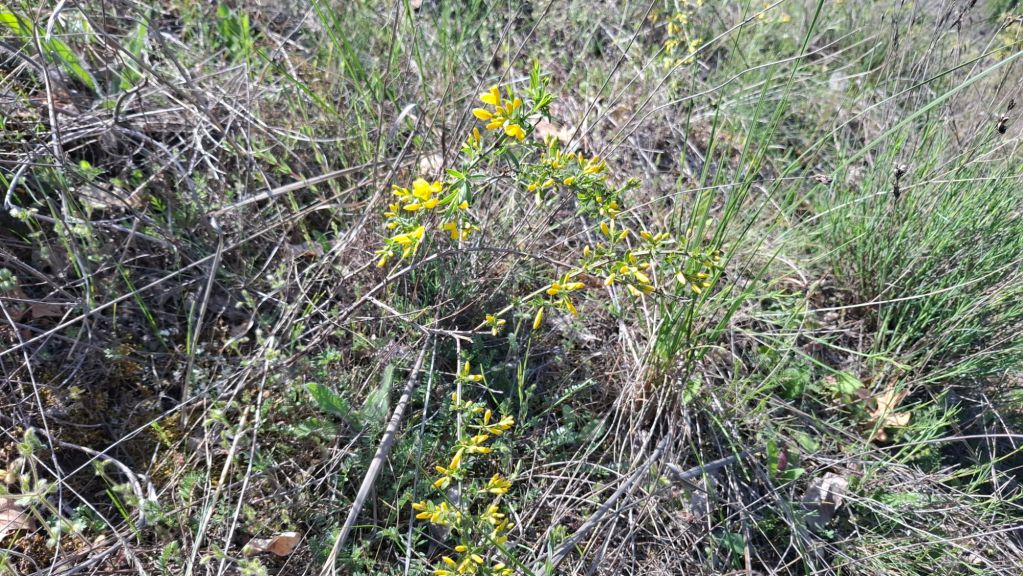
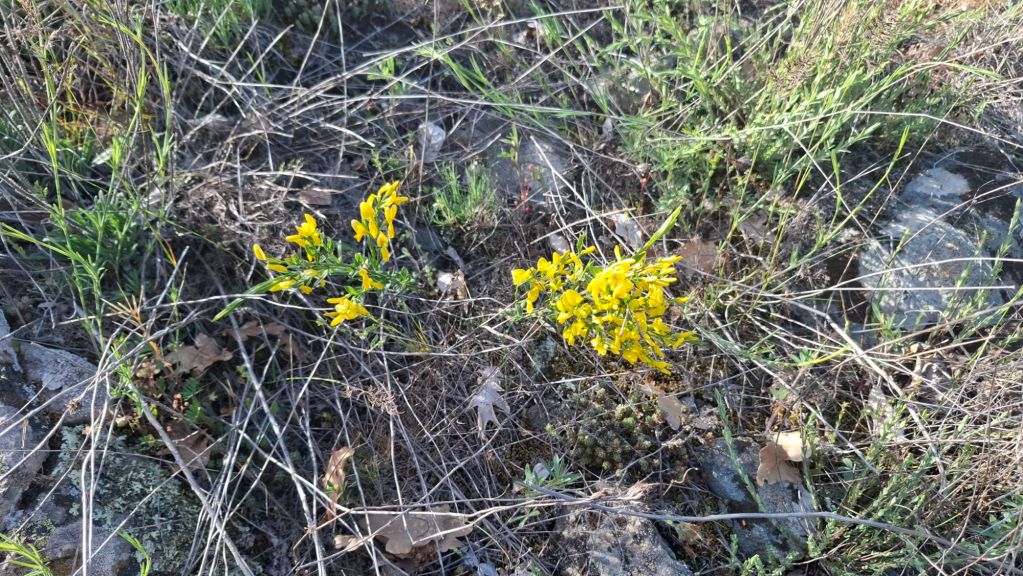
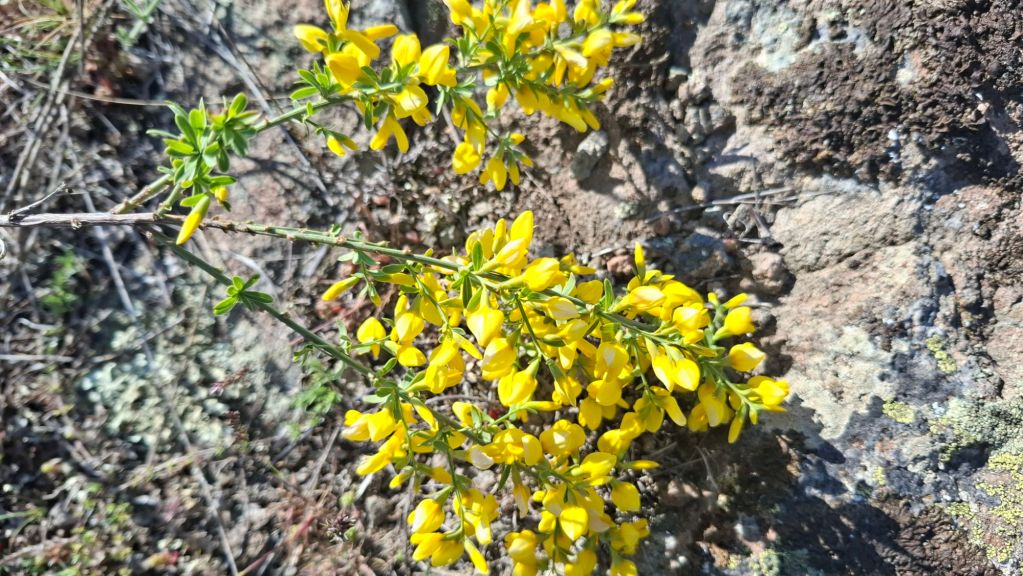
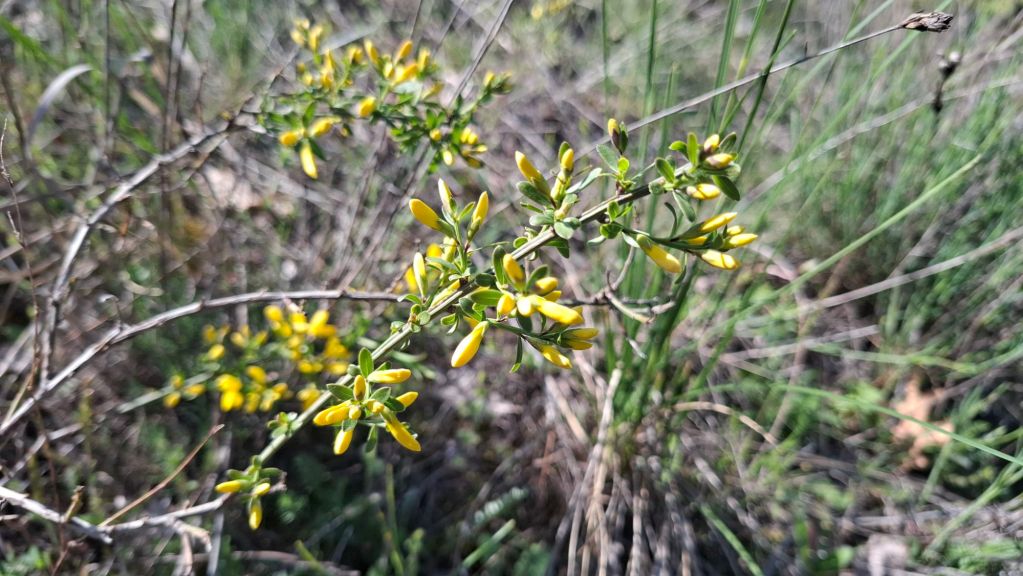
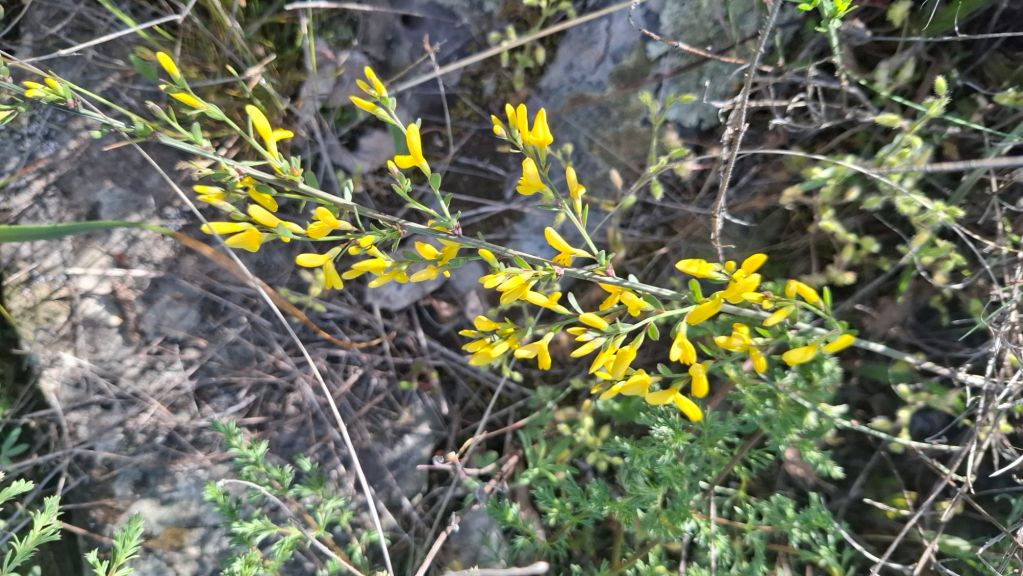
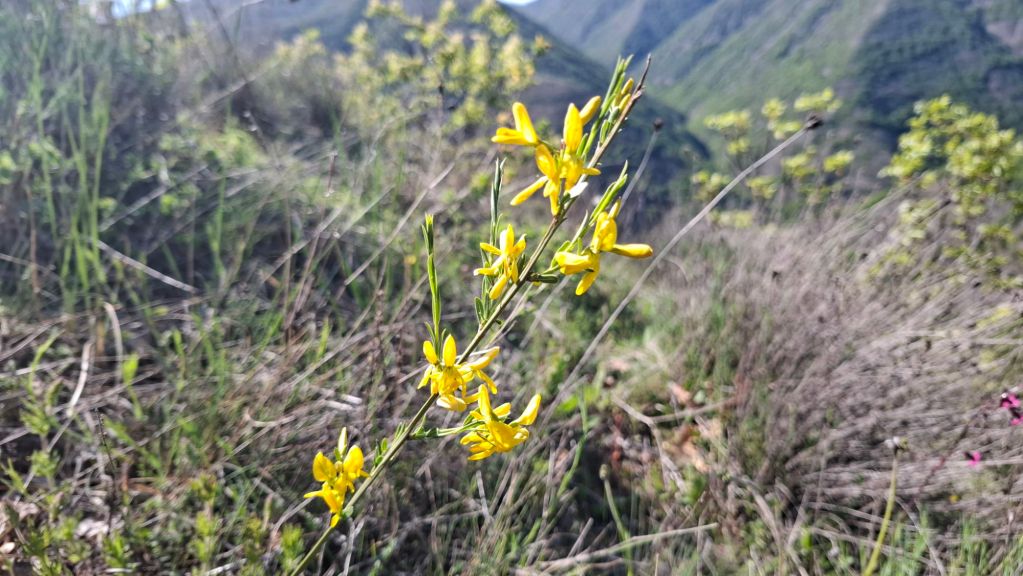
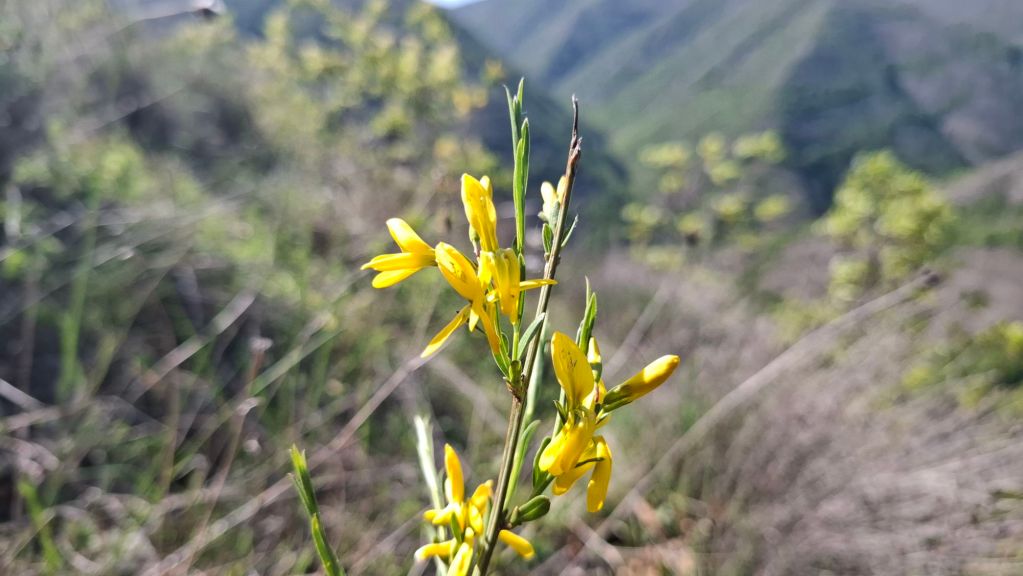
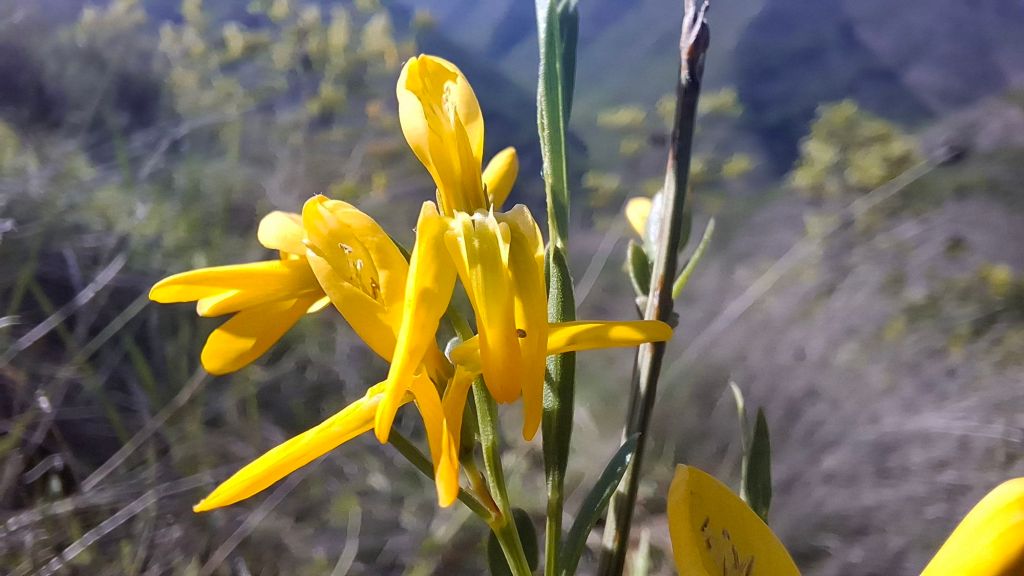
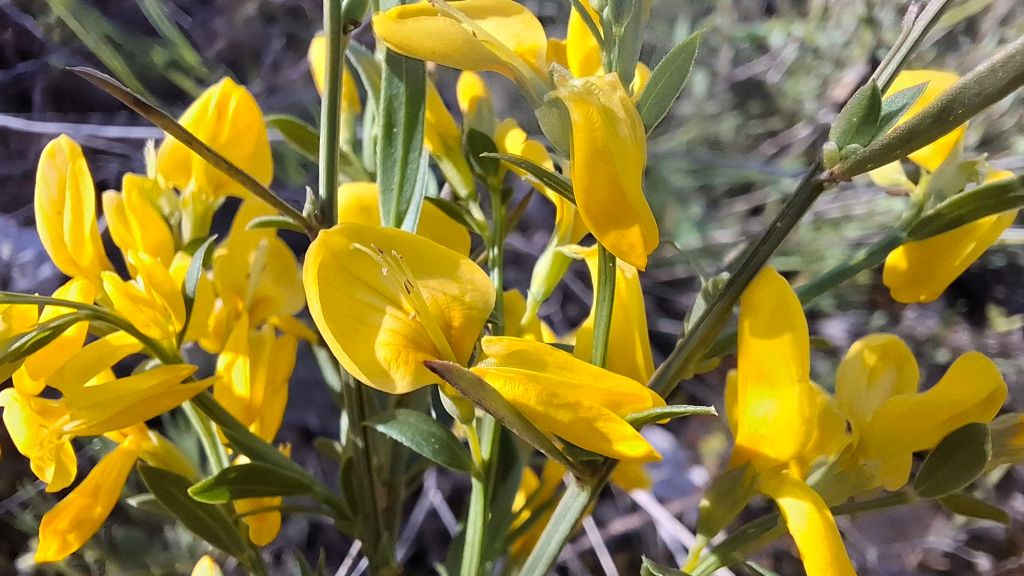
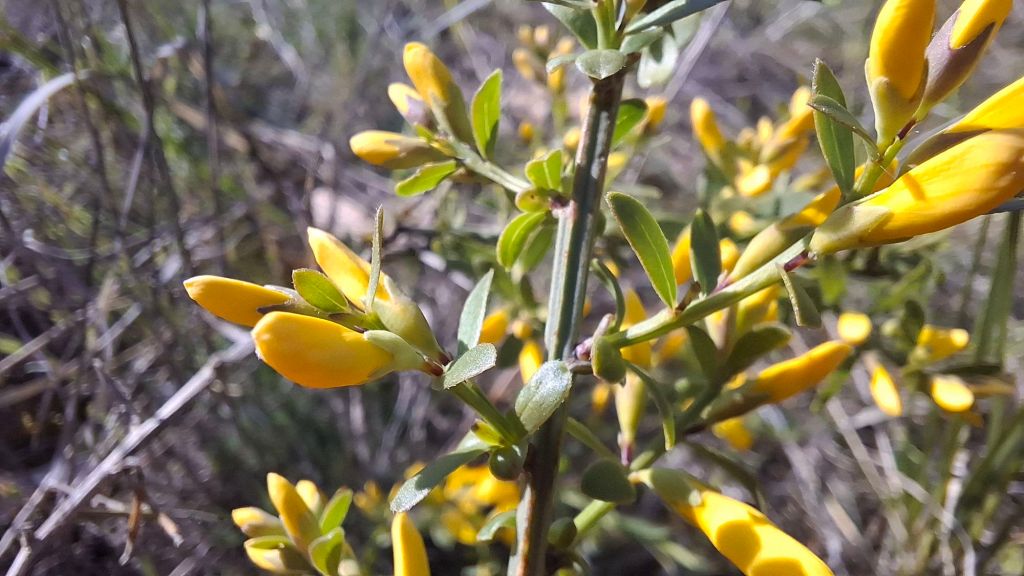
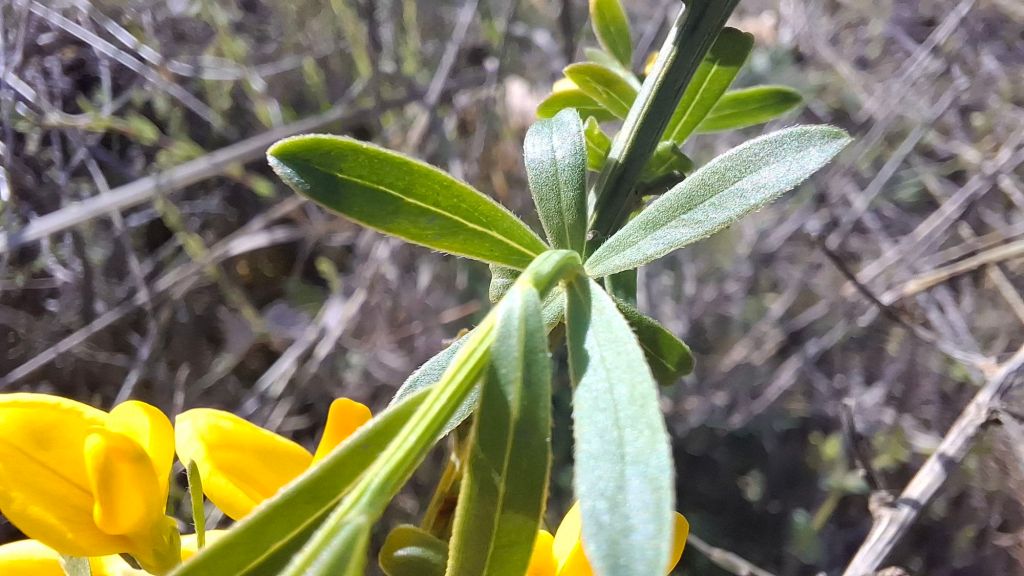
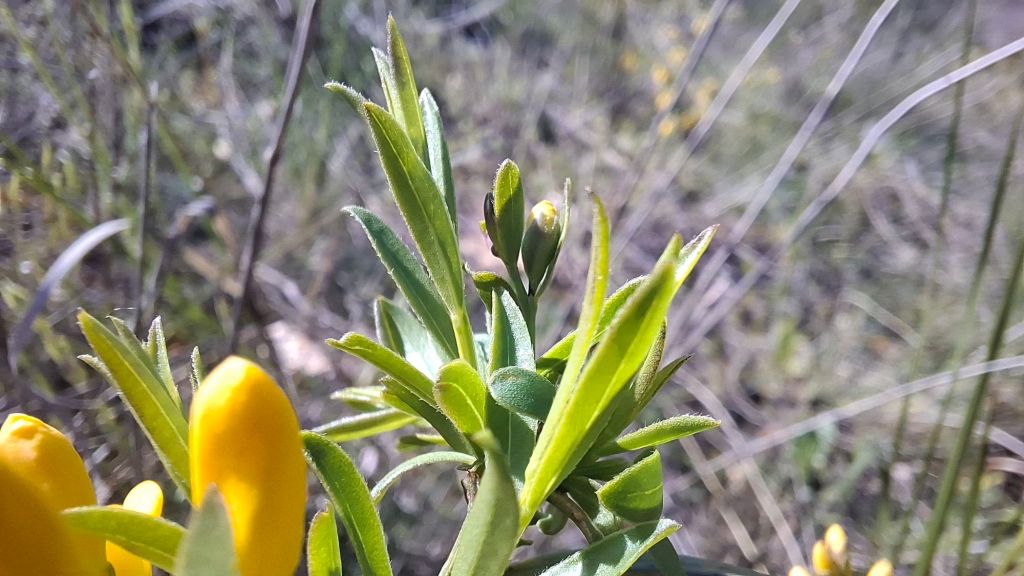
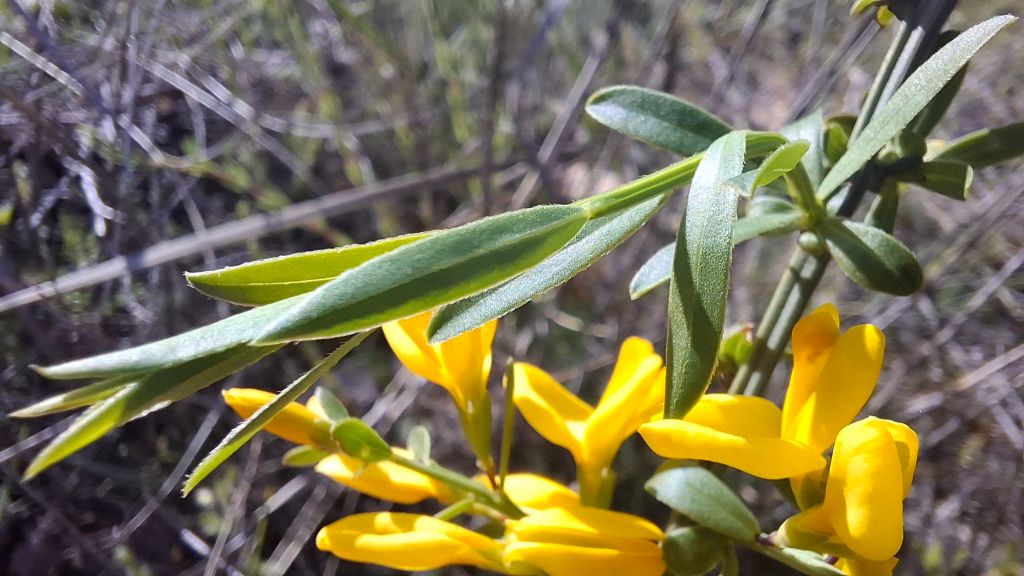
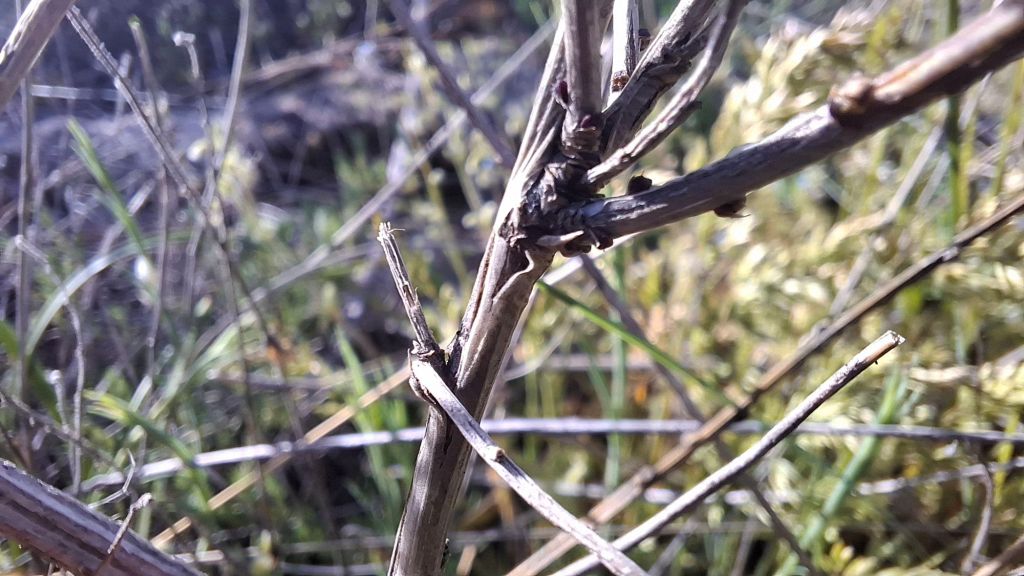
Genista januensis – habit. Rocky terrain above Eshterec Stream (Zletovska River region), 25.04.2026. Photo by Trajche Dimitrovski.Genista januensis – habit. Rocky terrain above Eshterec Stream (Zletovska River region), 25.04.2026. Photo by Trajche Dimitrovski.Genista januensis – habit. Rocky terrain above Eshterec Stream (Zletovska River region), 25.04.2026. Photo by Trajche Dimitrovski.Genista januensis – habit. Rocky terrain above Eshterec Stream (Zletovska River region), 25.04.2026. Photo by Trajche Dimitrovski.Genista januensis – habit. Rocky terrain above Eshterec Stream (Zletovska River region), 25.04.2026. Photo by Trajche Dimitrovski.Genista januensis – habit. Rocky terrain above Eshterec Stream (Zletovska River region), 25.04.2026. Photo by Trajche Dimitrovski.Genista januensis – habit. Rocky terrain above Eshterec Stream (Zletovska River region), 25.04.2026. Photo by Trajche Dimitrovski.Genista januensis – habit. Rocky terrain above Eshterec Stream (Zletovska River region), 25.04.2026. Photo by Trajche Dimitrovski.Genista januensis – habit. Rocky terrain above Eshterec Stream (Zletovska River region), 25.04.2026. Photo by Trajche Dimitrovski.Genista januensis – habit. Rocky terrain above Eshterec Stream (Zletovska River region), 25.04.2026. Photo by Trajche Dimitrovski.Genista januensis – habit. Rocky terrain above Eshterec Stream (Zletovska River region), 25.04.2026. Photo by Trajche Dimitrovski.Genista januensis – flowering branches. Rocky terrain above Eshterec Stream (Zletovska River region), 25.04.2026. Photo by Trajche Dimitrovski.Genista januensis – flowering branch. Flowers in short racemes on ascending lateral branches. Rocky terrain above Eshterec Stream (Zletovska River region), 25.04.2026. Photo by Trajche Dimitrovski.Genista januensis – flowering branch. Flowers in short racemes on ascending lateral branches. Rocky terrain above Eshterec Stream (Zletovska River region), 25.04.2026. Photo by Trajche Dimitrovski.Genista januensis – flowering branch. Flowers in short racemes on ascending lateral branches. Rocky terrain above Eshterec Stream (Zletovska River region), 25.04.2026. Photo by Trajche Dimitrovski.Genista januensis – flowering branch. Flowers in short racemes on ascending lateral branches. Rocky terrain above Eshterec Stream (Zletovska River region), 25.04.2026. Photo by Trajche Dimitrovski.Genista januensis – flowering branch. Flowers in short racemes on ascending lateral branches. Rocky terrain above Eshterec Stream (Zletovska River region), 25.04.2026. Photo by Trajche Dimitrovski.Genista januensis – flowers in short racemes on ascending lateral branches. Rocky terrain above Eshterec Stream (Zletovska River region), 25.04.2026. Photo by Trajche Dimitrovski.Genista januensis – flowers. Rocky terrain above Eshterec Stream (Zletovska River region), 25.04.2026. Photo by Trajche Dimitrovski.Genista januensis – flowers. Rocky terrain above Eshterec Stream (Zletovska River region), 25.04.2026. Photo by Trajche Dimitrovski.Genista januensis – flowers. Rocky terrain above Eshterec Stream (Zletovska River region), 25.04.2026. Photo by Trajche Dimitrovski.Genista januensis – flowers. Rocky terrain above Eshterec Stream (Zletovska River region), 25.04.2026. Photo by Trajche Dimitrovski.Genista januensis – flowers. Rocky terrain above Eshterec Stream (Zletovska River region), 25.04.2026. Photo by Trajche Dimitrovski.Genista januensis – flowers. Rocky terrain above Eshterec Stream (Zletovska River region), 25.04.2026. Photo by Trajche Dimitrovski.Genista januensis – flowers. Rocky terrain above Eshterec Stream (Zletovska River region), 25.04.2026. Photo by Trajche Dimitrovski.Genista januensis – flowers. Rocky terrain above Eshterec Stream (Zletovska River region), 25.04.2026. Photo by Trajche Dimitrovski.Genista januensis – flower buds and leaves. Rocky terrain above Eshterec Stream (Zletovska River region), 25.04.2026. Photo by Trajche Dimitrovski.Genista januensis – flower buds and leaves. Rocky terrain above Eshterec Stream (Zletovska River region), 25.04.2026. Photo by Trajche Dimitrovski.Genista januensis – flower buds and leaves. Rocky terrain above Eshterec Stream (Zletovska River region), 25.04.2026. Photo by Trajche Dimitrovski.Genista januensis – leaves. Rocky terrain above Eshterec Stream (Zletovska River region), 25.04.2026. Photo by Trajche Dimitrovski.Genista januensis – leaves. Rocky terrain above Eshterec Stream (Zletovska River region), 25.04.2026. Photo by Trajche Dimitrovski.Genista januensis – leaves. Rocky terrain above Eshterec Stream (Zletovska River region), 25.04.2026. Photo by Trajche Dimitrovski.Genista januensis – leaves of non-flowering twigs. Rocky terrain above Eshterec Stream (Zletovska River region), 25.04.2026. Photo by Trajche Dimitrovski.Genista januensis – olger branch. Rocky terrain above Eshterec Stream (Zletovska River region), 25.04.2026. Photo by Trajche Dimitrovski.Genista januensis – woody part of plant. Rocky terrain above Eshterec Stream (Zletovska River region), 25.04.2026. Photo by Trajche Dimitrovski.
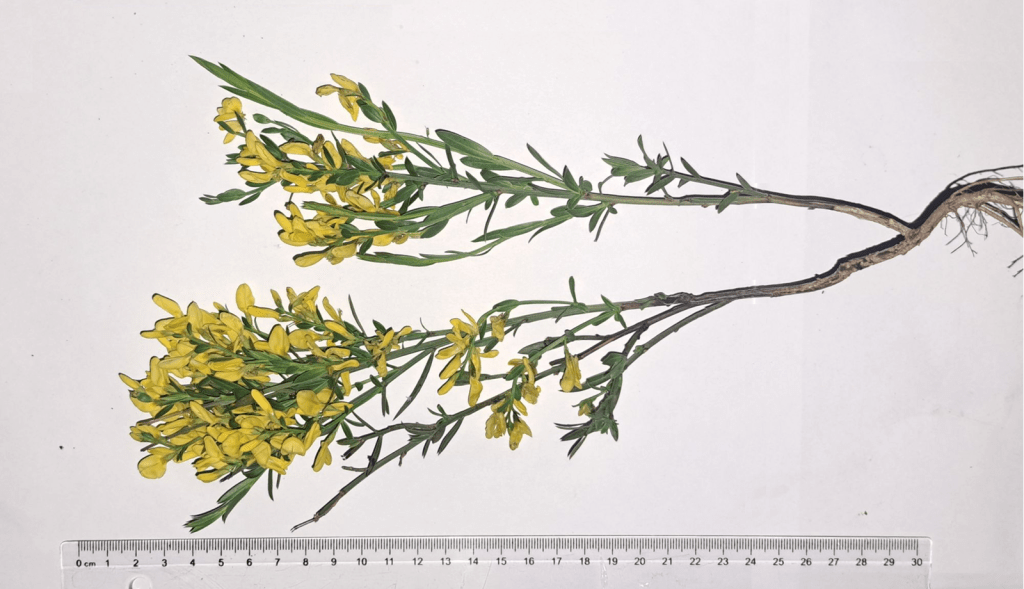
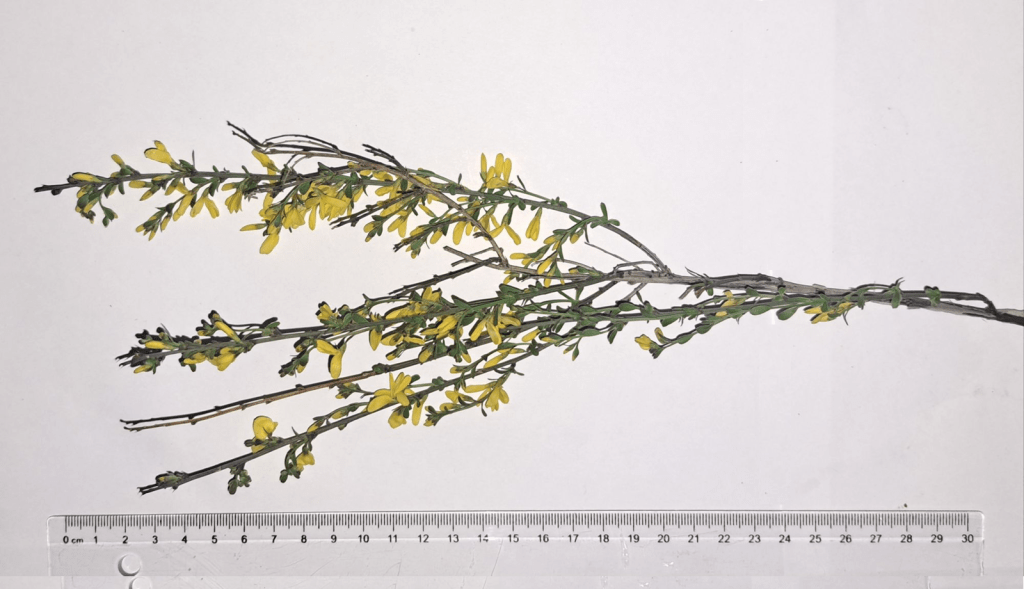
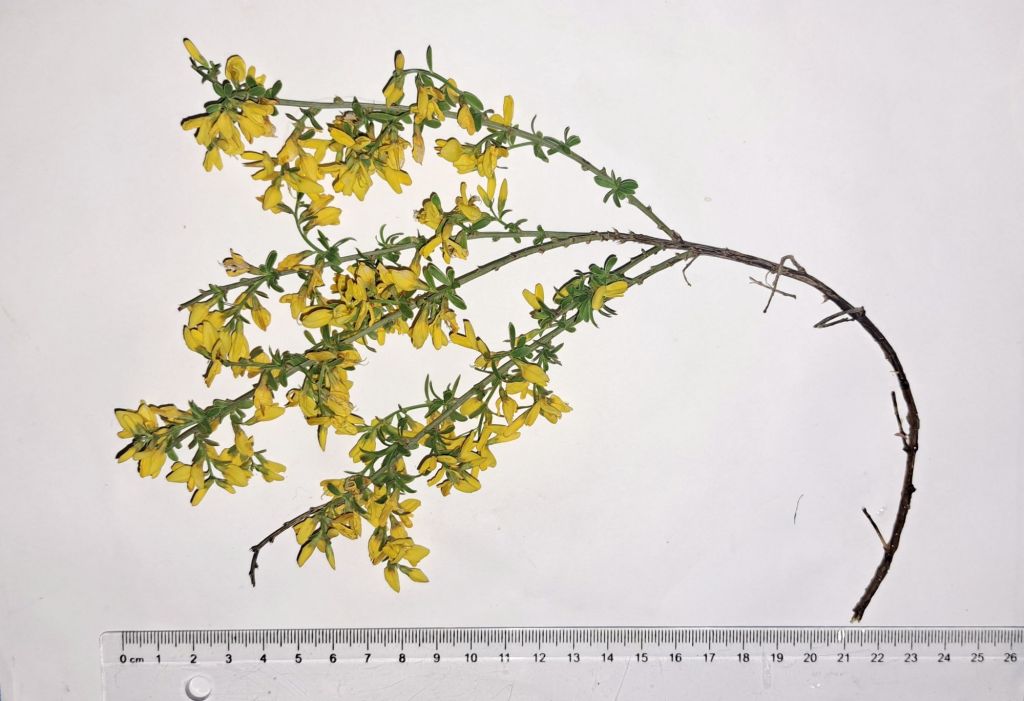
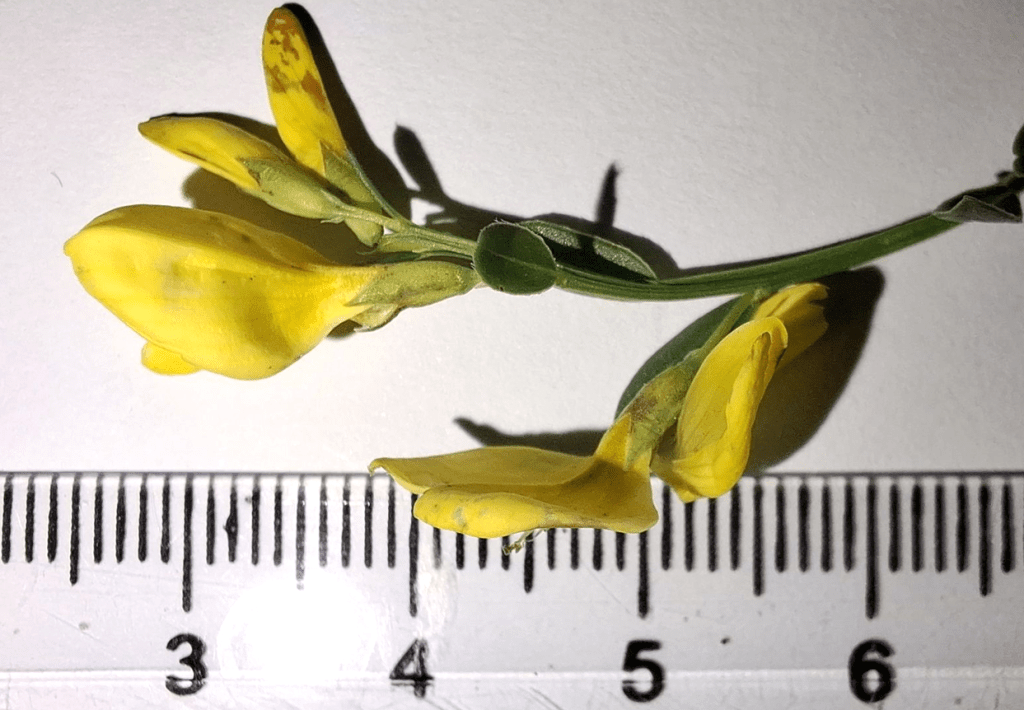
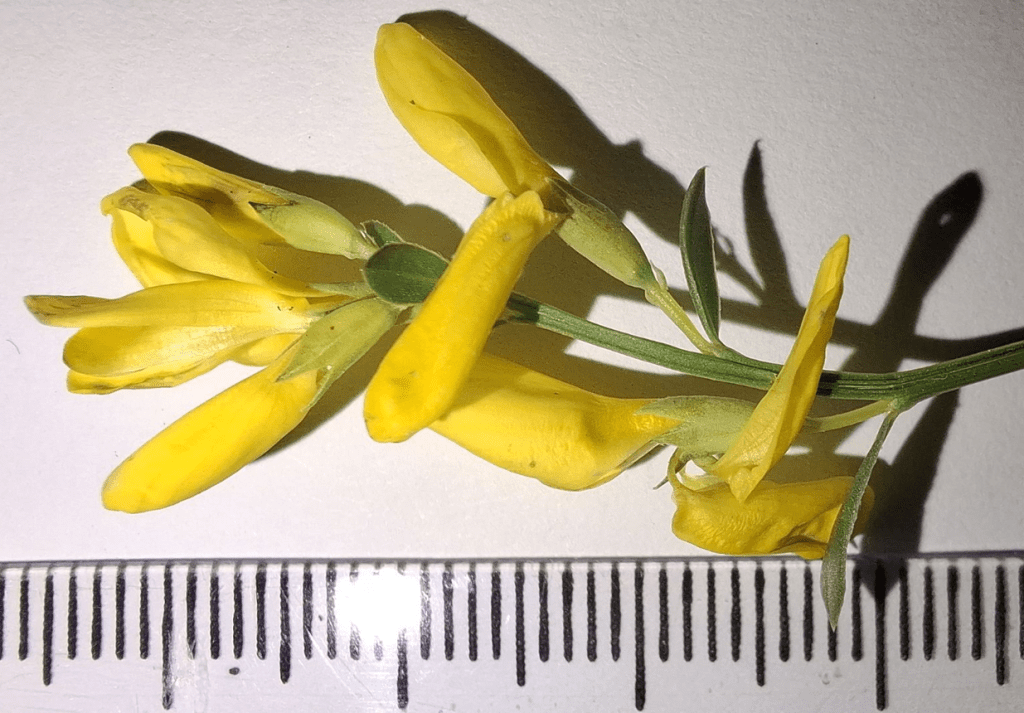
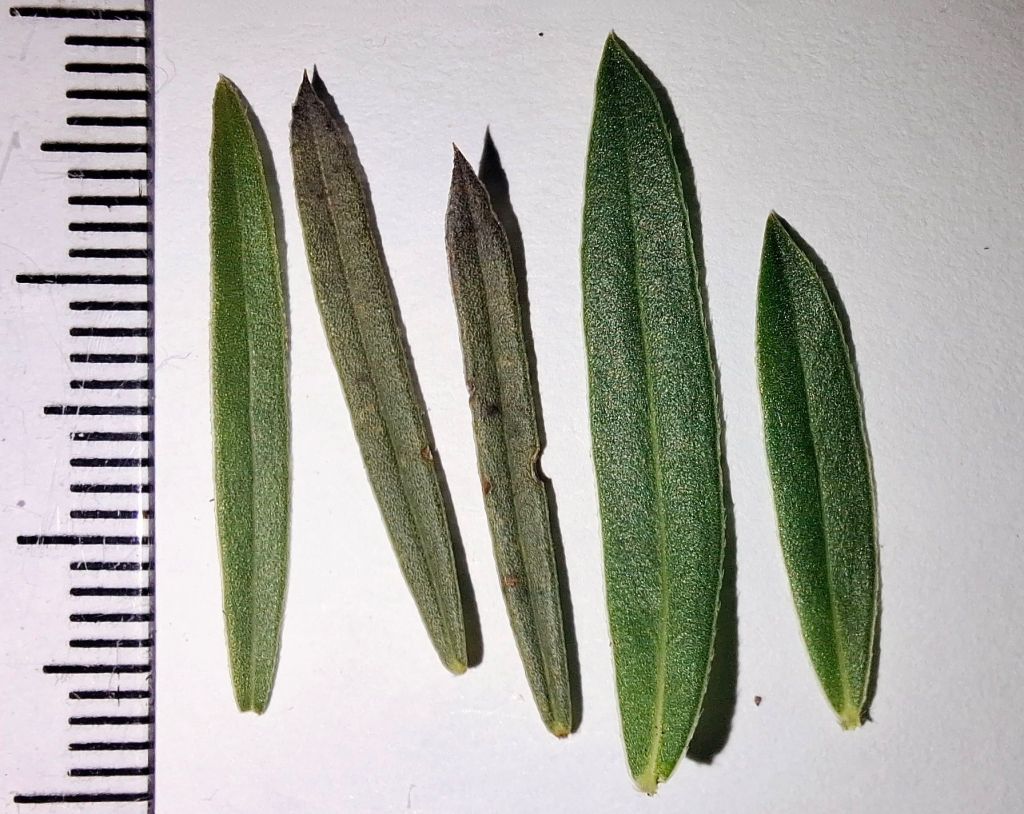
Scaled images. Specimens from rocky terrain above Eshterec Stream (Zletovska River region). Date: 25.04.2026.
Genista januensis – habit. Specimens from rocky terrain above Eshterec Stream (Zletovska River region). Date: 25.04.2026. Scale in cm. Photo by Trajche Dimitrovski.Genista januensis – habit. Specimens from rocky terrain above Eshterec Stream (Zletovska River region). Date: 25.04.2026. Scale in cm. Photo by Trajche Dimitrovski.Genista januensis – habit. Specimens from rocky terrain above Eshterec Stream (Zletovska River region). Date: 25.04.2026. Scale in cm. Photo by Trajche Dimitrovski.Genista januensis – habit. Specimens from rocky terrain above Eshterec Stream (Zletovska River region). Date: 25.04.2026. Scale in cm. Photo by Trajche Dimitrovski.Genista januensis – habit. flowering branch with flowers arranged in racemes on lateral branches. Date: 25.04.2026. Scale in cm. Photo by Trajche Dimitrovski.Genista januensis – habit. flowering branch with flowers arranged in racemes on lateral branches. Date: 25.04.2026. Scale in cm. Photo by Trajche Dimitrovski.Genista januensis – flowers. Scale in mm. Photo by Trajche Dimitrovski.Genista januensis – flowers. Scale in mm. Photo by Trajche Dimitrovski.Genista januensis – flower elements: standard (A and B), wings (C) and keel (D). Scale in mm. Photo by Trajche Dimitrovski.Genista januensis – axillary branch with flowers and leaves. Scale in cm/ mm. Photo by Trajche Dimitrovski.Genista januensis – axillary branch with flowers and leaves. Scale in cm/ mm. Photo by Trajche Dimitrovski.Genista januensis – leaves of non-flowering branches. Scale in cm/ mm. Photo by Trajche Dimitrovski.Genista januensis – leaves of flowering branches. Scale in cm/ mm. Photo by Trajche Dimitrovski.Genista januensis – hyaline margin of leaf under magnification. Photo by Trajche Dimitrovski.Genista januensis – cross section of young developing twig (left) and older branch (right). Scale in mm. Photo by Trajche Dimitrovski.
Gibbs, P. E. 1968. Genista L. In Tutin, T. G., Heywood, V. H., Burges, N. A., Moore, D. M., Valentine, D. H., Walters, S. M. & Webb, D. A. (eds.), Flora Europaea. Volume 2. Rosaceae to Umbelliferae. Cambridge: Cambridge University Press, pp. 94–100.
Micevski, K. 2001. Genista L., The Flora of the Republic of Macedonia. Vol. I, Book 5. Skopje: Macedonian Academy of Sciences and Arts, pp. 1145–1159.
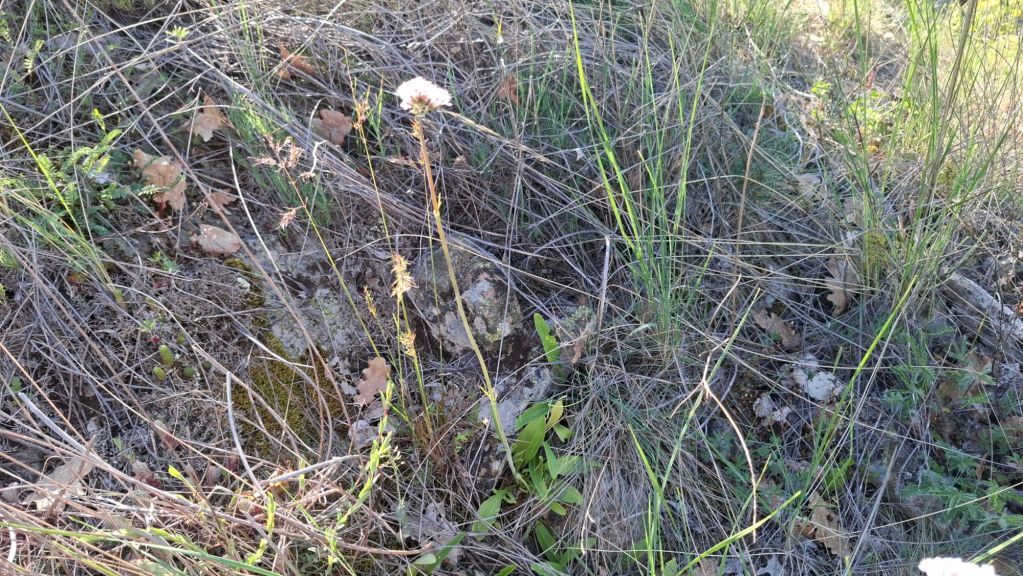
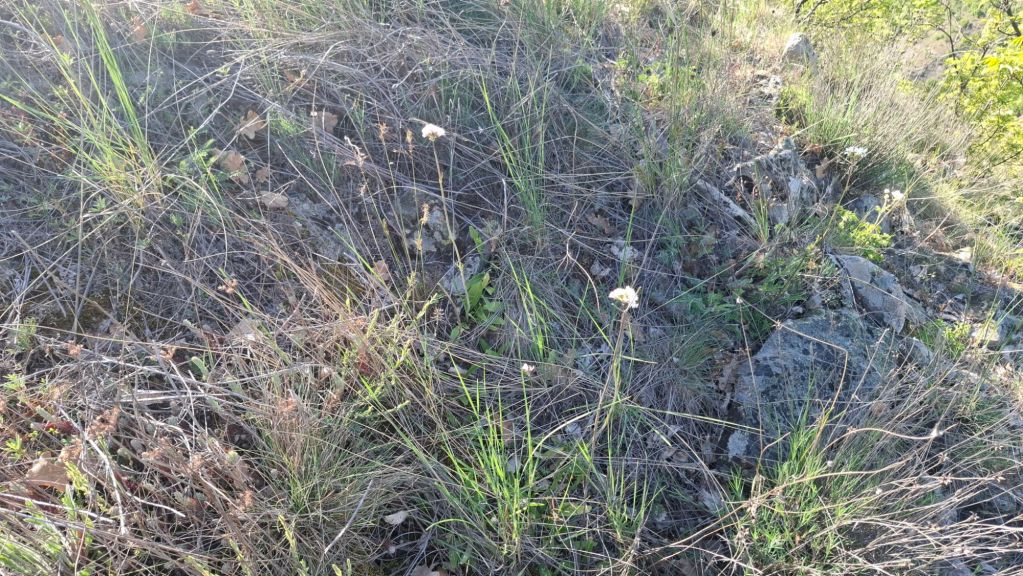
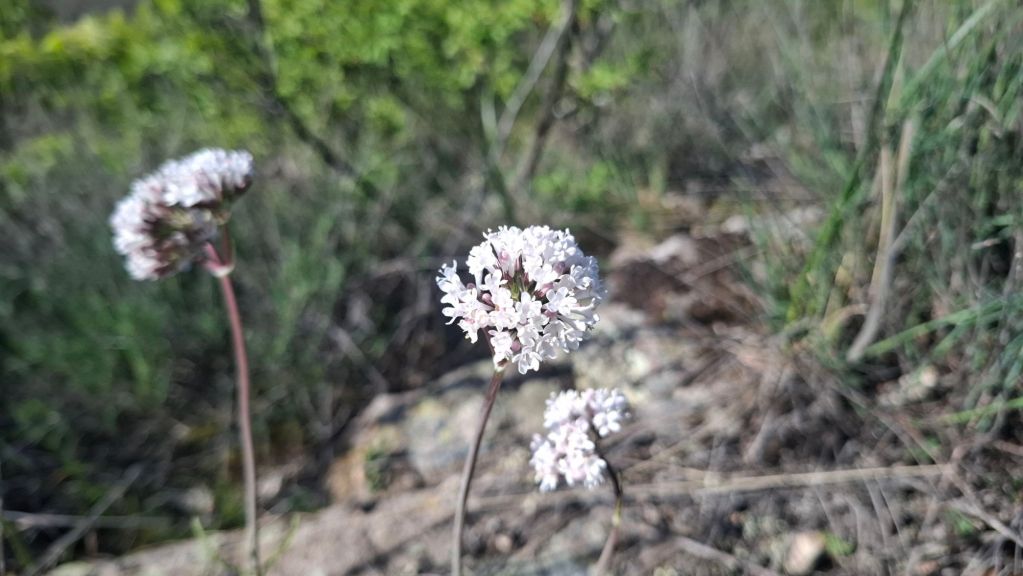
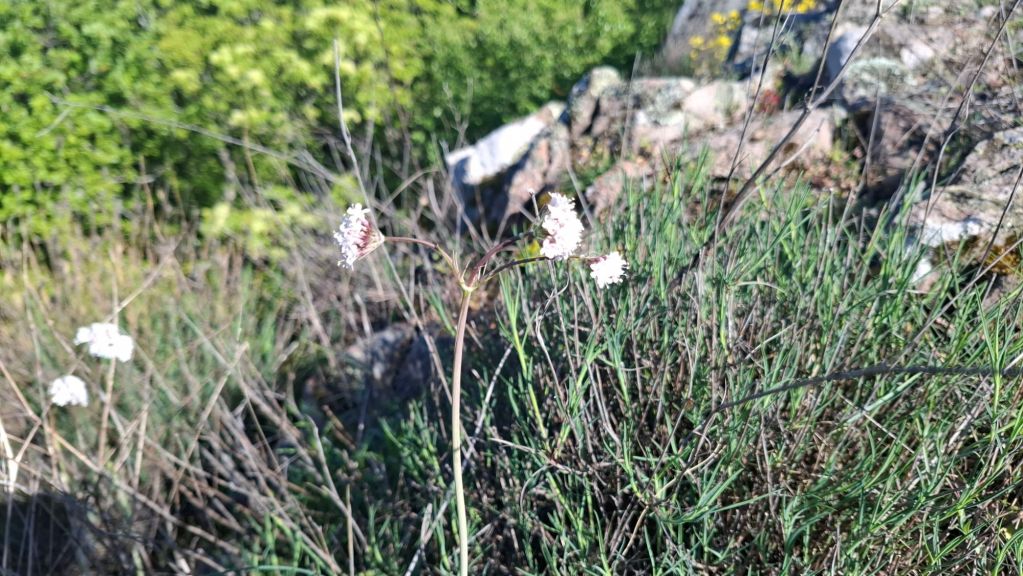
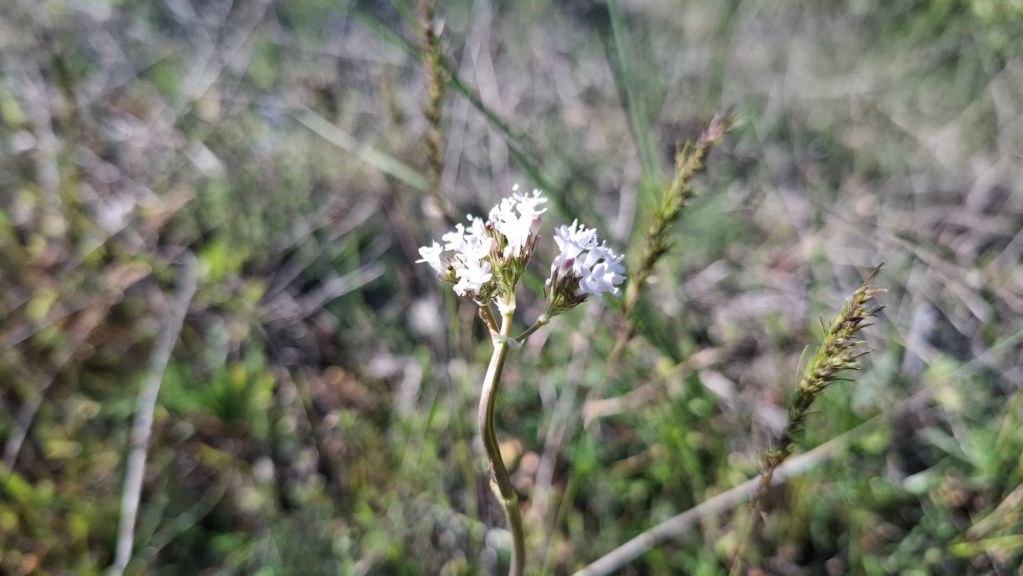
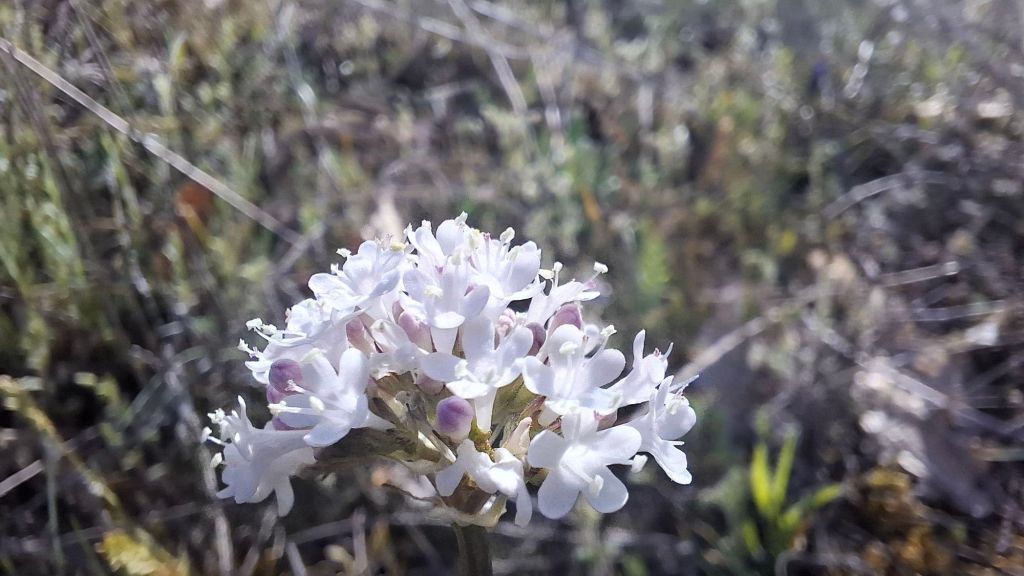
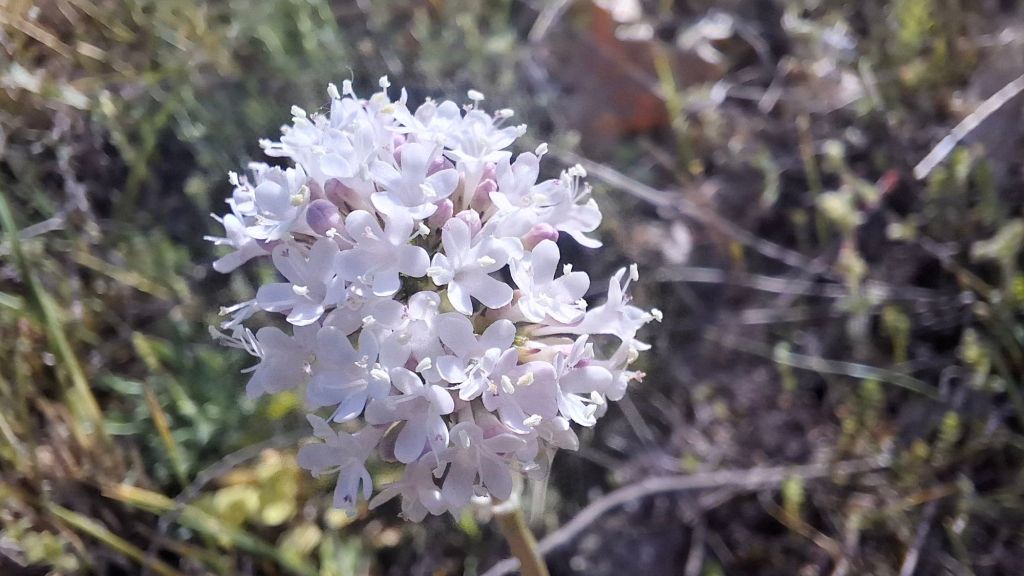
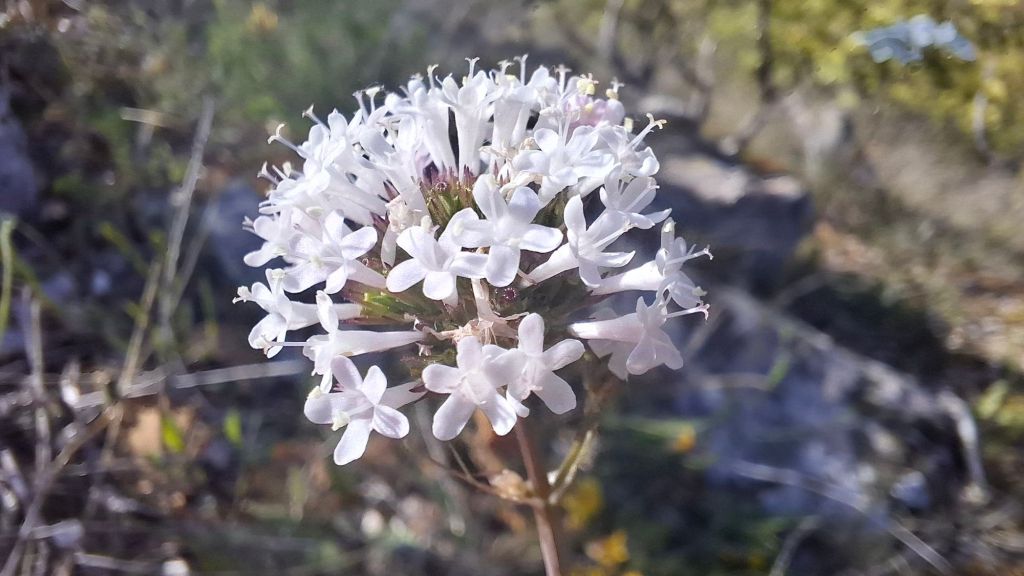
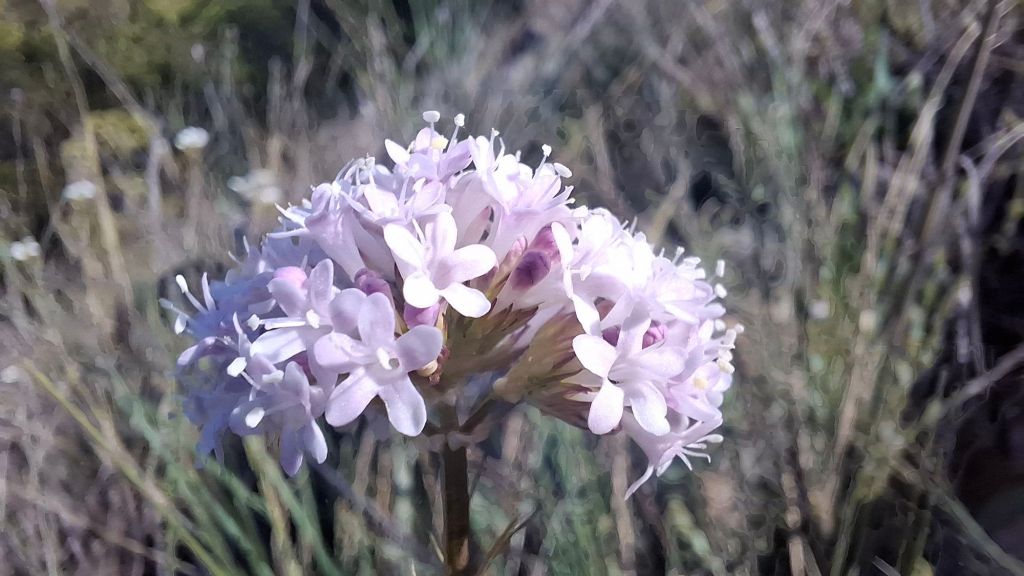
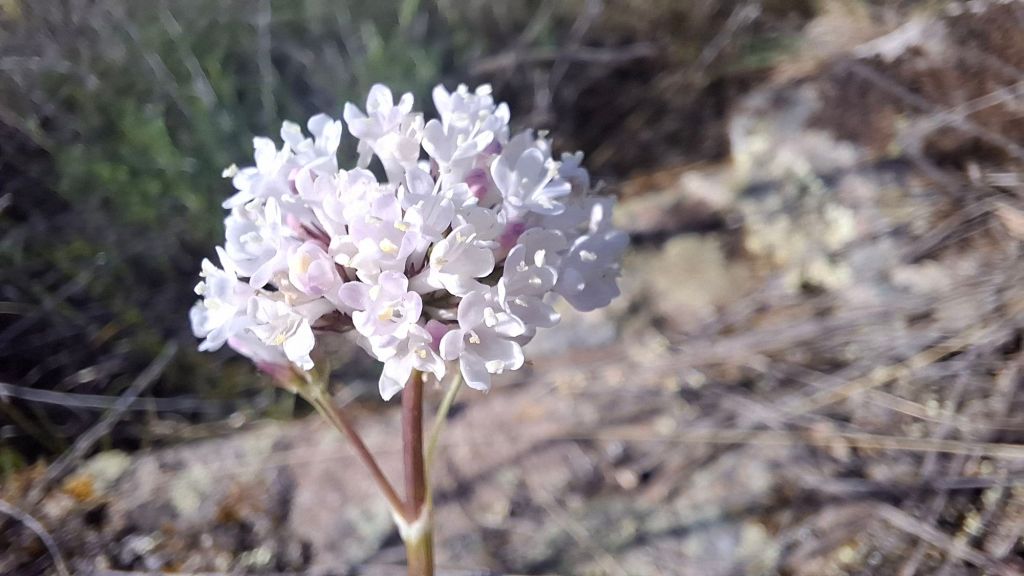
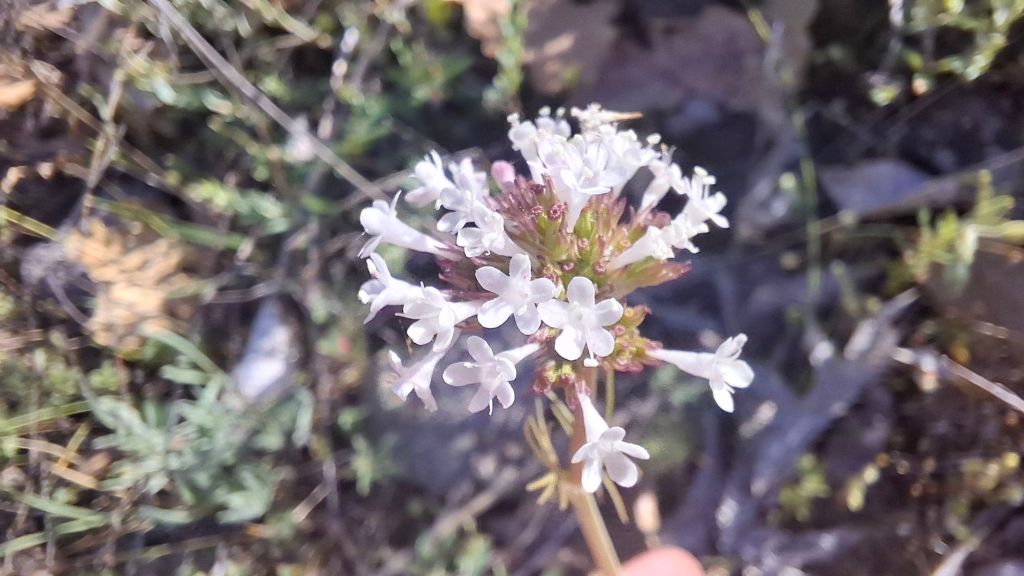
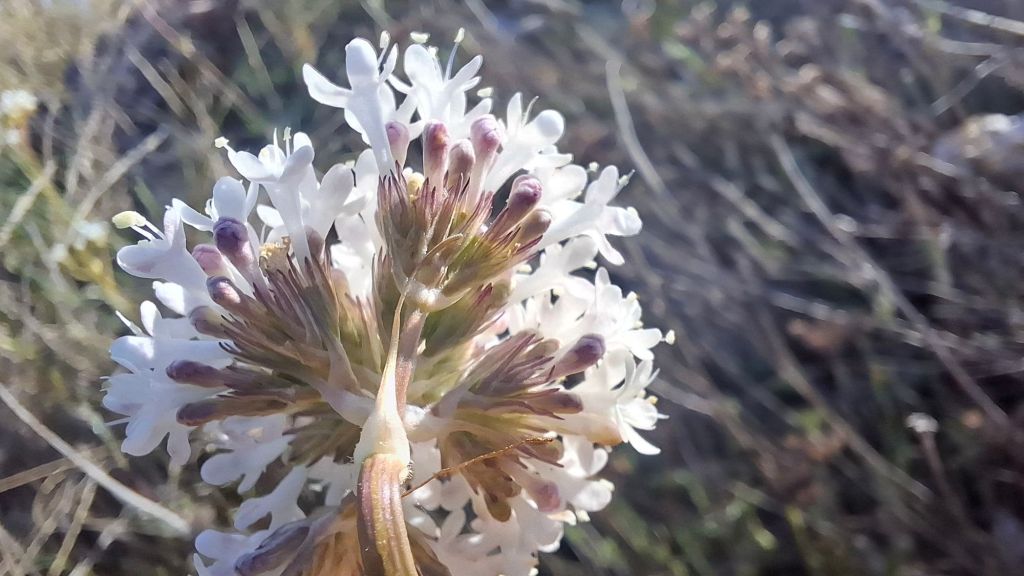
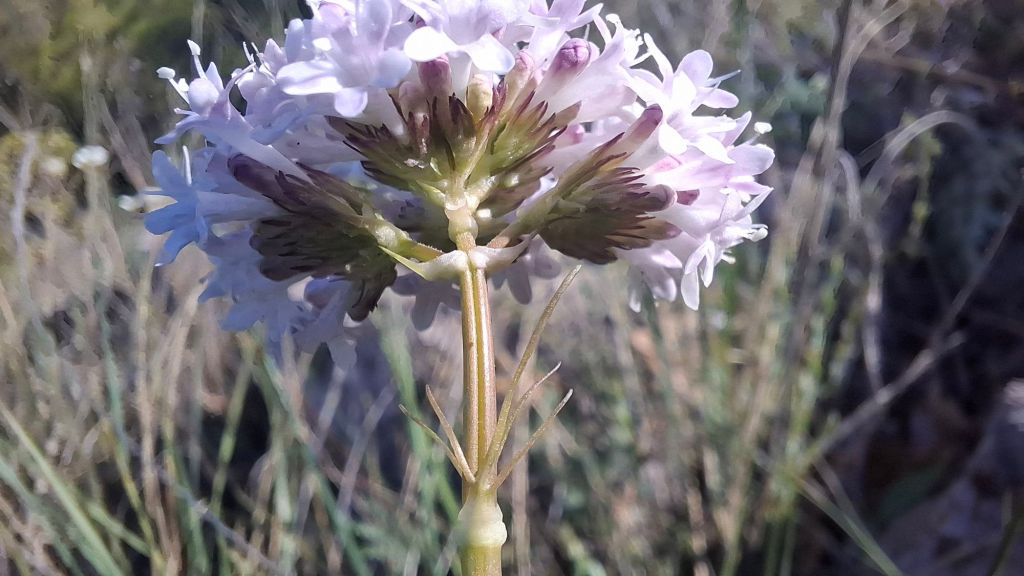
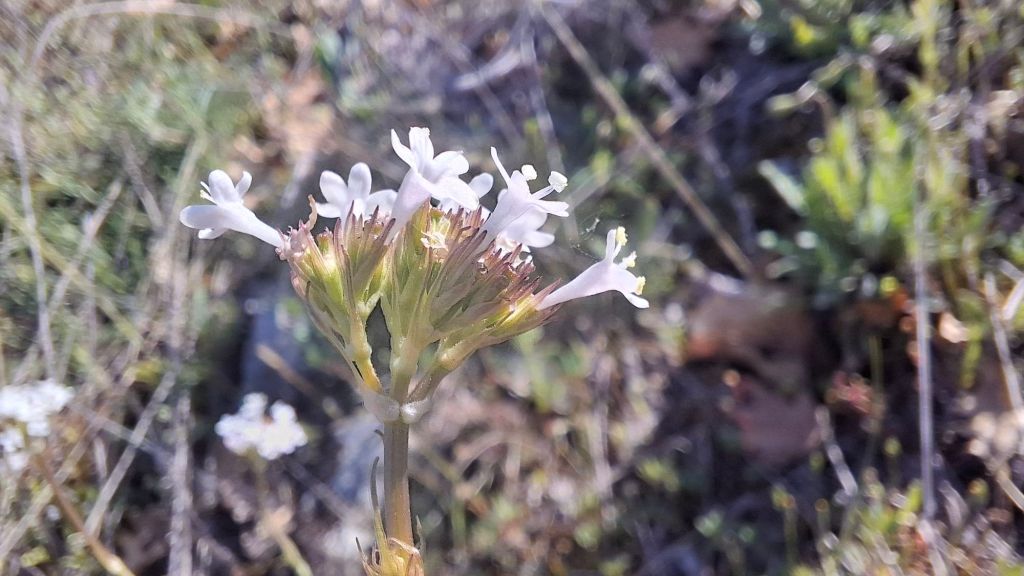
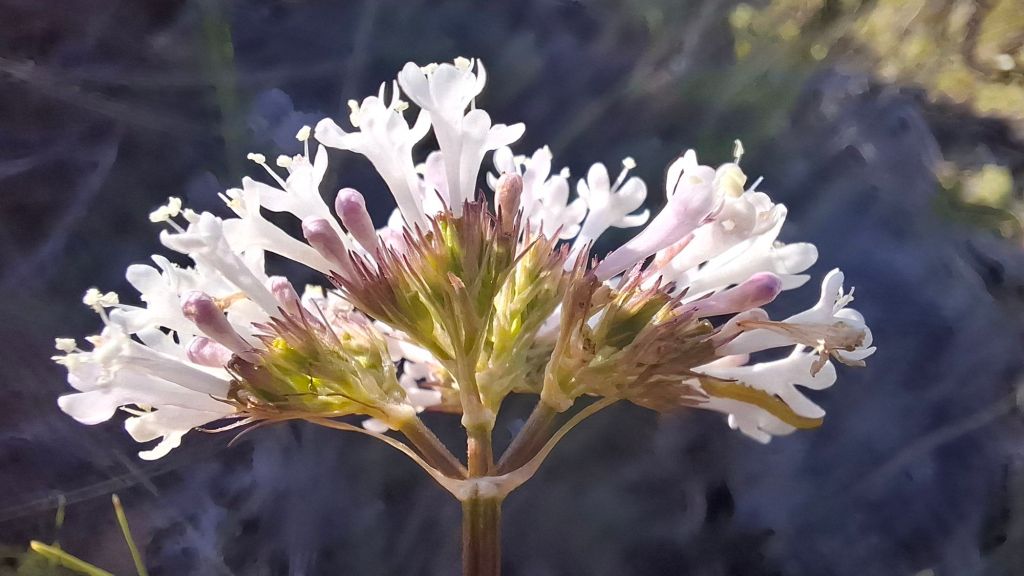
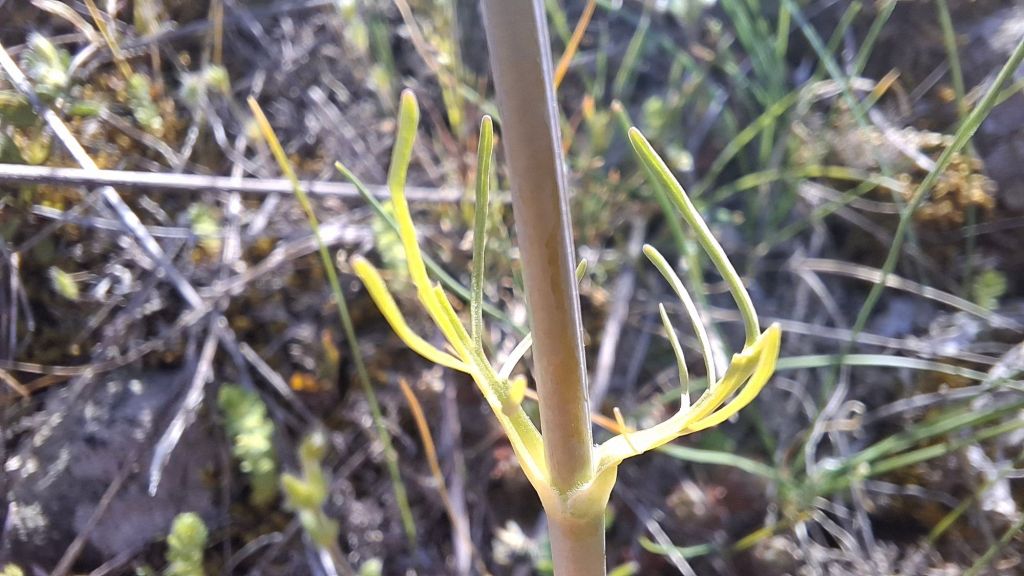
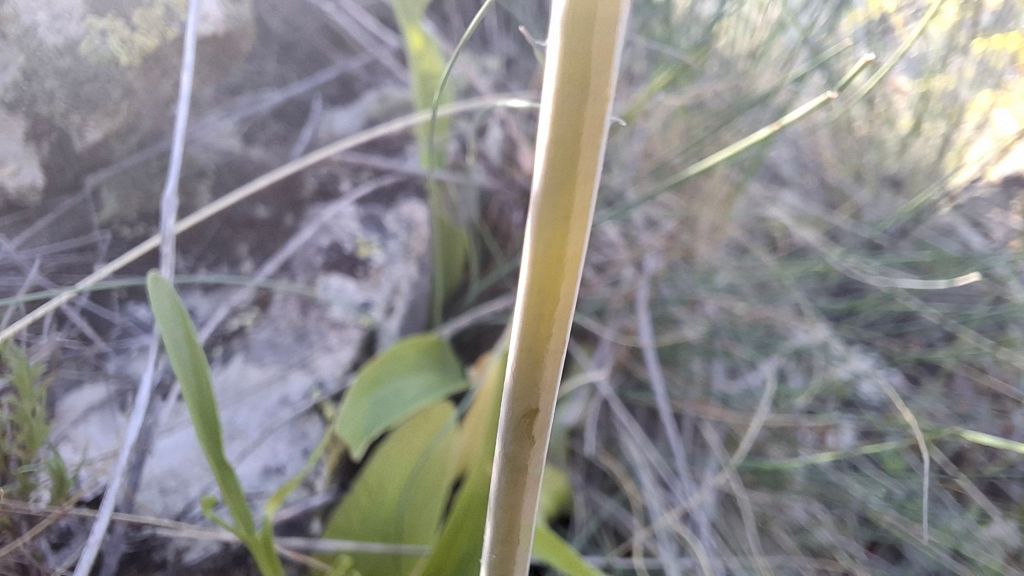
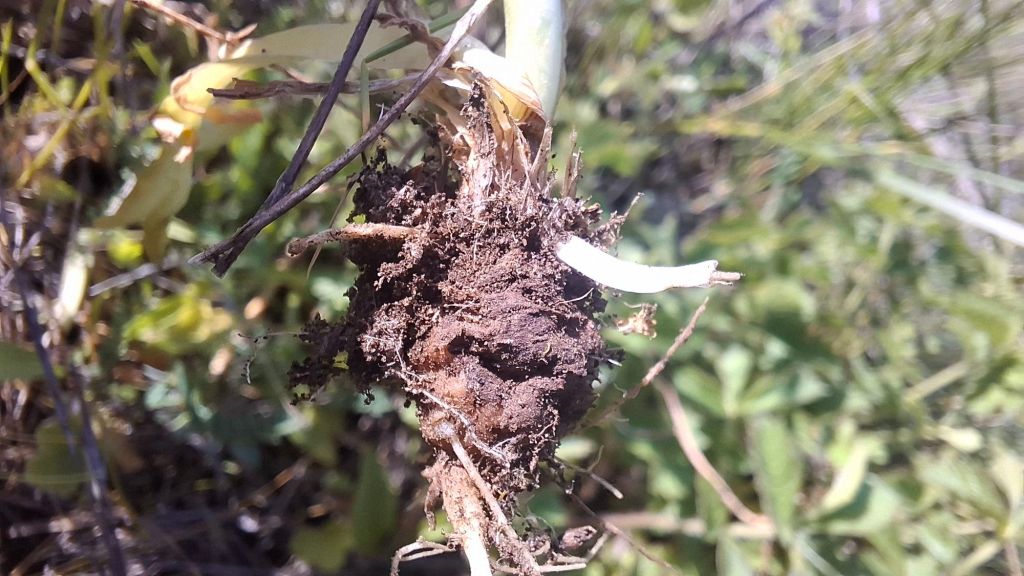
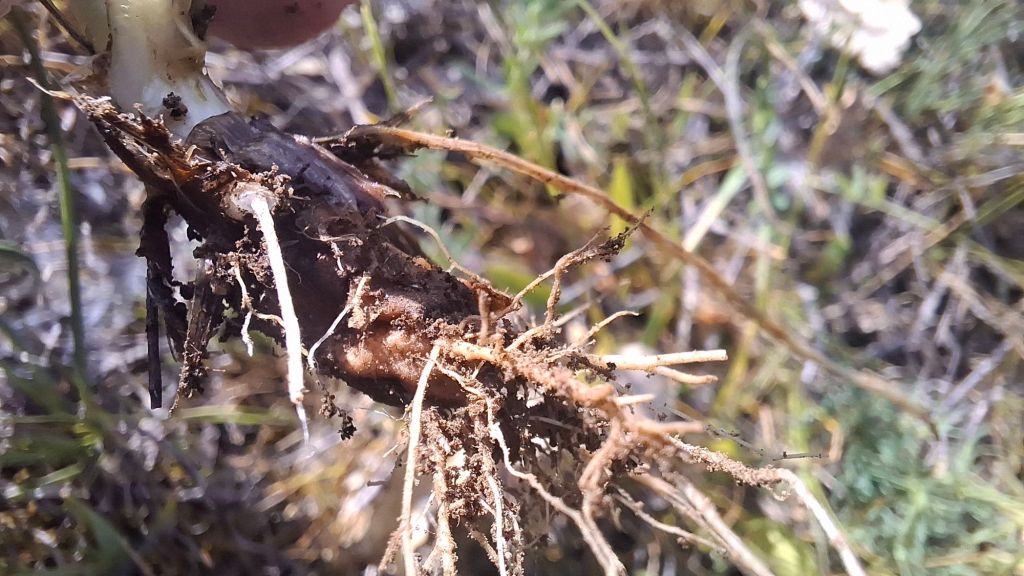
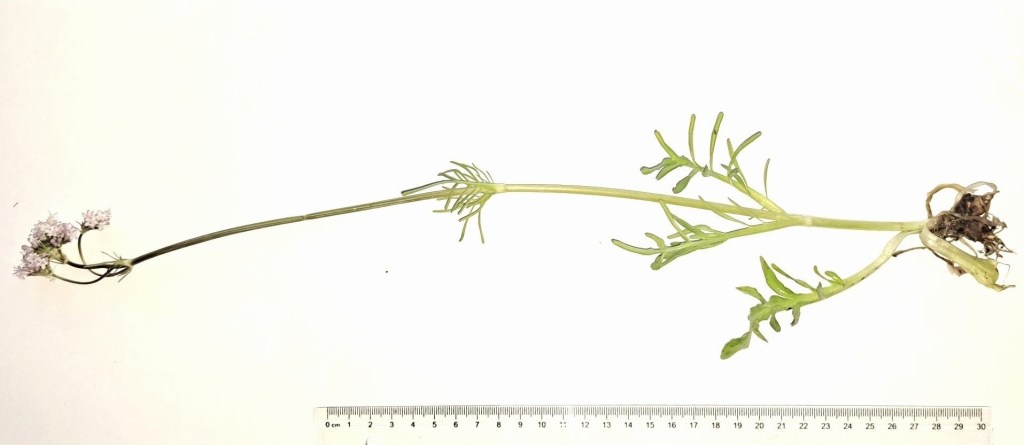
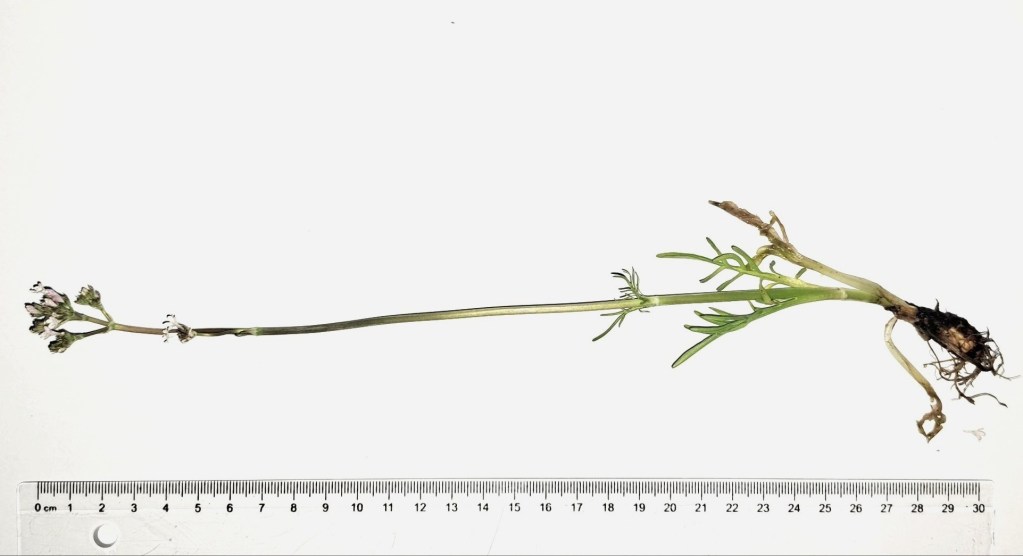
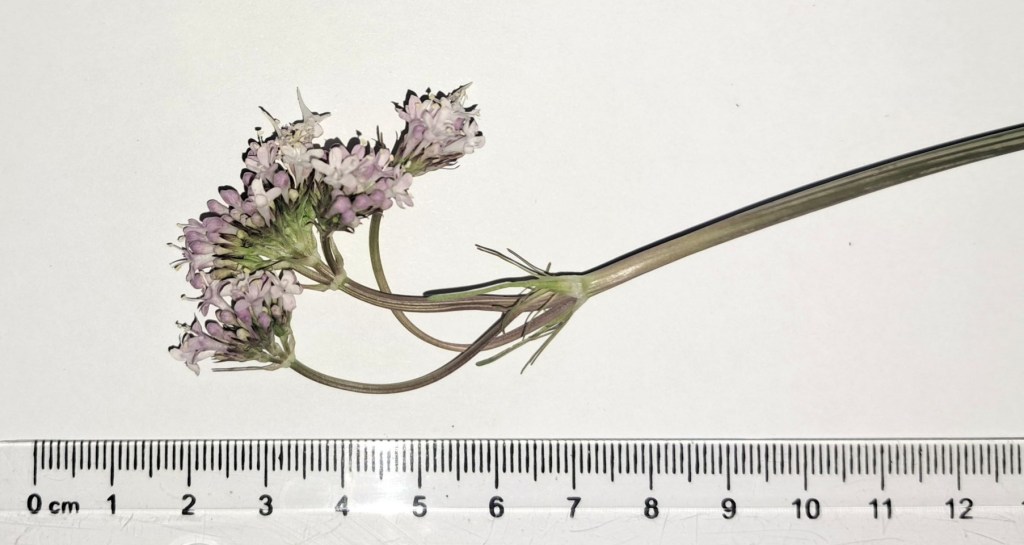
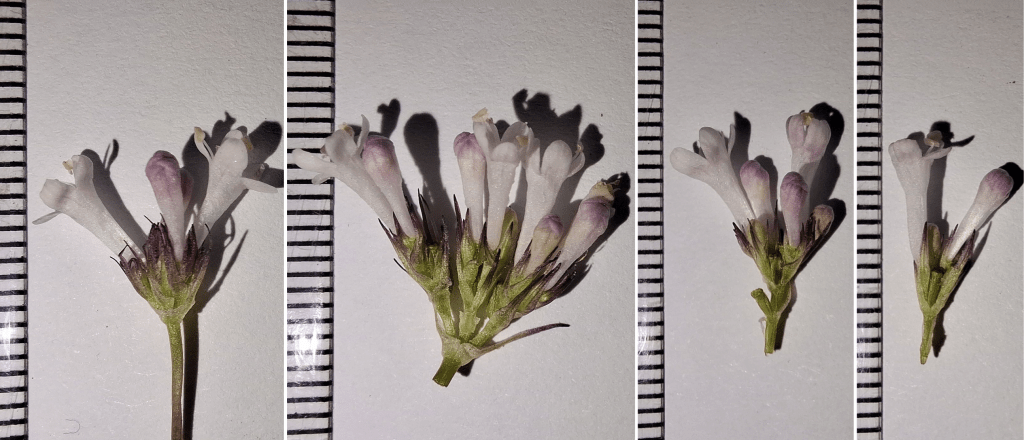
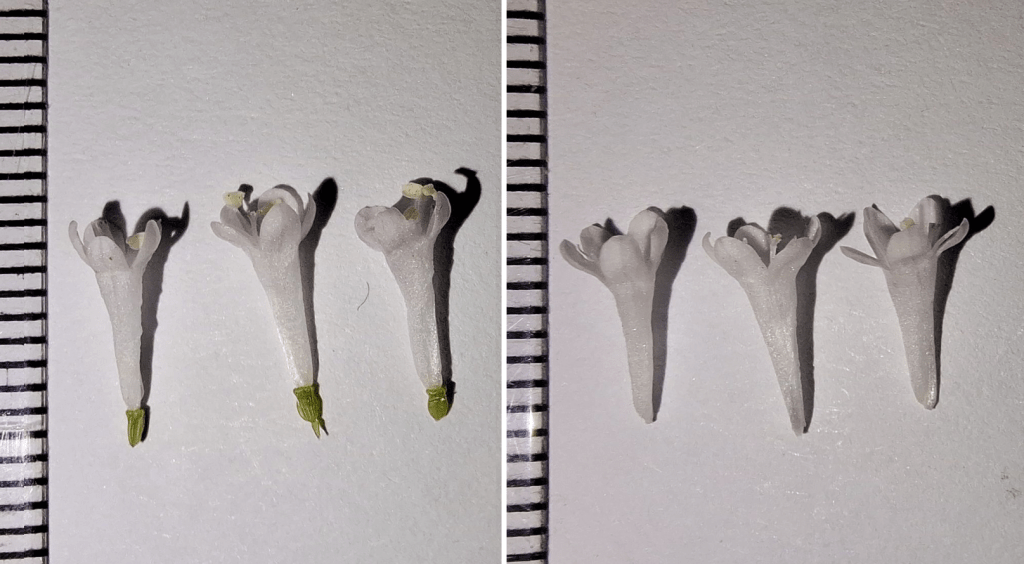
Taxonomy: Fam. Valerianaceae// Genus: Valeriana // Species: Valeriana tuberosa L.
Determined according to the botanical key provided Ockendon (1976 in Tutin et al.).
Lifeform: Perennial plant. Hemicryptophyte according to the Raunkiaer system.
Distribution: Native from the Mediterranean region to West Siberia and Caucasus according to the distribution information provided by the Plants of the World Online portal (Royal Botanic Gardens, Kew).
Habitat: Rocky terrain above the Eshterec stream (Zletovska River region).
Flowering period: Spring (APR, MAY).
Valeriana tuberosa– habit. Rocky terrain above Eshterec stream (Zletovska River region), 25.04.2026. Photo by Trajche Dimitrovski.Valeriana tuberosa– habit. Rocky terrain above Eshterec stream (Zletovska River region), 25.04.2026. Photo by Trajche Dimitrovski.Valeriana tuberosa– habit. Rocky terrain above Eshterec stream (Zletovska River region), 25.04.2026. Photo by Trajche Dimitrovski.Valeriana tuberosa– habit. Rocky terrain above Eshterec stream (Zletovska River region), 25.04.2026. Photo by Trajche Dimitrovski.Valeriana tuberosa– habit. Rocky terrain above Eshterec stream (Zletovska River region), 25.04.2026. Photo by Trajche Dimitrovski.Valeriana tuberosa– habit. Rocky terrain above Eshterec stream (Zletovska River region), 25.04.2026. Photo by Trajche Dimitrovski.Valeriana tuberosa– inflorescence. Rocky terrain above Eshterec stream (Zletovska River region), 25.04.2026. Photo by Trajche Dimitrovski.Valeriana tuberosa– inflorescence. Rocky terrain above Eshterec stream (Zletovska River region), 25.04.2026. Photo by Trajche Dimitrovski.Valeriana tuberosa– inflorescence. Rocky terrain above Eshterec stream (Zletovska River region), 25.04.2026. Photo by Trajche Dimitrovski.Valeriana tuberosa– inflorescence. Rocky terrain above Eshterec stream (Zletovska River region), 25.04.2026. Photo by Trajche Dimitrovski.Valeriana tuberosa– inflorescence. Rocky terrain above Eshterec stream (Zletovska River region), 25.04.2026. Photo by Trajche Dimitrovski.Valeriana tuberosa– inflorescence. Rocky terrain above Eshterec stream (Zletovska River region), 25.04.2026. Photo by Trajche Dimitrovski.Valeriana tuberosa– inflorescence. Rocky terrain above Eshterec stream (Zletovska River region), 25.04.2026. Photo by Trajche Dimitrovski.Valeriana tuberosa– inflorescence. Rocky terrain above Eshterec stream (Zletovska River region), 25.04.2026. Photo by Trajche Dimitrovski.Valeriana tuberosa– inflorescence. Rocky terrain above Eshterec stream (Zletovska River region), 25.04.2026. Photo by Trajche Dimitrovski.Valeriana tuberosa– inflorescence. Rocky terrain above Eshterec stream (Zletovska River region), 25.04.2026. Photo by Trajche Dimitrovski.Valeriana tuberosa– inflorescence. Rocky terrain above Eshterec stream (Zletovska River region), 25.04.2026. Photo by Trajche Dimitrovski.Valeriana tuberosa– inflorescence. Rocky terrain above Eshterec stream (Zletovska River region), 25.04.2026. Photo by Trajche Dimitrovski.Valeriana tuberosa– flowers in bracteate cymes. Rocky terrain above Eshterec stream (Zletovska River region), 25.04.2026. Photo by Trajche Dimitrovski.Valeriana tuberosa– flowers in bracteate cymes. Rocky terrain above Eshterec stream (Zletovska River region), 25.04.2026. Photo by Trajche Dimitrovski.Valeriana tuberosa– flowers in bracteate cymes. Rocky terrain above Eshterec stream (Zletovska River region), 25.04.2026. Photo by Trajche Dimitrovski.Valeriana tuberosa– upper part of stem. Rocky terrain above Eshterec stream (Zletovska River region), 25.04.2026. Photo by Trajche Dimitrovski.Valeriana tuberosa– stem with leaves. Rocky terrain above Eshterec stream (Zletovska River region), 25.04.2026. Photo by Trajche Dimitrovski.Valeriana tuberosa– stem with leaves. Rocky terrain above Eshterec stream (Zletovska River region), 25.04.2026. Photo by Trajche Dimitrovski.Valeriana tuberosa– stem with leaves. Rocky terrain above Eshterec stream (Zletovska River region), 25.04.2026. Photo by Trajche Dimitrovski.Valeriana tuberosa– stem with leaves. Rocky terrain above Eshterec stream (Zletovska River region), 25.04.2026. Photo by Trajche Dimitrovski.Valeriana tuberosa– lower cauline leaves and basal leaves. Rocky terrain above Eshterec stream (Zletovska River region), 25.04.2026. Photo by Trajche Dimitrovski.Valeriana tuberosa– lower leaf. Rocky terrain above Eshterec stream (Zletovska River region), 25.04.2026. Photo by Trajche Dimitrovski.Valeriana tuberosa– lower leaf. Rocky terrain above Eshterec stream (Zletovska River region), 25.04.2026. Photo by Trajche Dimitrovski.Valeriana tuberosa– lower cauline leaves and basal leaves. Rocky terrain above Eshterec stream (Zletovska River region), 25.04.2026. Photo by Trajche Dimitrovski.Valeriana tuberosa– lower cauline leaves and basal leaves. Rocky terrain above Eshterec stream (Zletovska River region), 25.04.2026. Photo by Trajche Dimitrovski.Valeriana tuberosa– lower leaves and basal leaves. Rocky terrain above Eshterec stream (Zletovska River region), 25.04.2026. Photo by Trajche Dimitrovski.Valeriana tuberosa– basal leaves. Rocky terrain above Eshterec stream (Zletovska River region), 25.04.2026. Photo by Trajche Dimitrovski.Valeriana tuberosa– basal leaves. Rocky terrain above Eshterec stream (Zletovska River region), 25.04.2026. Photo by Trajche Dimitrovski.Valeriana tuberosa– basal leaves. Rocky terrain above Eshterec stream (Zletovska River region), 25.04.2026. Photo by Trajche Dimitrovski.Valeriana tuberosa– lower part of plant. Rocky terrain above Eshterec stream (Zletovska River region), 25.04.2026. Photo by Trajche Dimitrovski.Valeriana tuberosa– stem. Rocky terrain above Eshterec stream (Zletovska River region), 25.04.2026. Photo by Trajche Dimitrovski.Valeriana tuberosa– tuber. Rocky terrain above Eshterec stream (Zletovska River region), 25.04.2026. Photo by Trajche Dimitrovski.Valeriana tuberosa– tuber. Rocky terrain above Eshterec stream (Zletovska River region), 25.04.2026. Photo by Trajche Dimitrovski.Valeriana tuberosa– tuber. Rocky terrain above Eshterec stream (Zletovska River region), 25.04.2026. Photo by Trajche Dimitrovski.
Scaled images. Specimens from the rocky terrain above Eshterec stream (Zletovska River region), collected 25.04.2026.
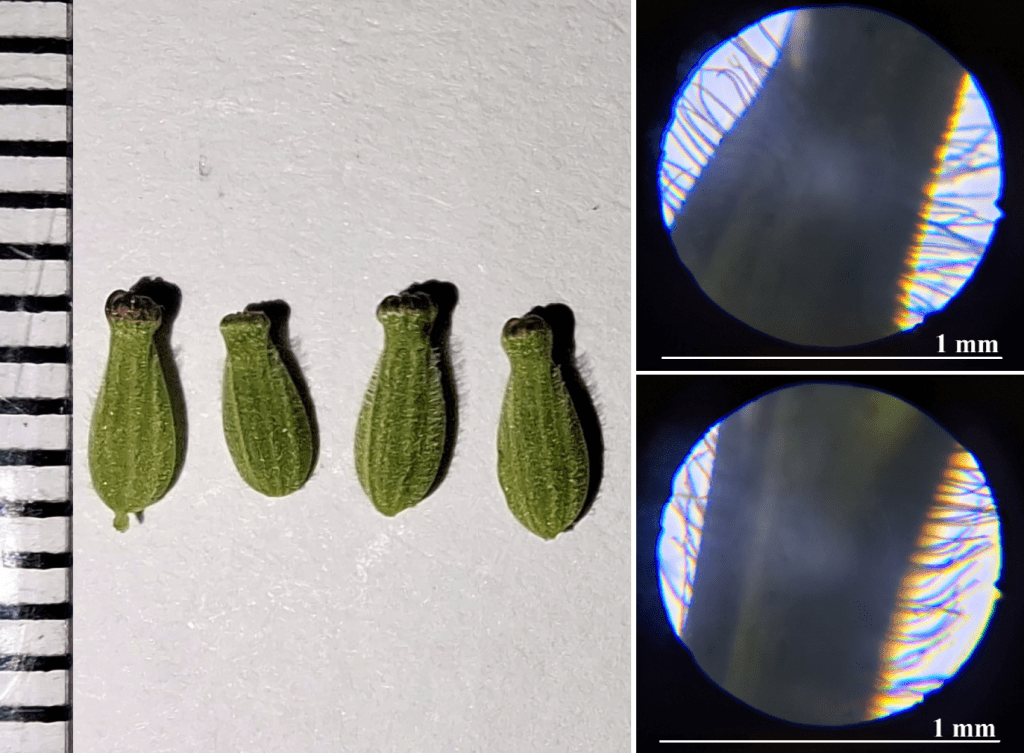
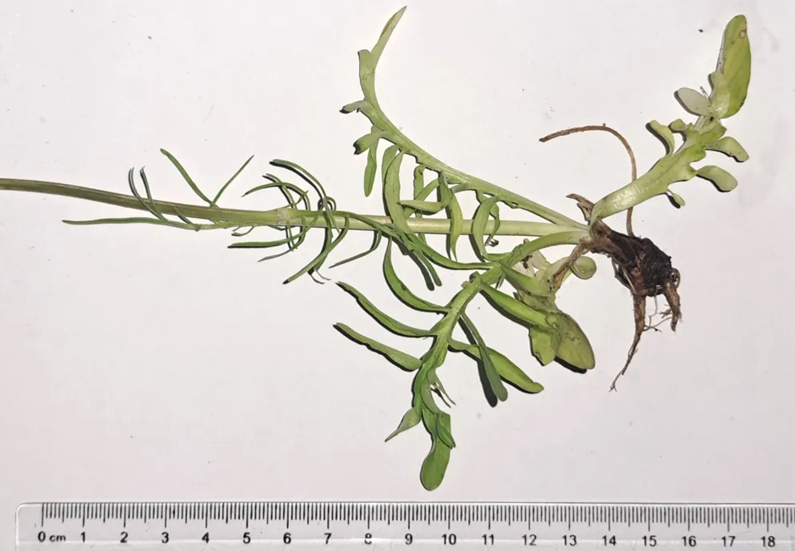
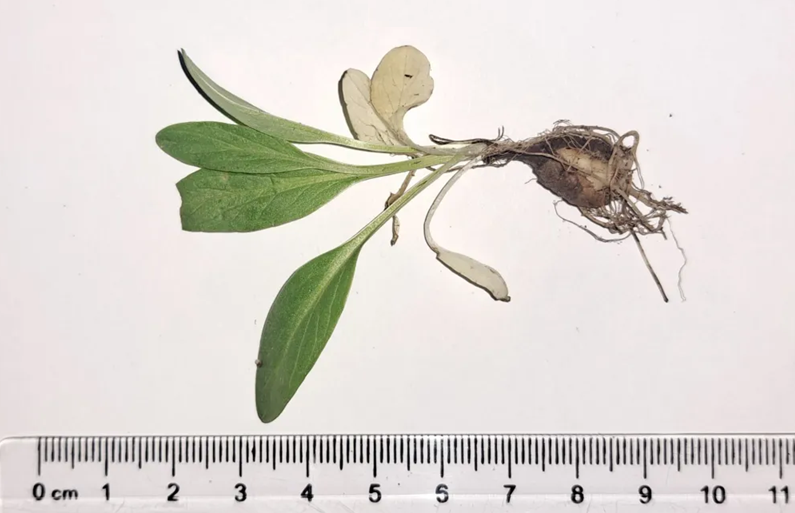
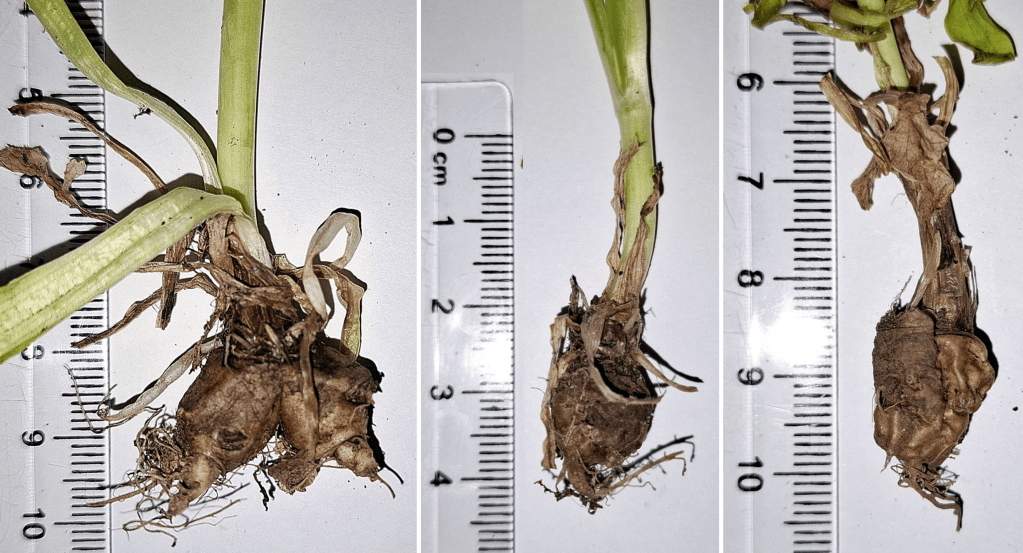
Valeriana tuberosa– habit. Scale in cm. Specimen from the rocky terrain above Eshterec stream (Zletovska River region), collected 25.04.2026. Photo by Trajche Dimitrovski.Valeriana tuberosa– habit. Scale in cm. Specimen from the rocky terrain above Eshterec stream (Zletovska River region), collected 25.04.2026. Photo by Trajche Dimitrovski.Valeriana tuberosa– habit. Scale in cm. Specimen from the rocky terrain above Eshterec stream (Zletovska River region), collected 25.04.2026. Photo by Trajche Dimitrovski.Valeriana tuberosa– habit. Scale in cm. Specimen from the rocky terrain above Eshterec stream (Zletovska River region), collected 25.04.2026. Photo by Trajche Dimitrovski.Valeriana tuberosa– habit. Scale in cm. Specimen from the rocky terrain above Eshterec stream (Zletovska River region), collected 25.04.2026. Photo by Trajche Dimitrovski.Valeriana tuberosa– flowering stem. Scale in cm. Photo by Trajche Dimitrovski.Valeriana tuberosa– flowering stem. Scale in cm. Photo by Trajche Dimitrovski.Valeriana tuberosa– flowering stem. Scale in cm. Photo by Trajche Dimitrovski.Valeriana tuberosa– cymes. Scale in cm. Photo by Trajche Dimitrovski.Valeriana tuberosa– flowers. Scale in mm. Photo by Trajche Dimitrovski.Valeriana tuberosa. Left: developing fruits. Scale in mm. Right: fruits under magnification, with hairs on both surfaces. Photo by Trajche Dimitrovski.Valeriana tuberosa– upper leaves. Scale in cm. Photo by Trajche Dimitrovski.Valeriana tuberosa– upper leaves. Scale in cm. Photo by Trajche Dimitrovski.Valeriana tuberosa– stem with cauline leaves; basal leaves and tuber. Scale in cm. Photo by Trajche Dimitrovski.Valeriana tuberosa– lower part of plant with stolon terminating in tuber . Scale in cm. Photo by Trajche Dimitrovski.Valeriana tuberosa– young plant with tuber. Scale in cm. Photo by Trajche Dimitrovski.Valeriana tuberosa– lower part of plant with stolon terminating in tuber . Scale in cm. Photo by Trajche Dimitrovski.
References:
Ockendon, D. J. 1976. Valeriana L. In Tutin, T. G., Heywood, V. H., Burges, N. A., Moore, D. M., Valentine, D. H., Walters, S. M. & Webb, D. A. (eds.), Flora Europaea. Volume 4. Plantaginaceae to Compositae (and Rubiaceae). Cambridge: Cambridge University Press, pp. 52–55.
Determined according to the botanical key provided by Micevski (1985) and Tutin and Cook (1964 in Tutin et al.).
Lifeform: Aquatic annual or perennial plant; therophyte or hemicryptophyte according to the Raunkiær system.
Distribution: Native to Temperate regions, Subtropical to Tropical Mountains (Europe, Asia, Africa, Australia, North and South America) according to the Plants of the World Online portal (Royal Botanic Gardens, Kew).
Habitat: Aquatic plant found in rivers. Recorded in the Banjska and Kochanska Rivers.
Flowering period: Spring: APR, MAY.
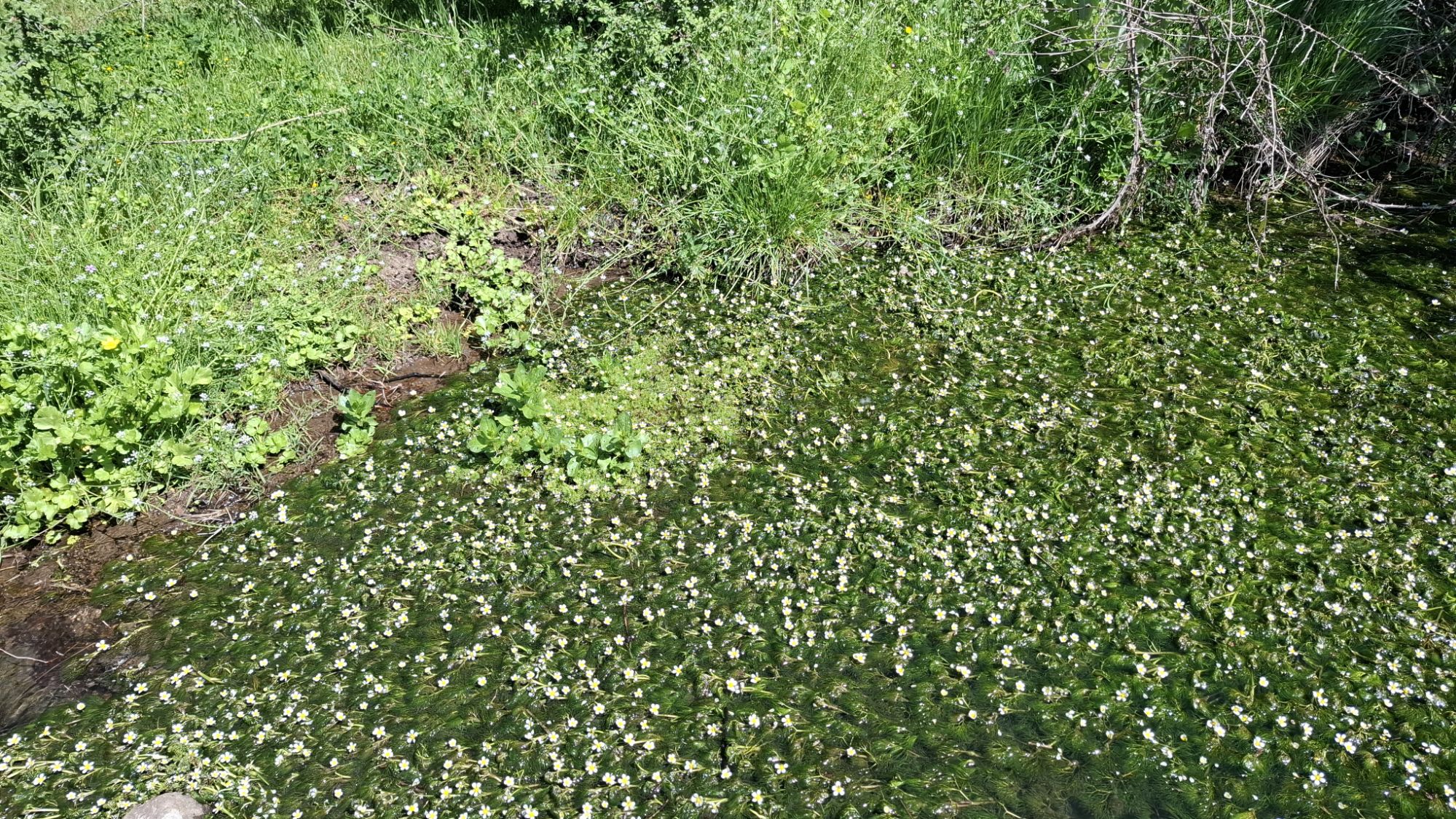
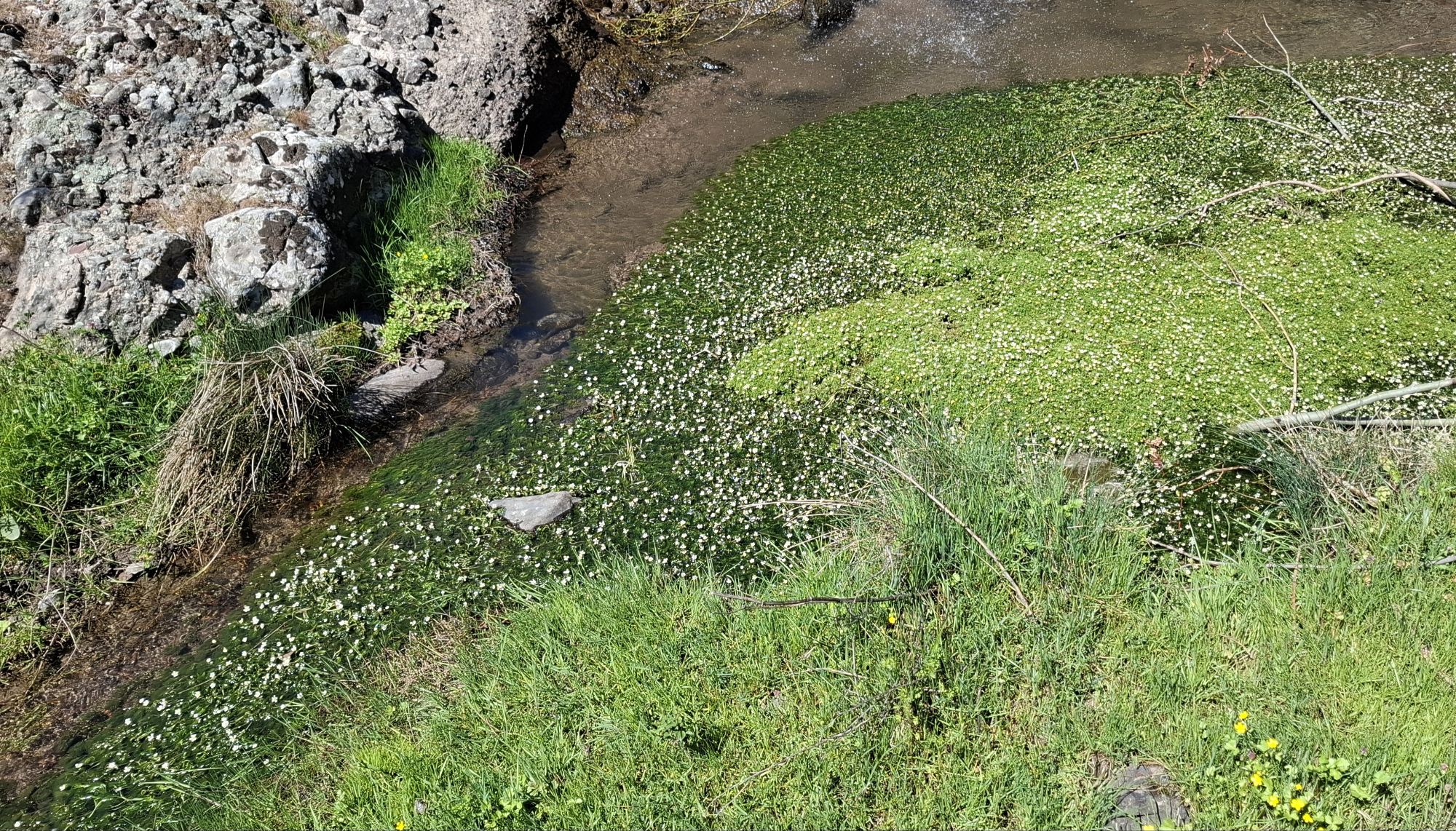
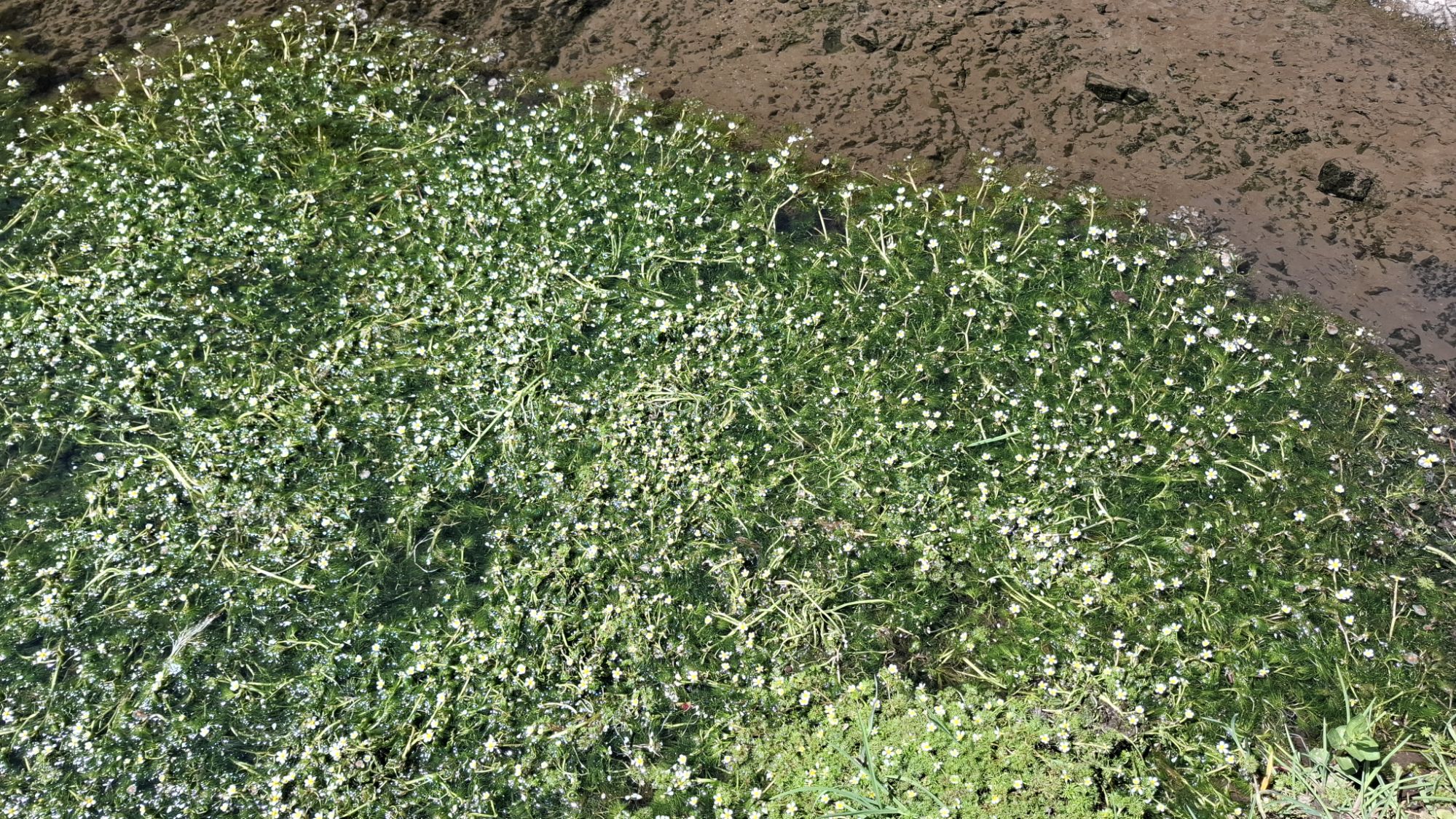
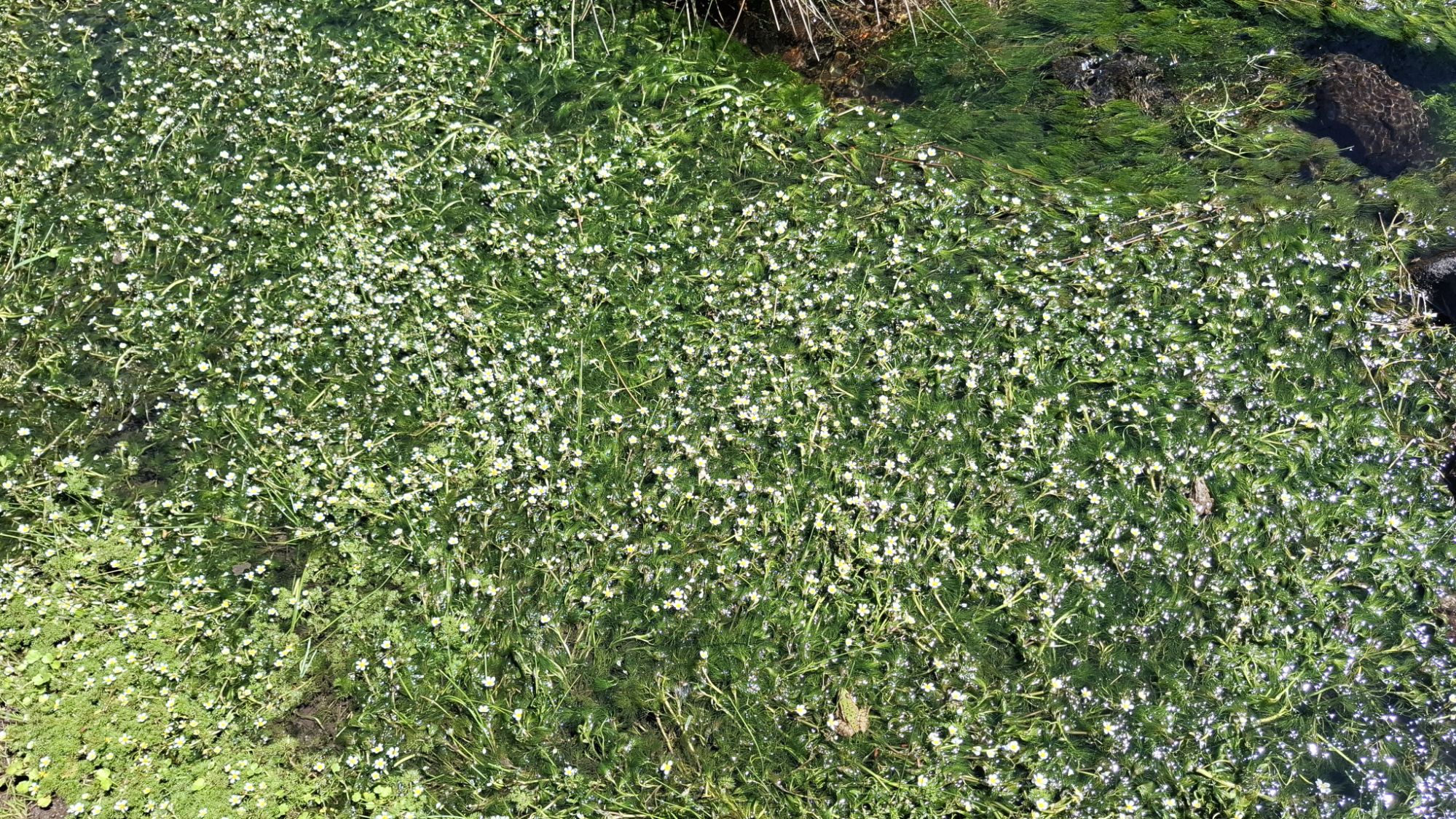
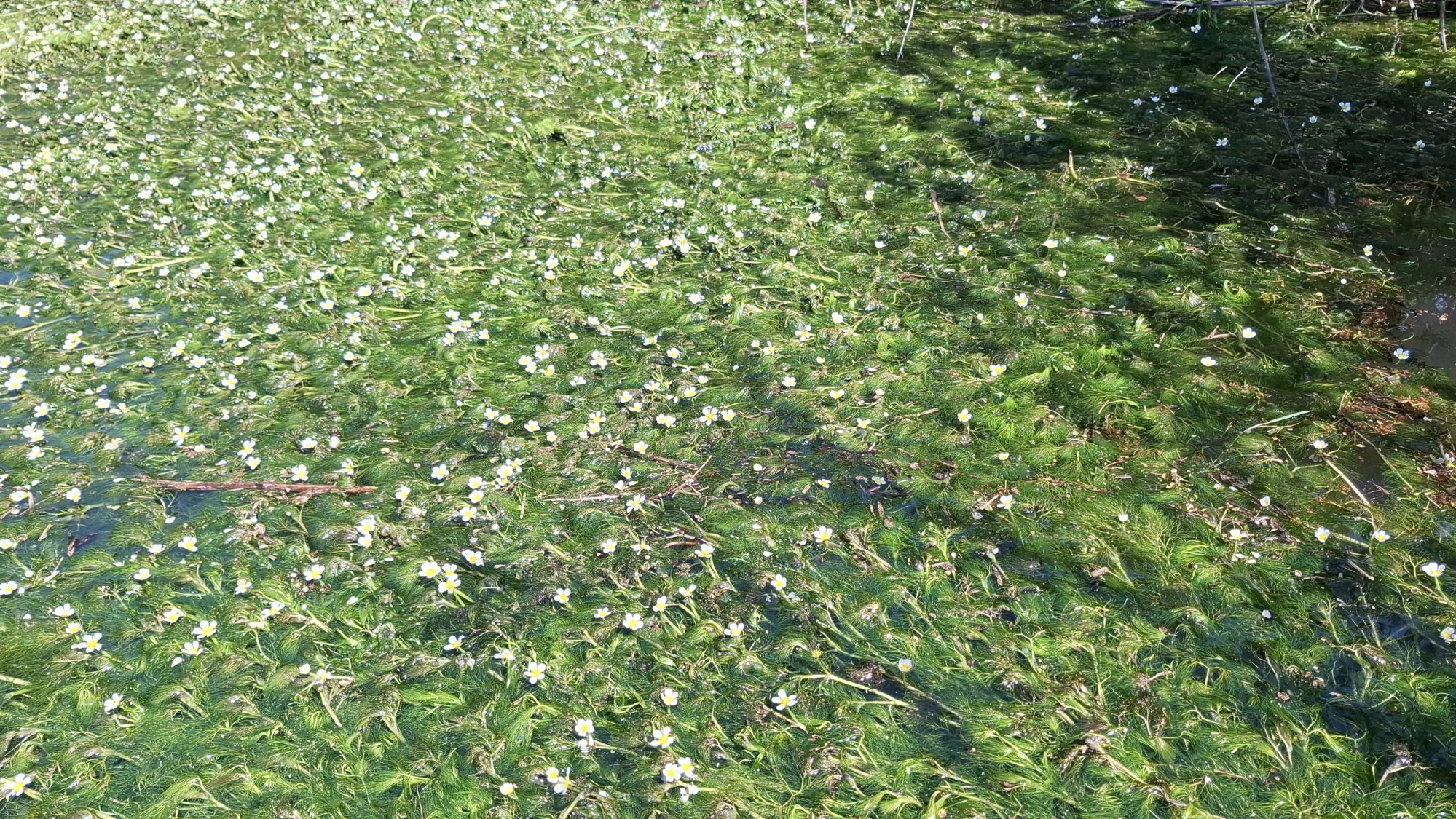
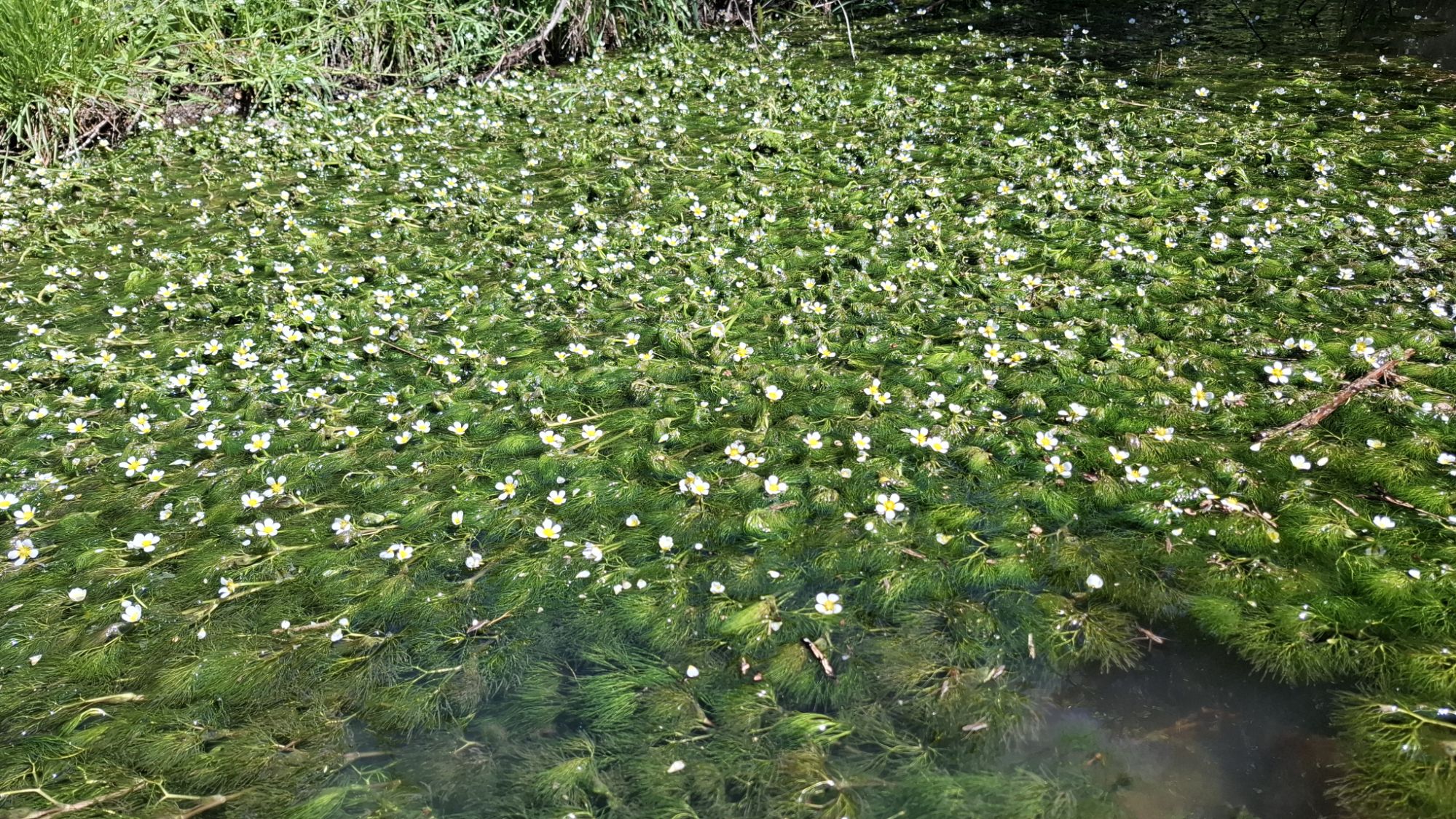
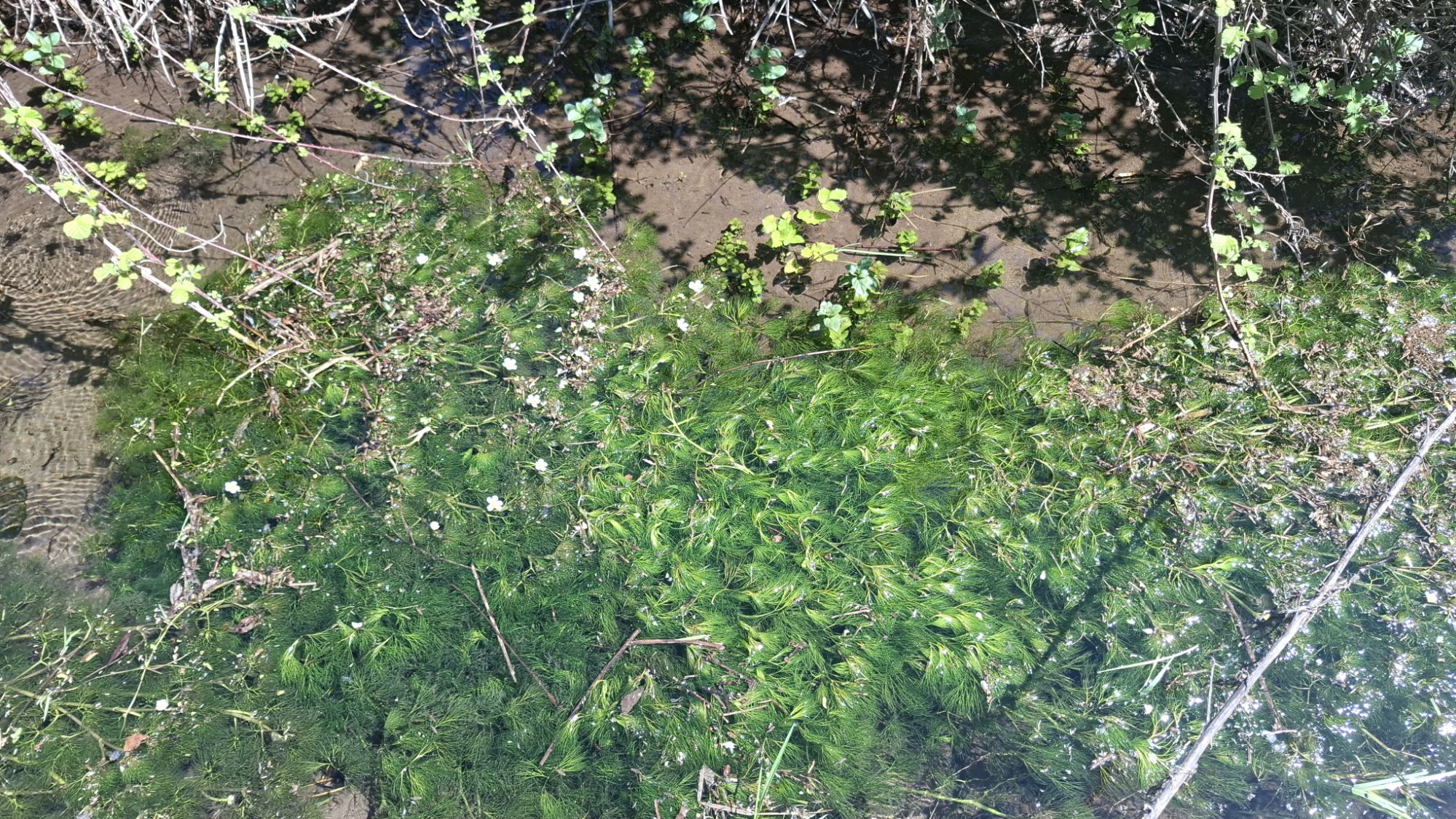
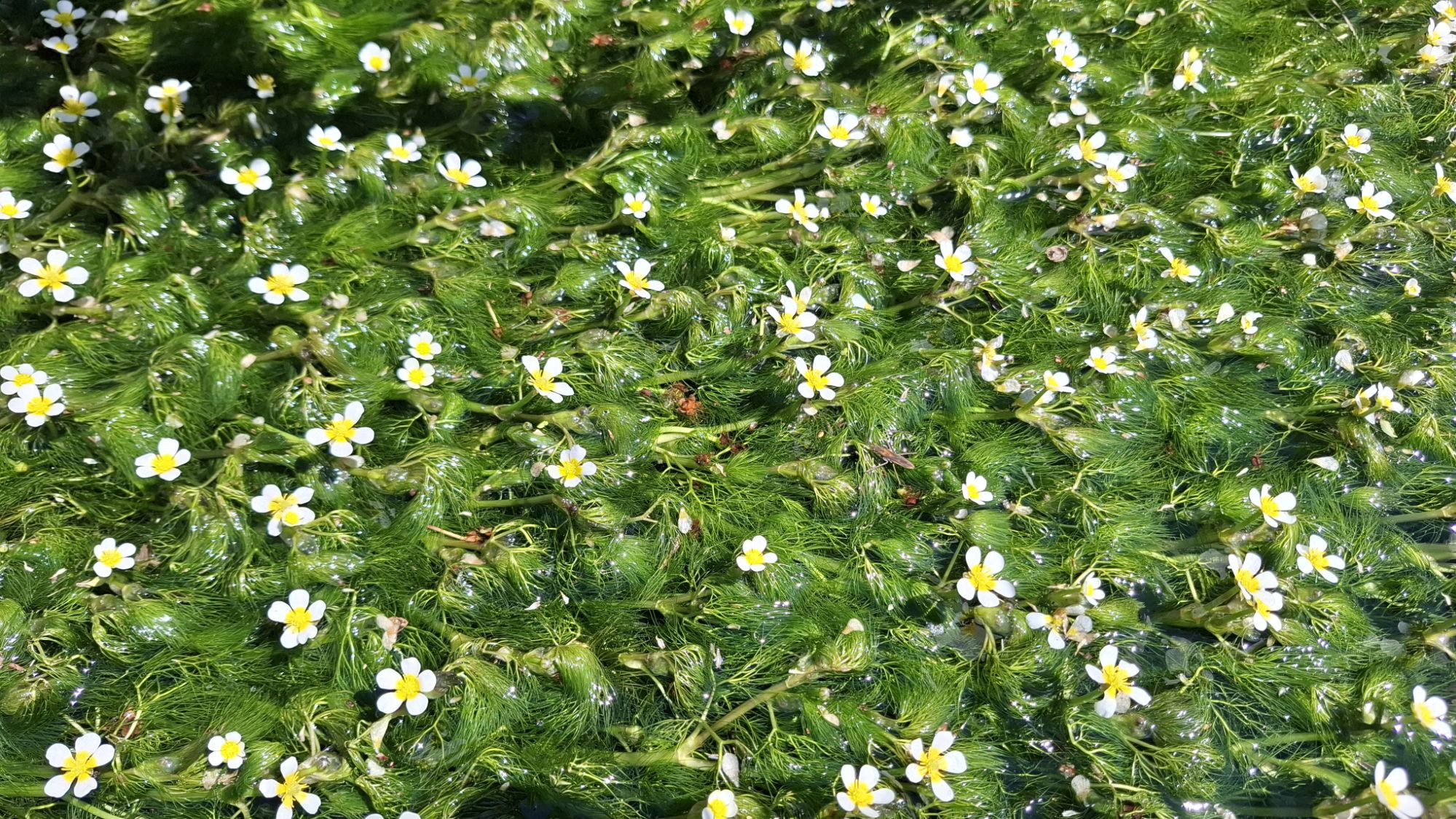
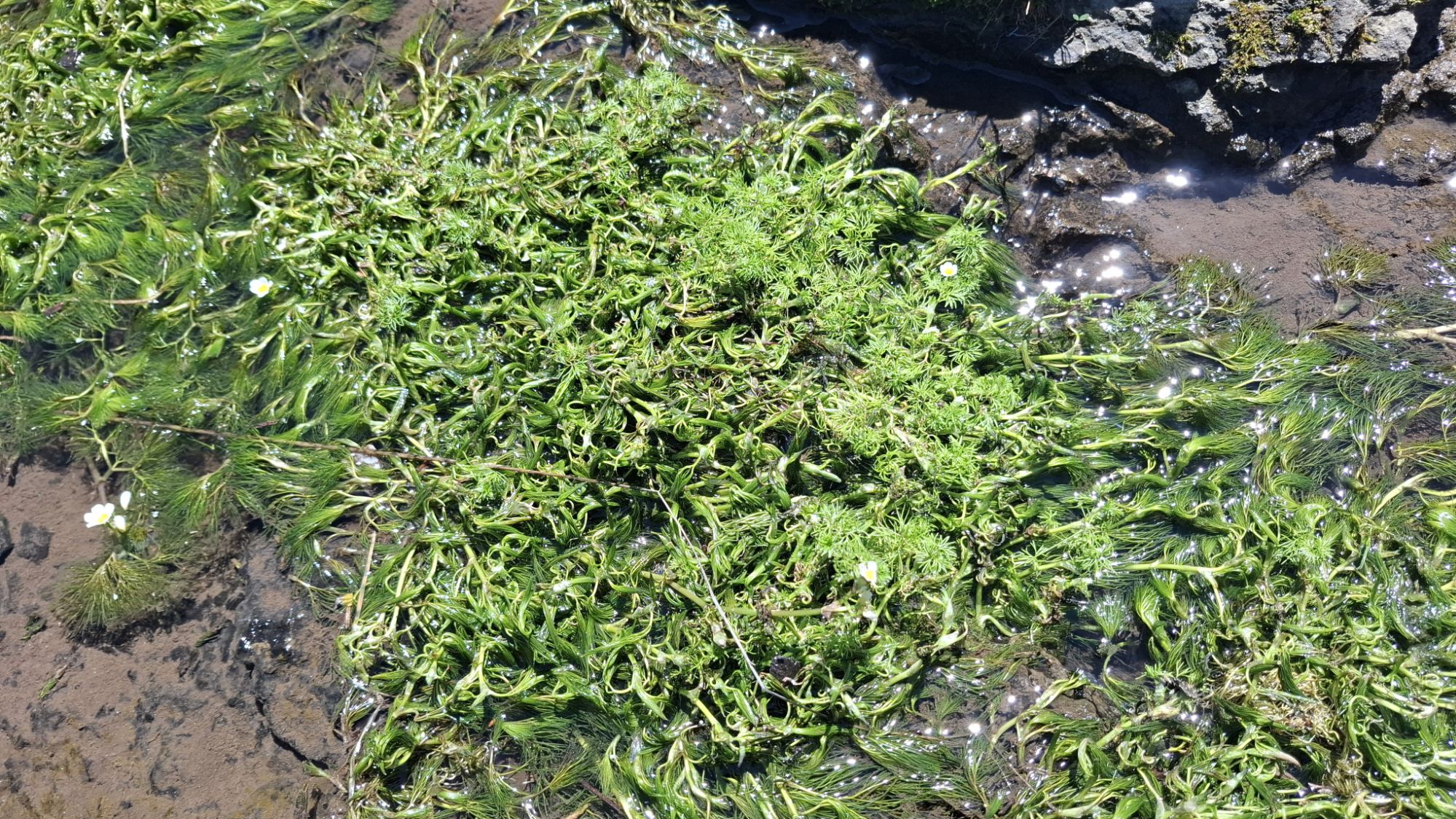
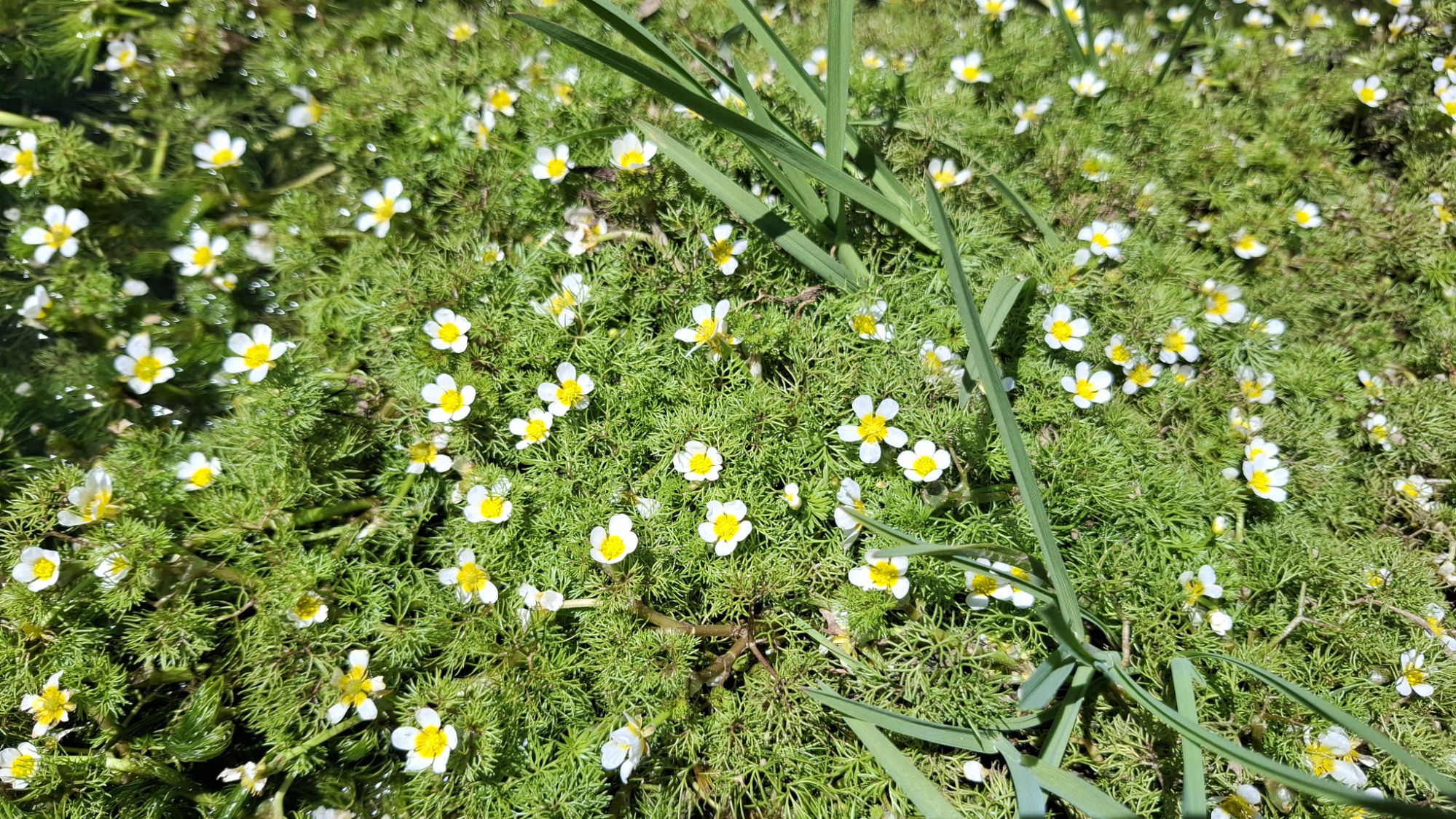
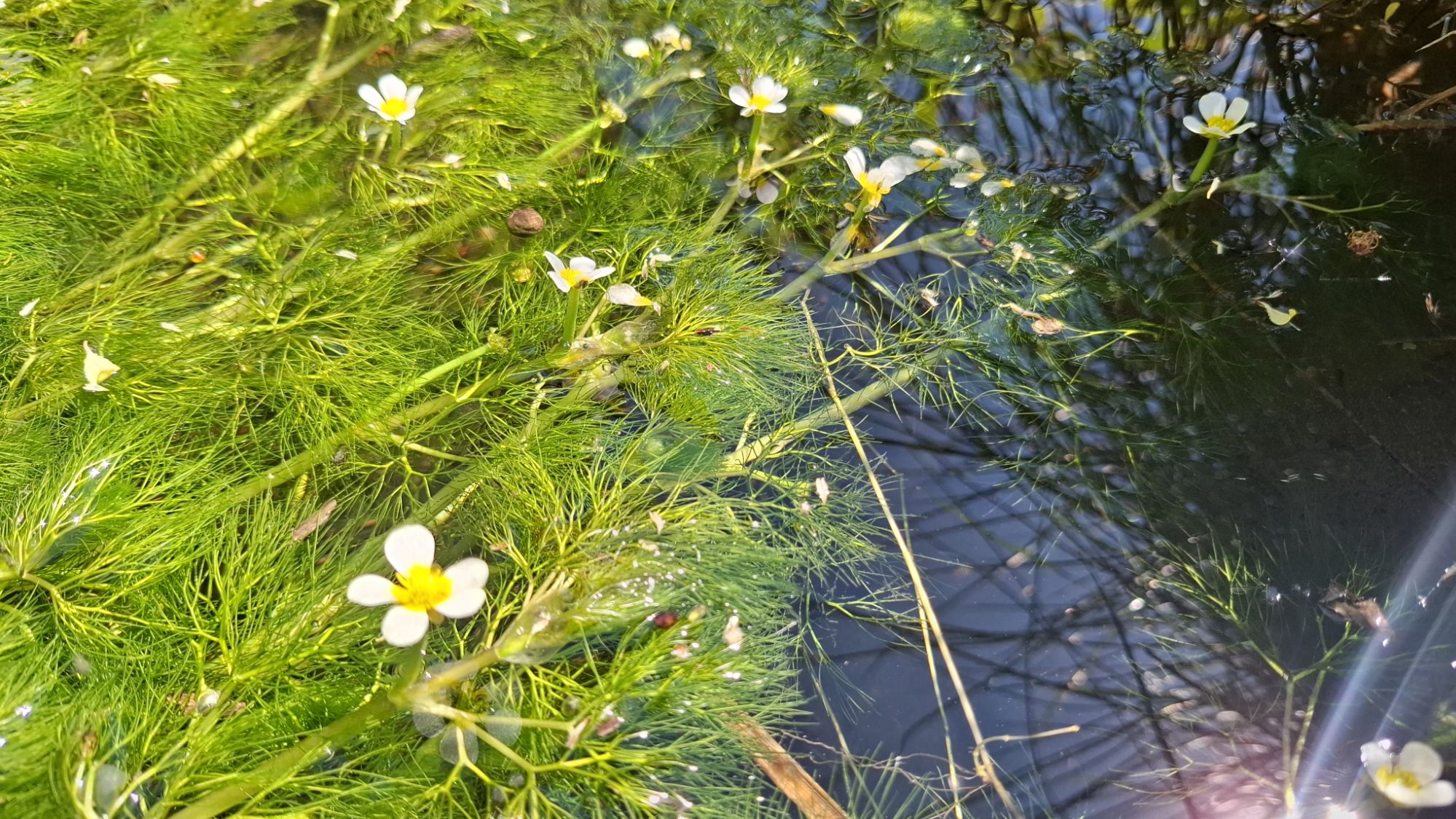
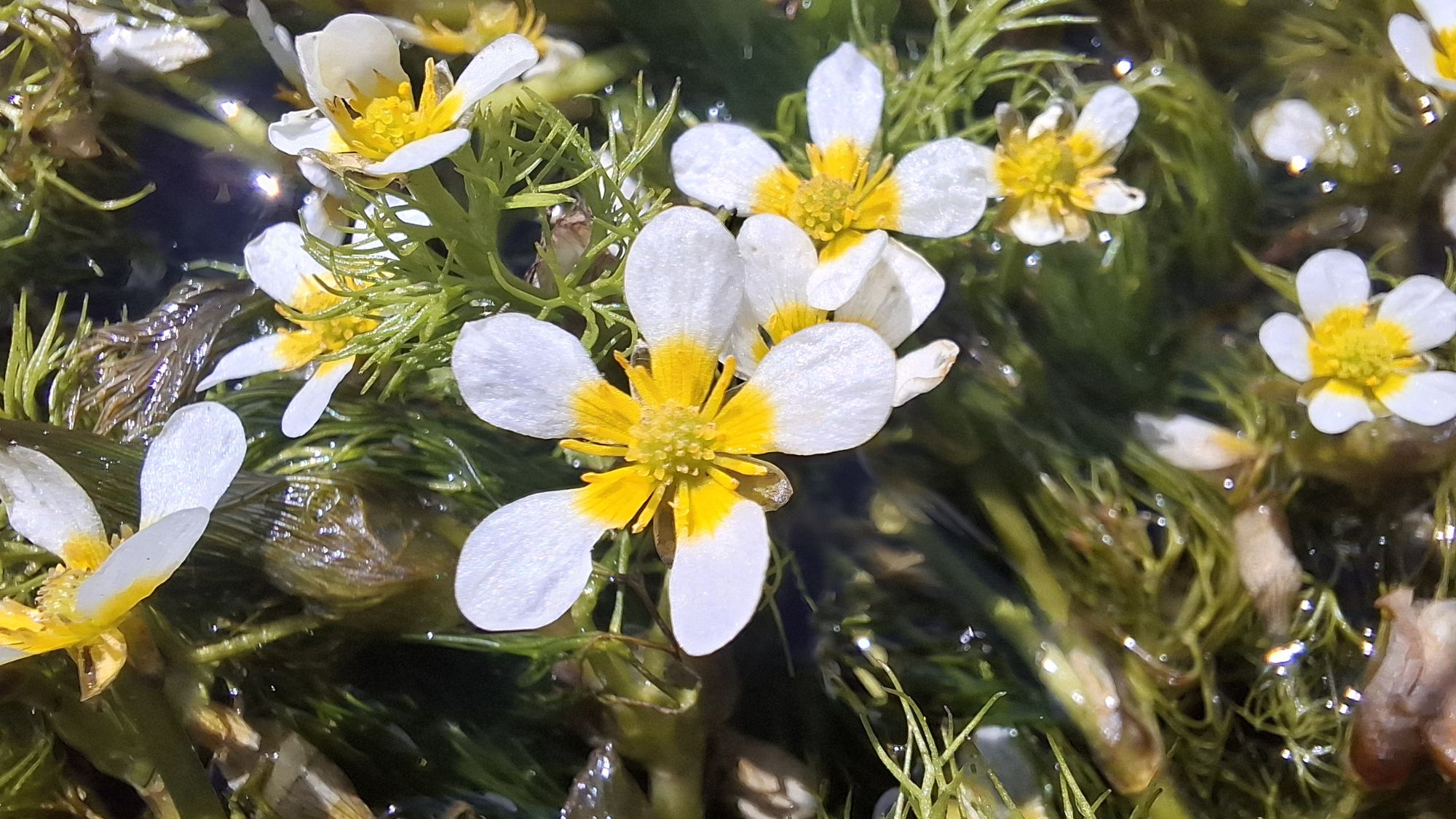
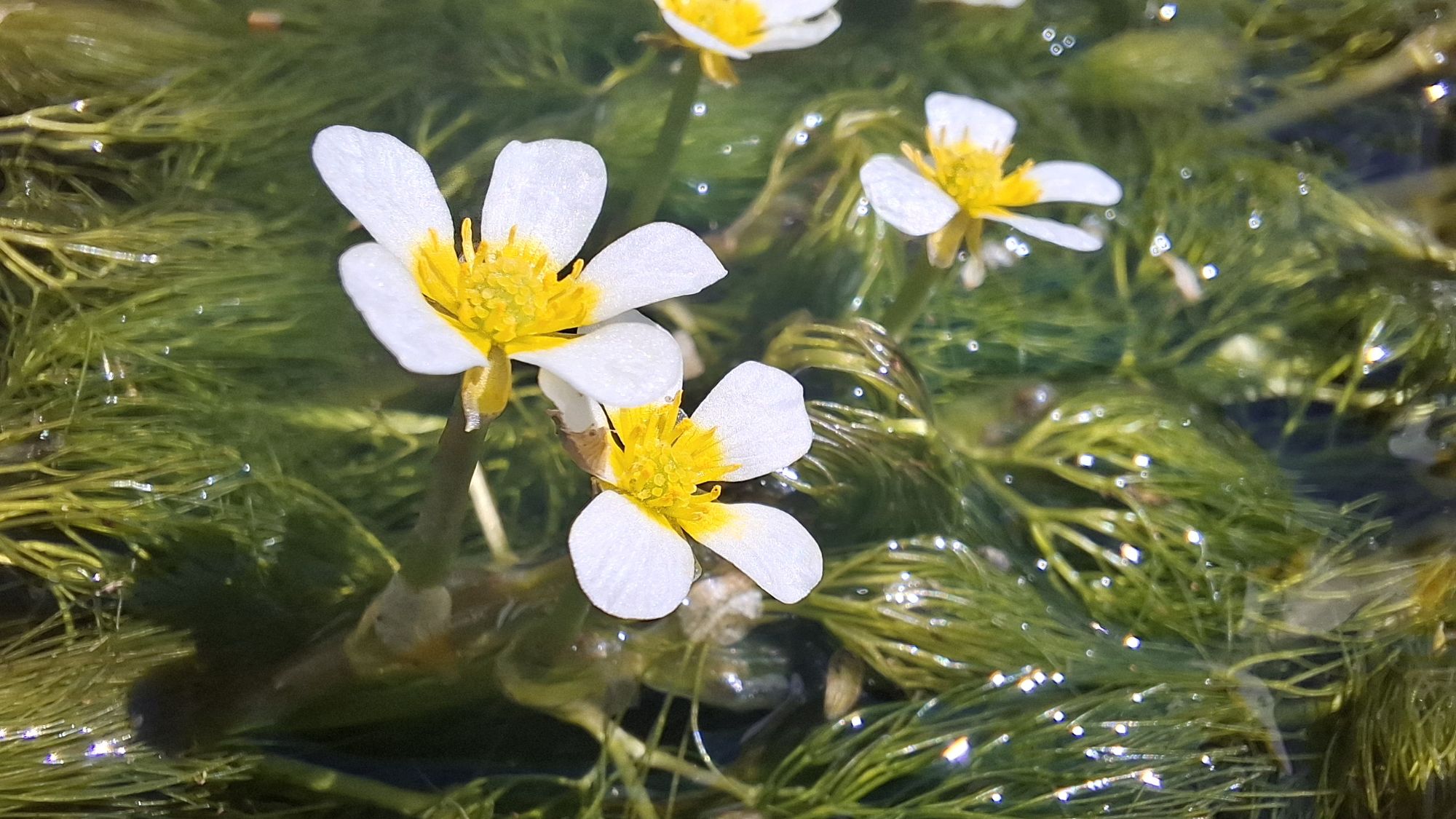
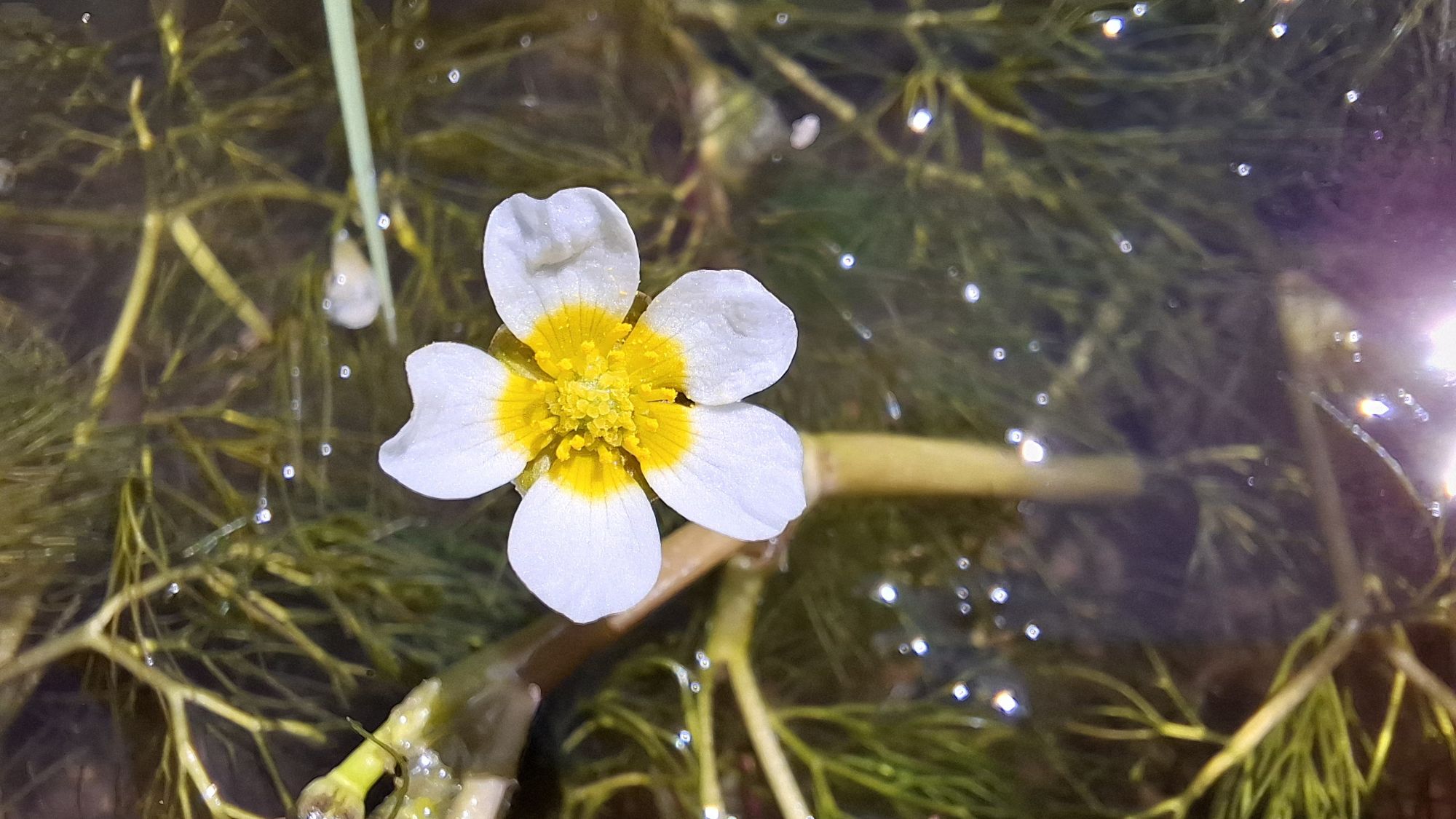
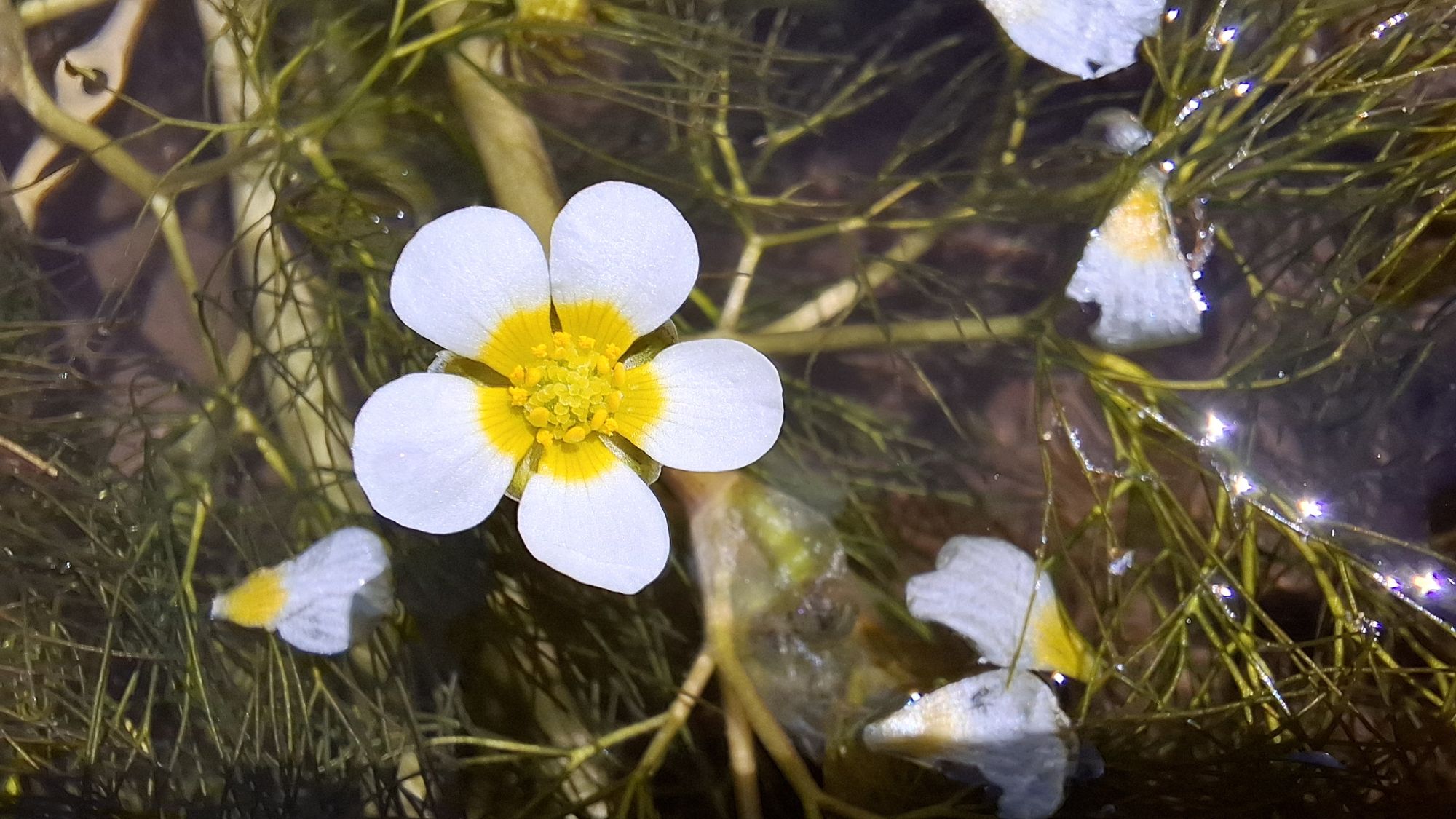
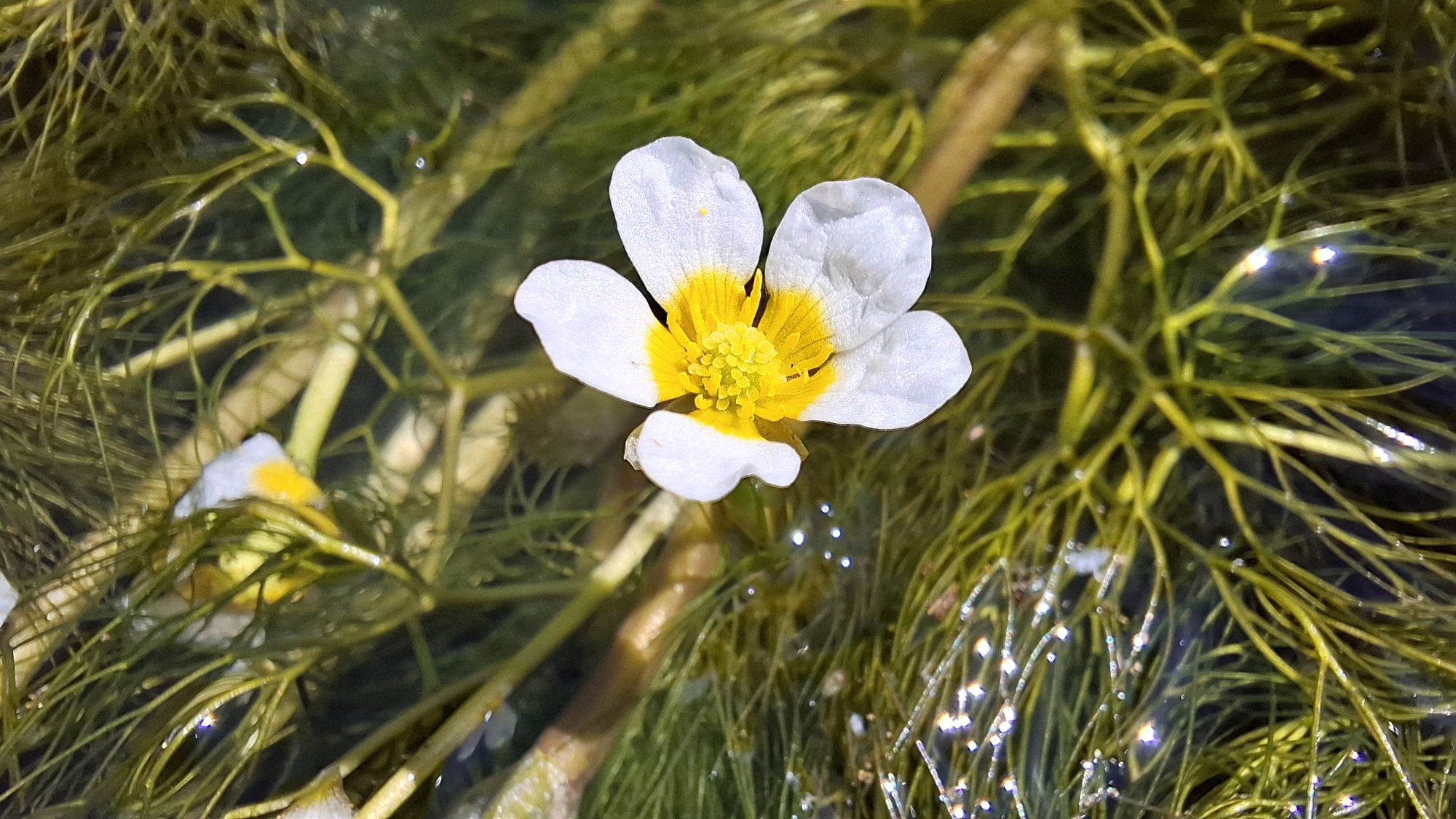
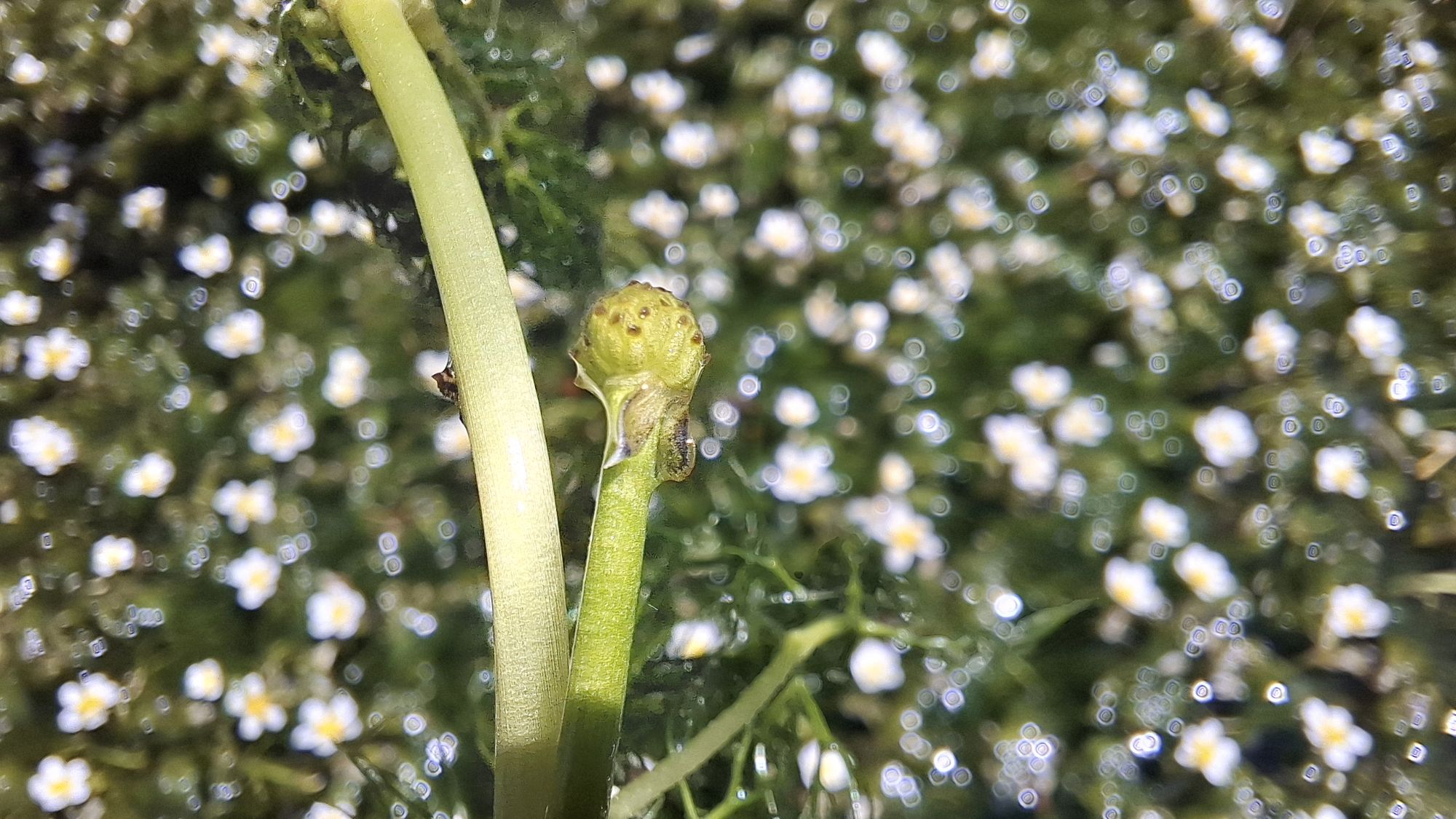
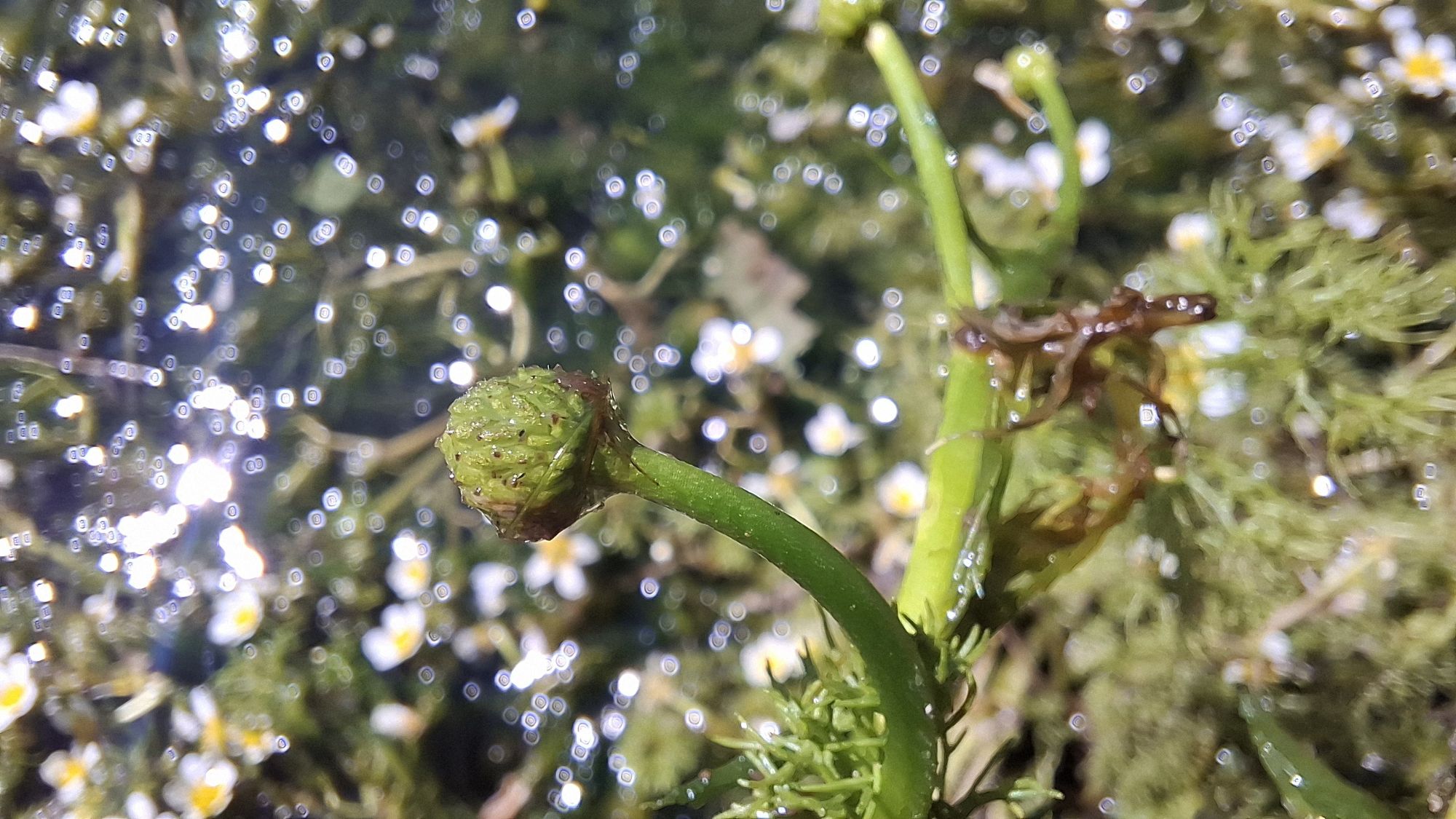
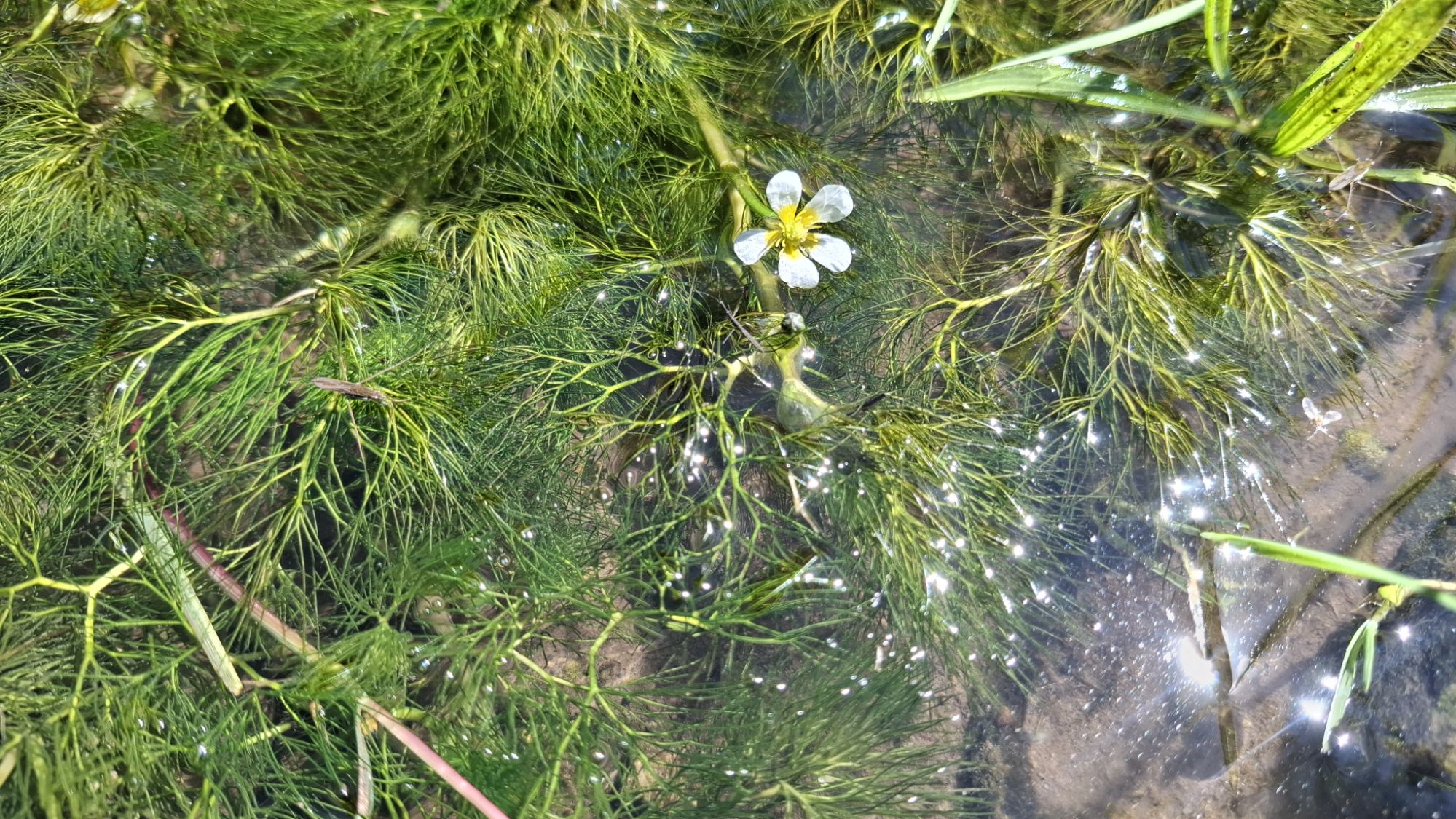
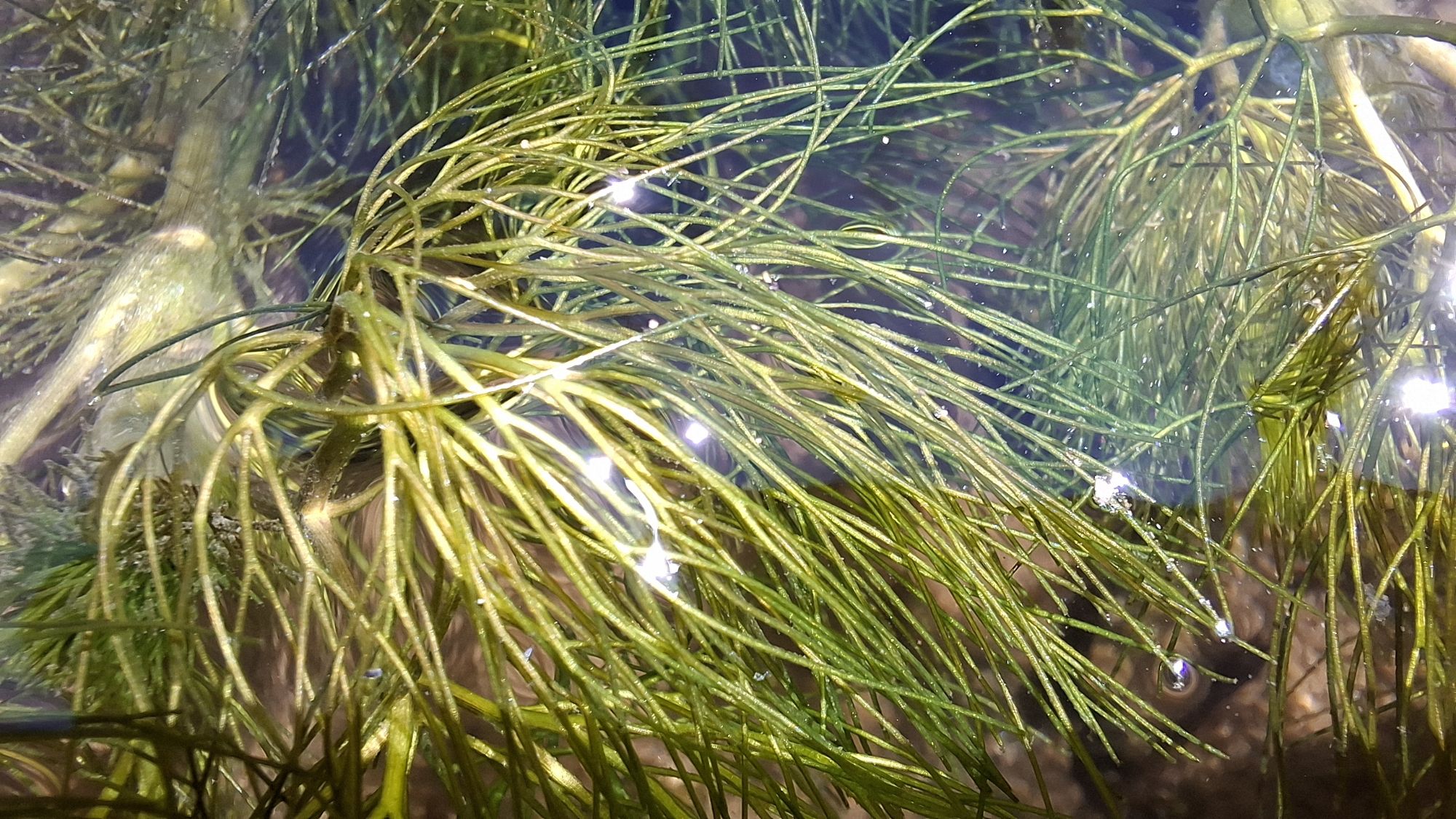
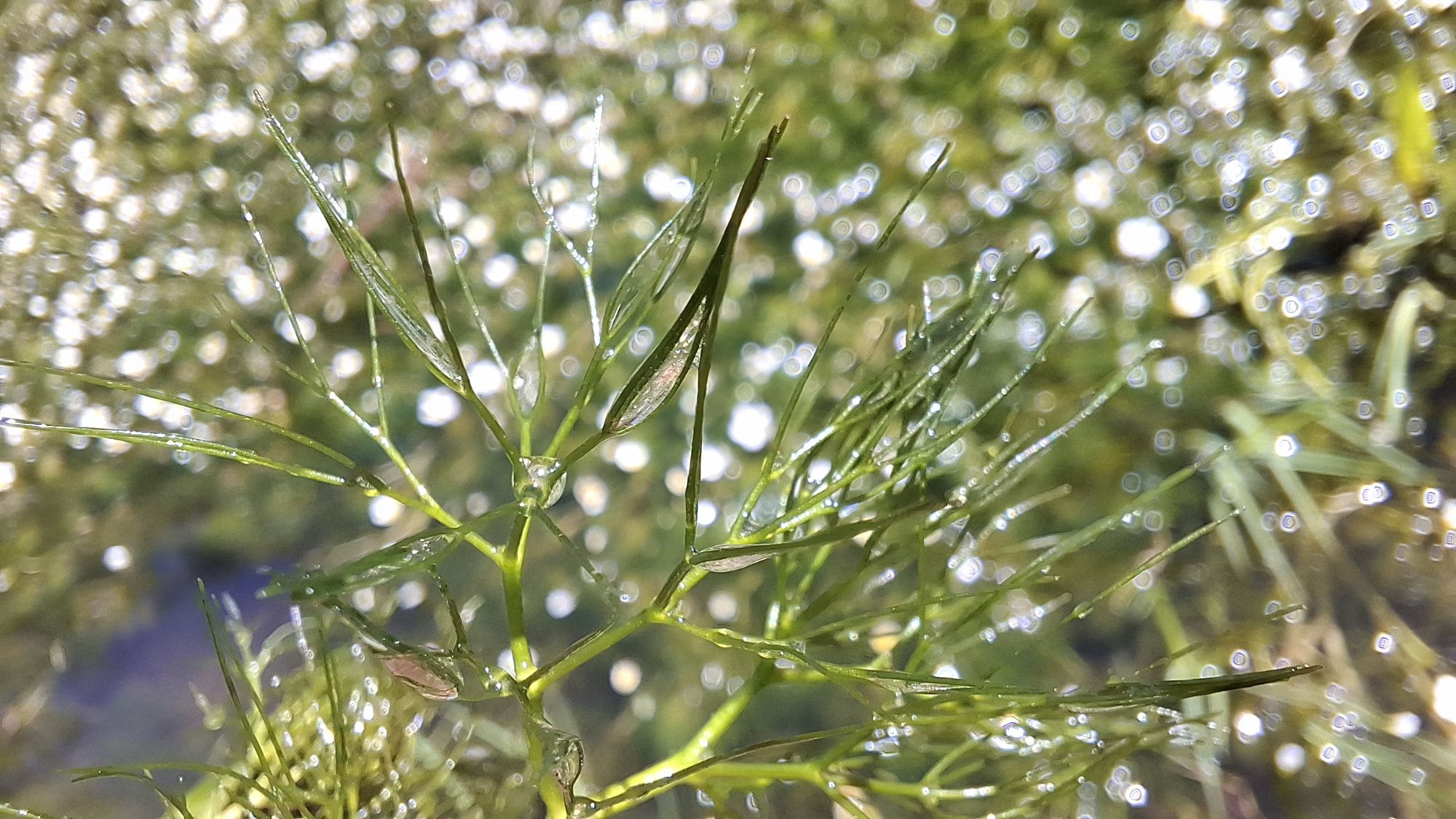
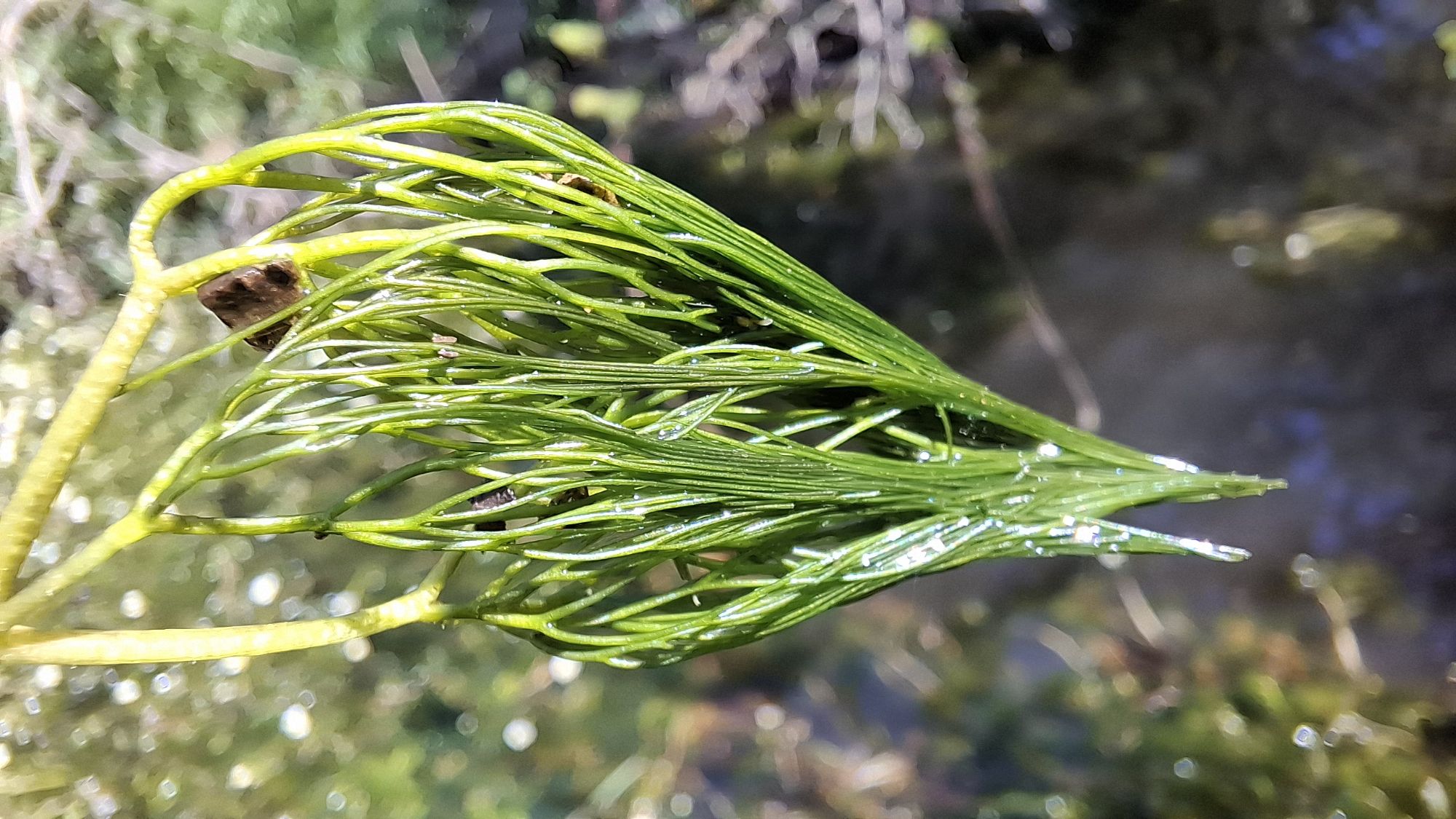
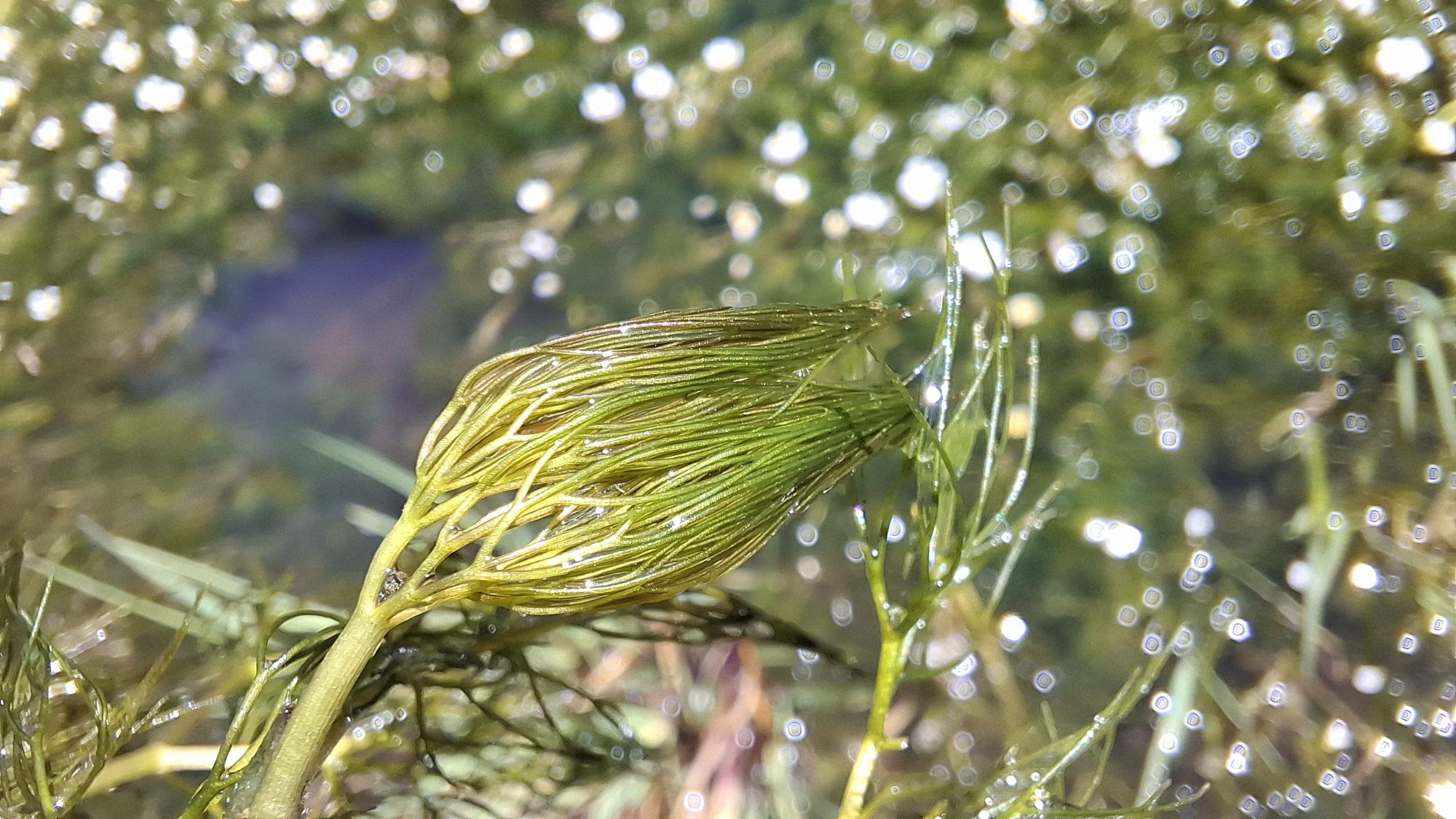
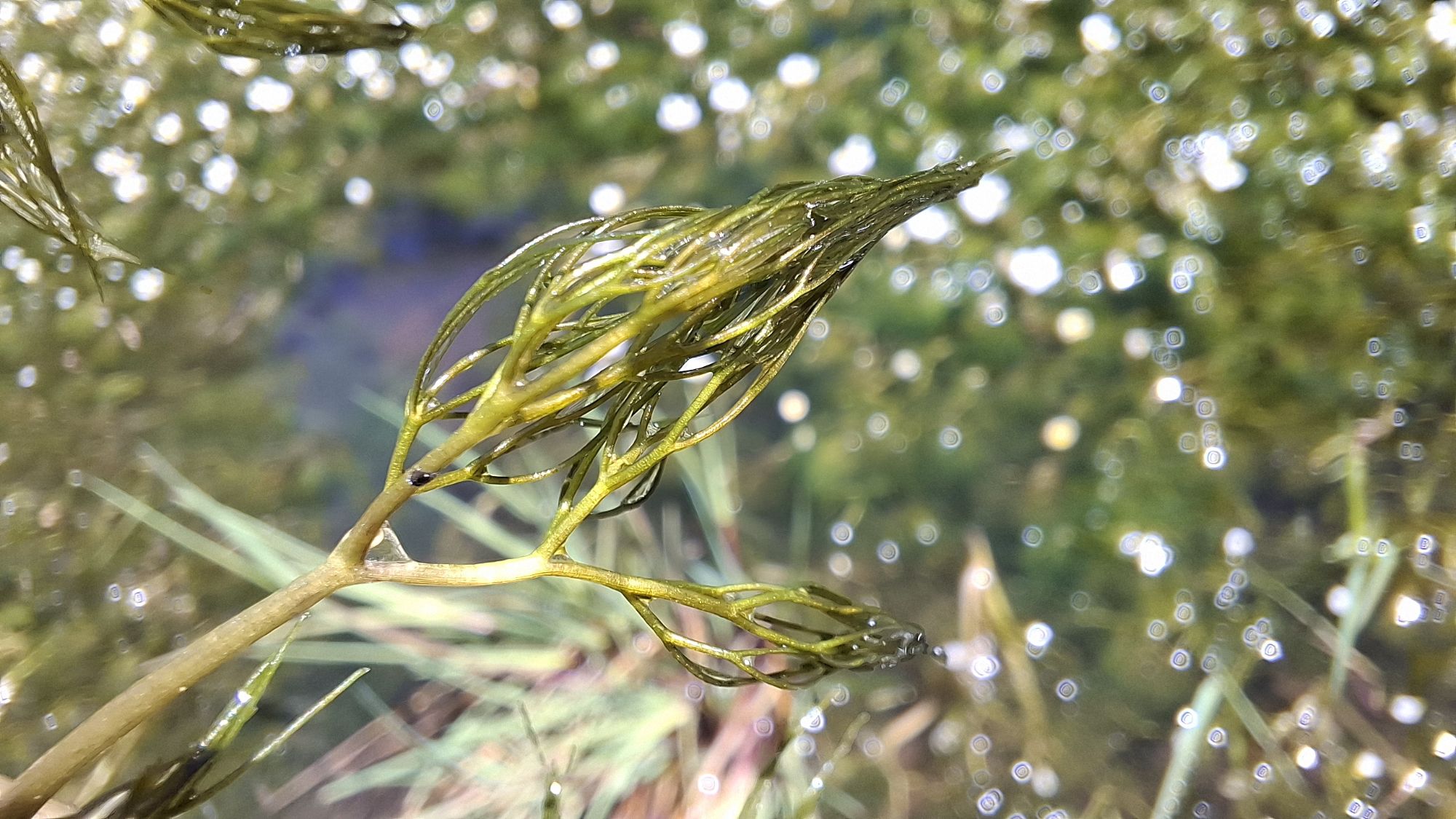
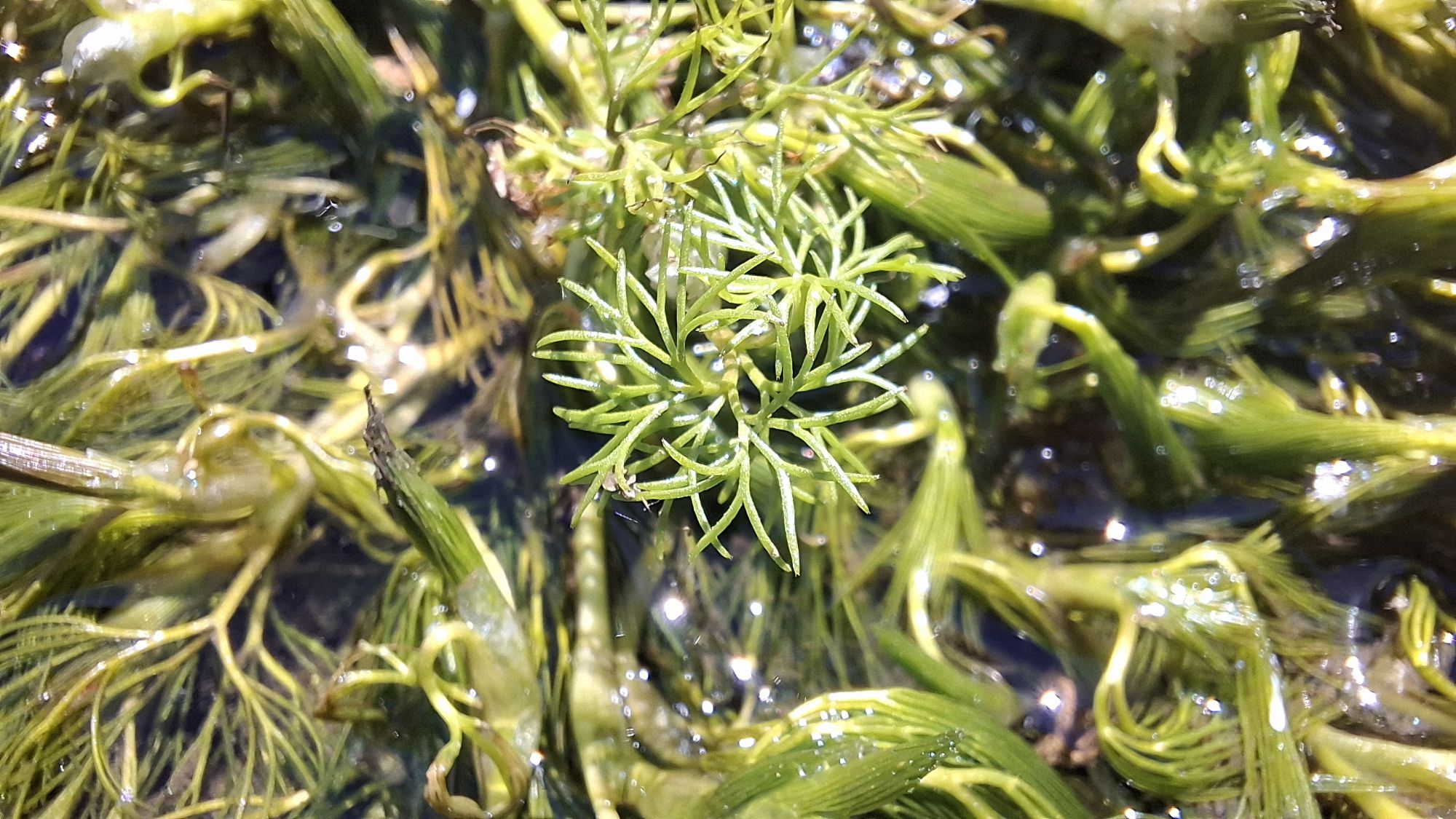
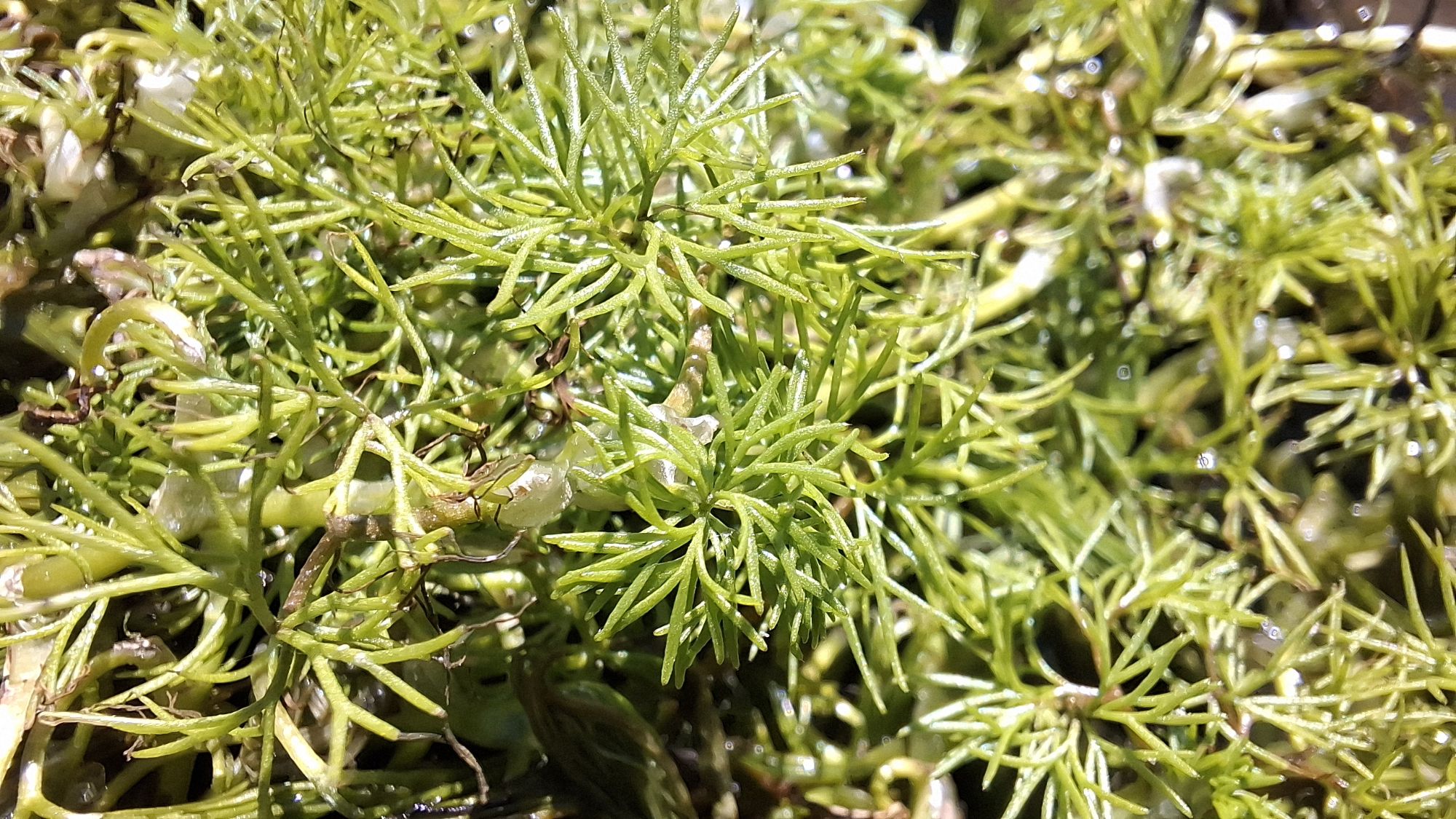
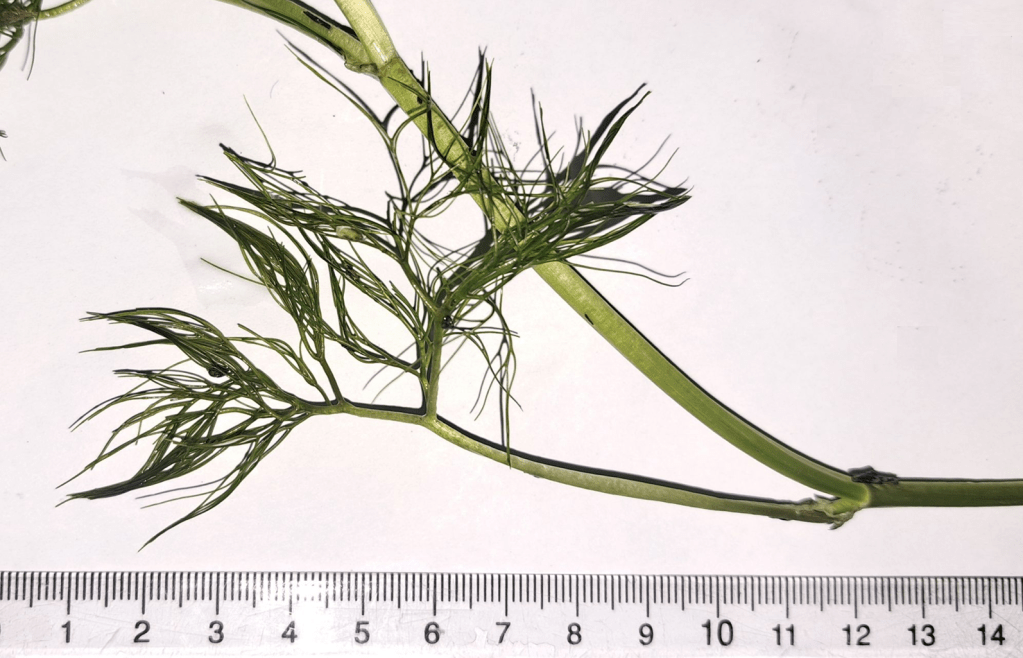
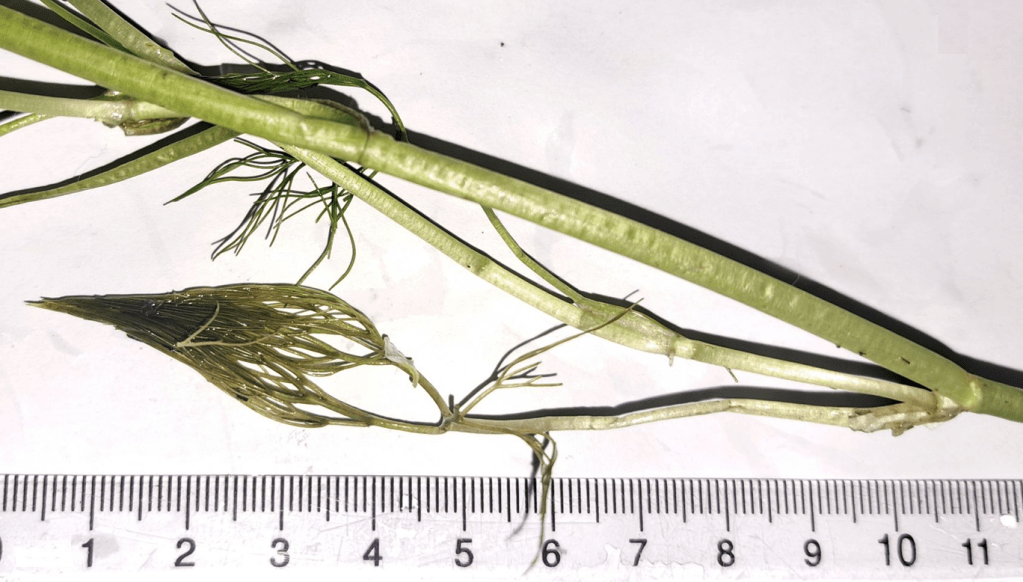
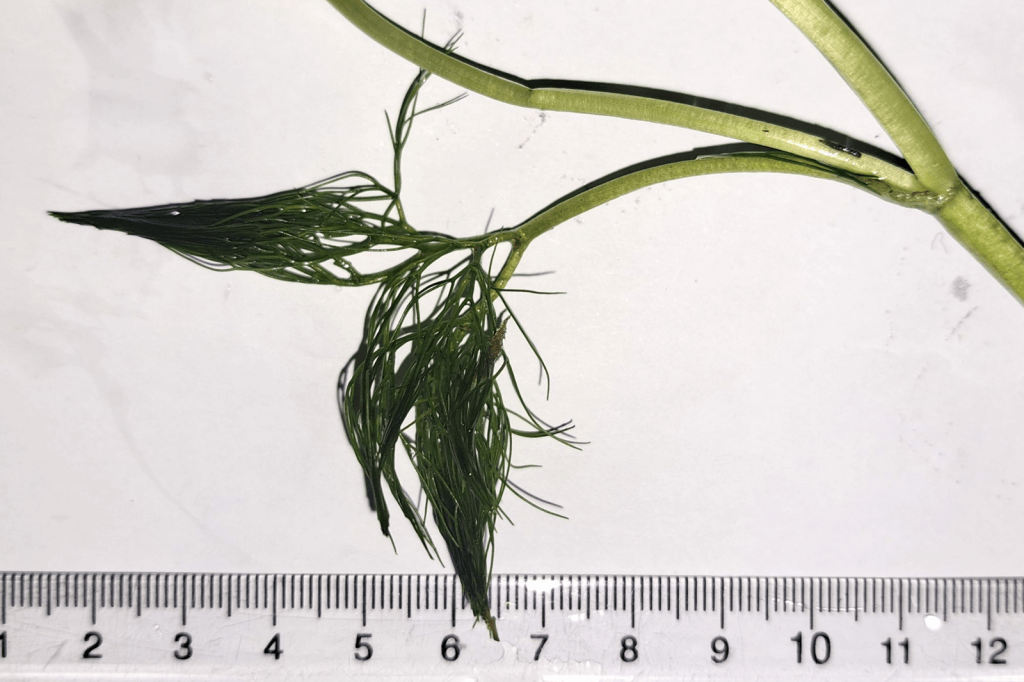
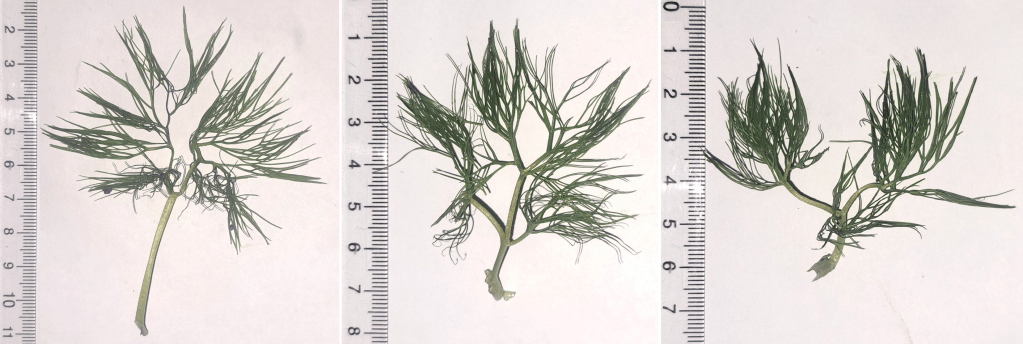
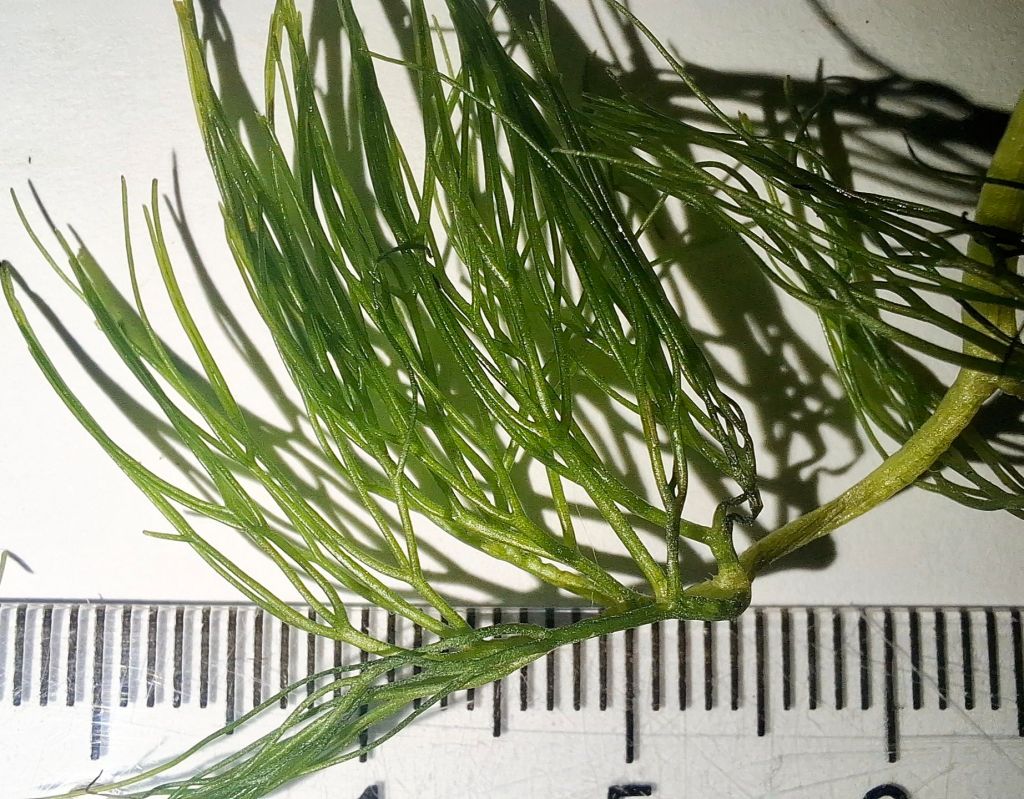
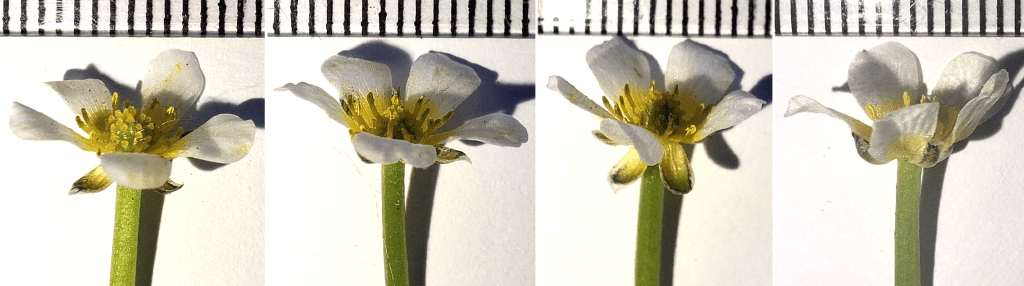
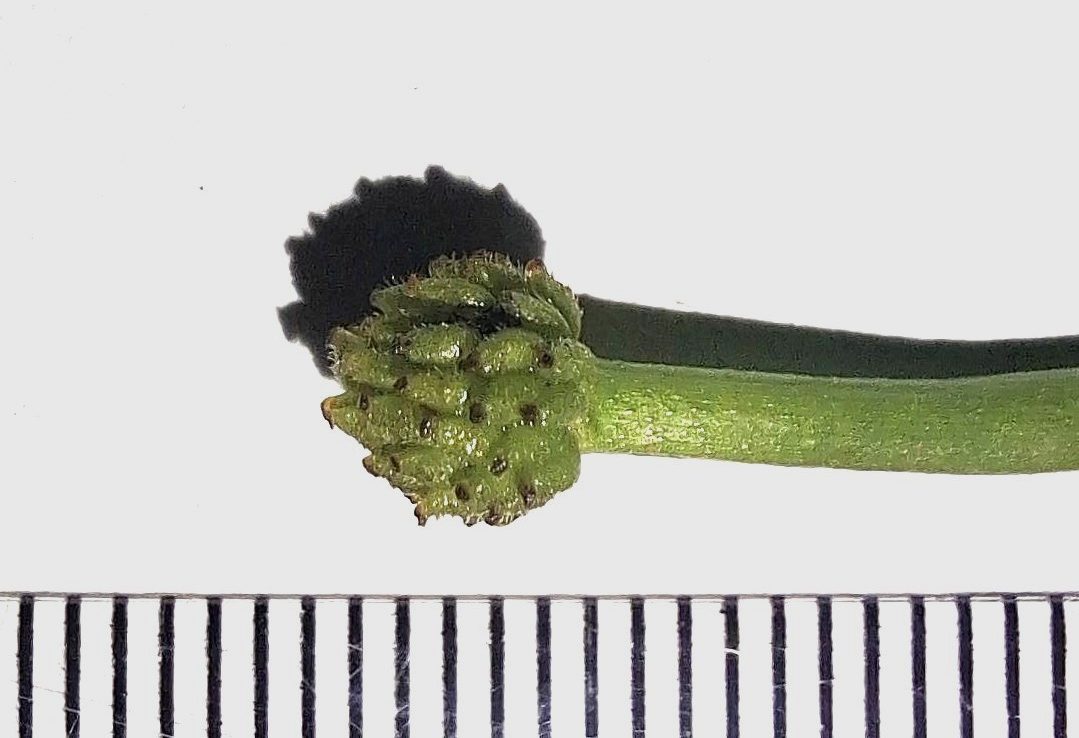
Ranunculus trichophyllus subsp. trichophyllus – habit in habitat. Osogovo – Banjska River near village of Banja, 19.04.2026. Photo by Trajche Dimitrovski.Ranunculus trichophyllus subsp. trichophyllus – habit in habitat. Osogovo – Banjska River near village of Banja, 19.04.2026. Photo by Trajche Dimitrovski.Ranunculus trichophyllus subsp. trichophyllus – habit in habitat. Osogovo – Banjska River near village of Banja, 19.04.2026. Photo by Trajche Dimitrovski.Ranunculus trichophyllus subsp. trichophyllus – habit. Osogovo – Banjska River near village of Banja, 19.04.2026. Photo by Trajche Dimitrovski.Ranunculus trichophyllus subsp. trichophyllus– habit. Osogovo – Banjska River near village of Banja, 19.04.2026. Photo by Trajche Dimitrovski.Ranunculus trichophyllus subsp. trichophyllus– habit. Osogovo – Banjska River near village of Banja, 19.04.2026. Photo by Trajche Dimitrovski.Ranunculus trichophyllus subsp. trichophyllus – habit. Osogovo – Banjska River near village of Banja, 19.04.2026. Photo by Trajche Dimitrovski.Ranunculus trichophyllus subsp. trichophyllus – habit. Osogovo – Banjska River near village of Banja, 19.04.2026. Photo by Trajche Dimitrovski.Ranunculus trichophyllus subsp. trichophyllus – habit. Osogovo – Banjska River near village of Banja, 19.04.2026. Photo by Trajche Dimitrovski.Ranunculus trichophyllus subsp. trichophyllus – habit. Osogovo – Banjska River near village of Banja, 19.04.2026. Photo by Trajche Dimitrovski.Ranunculus trichophyllus subsp. trichophyllus – habit. Osogovo – Banjska River near village of Banja, 19.04.2026. Photo by Trajche Dimitrovski.Ranunculus trichophyllus subsp. trichophyllus – habit. Osogovo – Banjska River near village of Banja, 19.04.2026. Photo by Trajche Dimitrovski.Ranunculus trichophyllus subsp. trichophyllus – habit. Osogovo – Banjska River near village of Banja, 19.04.2026. Photo by Trajche Dimitrovski.Ranunculus trichophyllus subsp. trichophyllus – habit. Osogovo – Banjska River near village of Banja, 19.04.2026. Photo by Trajche Dimitrovski.Ranunculus trichophyllus subsp. trichophyllus – flowering stems. Osogovo – Banjska River near village of Banja, 19.04.2026. Photo by Trajche Dimitrovski.Ranunculus trichophyllus subsp. trichophyllus – flowering stems. Osogovo – Banjska River near village of Banja, 19.04.2026. Photo by Trajche Dimitrovski.Ranunculus trichophyllus subsp. trichophyllus – flowering stems. Osogovo – Banjska River near village of Banja, 19.04.2026. Photo by Trajche Dimitrovski.Ranunculus trichophyllus subsp. trichophyllus– flowering stems. Osogovo – Banjska River near village of Banja, 19.04.2026. Photo by Trajche Dimitrovski.Ranunculus trichophyllus subsp. trichophyllus– flowering stems. Osogovo – Banjska River near village of Banja, 19.04.2026. Photo by Trajche Dimitrovski.Ranunculus trichophyllus subsp. trichophyllus– flowering stems. Osogovo – Banjska River near village of Banja, 19.04.2026. Photo by Trajche Dimitrovski.Ranunculus trichophyllus subsp. trichophyllus – flowering stems. Osogovo – Banjska River near village of Banja, 19.04.2026. Photo by Trajche Dimitrovski.Ranunculus trichophyllus subsp. trichophyllus – flowers. Osogovo – Banjska River near village of Banja, 19.04.2026. Photo by Trajche Dimitrovski.Ranunculus trichophyllus subsp. trichophyllus – flowers. Osogovo – Banjska River near village of Banja, 19.04.2026. Photo by Trajche Dimitrovski.Ranunculus trichophyllus subsp. trichophyllus – flower. Osogovo – Banjska River near village of Banja, 19.04.2026. Photo by Trajche Dimitrovski.Ranunculus trichophyllus subsp. trichophyllus – flower. Osogovo – Banjska River near village of Banja, 19.04.2026. Photo by Trajche Dimitrovski.Ranunculus trichophyllus subsp. trichophyllus – flower. Osogovo – Banjska River near village of Banja, 19.04.2026. Photo by Trajche Dimitrovski.Ranunculus trichophyllus subsp. trichophyllus – flower. Osogovo – Banjska River near village of Banja, 19.04.2026. Photo by Trajche Dimitrovski.Ranunculus trichophyllus subsp. trichophyllus – flower. Osogovo – Banjska River near village of Banja, 19.04.2026. Photo by Trajche Dimitrovski.Ranunculus trichophyllus subsp. trichophyllus – flower. Osogovo – Banjska River near village of Banja, 19.04.2026. Photo by Trajche Dimitrovski.Ranunculus trichophyllus subsp. trichophyllus – flower. Osogovo – Banjska River near village of Banja, 19.04.2026. Photo by Trajche Dimitrovski.Ranunculus trichophyllus subsp. trichophyllus – flower. Osogovo – Banjska River near village of Banja, 19.04.2026. Photo by Trajche Dimitrovski.Ranunculus trichophyllus subsp. trichophyllus – flower. Osogovo – Banjska River near village of Banja, 19.04.2026. Photo by Trajche Dimitrovski.Ranunculus trichophyllus subsp. trichophyllus – flower. Osogovo – Banjska River near village of Banja, 19.04.2026. Photo by Trajche Dimitrovski.Ranunculus trichophyllus subsp. trichophyllus – flower. Osogovo – Banjska River near village of Banja, 19.04.2026. Photo by Trajche Dimitrovski.Ranunculus trichophyllus subsp. trichophyllus – flower. Osogovo – Banjska River near village of Banja, 19.04.2026. Photo by Trajche Dimitrovski.Ranunculus trichophyllus subsp. trichophyllus – flower. Osogovo – Banjska River near village of Banja, 19.04.2026. Photo by Trajche Dimitrovski.Ranunculus trichophyllus subsp. trichophyllus – side view of flower with calyx. Osogovo – Banjska River near village of Banja, 19.04.2026. Photo by Trajche Dimitrovski.Ranunculus trichophyllus subsp. trichophyllus – side view of flower with calyx. Osogovo – Banjska River near village of Banja, 19.04.2026. Photo by Trajche Dimitrovski.Ranunculus trichophyllus subsp. trichophyllus – side view of flower with calyx. Osogovo – Banjska River near village of Banja, 19.04.2026. Photo by Trajche Dimitrovski.Ranunculus trichophyllus subsp. trichophyllus – side view of flower with calyx. Osogovo – Banjska River near village of Banja, 19.04.2026. Photo by Trajche Dimitrovski.Ranunculus trichophyllus subsp. trichophyllus – achenes. Osogovo – Banjska River near village of Banja, 19.04.2026. Photo by Trajche Dimitrovski.Ranunculus trichophyllus subsp. trichophyllus – achenes. Osogovo – Banjska River near village of Banja, 19.04.2026. Photo by Trajche Dimitrovski.Ranunculus trichophyllus subsp. trichophyllus – achenes. Osogovo – Banjska River near village of Banja, 19.04.2026. Photo by Trajche Dimitrovski.Ranunculus trichophyllus subsp. trichophyllus – achenes. Osogovo – Banjska River near village of Banja, 19.04.2026. Photo by Trajche Dimitrovski.Ranunculus trichophyllus subsp. trichophyllus – stem and pedicel with achenes. Osogovo – Banjska River near village of Banja, 19.04.2026. Photo by Trajche Dimitrovski.Ranunculus trichophyllus subsp. trichophyllus – leaves. Osogovo – Banjska River near village of Banja, 19.04.2026. Photo by Trajche Dimitrovski.Ranunculus trichophyllus subsp. trichophyllus – leaves. Osogovo – Banjska River near village of Banja, 19.04.2026. Photo by Trajche Dimitrovski.Ranunculus trichophyllus subsp. trichophyllus – leaves. Osogovo – Banjska River near village of Banja, 19.04.2026. Photo by Trajche Dimitrovski.Ranunculus trichophyllus subsp. trichophyllus – leaves. Osogovo – Banjska River near village of Banja, 19.04.2026. Photo by Trajche Dimitrovski.Ranunculus trichophyllus subsp. trichophyllus – leaves. Osogovo – Banjska River near village of Banja, 19.04.2026. Photo by Trajche Dimitrovski.Ranunculus trichophyllus subsp. trichophyllus – leaf. Osogovo – Banjska River near village of Banja, 19.04.2026. Photo by Trajche Dimitrovski.Ranunculus trichophyllus subsp. trichophyllus – leaves. Osogovo – Banjska River near village of Banja, 19.04.2026. Photo by Trajche Dimitrovski.Ranunculus trichophyllus subsp. trichophyllus – leaf. Osogovo – Banjska River near village of Banja, 19.04.2026. Photo by Trajche Dimitrovski.Ranunculus trichophyllus subsp. trichophyllus – leaf. Osogovo – Banjska River near village of Banja, 19.04.2026. Photo by Trajche Dimitrovski.Ranunculus trichophyllus subsp.trichophyllus– leaf. Osogovo – Banjska River near village of Banja, 19.04.2026. Photo by Trajche Dimitrovski.Ranunculus trichophyllus subsp. trichophyllus – leaf segments. Osogovo – Banjska River near village of Banja, 19.04.2026. Photo by Trajche Dimitrovski.Ranunculus trichophyllus subsp. trichophyllus – leaf segments of aquatic leaves are capillary, flaccid, closing like a brush when taken out of water. Osogovo – Banjska River near village of Banja, 19.04.2026. Photo by Trajche Dimitrovski.Ranunculus trichophyllus subsp. trichophyllus – leaf segments of aquatic leaves are capillary, flaccid, closing like a brush when taken out of water. Osogovo – Banjska River near village of Banja, 19.04.2026. Photo by Trajche Dimitrovski.Ranunculus trichophyllus subsp. trichophyllus – leaf segments of aquatic leaves are capillary, flaccid, closing like a brush when taken out of water. Osogovo – Banjska River near village of Banja, 19.04.2026. Photo by Trajche Dimitrovski.Ranunculus trichophyllus subsp. trichophyllus – leaf segments of aquatic leaves are capillary, flaccid, closing like a brush when taken out of water. Osogovo – Banjska River near village of Banja, 19.04.2026. Photo by Trajche Dimitrovski.Ranunculus trichophyllus subsp. trichophyllus – leaf segments of aquatic leaves are capillary, flaccid, closing like a brush when taken out of water. Osogovo – Banjska River near village of Banja, 19.04.2026. Photo by Trajche Dimitrovski.Ranunculus trichophyllus subsp. trichophyllus – sheath. Osogovo – Banjska River near village of Banja, 19.04.2026. Photo by Trajche Dimitrovski.Ranunculus trichophyllus subsp. trichophyllus – sheath. Osogovo – Banjska River near village of Banja, 19.04.2026. Photo by Trajche Dimitrovski.Ranunculus trichophyllus subsp. trichophyllus – aerial leaf. Osogovo – Banjska River near village of Banja, 19.04.2026. Photo by Trajche Dimitrovski.Ranunculus trichophyllus subsp. trichophyllus – aerial leaf. Osogovo – Banjska River near village of Banja, 19.04.2026. Photo by Trajche Dimitrovski.Ranunculus trichophyllus subsp. trichophyllus – aerial leaves. Osogovo – Banjska River near village of Banja, 19.04.2026. Photo by Trajche Dimitrovski.Ranunculus trichophyllus subsp. trichophyllus – aerial leaf. Osogovo – Banjska River near village of Banja, 19.04.2026. Photo by Trajche Dimitrovski.
Scaled images
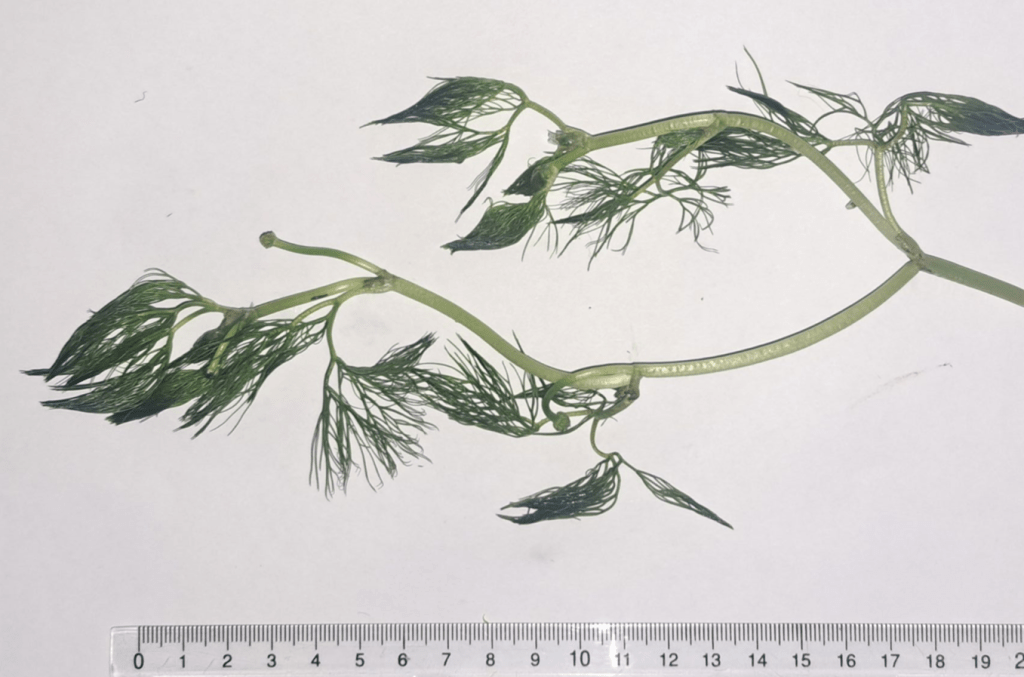
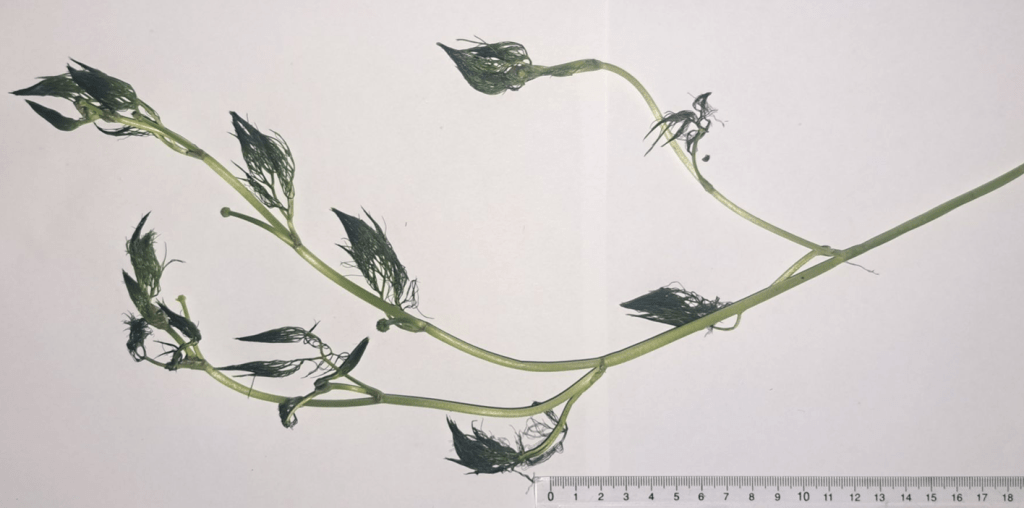
Ranunculus trichophyllus subsp. trichophyllus – habit. Scale in cm. Photo by Trajche Dimitrovski.Ranunculus trichophyllus subsp. trichophyllus – habit. Scale in cm. Photo by Trajche Dimitrovski.Ranunculus trichophyllus subsp. trichophyllus – habit. Scale in cm. Photo by Trajche Dimitrovski.Ranunculus trichophyllus subsp. trichophyllus– habit. Scale in cm. Photo by Trajche Dimitrovski.Ranunculus trichophyllus subsp. trichophyllus – leaf. Scale in cm. Photo by Trajche Dimitrovski.Ranunculus trichophyllus subsp. trichophyllus – leaf. Scale in cm. Photo by Trajche Dimitrovski.Ranunculus trichophyllus subsp. trichophyllus – leaf. Scale in cm. Photo by Trajche Dimitrovski.Ranunculus trichophyllus subsp. trichophyllus – leaf. Scale in cm. Photo by Trajche Dimitrovski.Ranunculus trichophyllus subsp. trichophyllus – leaf. Scale in cm. Photo by Trajche Dimitrovski.Ranunculus trichophyllus subsp. trichophyllus – leaf segments. Scale in cm/mm. Photo by Trajche Dimitrovski.Ranunculus trichophyllus subsp. trichophyllus – leaf segments. Scale in cm/ mm. Photo by Trajche Dimitrovski.Ranunculus trichophyllus subsp. trichophyllus – flowers. Scale in mm. Photo by Trajche Dimitrovski.Ranunculus trichophyllus subsp. trichophyllus – petals and sepals. Scale in mm. Photo by Trajche Dimitrovski.Ranunculus trichophyllus subsp. trichophyllus – pedicels and unripe achenes. Scale in cm. Photo by Trajche Dimitrovski.Ranunculus trichophyllus subsp. trichophyllus – achenes. Scale in mm. Photo by Trajche Dimitrovski.
References:
Micevski, K. 1985. Ranunculus L., The Flora of SR Macedonia, Vol. 1, Book 1. Skopje: Macedonian Academy of Sciences and Arts, pp. 116–145.
Tutin, T. G. 1964. Ranunculus L. Subgen. Batrachium by Cook, C. D. K. In Tutin, T. G., Heywood, V. H., Burges, N. A., Moore, D. M., Valentine, D. H., Walters, S. M., & Webb, D. A. (eds.), Flora Europaea. Volume 1. Lycopodiaceae to Platanaceae. Cambridge: Cambridge University Press, pp. 223 – 238.
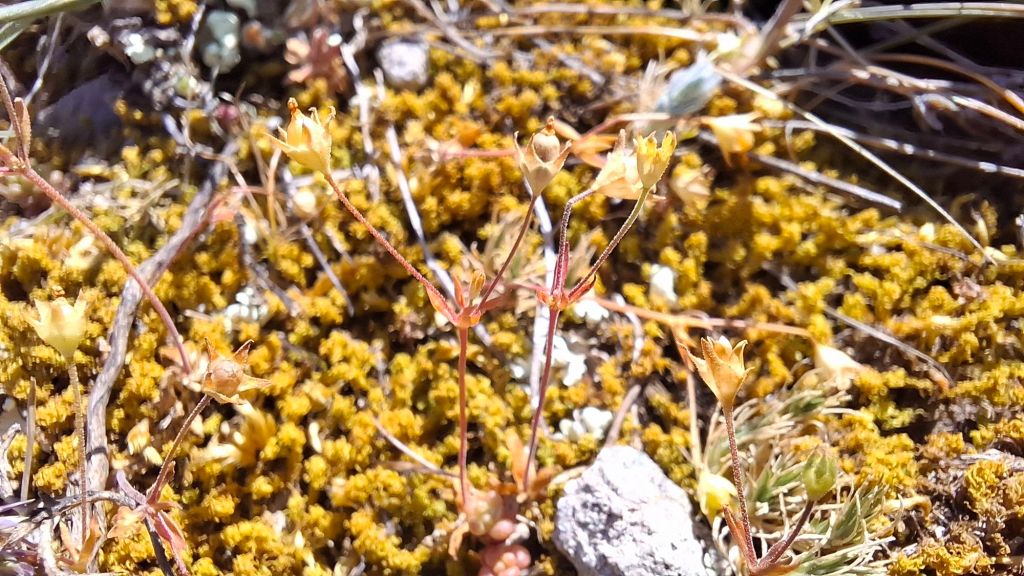
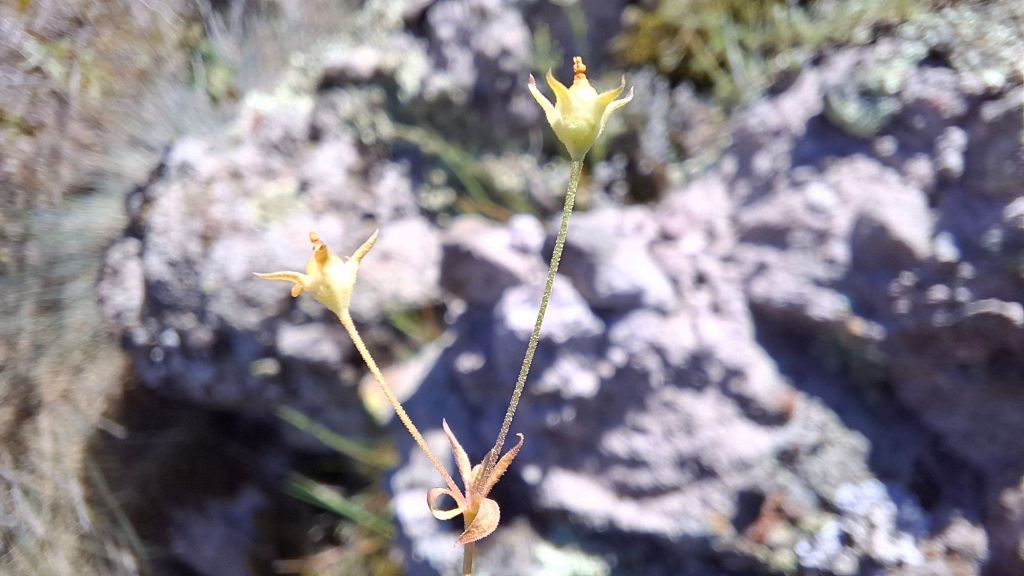
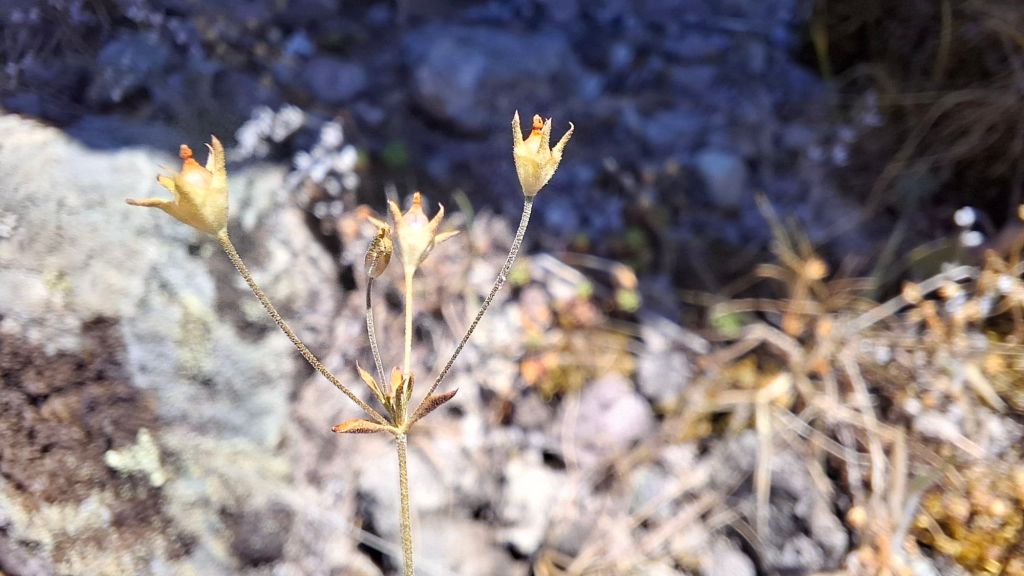
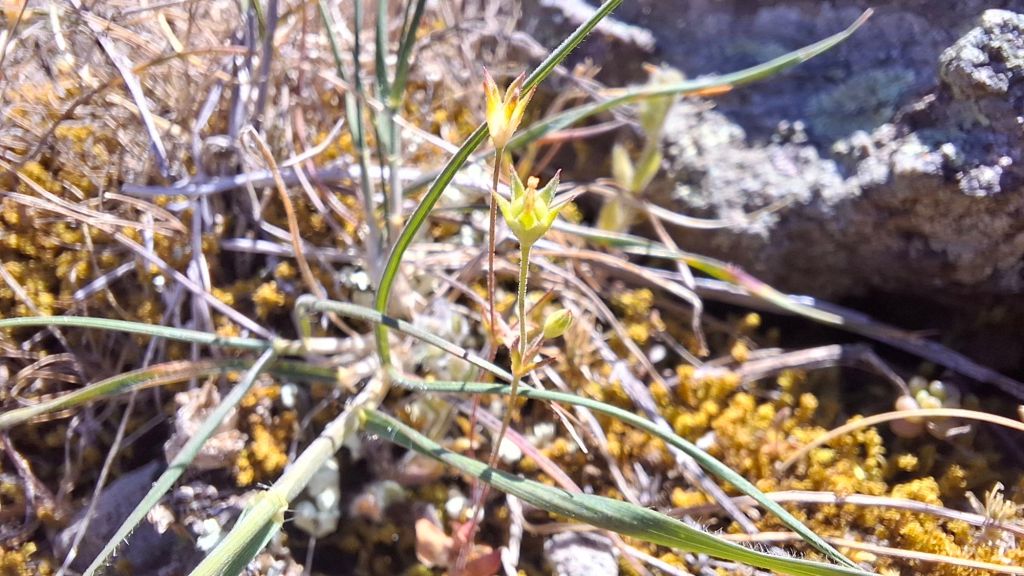
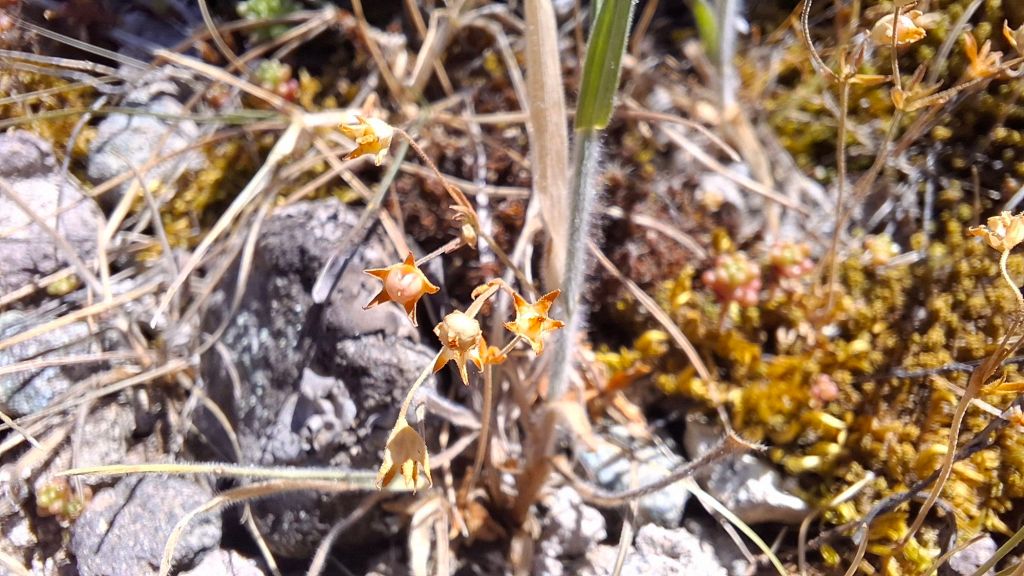
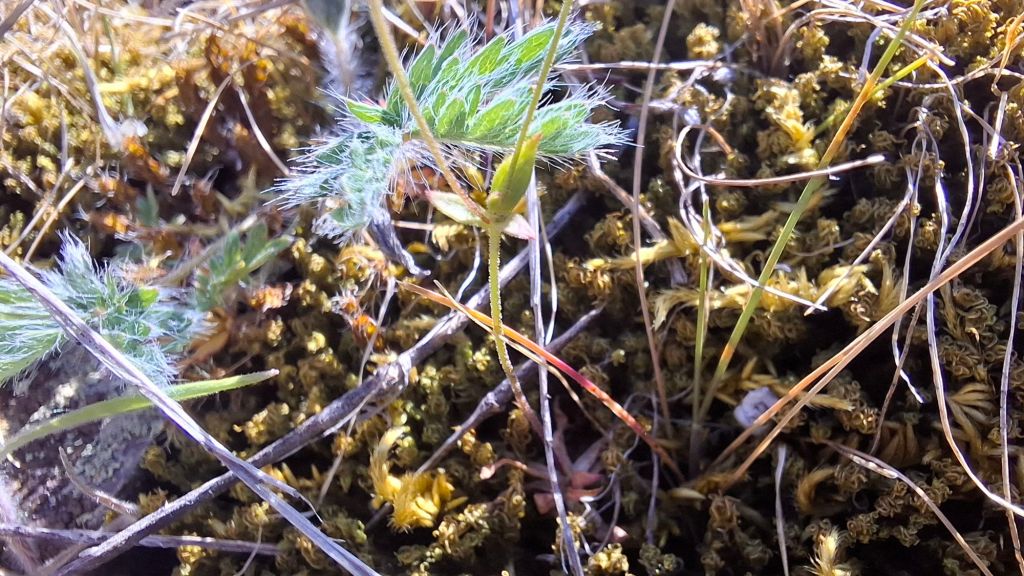
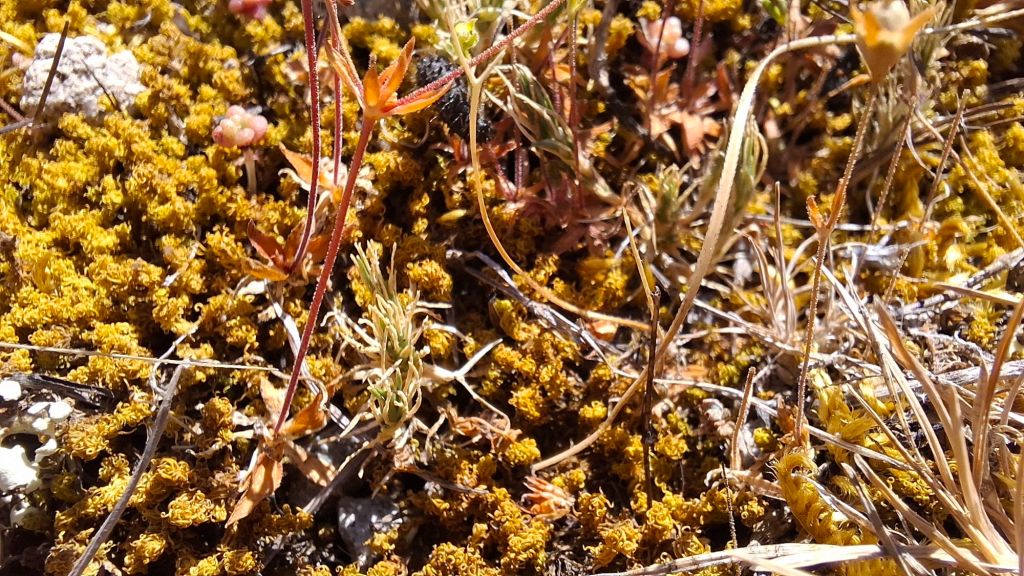
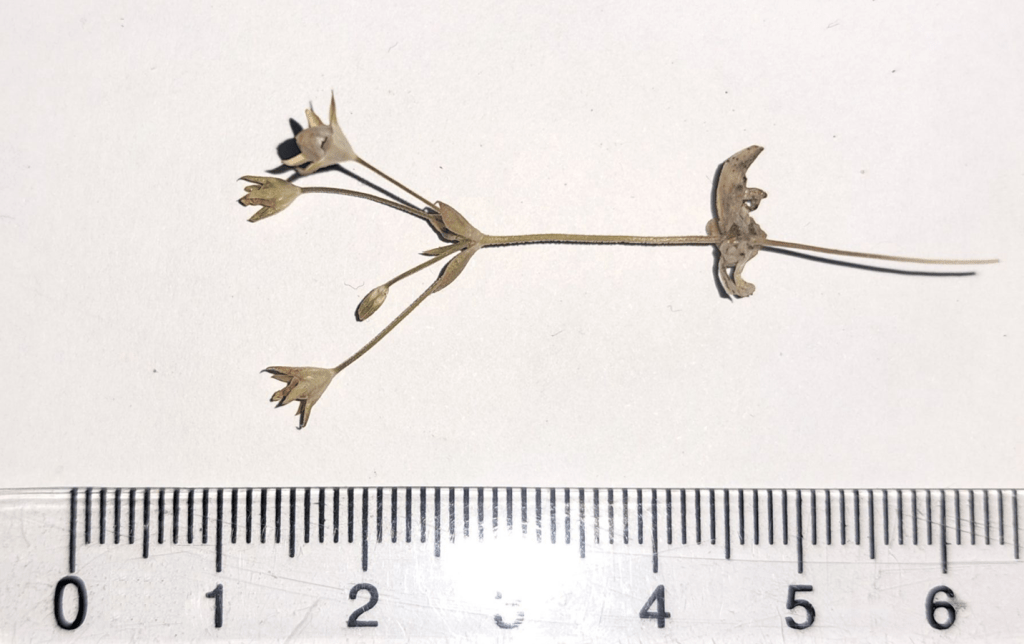
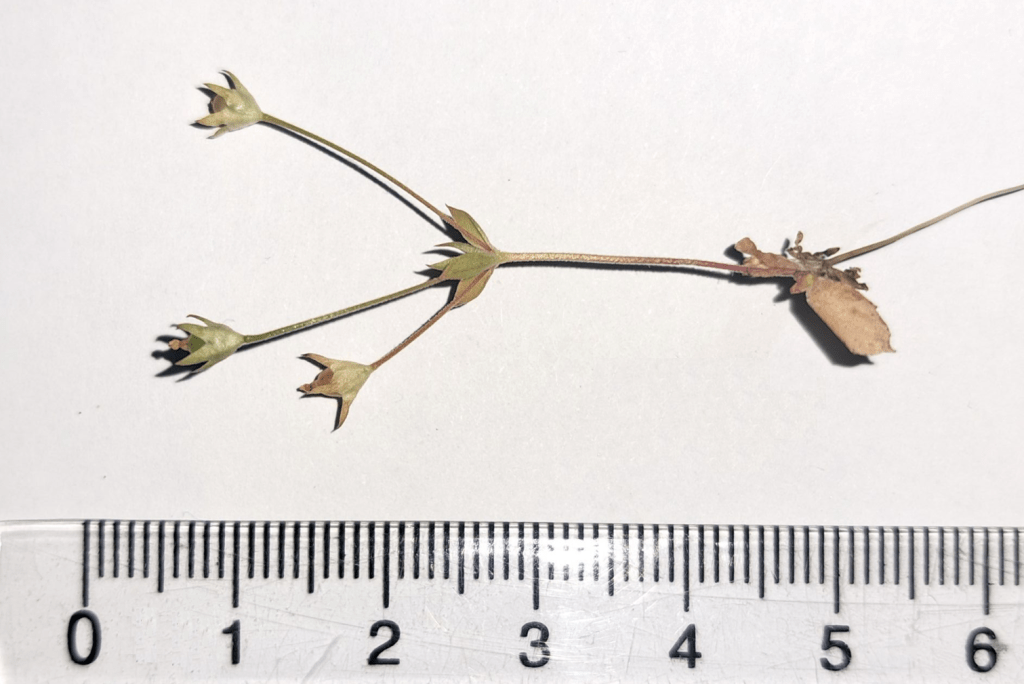
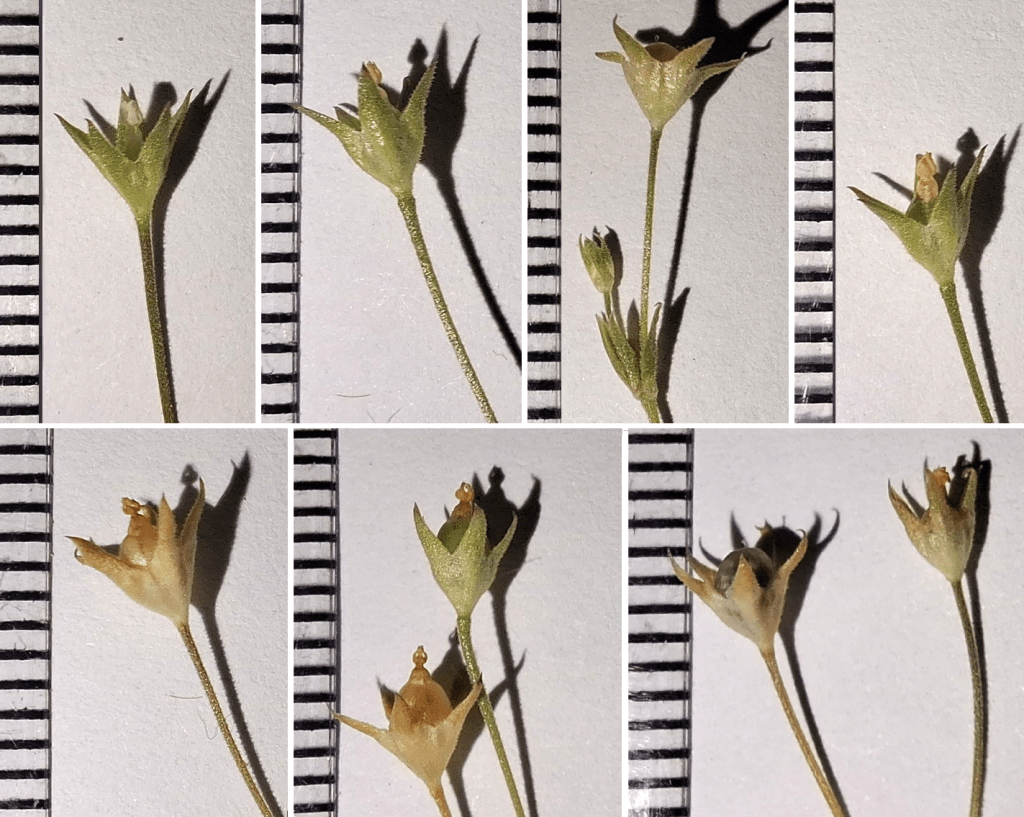
Taxonomy: Fam. Primulaceae// Genus: Androsace// Species: Androsace elongata L.
Determined according to the botanical key provided by Micevski (1998) and Ferguson (1964 in Tutin et al.).
Lifeform: Annual plant. Therophyte according to the Raunkiær system.
Distribution: Native from West USA to Northwest Mexico; Europe to Iran according to the Plants of the World online portal (Royal Botanic Gardens, Kew).
Habitat: Rocks with shallow soil in hill pastures on the southern slopes. Recorded on andesitic breccia volcanic rocks in the village of Trkanje region.
Flowering period: Spring (MAR, APR).
Locality: village of Trkanje region. Date: 19.04.2026.
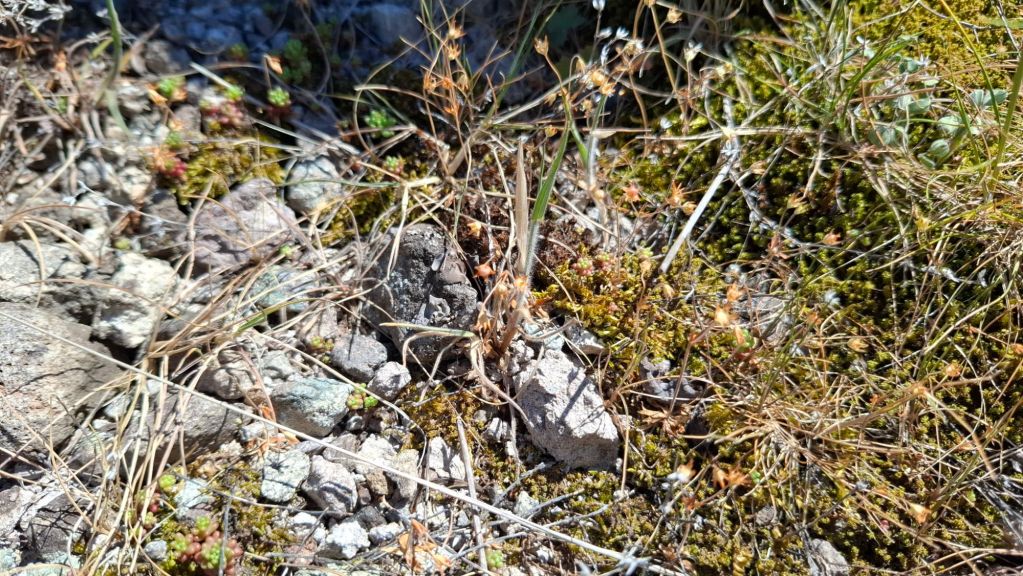
Androsace elongata– habit. Hilly region near village of Trkanje, 19.04.2026. Photo by Trajche Dimitrovski.Androsace elongata– habit. Hilly region near village of Trkanje, 19.04.2026. Photo by Trajche Dimitrovski.Androsace elongata– upper part of plant with capsules and bracts. Hilly region near village of Trkanje, 19.04.2026. Photo by Trajche Dimitrovski.Androsace elongata– upper part of plant with capsules and bracts. Hilly region near village of Trkanje, 19.04.2026. Photo by Trajche Dimitrovski.Androsace elongata– upper part of plant with capsules and bracts. Hilly region near village of Trkanje, 19.04.2026. Photo by Trajche Dimitrovski.Androsace elongata– upper part of plant with capsules and bracts. Hilly region near village of Trkanje, 19.04.2026. Photo by Trajche Dimitrovski.Androsace elongata– upper part of plant with capsules and bracts. Hilly region near village of Trkanje, 19.04.2026. Photo by Trajche Dimitrovski.Androsace elongata– stem and bracts. Hilly region near village of Trkanje, 19.04.2026. Photo by Trajche Dimitrovski.Androsace elongata– basal leaves, stem and bracts. Hilly region near village of Trkanje, 19.04.2026. Photo by Trajche Dimitrovski.
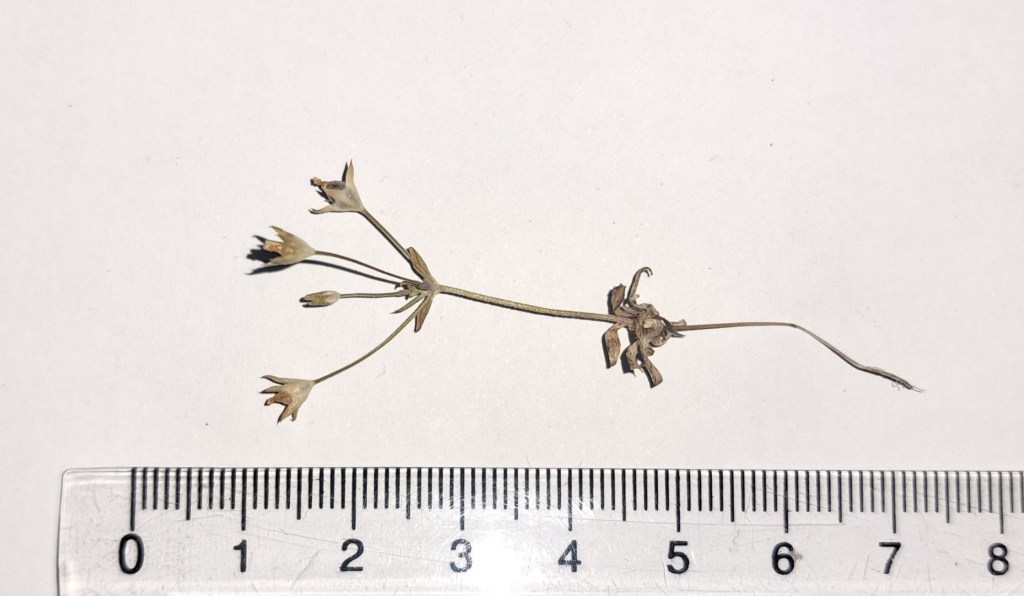
Scaled images. Specimens from village of Trkanje region. Collected: 19.04.2026.
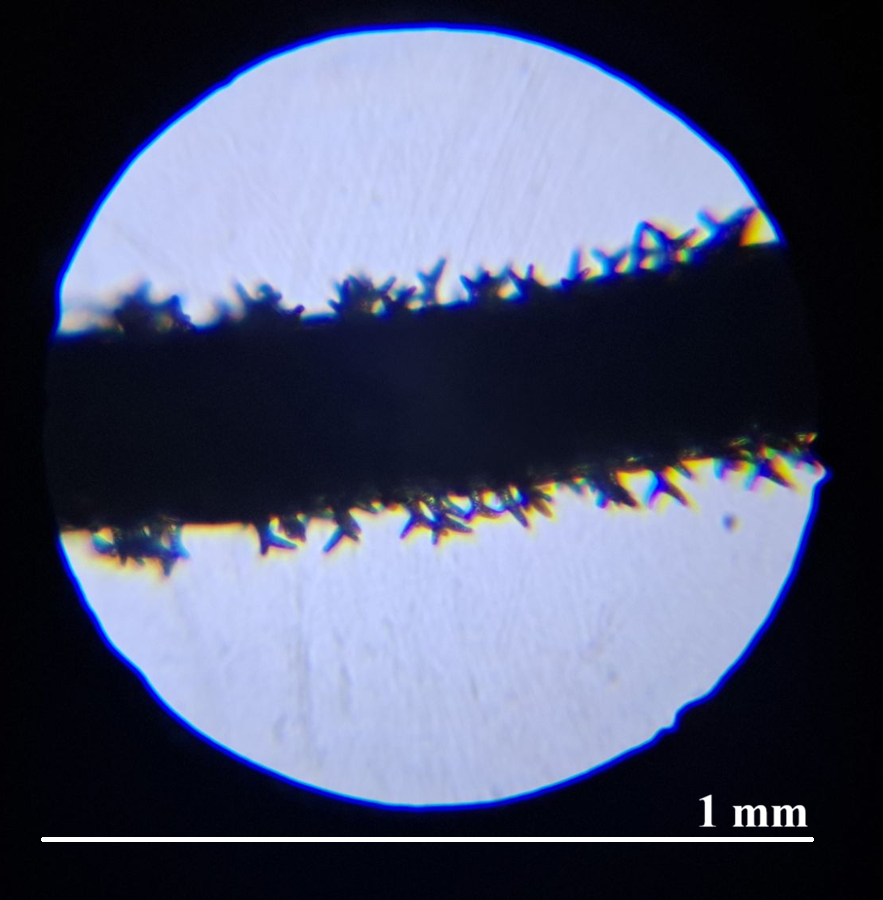
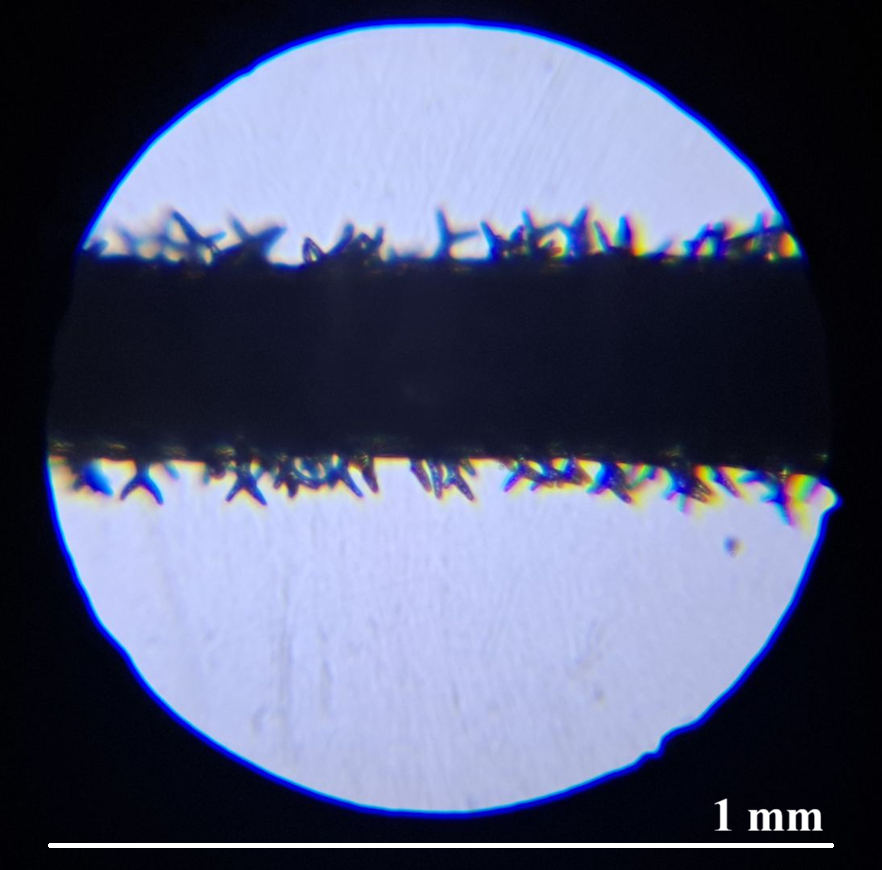
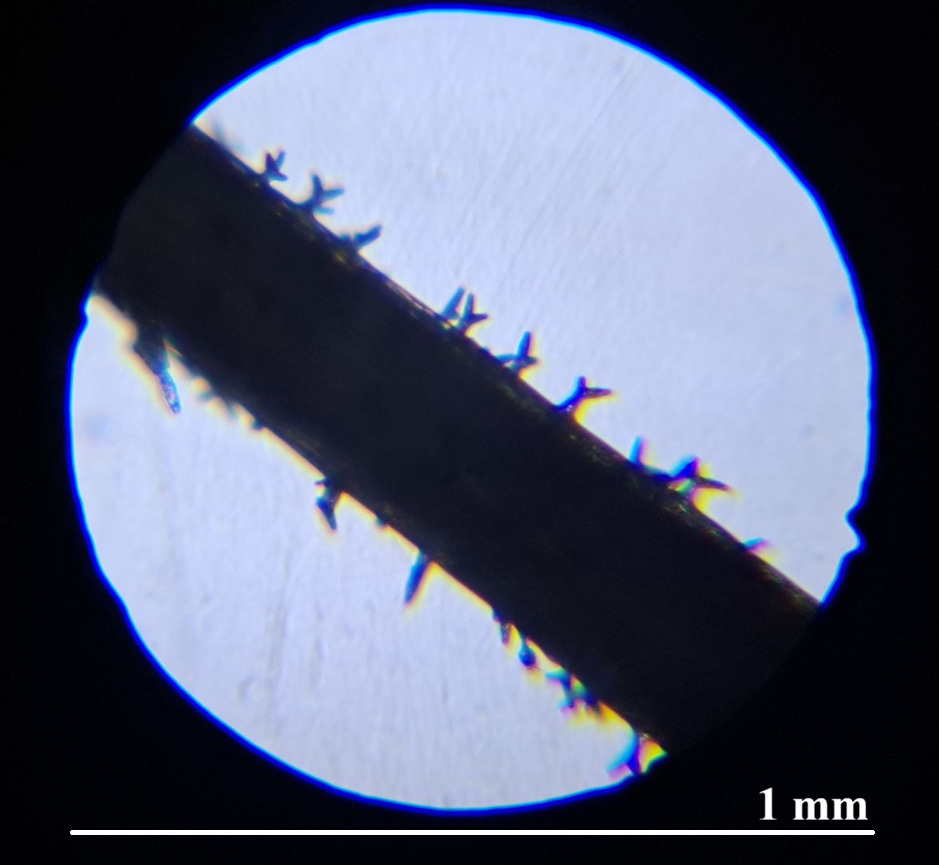
Androsace elongata– habit. Scale in cm/ mm. Specimen from the hilly region near village of Trkanje, collected 19.04.2026. Photo by Trajche Dimitrovski.Androsace elongata– habit. Scale in cm/ mm. Specimen from the hilly region near village of Trkanje, collected 19.04.2026. Photo by Trajche Dimitrovski.Androsace elongata– habit. Scale in cm/ mm. Specimen from the hilly region near village of Trkanje, collected 19.04.2026. Photo by Trajche Dimitrovski.Androsace elongata– habit. Scale in cm/ mm. Specimen from the hilly region near village of Trkanje, collected 19.04.2026. Photo by Trajche Dimitrovski.Androsace elongata– habit. Scale in cm/ mm. Specimen from the hilly region near village of Trkanje, collected 19.04.2026. Photo by Trajche Dimitrovski.Androsace elongata– spent flowers and capsules. Scale in mm. Photo by Trajche Dimitrovski.Androsace elongata– stem, bracts and pedicels (left and center); basal leaves (right). Scale in mm. Photo by Trajche Dimitrovski.Androsace elongata– pedicel with branched hairs under magnification. Photo by Trajche Dimitrovski.Androsace elongata– pedicel with branched hairs under magnification. Photo by Trajche Dimitrovski.Androsace elongata– pedicel with branched hairs under magnification. Photo by Trajche Dimitrovski.
Ferguson, I. K. 1964. Androsace L. In Tutin, T. G., Heywood, V. H., Burges, N. A., Moore, D. M., Valentine, D. H., Walters, S. M. & Webb, D. A. (eds.), Flora Europaea. Volume 3. Diapensiaceae to Myoporaceae. Cambridge: Cambridge University Press, pp. 20–23.
Micevski, K. 1998. Androsace L., The Flora of the Republic of Macedonia. Vol. I, Book 4. Skopje: Macedonian Academy of Sciences and Arts, 803–807.
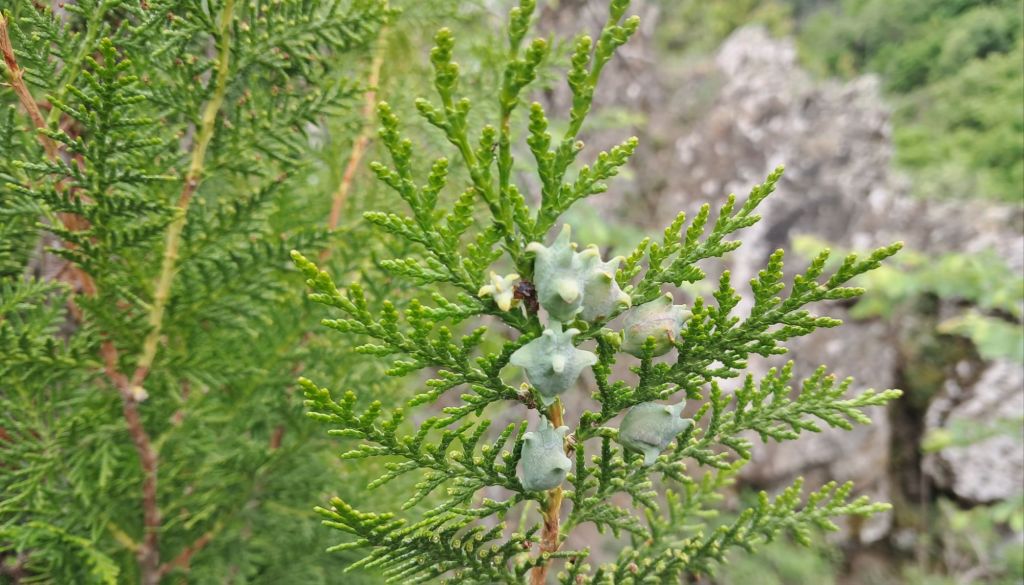
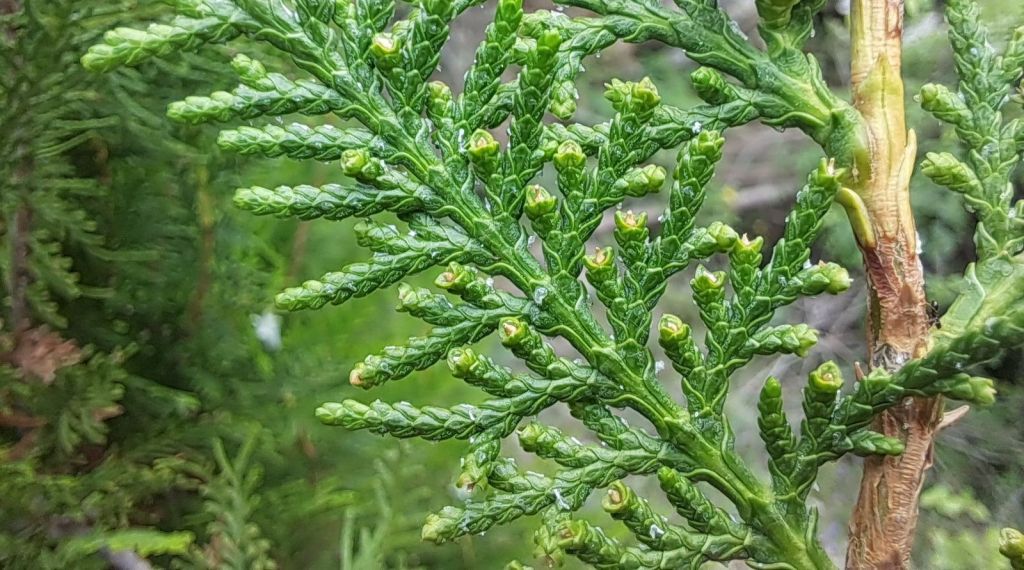
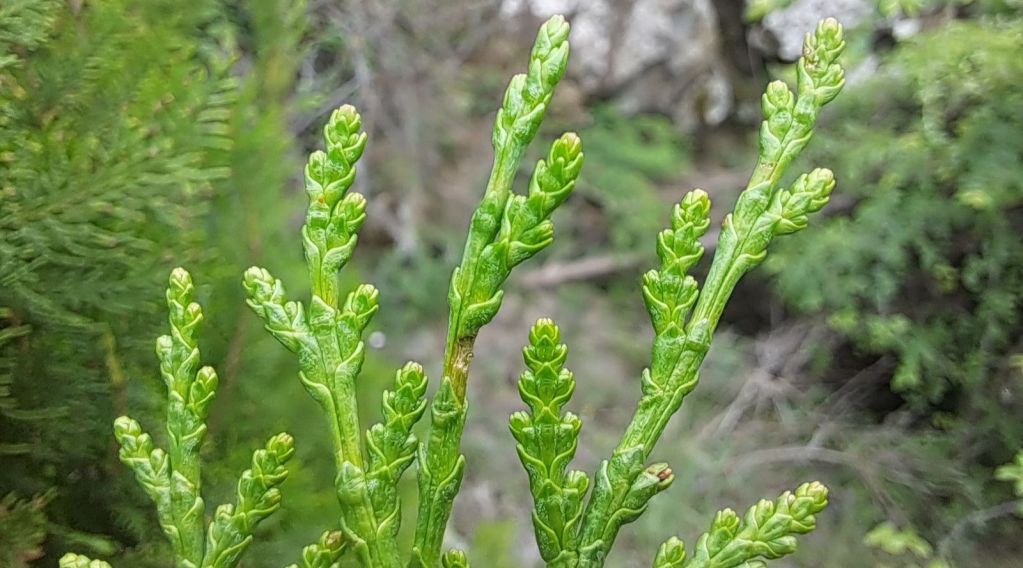
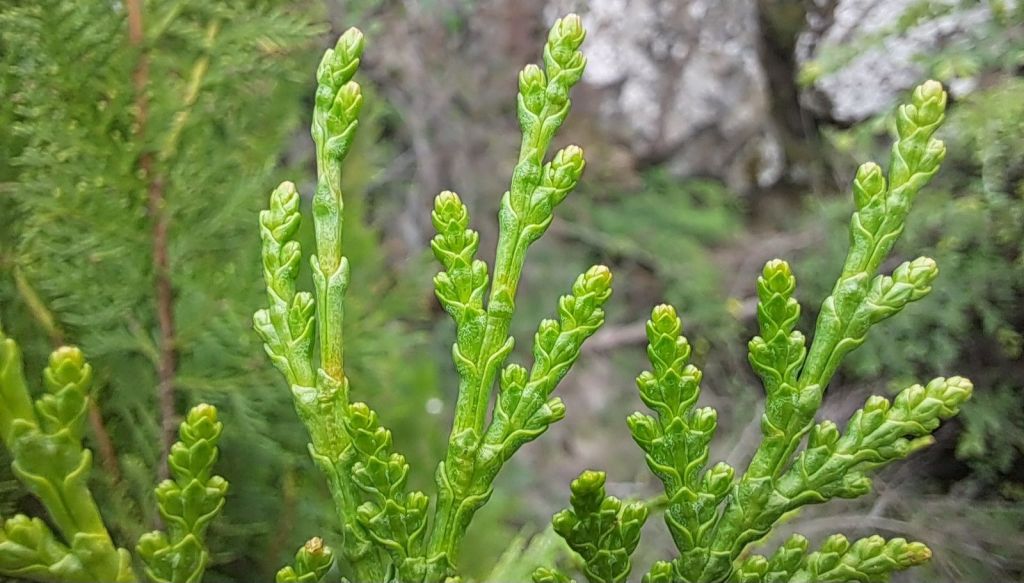
Taxonomy: Fam. Cupressaceae// Genus: Platycladus// Species: Platycladus orientalis (L.) Franco.
Determined according to the botanical key provided by Tutin (1964 in Tutin et al.).
Lifeform: Perennial, shrub or small tree. Phanerophyte according to the Raunkiær system.
Distribution:Native from Russian Far East to East Central China according to the Plants of the World Online portal (Royal Botanic Gardens, Kew). Introduced species in the Osogovo region of North Macedonia.
Habitat: Frequently cultivated plant in urban areas. Sporadically found as an escape.
Flowering period: Spring.
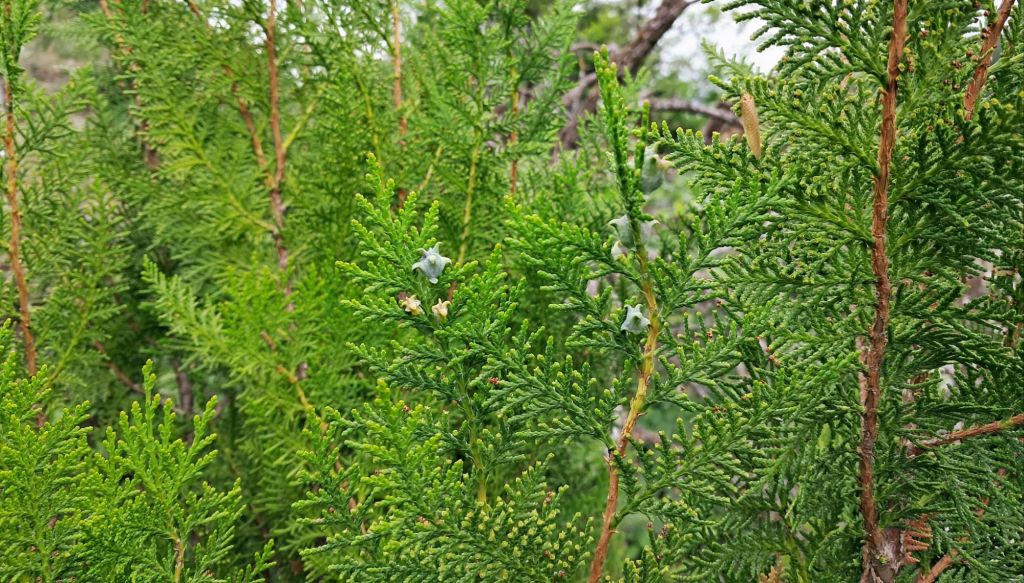
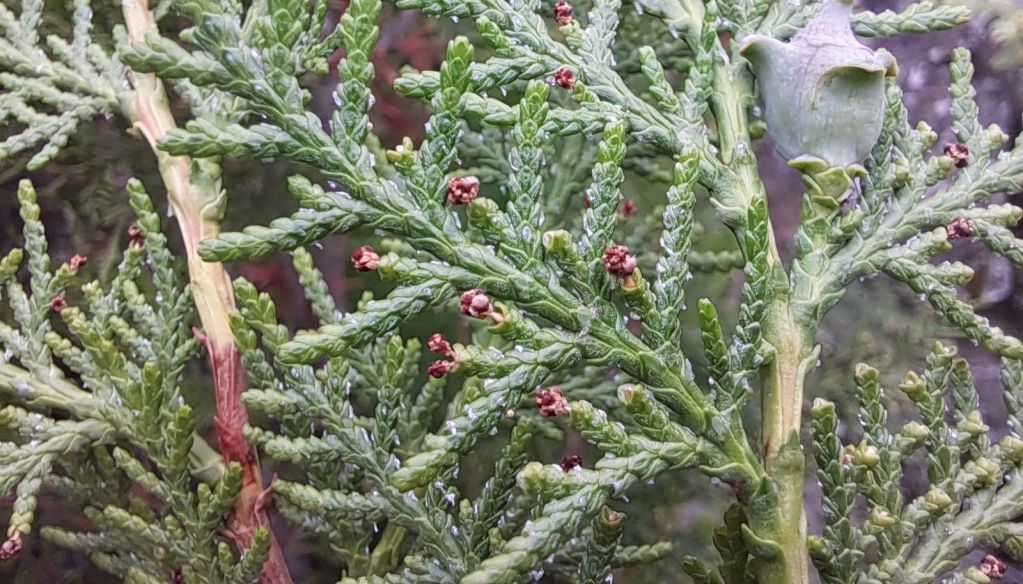
Platycladus orientalis – habit. Gorge of the Kochanska River, 24.05.2025. Photo by Trajche Dimitrovski.Platycladus orientalis – branches. Gorge of the Kochanska River, 24.05.2025. Photo by Trajche Dimitrovski.Platycladus orientalis – branch with spent male cones. Gorge of the Kochanska River, 24.05.2025. Photo by Trajche Dimitrovski.Platycladus orientalis – branch with developed immature female cones. Gorge of the Kochanska River, 24.05.2025. Photo by Trajche Dimitrovski.Platycladus orientalis – immature female cones. Gorge of the Kochanska River, 24.05.2025. Photo by Trajche Dimitrovski.Platycladus orientalis – immature female cones. Gorge of the Kochanska River, 24.05.2025. Photo by Trajche Dimitrovski.Platycladus orientalis – branch with female initial buds. Gorge of the Kochanska River, 24.05.2025. Photo by Trajche Dimitrovski.Platycladus orientalis – twigs with leaves. Gorge of the Kochanska River, 24.05.2025. Photo by Trajche Dimitrovski.Platycladus orientalis – twigs with leaves. Gorge of the Kochanska River, 24.05.2025. Photo by Trajche Dimitrovski.Platycladus orientalis – twigs with leaves. Gorge of the Kochanska River, 24.05.2025. Photo by Trajche Dimitrovski.Platycladus orientalis – woody part of branch. Gorge of the Kochanska River, 24.05.2025. Photo by Trajche Dimitrovski.
Tutin, T. G. 1964. Thuja L. In Tutin, T. G., Heywood, V. H., Burges, N. A., Moore, D. M., Valentine, D. H., Walters, S. M. & Webb, D. A. (eds.), Flora Europaea. Volume 1. Lycopodiaceae to Platanaceae. Cambridge: Cambridge University Press, p. 37–38.
Determined according to the botanical key provided by Amaral Franco (1964 in Tutin et al.).
Lifeform: Perennial, tree. Phanerophyte according to the Raunkiær system.
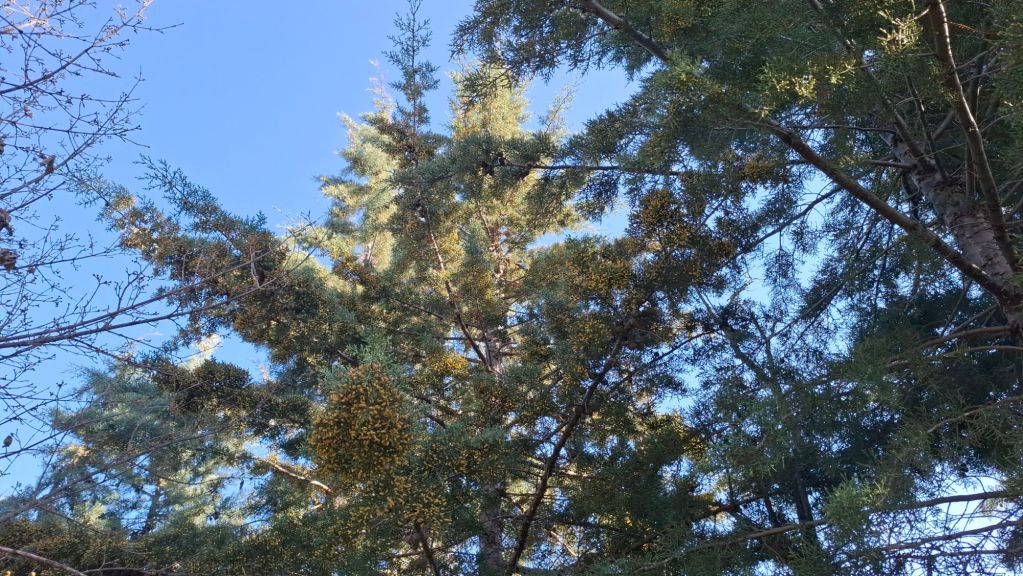
Distribution:Native to USA (Central and Southeast Arizona to West Texas) and Mexico (North Mexico) according to the Plants of the World Online portal (Royal Botanic Gardens, Kew). Introduced species in the Osogovo region of North Macedonia.
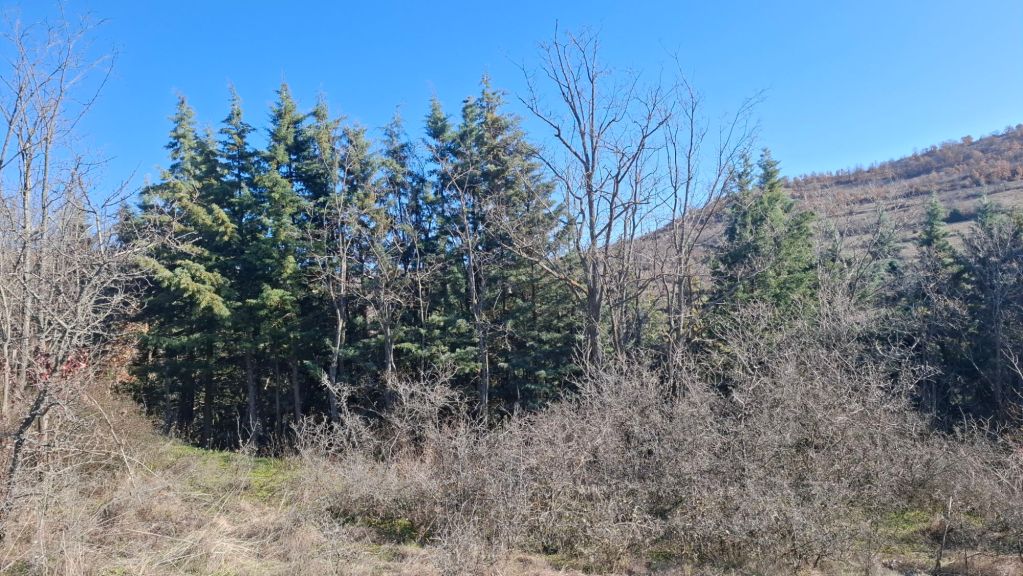
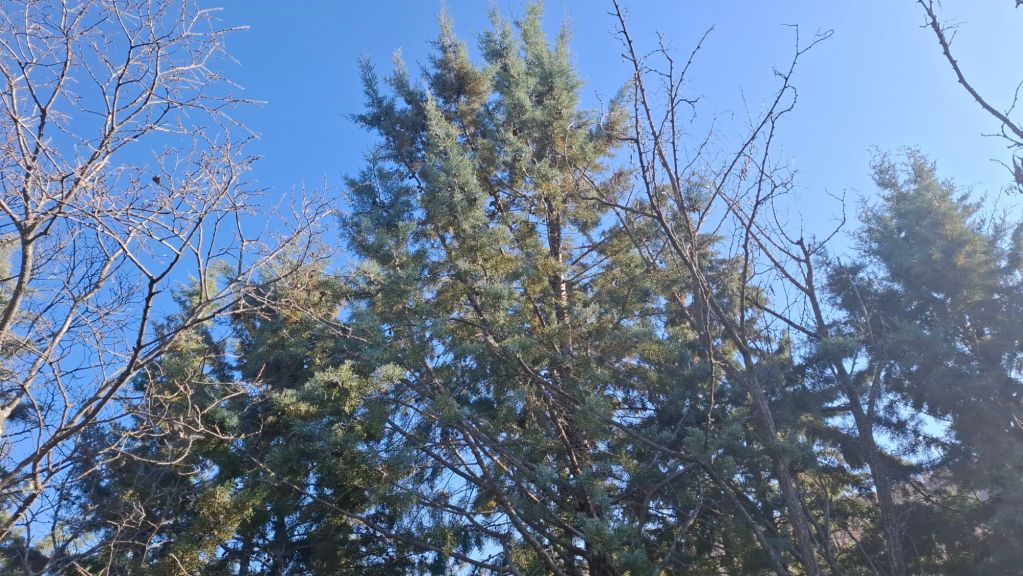
Habitat: Coniferous plantations in the lower parts of the Osogovo region.
Flowering period: Winter to spring, starting from January.
Locality: hilly region near village of Beli. Date: 18.01.2026.
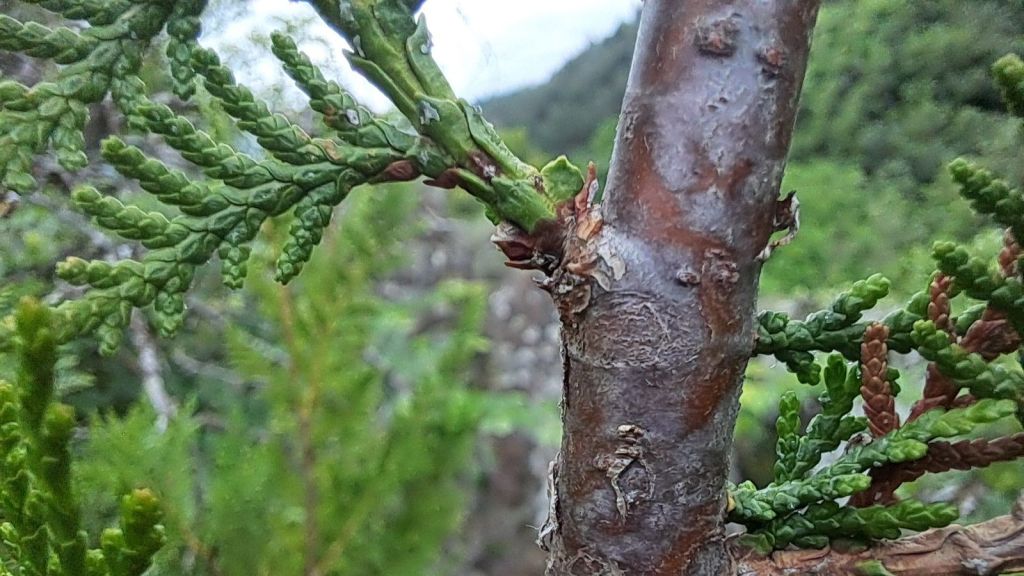
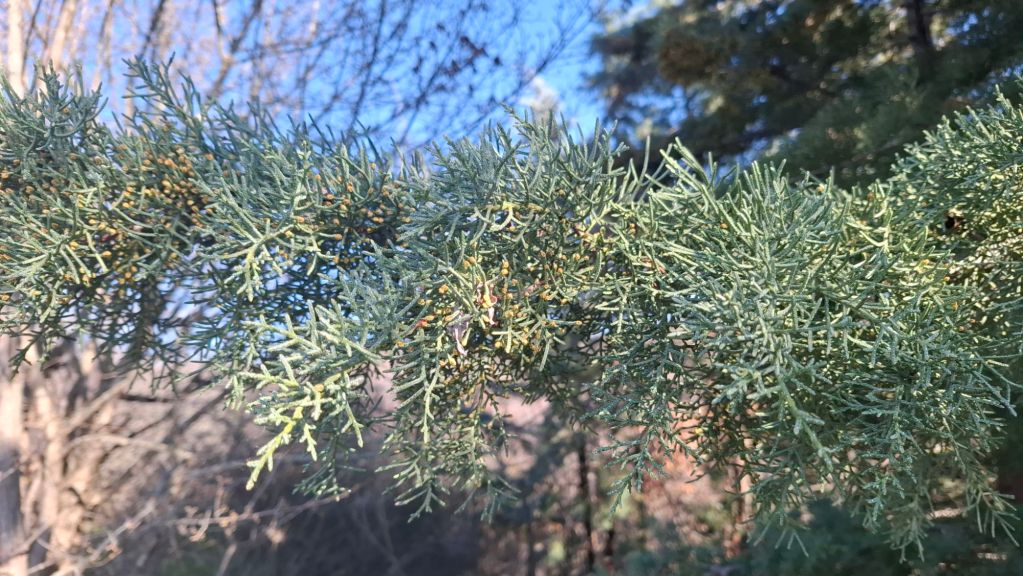
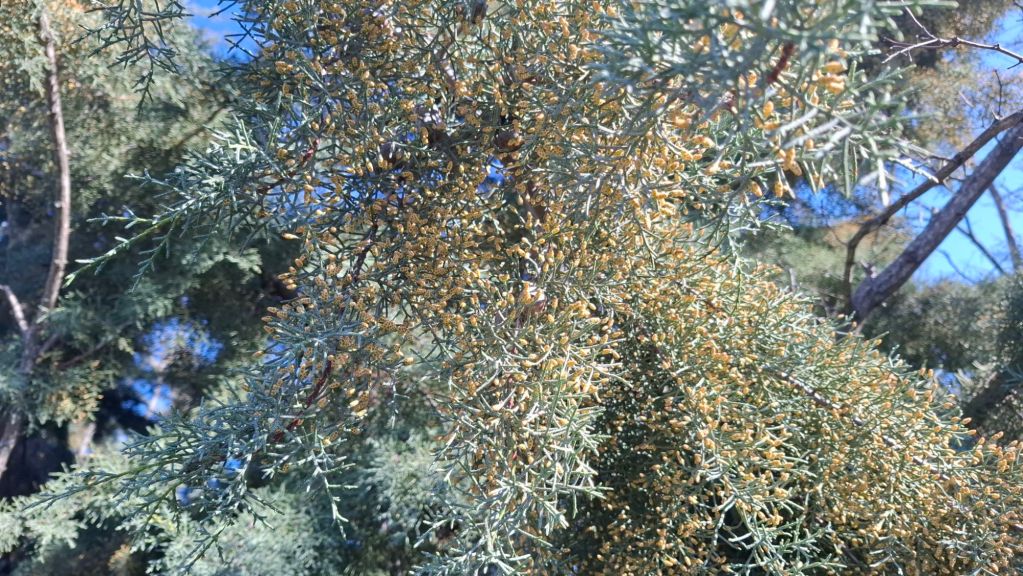
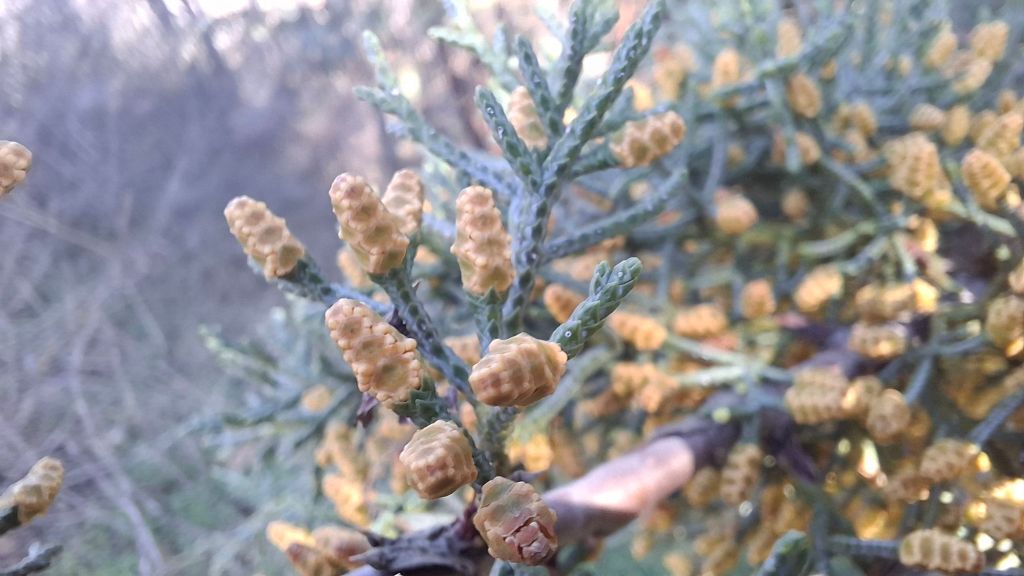
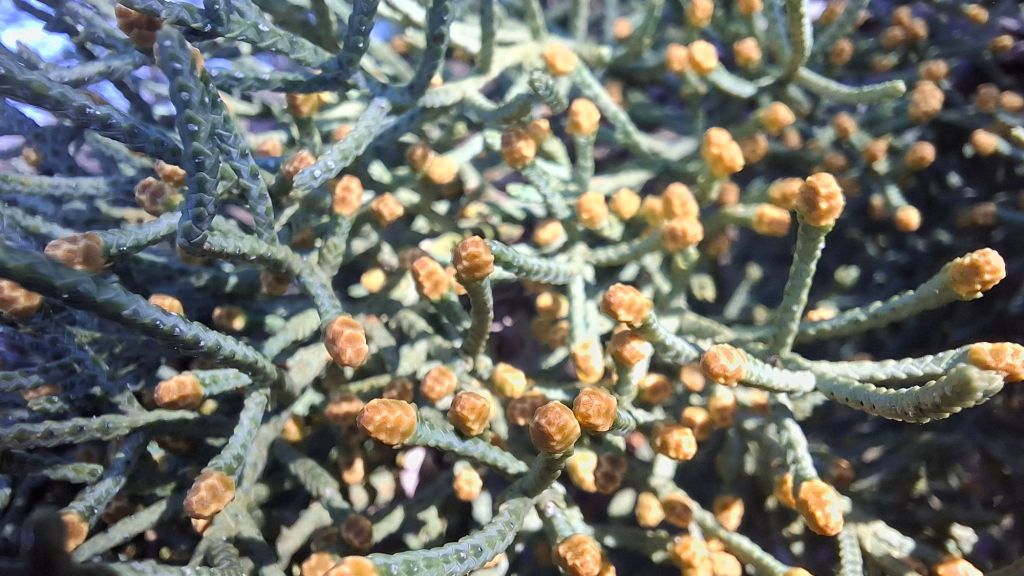
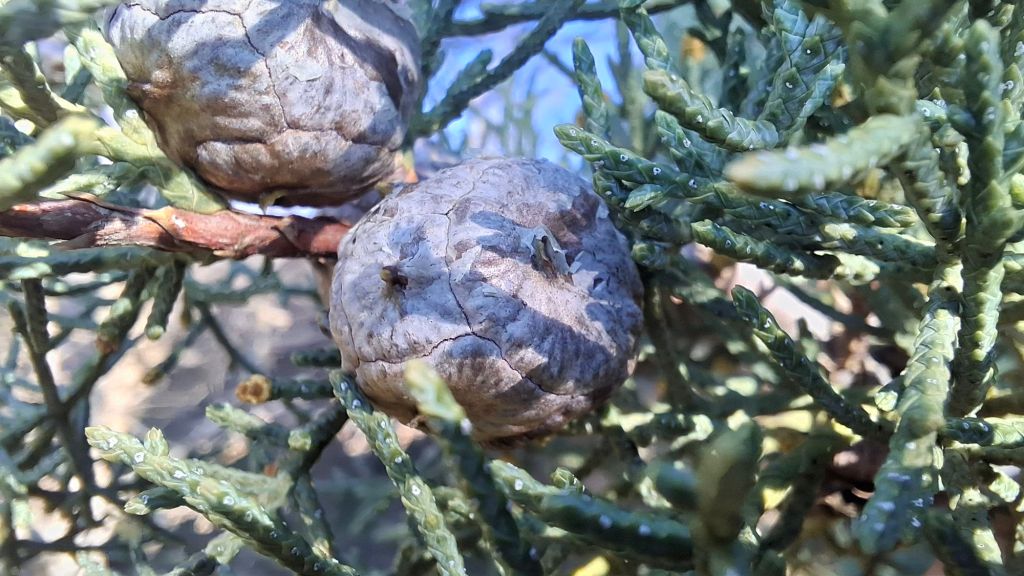
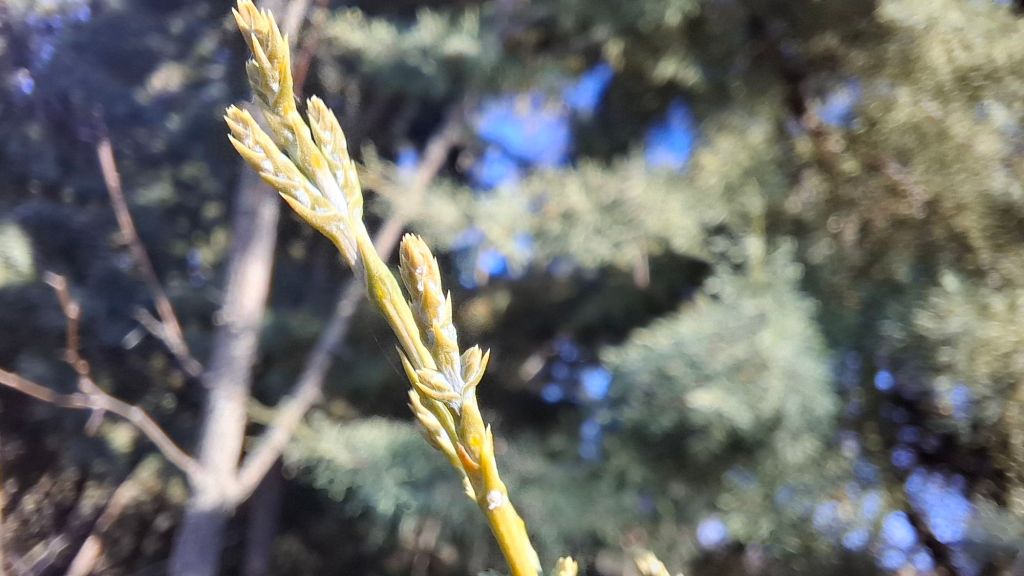
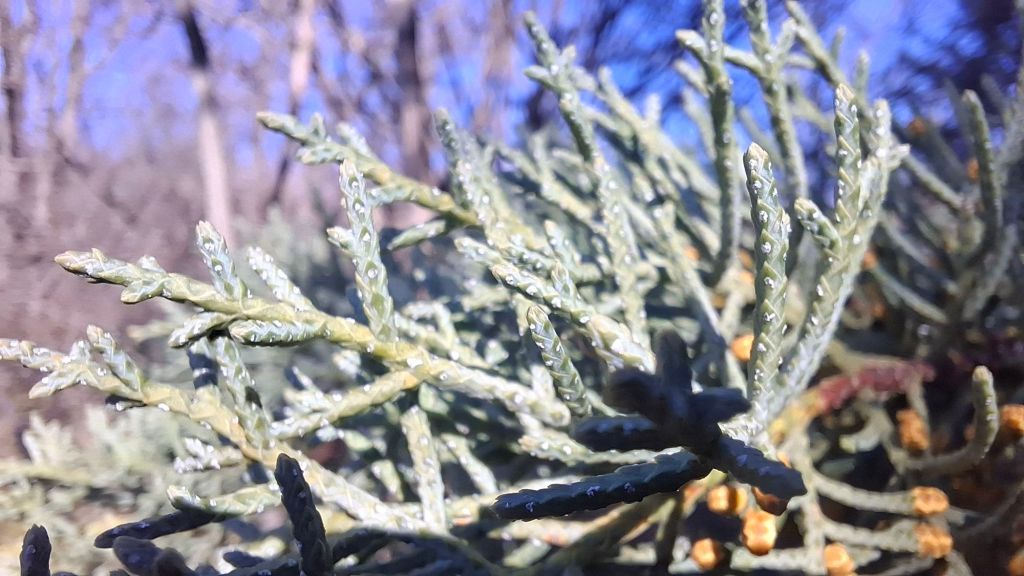
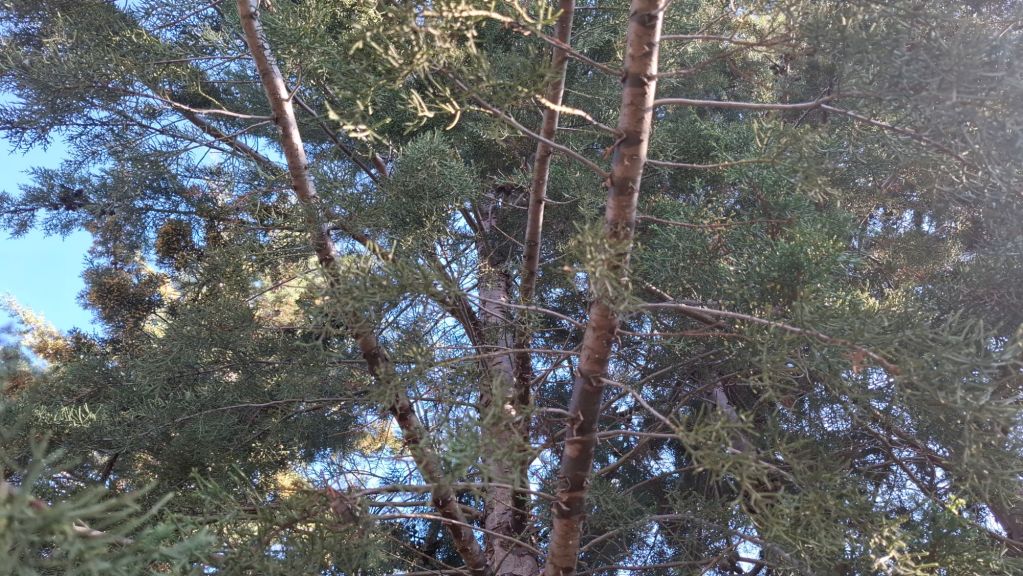
Cupressus arizonica – habit. Hilly region near villlage of Beli, 18.01.2026. Photo by Trajche Dimitrovski.Cupressus arizonica – habit. Hilly region near villlage of Beli, 18.01.2026. Photo by Trajche Dimitrovski.Cupressus arizonica – tree crown. Hilly region near villlage of Beli, 18.01.2026. Photo by Trajche Dimitrovski.Cupressus arizonica – branch. Hilly region near villlage of Beli, 18.01.2026. Photo by Trajche Dimitrovski.Cupressus arizonica – branch. Hilly region near villlage of Beli, 18.01.2026. Photo by Trajche Dimitrovski.Cupressus arizonica – branch. Hilly region near villlage of Beli, 18.01.2026. Photo by Trajche Dimitrovski.Cupressus arizonica – branch. Hilly region near villlage of Beli, 18.01.2026. Photo by Trajche Dimitrovski.Cupressus arizonica – male cones. Hilly region near villlage of Beli, 18.01.2026. Photo by Trajche Dimitrovski.Cupressus arizonica – male cones. Hilly region near villlage of Beli, 18.01.2026. Photo by Trajche Dimitrovski.Cupressus arizonica – male cones. Hilly region near villlage of Beli, 18.01.2026. Photo by Trajche Dimitrovski.Cupressus arizonica – mature female cones. Hilly region near villlage of Beli, 18.01.2026. Photo by Trajche Dimitrovski.Cupressus arizonica – mature female cones. Hilly region near villlage of Beli, 18.01.2026. Photo by Trajche Dimitrovski.Cupressus arizonica – mature female cones. Hilly region near villlage of Beli, 18.01.2026. Photo by Trajche Dimitrovski.Cupressus arizonica – mature female cone. Hilly region near villlage of Beli, 18.01.2026. Photo by Trajche Dimitrovski.Cupressus arizonica – mature female cone. Hilly region near villlage of Beli, 18.01.2026. Photo by Trajche Dimitrovski.Cupressus arizonica – twigs with leaves. Hilly region near villlage of Beli, 18.01.2026. Photo by Trajche Dimitrovski.Cupressus arizonica – twigs with leaves. Hilly region near villlage of Beli, 18.01.2026. Photo by Trajche Dimitrovski.Cupressus arizonica – twigs with leaves. Hilly region near villlage of Beli, 18.01.2026. Photo by Trajche Dimitrovski.Cupressus arizonica – twigs with leaves. Hilly region near villlage of Beli, 18.01.2026. Photo by Trajche Dimitrovski.Cupressus arizonica – branch. Hilly region near villlage of Beli, 18.01.2026. Photo by Trajche Dimitrovski.Cupressus arizonica – crown branches. Hilly region near villlage of Beli, 18.01.2026. Photo by Trajche Dimitrovski.Cupressus arizonica – main trunk and crown branches. Hilly region near villlage of Beli, 18.01.2026. Photo by Trajche Dimitrovski.Cupressus arizonica – main trunk. Hilly region near villlage of Beli, 18.01.2026. Photo by Trajche Dimitrovski.Cupressus arizonica – main trunk. Hilly region near villlage of Beli, 18.01.2026. Photo by Trajche Dimitrovski.
References:
Amaral Franco, J. 1964. Cupressus L. In Tutin, T. G., Heywood, V. H., Burges, N. A., Moore, D. M., Valentine, D. H., Walters, S. M. & Webb, D. A. (eds.), Flora Europaea. Volume 1. Lycopodiaceae to Platanaceae. Cambridge: Cambridge University Press, p. 37.