


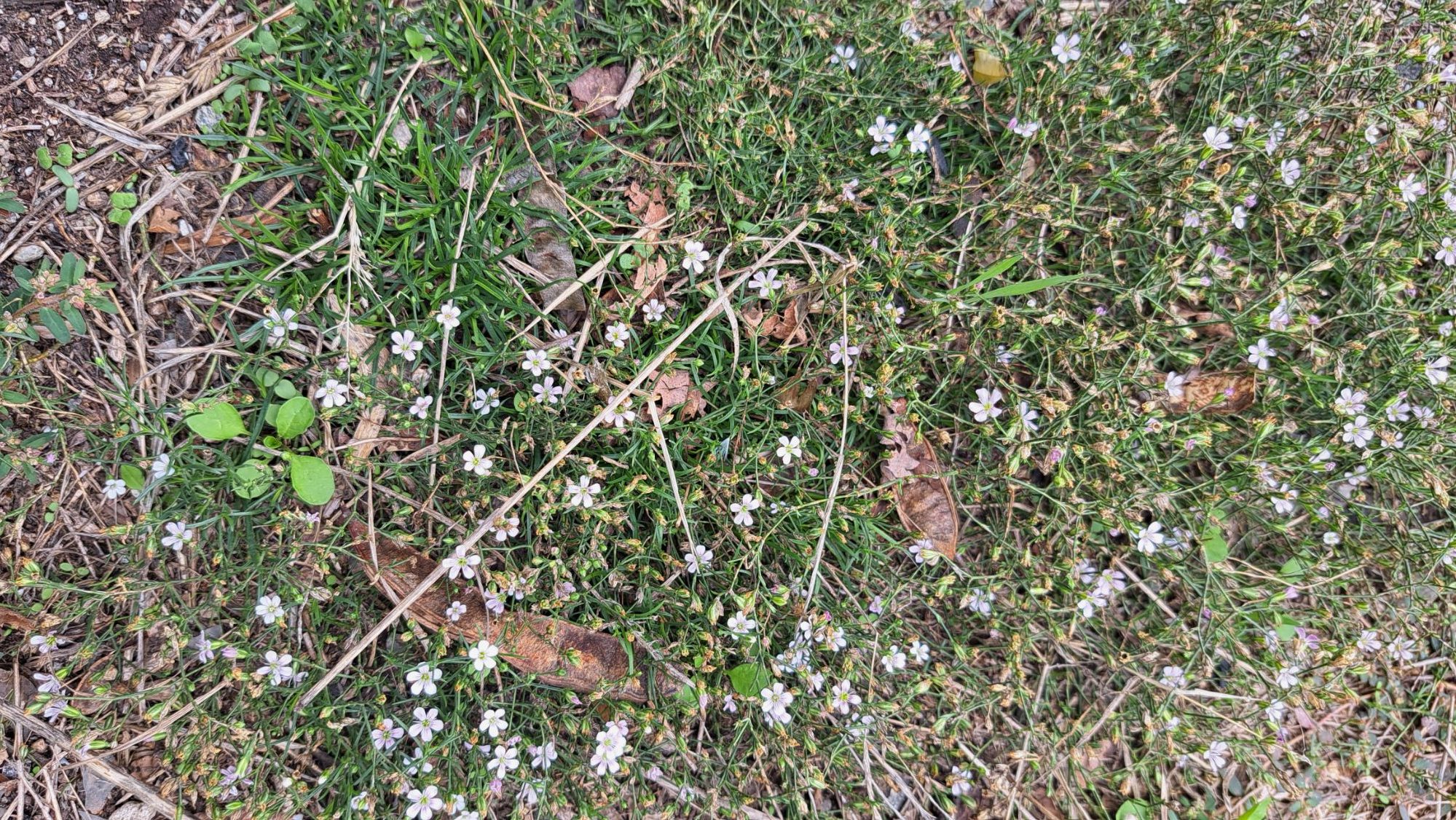
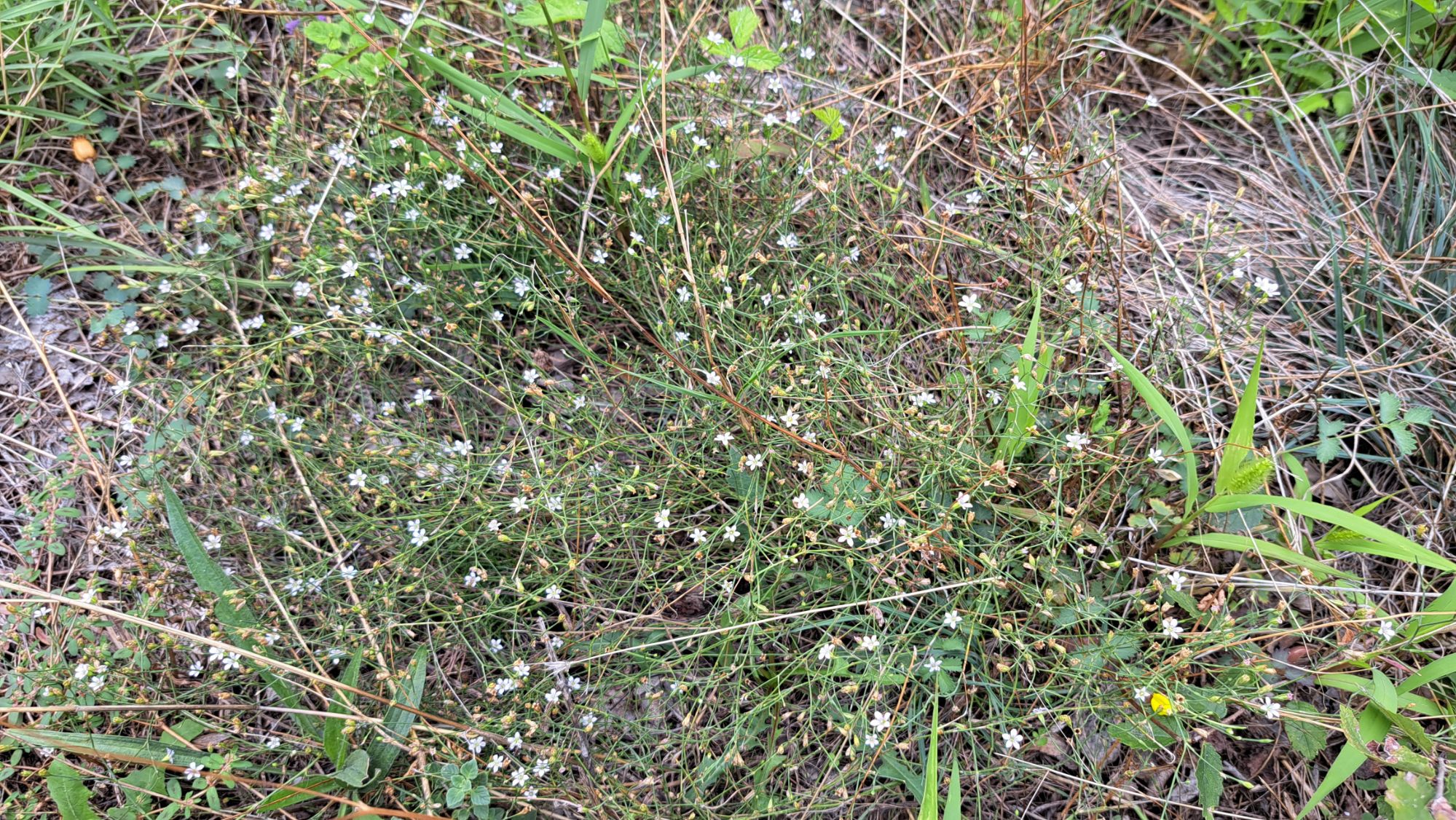
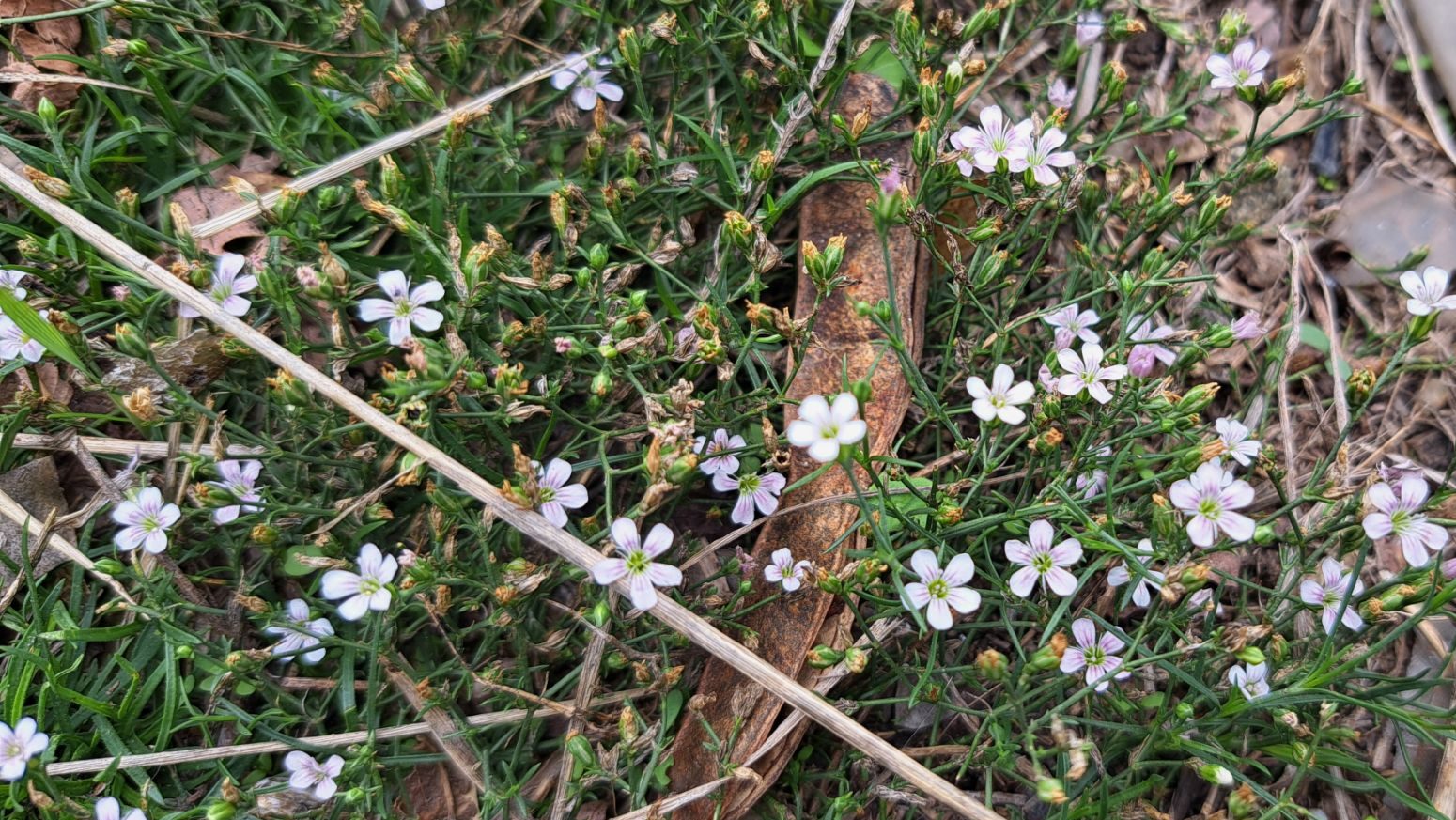
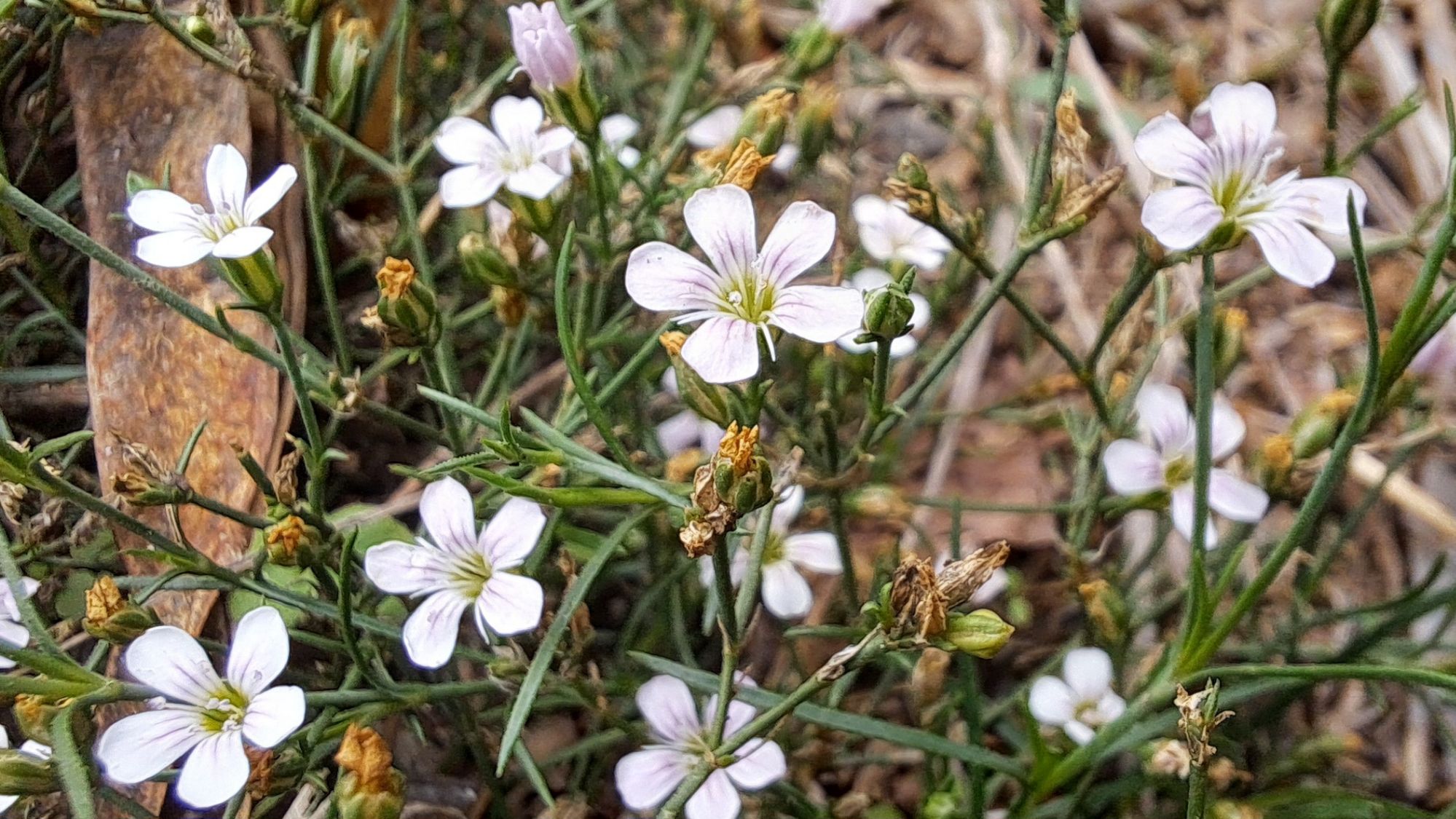
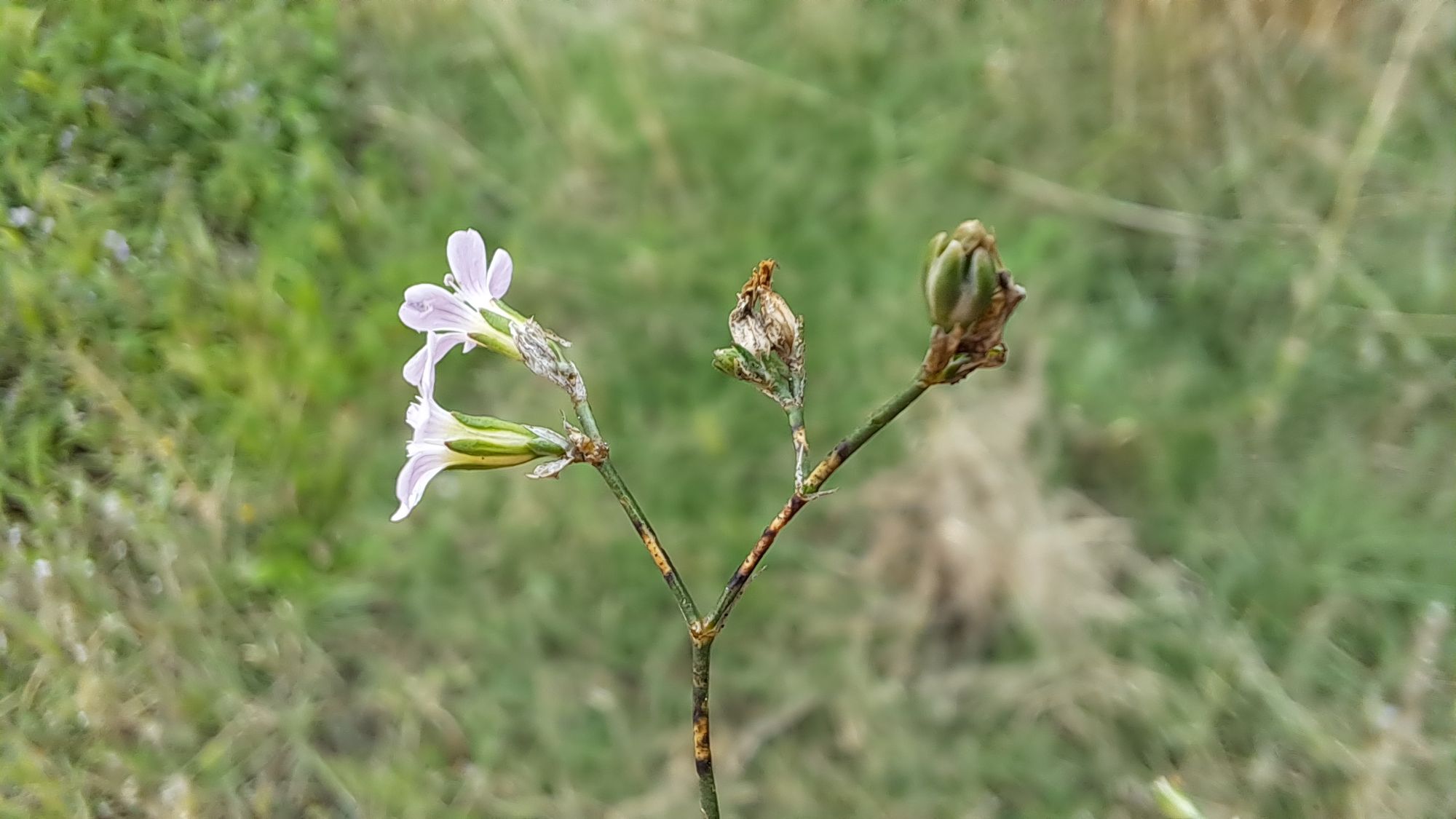
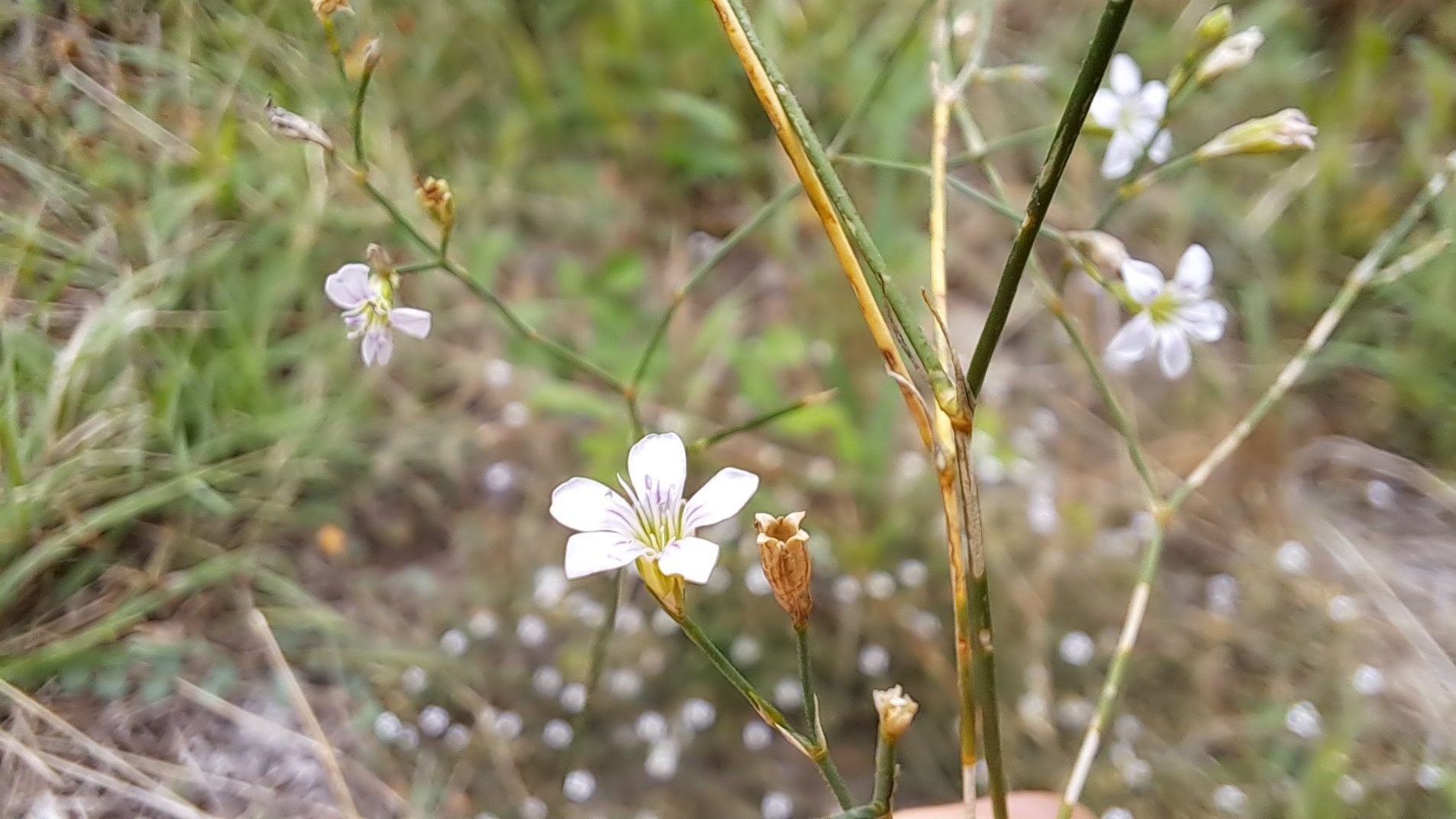
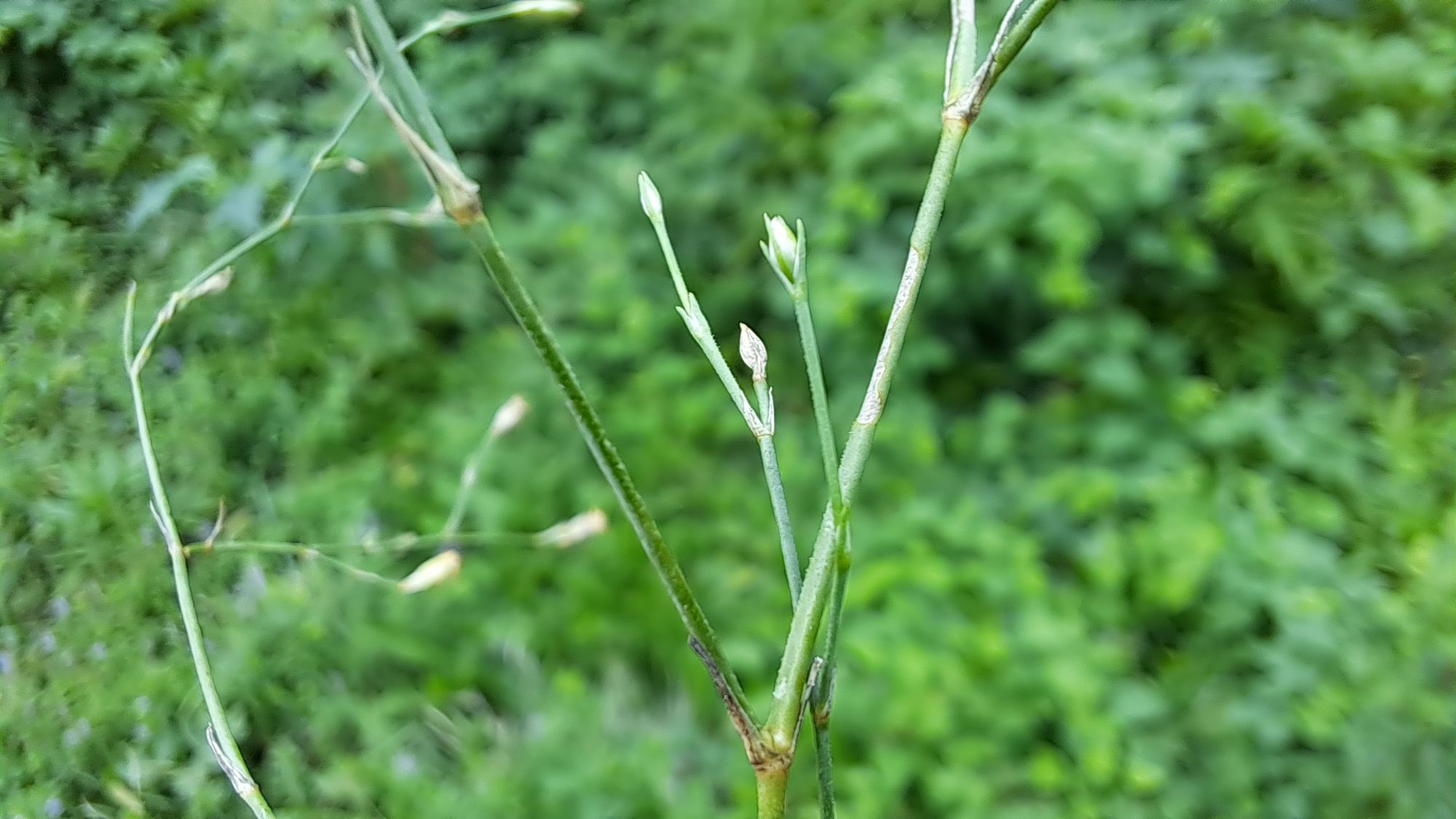
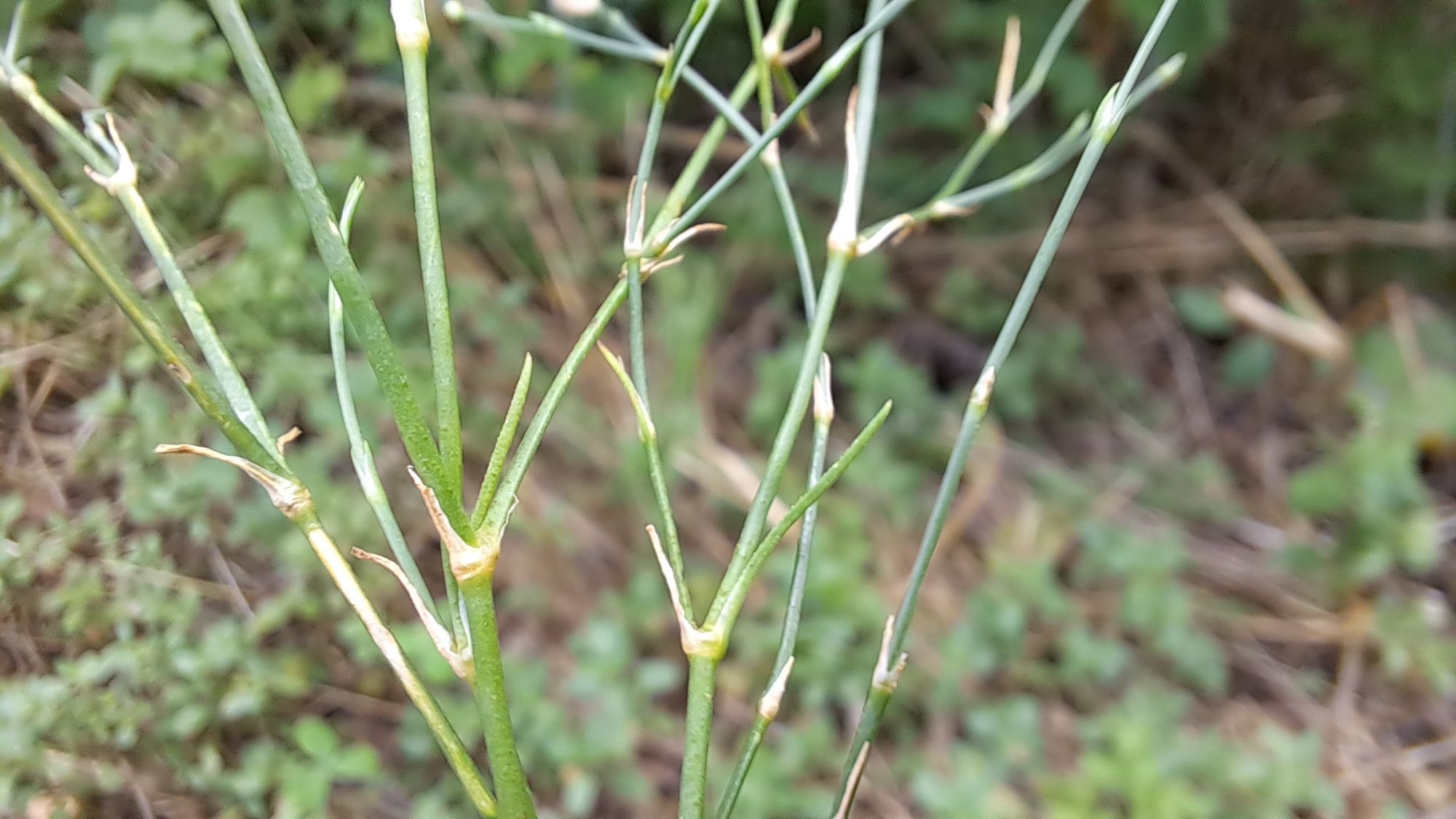
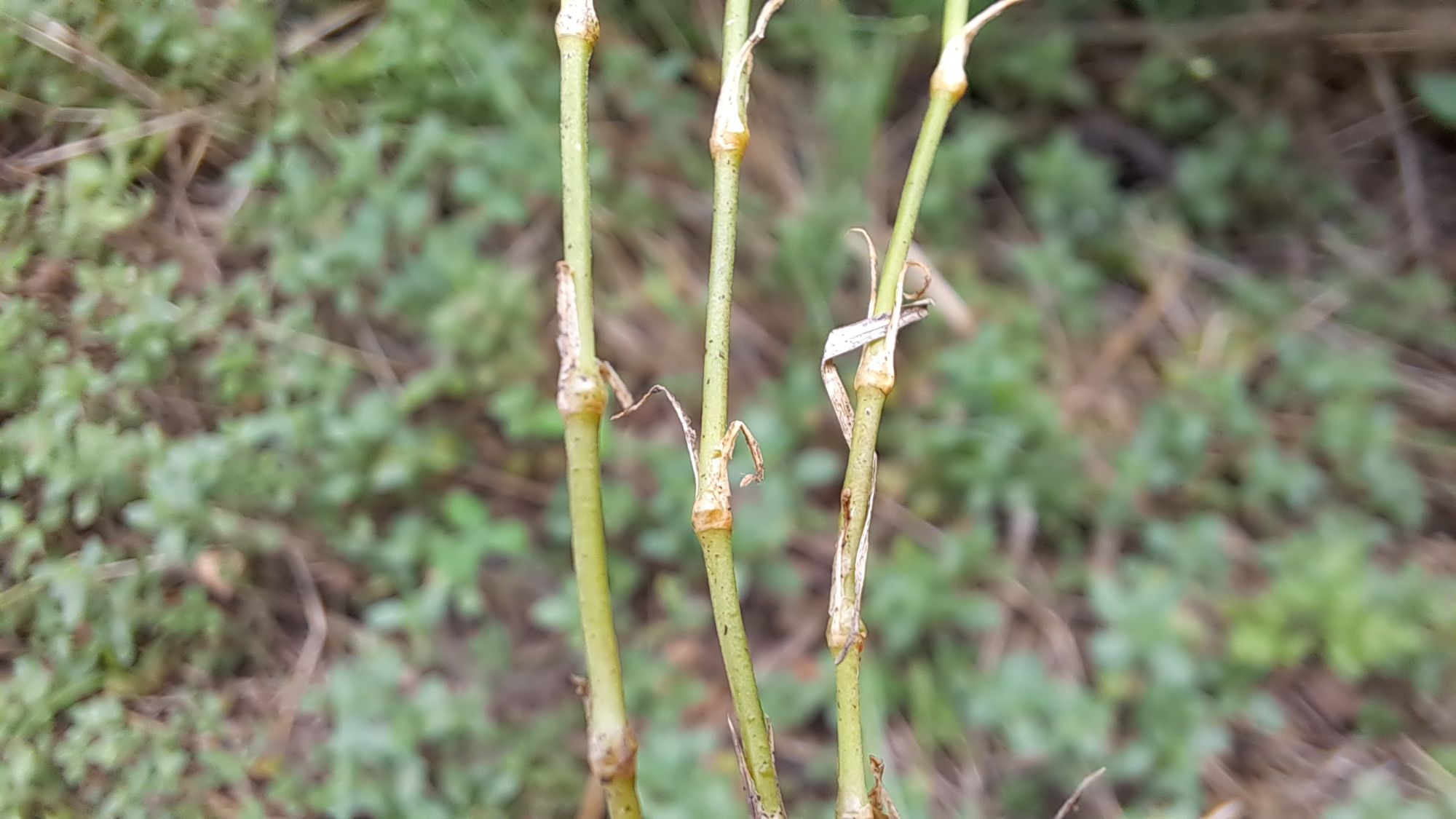
Taxonomy: Fam. Caryophyllaceae// Genus: Petrorhagia// Species: Petrorhagia saxifraga (L.) Link.
Determined according to the botanical keys provided by Ball in Tutin et al. (1964) and Micevski in Micevski (1993).
Lifeform: Annual; therophyte according to the Raunkiær system.
Distribution: Native from Central Europe to South Europe and Iran according to the distribution information provided by the Plants of the World Online portal (Royal Botanic Gardens Kew).
Habitat: Hill pastures, rocky terrains, stony ground and roadsides.
Flowering period: Summer – fall: JUN, JUL, AUG, SEP.










References:
Petrorhagia saxifraga (L.) Link. Plants of the World Online portal, Royal Botanic Gardens, Kew. https://powo.science.kew.org/taxon/urn:lsid:ipni.org:names:155987-1 [Accessed 21.09.2024].
Petrorhagia (Ser. ex DC.) Link. Ball, P.W. in Tutin, T.G., Heywood, V.H., Burges, N.A., Moore, D.M., Valentine, D.H., Walters, S.M., & Webb, D.A. (1964). Flora Europaea. Volume 1. Lycopodiaceae to Platanaceae. Cambridge: Cambridge University Press, p. 186 – 188.
Petrorhagia (Ser.) Link. Micevski, K. (1993). The Flora of the Republic of Macedonia Vol. 1, Book 2. Macedonian Academy of Sciences and Arts, pp. 353 – 360.
Last update: 21.09.2024.
Taxonomy: Fam. Crassulaceae// Genus: Sempervivum// Species: Sempervivum ciliosum Craib.
Determined according to the botanical key provided by Favarger and Zésiger (1964 in Tutin et al.) and the morphometric traits according to Jovanovic et al. (2019). The species was not originaly included in the Flora of North Macedonia (Micevski, 1998). The Osogovo population shows some deviation of the morphometric traits when considering data provided by Tutin et al. (1964; 1993) – mainly plant height, leaf length and petal length. However, these characteristics are in accordance with the results provided by Jovanović et al. (2019) for S. ciliosum subsp. ciliosum, who reported higher values for the vegetative traits compared to previous reports. The petal length also matches the dimensions from this study.
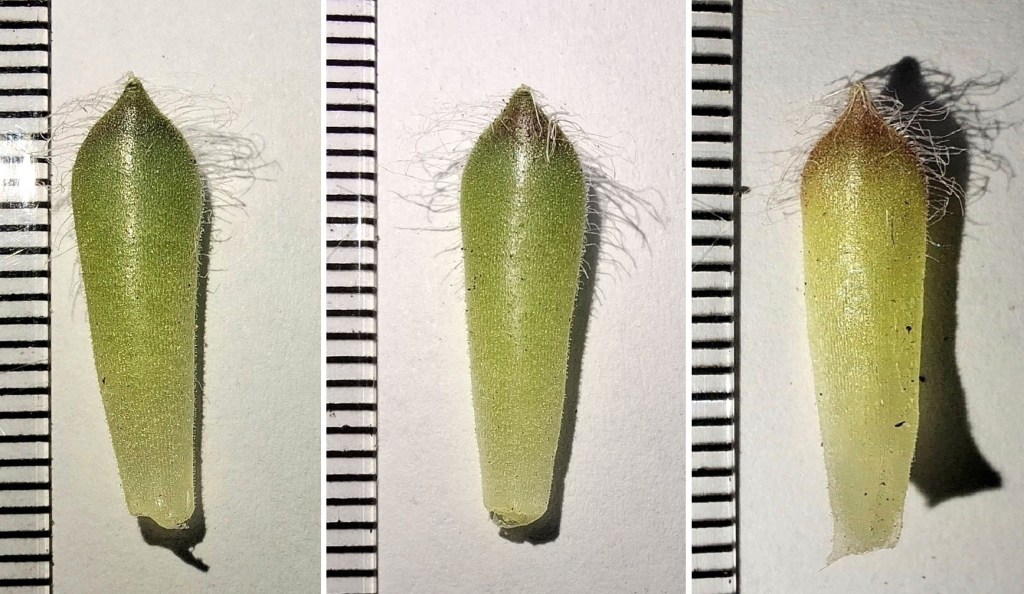
The Sempervivum ciliosum complex consists of several species, variously treated as either forms or subspecies of S. ciliosum, or closely related distinct species. Currently, the accepted species in the Euro+MedPlantbase are Sempervivum ciliosum Craib, a Balkan endemic, S. galicicum (Sm.) Micevski, stenoendemic from Galičica (North Macedonia), S. klepa Micevski, stenoendemic from Klepa Mt (North Macedonia) and S. octopodes Turrill., endemic to Baba and Nizde (N. Macedonia and Greece). The current study confirms the population on Osogovo belongs to S. ciliosum s.s., which historically was not known for the flora of North Macedonia. It differs from the other taxa in a number of vegetative and floral characteristics (Table. 1). Accordingly, Jovanović et al. (2024) found significant differences in the leaf shape of the three species.
Table 1. Comparison of S. ciliosum from Osogovo with C. klepa and C. galicicum.
| S. ciliosum* | S. galicicum** | S. klepa** | |
| Rosette leaf shape | Oblaceolate to spatulate, the widest part closer to the apex, leaf narrowed towards the base | Lanceolate to oblong-eliptycal | Lanceolate |
| Rosette leaf length | 14-32 mm | 12-15 mm | 12-15 mm |
| Rosette leaf width | (3.5) 4-7 (8) mm | 4-5 mm | 4-6 mm |
| Petals number | 12-14 | 11-12 | 11 |
| Flower diameter | 17-22 mm | c. 15 mm | up to 20 mm |
| Petal width | c. 1.5 mm | 1.75-2 mm | 1-1.2 mm |
| Ecology | Silicate (Osogovo) | Limestone – Galichica (strict calcicole) | Silicate (Klepa Mt.) |
*measurements from the Osogovo population; **according to original description of the species.
Distribution: Balkan Peninsula according to The Euro Med PlantBase (Marhold, 2011).
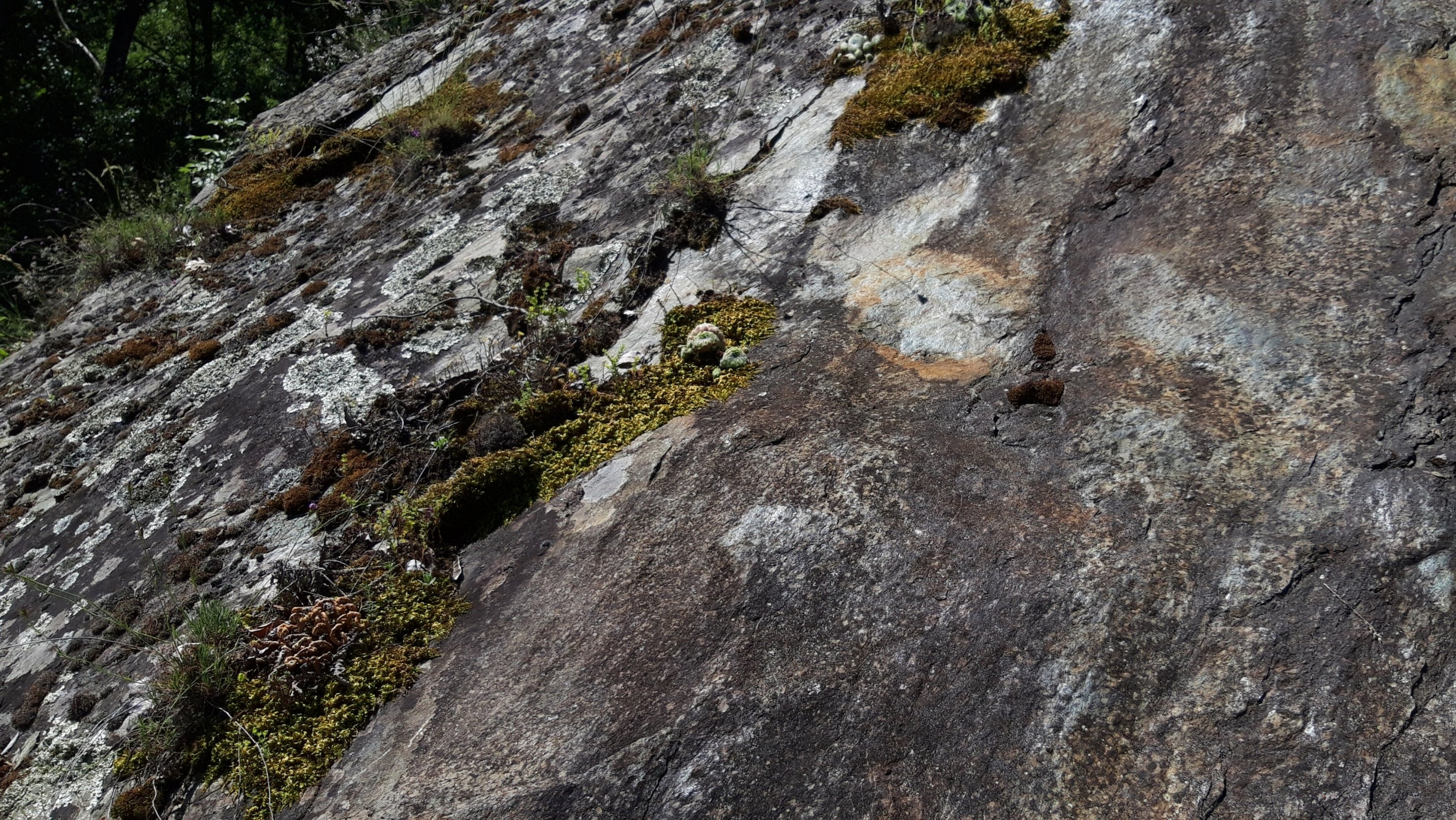
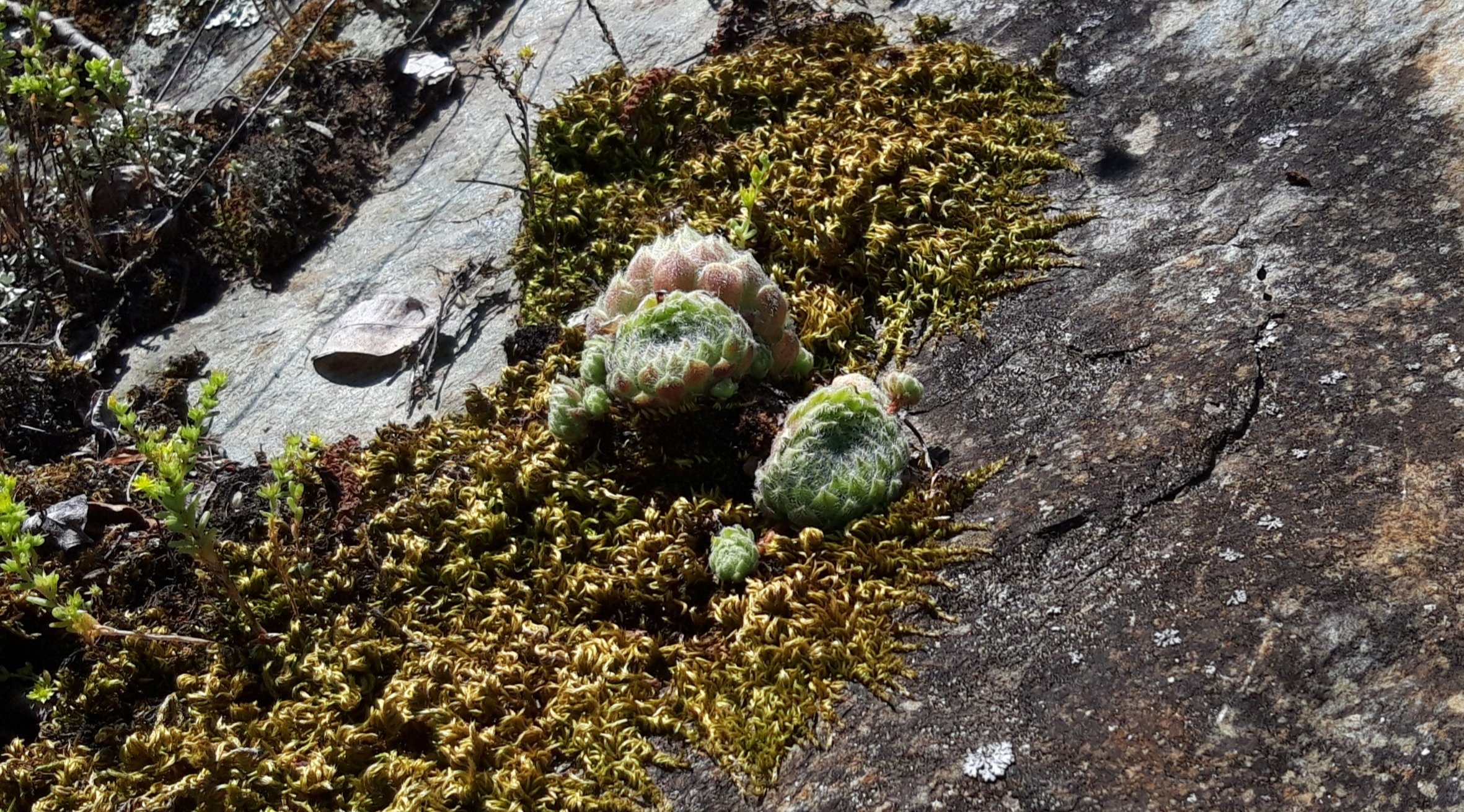
Habitat: Found on silicate rock cliffs around lake “Gradche”, including the northern-most part of the gorge of “Kochanska” River and the rocky cliffs on “Golema” River above the Gradche waterfall.
Lifeform: Perennial succulent; Hemicryptophyte according to the Raunkiær classification with both basal and cauline leaves.
Flowering period: Early summer: JUN.
Locality: Rocky cliffs above the waterfall on “Golema” River, recorded 14.02.2026.
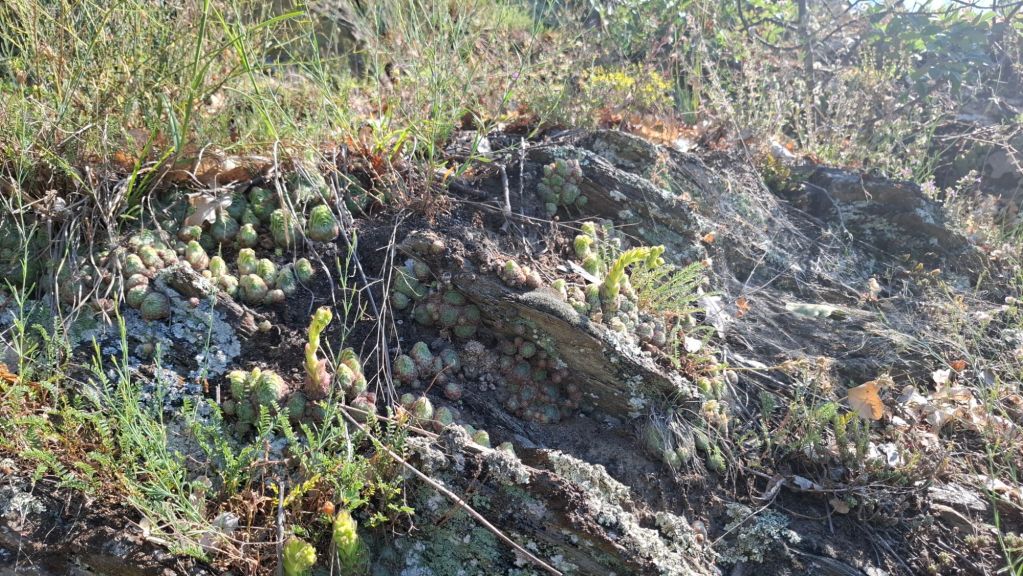


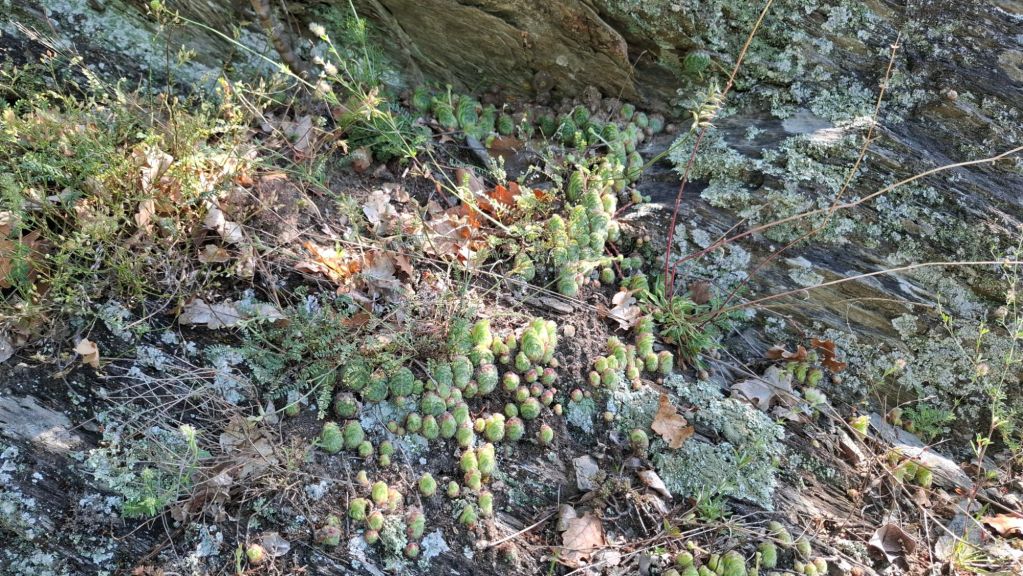

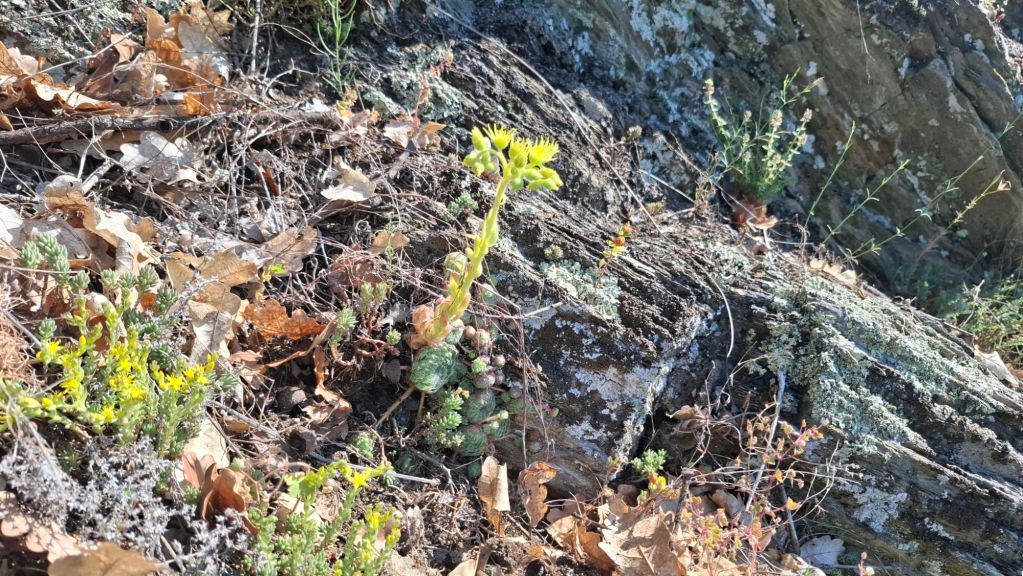
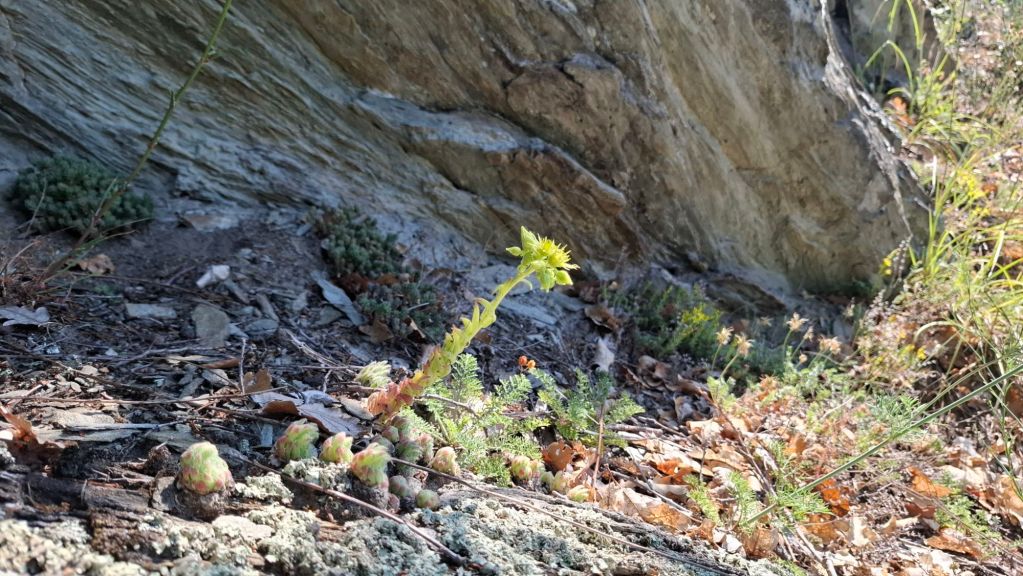
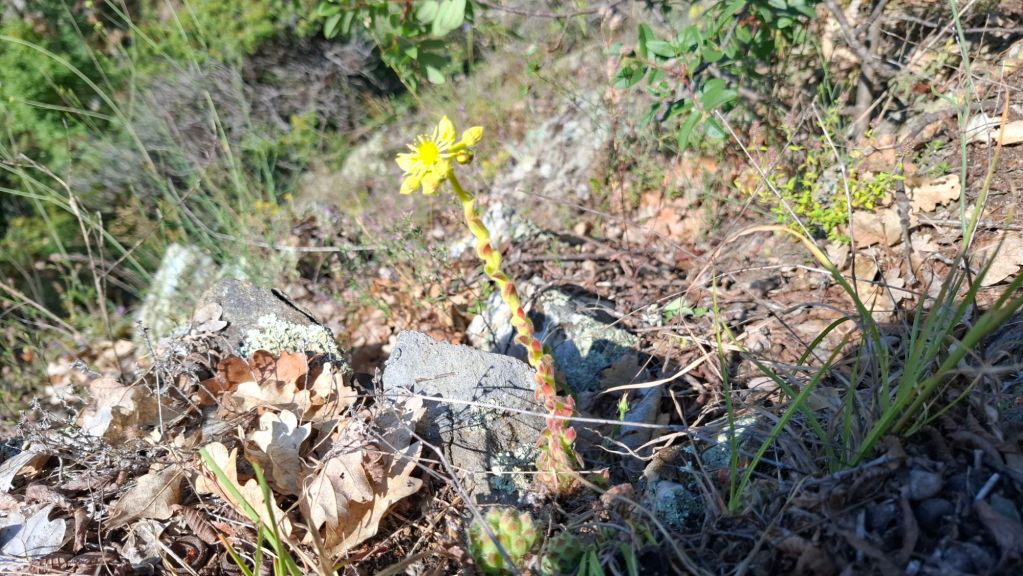
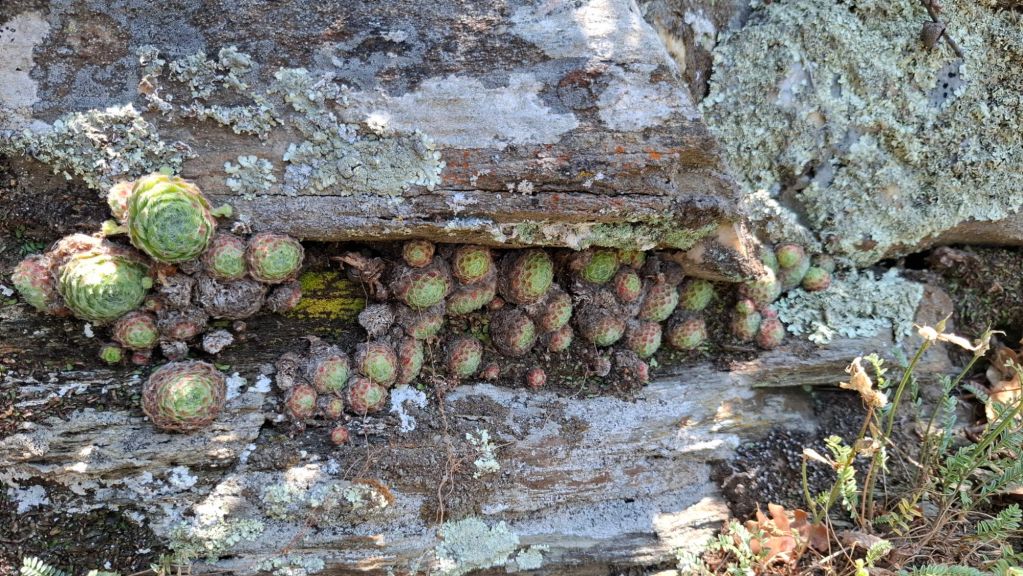
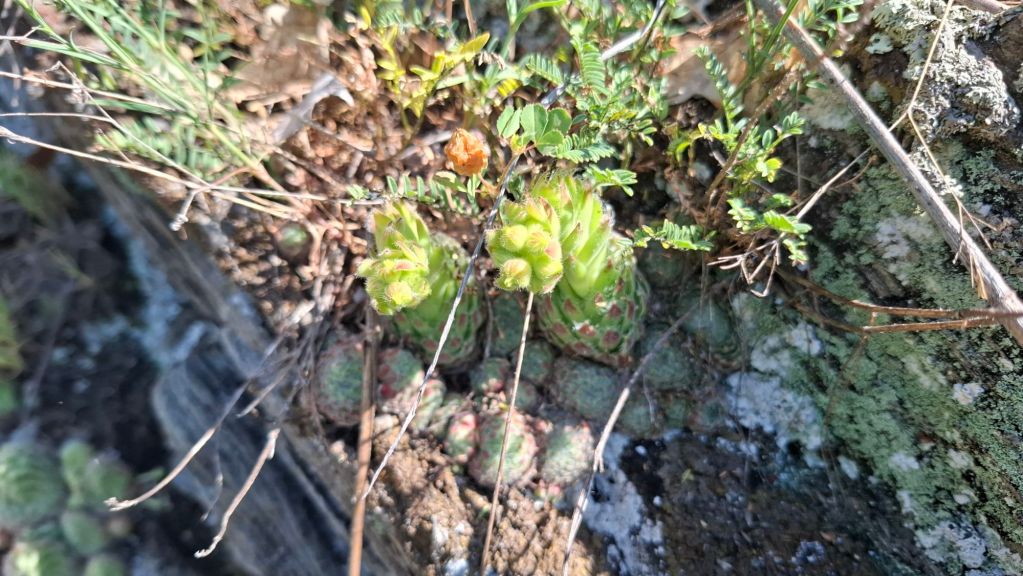
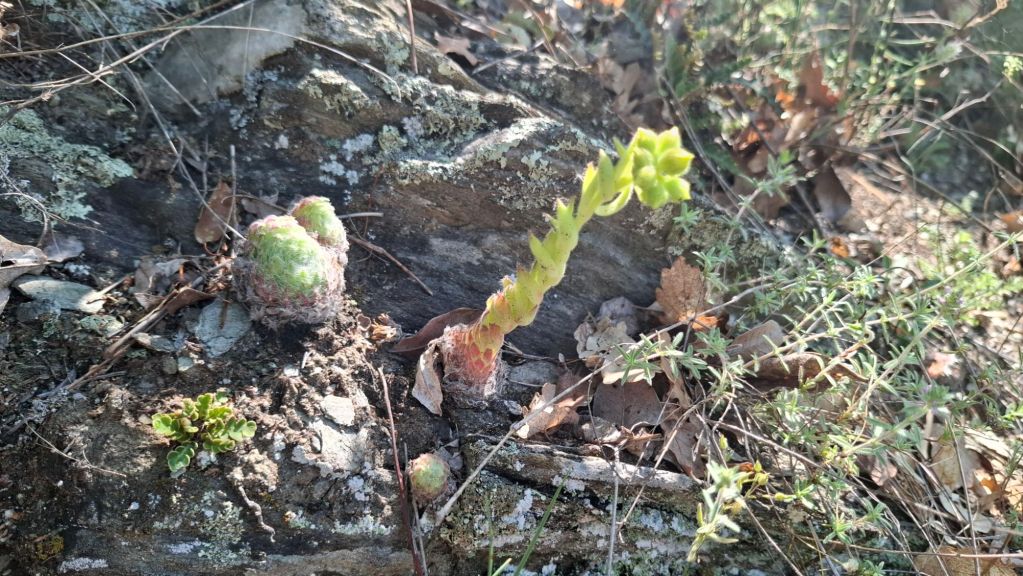
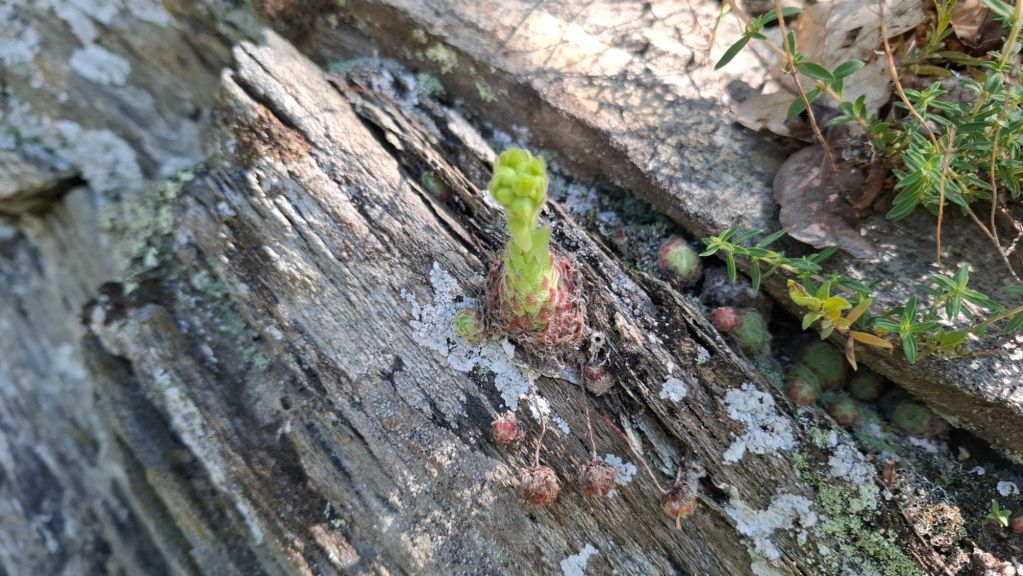
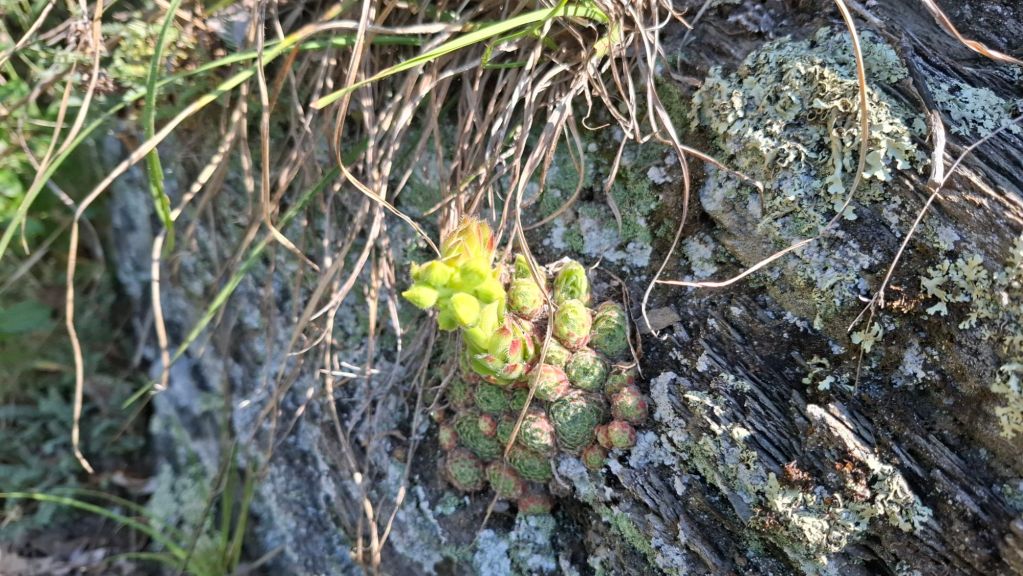


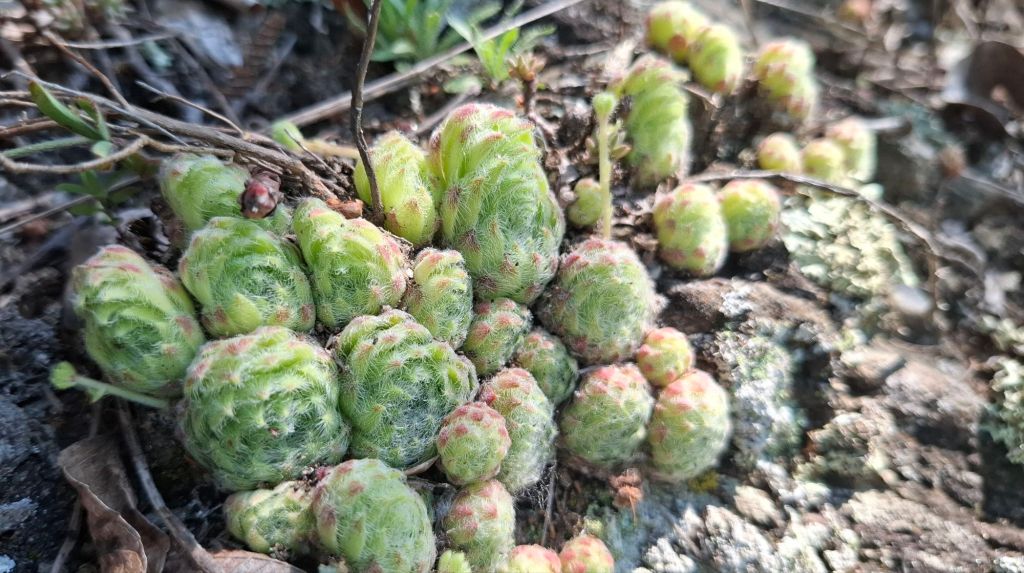
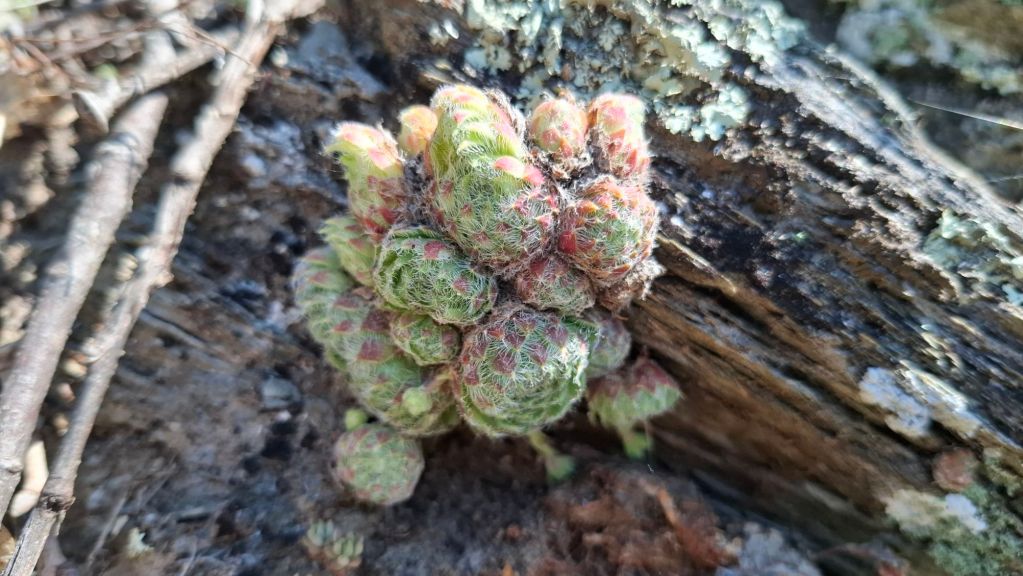

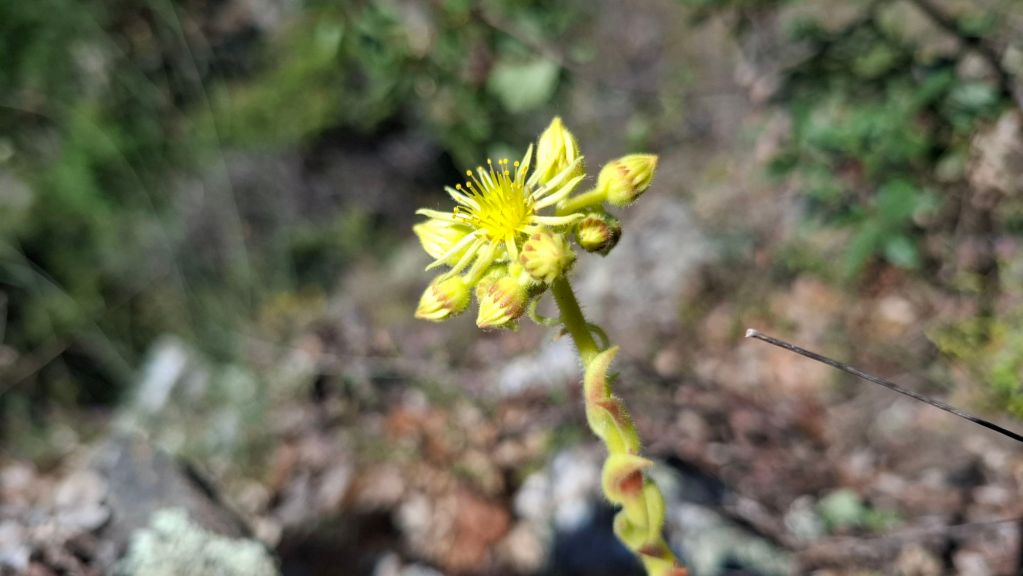
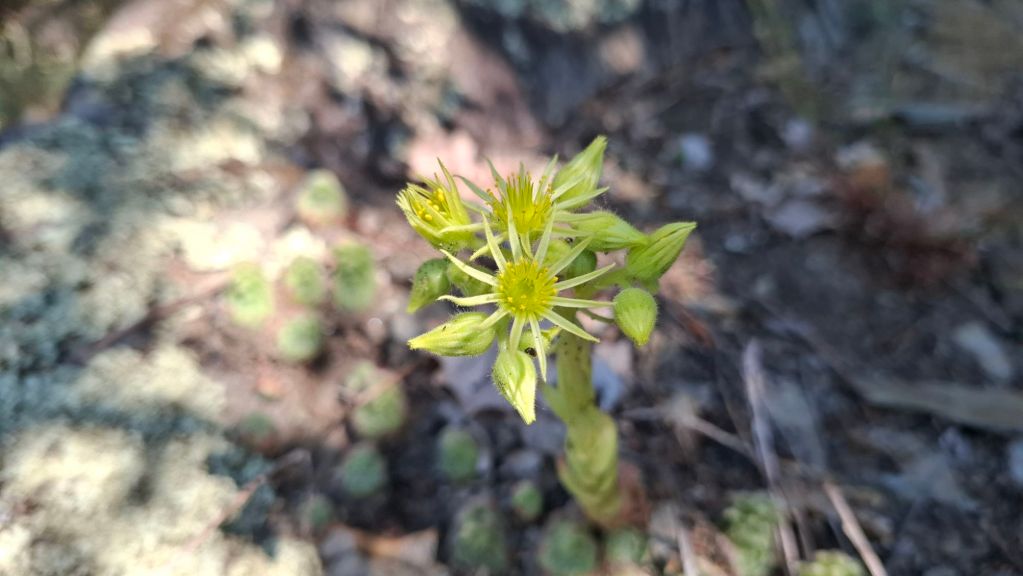
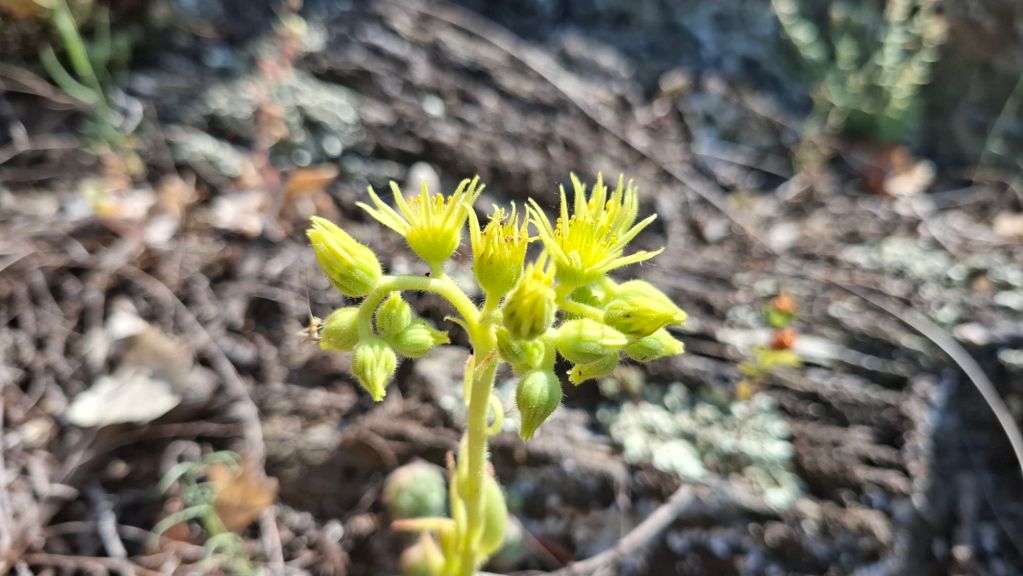
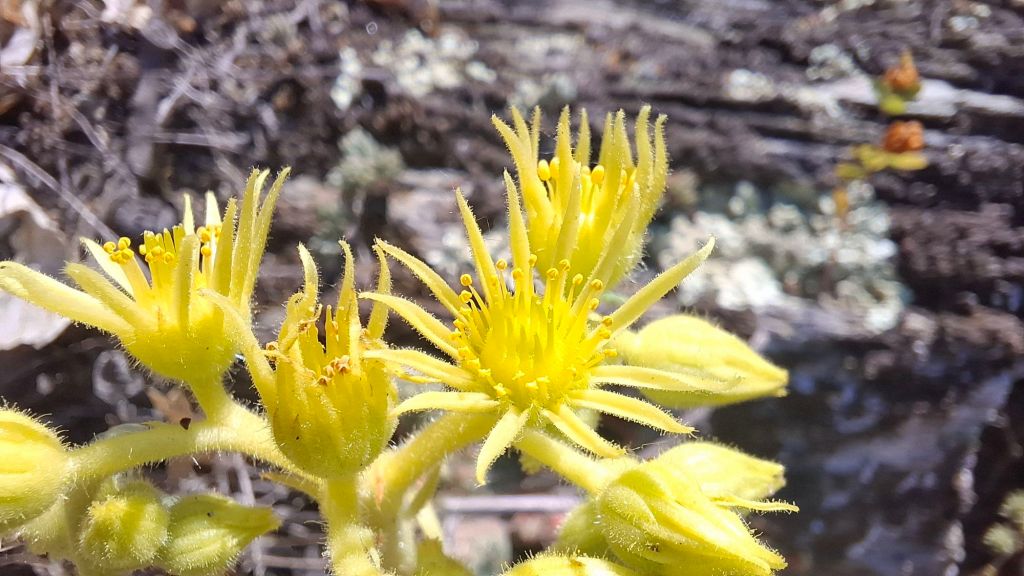
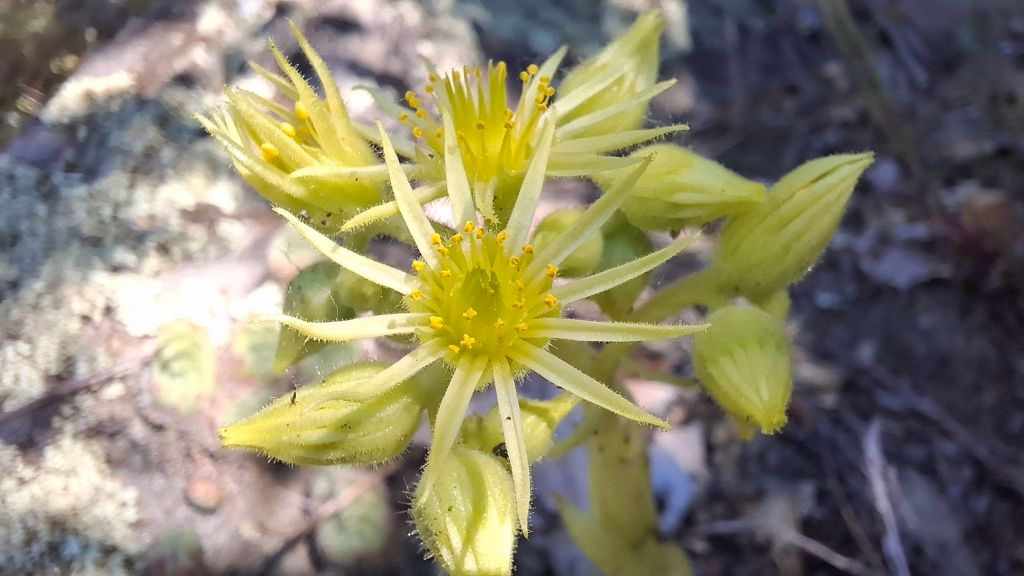

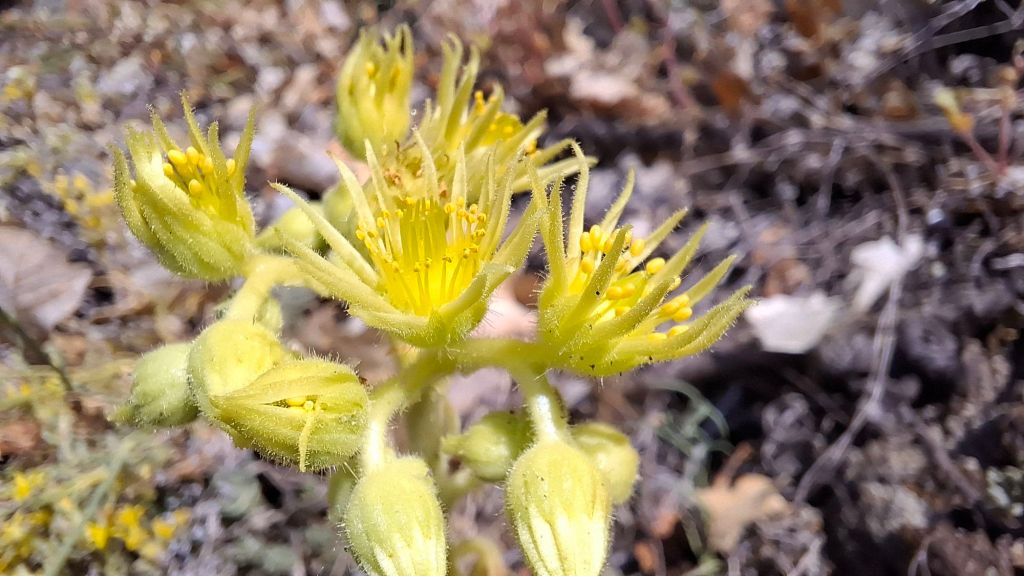
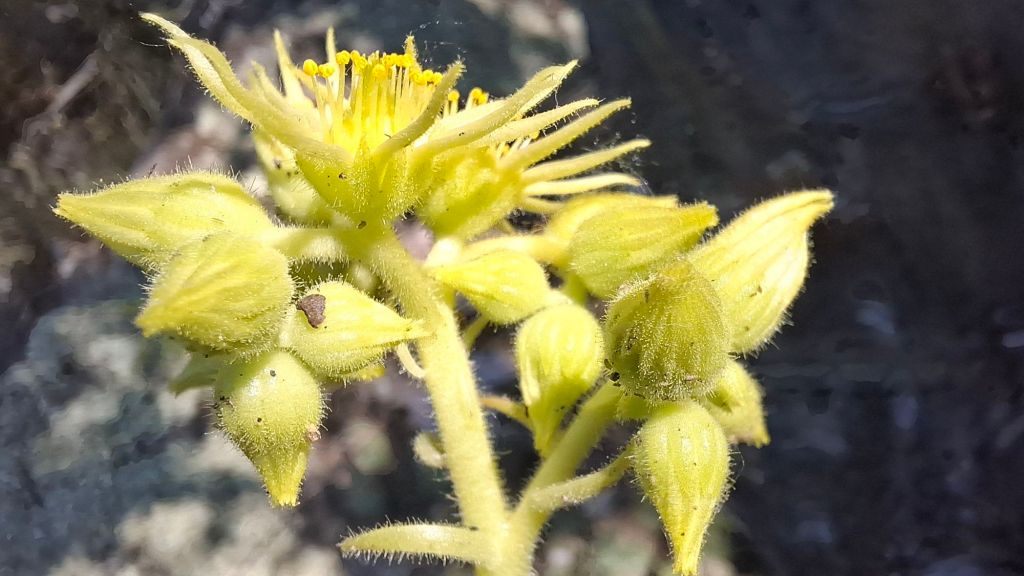

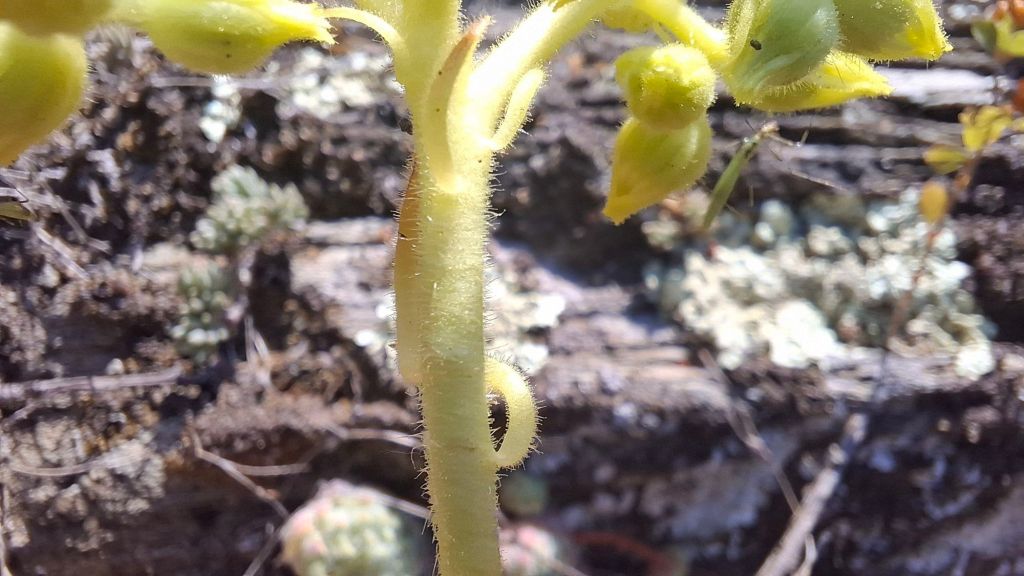
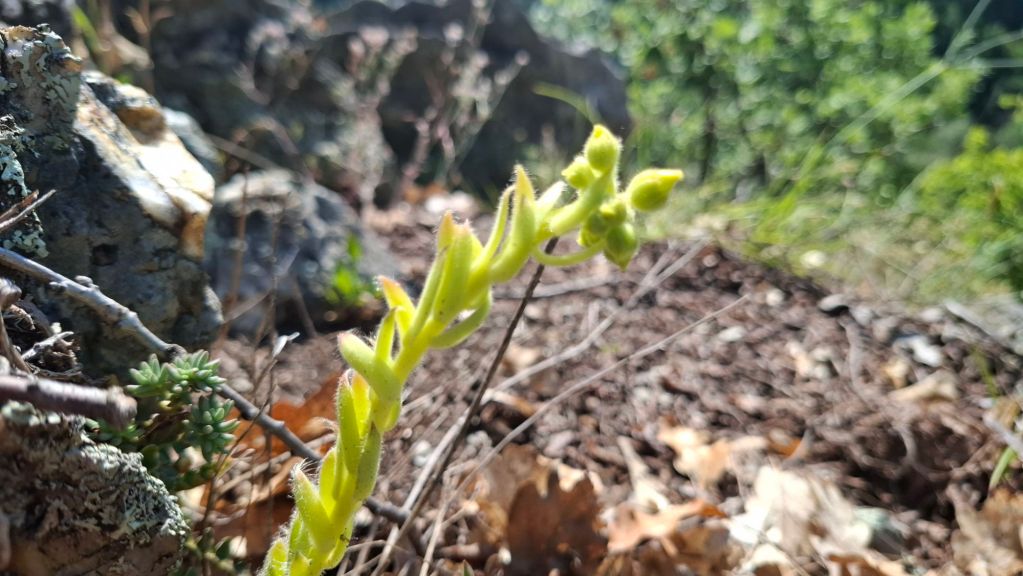

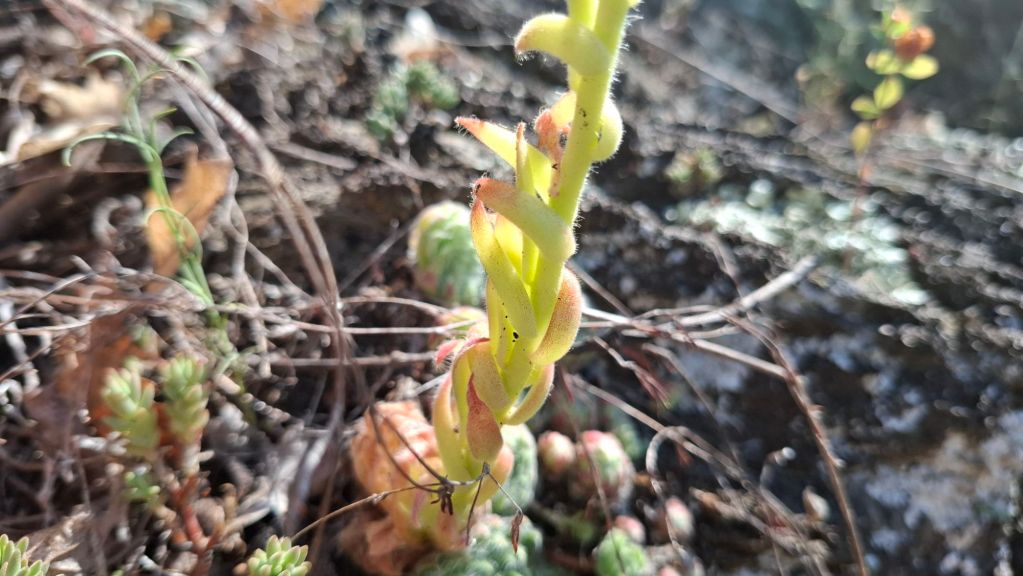
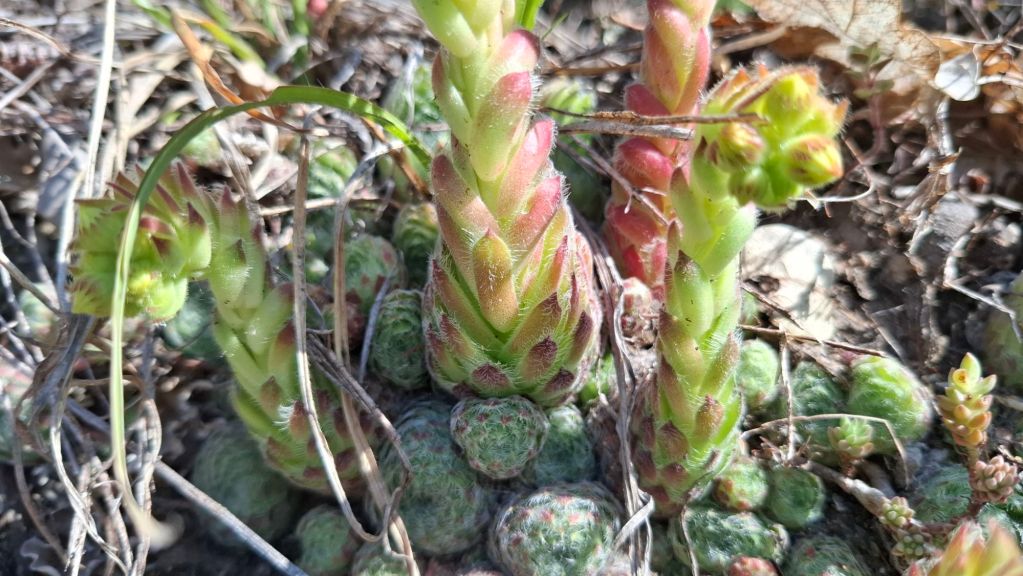
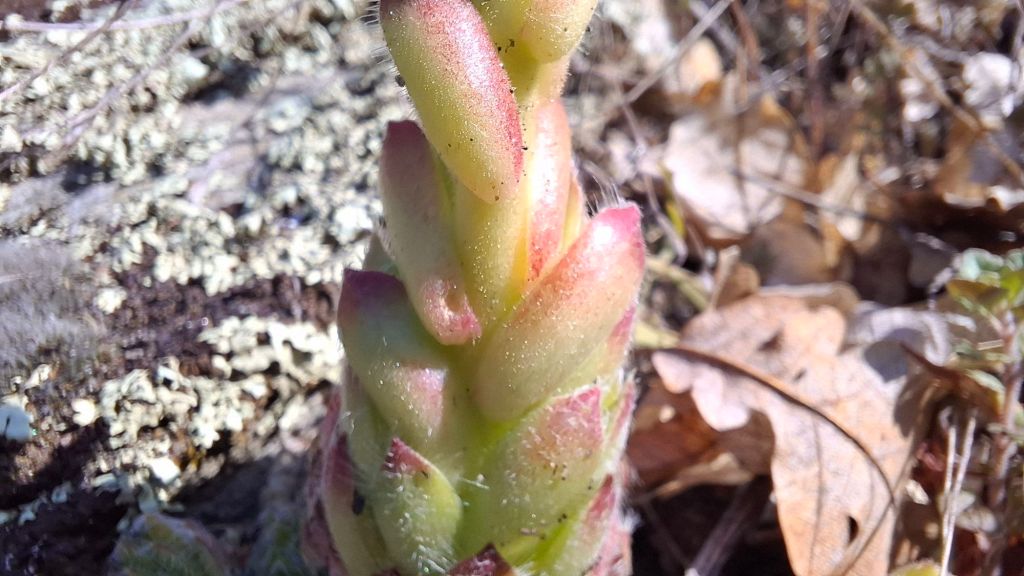
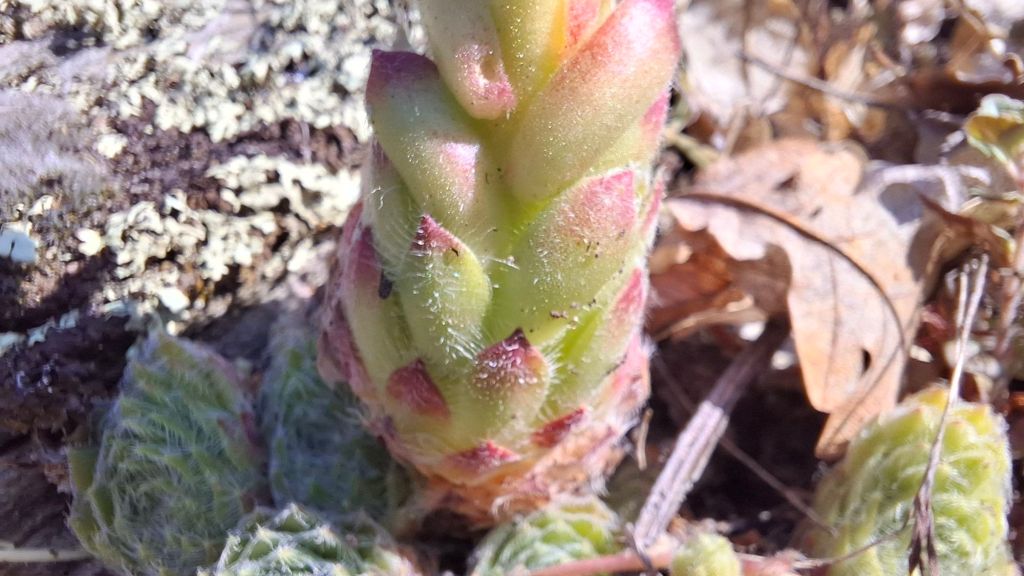
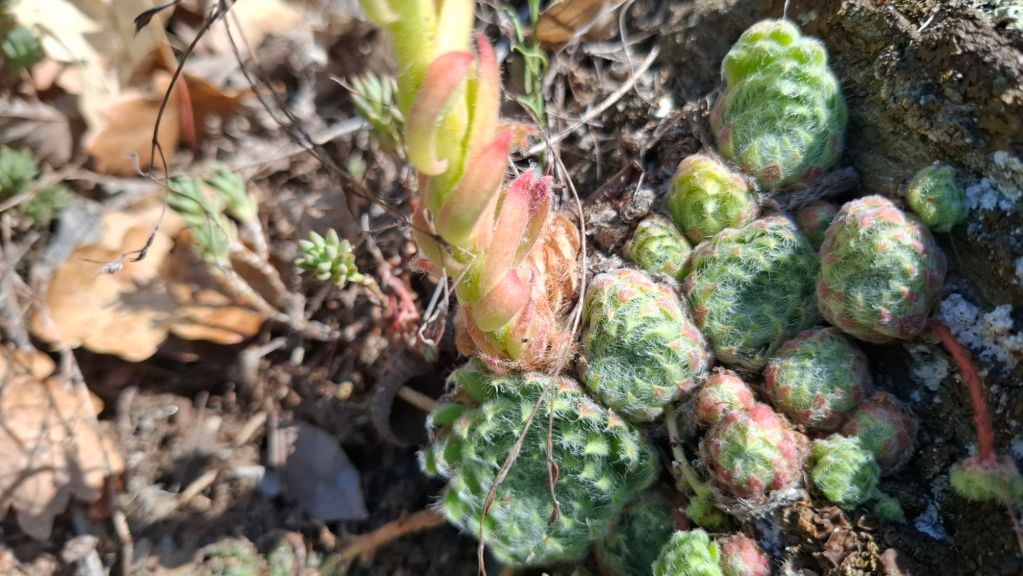
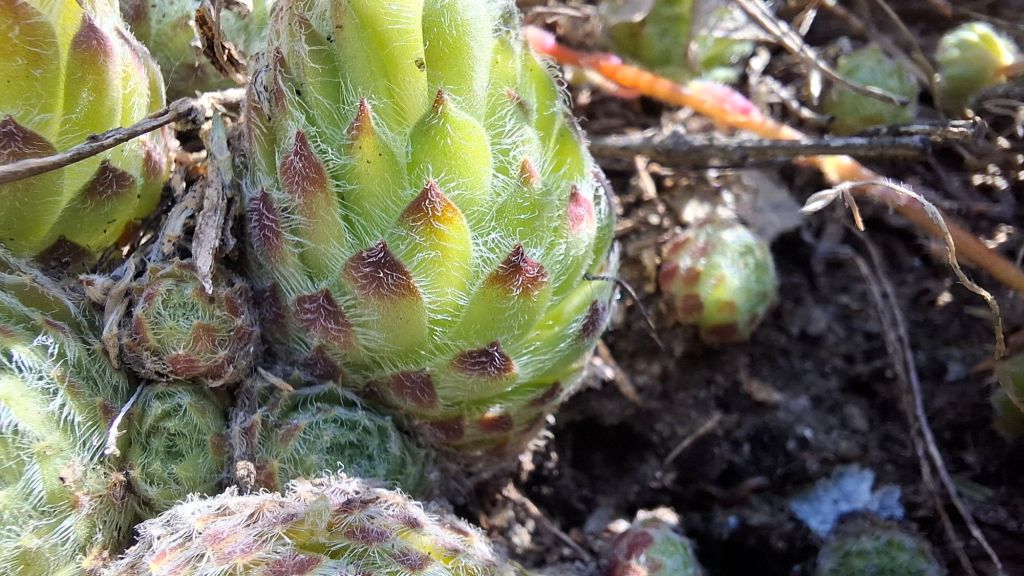
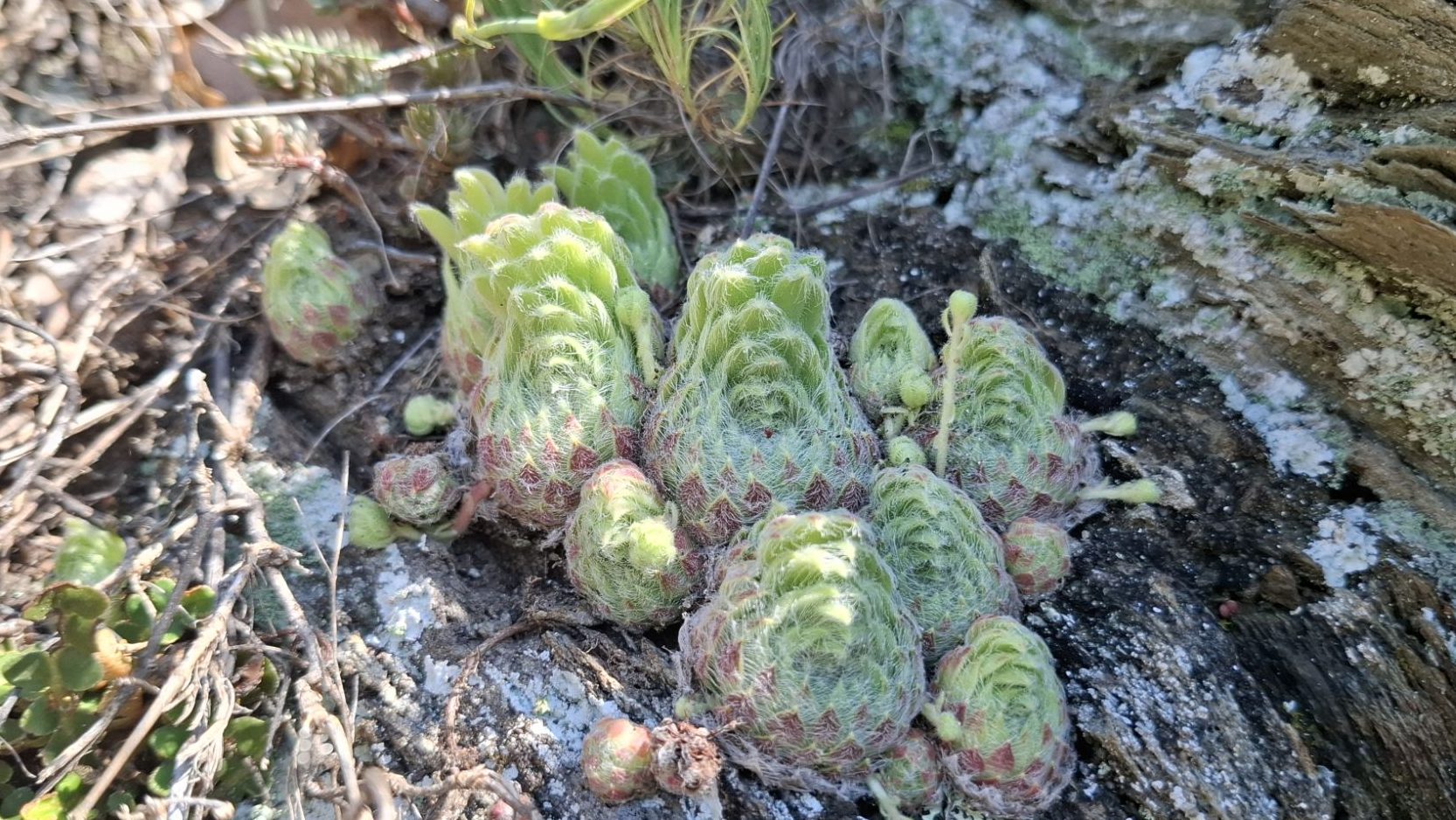
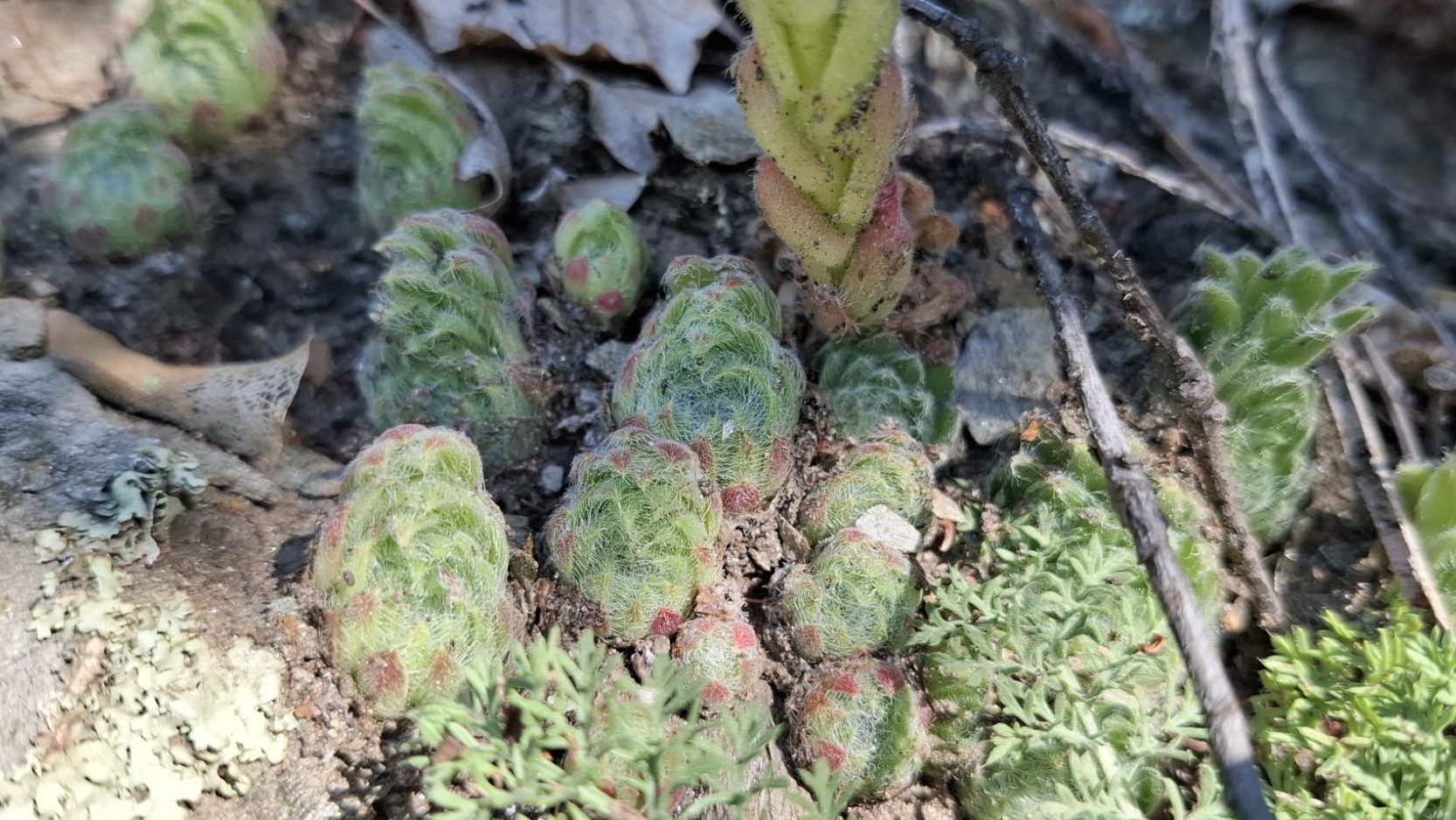
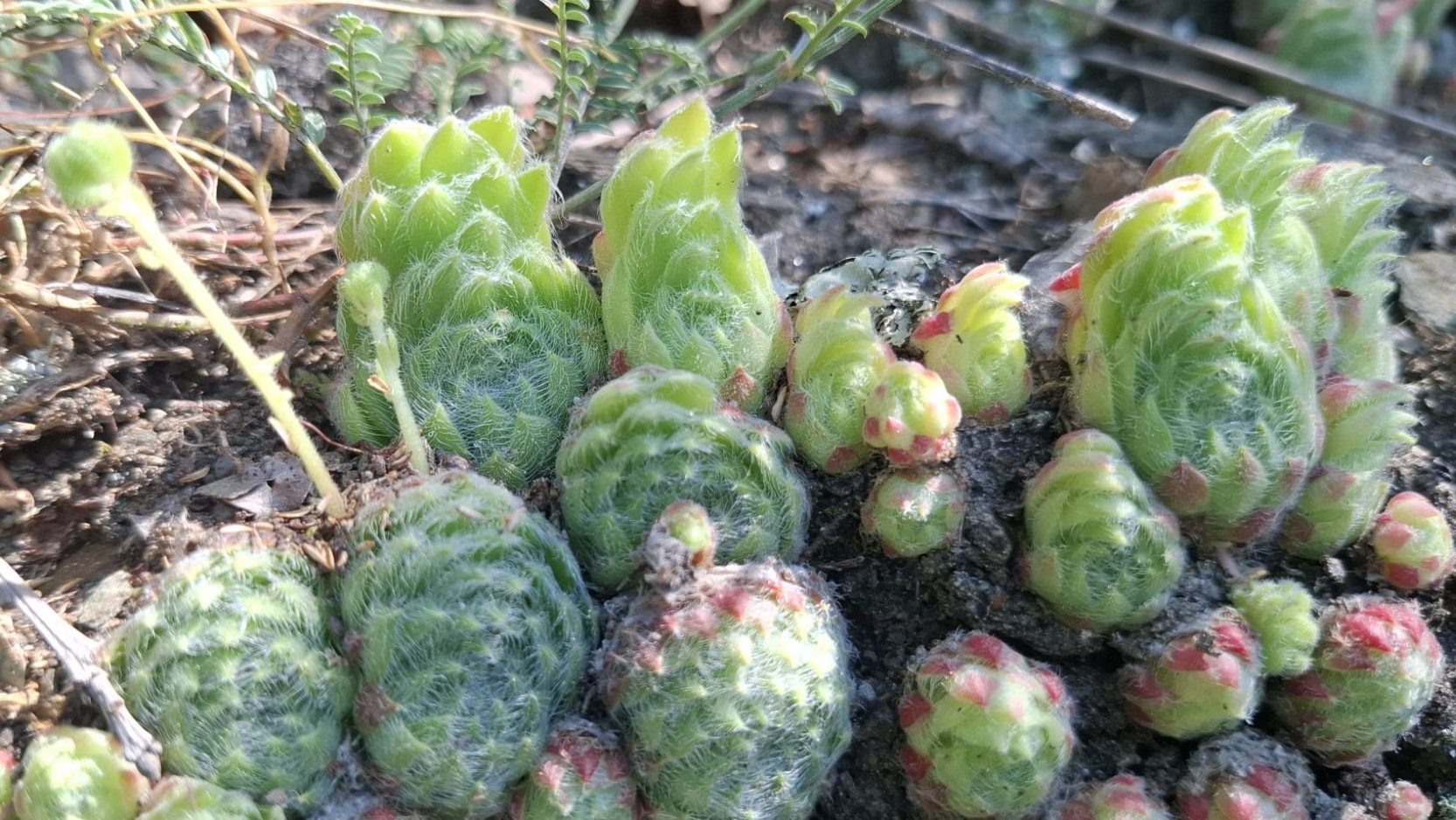
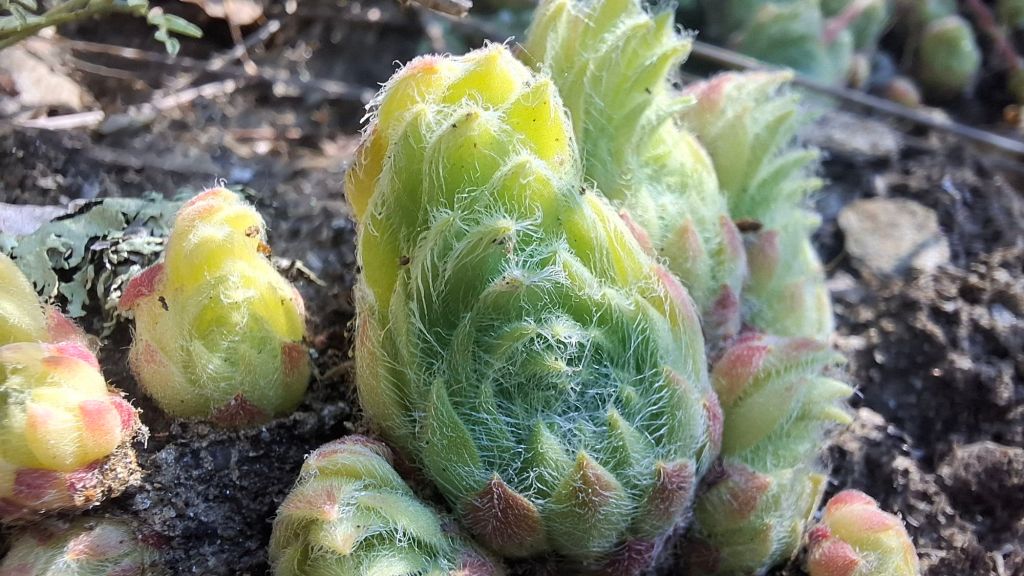

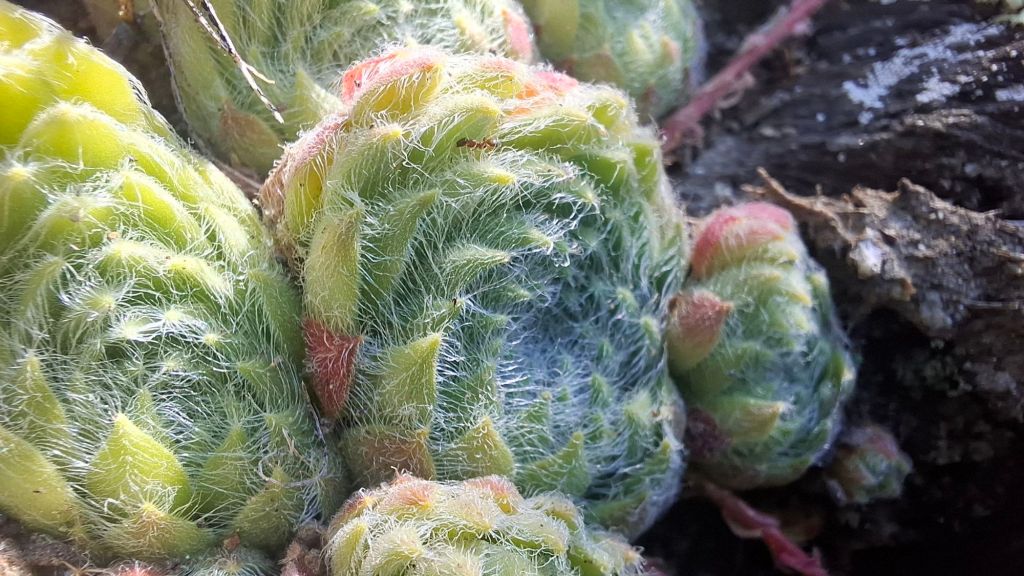
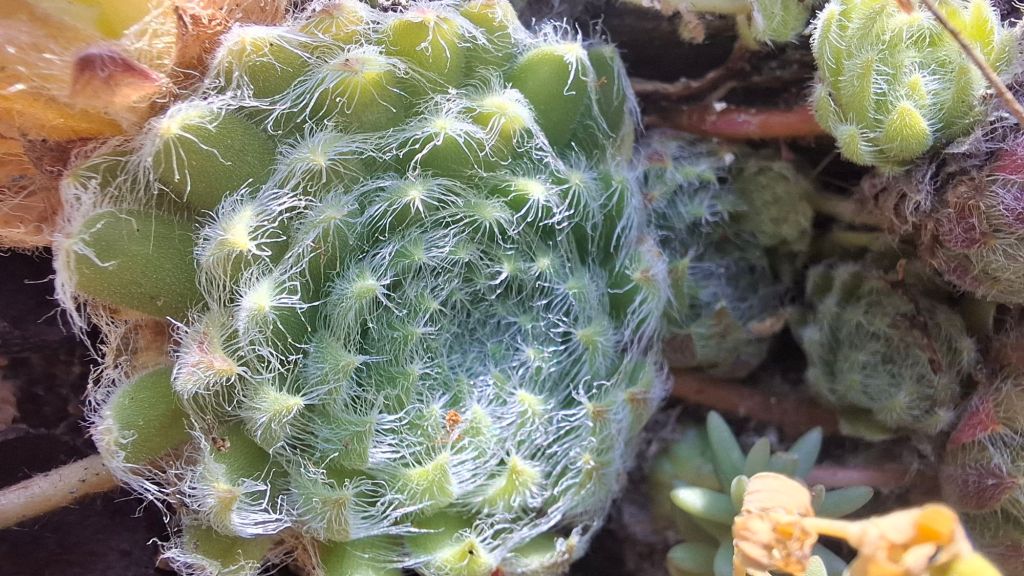


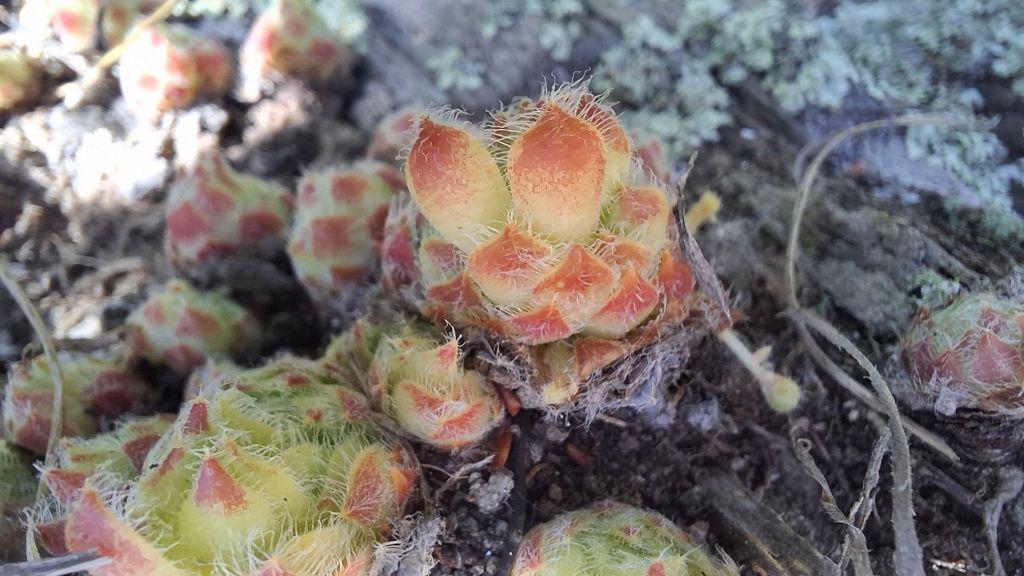
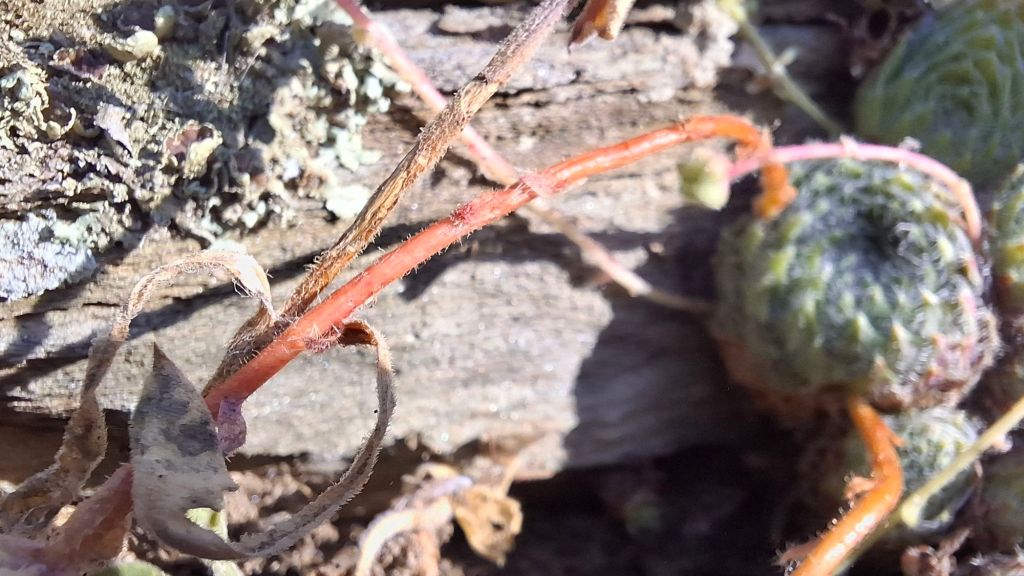
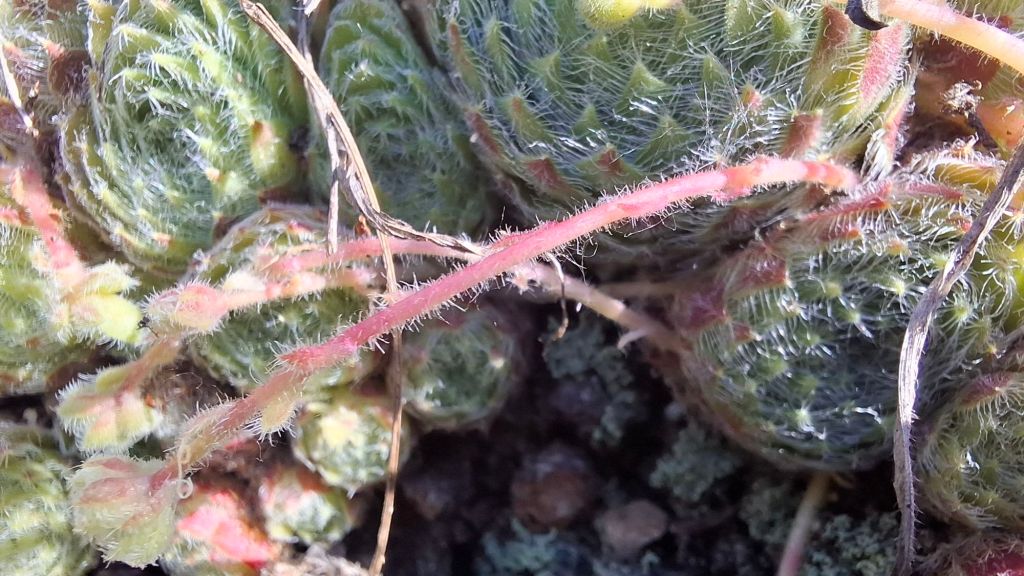
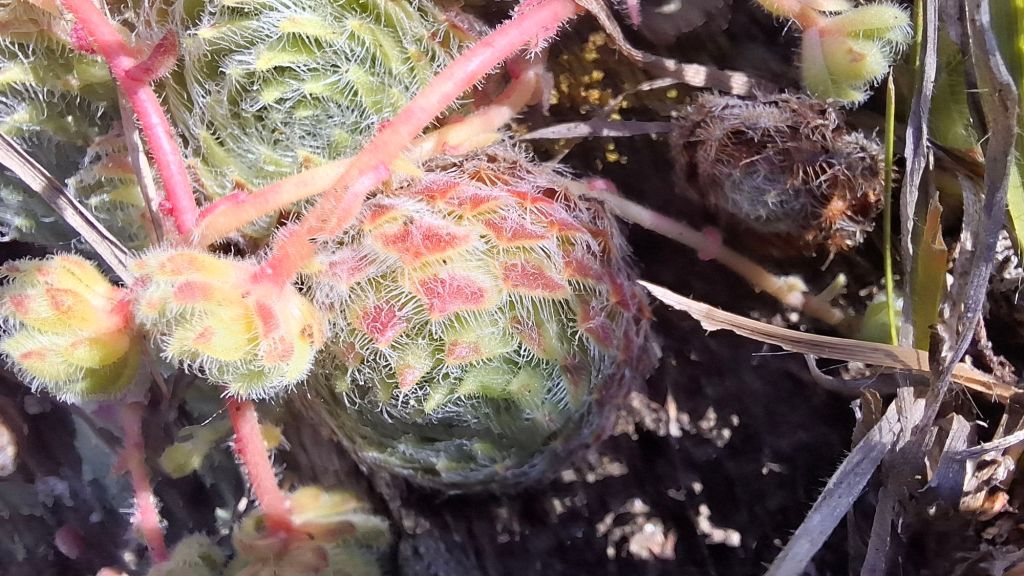
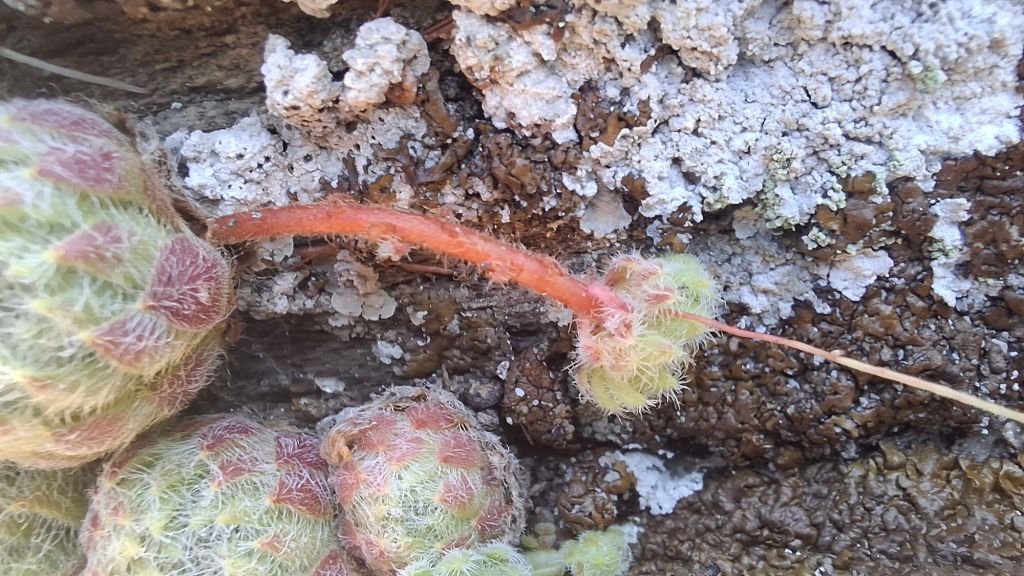
Locality: Rocky cliffs above the waterfall on “Golema” River, recorded 14.02.2026.

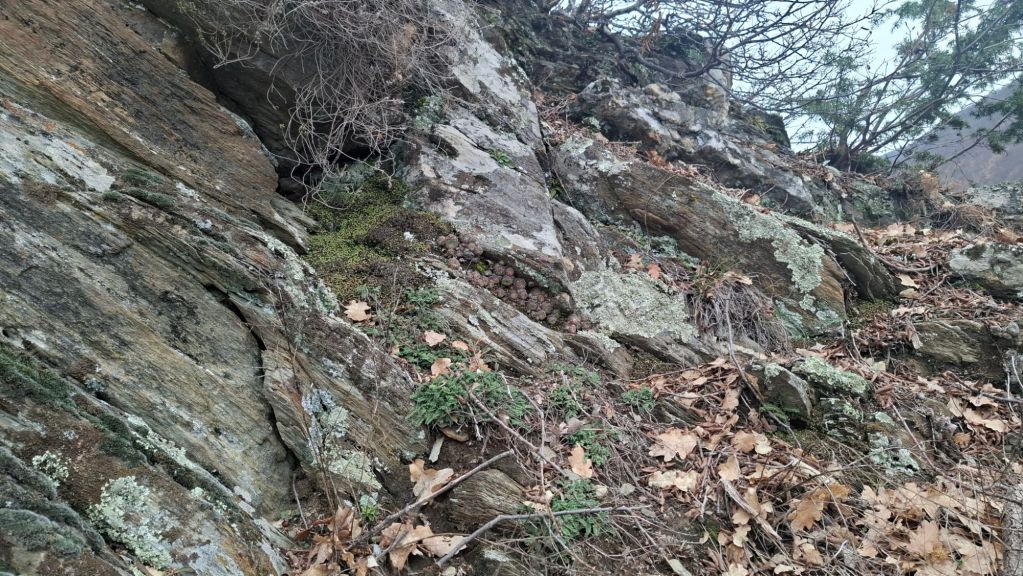
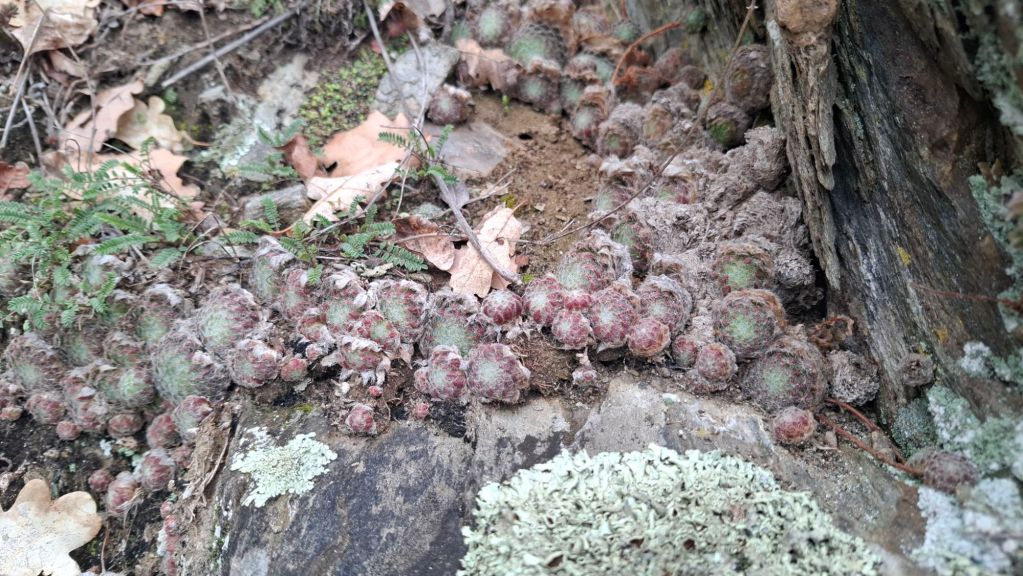

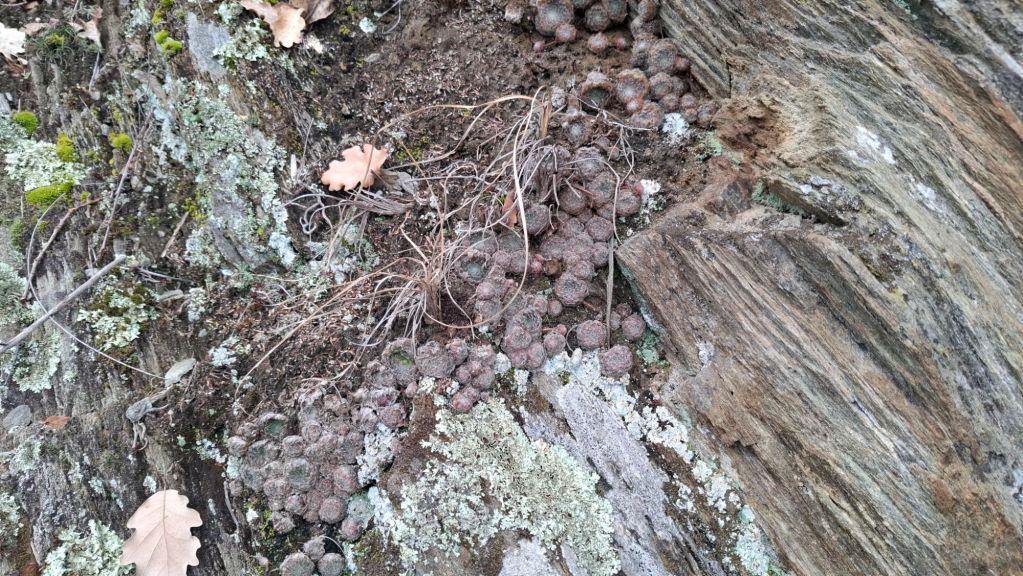
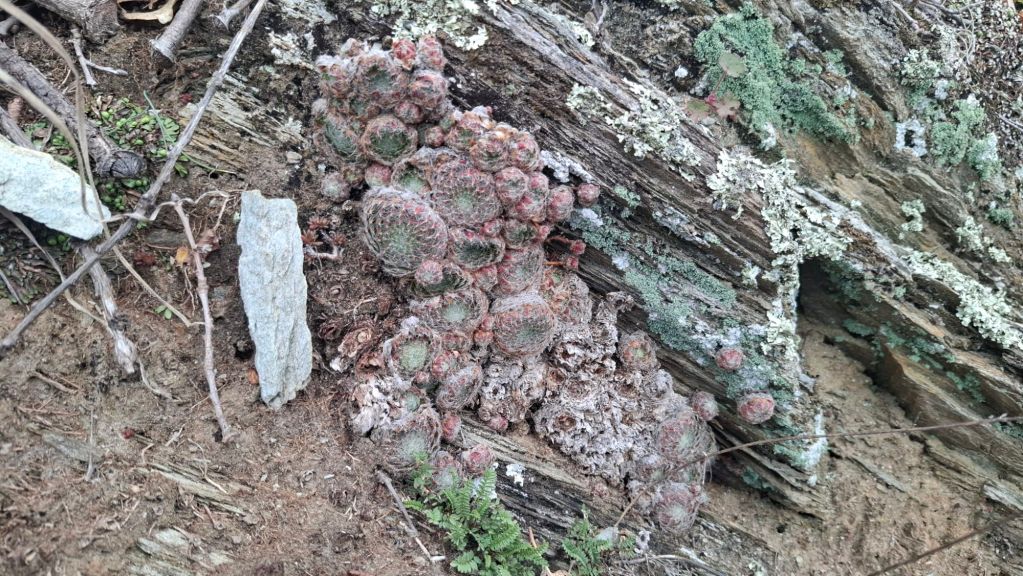

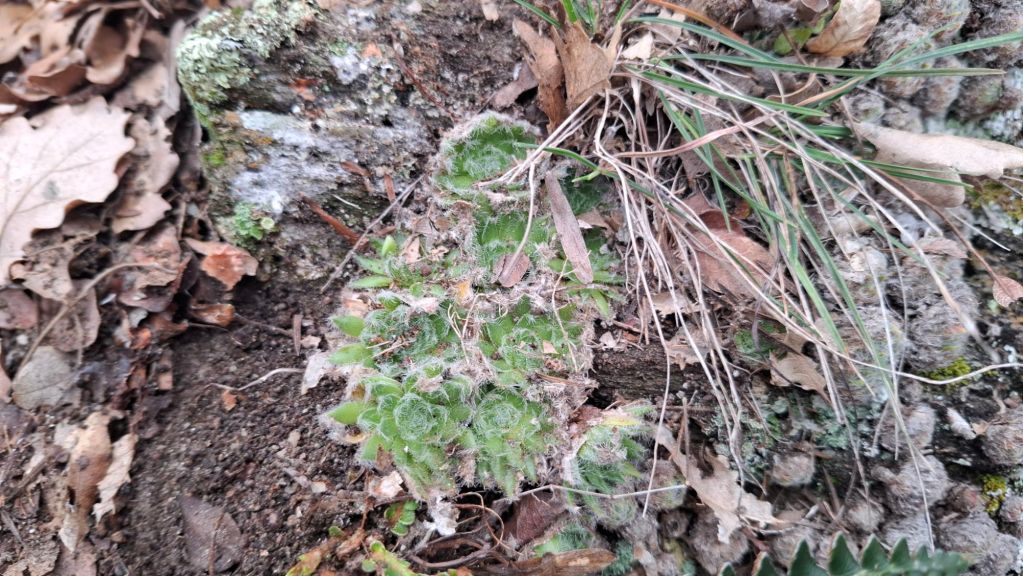


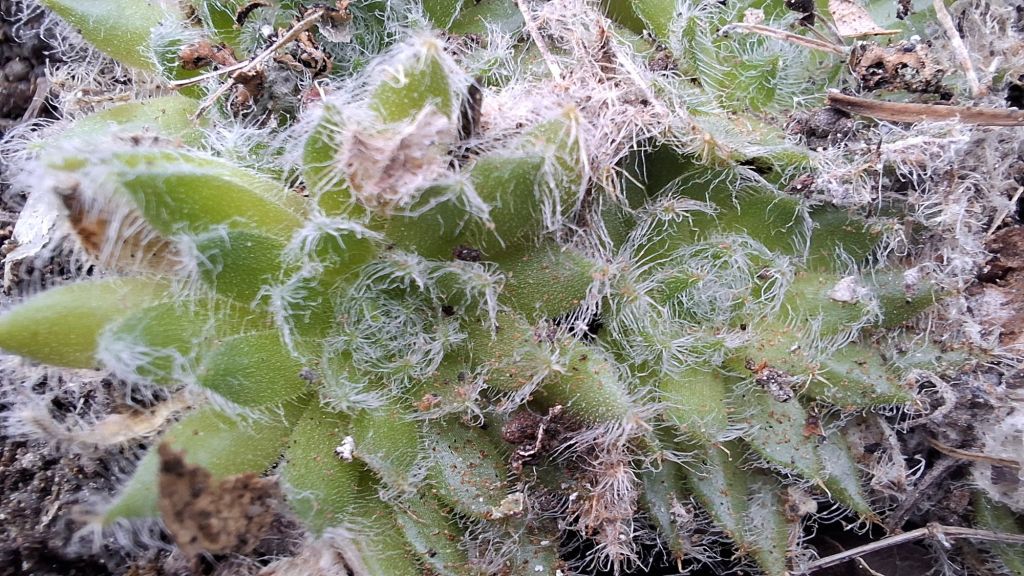

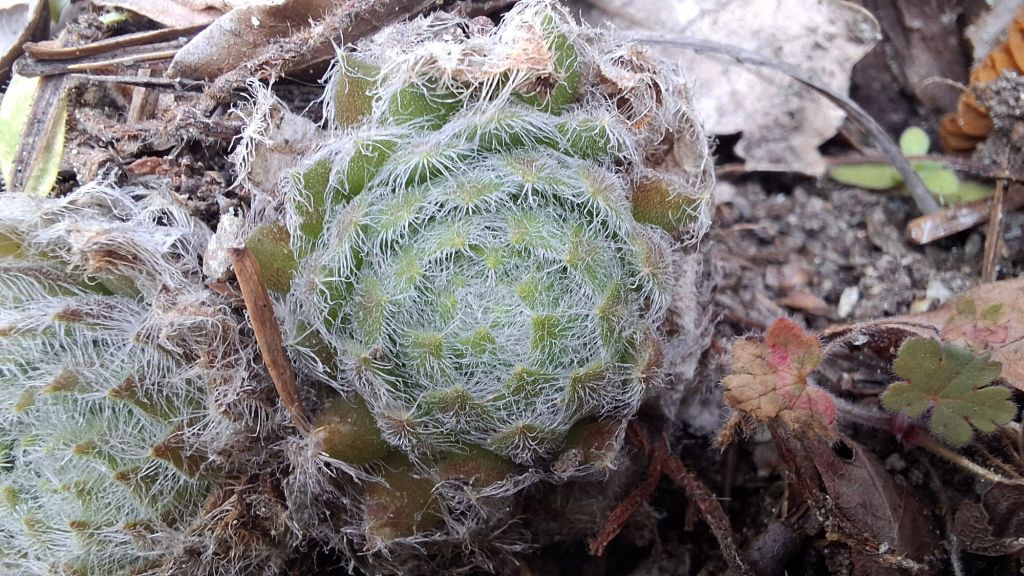
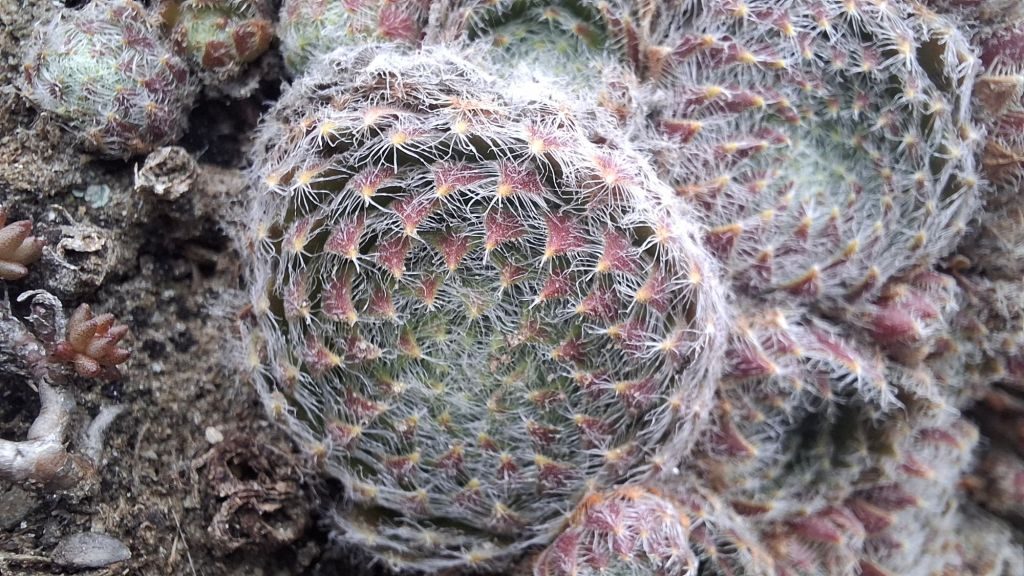


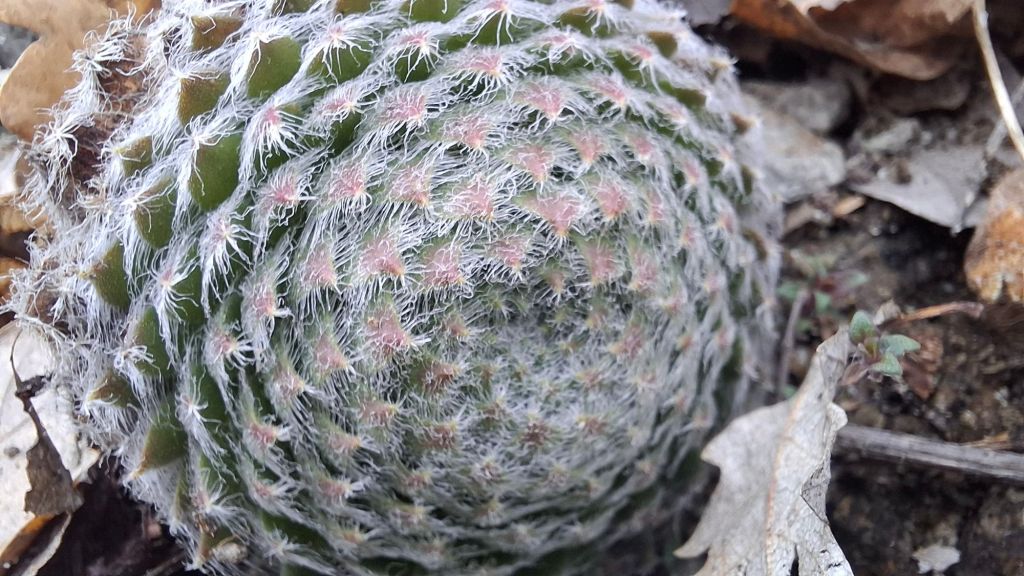

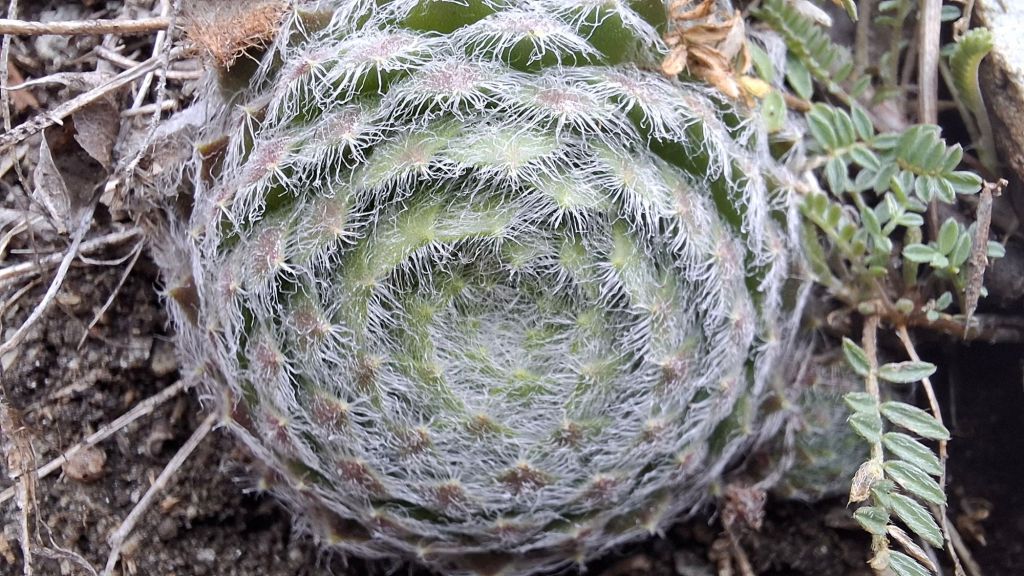
Locality: Rocky cliffs above the waterfall on “Golema” River, recorded 21.04.2023.
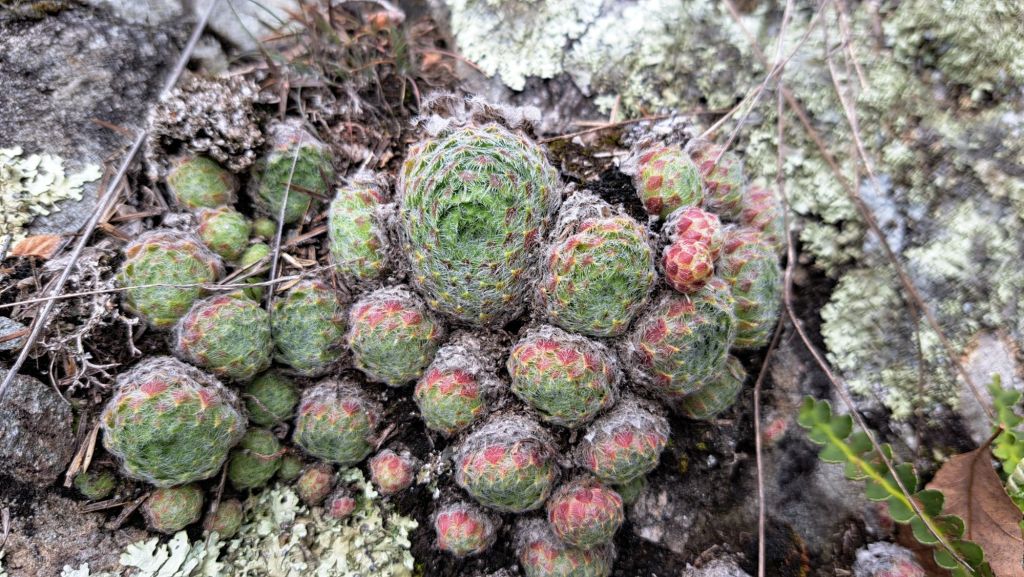
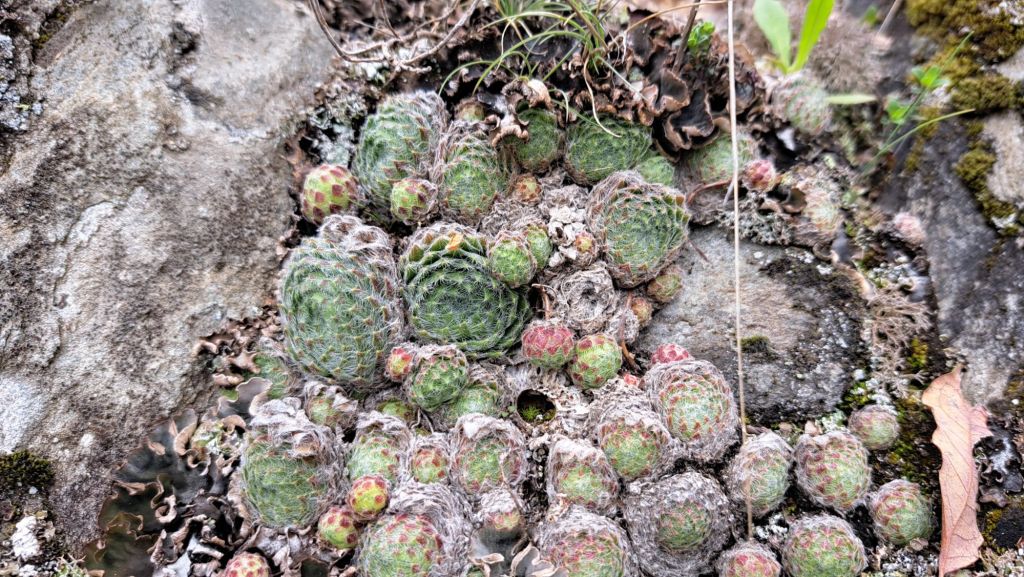

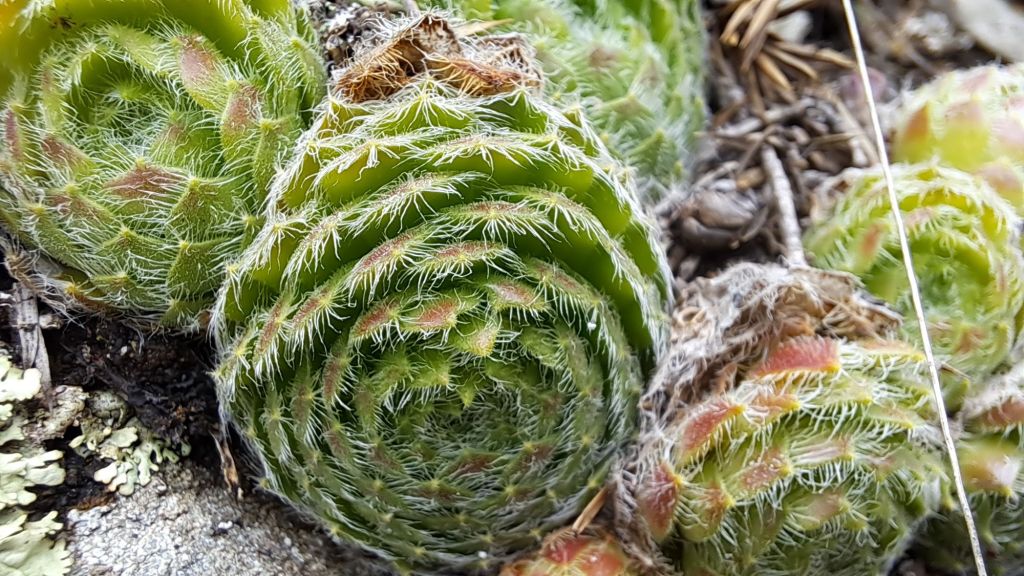
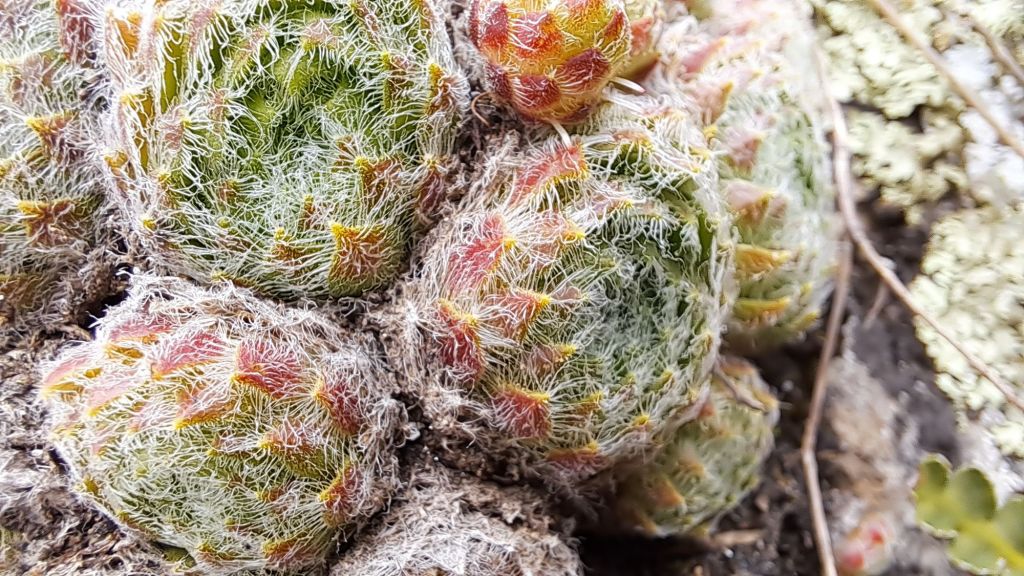
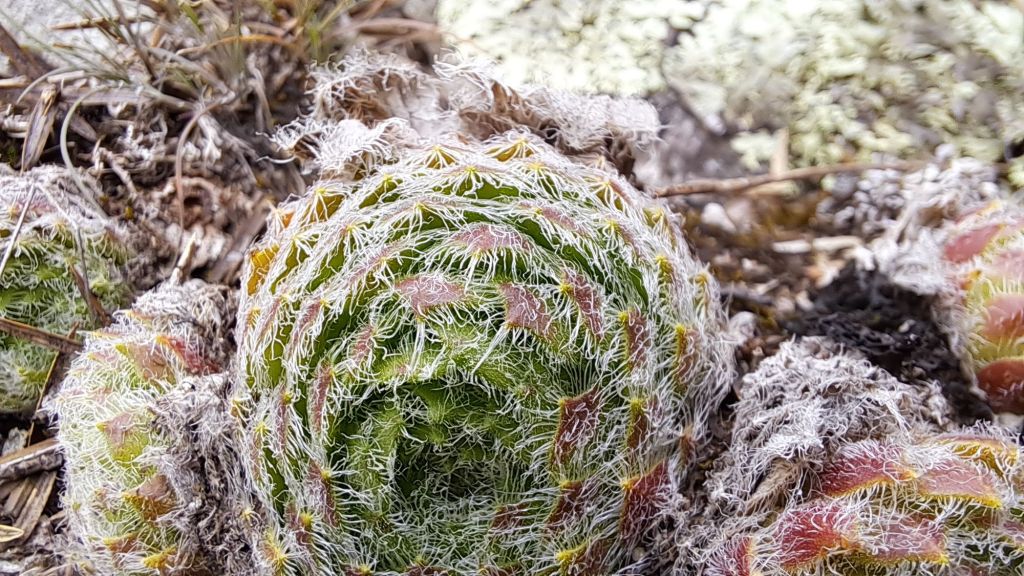
Locality: Lake “Gradche”. Date: 28.06.2020.

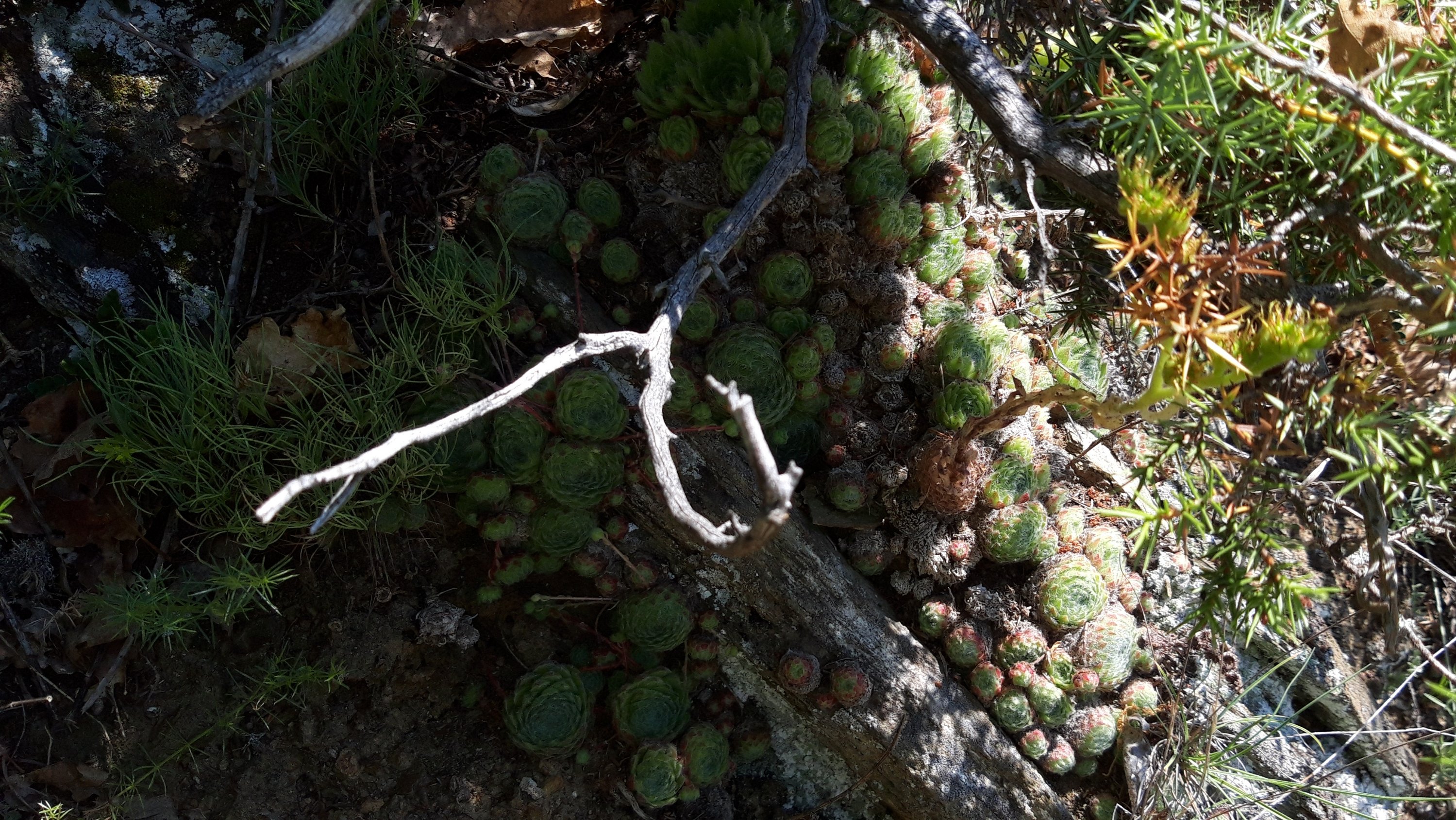


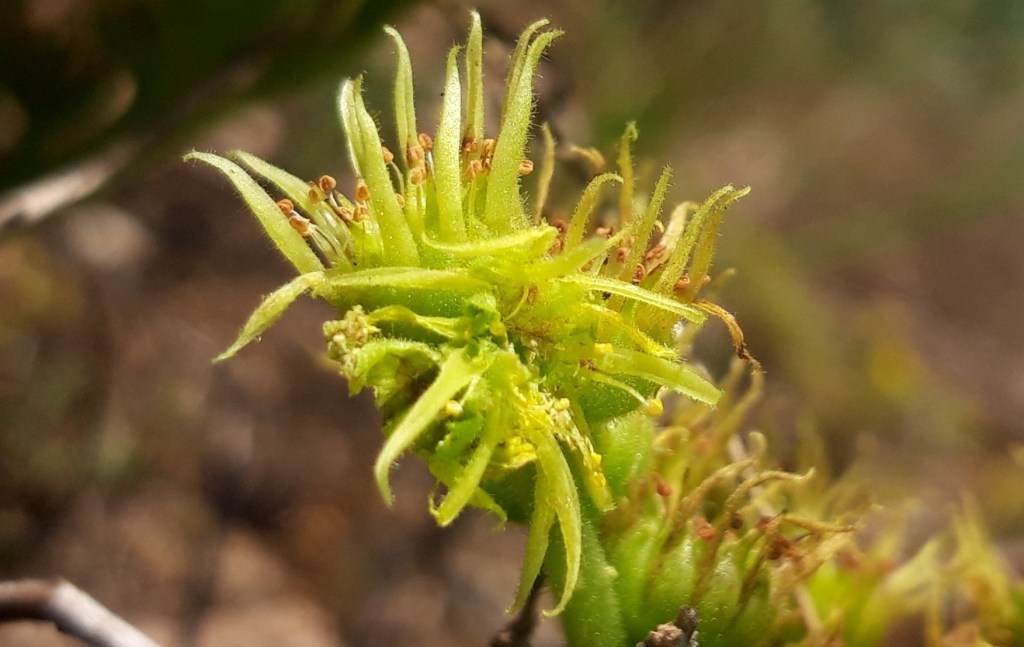
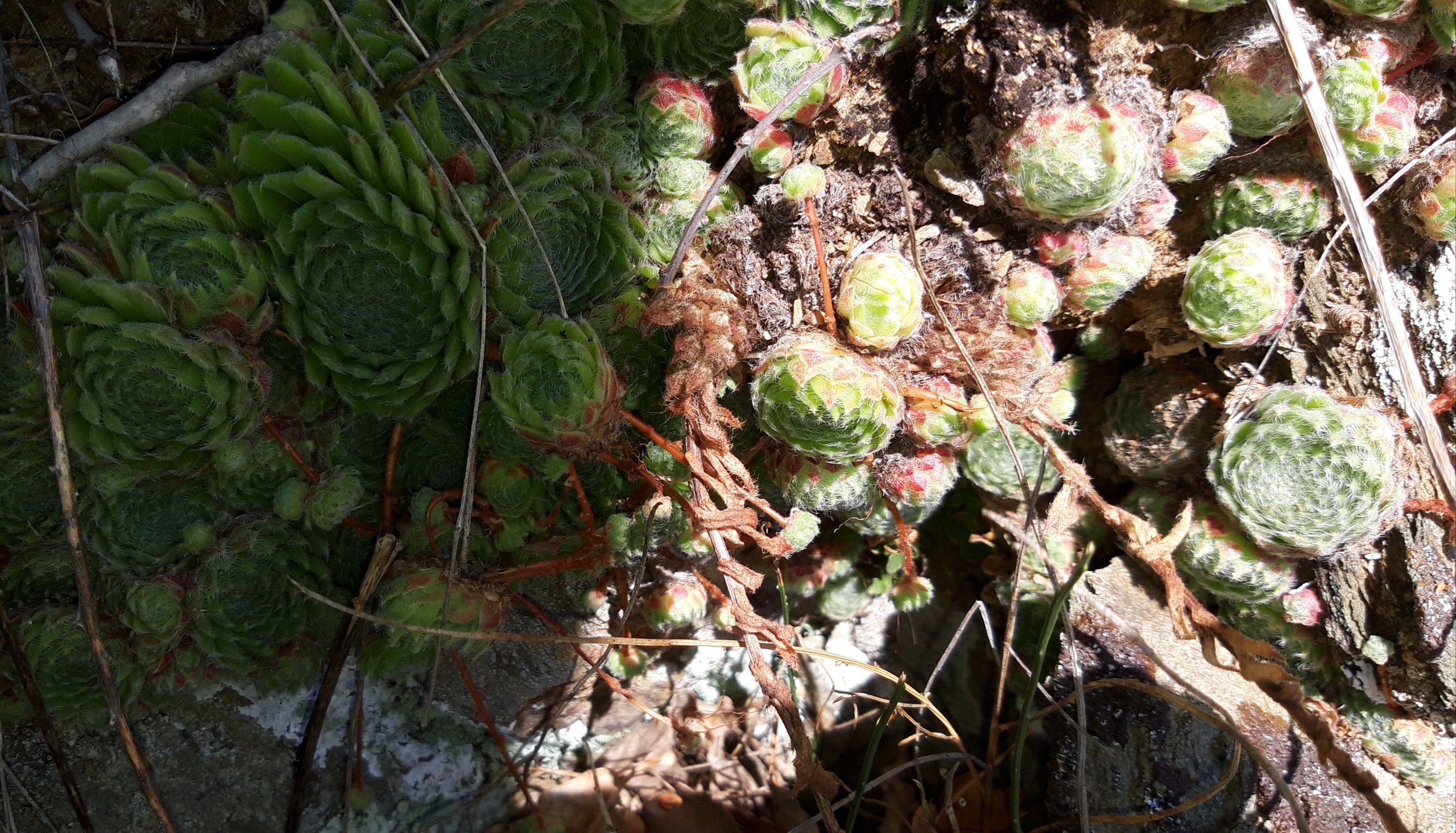
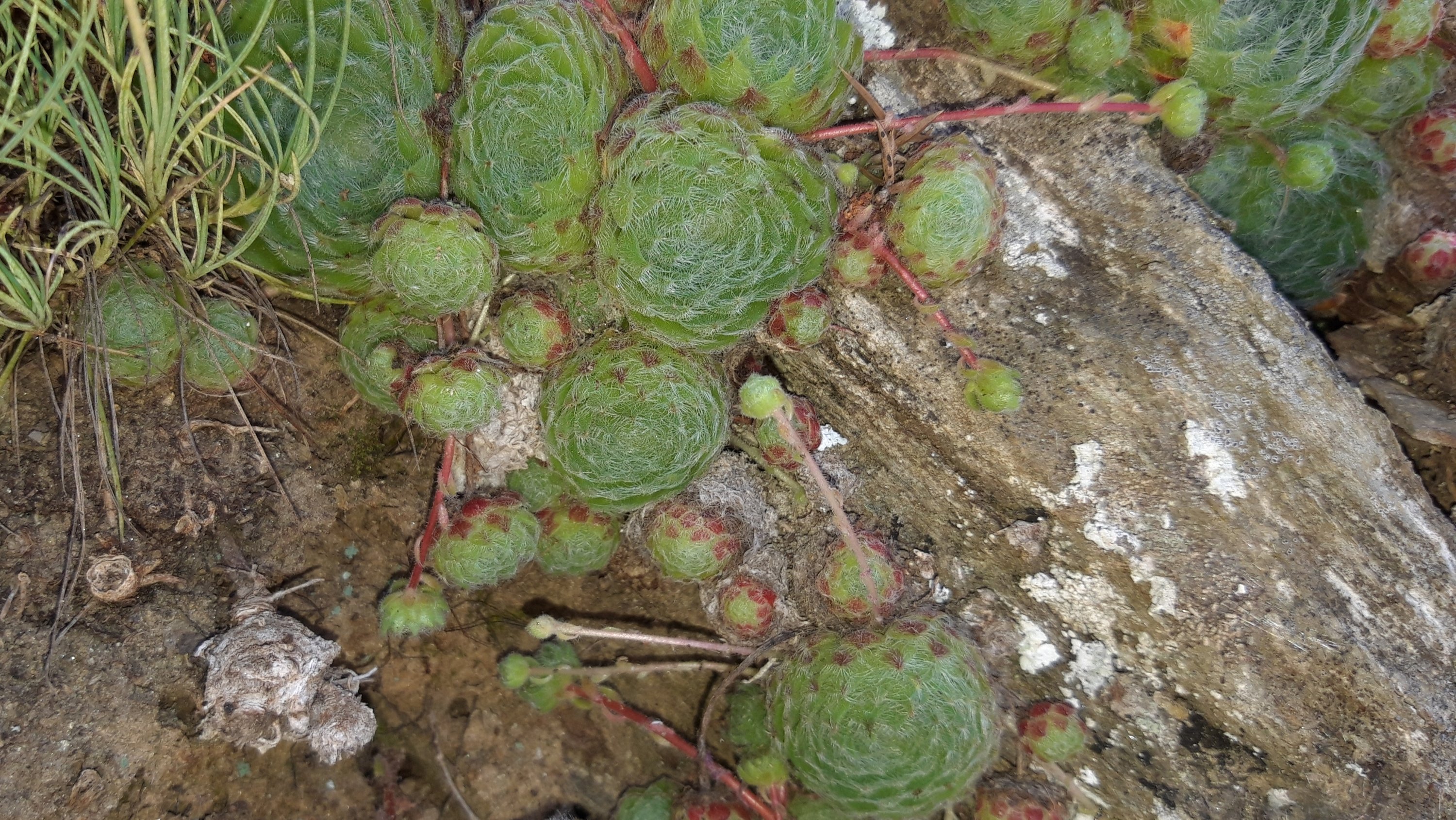
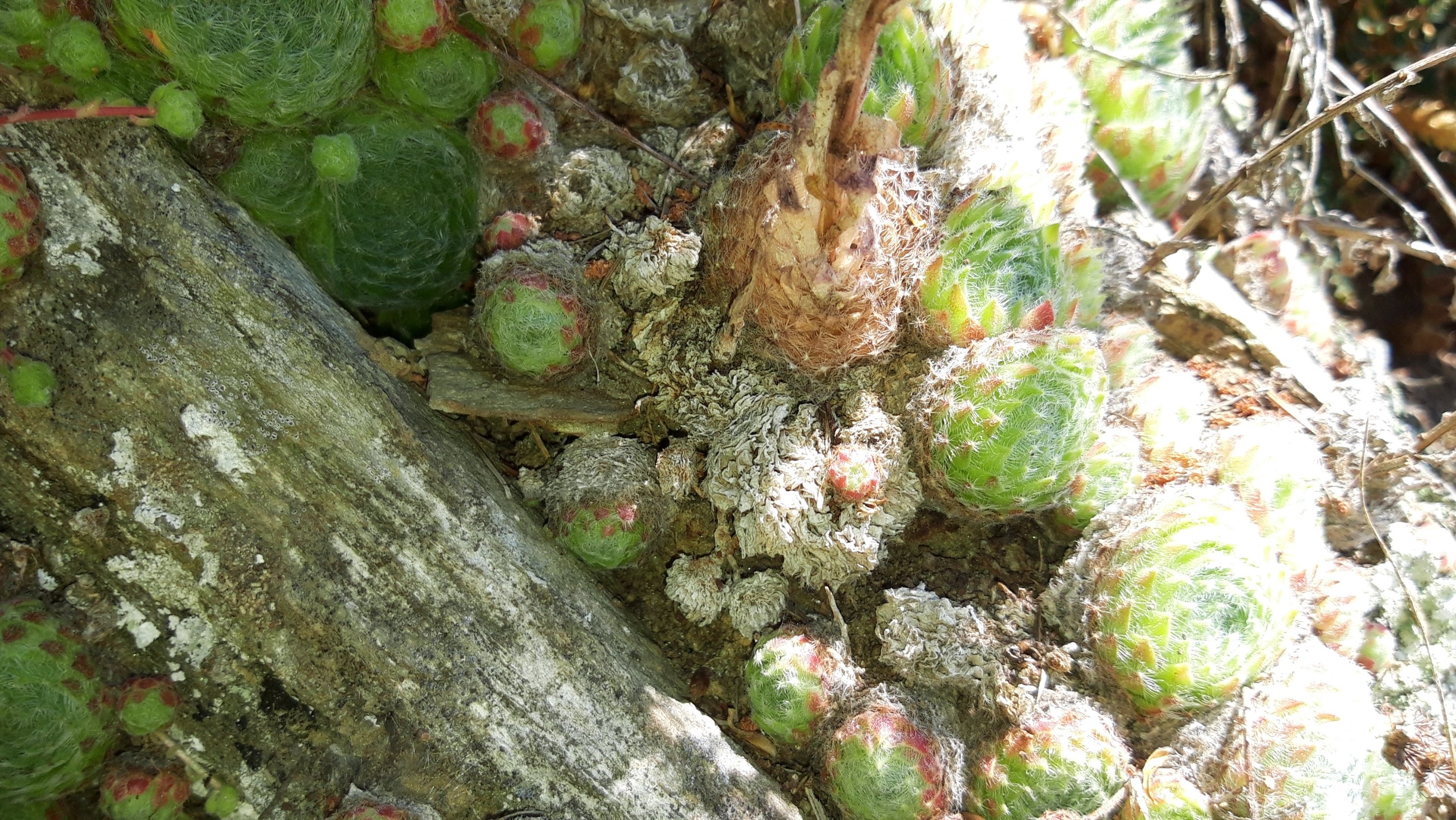
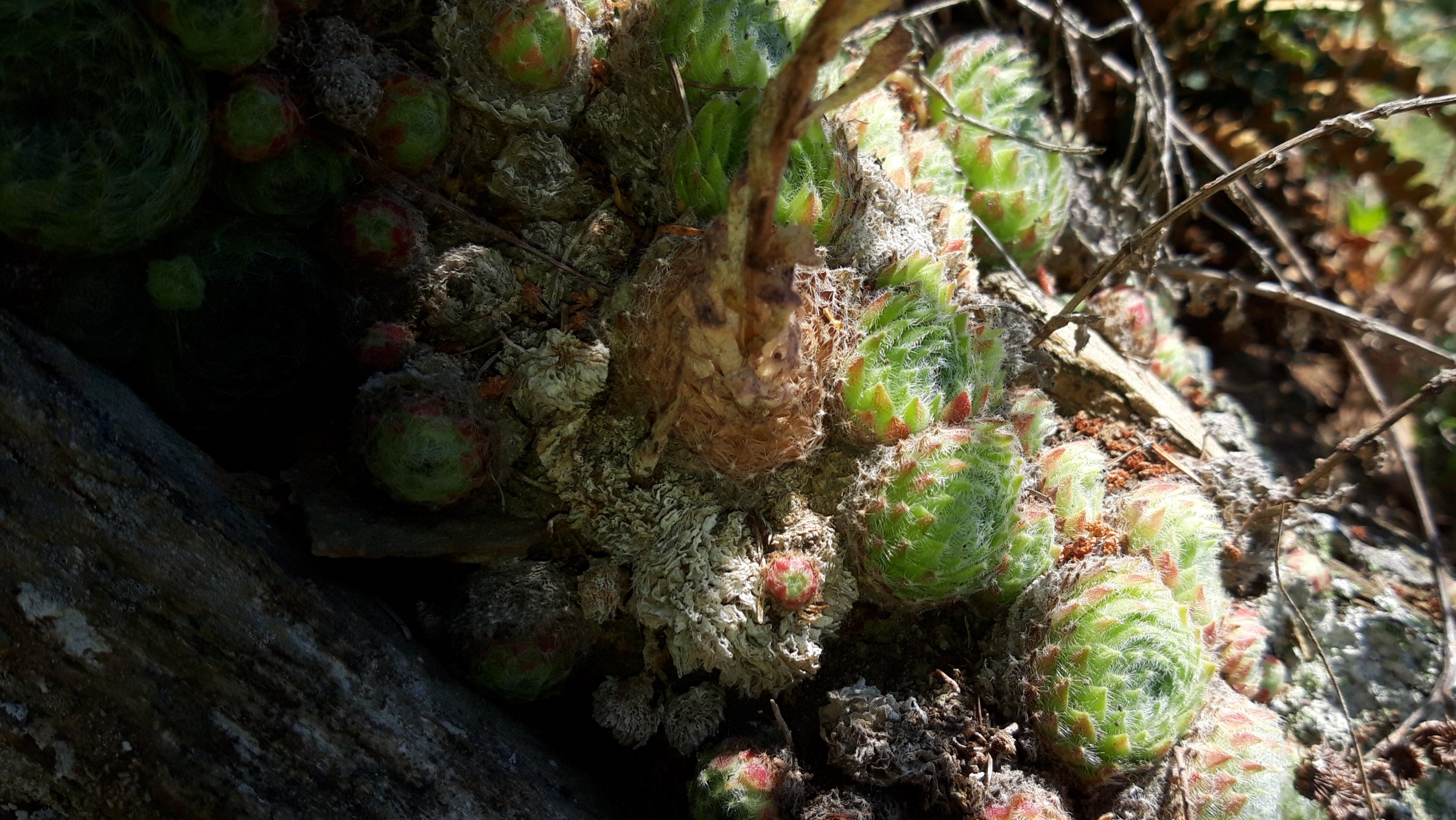
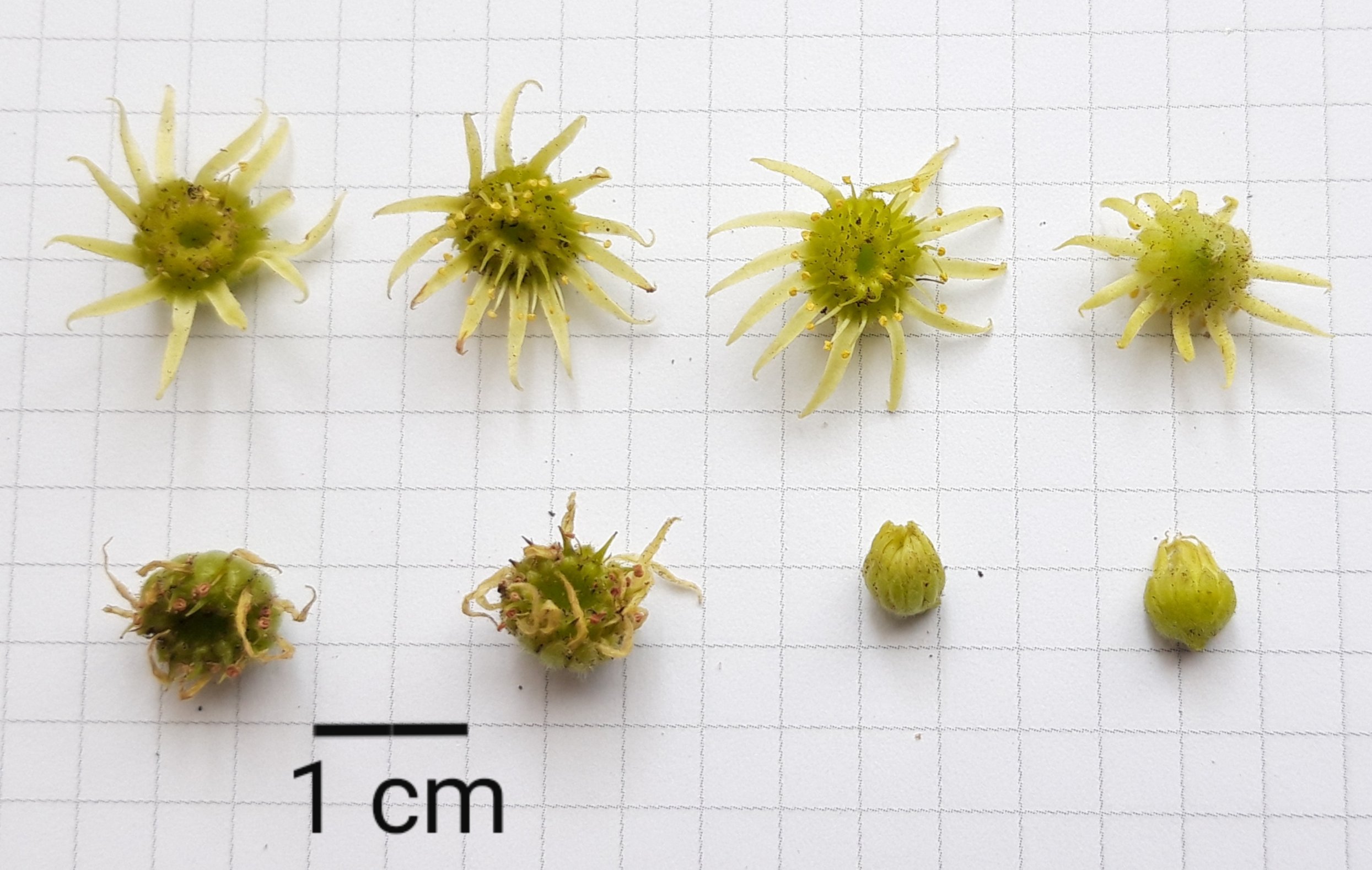
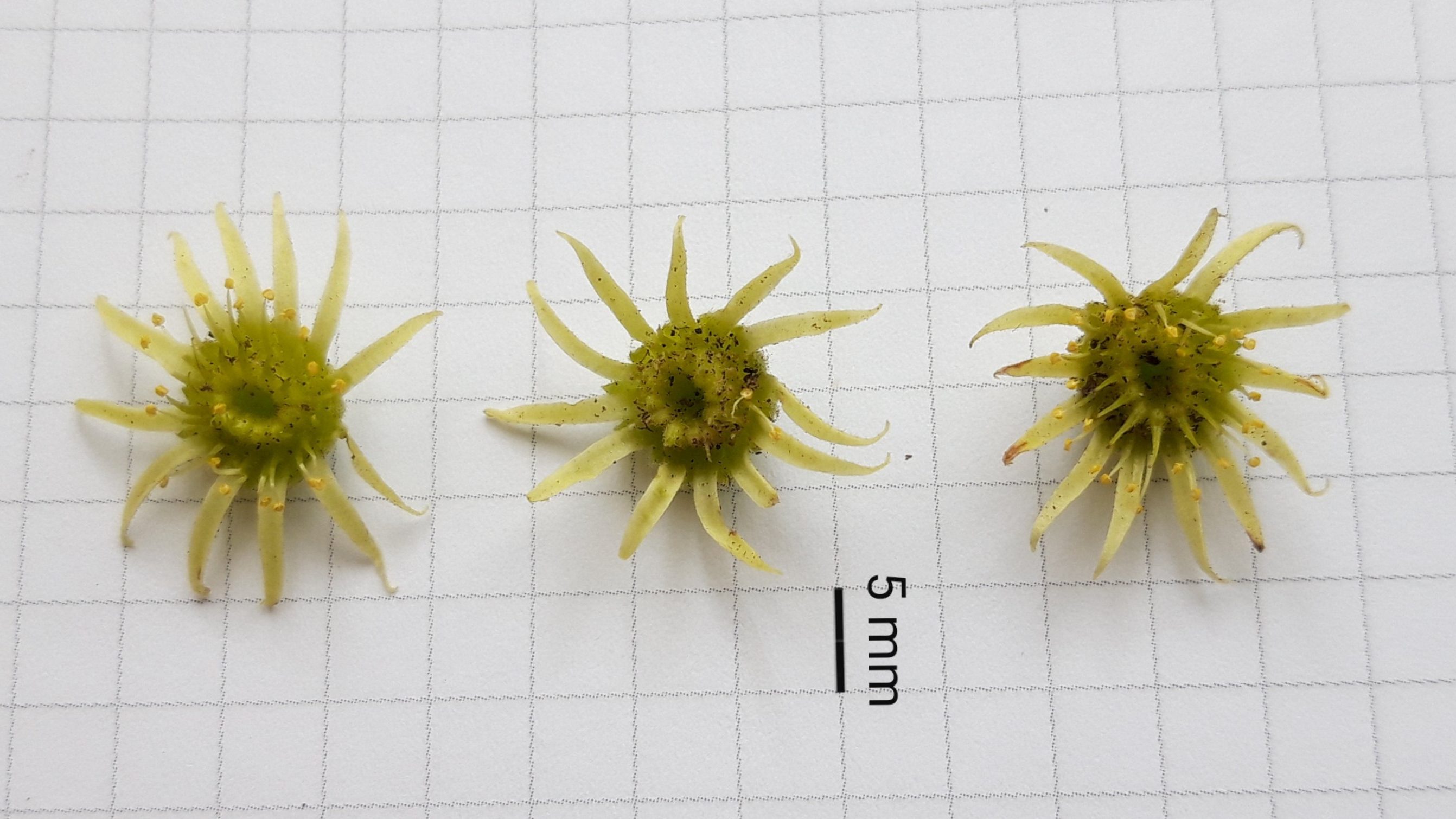
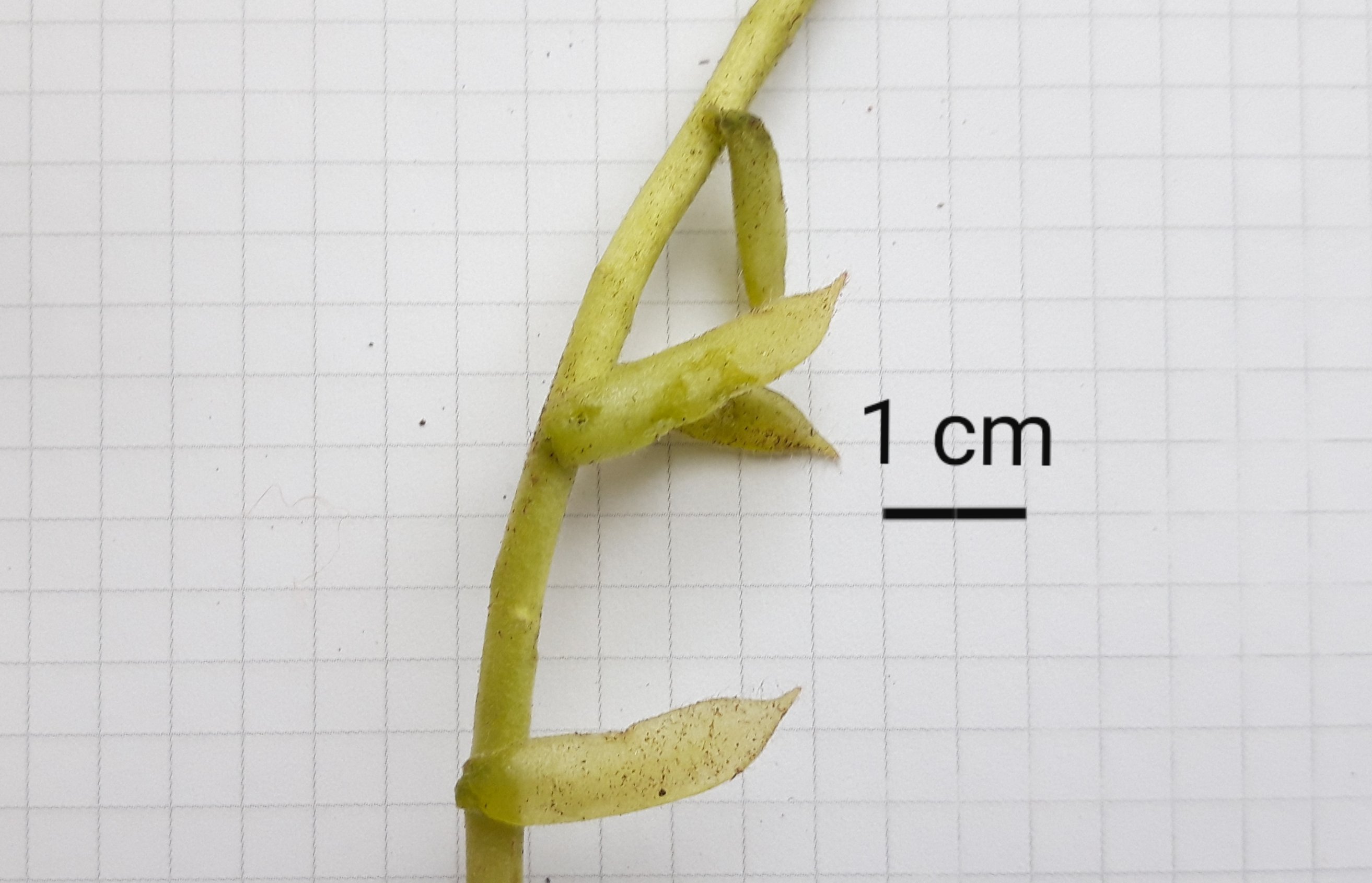
Scaled images of specimen from lake “Gradche”.
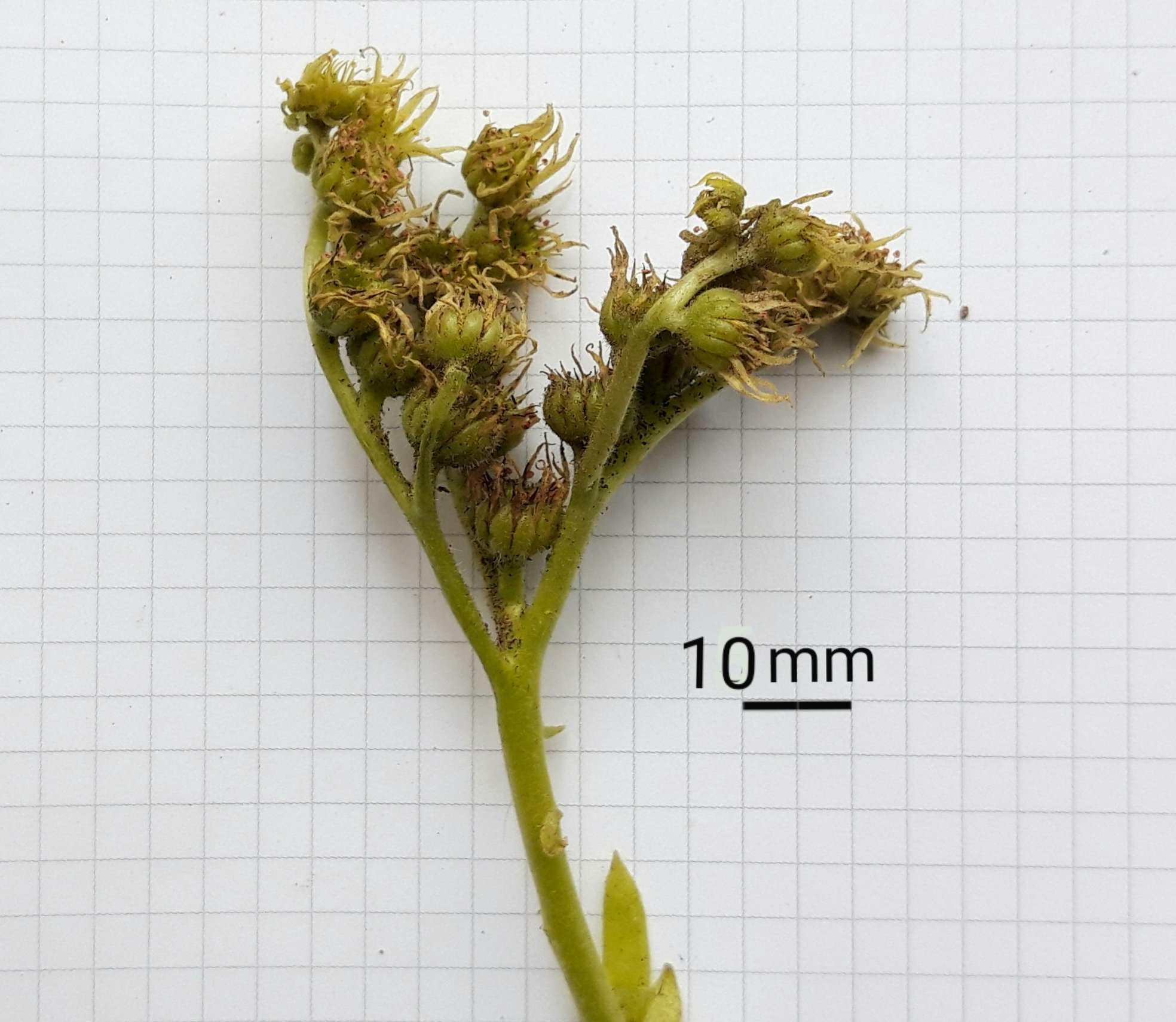
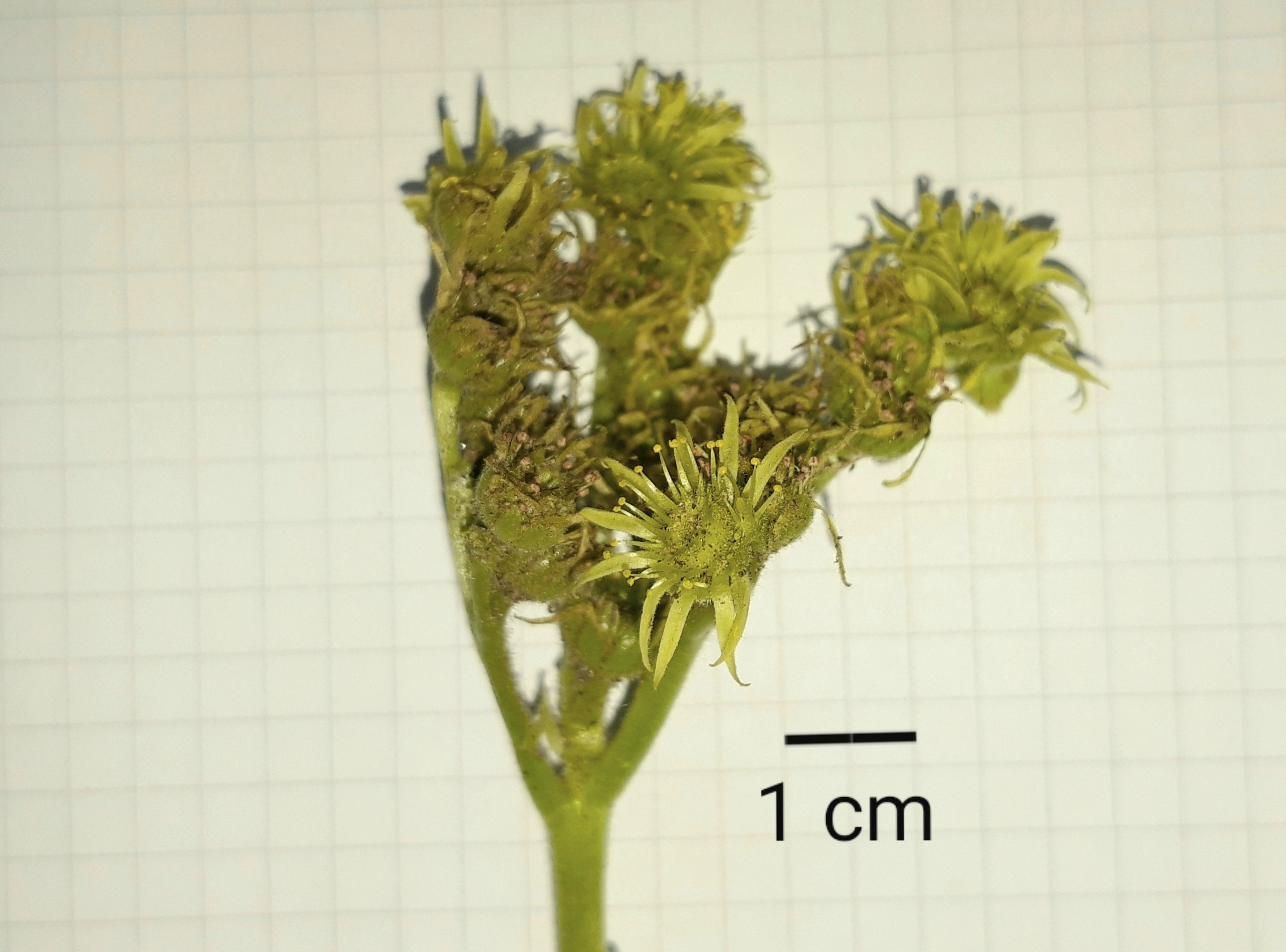
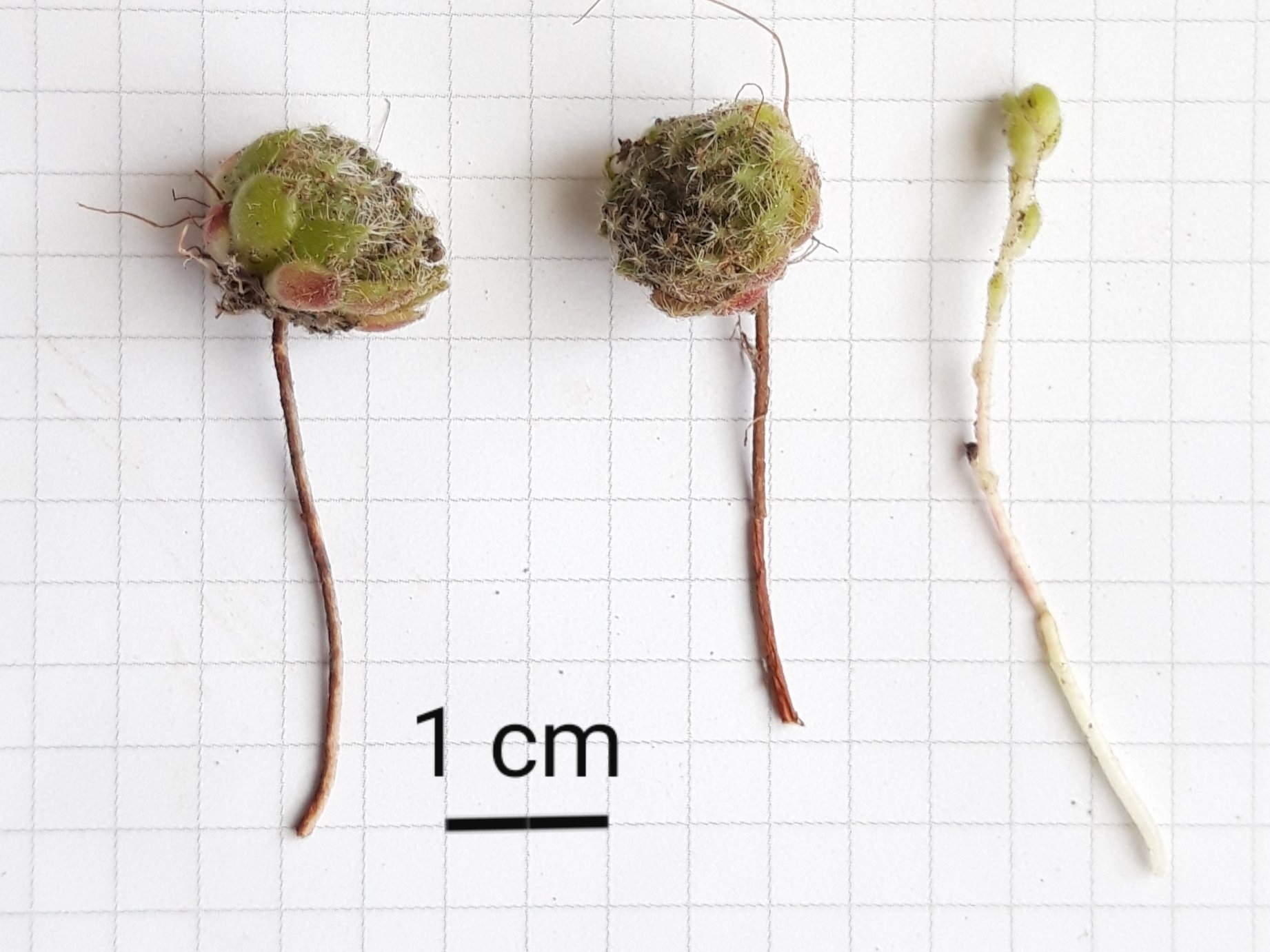

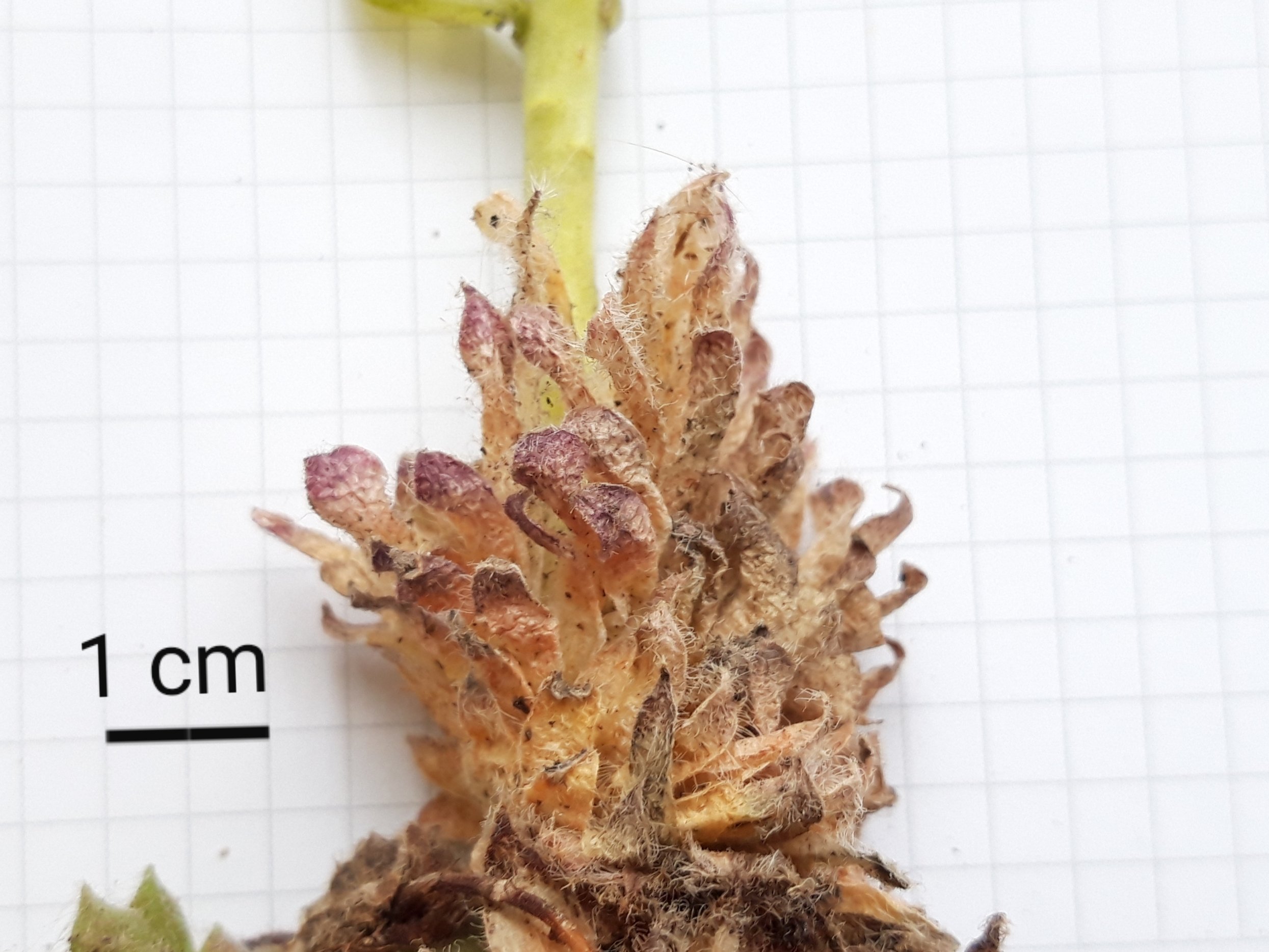
Northern-most part of the gorge of “Kochanska” River.
References:
Favarger, C. & Zésiger, F. 1964. Sempervivum L. In Tutin, T. G., Heywood, V. H., Burges, N. A., Moore, D. M., Valentine, D. H., Walters, S. M., & Webb, D. A. (eds.), Flora Europaea. Volume 1. Lycopodiaceae to Platanaceae. Cambridge: Cambridge University Press, pp. 352–355.
Jovanović, M., Lakušić, D., Gussev, C., Lazarević, P. & Zlatković, B. (2019). Morphological variability of endemic Sempervivum ciliosum subsp. ciliosum (Crassulaceae) from the Balkan Peninsula. Biologica Nyssana, Vol. 10, No. 2, pp.113–123. https://journal.pmf.ni.ac.rs/bionys/index.php/bionys/article/view/334/254 [Accessed 28.06.2020].
Jovanović, M. D., Lazarević, M. J., Lazarević, P. M., Lakušić, D. V. & Zlatković, B. K. (2024). Morphological variability of rosette leaves within Sempervivum ciliosum and S. ruthenicum complexes (Crassulaceae): the geometric morphometrics approach. Flora,
Vol. 320. https://doi.org/10.1016/j.flora.2024.152619
Sempervivum ciliosum. Marhold, K. 2011+: Crassulaceae. – In: Euro+Med PlantBase – the information resource for Euro-Mediterranean plant diversity. Published at https://europlusmed.org/. https://europlusmed.org/cdm_dataportal/taxon/b646b39b-13b8-40ce-8164-bc571a930dac [Accessed 19.01.2026].
Sempervivum L. Marhold, K. 2011+: Crassulaceae. – In: Euro+Med Plantbase – the information resource for Euro-Mediterranean plant diversity. Published at https://europlusmed.org/. https://europlusmed.org/cdm_dataportal/taxon/e598ae1d-001f-4aa5-b493-5d72bd155e94 [Accessed 26.07.2026].
Marhold, K. (2011): Crassulaceae. – In: Euro+Med Plantbase – the information resource for Euro-Mediterranean plant diversity. Published on the Internet http://ww2.bgbm.org/EuroPlusMed/PTaxonDetail.asp?NameCache=Sempervivum%20ciliosum&PTRefFk=7200000 [Accessed 28.06.2020].
Micevski, K. 1998. Sempervivum L., The Flora of the Republic of Macedonia. Vol. I, Book 4. Skopje: Macedonian Academy of Sciences and Arts, pp. 1042–1048.
Last update: 26.07.2026.


Taxonomy: Fam: Crassulaceae// Genus: Sedum // Species: Sedum urvillei DC.
Determined according to the botanical key provided by Webb in Tutin et al. Micevski (1998) as Sedum sartorianum Boiss., Diagn. Pl.or. Nov. 3 (2): 62 (1856). The accepted name in The Euro+Med PlantBase (Marhold, 2011+) is Sedum urvillei DC., Prodr. 3: 408. 1828.
Distribution: Native from East Central and Southeast Europe to the Asiatic part of the East Mediterranean according to the Plants of the World Online portal (Royal Botanic Gardens, Kew) and The Euro+Med PlantBase (Marhold, 2011+).
Lifeform: Perrenial; Hemicryptophyte according to the Raunkiær system.
Habitat: Rocky terrains, dry grasslands/ pastures, clearings of forests.
Flowering time: Summer: JUN, JUL.


References:
Sedum L. Micevski, K. (1998). The Flora of the Republic of Macedonia Vol. I, Book 4. Macedonian Academy of Sciences and Arts, pp. 1050 – 1069.
Sedum urvillei DC. Plants of the World Online portal, Royal Botanic Gardens Kew. https://powo.science.kew.org/taxon/urn:lsid:ipni.org:names:276219-1 [Accessed 04.02.2023].
Sedum urvillei. Source: Marhold, K. (2011+): Crassulaceae. – In: Euro+Med Plantbase – the information resource for Euro-Mediterranean plant diversity. https://europlusmed.org/cdm_dataportal/taxon/00066eb3-126c-4e2a-9f06-0c2e5ba0f0c7 [Accessed 04.02.2023].
Last update: 04.02.2023.
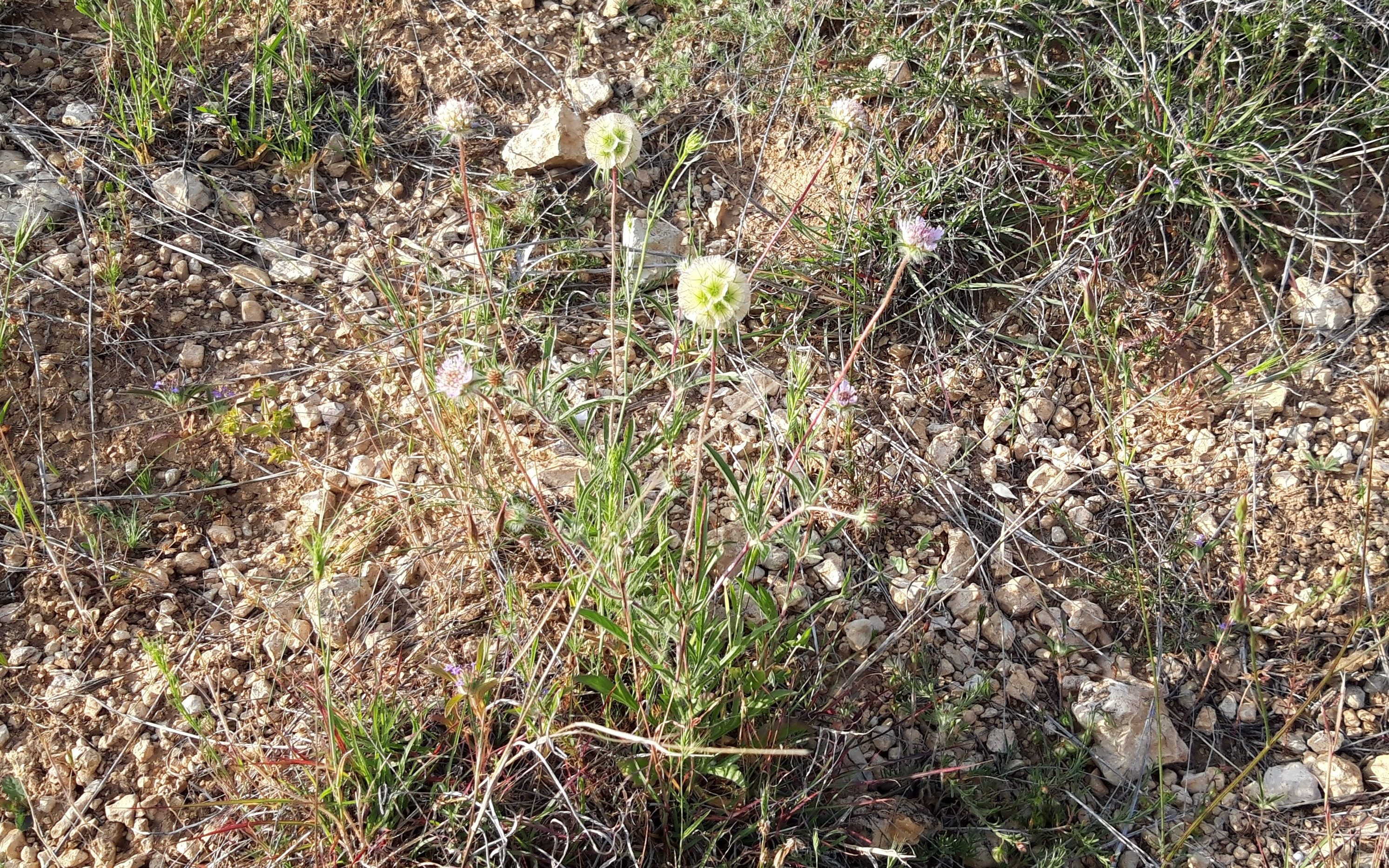
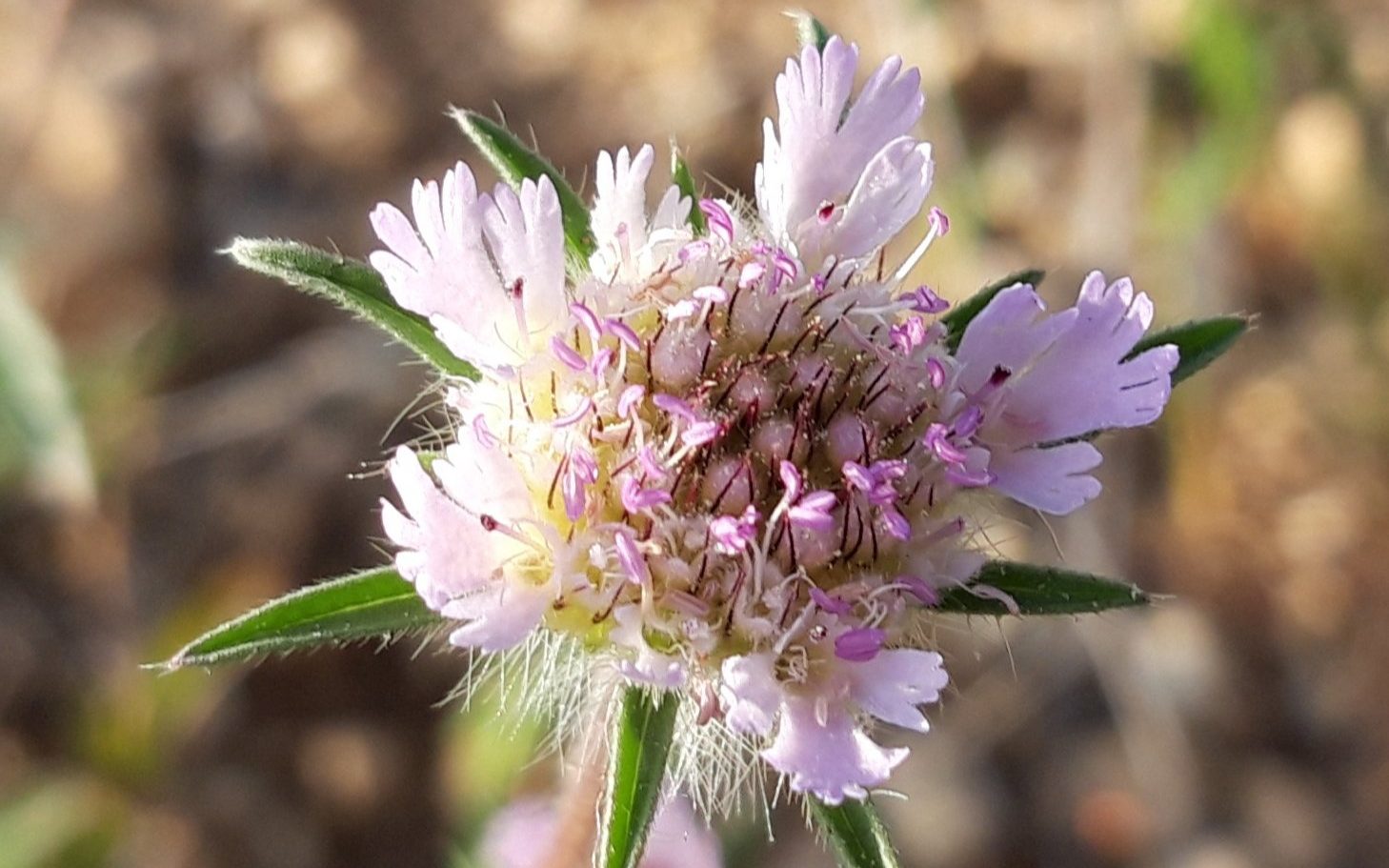
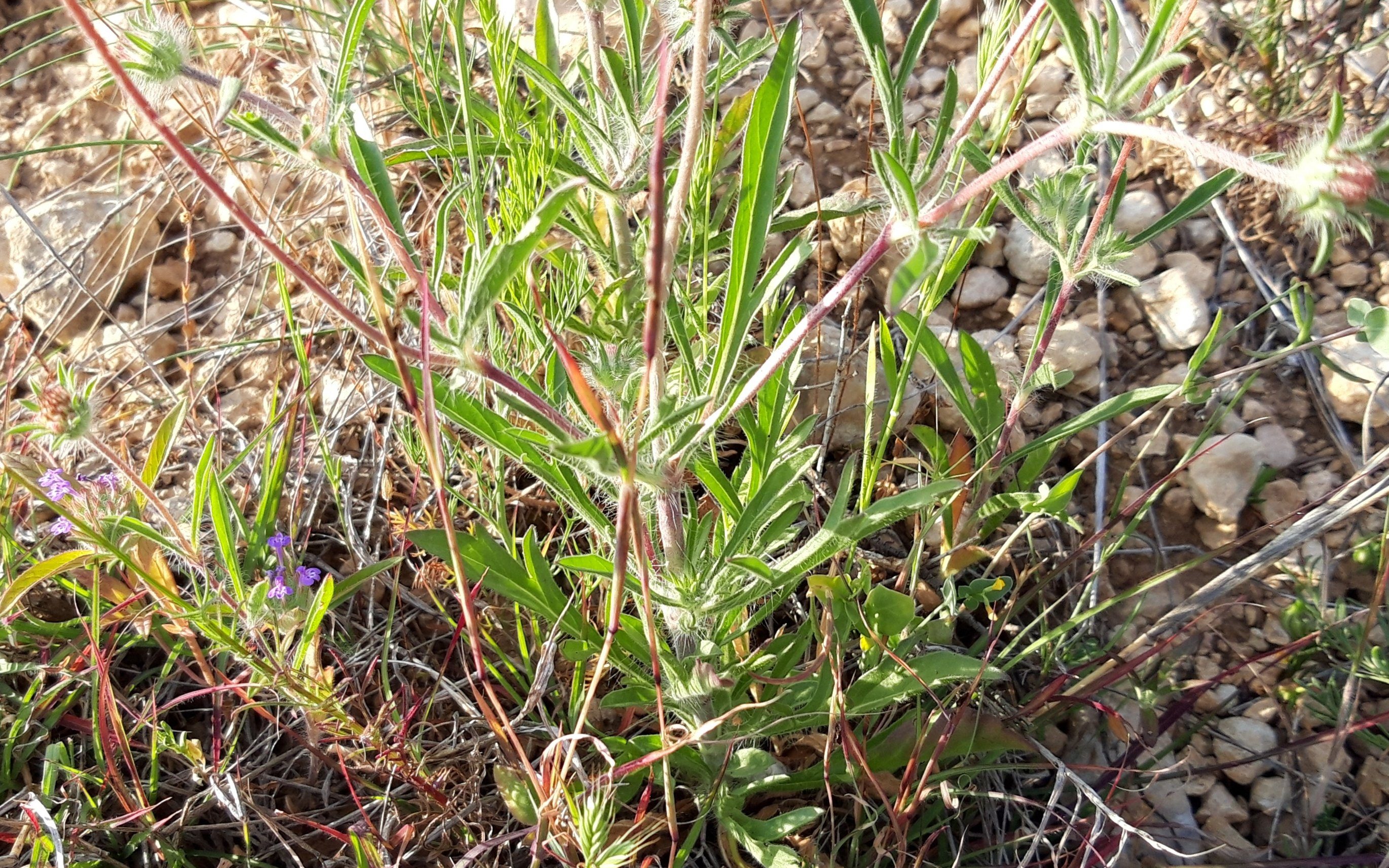
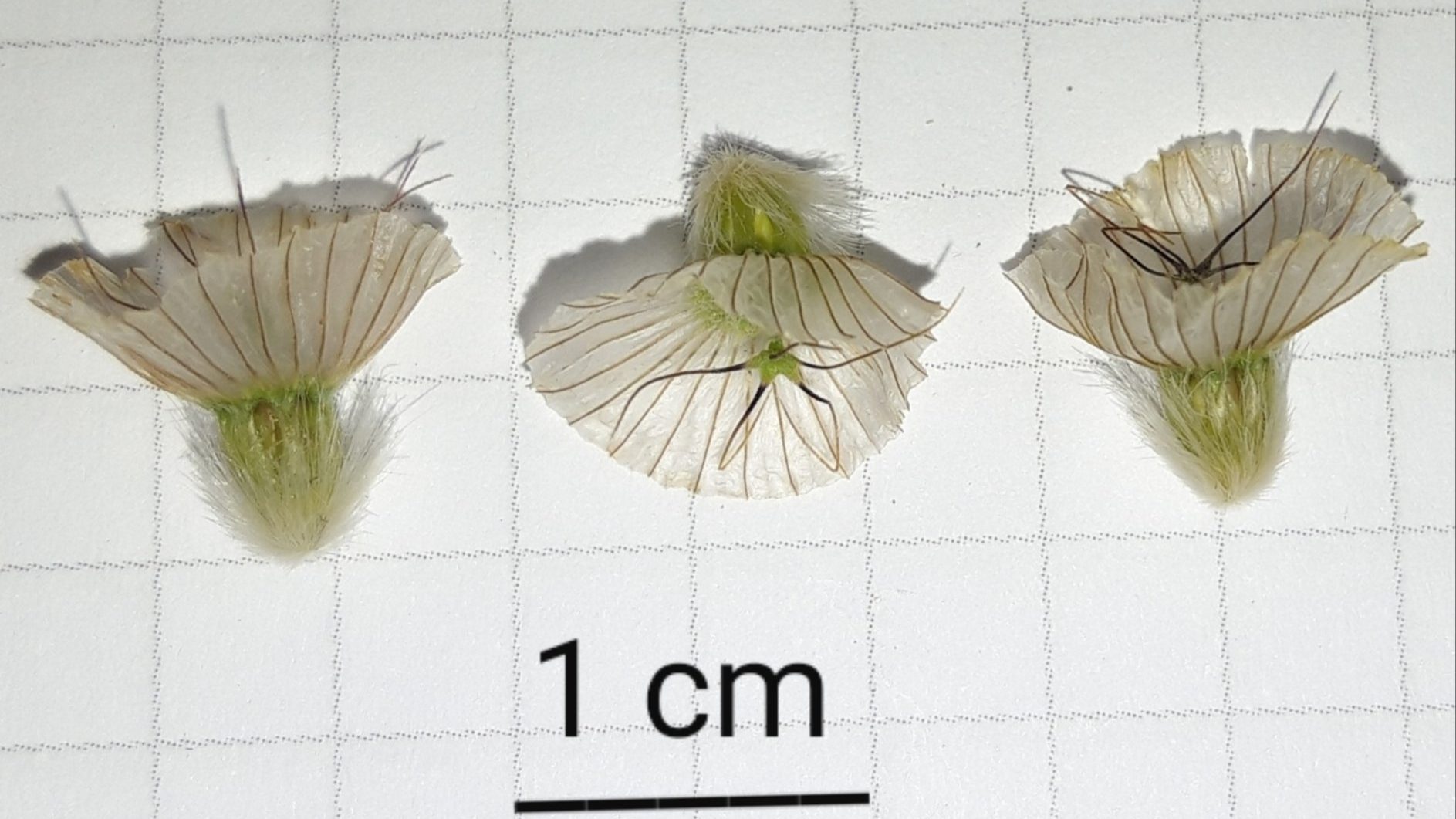
Taxonomy: Fam. Dipsacaceae// Genus: Lomelosia// Species: Lomelosia rotata (M. Bieb.) Greuter & Burdet
Determined according to the botanical key provided by Jasiewicz (1976 in Tutin et al.) as Scabiosa rotata Bieb., Fl. Taur.-Cauc. 3: 102 (1819). The accepted name in The Euro+Med PlantBase (source: Domina, 2017+) is Lomelosia rotata (M. Bieb.) Greuter & Burdet in Willdenowia 15: 75. 1985.
Lifeform: Annual plant. Therophyte according to the Raunkiaer system.
Distribution: Native from the Balkan Peninsula to Turkmenistan and Afghanistan according to the Plants of the World Online portal (Royal Botanic Gardens, Kew).
Habitat: Open habitats- calcareous hill pastures.
Flowering period: Late spring – summer (MAY, JUN).
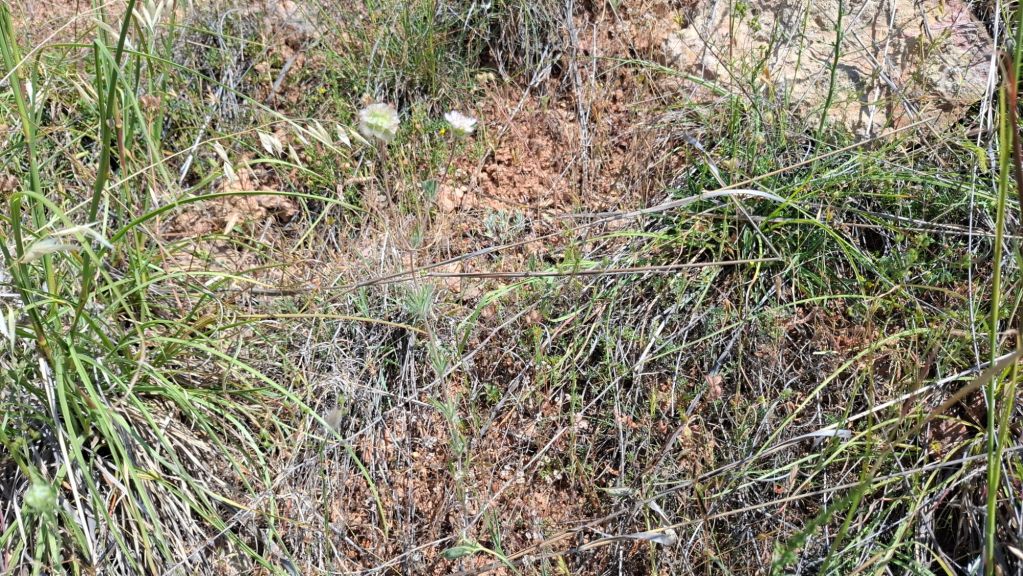
Locality: hill pastures near village of Beli. Date: 06.06.2026.
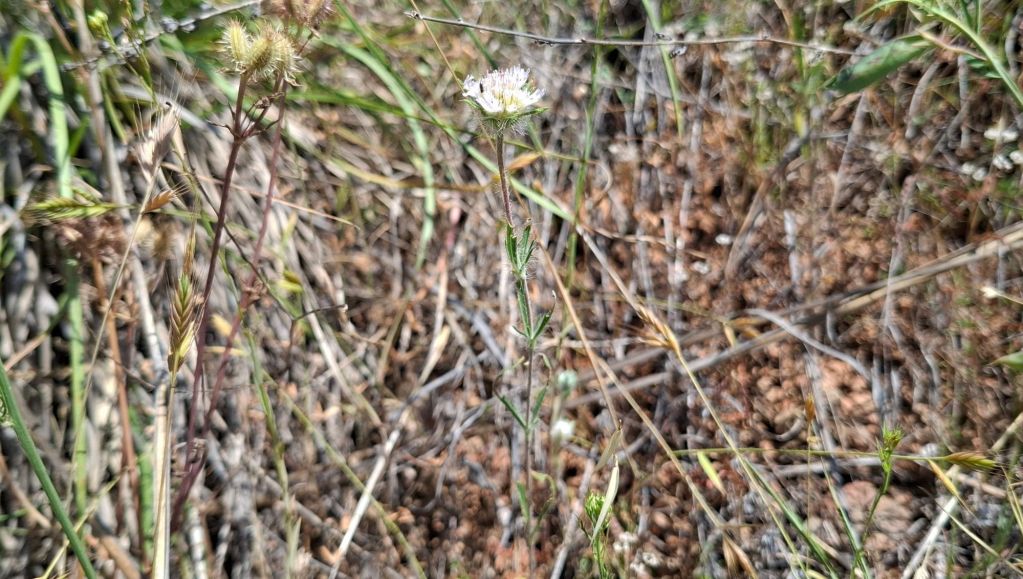

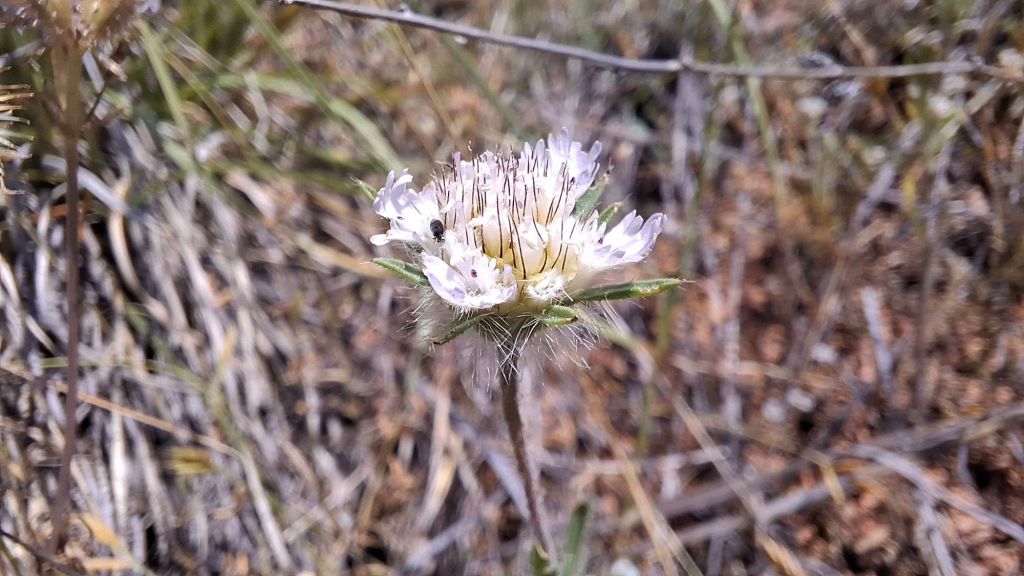
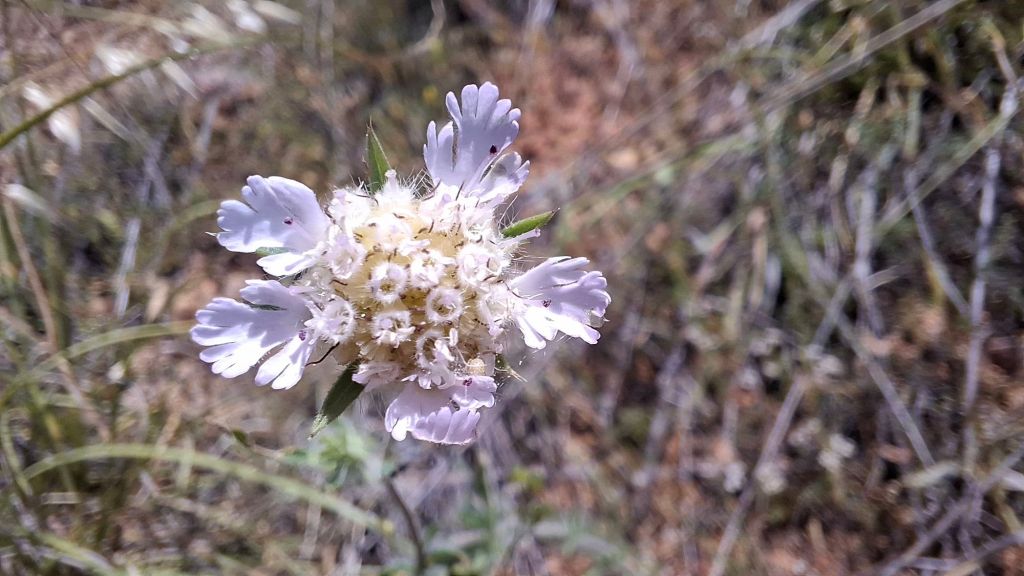

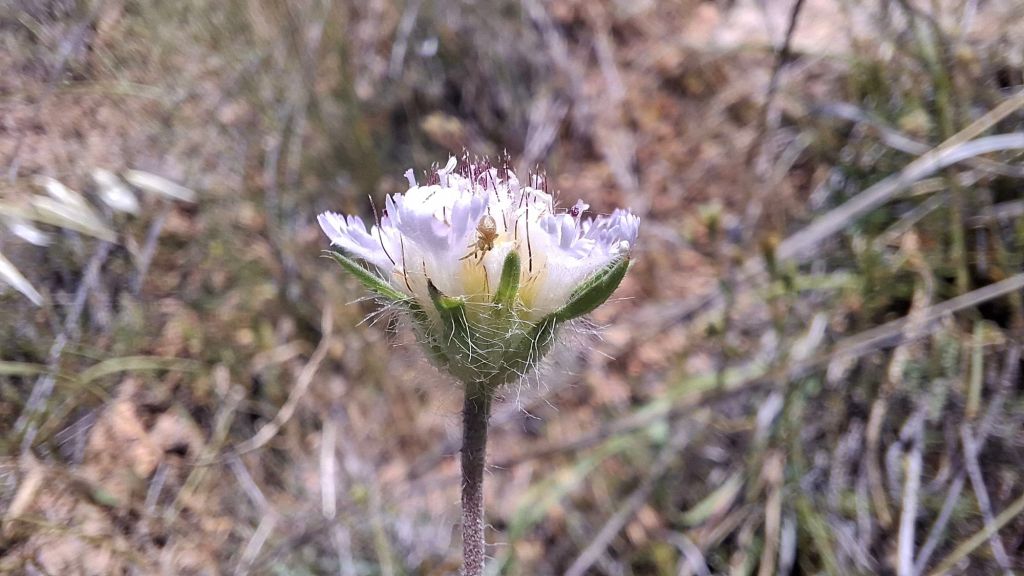
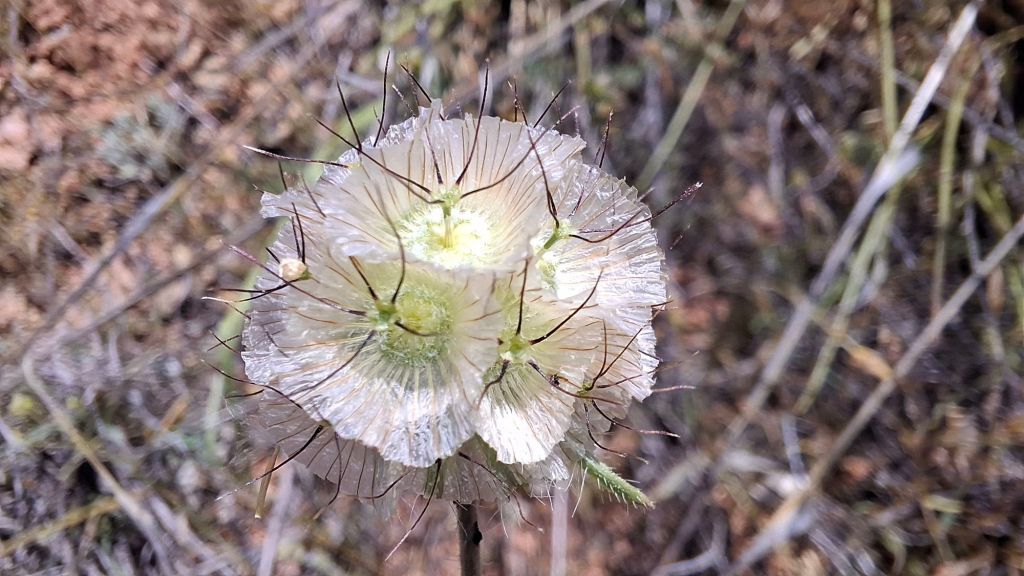

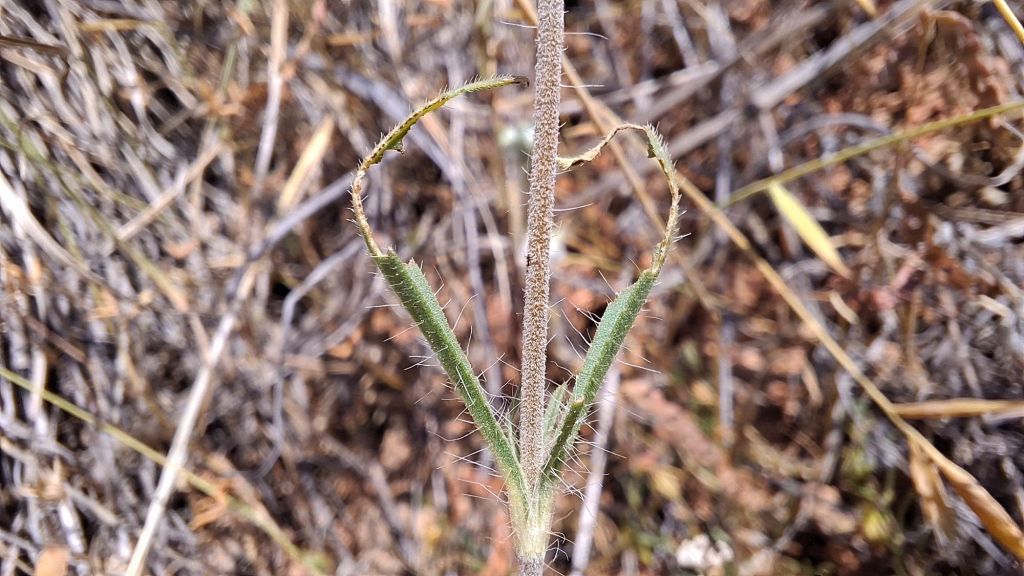


Locality: hill pastures near village of Beli. Date: 31.05.2020.

References:
Lomelosia rotata. Domina, G. (2017+): Dipsacaceae. – In: Euro+Med Plantbase – the information resource for Euro-Mediterranean plant diversity. Published on the Internet https://europlusmed.org/cdm_dataportal/taxon/aec5e7ed-87f6-4ed3-b8d1-7b0fbb62d354 [Accessed 26.11.2022].
Lomelosia rotata (M.Bieb.) Greuter & Burdetet. Plants of the World Online, Royal Botanic Gardens Kew. https://powo.science.kew.org/taxon/urn:lsid:ipni.org:names:915239-1 [Accessed 26.11.2022].
Jasiewicz, A. 1976. Scabiosa L. In Tutin, T. G., Heywood, V. H., Burges, N. A., Moore, D. M., Valentine, D. H., Walters, S. M. & Webb, D. A. (eds.), Flora Europaea. Volume 4: Plantaginaceae to Compositae (and Rubiaceae). Cambridge: Cambridge University Press, pp. 68–73.
Last update: 19.08.2026.
Taxonomy: Fam. Rhamnaceae// Genus: Paliurus// Species: Paliurus spina-christi Mill.
Determined according to the botanical keys for Rhamnaceae (key to genera) and Paliurus Miller provided by Tutin in Tutin et al. (1998) and Matevski in Micevski (2005).
Lifeform: Perennial, shrub; Microphanerophyte according to the Raunkiær system.
Distribution: Native to the Mediterranean region of Europe and Asia to Central Asia and Aghanistan according to the distribution information provided by the Plants of the World Online portal (Royal Botanic Gardens, Kew).
Habitat: Grasslands, hill pastures, shrubland, woods and oak forests, rocky terrains in termophilous sites – widespread at lower altitudes in the continental sub-Mediterraneanean zone (Querco – carpinetum orientalis ass.).
Flowering period: Summer: JUN, JUL.


References:
Paliurus Miller. Matevski, V. in Micevski, K. (2005). The Flora of the Republic of Macedonia Vol. I, Book 6. Macedonian Academy of Sciences and Arts, p. 1670.
Paliurus Miller. Tutin, T.G. in Tutin, T.G., Heywood, V.H., Burges, N.A., Moore, D.M., Valentine, D.H., Walters, S.M., & Webb, D.A. (1968). Flora Europaea. Volume 2. Rosaceae to Umbelliferae. Cambridge: Cambridge University Press, p. 243.
Paliurus spina-christi Mill. Plants of the World Online portal, Royal Botanic Gardens Kew. https://powo.science.kew.org/taxon/urn:lsid:ipni.org:names:717707-1 [Accessed 25.11.2023].
Rhamnaceae (key to genera). Matevski, V. in Micevski, K. (2005). The Flora of the Republic of Macedonia Vol. I, Book 6. Macedonian Academy of Sciences and Arts, p. 1669.
Rhamnaceae (key to genera). Tutin, T.G. in Tutin, T.G., Heywood, V.H., Burges, N.A., Moore, D.M., Valentine, D.H., Walters, S.M., & Webb, D.A. (1968). Flora Europaea. Volume 2. Rosaceae to Umbelliferae. Cambridge: Cambridge University Press, p. 243.
Last update: 25.11.2023.
Taxonomy: Fam. Fabaceae// Genus: Trifolium// Species: Trifolium repens L.// Subspecies: Trifolium repens L. subsp. repens.
Determined according to the botanical key provided by Micevski (2001) to species level and Coombe in Tutin et al. (1968) to subspecies level.
Species variability: Trifolium repens L. shows considerable amount of variation. In the Osogovo region two forms can be distinguished according to the key provided by Coombe in Tutin et al. (1968): Trifolium repens L. subsp. repens and Trifolium repens subsp. prostratum Nyman. Distinction between subspecies:
– Trifolium repens L. subsp. repens: flowers white (sometimes pink), peduncle of inflorescence glabrous or glabrescent; pedicels up to twice as long as calyx; leaves with glabrous petioles up to 15 (-20) cm long and leaflets 10 to 20+ mm long. Leaf petioles generally erect.
– Trifolium repens L. subsp. prostratum Nyman: flowers pink, inflorescence with distinctly hairy peduncle; pedicles shorter to almost equaling calyx; leaves with distinctly hairy petioles and leaflets up to 10 (-15) mm long. Petioles and peduncles generally shorter as compared to subsp. repens. Leaf petioles generally appressed to the ground or semi-erect.
Lifeform: Perrenial; Hemicryptophyte according to the Raunkiær system.
Distribution: Native from Europe to Siberia, Mongolia, Himalaya, India, Iraq and Jordan; Macaronesia; Northwest Africa, Egypt, East Africa and Zimbabwe according to the distribution information provided the Plants of the World Online (Royal Botanic Gardens, Kew).
Habitat: Grasslands and pastures, clearings and edges of woods.
Flowering period: Late spring – summer: MAY, JUN, JUL.


References:
Trifolum L. Coombe, D. E. in Raven, P.H. in Tutin, T.G., Heywood, V.H., Burges, N.A., Moore, D.M., Valentine, D.H., Walters, S.M. & Webb, D.A. (1968). Flora Europaea. Volume 2: Rosaceae to Umbelliferae. Cambridge: Cambridge University Press, pp. 157 – 172.
Trifolium L. Micevski, K. (2001). The Flora of the Republic of Macedonia Vol. I, Book 5. Macedonian Academy of Sciences and Arts, pp. 1290-1345.
Trifolium repens subsp. repens. Plants of the World Online, Royal Botanic Gardens, Kew. https://powo.science.kew.org/taxon/urn:lsid:ipni.org:names:77194488-1 [Accessed 29.01.2023].
Last update: 29.01.2023.
Taxonomy: Fam. Caryophyllaceae// Genus: Silene// Species: Silene italica (L.) Pers.// Subspecies: Silene italica (L.) Pers. subsp. italica.
Determined according to the botanical keys provided by Micevski (1993) and Chater and Walters in Tutin et al. (1964).
Habitat: Grasslands/ pastures, woods, edges and clearings of forests.
Distribution: Native from South Europe to Ukraine and Iran according to the distribution information provided by the Plants of the World Online portal (Royal Botanic Gardens, Kew).
Lifeform: Perennial; hemicryptophyte according to the Raunkiaer system.
Flowering period: Spring – summer: APR, MAY, JUN.


References:
Silene italica subsp. italica Heuff. ex Rchb. Plants of the World Online portal, Royal Botanic Gardens, Kew. https://powo.science.kew.org/taxon/urn:lsid:ipni.org:names:77225350-1 [Accessed 21.01.2023].
Silene L. Chater, A. O. and Walters, S. M. in Tutin, T.G., Heywood, V.H., Burges, N.A., Moore, D.M., Valentine, D.H., Walters, S.M., & Webb, D.A. (1964). Flora Europaea. Volume 1. Lycopodiaceae to Platanaceae. Cambridge: Cambridge University Press, pp. 158 -181.
Silene L. Micevski, K. (1993). The Flora of the Republic of Macedonia Vol. I, Book 2. Macedonian Academy of Sciences and Arts, pp. 302 – 346.
Last update: 14.01.2024.
Taxonomy: Fam. Colchicaceae// Genus: Colchicum// Species: Colchicum doerfleri Halácsy. The classification is given according to The Euro+Med PlantBase (source: World Checklist of Selected Plant Families, 2010).
Determined according to the botanical keys provided by Tutin et. al. (1980) in Flora Europaea and Milović (2017). In Flora Europaea Vol. 5 this taxon is included within Colchicum hungaricum Janka. However, no distinguishing features between the two taxa are given.
Distribution: Balkan Peninsula according to the Euro+ Med PlantBase (source: World Checklist of Selected Plant Families, 2010).
Lifeform: Perennial; Geophyte according to the Raunkiær system.
Habitat: Open rocky terrains, river gorges.
Flowering period: Winter: (DEC-) JAN, FEB -(MAR). This Colchicum species flowers in winter, from late December until early/ mid March. By late March the plant is already in the fruiting stage.


References:
Milović, M. (2017): The genus Colchicum L. (Colchicaceae) in the flora of Croatia. Glas. Hrvat. bot. druš. 5(1), pp. 20-31. https://hrcak.srce.hr/file/264247 [Accessed 10.04.2022].
Tutin, T.G., Heywood, V.H., Burges, N.A., Moore, D.M., Valentine, D.H., Walters, S.M. & Webb, D.A. (1980). Flora Europaea. Volume 5: Alismataceae to Orchidaceae (Monocotyledones). Cambridge: Cambridge University Press.
Colchicum doerfleri. The Euro+Med PlantBase. Source: World Checklist of Selected Plant Families (2010), copyright © The Board of Trustees of the Royal Botanic Gardens, Kew. Published on the Internet: http://ww2.bgbm.org/EuroPlusMed/PTaxonDetail.asp?NameCache=Colchicum%20doerfleri&PTRefFk=8000000 [Accessed 10.04.2022].
Last update: 10.04.2022.